The Beijing Metro (Beijing Subway) is a go-to public transport option for both tourists and locals, and it effortlessly connects you to top attractions across the city. Let me guide you through everything you need to know: routes, ticketing, fares, operating hours, and nearby attractions!
Beijing Metro Map and Lines
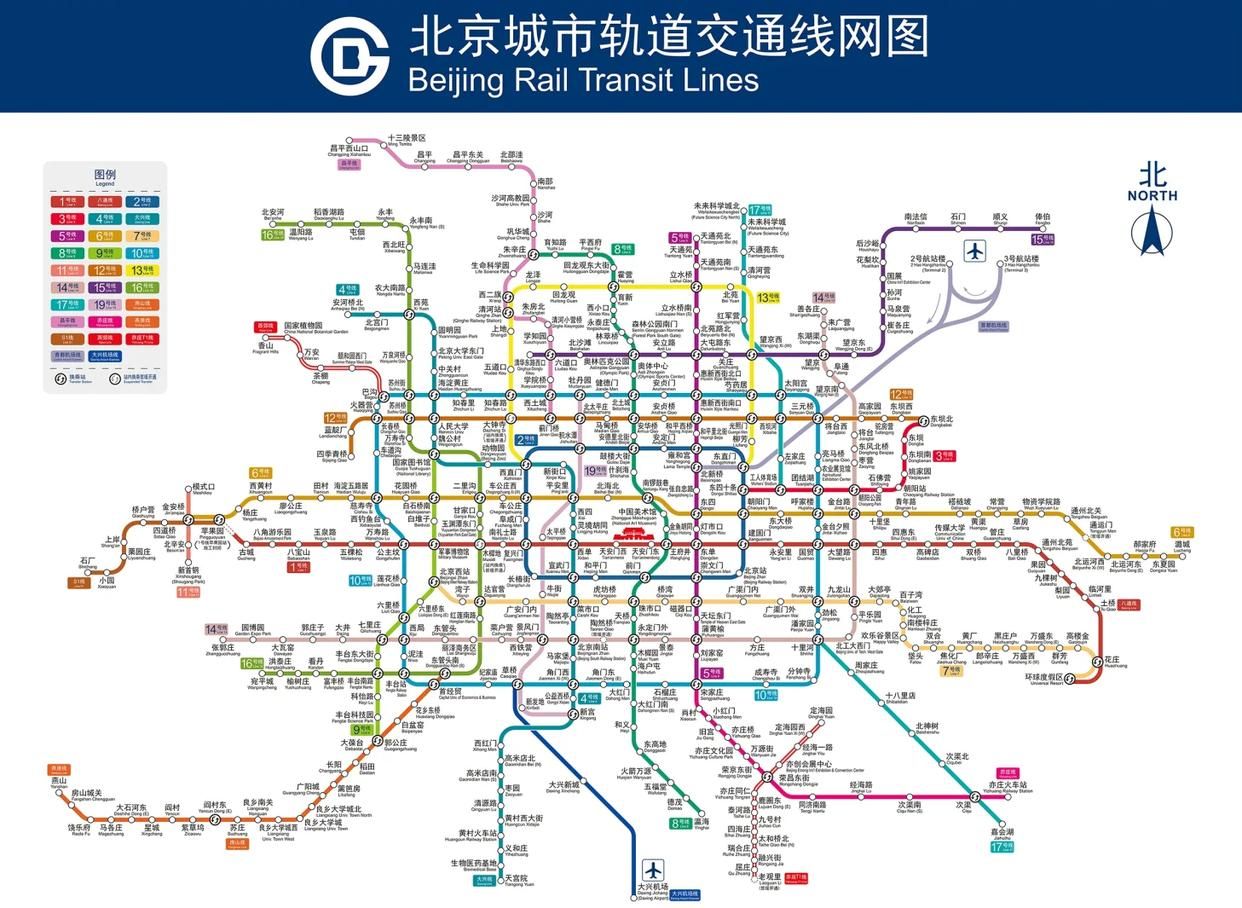
Launched in 1971, the Beijing Subway was China’s first metro system. Right now, Beijing Metro has 30 lines and over 500 stations across the city. It is one of the biggest metro systems in the world!

Source: Baidu
Most lines run through the city centre. The lines are in different colours on the Beijing Metro map, so you can spot them quickly. You will see English signs in every station, so don’t worry about getting lost.
Key Stations of Beijing Metro
Station | Lines | Why Stop Here? |
Tian’anmen East / West | Line 1 | Gateway to Tian’anmen Square and the Forbidden City |
Wangfujing | Line 1/8 | Major shopping street with malls, restaurants, and snacks |
Qianmen | Line 2/8 | Close to Dashilan and traditional hutong streets |
Dongzhimen | Line 2/13, Airport Express | Easy transfer to Capital Airport |
Sanlitun | Line 10 | Trendy nightlife, bars, shopping, and dining |
Nanluoguxiang | Line 6/8 | Popular hutong area with cafés, boutiques, and street food |
Book Flighs to Beijing Now
Beijing Metro Operating Hours

Source: Baidu4
Most lines start running from around 05:00–05:30 to 23:00–23:30 each day, but times vary slightly by line. Trains run every 2–5 minutes during the day, and around 6–10 minutes late at night.
💡 Tip:
- If you’re catching an early flight or arriving late, plan ahead. Not all lines run till midnight. Always check the specific final departure time for your line.
- Try to avoid rush hours (7:30 AM–9:00 AM and 5:30 PM–7:30 PM) if you can. The trains get very crowded during these times!
Beijing Airport Express Operating Hours
If you’re coming from the airport, the Beijing Metro is a handy way to reach the city.
Daxing Airport:
- Airport Express to Daxing Airport: 5:30 AM – 22:30 PM
- Airport Express from Daxing Airport: 6:00 AM – 22:30 PM
- Frequency: 8-10 minutes
Capital Airport:
- Airport Express to Capital Airport: 6:00 AM – 22:30 PM
- Airport Express from Capital Airport: 5:56 AM – 22:26 PM (from T3)
- Frequency: 8-10 minutes
🔥Exclusive Hotels Deal: Up to 10% OFF for New Users
Discover the world with trip.com! Book the perfect hotel anywhere in the world and get an unbeatable 10% discount if you're a first-time user! Download our app now and start planning your next trip with ease.
Beijing Metro Tickets and Fares

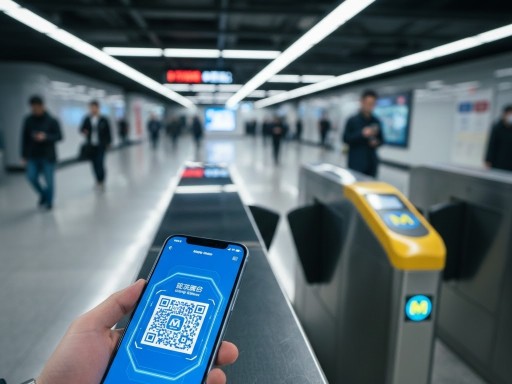
AI-generated image
Beijing uses a distance-based fare system, which means the longer you travel, the more you pay:
Distance Travelled | Fare (CNY) | Approx. Fare (SGD) |
Up to 6 km | ¥3 | ~S$0.60 |
6–12 km | ¥4 | ~S$0.75 |
12–22 km | ¥5 | ~S$0.95 |
22–32 km | ¥6 | ~S$1.15 |
Over 32 km | +¥1 per 20 km | +~S$0.20 per 20 km |
*Prices are indicative and based on average exchange rates. Actual fares may vary slightly.
**There’s no set maximum. The fare increases as you travel further.
Pro tip: You can stay in the paid area for up to 4 hours per trip. There’s plenty of time to explore transfer stations or grab a quick bite!
How to Pay for Beijing Metro?

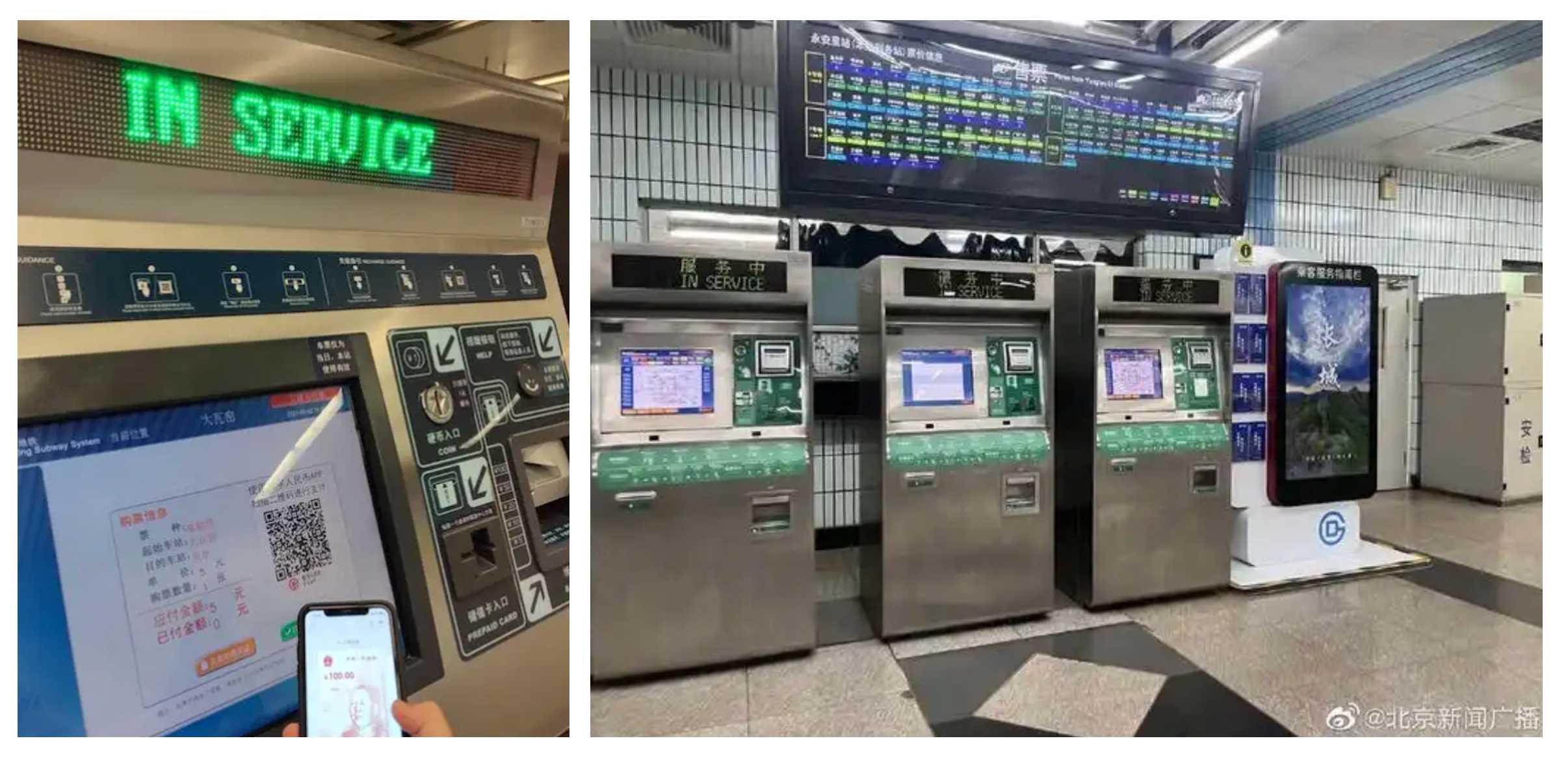
Source: 北京新闻广播
1. QR Code Payment (Most Convenient!)
Download apps like Yitongxing (亿通行), Alipay, or WeChat Pay. Simply generate a QR code, scan it at the turnstiles, and you’re in. No need for physical tickets. Perfect for Singaporeans who love cashless convenience!
2. Physical Cards
Think of it as Beijing’s version of EZ-Link! Buy one Yikatong Card at subway ticket counters. Top it up and use it for subways, buses, and even some convenience store purchases.
3. Single Journey Tickets
Ideal for short trips. Grab one from vending machines (accepts cash) by selecting your destination. It’s convenient if you’re only taking the metro once or twice.
🔥Save More with an Extra 5% Off – New Users Only
Use our promo code to enjoy an extra 5% off (up to S$4) on your attraction tickets, eSIMs, and tours! ⏳Redeem within 3 days of claiming
How to Take the Metro in Beijing?

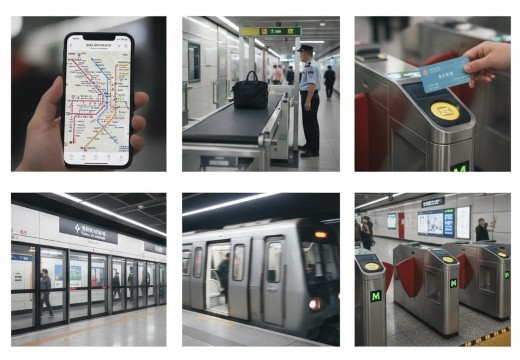
AI-generated image
1. Plan Your Route
Use a Beijing Metro map or apps like Gaode (Amap) or Baidu Maps to find the fastest route. Check the line number, transfer stations, and your final stop before heading out.
2. Go Through Security
Every Beijing metro station has a security check. You’ll need to place your bags through an X-ray scanner before entering the ticketed area, so allow a bit of extra time.
3. Buy a Ticket or Use a Travel Card
At the station, you can buy a single-journey ticket from the ticket machines, or tap in using a Yikatong transport card. Mobile payments via Alipay or WeChat Pay metro QR codes are widely accepted.
4. Find the Right Platform
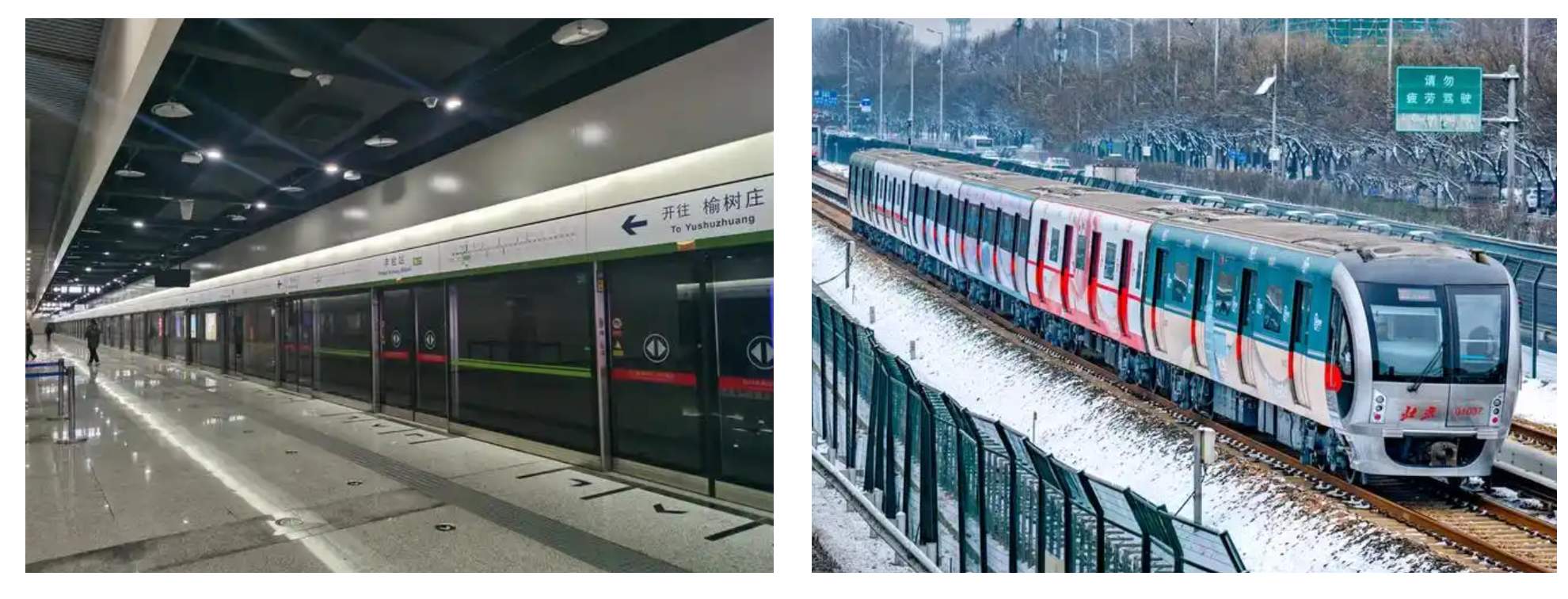
Follow the clear English and Chinese signs showing line numbers, colours, and the final destination station to make sure you’re heading in the right direction.
5. Board the Subway
Stand behind the platform screen doors or yellow line and let passengers exit first. Trains arrive frequently, so there’s rarely a long wait.
6. Exit at Your Station
When you reach your stop, follow exit signs to the concourse. Tap your card, scan the QR code, or insert your ticket at the gates to leave the station.
Handy Apps for Your Navigation in Beijing
Downloading a few apps can make your metro journey even smoother:
- Beijing Subway Official App – Shows routes, updates and station info.
- Gaode Map (Amap) or Baidu Map – Great for live navigation and transfers.
- Translation Apps (e.g. Google Translate/Youdao Translation) – Useful if you hit a local station without staff who speak English.
Top Attractions Along Popular Beijing Subway Line
Why waste time on taxis when the subway drops you right at the door of Beijing’s best spots? Here are our top lines for Singaporean travellers:
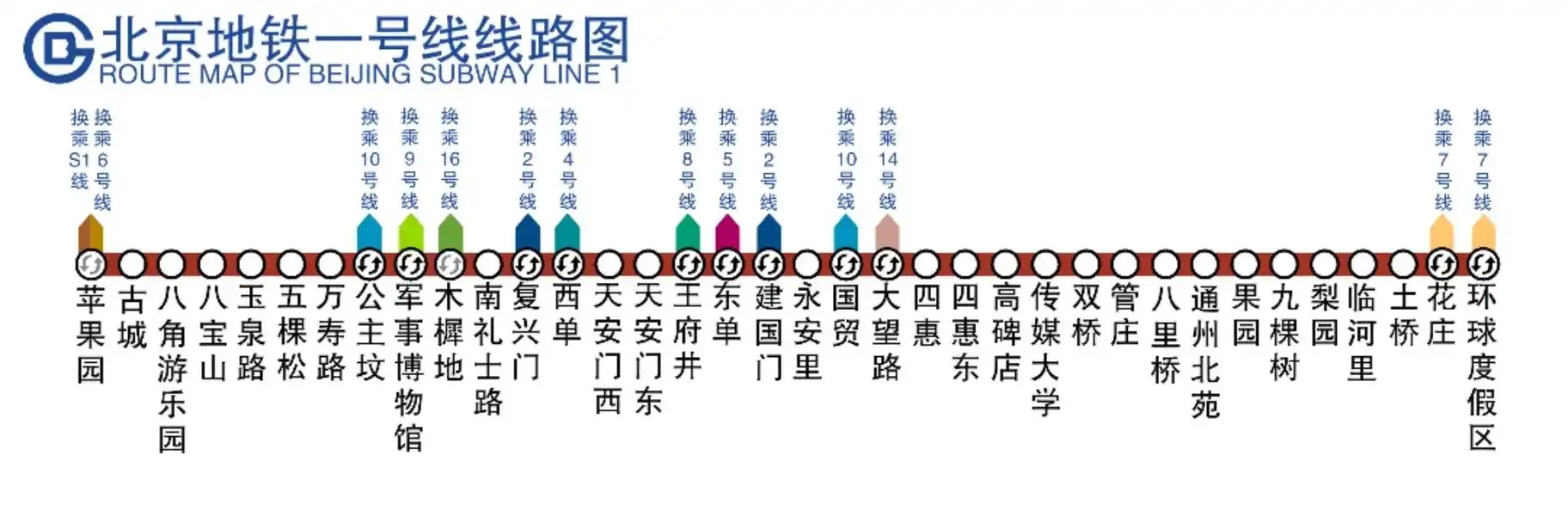
Line 1: Iconic Landmarks

Source: Baidu
Perfect for first-timers! Stops include:
- Tiananmen Square & Forbidden City (Tiananmen East/West Stations): Walk through China’s most famous square and explore the imperial palace.
- Wangfujing Street: A bustling shopping street with everything from luxury brands to street food (try the famous “snack street” for fried scorpions and more!).
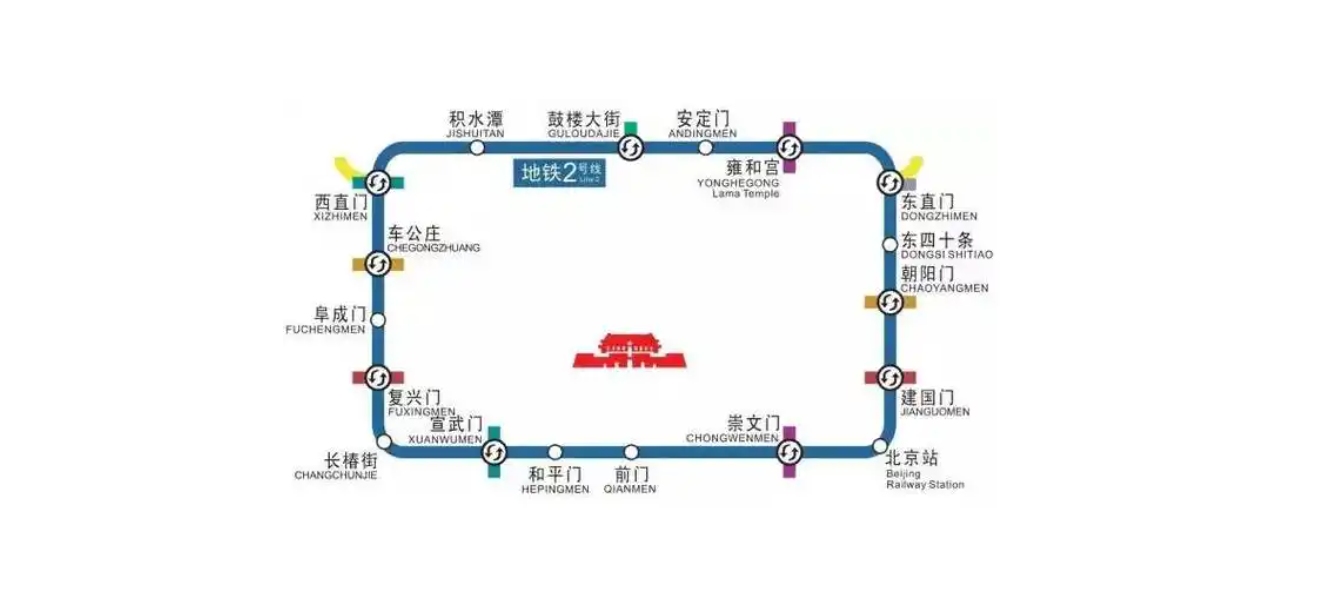
Line 2: Old Beijing Charm

Source: Baidu
Loop line covering classic neighbourhoods:
- Yonghe Temple (Lama Temple): Beijing’s largest Tibetan Buddhist temple. Don’t miss the giant Buddha statue carved from a single sandalwood tree.
- Shichahai & Houhai Lakes: Wander hutongs (narrow alleyways), rent a paddleboat, or sip coffee at lakeside cafes, pure old Beijing vibes.
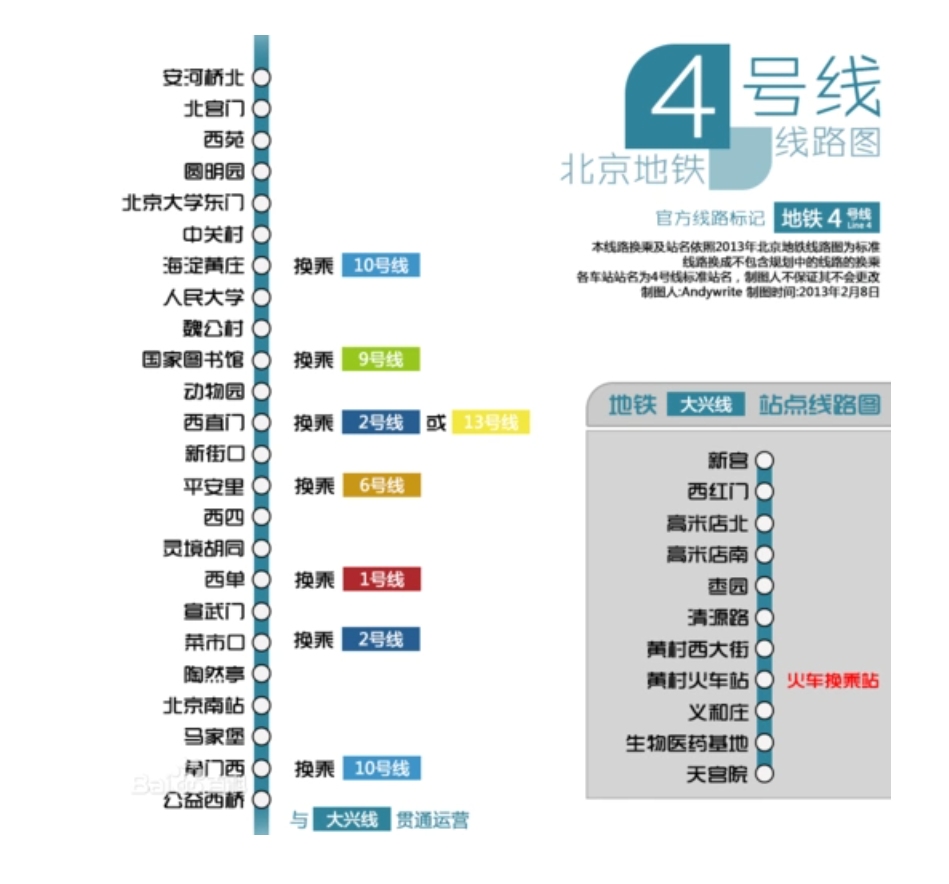
Line 4: Royal Gardens & Universities

Source: Baidu
A cultural treasure trove:
- Summer Palace (North 宫门 Station): A UNESCO World Heritage Site with stunning lakes, palaces, and bridges. Spend half a day here!
- Yuanmingyuan (Old Summer Palace): Ruins of the once-grand imperial garden—fascinating for history buffs.
- Peking University & Tsinghua University: Stroll through China’s top universities (check visitor entry rules online first).
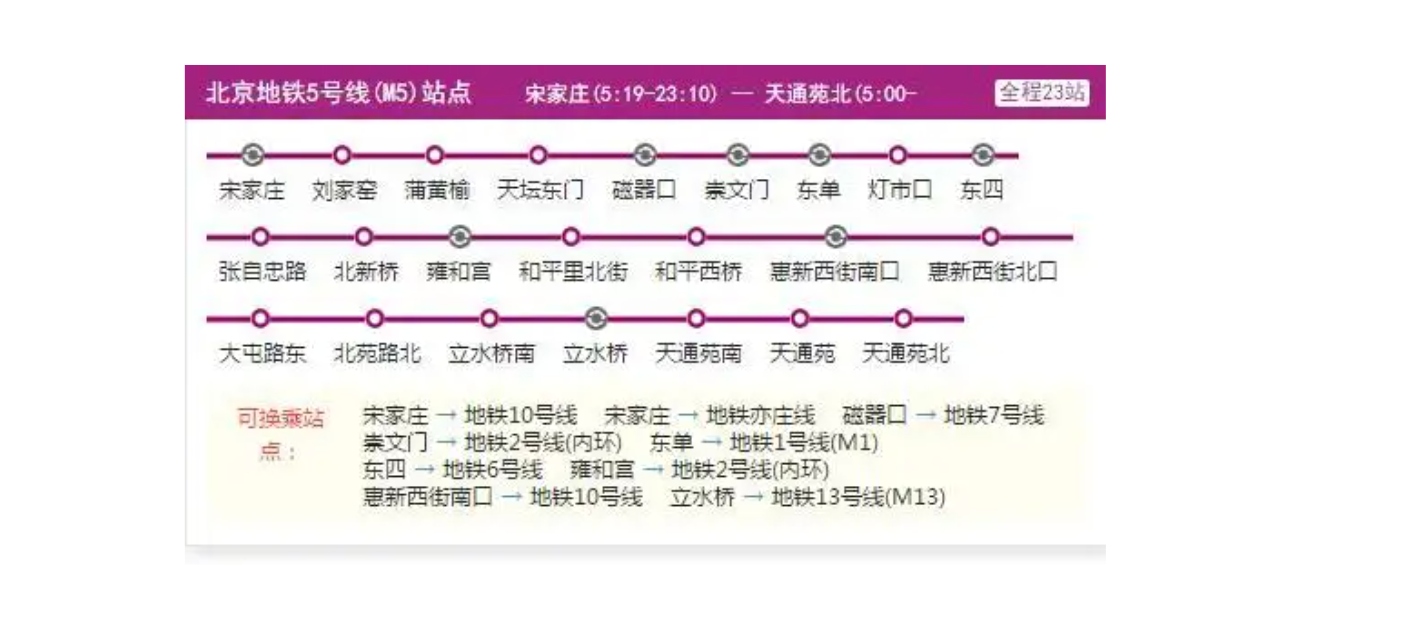
Line 5: Temple of Heaven

Source: Baidu
All the way through Temple of Heaven Park and Ditan Park, it is like travelling between history and beauty. The Temple of Heaven is the largest ancient sacrificial complex in China, and it is full of momentum. As for the Earth Temple, it is the largest civil servant ancestral hall in Beijing, which is super worth a visit.
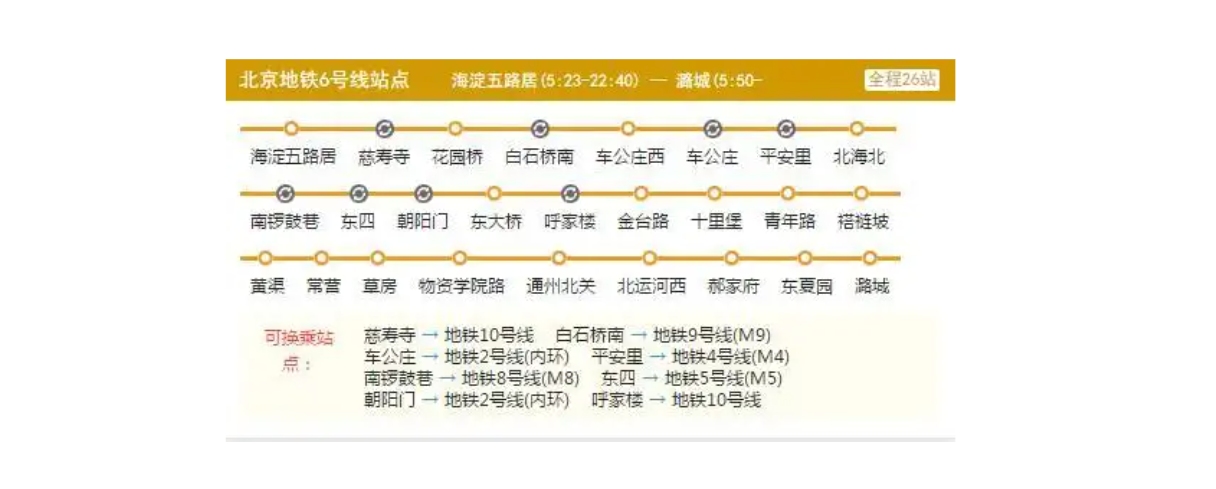
Line 6: Trendy & Historic

Blends old and new:
- Nanluoguxiang: A cobblestone alleyway lined with boutique shops, cafes, and traditional courtyard houses.
- Prince Gong’s Mansion: Once home to a Qing Dynasty prince. Explore opulent halls and gardens (it’s said to be the inspiration for “Dream of the Red Chamber”).
Mastering the Beijing Subway
With this guide, you’ll navigate Beijing’s subway like a local, saving time, money, and hassle. Whether you’re chasing historic landmarks, trendy neighbourhoods, or delicious food, the subway has got you covered. Happy travels in Beijing!
FAQs About Beijing Metro
Is the Beijing Metro tourist-friendly for first-time visitors?
Yes. Station signs, line maps, and announcements are in both Chinese and English. Once you understand line numbers and colours, getting around is very straightforward.Do I need cash to use the Beijing Metro?
Not necessarily. You can pay using Alipay or WeChat Pay metro QR codes, or a Yikatong card. Cash is only needed if you’re buying a single ticket at certain machines.Are there toilets inside Beijing metro stations?
Most stations have public toilets, usually located outside the ticketed area. They’re basic but generally clean.Can I bring large luggage on the Beijing Metro?
Yes, but be mindful during peak hours. If you’re travelling with large suitcases, try to avoid morning and evening rush hours, especially on airport and interchange lines.Are food and drinks allowed on the Beijing Metro?
Small snacks and bottled drinks are generally fine, but eating full meals or bringing strong-smelling food is discouraged.