



Beijing, a city rich in history and culture, is also a paradise for food lovers. From the world-famous Peking Duck to sizzling street food, the capital of China offers a gastronomic adventure that’s as diverse as its ancient landmarks.
Whether you’re strolling through Beijing food streets, indulging in traditional dishes, or discovering hidden cafés, Beijing’s culinary scene is sure to captivate your taste buds.
In this guide, we’ve rounded up what to eat in Beijing, including the must-try dishes, eateries, and the best spots that should be on every traveler’s list. Let’s dive in and discover what makes Beijing a true foodie’s paradise!
1. Peking Duck
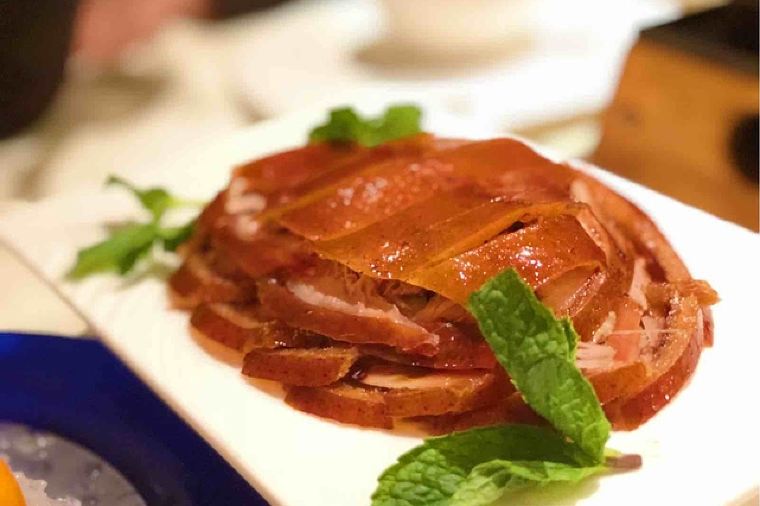
I stumbled upon Quanjude Roast Duck in the heart of Beijing, drawn by the smoky scent wafting from the restaurant as I walked by. When the dish arrived, the crisp, golden skin of the duck shimmered under the soft light. I wrapped a slice of duck in the delicate pancake, added a touch of hoisin sauce, and took my first bite.
The skin was perfectly crispy, almost like a crackling that shattered as I bit into it, while the meat beneath was tender and juicy. The sweetness of the sauce paired with the richness of the duck was pure perfection, and I couldn’t help but smile as I savored the flavors.
📖 About Peking Duck
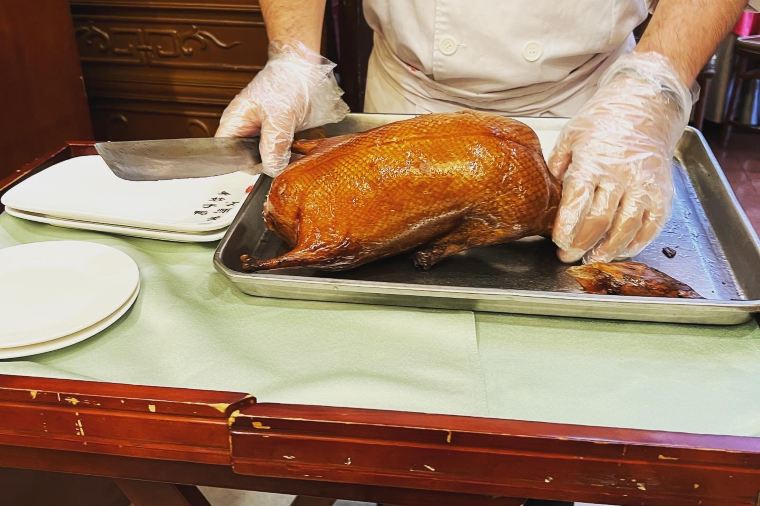
Peking Duck is one of Beijing’s most iconic dishes, beloved for its crispy skin and tender meat. Traditionally served with thin pancakes, hoisin sauce, and fresh vegetables, it's a festive dish that's been perfected over centuries.
🍴 Best place to try
For the best Peking Duck experience, here are a few spots where you can taste this dish in all its glory:
Quanjude Roast Duck
A legendary institution where you can enjoy the most authentic, traditional Peking Duck in a lively, upscale atmosphere.
- 📍 Location: Qianmen Street
- 💰 Cost: ~¥180 (about S$35)
Siji Minfu
A family-friendly spot that serves up rich, flavorful Peking Duck in a traditional setting, ideal for those wanting to try the dish in a warm, cozy atmosphere.
- 📍 Location: Nanchizi Street, Dongcheng District
- 💰 Cost: ~¥150 (about S$29)
Bianyifang
A historic restaurant famous for serving Peking Duck since the 15th century, offering a more rustic yet deeply authentic experience.
- 📍 Location: Bianyifang Mansion, No.16 Chongwenmen Wai Street
- 💰 Cost: ~¥130 (about S$25)
💡 Pro tips
- Don’t be afraid to add a bit of extra hoisin sauce for more flavor.
- Eat the duck immediately after it’s served for the best crispy experience.
- Locals often dip it in sugar for an extra twist.
2. Zha Jiang Mian (Fried Sauce Noodles)
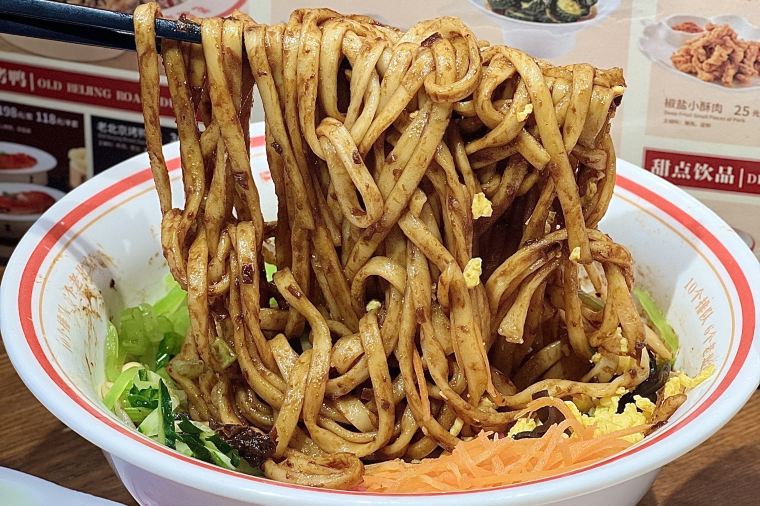
As I walked through the bustling streets of Beijing, the smell of savory sauce and sizzling pork led me to a small, local eatery. The Zha Jiang Mian arrived with a generous spoonful of thick, dark bean paste sauce over a bed of fresh noodles, topped with crisp cucumber strips. The first bite was pure comfort—rich, salty, and a little tangy.
The noodles were perfectly chewy, while the sauce had a deep, earthy flavor that paired perfectly with the freshness of the cucumber. I mixed it all together, and the dish instantly felt like a warm hug on a cold day.
📖 About Zha Jiang Mian
Zha Jiang Mian is a beloved Beijing noodle dish made with thick wheat noodles, topped with a savory fermented bean paste sauce and minced pork. It's a quintessential comfort food in Beijing, enjoyed by locals for both casual meals and quick street bites.
🍴 Best places to try
Here are some of the top spots in Beijing to indulge in this comforting dish:
Old Beijing Zhajiangmian DaWang
A super popular spot among locals for classic zhajiangmian — thick noodles topped with rich, salty soybean paste and loads of fresh veggie strips. Portions are big, and the vibe is casual and lively.
- 📍Location: East XingLong Street 56, Shang Jie Mansion 1 Floor
- 💰Cost: ~¥30 (about S$5.50)
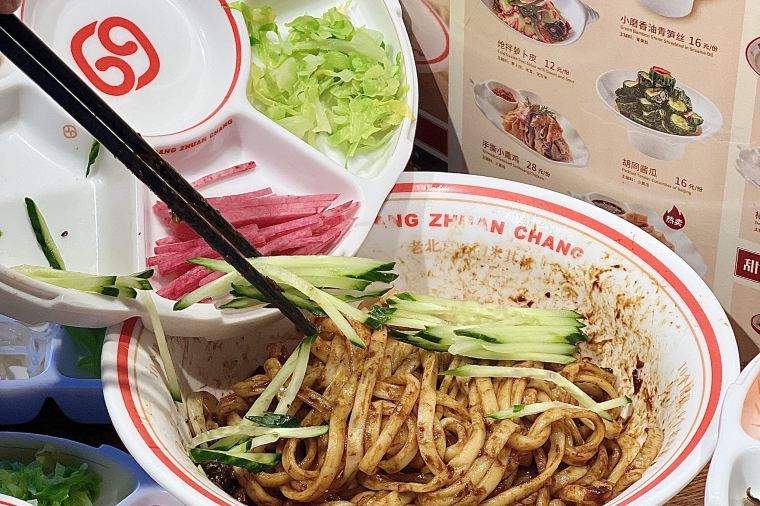
Fangzhuanchang No. 69
Hidden in a quieter corner, this place feels super cozy and old-school. Their handmade noodles are super silky, and the fried sauce is deep, savory, and packed with flavor.
- 📍Location: Qianmen Street
- 💰Cost: ~¥28 (about S$5)
💡 Pro tips
- Don’t forget to mix the noodles thoroughly to get the full flavor of the sauce.
- Add a bit of chili paste if you like a spicy kick.
- Pair it with a refreshing drink, like iced tea, to balance the richness of the dish.
3. Jianbing (Chinese Crepes)
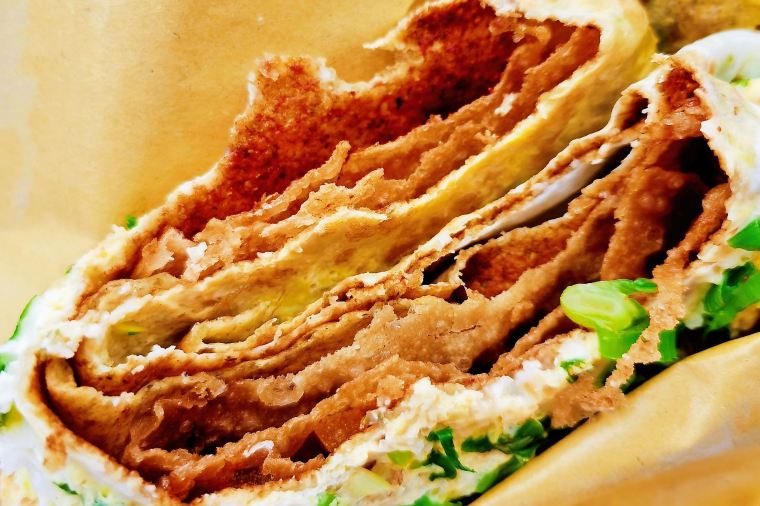
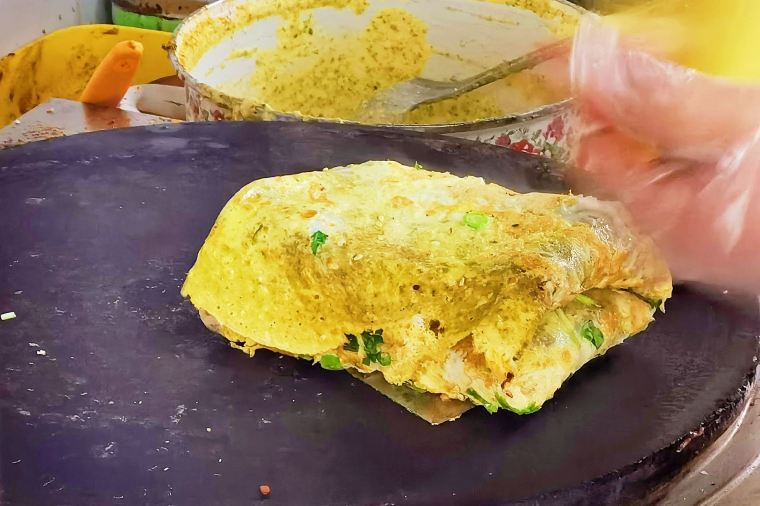
It was early morning in Beijing when the unmistakable smell of sizzling batter and fried dough lured me to a street vendor making Jianbing. As the vendor expertly spread the batter on the griddle, he cracked an egg over it, and the sound of it cooking was music to my ears.
When the crepe was ready, it was filled with crunchy fried dough, a sprinkle of chili, and a drizzle of sweet soy sauce. I took my first bite, and the warmth, crunch, and savory flavors hit me all at once. The egg was perfectly cooked, and the crispy dough added a satisfying crunch that balanced the soft texture of the crepe.
📖 About Jianbing
Jianbing is a popular Chinese street food, often enjoyed for breakfast. It’s a savory crepe made with a thin batter, egg, fried dough, and various toppings like cilantro, scallions, and sweet or spicy sauces. It’s fast, filling, and loved by locals for its comforting, flavorful bite.
🍴 Best places to try
Here are some of the best places in Beijing to grab this delightful crepe:
Dahua Jianbing
One of Beijing’s most famous jianbing spots, always with a steady line of locals. Their jianbing is super crispy outside, soft inside, with a perfect balance of egg, crispy wonton, scallions, and a rich savory sauce. Great for a quick and satisfying breakfast or snack.
- 📍Location: Beijianzixiang
- 💰Cost: ~¥15 (about S$2.80)
💡 Pro tips
- If you like it spicy, ask for chili paste or fresh chili slices to be added.
- Get there early for the freshest crepes, as they tend to sell out quickly during peak times.
- Try adding some pickled vegetables for an extra layer of flavor.
Grab Flight Discounts to Beijing

4. Beijing-style Hot Pot
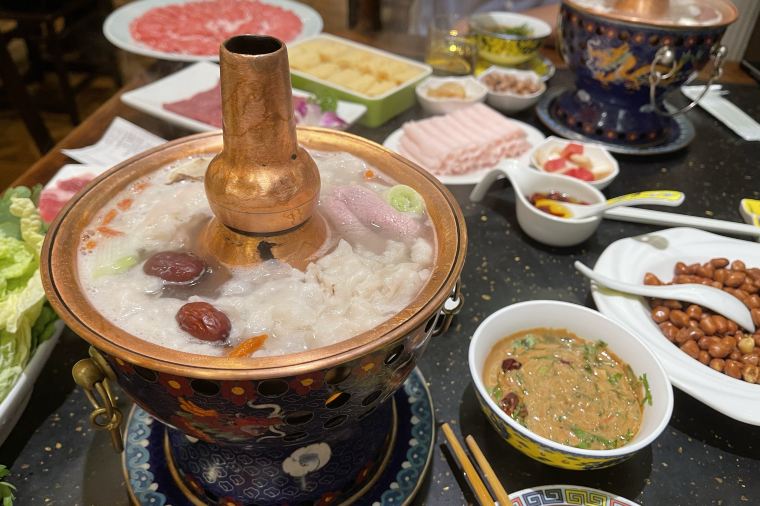
It was a chilly evening in Beijing when I decided to dive into the city’s famous hot pot culture. I found myself at a cozy, local hot pot restaurant, where the bubbling broth filled the air with mouthwatering aromas.
I dipped thinly sliced beef, fresh vegetables, and chewy noodles into the bubbling broth. As the ingredients cooked, the flavors melded together, creating a satisfying combination of heat and depth. The spice from the broth lingered on my tongue, and the rich, tender beef melted in my mouth.
📖 About Beijing-style Hot Pot
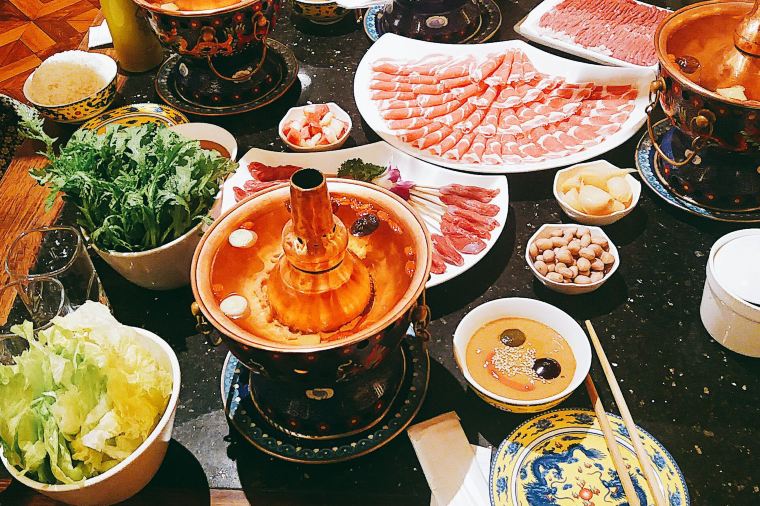
Beijing-style hot pot is a beloved winter dish known for its rich, spicy broth and a variety of fresh ingredients like lamb, beef, tofu, and vegetables. Unlike other regional hot pots, Beijing’s version is often served with a mix of spicy and mild broths, allowing you to enjoy a balanced meal.
🍴 Best places to try
Here are some of the best places in Beijing to experience a warming, flavorful hot pot:
NAN MEN HOTPOT
A must-visit for Beijing-style hotpot lovers! NAN MEN HOTPOT is famous for its traditional copper pots, clear broth, and super fresh lamb slices. The atmosphere is lively but cozy.
- 📍 Location: Yongdingmen Dongjie Dongli, Chongwen
- 💰Cost: ~¥120 per person (about S$22)
Dong Lai Shun
This long-established restaurant is known for its flavorful broths and top-quality lamb, perfect for those who want an authentic Beijing-style hot pot experience.
- 📍 Location: Dashilan Street
- 💰 Cost: ~¥200 (about S$40)
💡 Pro tips
- Don’t be afraid to mix the broths—be sure to try the spicy one with some cooling ingredients like tofu or mushrooms.
- The dipping sauces are key—mix sesame paste, garlic, and chili for the perfect combo.
- Keep an eye on the heat level of the broth; it can get pretty intense, so gauge the spice to your liking.
5. Jiaozi (Chinese Dumplings)
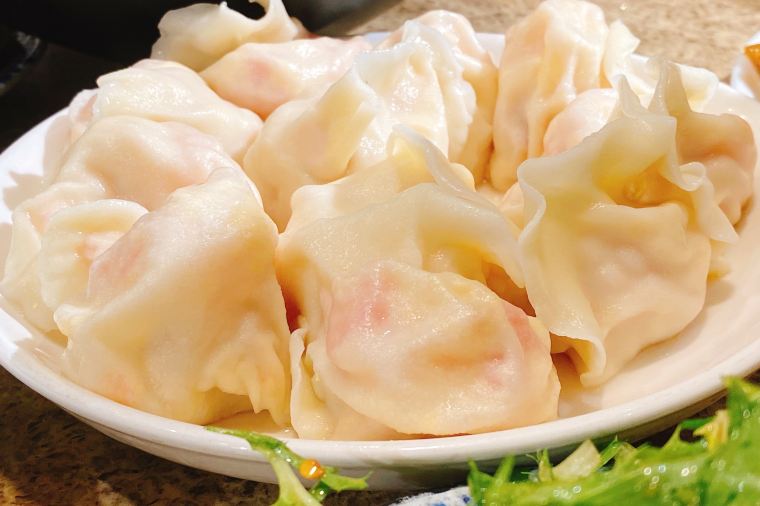
It was late afternoon in Beijing when I wandered into a small dumpling house, drawn in by the comforting scent of freshly steamed dough. The plate of jiaozi (dumplings) arrived, golden brown and steaming.
As I took my first bite, the dumpling skin was tender yet slightly chewy, giving way to a juicy filling of pork and cabbage. The flavors were simple but incredibly satisfying—savory and subtly sweet, with a hint of ginger and garlic.
📖 About Jiaozi
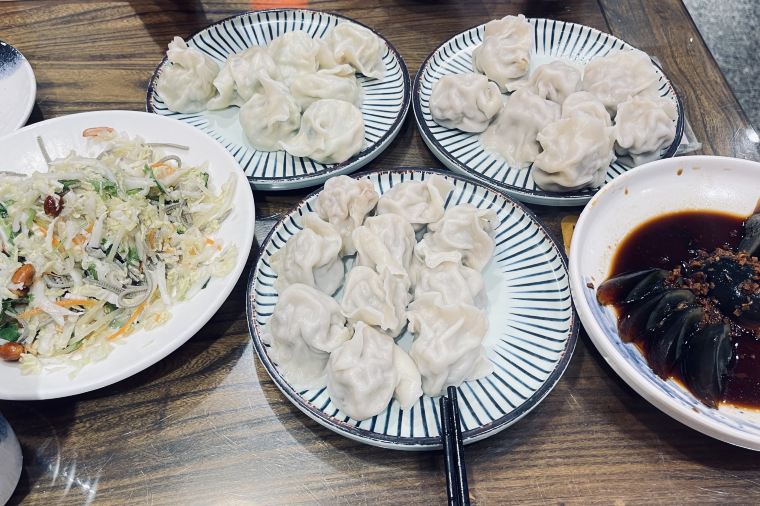
Jiaozi, or Chinese dumplings, are a staple in Beijing’s food scene, especially during festivals and family gatherings. Typically filled with pork, beef, or vegetables, these dumplings are either steamed, boiled, or pan-fried and served with a soy-based dipping sauce.
🍴 Best places to try
Here are some of the top spots in Beijing where you can enjoy a plate of these iconic dumplings:
Jinguyuan (金谷园)
An old-school dumpling spot beloved by locals. Their handmade jiaozi are juicy, flavorful, and packed with classic fillings like pork and chive. The vibe is simple and homey — feels just like eating at a local friend's house.
- 📍 Location: Beijing University of Posts and Telecommunications branch
- 💰 Cost: ~¥40 (about S$7.30)
Xian Lao Man (馅老满)
A super popular dumpling restaurant known for a huge variety of fillings and generous portions. Besides jiaozi, they also serve classic Beijing snacks. Great for big groups or a casual family meal.
- 📍 Location: Andingmen Nei Main Street
- 💰 Cost: ~¥50 (about S$9)
💡 Pro tips
- Don’t forget to dip your jiaozi in a mix of soy sauce and vinegar for that perfect tangy kick.
- For a more traditional experience, try pan-fried jiaozi, where the bottom is crispy, adding a delightful texture contrast.
- Eat them hot, as the filling is at its juiciest when freshly steamed or fried.
Recommended Hotels in Beijing
 NO.1
NO.1





6. Lamb Skewers (Yang Rou Chuan)
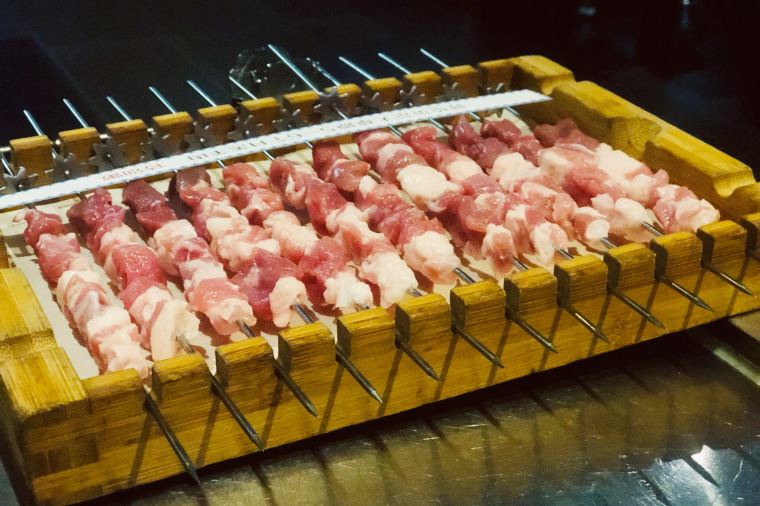
As the evening settled in, I found myself strolling through one of Beijing's lively night markets. The air was filled with the irresistible aroma of spices, grilling meat, and sizzling skewers. When the skewers were ready, they were served sizzling hot, with a dusting of cumin, chili flakes, and a hint of garlic.
The first bite was pure bliss—the tender lamb was smoky, juicy, and slightly charred on the outside, while the spices were bold and comforting. The cumin gave the lamb a warm, earthy flavor, while the chili added a pleasant kick.
📖 About Yang Rou Chuan
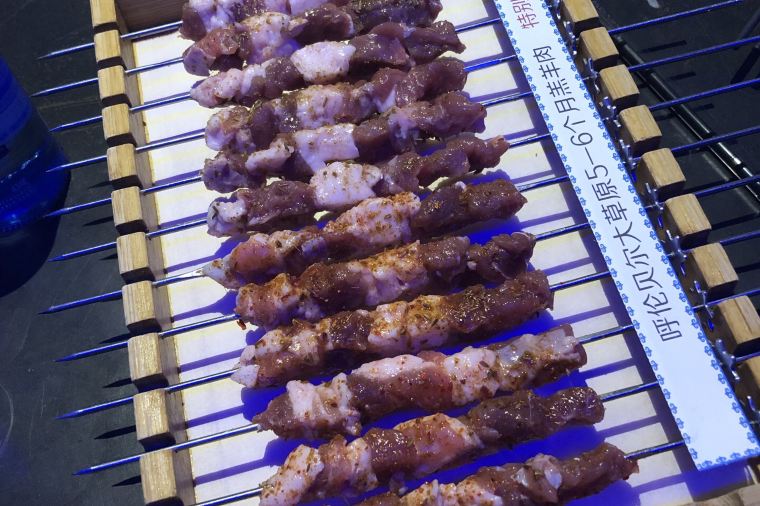
Yang Rou Chuan, or lamb skewers, is a popular street food in Beijing, often served at night markets or food stalls. The lamb is marinated in a mixture of spices, including cumin and chili, before being grilled to perfection over an open flame.
It's a favorite for those who enjoy smoky, spicy flavors and is commonly paired with a cold beer for the ultimate street food experience.
🍴 Best places to try
Shichahai (Houhai) Night Market
A popular area to enjoy a variety of skewers, including the famous lamb ones, Shichahai offers a lively atmosphere, perfect for a night out with friends.
- 📍 Location: Xicheng District, Beijing
- 💰 Cost: ~¥35 (about S$7)
💡 Pro tips
- Don’t hesitate to ask for extra chili if you enjoy spicy food; the skewers are customizable.
- Pair these skewers with a cold local beer for a complete experience.
- Eat them while they’re hot for that perfect balance of smoky, juicy, and spicy flavors.
7. Chaogan (Fried Pork Offal)
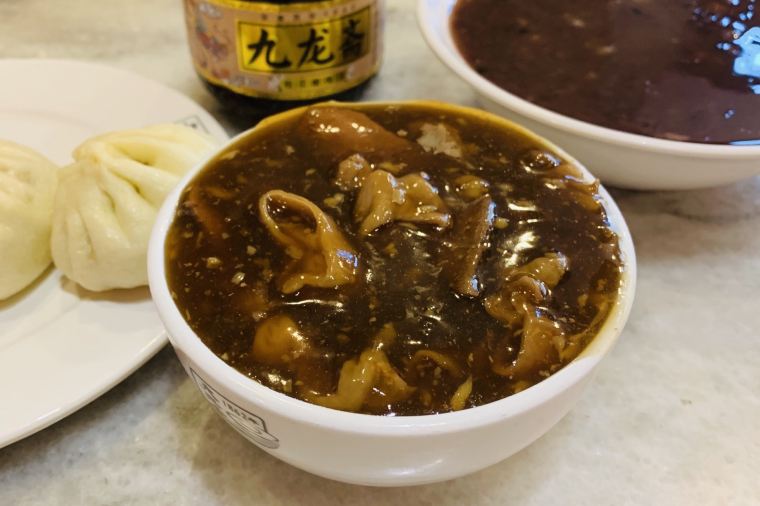
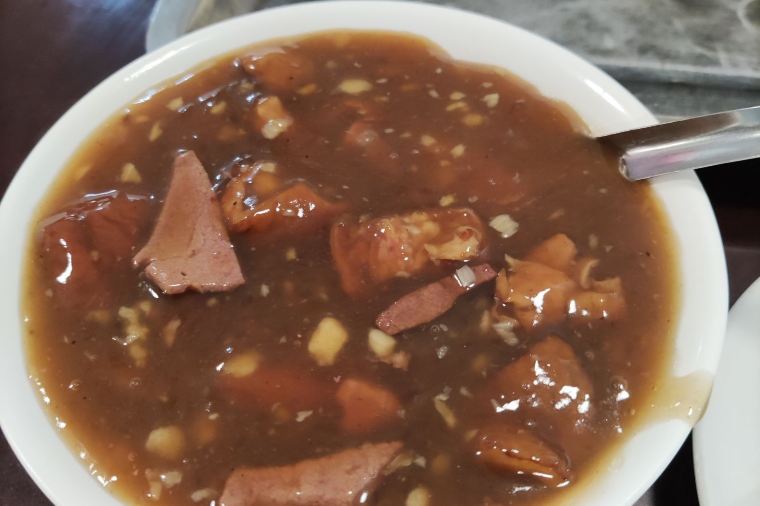
I was wandering through a local Beijing food street when I spotted a humble stall serving chaogan. Intrigued, I decided to give it a go, and I’m so glad I did. The dish arrived steaming hot, with small chunks of pork liver, intestines, and other offal fried in a savory sauce, topped with a sprinkle of sesame seeds and a few slices of fresh scallions.
The first bite was surprisingly tender—rich and slightly gamey, but the sauce had this amazing depth of flavor that balanced everything out. The offal had a satisfying chew, and the fried bits added just the right amount of crunch. It was bold, unique, and completely different from anything I’d ever tried.
📖 About Chaogan
Chaogan is a traditional Beijing street food made from various parts of the pig's offal, including liver, intestines, and other cuts, stir-fried in a savory sauce with soy sauce, garlic, and sesame oil. It’s a dish that has been around for centuries and is known for its bold, hearty flavors.
While it may not be for everyone, those who appreciate offal will find it a comforting and deeply flavorful dish.
🍴 Best places to try
Here are some of the best spots in Beijing to taste this bold, savory dish:
Tian Xing Ju (天兴居)
A legendary spot for Beijing’s traditional breakfast — especially famous for their douzhi (fermented mung bean drink) and crispy fried dough sticks (jiaoqian). Old-school vibes, simple setup, and full of local flavor.
- 📍 Location: Xianyukou Street, Qianmen
- 💰 Cost: ~¥15–25 (about S$2.80–S$4.60)
Tian Gong Yuan (天宫院小吃)
A cozy, low-key place specializing in old Beijing breakfast combos like doufunao (savory tofu pudding) with fried crullers. Super nostalgic flavors that locals grew up with — hearty, warm, and comforting.
- 📍 Location: Yongxing Road
- 💰 Cost: ~¥20–30 (about S$3.70–S$5.50)
💡 Pro tips
- If you’re not used to the texture of offal, start by trying just a small portion to see how you like it.
- For a complete meal, pair it with some steamed buns or a bowl of rice to balance out the richness.
- Some vendors will offer a spicy sauce on the side, which adds a great kick if you like heat.
Get China eSIM Now




8. Lü Dǎ Gǔn (Rolling Donkey)
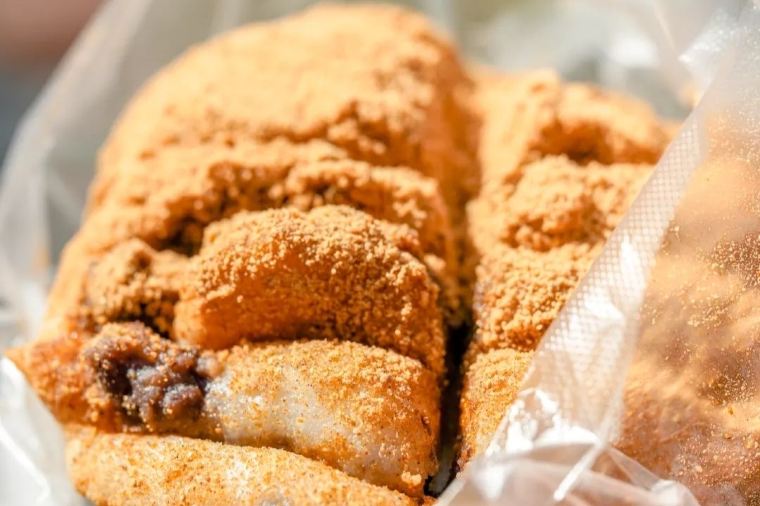
I had heard about Beijing’s famous Lü Dǎ Gǔn (Rolling Donkey) before, but nothing quite prepared me for the first bite. I was strolling through a local alley when I spotted a vendor making these delicious-looking treats.
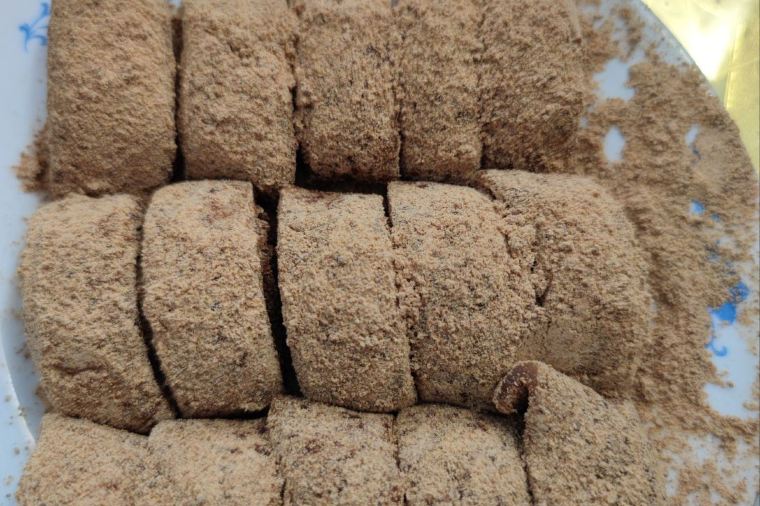
As I bit into the soft, sticky rice flour dough, the sweetness of the red bean paste inside took me by surprise. The outside of the dough was dusted with a generous coating of toasted soybean flour, giving it a nutty, slightly earthy flavor that complemented the sweetness of the filling perfectly.
The texture was chewy, soft, and utterly satisfying, with the bean paste adding just the right amount of sweetness without being overwhelming.
📖 About Rolling Donkey
Lü Dǎ Gǔn (Rolling Donkey) is a traditional Beijing dessert made of glutinous rice dough wrapped around a sweet red bean paste filling. The name comes from the fact that the dough is rolled in toasted soybean flour, resembling the rolling motion of a donkey’s tail.
🍴 Best places to try
Qianmen Street
Known for its historical charm, Qianmen also offers some of the best Lü Dǎ Gǔn, with a perfect balance of dough and sweet filling.
- 📍 Location: Qianmen, Beijing
- 💰 Cost: ~¥15 (about S$3)
💡 Pro tips
- Eat it fresh, as the sticky dough and sweet filling are best enjoyed when still warm.
- Some vendors offer a variety of fillings, so feel free to ask if you’d like to try something different.
- It’s a great dessert after a savory meal, offering a sweet and chewy end to your day.
9. Tanghulu (Candied Hawthorn)
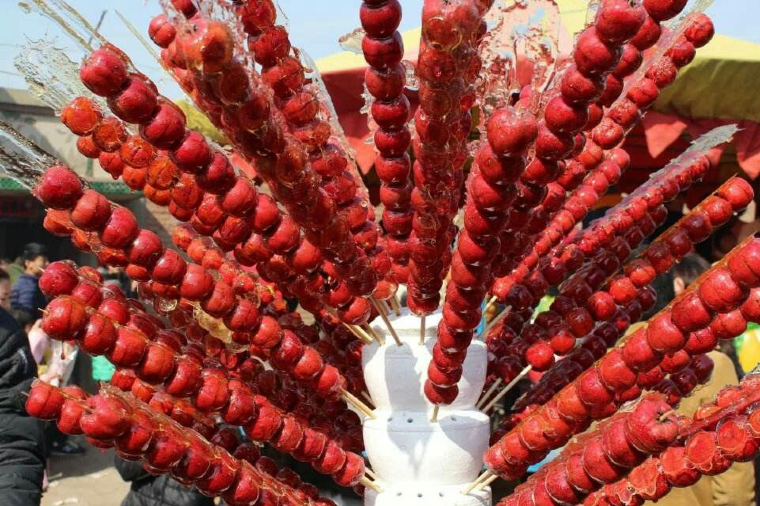
I had heard about Tanghulu, the candied fruit on skewers, but it wasn’t until I saw the bright, glossy red berries glistening in the evening sun that I knew I had to try it. The vendor handed me a skewer of perfectly coated hawthorn berries, their tartness balanced by a hard candy shell.
As I bit into the first berry, the sugary crunch gave way to the tangy fruit, and the contrast of textures was incredible. The sweet, crisp outer layer cracked as I bit, releasing the fruit's sharp, refreshing taste. The combination was simple, yet so satisfying.
📖 About Tanghulu
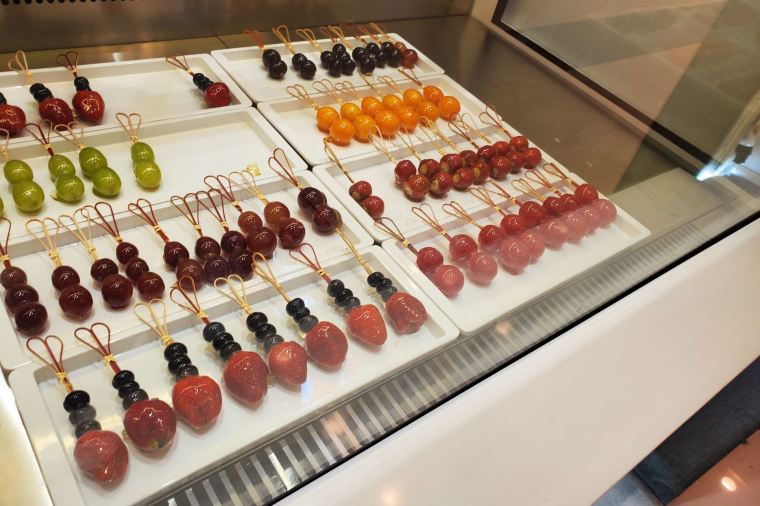
Tanghulu is a traditional Chinese snack made from fruits, usually hawthorn berries, skewered and dipped in a hard sugar syrup. Originating from northern China, it’s commonly sold in winter and during festive occasions. The sugary coating preserves the fruit's tartness while creating a satisfying crunch.
While hawthorn berries are most traditional, you’ll find other fruits like strawberries or even kumquats coated in the syrup, offering a sweet and tangy treat that’s beloved across Beijing.
🍴 Best places to try
Nanluoguxiang Alley
This charming alley is famous for its mix of trendy shops and traditional snacks, and Tanghulu is a must-try treat while exploring the area.
- 📍 Location: Nanluoguxiang, Beijing
- 💰 Cost: ~¥18 (about S$3.50)
💡 Pro tips
- If you’re new to Tanghulu, go for the classic hawthorn berries, which offer a delightful mix of sweet and tart.
- Be careful with the hard sugar coating—it can be a little tough on your teeth, so take small bites.
- Tanghulu is best enjoyed while it’s fresh, so make sure to eat it right after you get it!
Read More
10. Traditional Beijing Breakfast
Beijing’s traditional breakfast is a real treat for anyone looking to experience local flavors right from the start of the day. The morning rush fills the streets with the delicious smells of freshly fried dough and simmering soybeans. You’ll find a variety of hearty options that reflect the city's rich culinary traditions:
Jiaoquan with Douzhi (焦圈配豆汁)
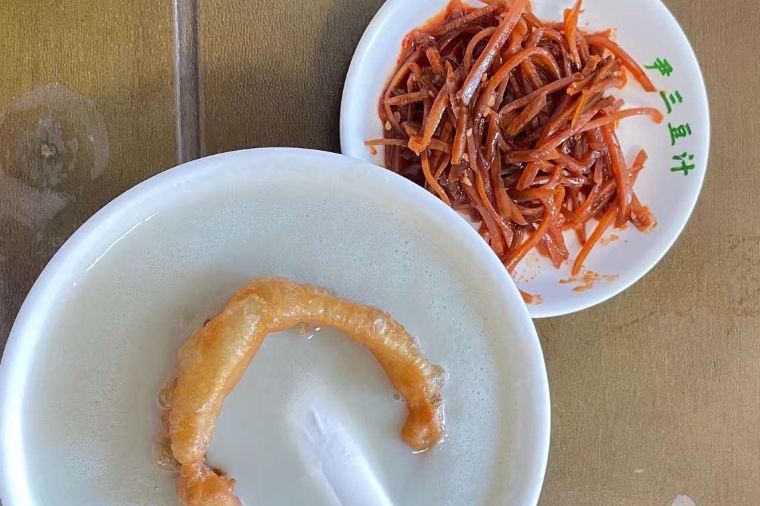
This is a classic combo in Beijing, perfect for those who enjoy a bit of crunch with their morning meal. The jiaoquan is a deep-fried dough ring that’s crispy on the outside yet soft on the inside. Paired with douzhi, a fermented soy bean drink with a distinct, slightly sour taste, it’s an iconic Beijing breakfast experience.
It’s a unique pairing that locals swear by—though the taste of douzhi might be an acquired one!
🍴 Best places to try
YINSAN DOUZHI (尹三豆汁)
尹三豆汁 is famous for its authentic, homemade douzhi, a Beijing staple. It’s been a beloved spot for generations, where locals go for a traditional breakfast or afternoon snack.
- 📍 Location: East Xiaoshi Street
- 💰 Cost: ~¥10–20 (about S$2–4) for a bowl.
Doufu Nao with Youtiao (豆腐脑配油条)
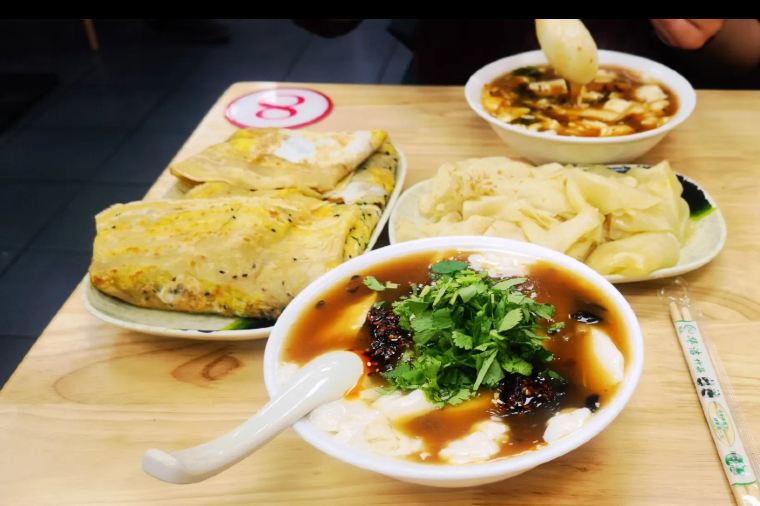
Another beloved breakfast in Beijing, doufu nao is a soft, silky tofu pudding served with savory toppings. It’s typically enjoyed with youtiao — crispy fried dough sticks that add a satisfying crunch to the smooth tofu.
🍴 Best places to try
You'll find plenty of small stalls and humble shops all around Beijing — especially in local neighborhoods and morning markets. Just follow the delicious smells!
Tang You Bing with Dou Jiang (糖油饼配豆浆)
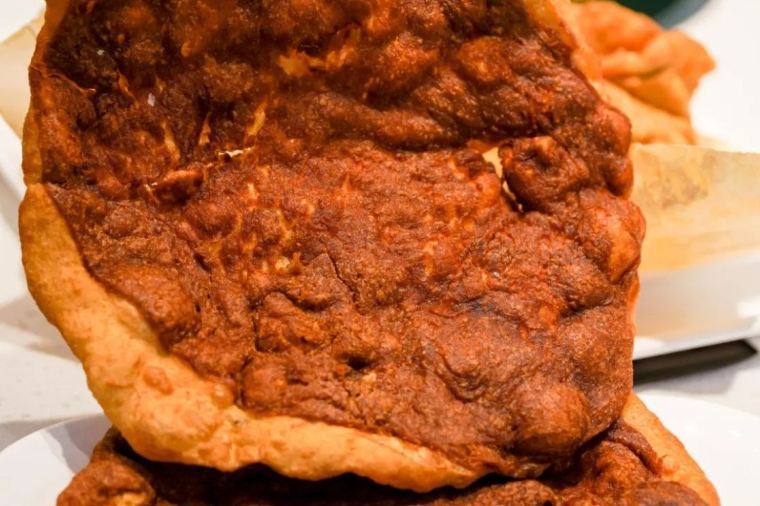
A simple but super satisfying Beijing breakfast. Tang you bing is a chewy, golden-brown fried dough coated in syrup — sweet, a little sticky, and perfectly crispy at the edges. Pair it with a cup of warm dou jiang (fresh soy milk), and you’ve got the ultimate comforting combo.
🍴 Best places to try
Hei Yao Chang Jie Tang YouBing (黑窑厂糖油饼)
It's a popular breakfast or afternoon treat, cherished for its nostalgic taste that brings locals back time and again.
- 📍 Location: Heiyaochang Street
- 💰 Cost: ~¥5–10 (about S$1–2) for one.
Mian Cha (面茶)
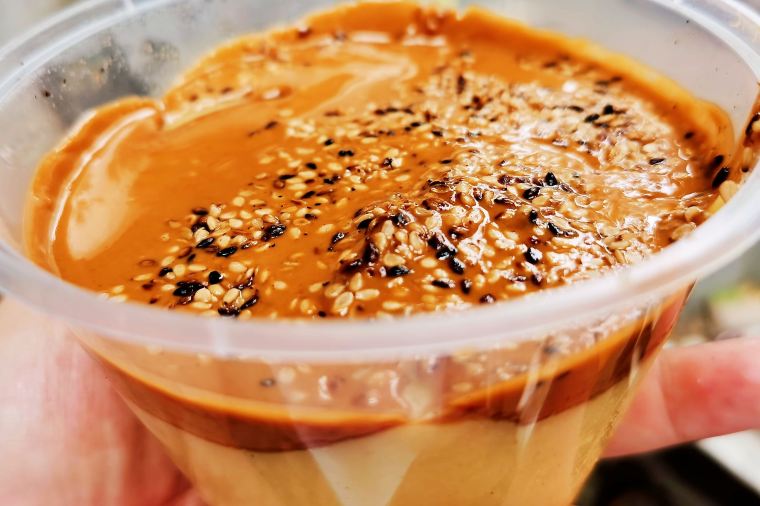
A true taste of old Beijing! Mian cha is a thick, creamy porridge made from millet or sorghum flour, usually topped with a drizzle of sesame paste. It’s rich, nutty, and has a deep roasted aroma. Locals enjoy it hot, often for breakfast or a cozy afternoon snack.
🍴 Best places to try
Head to Daxing Hutong for some of the most authentic bowls. The old-school atmosphere and simple street-side stalls really bring out the traditional charm.
🥢Explore the Flavors of Beijing’s Best Food Streets
Wangfujing Snack Street
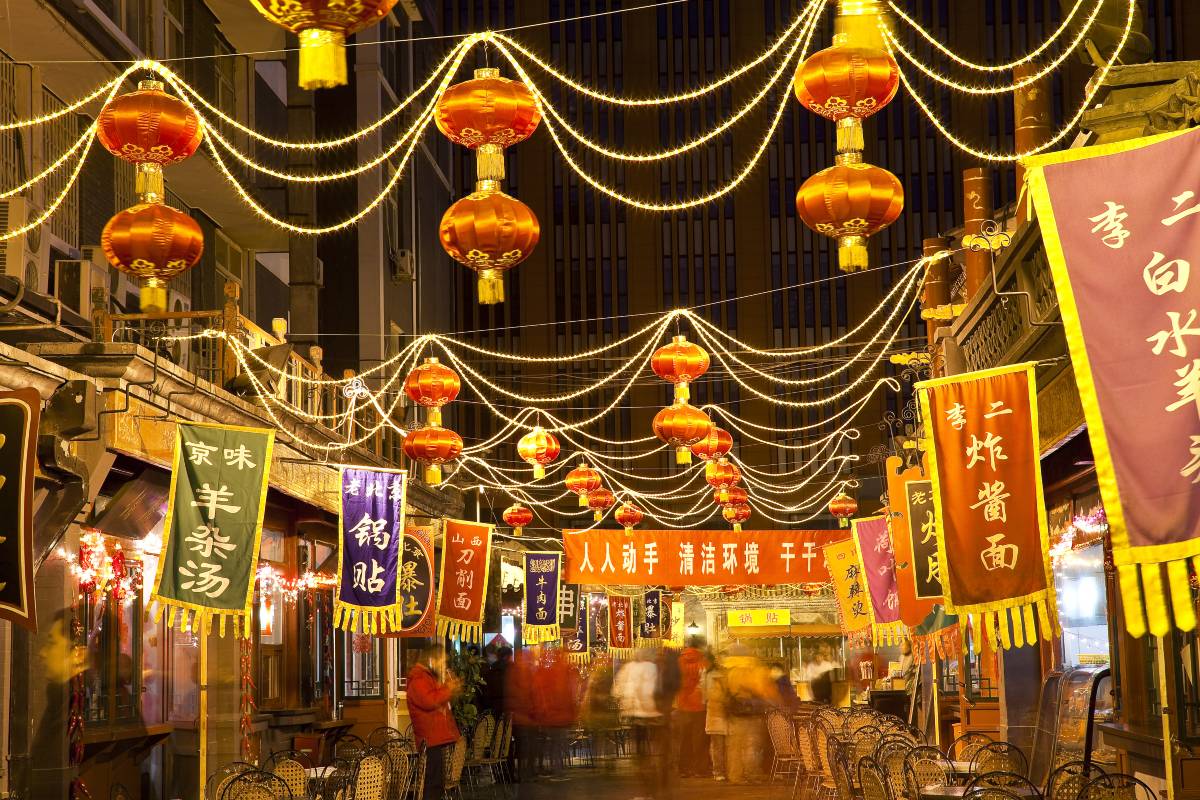
I can still hear the sizzling sounds and smell the irresistible aromas of grilled meat and sweet treats as I walked through Wangfujing Snack Street. I couldn’t resist stopping at a stall where a vendor was expertly grilling skewers of lamb, the smoky scent mixing with the sweetness of candied hawthorn berries.
Each skewer was brushed with a secret blend of spices and served hot off the grill, crispy on the outside but tender inside. As I bit into the lamb, the spice hit first, followed by a tender juiciness that had me coming back for more.
📖 About Wangfujing Snack Street
Wangfujing Snack Street is a famous food destination in Beijing, offering a wide range of local snacks from skewered meats to sweet treats like Tanghulu. It’s a must-visit for anyone wanting to experience the real flavors of the city.
Wangfujing Snack Street | |
🗓️ Best time to go | After sunset for the full night-time food experience with lively crowds. |
📍 How to get there | Wangfujing Street, near Wangfujing Metro Station (Line 1) |
💰 Price | Approx. ¥10-¥50 (about S$2–S$10), e-wallets accepted |
Nanluoguxiang
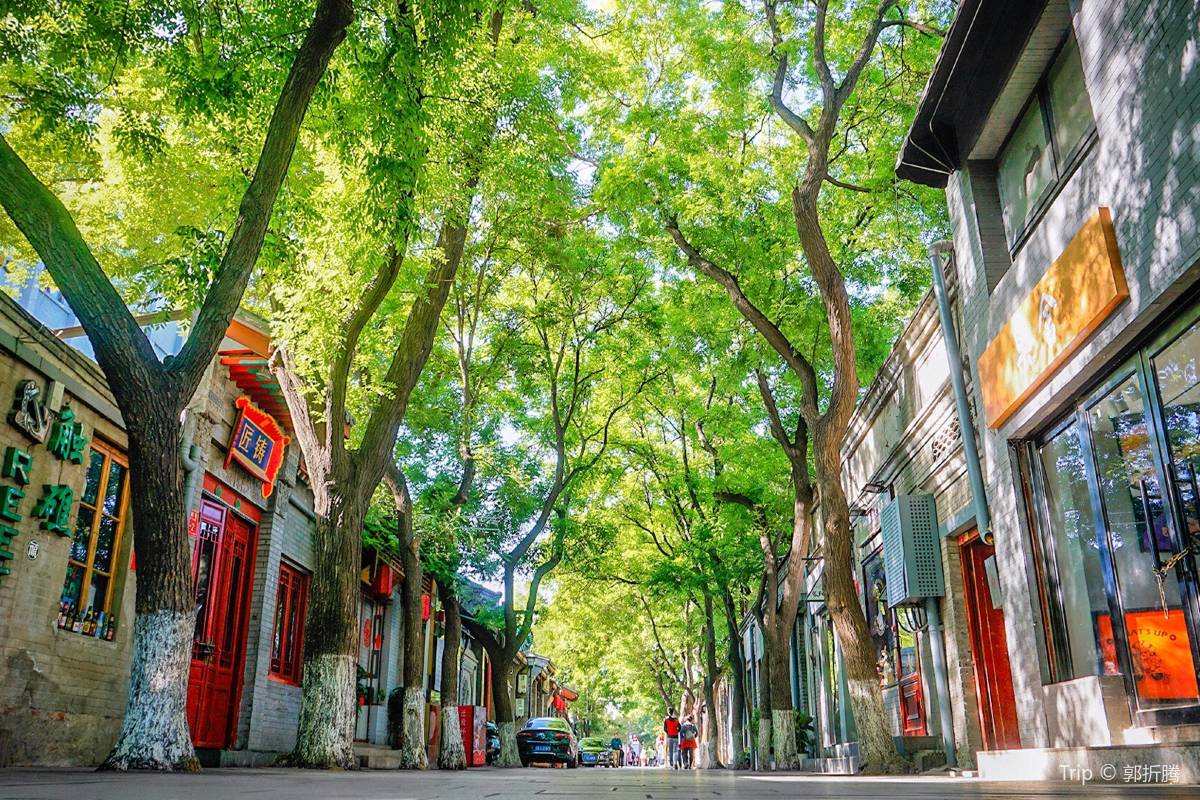
Nanluoguxiang is one of those streets where the energy is contagious, and every corner has something delicious to offer. The narrow alley is lined with charming old houses, now transformed into trendy cafes and street food stalls.
Every street I wandered down had its own special treat, from sweet tanghulu to juicy baozi, and the lively, historic atmosphere of Nanluoguxiang made it even more memorable.
📖 About Nanluoguxiang
Nanluoguxiang is a trendy, yet traditional alley in Beijing. Once a historic residential area, it’s now a hotspot for both local and international visitors seeking authentic Beijing street food. The vibrant mix of food stalls, quirky shops, and local culture makes it a perfect place to explore.
Nanluoguxiang | |
🗓️ Best time to go | Late afternoon or evening for the lively crowd and cool breeze. |
📍 How to get there | Nanluoguxiang, Dongcheng District, Beijing (nearest metro station: Nanluoguxiang, Line 6) |
💰 Price | Approx. ¥10-¥50 (about S$2–S$10), e-wallets accepted |
Qianmen Street
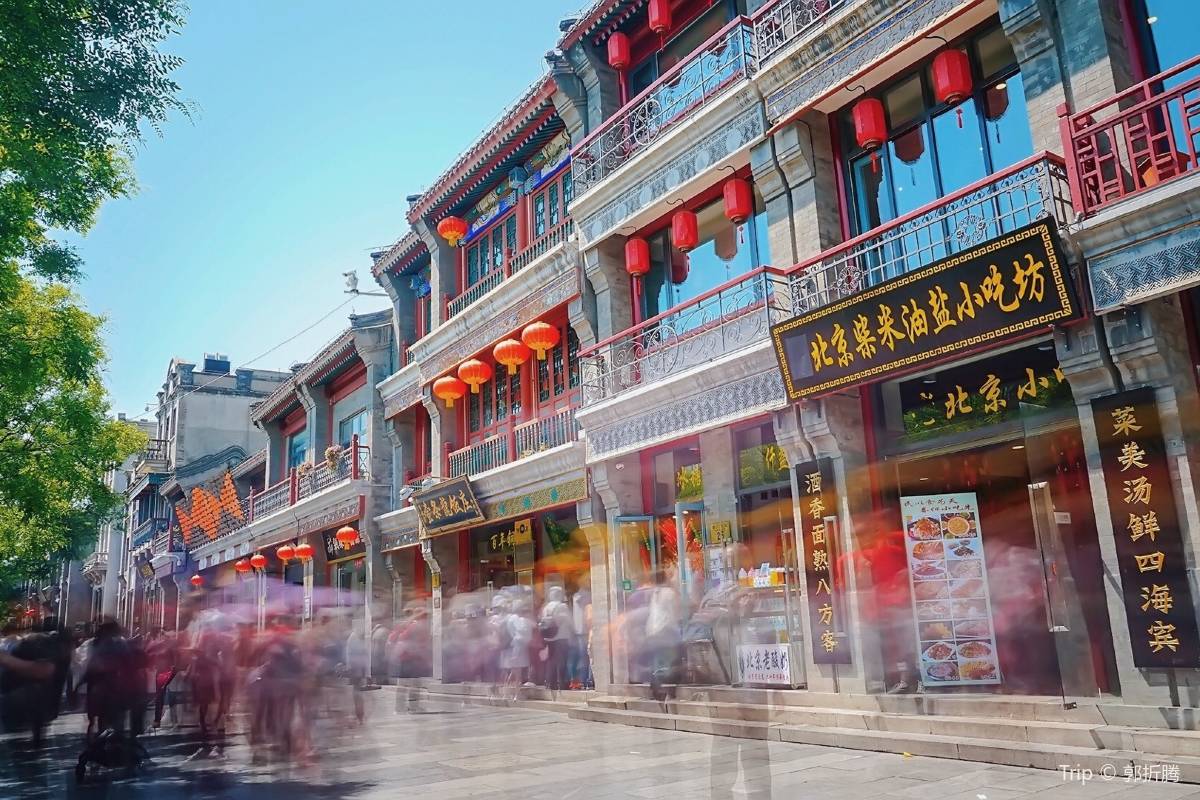
Walking down Qianmen Street feels like stepping into Beijing’s past, with the bustling crowd and the charming old architecture surrounding you.
The street itself is lively, with locals and tourists alike enjoying a leisurely stroll, popping into shops and grabbing snacks along the way. I couldn’t resist stopping for a sweet tanghulu, the bright red berries coated in crunchy sugar, making for the perfect, bite-sized treat as I continued on my way.
📖 About Qianmen Street
Qianmen Street is one of Beijing’s most iconic streets, blending history with modernity. With its traditional shops and vibrant food scene, it's a must-visit for those looking to experience Beijing’s street food culture while soaking in the city's rich history. From snacks to souvenirs, this street offers something for everyone.
Qianmen Street | |
🗓️ Best time to go | Late afternoon to evening when the street comes alive with lights and crowds. |
📍 How to get there | Qianmen Street, Dongcheng District, Beijing (nearest metro station: Qianmen, Line 2) |
💰 Price | Approx. ¥10-¥50 (about S$2–S$10), e-wallets accepted |
🍰 Sweet Treats & Cozy Spots in Beijing
Mental Hands Coffee (铁手咖啡制造局)
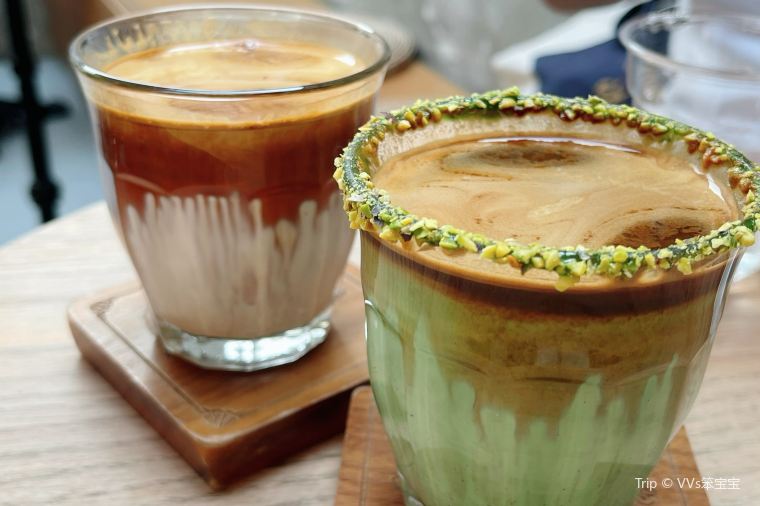
Walking into Mental Hands Coffee felt like stepping into a hidden creative space. The industrial-style décor, cozy lights, and a soft buzz of conversation made it instantly inviting. I tried their signature dirty coffee — rich, smooth, and perfectly chilled.
📖 About Mental Hands Coffee
铁手咖啡制造局 is a hip café popular for its specialty brews and artsy vibes. It blends coffee culture with a hint of Beijing’s creative scene.
Mental Hands Coffee (铁手咖啡制造局) | |
|---|---|
📍 Location | Near Dongsi area (close to Dongsi Station) |
💰 Price | ~¥30–50 (about S$6–10) for a drink. Best to visit in the late morning or mid-afternoon when it’s less crowded. |
South German Bakery (德南面包房)
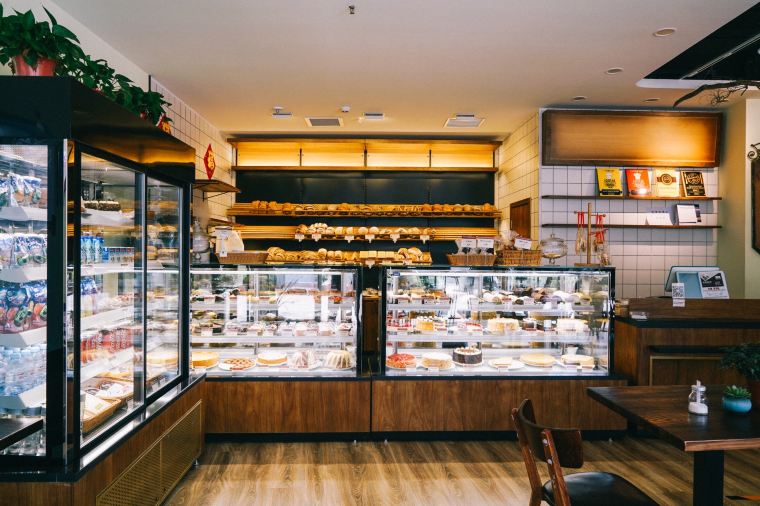
Tucked away in Beijing, South German Bakery feels like a little escape to a European village. As I walked in, the smell of freshly baked bread and butter instantly wrapped around me. The place had a relaxed vibe — soft indie music, wooden shelves stacked with rustic loaves, and a few regulars chatting over coffee.
📖 About South German Bakery
Known for authentic German breads, pastries, and cakes, this spot is loved by both expats and locals craving real European flavors. Everything is handmade daily, and you can even find some hearty sandwiches if you're feeling hungry.
South German Bakery (德南面包房) | |
|---|---|
📍 Location | Lucky Street |
💰 Price | ~¥40–60 (about S$8–12) for a pastry. |
Lung Yen Teahouse (隆延茶铺)
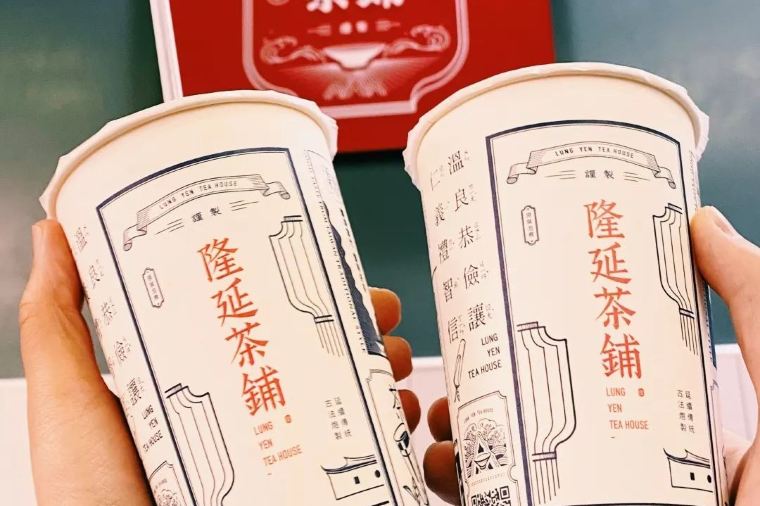
Hidden in the historic alleys, Longyan Teahouse instantly feels serene. As I stepped inside, the scent of aged pu'er tea and the faint sound of guzheng music set a calm, nostalgic mood. The teahouse has elegant traditional décor, and the vibe is slow and welcoming.
📖 About Lung Yen Teahouse
隆延茶铺 is a charming spot. It’s loved for its curated selection of Chinese teas and peaceful atmosphere, far from the city buzz.
Lung Yen Teahouse (隆延茶铺) | |
|---|---|
📍 Location | Many branches, Dongzhimen branch is a popular one |
💰 Price | ~¥20+ (about S$3.6+) per drink |
🛍️What to Bring Home: Beijing Snacks & Souvenirs
Traditional Beijing Tea
While exploring Beijing’s tea markets, I picked up some Traditional Beijing Tea. The leaves had a rich, fragrant aroma that filled the room as I brewed them. The taste was earthy with a smooth, floral aftertaste—an elegant tea that felt like a step back in time.
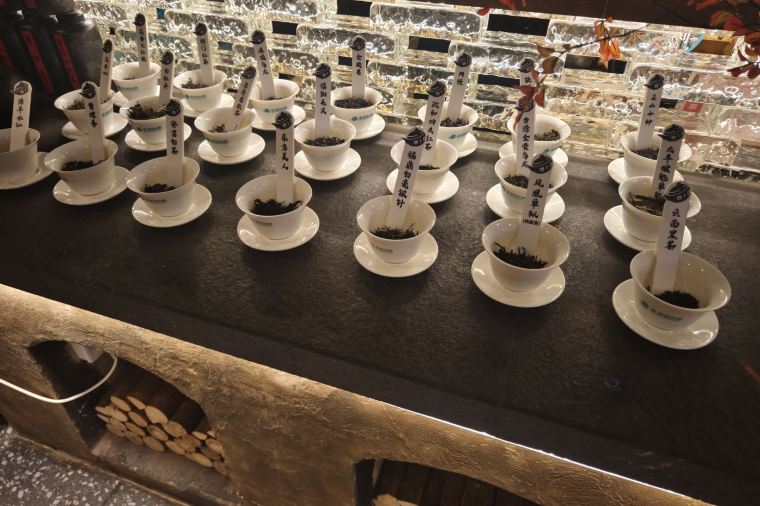
📖 About Traditional Beijing Tea
Tea has been a part of Beijing’s culture for centuries. Locals love it not only for its health benefits but also as a way to unwind and socialize. Beijing’s tea market offers a variety of traditional blends, often paired with snacks or enjoyed in tea houses.
🛒 Where to buy
Beijing’s tea markets, such as Maliandao Tea Street, or any local tea shop.
🎁 Travel tip
Travel-friendly? Yes! The tea comes in sealed packets or tins, making it easy to pack.
Traditional Pastries from Daoxiangcun (稻香村)
Rows of traditional Chinese pastries — from flaky mooncakes to soft, nutty walnut cakes — are beautifully packed and ready to bring home. I couldn’t resist picking up a box (or two!) because everything smelled so buttery and fresh.
Their pastries are a perfect taste of Beijing’s rich food culture, and they make super thoughtful gifts for family and friends.
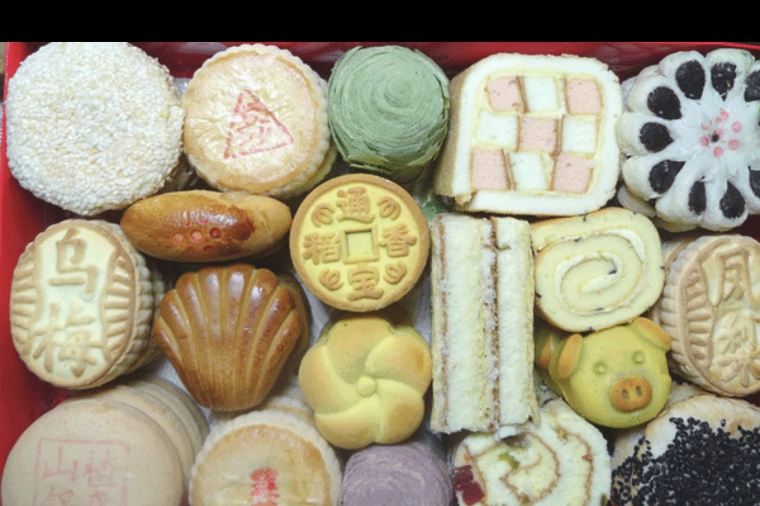
📖 About Daoxiangcun
Founded in 1895, Daoxiangcun is one of Beijing’s most iconic bakeries. Locals swear by their time-tested recipes and festive packaging, especially during Mid-Autumn Festival and Chinese New Year.
🛒 Where to buy
Daoxiangcun outlets across Beijing (easy to find in malls, main streets, and near tourist spots)
🎁 Travel tip
Travel-friendly? Yes! Most pastries come vacuum-packed or in sturdy gift boxes — super easy to pack in your luggage.
Nǎi Pí Zi Suān Nǎi (Milk Skin Yogurt)
I stumbled upon Nǎi Pí Zi Suān Nǎi (milk skin yogurt) while browsing through a local dessert shop. The yogurt had a smooth, creamy texture with a slight tanginess, and the "milk skin" on top added a rich, velvety layer. It was refreshingly cool and perfect for a hot day in Beijing.
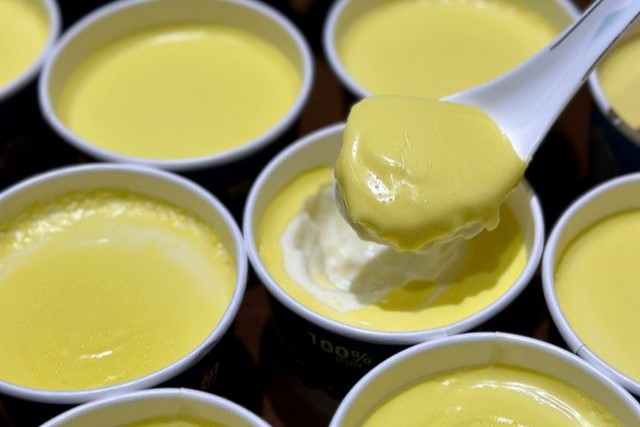
📖 About Nǎi Pí Zi Suān Nǎi
A popular snack in Beijing, this yogurt is traditionally made with fermented milk and is topped with a layer of "milk skin," which gives it a unique texture.
🛒 Where to buy
Ziguangyuan (紫光园) and many convenient shops around Beijing.
🎁 Travel tip
Travel-friendly? Yes, but be sure to keep it chilled to preserve the freshness.
Embark on a Culinary Adventure in Beijing
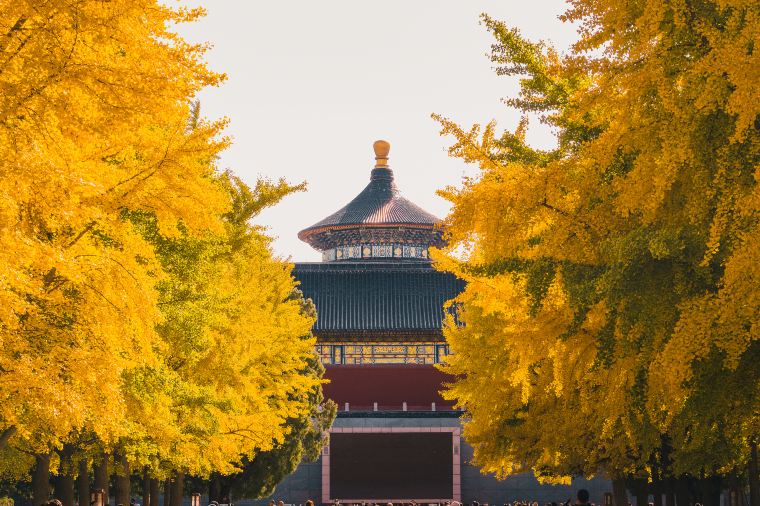
After tasting the rich variety of dishes and snacks Beijing has to offer, I can confidently say this city is a true paradise for food enthusiasts.
Don’t know where to start? Trip.com is here to help you plan your perfect Beijing getaway, with a wide range of options for the cheapest flights to Beijing, best Beijing hotels, and must-try food experiences.
Are you ready to dive into the flavors of Beijing? Book your trip, pack your appetite, and get ready to indulge in the culinary delights of Beijing!
FAQs About What to Eat in Beijing
Is Beijing’s food suitable for vegetarians?
While Beijing is known for its meat-heavy dishes like Peking Duck and lamb skewers, there are also vegetarian-friendly options such as stir-fried mushrooms, tofu dishes, and various vegetable dumplings. Be sure to ask for vegetarian versions when ordering.Can I find halal food in Beijing?
Yes! Beijing has a significant Muslim population, and you'll find many halal restaurants, especially around the Niujie area. Halal lamb skewers and dumplings are popular, and you'll also find halal Peking Duck options.Are Beijing food tours worth it?
Absolutely! A food tour in Beijing is a great way to discover hidden gems, learn about the cultural significance of local dishes, and taste a variety of foods you might not try on your own. Many tours offer the chance to try everything from street food to traditional dishes.