
Portugal Visa: Requirements & Latest Updates


Portugal is a popular European destination for travellers visiting Lisbon, Porto, Sintra and the Algarve.
Before booking flights, it is worth checking whether you need a visa, how long you can stay and what new European border rules may affect your arrival.
For Singapore passport holders, visiting Portugal for a short holiday is generally visa-free. However, travellers of other nationalities may need to apply for a Schengen visa before departure.
New EU border systems, including the Entry/Exit System (EES) and the upcoming ETIAS travel authorisation, are also important updates to understand before travelling in 2026.
Fly from Singapore
Singapore to Faro
Singapore to Lisbon
Singapore to Funchal
Singapore to Porto
See all flights


✈️ Do You Need a Visa to Enter Portugal?

Portugal is part of the Schengen Area so its short stay visa rules follow the common Schengen visa policy.
Whether you need a visa depends on your passport nationality and the purpose of your visit.
Visa free entry is generally for tourism, visiting family and friends and other permitted short stay purposes, it does not allow you to take up employment in Portugal.
Singapore's Ministry of Foreign Affairs confirms that Singapore passport holders can visit Portugal visa free for up to 90 days in any 180 day period.
The passport valid should remain at least three months after the intended departure from the Schengen Area.
- Singapore citizens: Visa-free for short stays (up to 90 days).
- Other nationalities in Singapore: May require a Schengen visa.
📌 Schengen Visa vs Portugal Visa

| Feature | Schengen Visa | Portugal Visa |
|---|---|---|
Purpose | Short stays for tourism, business, or family visits across the 26 Schengen countries | Can be short-stay (Type C) or long-stay (Type D) for tourism, work, study, investment, retirement, or digital nomad purposes |
Validity | Up to 90 days within a 180-day period | Short-stay: up to 90 days; Long-stay: over 90 days depending on visa type |
Coverage | All Schengen countries | Portugal only (Type D allows long-term residence in Portugal) |
Who Can Apply | Non-EU/EEA/Swiss nationals requiring short-term entry to Schengen countries | Non-EU/EEA/Swiss nationals; specific long-stay visas may have additional eligibility (work, study, investment, etc.) |
Processing Time | Usually 15–30 days | Short-stay: 15–30 days; Long-stay/Golden Visa: 30–90+ days |
Application Location | At the consulate or visa center of the main Schengen country you will visit | At the Portuguese consulate or VFS Global center in your country (e.g., Singapore) |
Required Documents | Passport, visa form, photos, travel insurance, proof of accommodation, financial means | Same as Schengen for Type C; Type D visas may require work contract, school admission, investment proof, criminal record certificate, and accommodation |
Cost | €80 for adults (Type C); €40 for children aged 6–12; free for under 6 | Same for Type C; Type D or Golden Visa fees vary by visa type and investment |
Work Rights | Not allowed | Only allowed on specific work visas (D1, D2, D3, Seasonal Work Visa); Golden Visa allows residency but work eligibility depends on permit type |
Travel Rights | Travel freely across all Schengen countries | Type C: travel within Schengen; Type D: residence in Portugal, may travel within Schengen depending on permit |
Portugal Visa Types
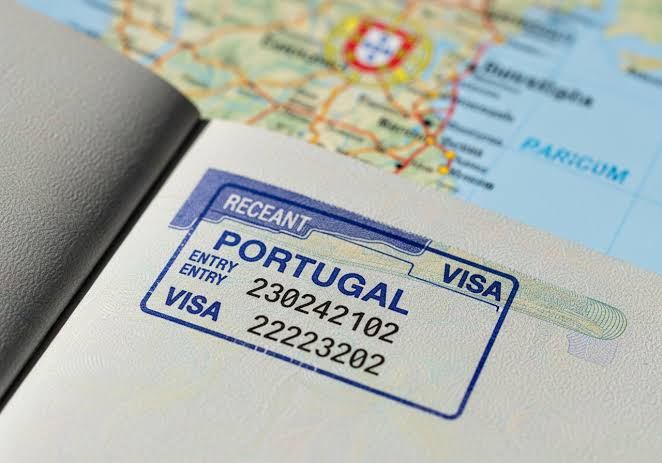
Portugal offers different visa categories depending on your purpose of stay.
Here are the main types:
| Visa Type | Purpose | Stay Duration |
|---|---|---|
Short-Stay (Schengen) Visa (Type C) | Tourism, business, family visits | Up to 90 days |
Long-Stay (National) Visa (Type D) | Work, study, family reunification | Over 90 days |
Digital Nomad Visa (D8) | Remote workers with foreign income | Long stay (renewable) |
Passive Income / Retirement Visa (D7) | Retirees or applicants with stable passive income | Long stay (renewable) |
Golden Visa | Residency by investment / economic contribution | Long stay / residency |
Student Visa | Studying in Portugal | Long stay |
Work Visa | Employment at a Portuguese company | Long stay |
Other Visa Categories | Temporary stay, job seeker visa, CPLP visa | Depends on category |
Top Things To do In Lisbon
See All Hotels
 NO.1







📍Portugal Visa Application in Singapore

If you need a visa, applications from Singapore are processed through:
VFS Global (Portugal Visa Application Centre) – Singapore
You must submit your Portugal visa application with:
| Required Document | Description |
|---|---|
Completed visa form | Official Schengen or national visa application form filled and signed. |
Passport (valid 3–6 months minimum) | Must be valid beyond intended stay and include at least 2 blank pages. |
Photos | Recent passport-sized photos meeting Schengen photo standards. |
Proof of financial means | Bank statements, income proof, or sponsorship to show ability to cover expenses. |
Travel plans | Flight reservation, itinerary, and accommodation booking. |
Travel insurance | Minimum €30,000 medical coverage valid across the Schengen Area. |
Additional documents (depending on visa type) | Work contract, invitation letter, school enrolment, investment proof, etc. |
Portugal Work Visa

Many applicants search “Portugal work visa apply online”,but note:
Portugal work visas cannot be fully applied online
You start the process online only if instructed by your employer, but you must attend an in-person appointment to submit documents and biometrics.
Common Portugal Work Visa Types
| Visa Type | Description |
|---|---|
D1 Visa | Subordinate worker visa for applicants who have a confirmed job offer from a Portuguese employer. |
D2 Visa | Entrepreneur or independent worker visa for starting a business or working as a self-employed professional. |
D3 Visa | Visa for highly qualified professionals, often used for skilled roles, researchers, or positions under the EU Blue Card framework. |
Seasonal Work Visa | Short-term visa for seasonal employment in sectors like tourism, agriculture, or hospitality. |
Requirements
| Requirement | Description |
|---|---|
Signed work contract | Official employment contract from a Portuguese employer confirming the job offer. |
Proof the job was offered legally | Documentation showing the employer followed legal hiring procedures (e.g., job posting compliance). |
Certificate of no criminal record | Police clearance certificate from your home country or countries where you lived recently. |
Passport & photos | Valid passport with required validity and recent passport-sized photographs. |
Financial proof or employment guarantee | Evidence of sufficient funds or a declaration from the employer guaranteeing financial support. |
Accommodation proof | Rental contract, hotel booking, or invitation letter showing where you will stay in Portugal. |
Hotels in Porto
See All Hotels






Portugal Golden Visa (Residency by Investment)

The Portugal Golden Visa remains one of Europe’s most popular residency programs, ideal for investors who want EU mobility, tax optimization options, and eventual citizenship.
✔️ Why It’s Popular
- Live, work, or study in Portugal
- Visa-free travel across Schengen
- Only 7 days stay required per year
- Pathway to citizenship after 5 years
Portugal Golden Visa Requirements
Eligible Investment Options
| Investment Option | Minimum Amount / Requirement |
|---|---|
Investment funds | Minimum €500,000 invested in approved Portuguese investment funds. |
Business creation | Creation of at least 10 jobs in Portugal. |
Cultural or artistic investment | Minimum €250,000 contribution to cultural, artistic, or heritage projects. |
Research funding | Minimum €500,000 invested in approved scientific or technological research. |
General Golden Visa Requirements
| Requirement | Description |
|---|---|
Clean criminal record | Applicant must provide police clearance from current and recent countries of residence. |
Proof of funds | Evidence that the investor has sufficient financial resources for the chosen investment. |
Investment documentation | Official contracts, fund certificates, or legal documents verifying the investment. |
Maintain investment | Investment must be kept throughout the full Golden Visa programme period. |
Minimum stay requirement | Stay at least 7 days per year in Portugal. |
How to Start a Portugal Visa Application
All Portugal visa applications follow these steps:
Step 1: Determine Visa Type
- Tourist, work, study, entrepreneur, digital nomad, or Golden Visa.

Step 2: Prepare Required Documents
- Varies by visa type but typically includes:
| Document | Notes / Requirements |
|---|---|
Passport | Valid for at least 6 months beyond intended stay; must have blank pages |
Photos | Recent passport-sized photos (usually 2–4), white background |
Proof of financial means | Bank statements, salary slips, or scholarship documents to show you can support yourself |
Accommodation / Invitation letter | Hotel booking, rental agreement, or invitation from host/employer in Portugal |
Health insurance | Valid insurance covering Portugal (and Schengen area if applying from outside) |
Criminal background check | Required for long-term visas (usually issued within the last 3 months) |
Step 3: Book Appointment
- Through VFS Global (if applying in Singapore).

Step 4: Submit Biometrics and Documents
- In person at the visa centre.

Step 5: Wait for Approval
- Schengen visa: 15–30 days
- Work visa: 30–90 days
- Golden Visa: 2–6 months for pre-approval

Portugal Latest Announcements and Updates
Update 1: EU Entry/Exit System (EES) Fully Operational from 10 April 2026
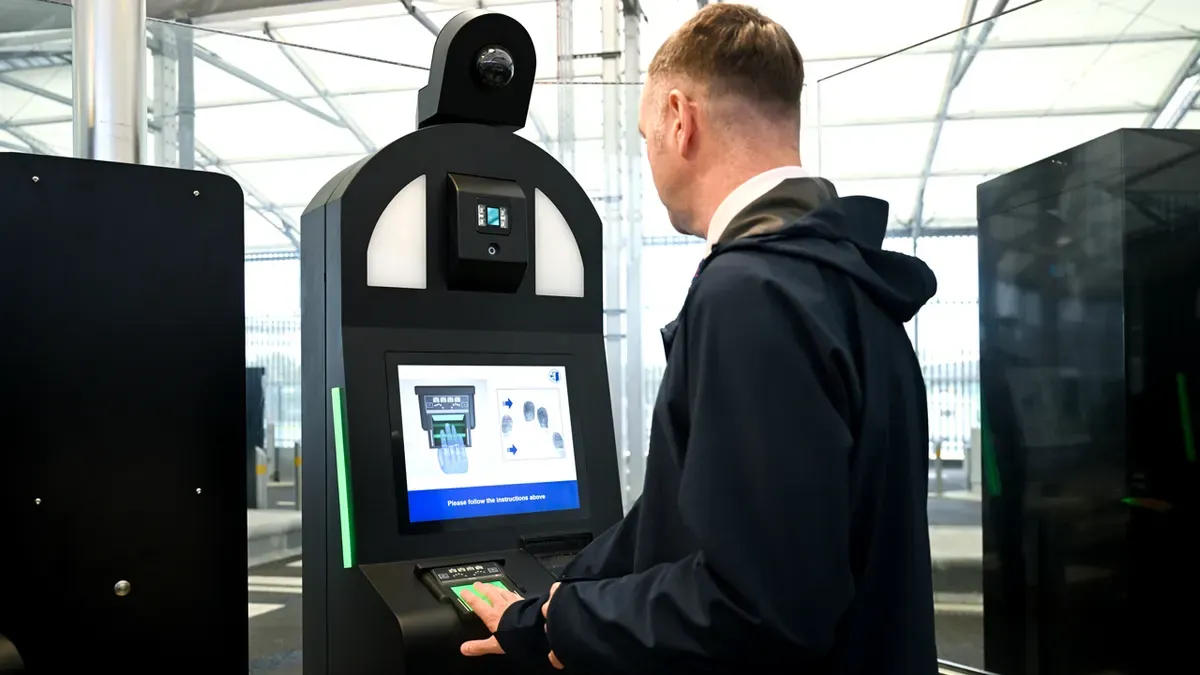
The European Union's Entry/Exit System (EES) became fully operational at external Schengen borders on 10 April 2026. It replaces the traditional manual passport-stamping process for covered short-stay travellers with digital entry and exit records.
The system applies to non-EU nationals visiting the Schengen Area for short stays, including both visa-required and visa-exempt travellers.
When crossing an external Schengen border, travellers may be asked to provide:
- Passport and travel document details
- A facial image
- Fingerprints, where required
- Entry and exit information
For example, a Singaporean travelling to Portugal without a visa is still covered by EES because Singapore passport holders are non-EU nationals. The system records their arrival and departure to help monitor the 90-day stay limit.
The EES is now fully operational across the participating external Schengen border crossing points. Travellers should allow extra time at immigration, particularly during busy periods when biometric registration may take longer.
Update 2: ETIAS Is Not Yet Operating as of November 2026
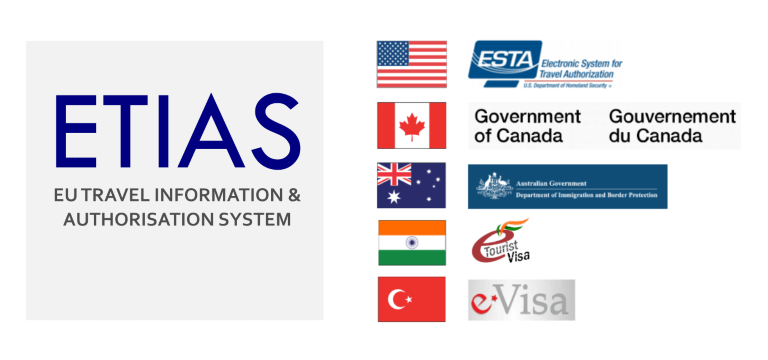
The European Travel Information and Authorisation System (ETIAS) is a planned online travel authorisation for visitors from visa-exempt countries. It is separate from a Schengen visa and is intended for travellers who can currently visit Europe without applying for one.
Although the EU previously indicated a planned launch in the final quarter of 2026, its official ETIAS website currently states that the system is not yet operational and that applications are not being accepted. The exact launch date has not been announced.
This means:
- Singaporean and Malaysian passport holders do not need to apply for ETIAS at present.
- Travellers who require a Schengen visa must continue applying for the appropriate visa.
- Do not pay unofficial websites claiming to process ETIAS applications before the official system opens.
Once ETIAS becomes operational, eligible visa-exempt travellers will need to obtain authorisation before travelling to participating European countries.
Update 3: EES and ETIAS Are Two Different Systems
It is easy to confuse EES and ETIAS, but they serve different purposes.
Comparison | EES | ETIAS |
|---|---|---|
Full Name | Entry/Exit System | European Travel Information and Authorisation System |
Main Purpose | Records travellers' entries, exits and biometric details | Screens visa-exempt travellers before departure |
Who It Applies To | Most non-EU short-stay visitors | Visa-exempt nationals travelling for short stays |
Application Before Travel | No advance application required | Online authorisation required once operational |
Status in November 2026 | Fully operational | Not yet operational |
Fee | No application fee | Planned standard fee of €20 |
In simple terms, EES is a border registration system, while ETIAS is a pre-travel authorisation system. A traveller may be subject to EES even if they do not need a Schengen visa or ETIAS.
See all attractions



🏁 Final Thoughts

Portugal offers a wide range of visa options depending on your goals include short trips, working, starting a business, or investing for residency.
With clear requirements and structured pathways, applying for a Portugal visa in Singapore is straightforward when you prepare the correct documents and understand the process.
If you're considering the Portugal Golden Visa, it remains one of the most flexible and attractive residency-by-investment programs in Europe.
FAQ: Portugal Visa
-
How do I apply for a Portugal visa from Singapore?
-
What is the Portugal Golden Visa?
-
How do I get a Golden Visa for Portugal?
-
Can I work in Portugal on a tourist visa?
-
How long does Portugal visa processing take?
-
Can I apply for a Portugal work visa online?
Disclaimer: This article has been provided by an individual contributor or third party platform. If there is any discrepancy regarding the copyright, please contact us directly and we will delete the content immediately.
Find Cheap Travel Deals & Explore Destinations on Trip.com
-
Popular Content
-
Top Flight Links
-
Popular Hotels
-
Popular Things to Do
-
Featured guides
-
Trip.com links
- Trip.com Customer Service
- Trip.com VIP Lounge
- Buy Now Pay Later
- Trip.com Contact
- Trip.com Cancellation Policy
- Best Credit Cards
- How to Use Trip com Promo Codes
- How to Book a Student Flight Ticket
- scoot-baggage-allowance
- Best Day to Book Flights
- Trip.com Flight Refund
- Singapore Airlines Change Flight
- Air China Baggage Allowance
- Singapore Airlines Baggage Allowance
- Trip.com Payment Methods
- QW907 Flight Status
- MU2434 Flight Status
- CA490 Flight Status
- CZ8302 Flight Status
- MU7705 Flight Status
- ZG053 Flight Status
- TK066 Flight Status
- Plane tickets from Singapore to Shanghai
- Cheap tickets from Singapore to Kuala Lumpur
- Plane tickets from Singapore to Fukuoka
- Plane tickets from Hong Kong to Guam
- Cheap flights from Singapore to Bangkok
- Cheap tickets from Singapore to Seoul
- Plane tickets from Singapore to Manila
- Cheap tickets from Singapore to Bengaluru
- Hotels near Hefeinan Railway Station
- Hotels near Zixiao Palace
- Hotels near Beijing Chaoyang Railway Station
- Hotels near Beijing Road
- Hotels near Paris Charles de Gaulle Airport
- Chengdu Hotels
- Tokyo Hotels
- Kuala Lumpur Hotels
- Kunming Hotels
- Phu Quoc Island Hotels
- Hotel Les Matins de Paris
- Airport International Hotel (Xuzhou Guanyin Airport)
- Villa K Family Hometel
- Ramada by Wyndham Seoul Dongdaemun
- Mercure Guangzhou Beijing Road Pedestrian Street Hotel
- Malaysia 5G eSIM | Supports Google Maps / Tiktok / ChatGPT | Daily / Total Data Plans | 24-Hour Billing | 1–30 Days | QR Code
- Singapore 4G eSIM | Supports Google Maps / ChatGPT | Daily/Total Data Plans | 24-Hour Billing | 1–30 Days | QR Code
- Vietnam Airport VIP Fast Track Service
- VIP Fast Track service for immigration clearance at Tan Son Nhat Airport in HCM
- Foreign Tourist Day Tour: Panda Valley / Dujiangyan / Mt Qingcheng / Blue Tear / Chengdu
- Mainland China 5G eSIM | Supports Google Maps / ChatGPT | Daily/Total Data Plans | 24-Hour Billing | 1–365 Days | QR Code
- Mainland China 5G eSIM | 3 Carriers · All AI & TikTok | 1–365 Days | QR Code
- Mainland China 5G eSIM | Day Pass/Total Data Package | ChatGPT Available | 24-Hour Billing | 1-365 Days | QR Code
- Japan SIM Card
- Singapore Activities
- Shanghai Activities
- Guangzhou Activities
- Chongqing Day Tours
- Shanghai Day Tours
- Jiuzhaigou Day Tours
- China Power Bank Limit
- 中国地图
- Hong Kong Public Holidays 2027
- Trip.com Customer Service
- train to kl from singapore
- Shanghai Metro
- China Plug
- Thailand Plug
- Taiwan Plug
- Singapore Public Holiday 2027
- What to Buy in Shenzhen
- China Entry Requirements
- universal studios singapore tickets
- China Train Map
- China Train Luggage
- Big Transport from Tokyo to Fukuoka
- Frankfurt Airport to City
- Bangkok to Pattaya
- Trip.com Promo Code
- Trip.com Flight Deals
- Trip.com Credit Card Promotions
- How to Book Cheap Flights
- Trip.com Member Rewards
- Trip Weekly Hotel Sales
- Online Hotel Booking
- Online Flight Booking
- Trip.com Travel Guide
- Book China Train Tickets
- Trip.com Seat Selection
- Singapore Public Holidays 2027
- Trip.com 优惠码
- Trip.com Travel Guides
- Trip.com 11.11 Mega Sale