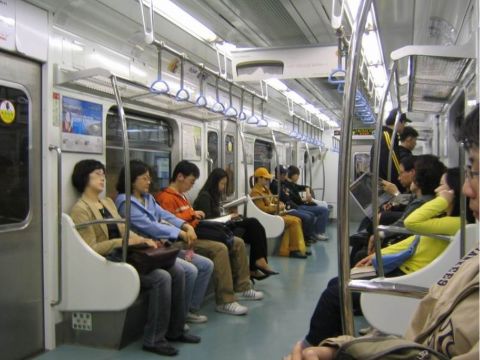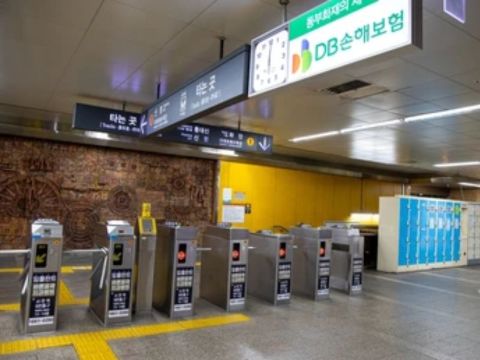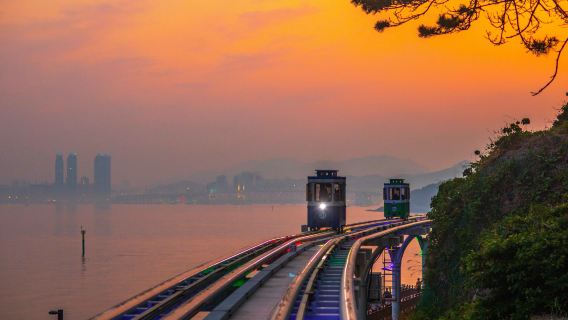
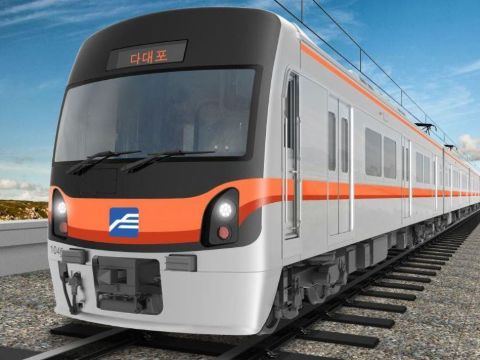
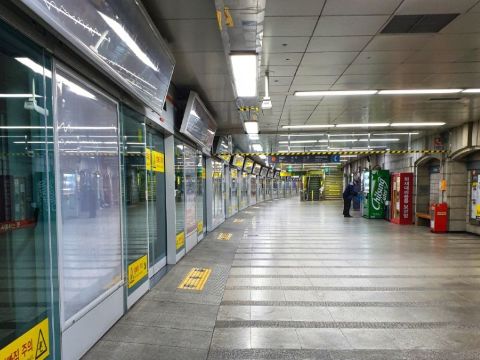
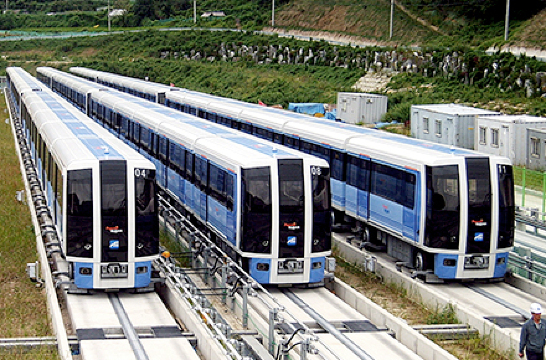
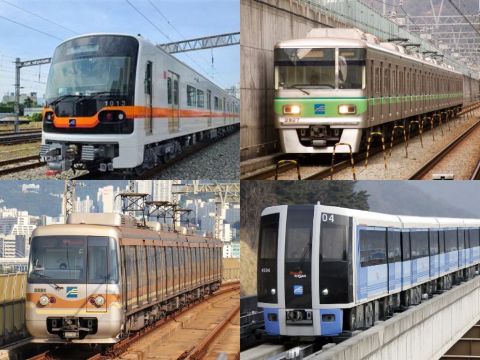
The Busan Metro is the easiest way to get around South Korea’s second-largest city. Busan is spread out along the coast, but the metro connects beaches, markets, shopping streets, and cultural landmarks efficiently.
For travellers from Singapore, the Busan Metro feels very familiar — it is clean, safe, affordable, and easy to use, much like the MRT back home.
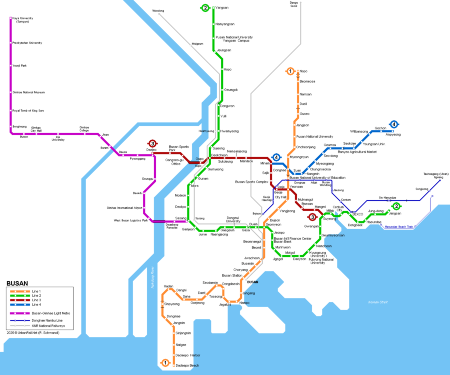
With English signs, colour-coded lines, and clear maps, you can explore Busan confidently even if you don’t speak Korean.
This guide explains how the Busan Metro works, how to buy tickets, and useful tips so you can travel around the city smoothly.
Busan Metro Operating Hours

The Busan Metro runs daily and covers most tourist areas, making it ideal for both sightseeing and evening outings.
Service | Operating Time |
First Train | Around 5:30 AM |
Last Train | Around 11:30 PM – 12:00 AM |
Peak Hours | 7:00 AM – 9:00 AM, 6:00 PM – 8:00 PM |
Train Frequency | Every 3–5 minutes during peak hours, 6–10 minutes off-peak |
Note: Exact first and last train times may vary by line and station.
How to Buy Metro Tickets in Busan

Getting around Busan by metro is simple, whether you are staying for a few days or a full week.
Single Ride Ticket
- Best if you only take a few trips
- Buy from ticket machines at any station
- Machines have English language options
- Fares usually range from ₩1,300–₩1,700 (S$1.10-S$1.50) depending on distance
Transport Card (T-money / Cashbee)
- Best for multiple days and frequent travel
- Can be bought at convenience stores and metro stations
- Works on metro, buses, and some taxis
- Tap in and tap out like using EZ-Link in Singapore
Most travellers prefer T-money because it is faster, easier, and works across different transport systems in Korea.
Book Flights to Busan Now
Busan Metro Ticket Prices

Busan Metro is very affordable, even for first-time travellers from Singapore. Below is a simple guide with estimated prices converted to Singapore Dollars (S$).
💡 Exchange rate used: 1,000 KRW ≈ S$1.00 (rounded for easy understanding). Actual rates may vary slightly.
Single Ride Tickets
Distance | Fare (KRW) | Approx Price (S$) |
Short distance (up to 10 km) | ₩1,300 | S$1.30 |
Medium distance | ₩1,500 | S$1.50 |
Long distance | ₩1,700 | S$1.70 |
Using a T-money Transport Card
Using a T-money or Cashbee card is cheaper and more convenient than buying single tickets.
Ticket Type | Fare (KRW) | Approx Price (S$) |
Basic fare | ₩1,250 | S$1.25 |
Longer trips | ₩1,350–₩1,550 | S$1.35–S$1.55 |
T-money Card Cost
- Card purchase: ₩2,500–₩4,000 (approx S$2.50–S$4.00)
- Top-up amount: From ₩1,000 (about S$1.00)
Main Busan Metro Lines Tourists Use

Busan has several lines, but most visitors mainly use the following:
Metro Line | Key Stations | Nearby Attractions |
Line 1 (Orange) | Nampo | |
Seomyeon | Shopping malls, cafes, nightlife | |
Line 2 (Green) | Haeundae | |
Gwangan | Gwangalli Beach, Gwangan Bridge views | |
Line 3 (Brown) | Minrak | Local food streets, coastal views |
Line 4 (Blue) | Dongnae | Dongnae Hot Springs, traditional markets |
🔥Exclusive Hotels Deal: Up to 10% OFF for New Users
Discover the world with trip.com! Book the perfect hotel anywhere in the world and get an unbeatable 10% discount if you're a first-time user! Download our app now and start planning your next trip with ease.
Helpful Tips for First-Time Busan Metro Users

Using the Busan Metro is very similar to taking the MRT in Singapore, but a few local tips can make your journey even smoother and less stressful.
1. Download an Offline Metro Map
Even though most stations have good signage, having an offline Busan Metro map on your phone helps when mobile data is slow or unavailable. You can quickly check line colours, station names, and transfer points without the internet.
2. Use Naver Map or KakaoMap
Google Maps is not always accurate in Korea. For better route planning and real-time train information, use Naver Map or KakaoMap. They show the fastest metro routes and the best exits to use.
3. Follow Exit Numbers Carefully
Busan stations can be very large, especially at Seomyeon and Haeundae. Always follow the exit numbers shown in Naver Map or station signs to avoid long walks and wrong directions.
4. Avoid Peak Hours if Possible
Weekday mornings (7:00–9:00 AM) and evenings (6:00–8:00 PM) are very crowded, especially in business areas. Travel during late morning or early afternoon for a more comfortable ride.
5. Stand on the Correct Side of Escalators
In Busan, locals stand on the right and walk on the left. Keeping to this rule helps you move smoothly and avoid blocking others.
6. Keep Your T-money Card Ready
Have your transport card in hand before reaching the gantry. Tapping in and out quickly keeps traffic flowing, just like at MRT stations in Singapore.
7. Check Last Train Times Every Night
Each line has a different last train time. Missing the last train may mean taking a taxi, which can be expensive in Busan at night.
8. Look for English Signs and Colour Codes
All metro lines are colour-coded and stations have English names. Pay attention to platform direction signs to make sure you board the correct train.
Check Flight Prices Now
Top Hotels Near Busan Metro Stations
Staying near a metro station in Busan saves time, avoids traffic, and makes it easy to explore beaches, markets, and shopping districts.
Paradise Hotel Busan

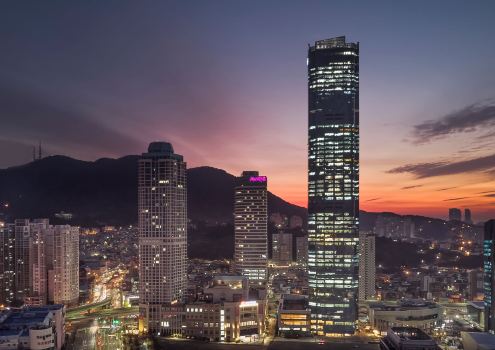
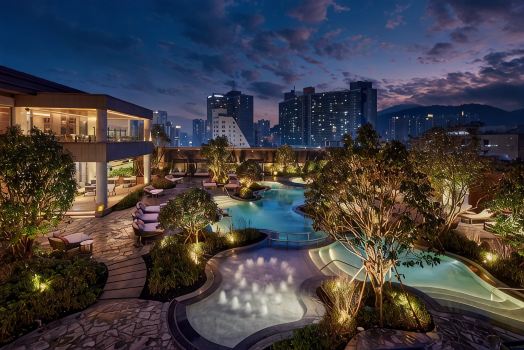
Located just steps from Haeundae Station (Line 2), this beachfront hotel is ideal for travellers who want to enjoy Busan’s most famous beach while staying well connected to the metro.
Highlights:
- Direct access to Haeundae Beach
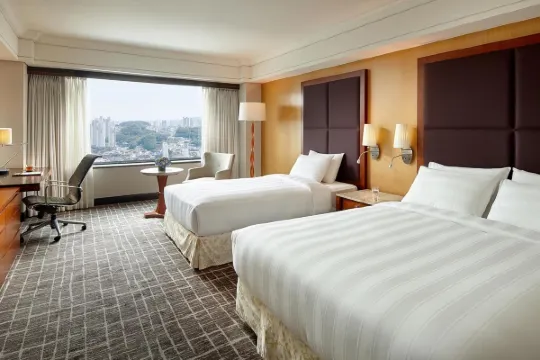
- Luxury rooms with sea views
- Easy metro access to Seomyeon & Gwangan
Lotte Hotel Busan

Situated next to Seomyeon Station (Line 1 & 2), this hotel is in Busan’s main shopping and entertainment district. Perfect for first-time visitors who want everything nearby.
Highlights:
- Connected to Seomyeon underground mall
- Central location for food & shopping
- Direct metro access to major attractions
Aventree Hotel Busan

Just a short walk from Nampo Station (Line 1), this hotel places you near Busan’s traditional markets and street food areas.
Highlights:
- Close to Jagalchi Fish Market & BIFF Square
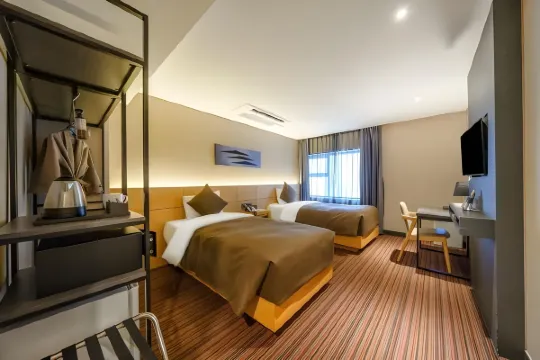
- Comfortable, modern rooms
- Easy access to coastal attractions
Hotel Foret Premier Seomyeon

Near Seomyeon Station (Line 1 & 2), this modern hotel is surrounded by cafes, restaurants, and shopping streets.
Highlights:
- Central nightlife & dining area
- Stylish, comfortable rooms
- Great value for money
Read More
Conclusion

The Busan Metro is the most convenient way to explore the city. With clear maps, frequent trains, and English signage, it is perfect for first-time visitors from Singapore.
Just get a T-money card, learn the main lines, and you’ll be able to travel around Busan smoothly while saving time and money.
FAQs – Busan Metro
Is the Busan Metro easy for first-time visitors?
Yes. Stations have English signs, colour-coded lines, and clear maps.Which line is most useful for tourists?
Line 2 (Green) connects Haeundae, Gwangan, and Seomyeon.Can I use the Busan Metro from the airport?
Yes. From Gimhae Airport, take the Light Rail Transit (LRT) and transfer to Line 2.Is metro better than buses in Busan?
Yes. It’s faster, easier, and not affected by traffic.Is there Wi-Fi in Busan Metro stations?
Many major stations offer free Wi-Fi, but having data, eSIM or offline maps is recommended.


NO.1