Tokyo Transport Guide
-
Airport Transfer
-
Subway
-

Car
-

-

-

Pass
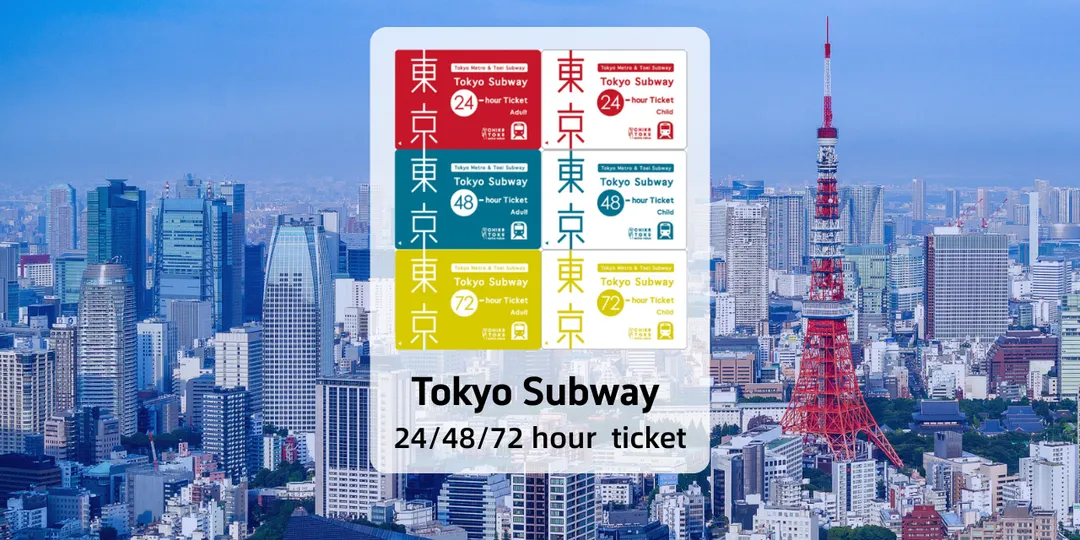
Getting around Tokyo can feel overwhelming at first, with multiple train operators, subway lines, buses, and airport transfer options to navigate. For most travellers, the best overall value option is combining the Tokyo Subway Pass for unlimited rides on Tokyo Metro and Toei Subway lines with a Suica card for convenient payments on other transport services.
In this guide, we’ll break down the best ways to get around Tokyo, including airport transfers from Narita and Haneda Airport, travelling to nearby cities, and exploring Tokyo’s top attractions.
Transport Mode | Best For | Speed | Cost (Approx.) |
|---|---|---|---|
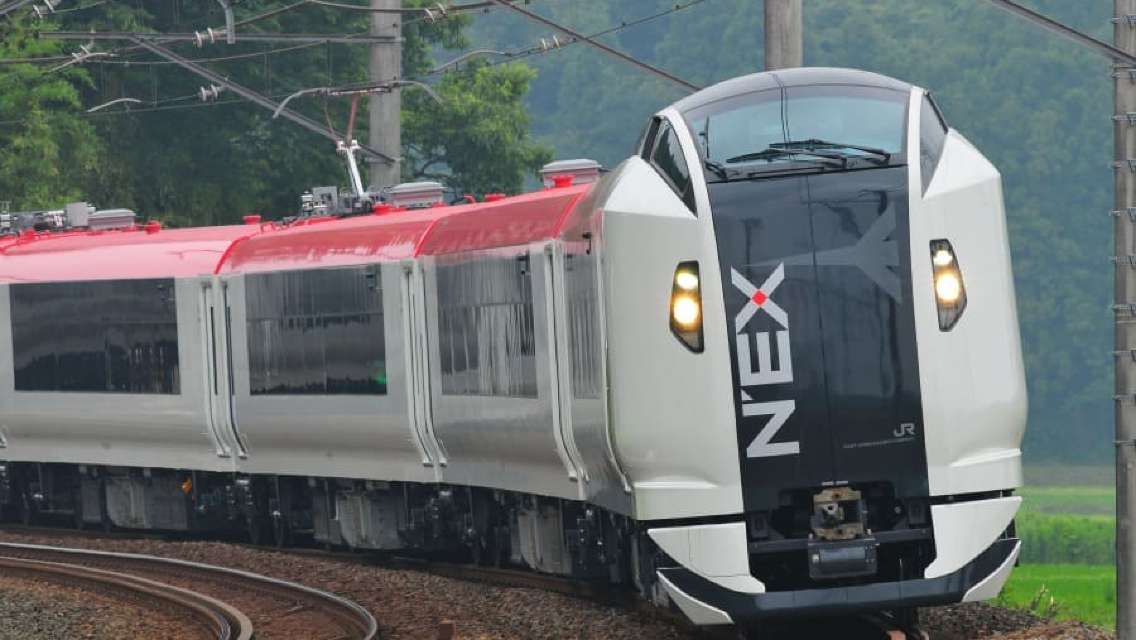
Narita Express (N’EX) | First-time visitors, travellers with luggage | ⭐⭐⭐⭐ Around 50–60 mins to Tokyo Station | From ¥3,070 (≈ S$29) one way |
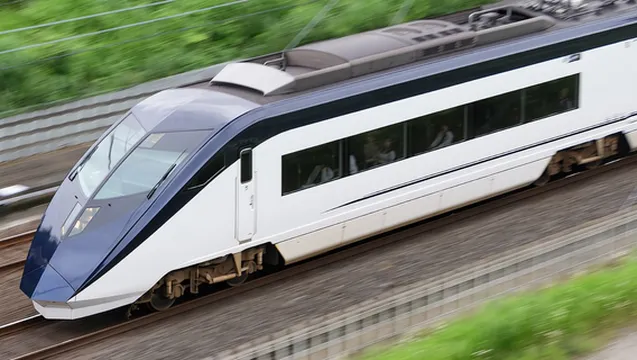
Keisei Skyliner | Travellers prioritising speed | ⭐⭐⭐⭐⭐ Around 40 mins to Ueno Station | From ¥2,580 (≈ S$25) one way |
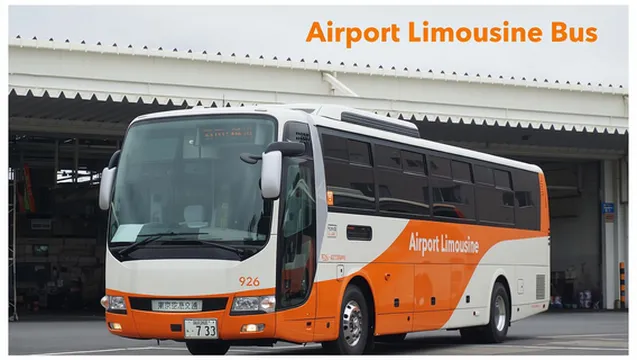
Keisei Bus / Airport Limousine Bus | Budget travellers or those with heavy luggage | ⭐⭐⭐ Around 60–90 mins (depending on traffic) | From ¥1,300 (≈ S$12) one way |
Haneda Airport Train (Keikyu Line / Tokyo Monorail) | Travellers arriving at Haneda | ⭐⭐⭐⭐ Around 15–35 mins to central Tokyo | From ¥500 (≈ S$5) one way |
Taxi / Private Transfer | Families, groups, late-night arrivals | ⭐⭐⭐⭐⭐ Around 30–90 mins | From ¥10,000–¥30,000 (≈ S$95–S$285) |
Tokyo Metro Pass + Suica/PASMO | Exploring Tokyo city | ⭐⭐⭐⭐ Depends on destination | Subway Pass from ¥800 (≈ S$8) + top-ups |
In Tokyo, the Japan Railways (JR) network plays an important role in connecting the city. Here are some of the major JR train lines to get around Tokyo:
JR Lines | Highlight |
Yamanote Line | Forms a loop around central Tokyo, key stations such as Tokyo, Shinjuku, Shibuya, and Ikebukuro. |
Chuo Line | Connects the western suburbs of Tokyo (like Tachikawa and Hachioji) with the central business districts such as Shinjuku, Tokyo, and Akihabara. |
Keihin-Tohoku Line | Runs between Omiya in Saitama Prefecture and Ofuna in Kanagawa Prefecture. |
Sobu Line | Divided into the Sobu Rapid Line and the Sobu Local Line, this line connects eastern and western Tokyo. |
Tokaido Line | Connects Tokyo with cities along the Pacific coast, including Yokohama, Odawara, and Atami, key stations such as Shinagawa, Shin-Yokohama, and Odawara. |
Saikyo Line | Running north-south through western Tokyo, connects Osaki Station with Kawagoe Station, northern Tokyo and Saitama Prefecture. |
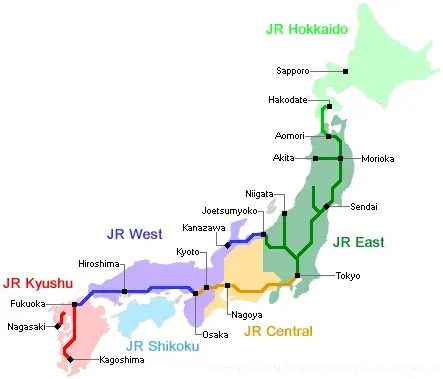
Source: Japan Guide.com
Step 1: Plan your route
Plan your route using maps or transport apps. Determine which JR line you need to take and the stations you'll be travelling to and from.
Step 2: Purchase a ticket or Suica Card/Pasmo Card
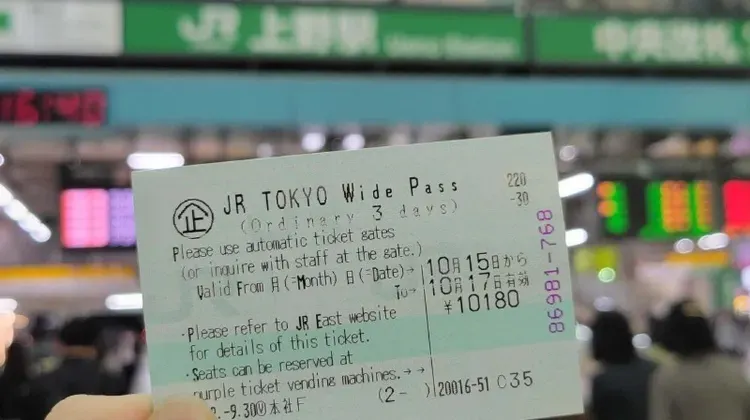
Head to the ticket machines or ticket counters to purchase your JR Pass, or you can buy JR Pass online and redeem the pass at the ticket counters or ticket machines.
You can also use an IC card such as Suica or Pasmo for seamless travel. IC cards can be charged with e-money and used for multiple trips on JR trains, buses and even convenience stores.
Step 3: Enter the station and have a ticket inspection
Use your ticket or IC card to pass through the ticket gates at the entrance of the station. Look for signs indicating the platform for the JR line you'll be riding. Platforms are usually labelled with the name of the line.
Step 4: Boarding the train
Wait behind the platform safety line until the train arrives. When the train arrives, pay attention to the car number and door markings to ensure you're boarding the correct train.
Train Operator | Train Lines | Highlight |
Tokyu Corporation | Tokyu Toyoko Line | Covers most of western Tokyo, including key stations such as Yokohama, Kawasaki, and Shibuya |
Keio Corporation | The Keio Line | Operates railway lines connecting Tokyo with western suburbs such as Hachioji, Tama, and Chofu |
Seibu Railway Company | The Seibu Shinjuku Line | Operates railway lines serving western Tokyo and Saitama Prefecture, key stations such as Nerima, Tokorozawa, and Kawagoe |
Tobu Railway Company | The Tobu Tojo Line | Operates railway lines connecting Tokyo with eastern suburbs, key stations such as Saitama, Tochigi, and Gunma Prefectures. |
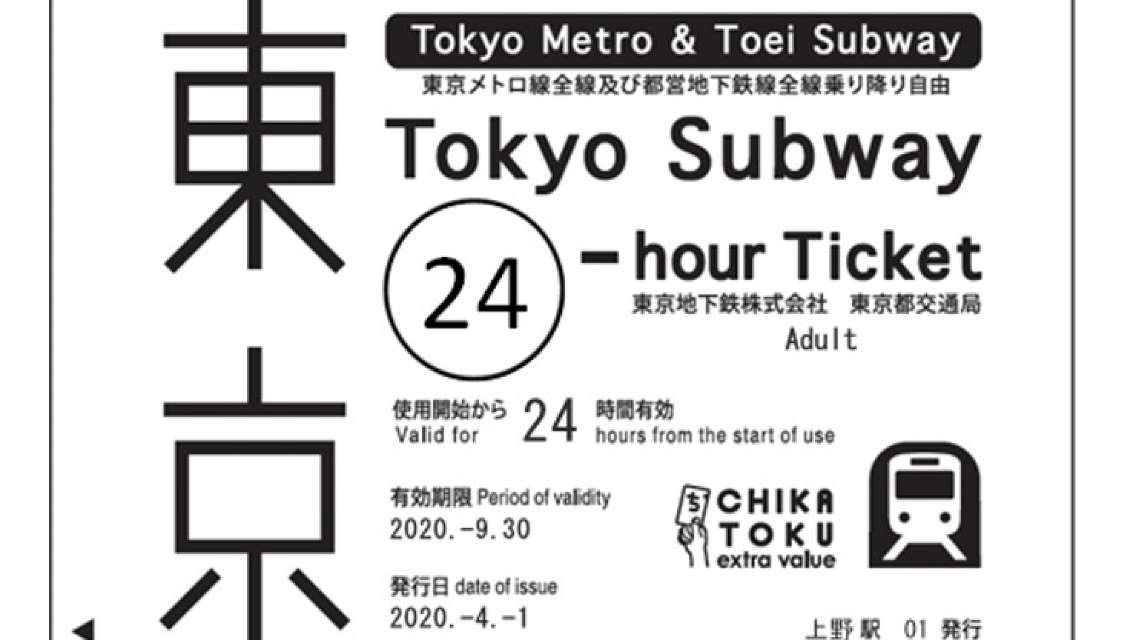
The Tokyo Subway system complements Tokyo’s train network, including the Tokyo Metro and Toei Subway. The Tokyo Metro and Toei Subway are two independent subway operating systems within Tokyo. The Tokyo Metro has 9 lines, while the Toei Subway has 4 lines.
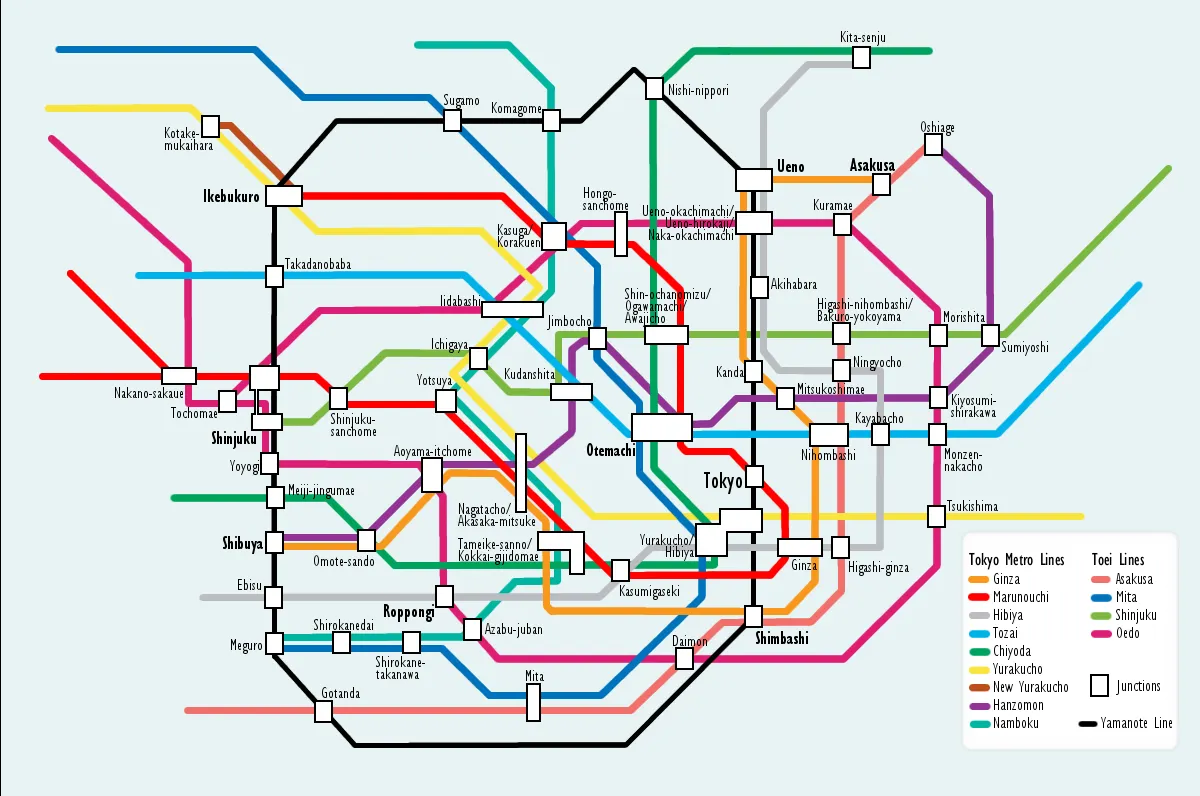
Source: Wikipedia
Line | Colour | Number | Route |
Ginza Line | Orange | Line 3 | Shibuya→Asakusa |
Marunouchi Line | Red | Line 4 | Ogikubo→Ikebukuro |
Hibiya Line | Grey | Line 2 | Naka-meguro→Kita-senju |
Tozai Line | Blue | Line 5 | Nakano→Nishi-funabashi |
Chiyoda Line | Green | Line 9 | Yoyogi-uehara→Kita-ayase |
Yurakucho Line | Khaki | Line 8 | Wakoshi→Shin-kiba |
Hanzomon Line | Purple | Line 11 | Shibuya→Oshiage |
Namboku Line | Teal | Line 7 | Meguro→Akabane-iwabuchi |
Fukutoshin Line | Brown | Line 13 | Wakoshi→Shibuya |
Line | Colour | Number | Route |
Asakusa Line | Pink | Line 1 | Nishi-Magome→Oshiage |
Mita Line | Blue | Line 6 | Meguro→Nishi-Takashimadaira |
Shinjuku Line | Green | Line 10 | Shinjuku→Moto-Yawata |
Ōedo Line | Purple | Line 12 | Hikarigaoka→Tochōmae |
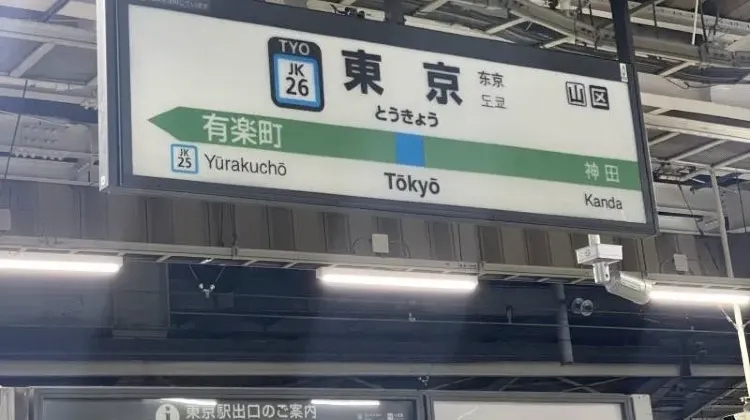
Source: Trip.com users' review
The operating hours of Tokyo Metro and Toei Subway are both from 5 a.m. to 12 a.m., with very dense schedules, running every 2 to 5 minutes.
Step 1: Buy your Tokyo Subway pass and redeem it
You can buy a Tokyo Subway pass on Trip.com:
Or you can purchase a Tokyo Subway pass at the ticket machine. Your ticket will be issued automatically by the machine if following the instructions.
Step 2: Get your tickets and have a ticket inspection
Hand over your physical ticket to the station staff for validation. Your tickets will be inspected before boarding.
Step 3: Find the correct platform and board the Tokyo Subway
Since the many Tokyo underground stations see several different subway lines pass through, it is very vital to find the correct platform, especially at night as soon as you enter the paid area. Then board the Tokyo Metro on time avoiding missing the last train.
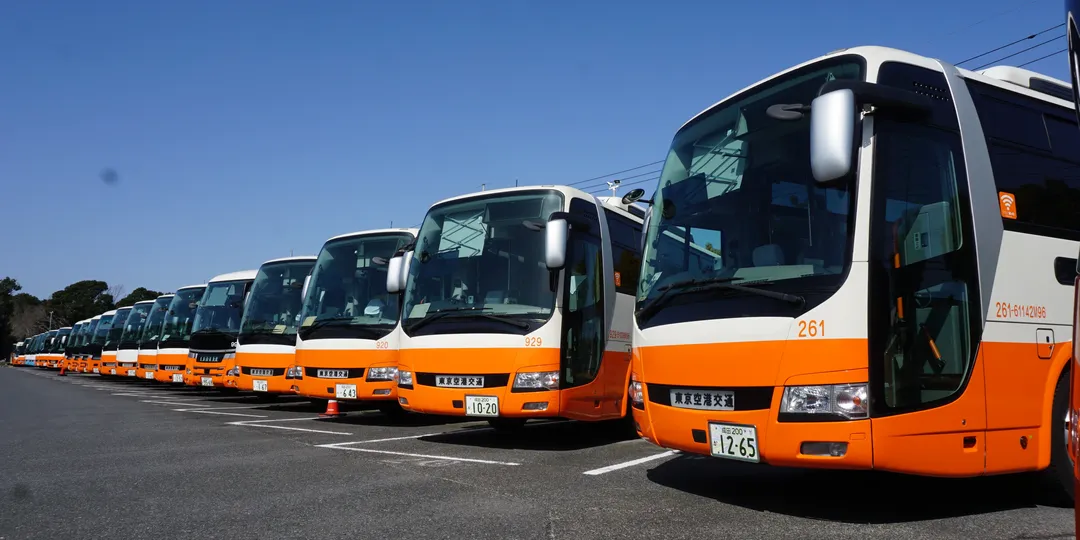
Tokyo's bus system serves both intra-city and inter-city routes. Buses are particularly useful for reaching attractions not accessible by train or subway.
Bus | Line | Route |
Airport Limousine Bus | Narita Airport Limousine Bus | Between Narita International Airport and major hotels and transportation hubs in Tokyo |
Haneda Airport Limousine Bus | Between Haneda Airport and central Tokyo, as well as destinations in the Greater Tokyo Area | |
Toei Bus | Toei Asakusa Line | Connects eastern Tokyo with Asakusa Station, including Ueno, Kinshicho, and Asakusa |
Toei Oedo Line | Around central Tokyo, major stations such as Tokyo Station, Roppongi, and Shinjuku | |
Sky Bus Tokyo | Sightseeing tours around Tokyo aboard open-top double-decker buses. Tours cover Tokyo Tower, Tokyo Skytree, Shibuya Crossing and more attractions, with multilingual audio guides. | |
Tokyu Bus | Operates a network of bus routes in western Tokyo and Kanagawa Prefecture. Tokyu Bus provides sightseeing routes to destinations such as Yokohama and Kamakura. | |
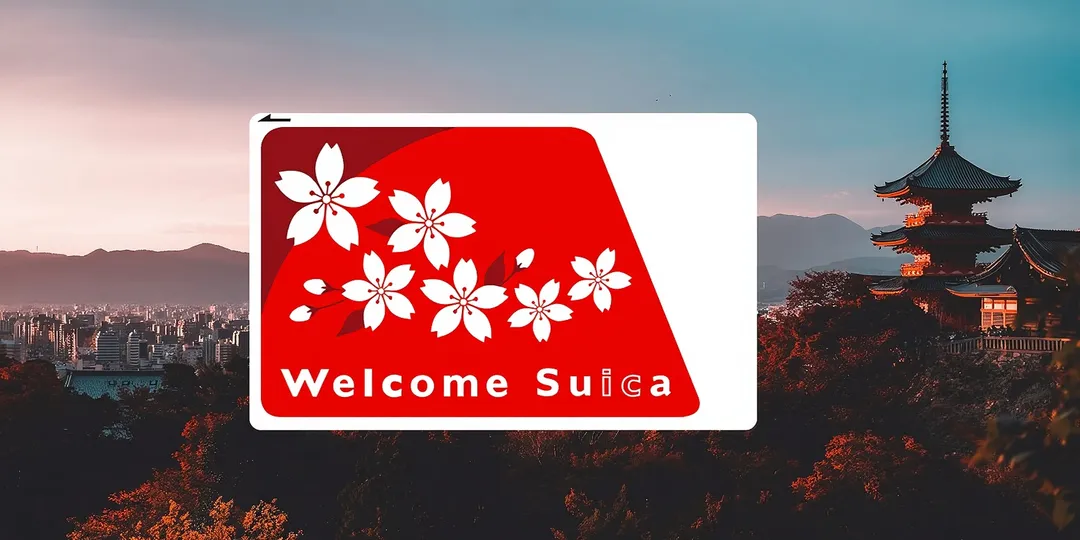
The Suica card is a convenient IC card that can be used for seamless travel on trains, buses, metros and convenience stores in Tokyo and other major cities in Japan. You can simply tap the Suica Card on the card reader at the ticket gate and the fare is automatically deducted from your Suica.
For visitors to Japan, you can buy Welcome Suica, which allows you to ride trains, buses and shop. There is no need to use cash and deposit. The validity is 28 days.
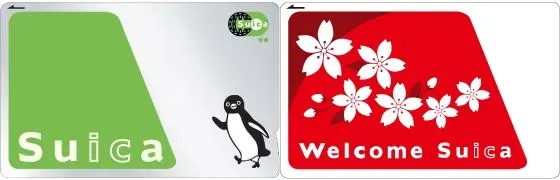
Source: JR East offficial
Step 1: Redeem your Suica Card
If you buy a Welcome Suica Card online, please present your electronic voucher at the Haneda Airport Ninjia WiFi Counter to exchange for a physical pass.
If you buy a Suica Card on-site, you will directly get the card and there’s no need to redeem.
Step 2: Top up the Suica Card
Activate your Suica Card at the selling spot or ticket machines. Then top up your Suica Card.
Step 3: Use the Suica Card for transportation and shopping
When entering a train station, boarding a bus or shopping, just hold your Suica Card over the card reader. This will deduct the fare from your card's balance.
Renting a car in Tokyo provides flexibility and a convenient way to get around Tokyo and its surrounding areas at your own pace. You can book a car through Trip.com to get up to 8% off.
Model | Capacity | Price |
Economy cars | 4 passengers | From S$80/day |
Midsize cars | 5 passengers | From S$100/day |
Luxury cars | 5 passengers | From S$180/day |
SUVs | 5 passengers | From S$150/day |
Vans | 7-9 passengers | From S$130/day |
Minibus | 10 passengers | From S$180/day |
Coupe/Cabrio | 2-4 passengers | From S$130/day |
Whether you're planning a road trip, a business journey, or just need a reliable ride, now is the perfect time to save. Use the coupon to enjoy this exclusive offer. Rent a car today and hit the road with extra savings!
Transport | Duration | Price (Adult/One way) |
Keisei Skyliner | About 36-41 mins | About S$19.47 |
Narita Express (Covered by JR Pass) | About 55 mins | About S$27.37/About S$142.89 (JR Pass) |
Airport Limousine Bus | About 60 mins | About S$30.35 |
Private transfer | About 60-90 mins | From about S$300 |
About 90 mins | From about S$80/day | |
Taxi | About 60 mins | From about S$150 |
Ride-Sharing | About 90 mins | From about S$130 |
Transport | Duration | Price (Adult/One way) |
Tokyo Monorail | About 13-24 mins | About S$4.57 |
Keikyu Line | About 12-30 mins | About S$4.43 |
Airport Limousine Bus | About 60 mins | About S$11.93 |
Private transfer | About 60 mins | From about S$198.17 |
Car rental | About 60 mins | From about S$80/day |
Taxi | About 40 mins | From about S$60 |
Ride-Sharing | About 60-90 mins | From about S$40 |
Source: Wikipedia
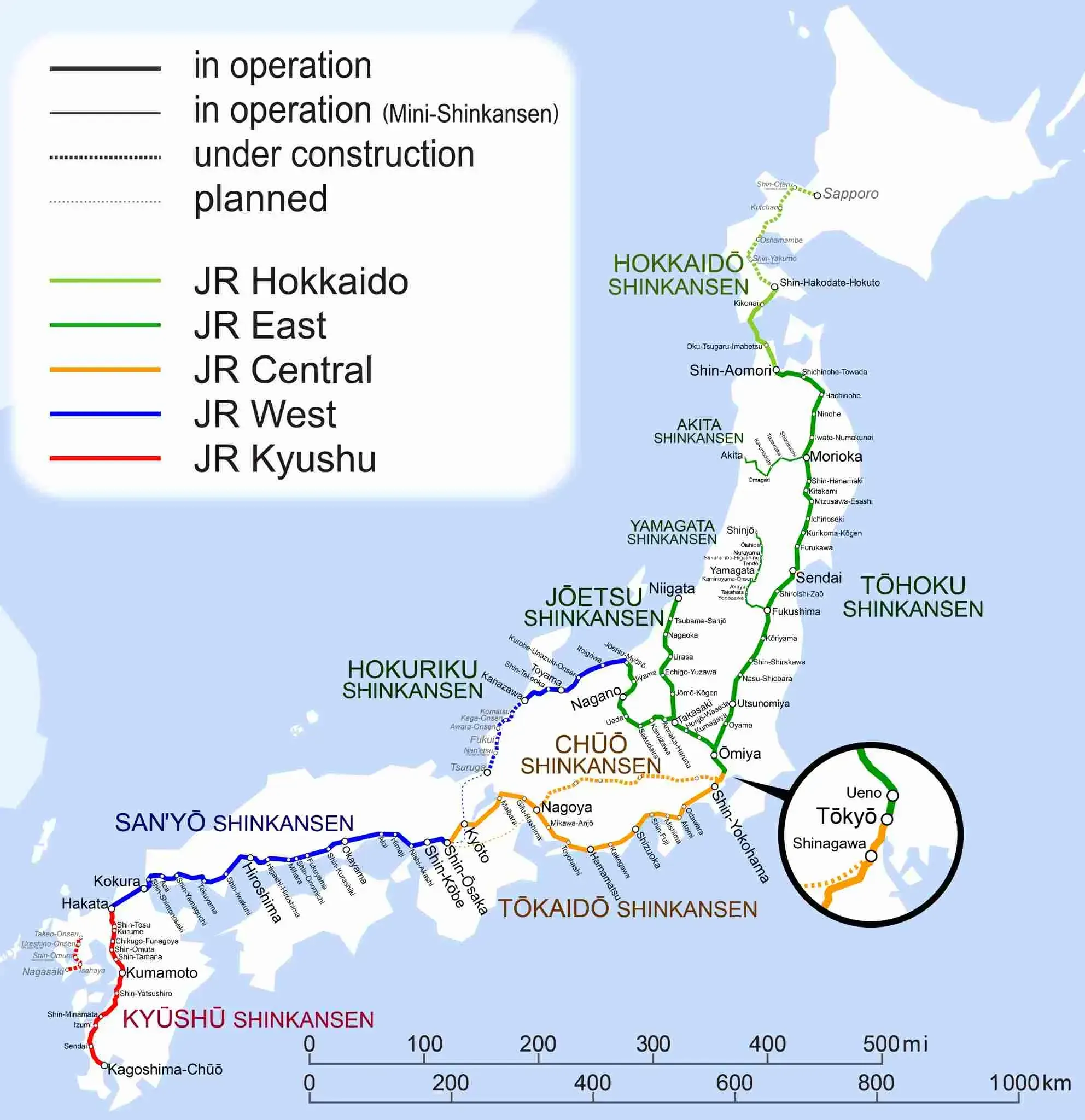
The Shinkansen, or bullet train, offers high-speed rail travel between Tokyo and major cities across Japan, including Kyoto, Osaka, and Hiroshima. Shinkansen is the fastest way to get around Japan.
Shinkansen Line | Main Stations |
Tokaido Shinkansen | Tokyo, Shinagawa, Shin-Yokohama, Nagoya, Kyoto, Shin-Osaka |
Tohoku Shinkansen | Tokyo, Ueno, Omiya, Sendai, Morioka, Hachinohe, Shin-Aomori |
Joetsu Shinkansen | Tokyo, Ueno, Omiya, Niigata |
Hokkaido Shinkansen | Shin-Aomori, Shin-Hakodate-Hokuto, Shin-Hakodate |
Hokuriku Shinkansen | Tokyo, Ueno, Omiya, Takasaki, Nagano, Toyama, Kanazawa |
Kyushu Shinkansen | Hakata, Kumamoto, Kagoshima-Chuo |
Sanyo Shinkansen | Hakata, Hiroshima, Okayama, Shin-Kobe, Shin-Osaka |
Kyushu Shinkansen | Hakata, Kumamoto, Kagoshima-Chuo |
Source: Wikipedia
Step 1: Buy Shinkansen tickets or JR Pass that covers Shinkansen
Step 2: Redeem your Shinkansen tickets or JR Pass
Step 3: Reserve your seats
Seats can be reserved free of charge at station ticket offices, recognisable by the green sign or at Travel Service Centres and JR-associated Travel Agencies.
Step 4: Get your tickets and have a ticket inspection
Hand over your physical tickets to the station staff for validation. If you buy a JR Pass. The JR Pass is your ticket and you can now use your JR Pass at the automatic gates.
Step 5: Board the Shinkansen
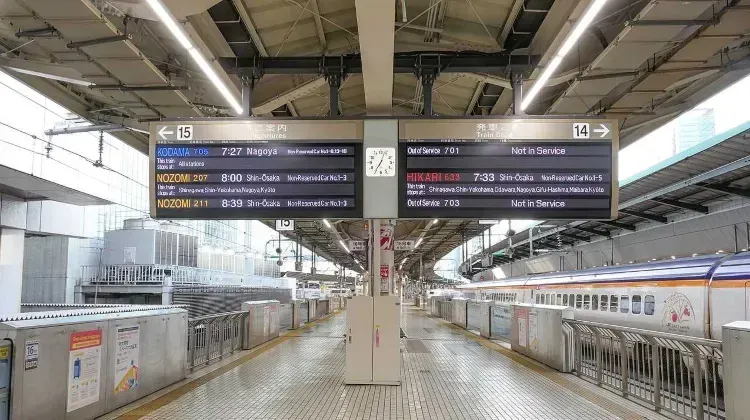
You can find the platform number on the electronic information screen and board the train based on the carriage and seat number on the ticket.
Google Maps provides real-time information on train, bus, and subway routes, as well as walking directions and estimated travel times.

Source: Wikimedia
The official app of Tokyo Metro provides users with information on subway routes, station maps, and service updates. It also features a fare calculator and a navigation function for finding nearby stations.

Source: Wikipedia
This app offers comprehensive route planning for trains, subways, buses, and even walking routes in Tokyo and other major cities in Japan. It provides detailed information on fares, transfer stations, and travel times.
Source: Google Play
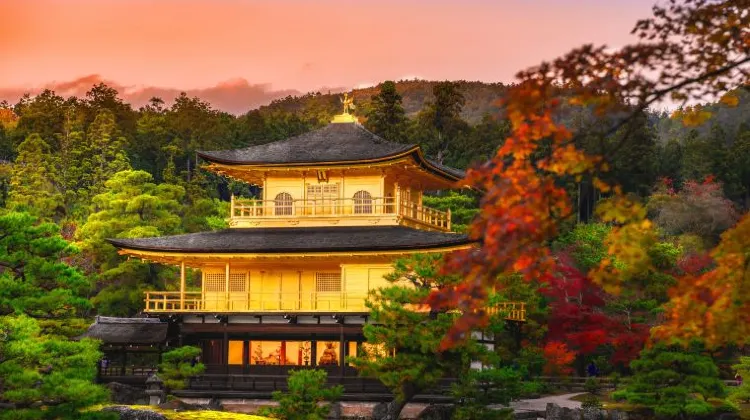
Destination | Recommended Transport | Time |
Shinkansen | 2 hours and 20 minutes | |
Shinkansen to Osaka Station, then transfer to JR lines | 3 hours. | |
Shinkansen to Shinjuku Station or Odawara Station, then transfer to buses or trains | 1 hour and 30 | |
JR lines | 30-45 minutes | |
Shinkansen to Odawara Station, then transfer to the Hakone Tozan Railway or bus | 1.5-2 hours |
Hakone is one of Japan's primary hot spring (onsen) areas that are close to Tokyo and still remain the rich nature without artificial development. The Hakone Freepass is a discounted ticket offering coverage of all the popular sightseeing destinations in Hakone. Hakone Freepass included a round-trip ticket on the Odakyu Line and able to get on-and-off freely within the designated area, also the Hakone Freepass included some discounts at the specific sightseeing location.
The JR TOKYO Wide Pass is a 3-day rail pass that gives you unlimited rides on trains and the Shinkansen around Tokyo and the surrounding area. Explore Tokyo; head out to popular areas in Japan including Nikko, Lake Kawaguchi, Mt. Fuji; or stay at onsen resorts in Karuizawa, Kusatsu, Izu, and many other places.