Tokyo Metro Guide: Explore Tokyo Subway, Map, Operating Hours & Pass

Author's Profile Picture

feel

Tokyo Metro | Trip.com

Tokyo Metro, as one of the busiest and most complex subway systems in the world, may make you hesitate or feel nervous. But don't worry, our Tokyo Metro guide will take you step by step to experience the Tokyo underground system, making every moment in Tokyo convenient.

Tokyo Metro Overview

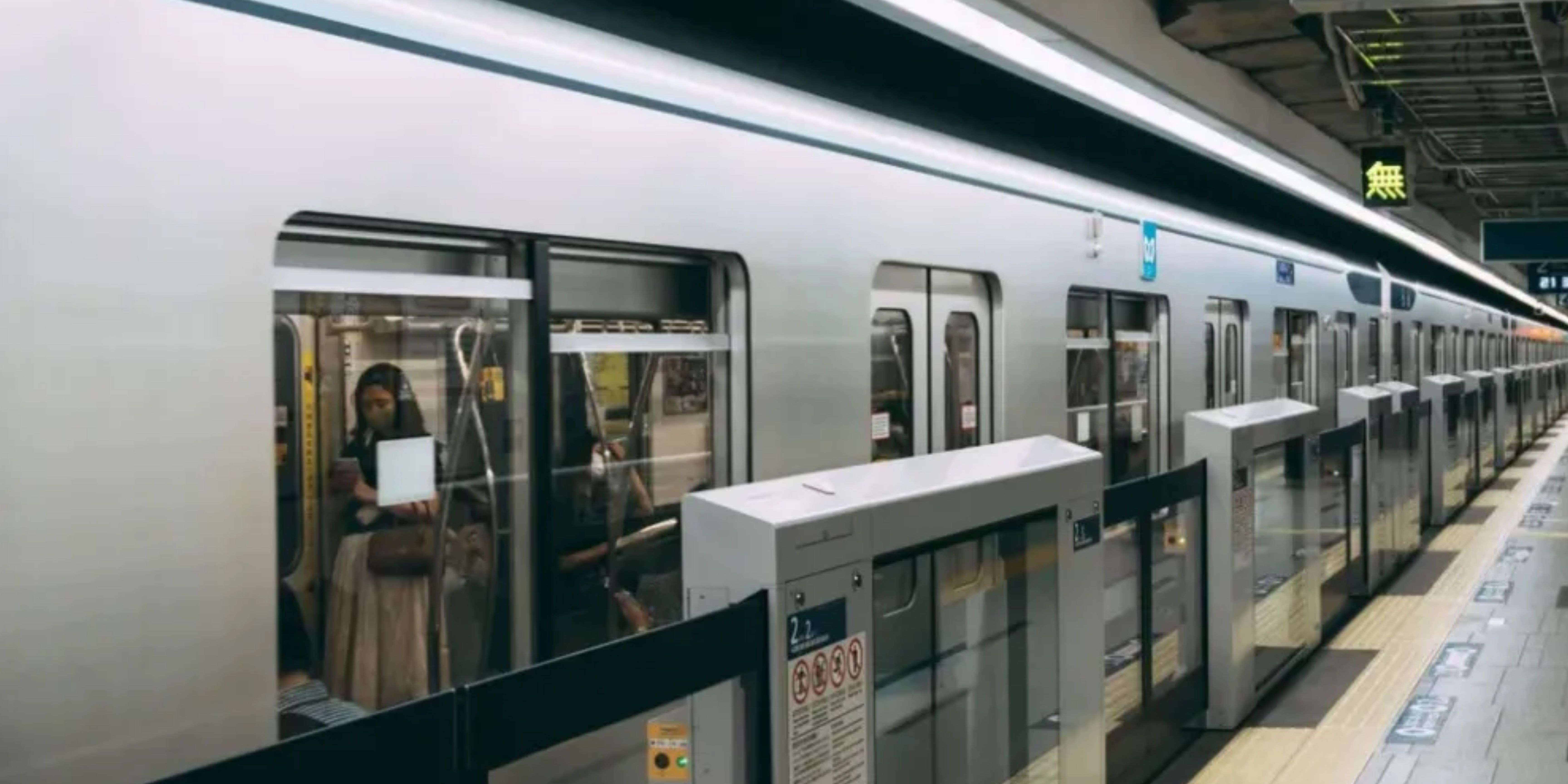
Metro Door

The Tokyo Metro is an urban rail transit system serving Tokyo and the Tokyo Metropolitan Area in Japan. Its first line was officially opened and operated in 1927, making Tokyo the first city in Asia to open a subway.

Tokyo Metro Prices

Validity

Type

Price (Trip.com 3% off)

Tokyo Metro 1-Day Pass

Adult (Age 12+)

S$6.77

Child (Age 6–11)

S$3.17

Tokyo Metro 2-Day Pass

Adult (Age 12+)

S$10.13

Child (Age 6–11)

S$4.90

Tokyo Metro 3-Day Pass

Adult (Age 12+)

S$12.68

Child (Age 6–11)

S$6.34

Tokyo Metro Regular Tickets

You can also buy a one-way ticket from a ticket machine at any subway station. Fares are based on the distance travelled from S$1.57.

Tokyo Metro Operating Hours

The operating hours of Tokyo Subway and Toei Subway are both from 5 a.m. to 12 a.m., with very dense schedules, running every 2 to 5 minutes.

Tokyo Metro Timetable

The daily schedule of each subway line in Tokyo can be queried in real-time on the official website. Here are the schedules of the starting and ending stations of three subway lines in Tokyo.

Line

Station

Departure Time

Frequency

Ginza Line

Shibuya Station

Weekdays: 4:18
Saturdays/holidays: 4:19

About 3-9mins

Asakusa Station

Weekdays: 4:17
Saturdays/holidays: 4:17

About 3-10mins

Marunouchi Line

Ogikubo Station

Weekdays: 4:19
Saturdays/holidays: 4:19

About 5-11mins

Ikebukuro Station

Weekdays: 4:16
Saturdays/holidays: 4:16

About 5-15mins

Hibiya Line

Naka-meguro Station

Weekdays: 4:06
Saturdays/holidays: 4:06

About 2-20mins

Kita-senju Station

Weekdays: 4:18
Saturdays/holidays: 4:19

About 2-15mins

👀Pro Tip: Taking Tokyo Metro is just a beginning to explore Tokyo. You might be curious about other things to do in Tokyo. Our guide will help you discover the city's best attractions!

How to Buy Tokyo Metro Pass?

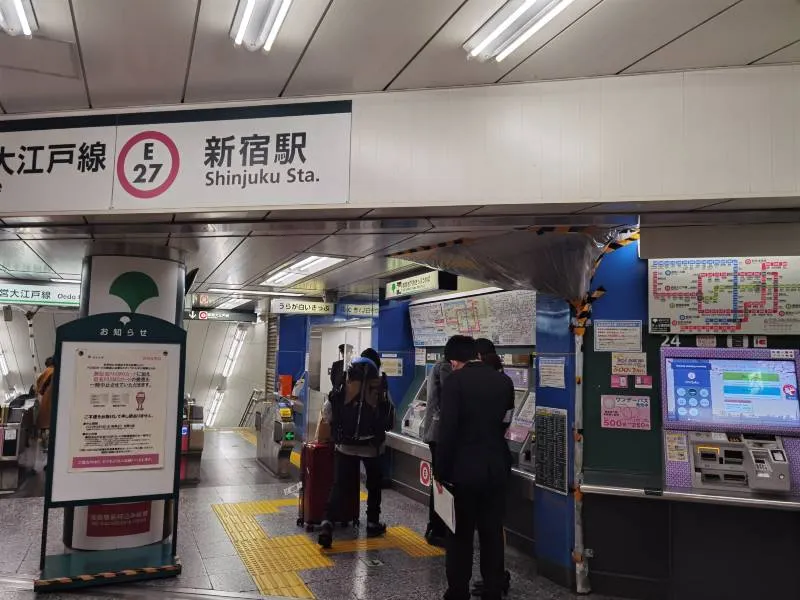
Tokyo Metro ticket machine

Buy Tokyo Metro Pass Online

You can buy Tokyo Metro pass on Trip.com for domestic visitors residing outside of Tokyo, Kanagawa, Saitama, Chiba, Ibaraki, Tochigi, Gunma and Yamanashi as well as overseas visitors.

  1. Go to Trip.com.
  2. Select the Tokyo Metro pass: Tokyo Metro tickets for 24h or 48h or 72h.
  3. Follow the instructions to make payment, such as credit card.
  4. You will receive an electronic ticket after purchase. Make sure to keep the e-ticket handy for redeeming and boarding.

Buy Tokyo Metro Tickets On-site

You can purchase Tokyo Metro pass at the ticket machine. Your ticket will be issued automatically by the machine if following the instructions. Besides, Tokyo Metro has established Tourist Information and Tokyo Metro Shibuya Station Tourist Information Center so as to better serve passengers.

Best Flights to Tokyo

See All Flights
Singapore
SIN
Tokyo
NRT
Fri, Feb 6
Fri, Feb 6
One way
9% off
From 16,778.03PHP 15,209.38
Singapore
SIN
Tokyo
NRT
Fri, Feb 6
Fri, Feb 6
One way
9% off
From 16,778.03PHP 15,226.13
Singapore
SIN
Tokyo
NRT
Mon, Feb 9
Mon, Feb 9
One way
9% off
From 16,778.03PHP 15,242.88
Singapore
SIN
Tokyo
NRT
Sat, Feb 7
Sat, Feb 7
One way
9% off
From 16,778.03PHP 15,251.26
Singapore
SIN
Tokyo
NRT
Sun, Jan 11
Sun, Jan 11
One way
9% off
From 16,778.03PHP 15,268.01
Singapore
SIN
Tokyo
NRT
Sun, Jan 11
Sun, Jan 11
One way
9% off
From 16,778.03PHP 15,268.01

How to Use Tokyo Metro Pass?

After purchasing your Tokyo Metro tickets, let’s find out how to use it!

Step 1: Redeem your Tokyo Metro tickets

Please redeem a physical boarding pass before riding.

  • If you buy Tokyo Metro tickets on-site, you can directly redeem them by following the instructions on the machine.
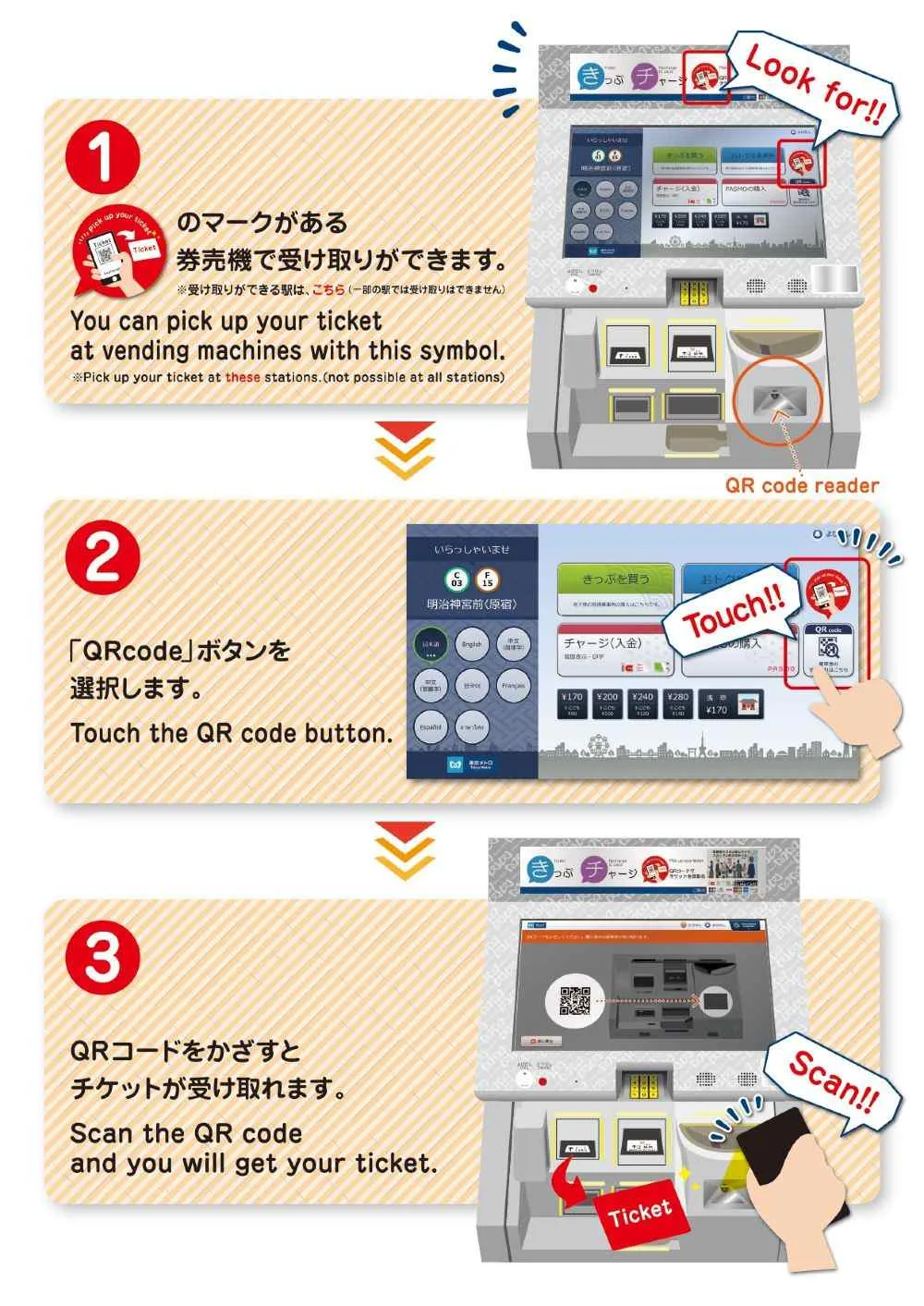
  • If you buy Tokyo Metro tickets online, you can use your QR code voucher directly at the ticket vending machines for tourists set up in major stations of Tokyo Metro and Toei Subway to redeem the physical ticket.
Tokyo Metro tickets redeem

Step 2: Get your tickets and have a ticket inspection

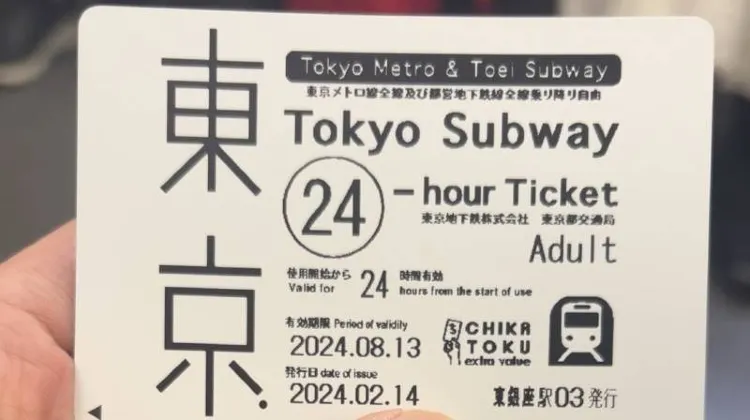
Hand over your physical ticket to the station staff for validation. Your tickets will be inspected before boarding.

Tokyo Metro pass

Step 3: Find the correct platform and board the Tokyo Metro

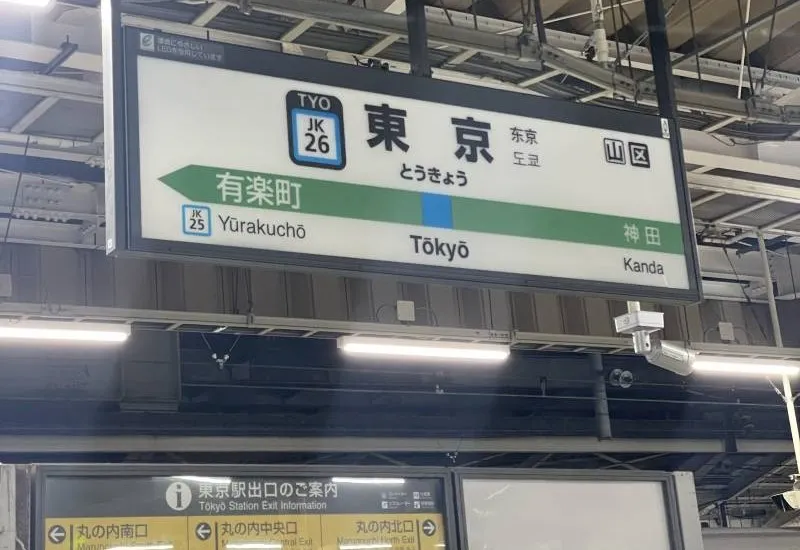
Since the many Tokyo underground stations see several different subway lines pass through, it is very vital to find the correct platform, especially at night as soon as you enter the paid area. Then board the Tokyo Metro on time avoiding missing the last train.

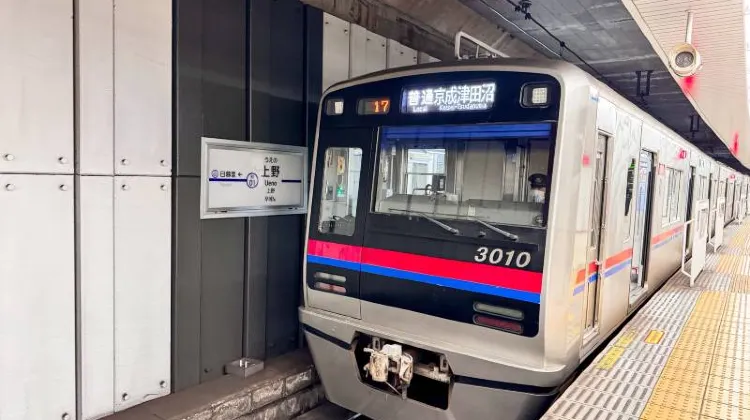
Tokyo Metro
💫Pro Tip: Stay connected during your Tokyo trip with a Japan eSIM for easy mobile data and navigation without hassle.

🔥Save More with an Extra 5% Off – New Users Only

Use our promo code to enjoy an extra 5% off (up to S$4) on your attraction tickets, eSIMs, and tours!

⏳ Redeem within 3 days of claiming

Tokyo Metro Map

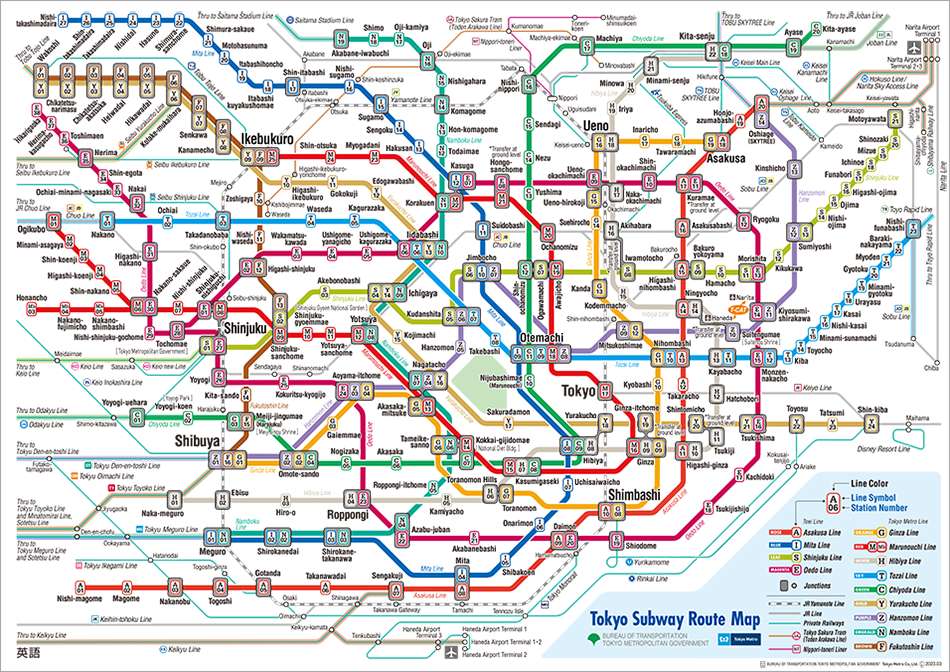
The Tokyo Metropolitan Rail Transit network operates 13 lines with a total length of 312.6 kilometers and 285 stations, by which you can easily head to popular locations or hotels, etc.

Metro Map

Tokyo Metro Lines

Line

Colour

Number

Route

Nearby Attractions

Ginza Line

Orange

Line 3

Shibuya → Asakusa

Shibuya Crossing, Hachiko Statue, Senso-ji Temple

Marunouchi Line

Red

Line 4

Ogikubo → Ikebukuro

Tokyo Dome, Sunshine City, Imperial Palace

Hibiya Line

Grey

Line 2

Naka-meguro → Kita-senju

Roppongi Hills, Ebisu Garden Place, Ueno Zoo

Tozai Line

Blue

Line 5

Nakano → Nishi-funabashi

Tokyo Skytree, Nihonbashi, Toyosu Market

Chiyoda Line

Green

Line 9

Yoyogi-uehara → Kita-ayase

Meiji Shrine, Omotesando, Akihabara

Yurakucho Line

Khaki

Line 8

Wakoshi → Shin-kiba

Ginza, Tokyo International Forum, Odaiba

Hanzomon Line

Purple

Line 11

Shibuya → Oshiage

Shibuya Scramble, Asakusa, Sumida Aquarium

Namboku Line

Teal

Line 7

Meguro → Akabane-iwabuchi

Roppongi, Tokyo Midtown, Sugamo Jizo-dori

Fukutoshin Line

Brown

Line 13

Wakoshi → Shibuya

Ikebukuro, Shinjuku, Harajuku

Tips on Taking the Tokyo Metro💫

Metro Station
  • Priority seats: Priority seats can be found on all Tokyo Metro trains. We kindly ask that you give your seat to the elderly, commuters with disabilities, commuters with infants and expectant mothers.
  • Cell phones: Please set your cell phone to silent mode and refrain from talking on it during your ride. Also, please turn your cell phone off when near priority seats during rush hour and other busy periods.
  • "Women-only" cars: Tokyo Metro has adopted women-only cars during the morning rush hour so that women, elementary school students and younger children can ride with a sense of security.
  • Smoking prohibited: Smoking is not allowed at subway stations or in train carriages.
  • Child ticket: Children ages 0 and 5 can take the Tokyo Metro for free if they do not need a separate seat. However, if they require their own seat, a child ticket must be purchased for them.

Recommendation on Japan Transport Application🫧

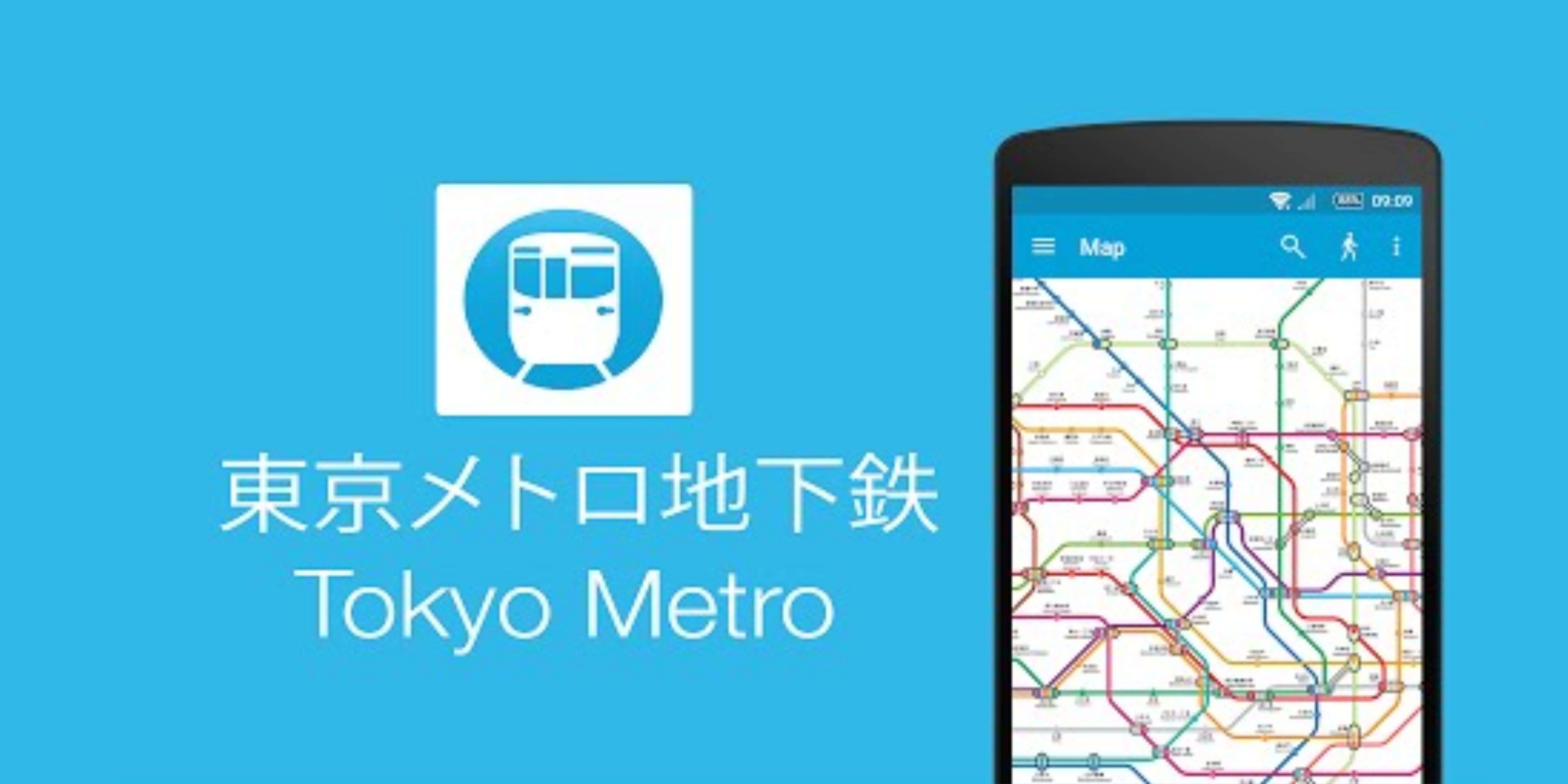
Tokyo Metro App

The Tokyo Metro map is color-coded, with each line represented by a unique color and letter. For example, the Ginza Line is orange and marked with a "G," while the Hibiya Line is grey with an "H." This simple coding system helps tourists quickly identify their starting point, transfer stations, and destination.

Tokyo Metro Subway Map & Route Application Overview

The Tokyo Metro Subway Map & Route application is a must-have tool for navigating Japan’s capital. It provides an interactive map of all Tokyo Metro lines, including train schedules, station details, and transfer information.

Designed for both first-time visitors and frequent travelers, the app makes moving around Tokyo simple and stress-free. Users can search for the fastest routes, view real-time updates, and even plan trips across multiple lines with ease.

Benefits for Tourists

  • Easy Navigation: Find the quickest routes between attractions, hotels, and restaurants.
  • Time-Saving: Real-time updates help avoid delays and crowded trains.
  • Cost-Effective: Calculate fares and see ticket options, including day passes.
  • Multilingual Support: Ideal for international tourists with English and other language options.
  • Offline Access: Download maps and routes to use even without internet connectivity.
  • Stress-Free Transfers: Detailed station layouts and transfer info make connections smooth.
  • Tourist-Friendly Features: Nearby attractions, points of interest, and travel tips integrated into the app.
💡 Pro Tip: Book your hotels in Tokyo and flights to Tokyo early, especially during weekends or festivals. Prices rise fast, and early bookings on Trip.com often come with extra discounts.

Reason for Choosing the Tokyo Metro😍

Tokyo Metro

Punctuality and convenience

In Japan, the high punctuality rate of rail transit systems is renowned worldwide. For a long time, the punctuality rate of Tokyo's rail transit has remained above 97% every year.

To achieve the accuracy of rail transit travel, Tokyo Metro has developed an accurate timetable based on weekends, working days, and holidays.

The timetable generally does not change, and there is a timetable at each platform, with trains arriving at what time.

Order and respect

In the subway, passengers also silently follow the rule of getting off first and getting on later.

Even if it's crowded during commuting and the people behind want to get on the bus, they will actively push back to make space for the people behind them.

There won't be standing still, so the bus will be filled to the maximum extent possible. Even during peak hours of work, there won't be many people waiting.

Efficient design and seamless transfer

The Tokyo Metro is renowned for its efficient design and seamless transfer capabilities, providing passengers with a convenient travel experience.

Rail stations are closely integrated with urban functions and integrated with the construction of surrounding commercial, residential, and industrial areas, creating a gathering place for citizens to live, work, and engage in activities.

Landmarks and Attractions around Tokyo Metro🏛️

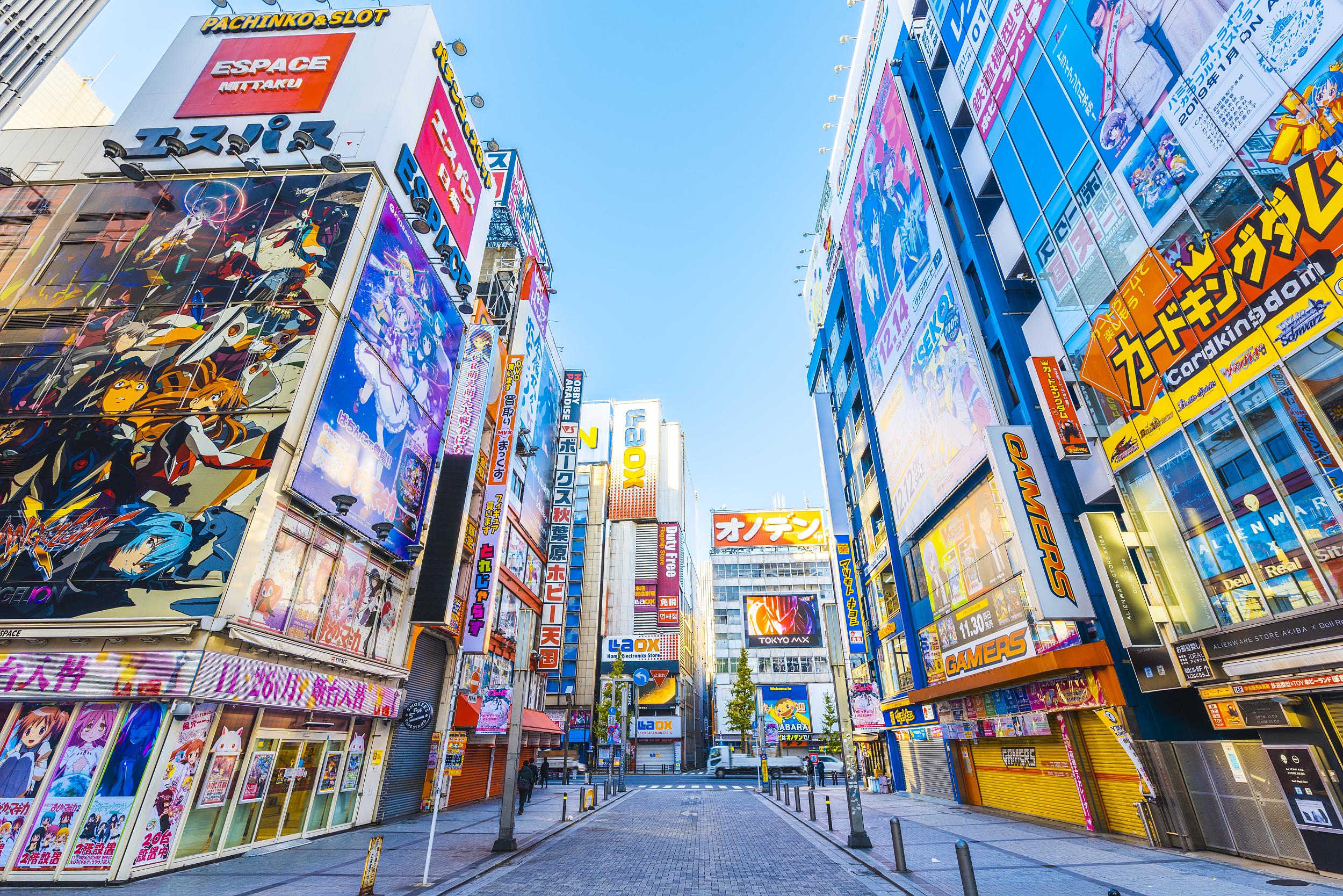
Akihabara
  • Ginza: It has long been a strong draw for the adult crowd. There are main avenues and backstreets, featuring a captivating mixture of established traditional businesses and the latest new boutiques and industries.
  • Sensoji Temple: It is a popular amusement park with the Edo style that exists in Japan and is also the oldest temple in Tokyo.
  • Ueno Park: It was built on the grounds of the Tokugawa family temple, Toeizan Kaneiji and today it remains a well-loved destination, full of nature, culture and art.
  • Tokyo Metropolitan Art Museum: It is in Ueno Park where special exhibitions of domestic and foreign famous paintings, a variety of planned exhibitions, and exhibitions of works by the general public are held there.
  • Meiji Shrine: This is the shrine where the Emperor Meiji and the Empress Shoken are enshrined.

FAQ about Tokyo Metro

  • Does JR pass cover Tokyo Metro?

    Yes. But JR PASS is only applicable to foreign tourists who visit Japan for sightseeing purposes and stay within 90 days. The passport must be stamped or labelled with the words "short-term stay", so visiting Japan for study or study purposes is not allowed. JR staff will verify it.
  • Is there any restriction on carrying baggage on the Tokyo Metro?

    Yes. If the items carried do not interfere with the operation of the train and comply with the following regulations, a maximum of two items can be carried on board. The total length, width, and height shall not exceed 250 centimetres, and the weight shall not exceed 30 kilograms. Besides, items with a unilateral length exceeding 200 centimetres are not allowed to be carried on board.
  • Can passengers use WiFi inside the station?

    Yes. All stations of Tokyo Metro offer free WiFi service.
  • Does Tokyo Metro provide information services other than Japanese?

    Yes. Tokyo Metro has issued guides and other manuals in Chinese (traditional and simplified), English, and Korean for the convenience of tourists. In addition, some stations also have guides in various language versions mentioned above.
  • How to obtain information on train operations and delays?

    There are two ways. Firstly, When the tram is delayed for more than 15 minutes or stopped, English, Chinese (simplified characters), and Korean explanations will be displayed on the " ticket gate display screen" installed near the ticket gates at each station. In case of shutdown or other situations, English broadcasting will be implemented inside the station. Secondly, if the Tokyo Metro routes are delayed by more than 15 minutes from the expected time, information will be posted on the Tokyo Metro website (PC version, mobile version).
Disclaimer: This article has been provided by an individual contributor or third party platform. If there is any discrepancy regarding the copyright, please contact us directly and we will delete the content immediately.
Daisy

Daisy

Travel Lover

I’m a travel lover who can never say no to good food, stunning beaches, and the beauty of nature. Sharing my adventures and travel tips, I hope to inspire you to explore, taste, and unwind wherever you go.

77 articles
Travel EnthusiastFoodieNature Lover
>>
Tokyo Metro