🔥Save More with Up to 5% OFF
Use our promo code to enjoy up to 5% OFF (up to S$3) on your attraction tickets, tours and eSIMs! Only for new users!


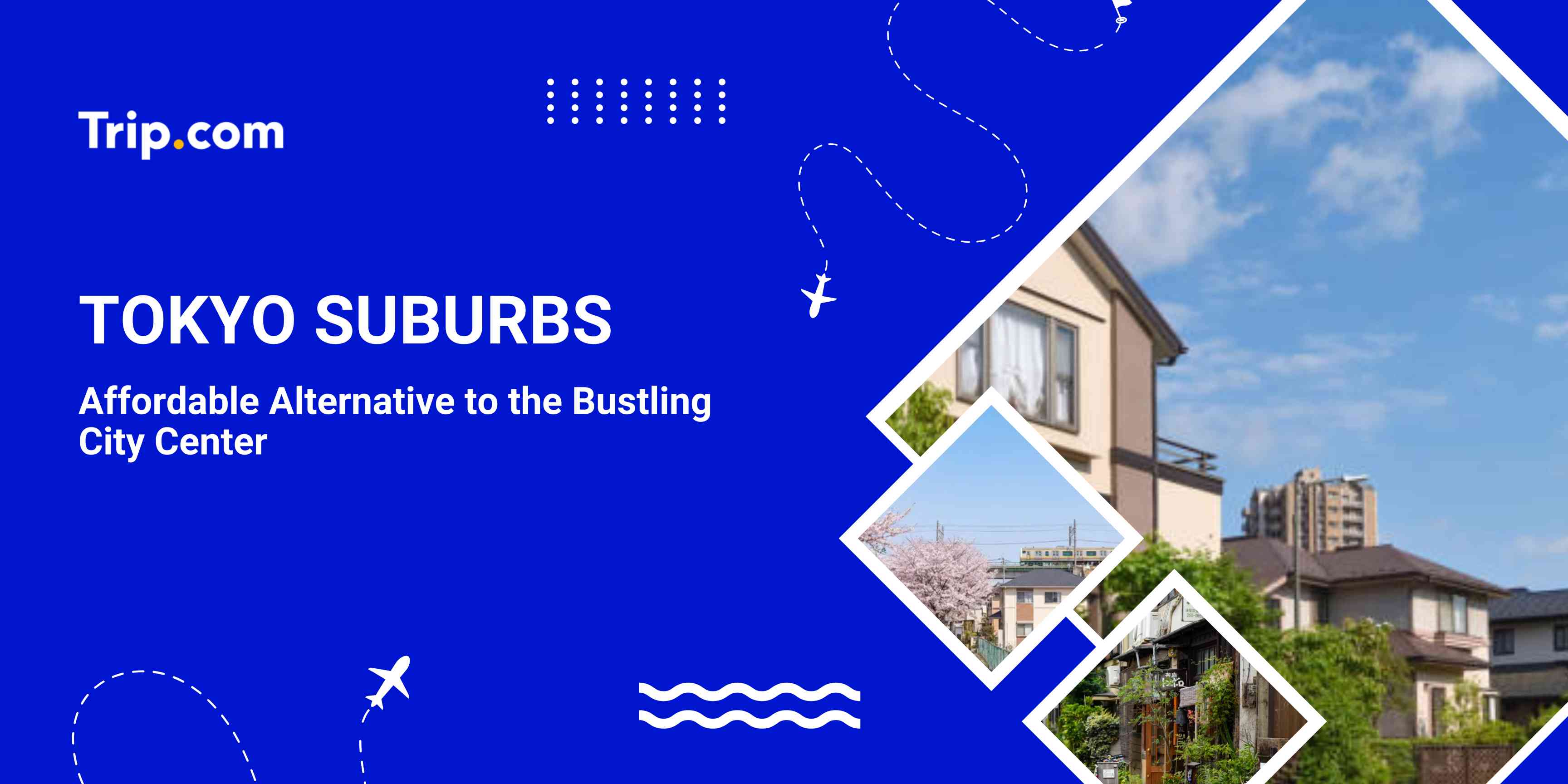
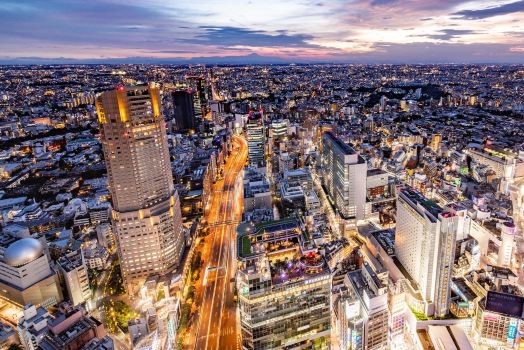
When most travellers think of Tokyo, they picture neon lights in Shibuya or skyscrapers in Shinjuku.
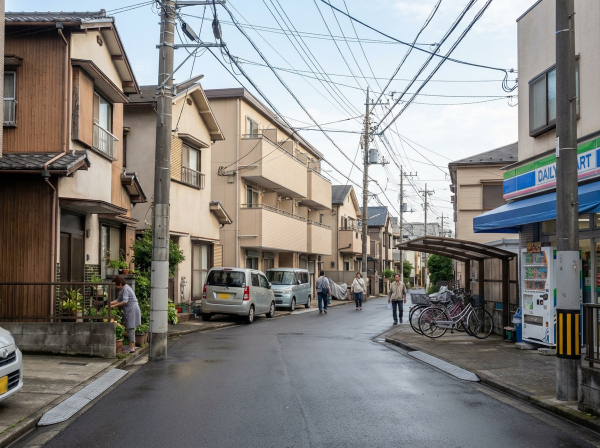
But beyond the busy city centre lies a completely different side of Japan’s capital, peaceful neighbourhoods, spacious parks, family-friendly streets, and charming local shopping areas.
If you're curious about Tokyo suburbs, whether for living, long-term stays, or a quieter travel experience, this guide covers the best suburban areas around Tokyo.
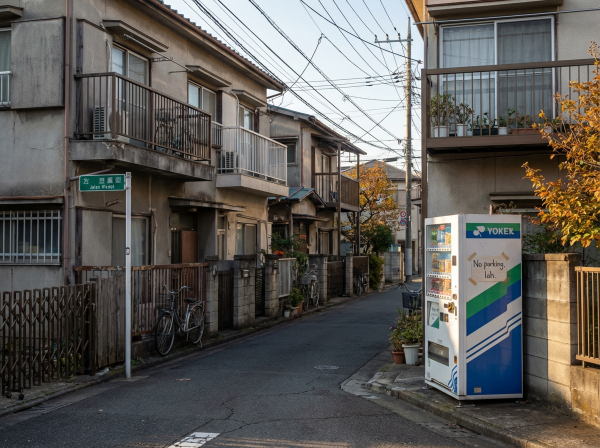
Tokyo Suburb Street
Tokyo suburbs offer:
Benefit | Description |
|---|---|
🌿 More green space and residential comfort | Parks, tree-lined streets, and quieter surroundings compared to central Tokyo. |
🚆 Easy train access to central Tokyo | Well-connected rail lines make commuting to major hubs quick and convenient. |
🏠 Larger apartments and lower accommodation costs | More spacious housing options at more affordable prices. |
👨👩👧 Family-friendly communities | Safe neighbourhoods with schools, playgrounds, and local amenities. |
☕ Relaxed local cafes and neighbourhood shopping streets | Charming independent cafes, small shops, and traditional shopping arcades. |
Many suburban areas are just 20–40 minutes from central Tokyo by train, making them ideal for commuters and travellers who want balance.
Cheap Flights to Tokyo
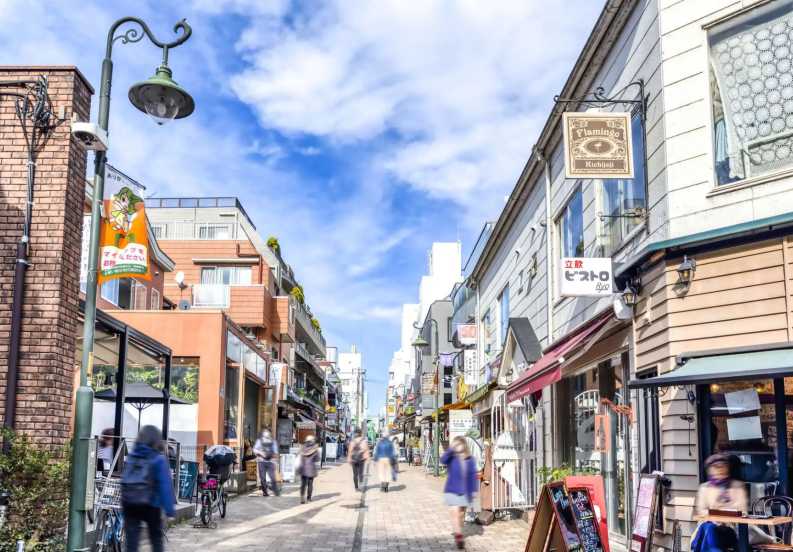
Often ranked as one of the best places to live in Tokyo, Kichijoji combines convenience and charm.
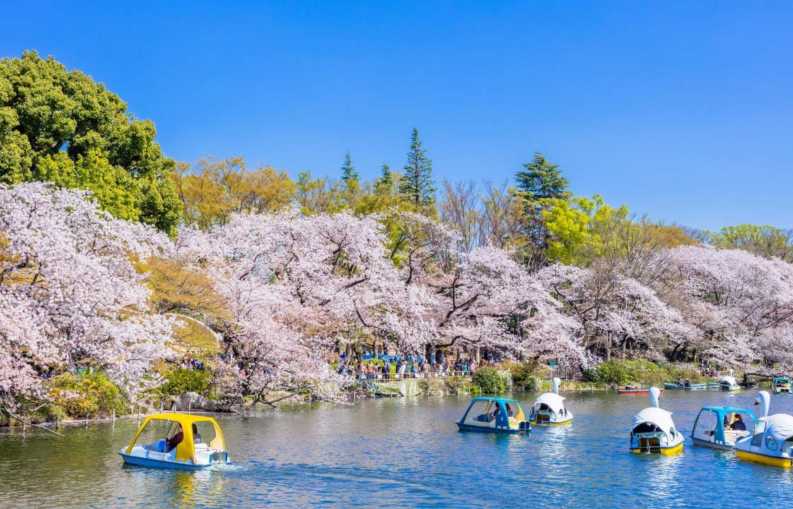
It’s home to Inokashira Park, a beautiful green space perfect for cherry blossom viewing and weekend strolls.
The area offers trendy boutiques, local eateries, and a relaxed atmosphere while being only about 20 minutes from Shinjuku.
Best for: Young professionals, couples, creatives
Option | Train Line / Transport | Destination | Travel Time | Transfer | Notes |
|---|---|---|---|---|---|
🚆 Fastest Route | JR Chuo Line (Rapid) | Tokyo Station | ~30 minutes | No | Direct train from Kichijoji Station; most convenient option |
🚆 West Tokyo Route | JR Chuo Line | Shinjuku | ~15–20 minutes | No | Ideal if heading to Shinjuku or transferring to other lines |
🚖 Taxi | Car / Taxi | Central Tokyo | ~40–60 minutes | No | More expensive; depends on traffic conditions |
Attraction | Description |
|---|---|
Inokashira Park | A scenic park with a large pond where you can enjoy rowboat rides, strolling paths, and seasonal cherry blossoms. Great for a relaxing day outdoors. |
Ghibli Museum | A whimsical museum dedicated to Studio Ghibli’s animation, with exhibits, artwork, and mini-theatre screenings, a must-visit for fans of Spirited Away and My Neighbor Totoro. |
Kichijoji Sun Road Shopping Street | A lively covered arcade filled with shops, boutiques, cafes, and local eateries, perfect for casual shopping and dining. |
Harmonica Yokocho | A charming network of narrow alleys packed with small bars, izakayas, and snack stalls offering a retro Tokyo vibe. |
Zenpukuji River Walk | A peaceful riverside path ideal for walking or cycling, with scenic views especially beautiful in spring and autumn. |
Mitaka Forest Ghibli Park (Ghibli Park) | A large park area themed around Studio Ghibli films, blending green spaces with creative play areas and family-friendly attractions. |
Planetarium “Manten no Hoshi” (Inokashira Park) | A popular planetarium near the park where astronomy lovers can enjoy immersive shows and star displays. |
Kichijoji Art Theater | A local cultural venue hosting plays, performances, and community arts events that showcase regional talent. |
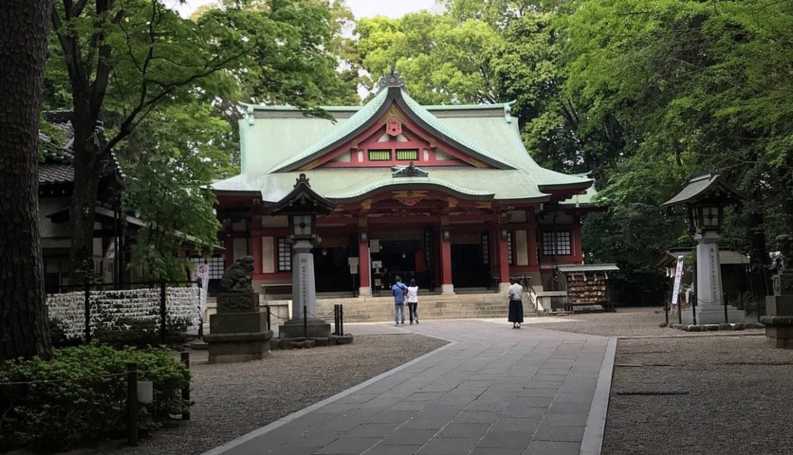
One of Tokyo’s largest and most residential wards, Setagaya feels peaceful compared to central districts.
You’ll find tree-lined streets, local bakeries, and family homes.
Areas like Shimokitazawa (within Setagaya) are known for vintage shops and indie culture.
Best for: Families and long-term residents
Option | Train Line | Route | Travel Time | Transfer | Notes |
|---|---|---|---|---|---|
🚆 Fastest | Odakyu Line → JR Yamanote Line | Shimokitazawa → Shinjuku → Tokyo | ~30–35 mins | 1 transfer | Most convenient route |
🚆 Alternative | Odakyu Line (Rapid Express) → JR Chuo Line | Shimokitazawa → Shinjuku → Tokyo | ~30 mins | 1 transfer | Slightly faster depending on timing |
Option | Train Line | Route | Travel Time | Transfer | Notes |
|---|---|---|---|---|---|
🚆 Popular Route | Tokyu Den-en-toshi Line → Tokyo Metro → JR Line | Sangenjaya → Shibuya → Tokyo | ~30–40 mins | 1 transfer | Convenient if heading via Shibuya |
Option | Train Line | Route | Travel Time | Transfer | Notes |
|---|---|---|---|---|---|
🚆 Direct to Shibuya | Tokyu Den-en-toshi Line | Futako-Tamagawa → Shibuya → Tokyo | ~35–40 mins | 1 transfer | Comfortable and frequent service |
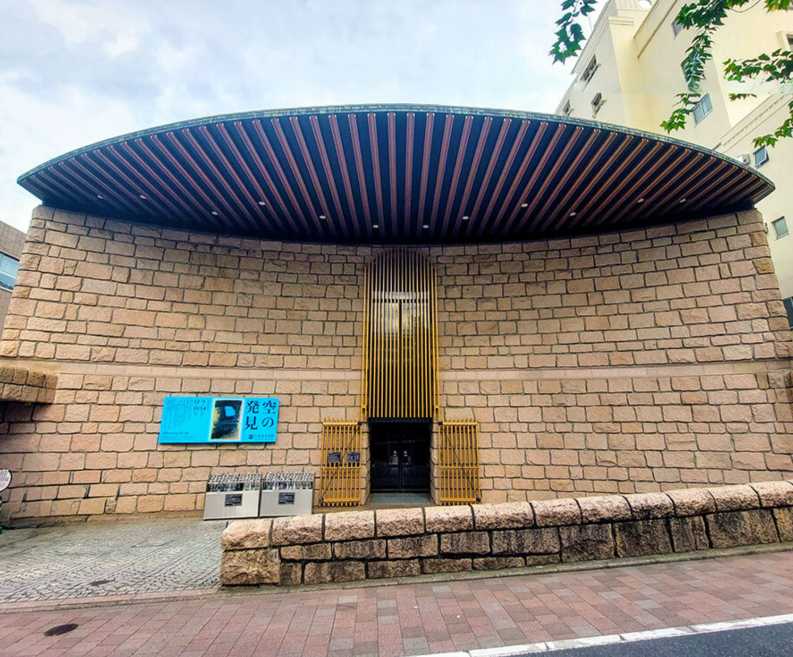
Attraction | Description |
|---|---|
Gotokuji Temple | Famous as the birthplace of the maneki-neko (beckoning cat), this peaceful temple features hundreds of lucky cat statues and a serene traditional setting. |
Setagaya Park | A family-friendly park with open lawns, playgrounds, and even a small steam locomotive display — great for a relaxed afternoon. |
Shoto Museum of Art | A quiet art museum showcasing rotating exhibitions in an elegant architectural space. Ideal for art lovers seeking a calm experience. |
Komazawa Olympic Park | Built for the 1964 Olympics, this large park offers cycling tracks, jogging paths, and sports facilities surrounded by greenery. |
Todroroki Valley | Tokyo’s only valley, featuring a shaded walking trail along a stream — it feels surprisingly rural despite being in the city. |
Setagaya Hachimangu Shrine | A historic Shinto shrine known for its autumn sumo tournament and tranquil atmosphere. |
Shimokitazawa | A trendy sub-district within Setagaya, famous for vintage shops, indie cafes, live music venues, and a youthful vibe. |
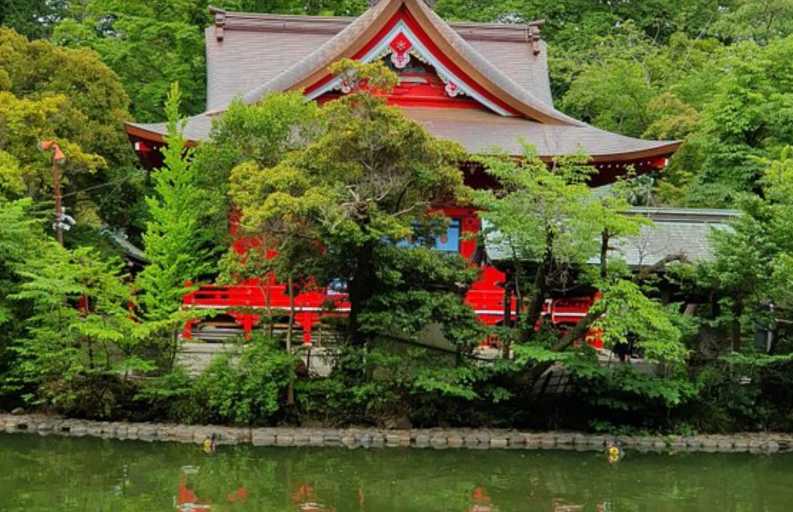
Located next to Kichijoji, Mitaka offers a quieter suburban feel with excellent train connectivity.
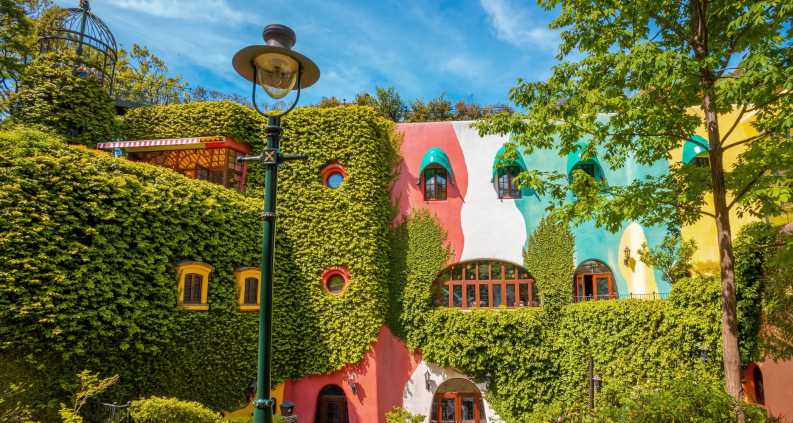
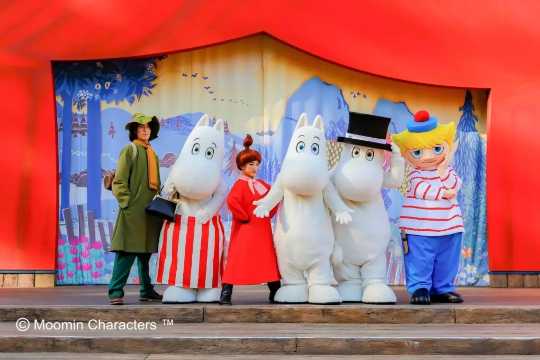
It’s famous for the Ghibli Museum, a must-visit for Studio Ghibli fans. Housing tends to be more affordable compared to central Tokyo.
Best for: Students and budget-conscious residents
Option | Train Line | Route | Travel Time | Transfer | Estimated Fare | Notes |
|---|---|---|---|---|---|---|
🚆 Fastest | JR Chuo Line (Rapid) | Mitaka → Tokyo (direct) | ~30 minutes | No | ~¥400 | Direct train, very convenient |
🚆 Alternative | JR Chuo Line (Local) | Mitaka → Tokyo | ~40 minutes | No | ~¥400 | Slower, stops at more stations |
🚆 Via Shinjuku | JR Chuo Line → JR Yamanote Line | Mitaka → Shinjuku → Tokyo | ~35 minutes | 1 transfer | ~¥400 | Useful if stopping at Shinjuku |
Attraction | Description |
|---|---|
Ghibli Museum | A magical museum dedicated to Studio Ghibli’s animation works. Features exclusive short films, original sketches, and whimsical exhibits. Advance ticket reservation is required. |
Inokashira Park | A large scenic park shared with Kichijoji, offering boating on the pond, walking trails, and cherry blossoms in spring. |
Mitaka City Gallery of Art | A small but engaging gallery hosting rotating exhibitions, workshops, and cultural events. |
Zenpukuji River Green Space | A quiet riverside walking path perfect for jogging, cycling, or enjoying autumn foliage. |
Mitaka Astronomical Observatory | A historic observatory offering insight into Japan’s astronomy research and occasional public viewing events. |
Jindai Botanical Gardens | Located nearby, this expansive botanical garden features seasonal flowers, greenhouses, and beautiful landscapes. |
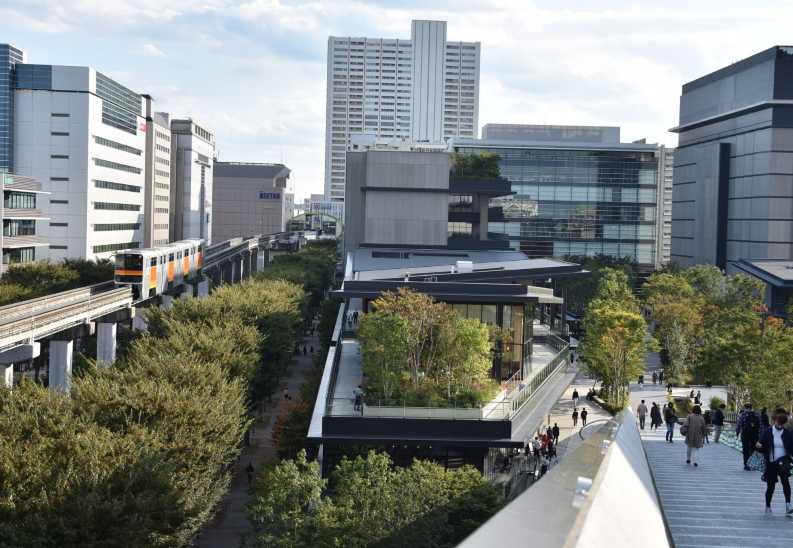
Further west, Tachikawa provides more open space and suburban comfort.
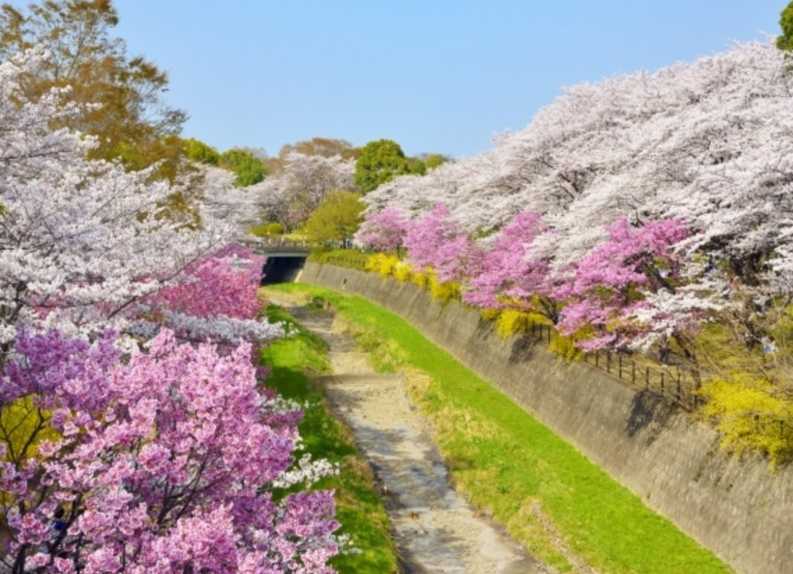
The highlight is Showa Kinen Park, a massive park known for seasonal flower displays. It’s less touristy and offers a slower pace of life.
Best for: Nature lovers and families
Option | Train Line | Route | Travel Time | Transfer | Estimated Fare | Notes |
|---|---|---|---|---|---|---|
🚆 Fastest | JR Chuo Line (Rapid) | Tachikawa → Tokyo (direct) | ~40–45 minutes | No | ~¥600 | Direct and most convenient option |
🚆 Alternative | JR Chuo Line (Local) | Tachikawa → Tokyo | ~55–60 minutes | No | ~¥600 | Slower, more stops |
🚆 Via Shinjuku | JR Chuo Line → JR Yamanote Line | Tachikawa → Shinjuku → Tokyo | ~45–50 minutes | 1 transfer | ~¥600 | Useful if stopping at Shinjuku |
Attraction | Description |
|---|---|
Showa Kinen Park | One of Tokyo’s largest parks, featuring seasonal flowers, spacious lawns, cycling paths, a Japanese garden, and water features. Perfect for picnics, jogging, or family outings. |
Tachikawa Kaleidoscope Museum | A small but fascinating museum showcasing the art and science of kaleidoscopes with interactive exhibits. |
Tachikawa Stage Garden | A local cultural venue hosting theatre performances, music concerts, and community events. |
Aeon Mall Tachikawa | A modern shopping and dining complex, ideal for retail therapy, casual meals, and entertainment under one roof. |
Fujimori Shrine | A historic Shinto shrine in Tachikawa known for traditional festivals and tranquil surroundings. |
Tachikawa City Gallery | Local art gallery featuring rotating exhibitions, workshops, and cultural displays. |
Tachikawa Air Base Memorial Park | Open green space with historical displays about the air base and aviation in the area. |
Tokyo Suburbs
Compared to central areas like Shinjuku or Shibuya, suburban neighbourhoods typically offer:
For expats and long-term visitors, suburbs can provide better value without sacrificing connectivity.
Hunting for the best value hotels in Singapore and nearby holiday cities? Check out these budget-friendly options which are highly recommended by our users. What's more, enjoy additional price drop up to 55% OFF on selected hotels below.

📅 Promotion period: Valid from now till end of 2026, or while stocks last.
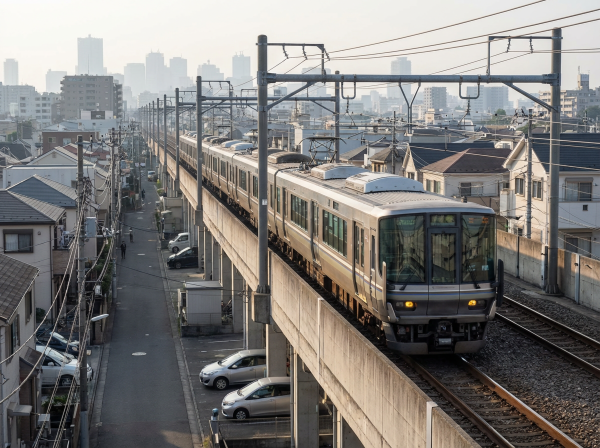
Tokyo Train Departing
Tokyo’s rail system makes suburban living easy.
Key train lines include:
Most trains run frequently, even late at night, making commuting efficient.
Use our promo code to enjoy up to 5% OFF (up to S$3) on your attraction tickets, tours and eSIMs! Only for new users!
Yes, suburbs give you a glimpse of everyday Japanese life while still being connected to the excitement of central Tokyo. especially if you:
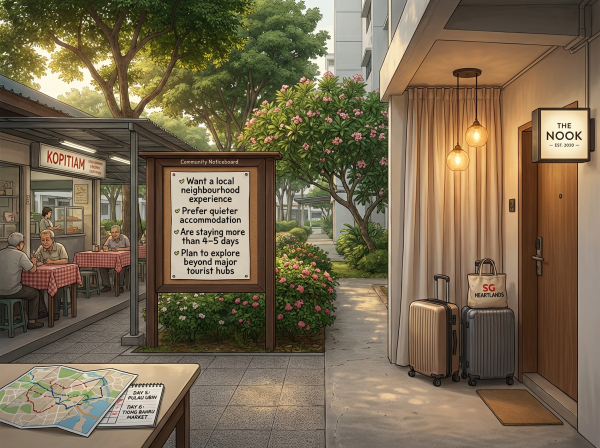
Local Stay Appeal
Best Hotels in Tokyo
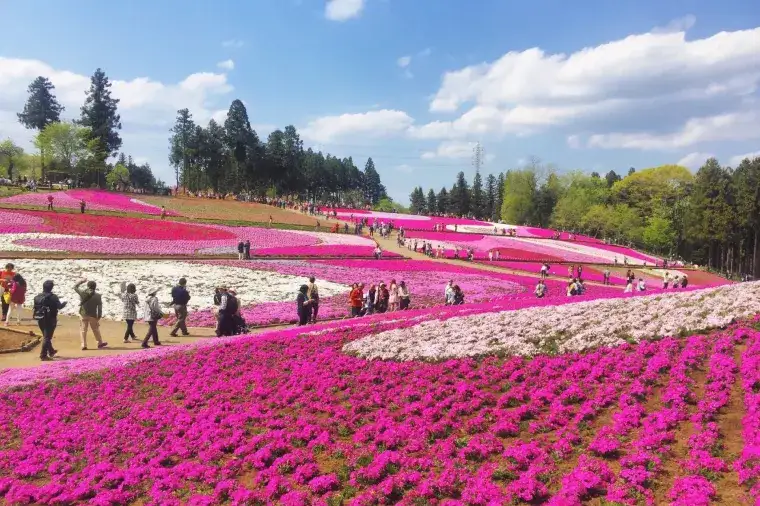
Tokyo suburbs offer the perfect balance between urban convenience and peaceful living.
Whether you choose trendy Kichijoji, residential Setagaya, cultural Mitaka, or nature-filled Tachikawa, each area provides a unique lifestyle and travel experience.
If you’re planning a longer stay in Japan or simply want a different side of Tokyo beyond the neon lights, exploring the suburbs might be the best decision you make.
 NO.1
NO.1