🔥Unlock 8% OFF on Car Rentals
Whether you're planning a road trip, a business journey, or just need a reliable ride, now is the perfect time to save. Use the coupon to enjoy this exclusive offer. Rent a car today and hit the road with extra savings!



Renting a car in Japan is one of the best ways to explore this charming land. This article will give you the best guide to Japan car rental, including the requirements, the price, how to rent a car in Japan, and what you need to know about self-driving in Japan. Check now!
Whether you're planning a road trip, a business journey, or just need a reliable ride, now is the perfect time to save. Use the coupon to enjoy this exclusive offer. Rent a car today and hit the road with extra savings!
After arriving at the designated location, you can contact branch staff for pick-up.
When you pick up your car, you'll need the following:
There are some factors that may affect the price of Japan car rental, for example, the car models, capacity, rental period, additional services (GPS navigation, child safety seats, insurance, etc.), and different rental companies’ policies.
Here are approximate prices for Japan car rental for your reference.
Model | Capacity | Price |
Economy cars | 4 passengers | From S$80/day |
Midsize cars | 5 passengers | From S$100/day |
Luxury cars | 5 passengers | From S$180/day |
SUVs | 5 passengers | From S$150/day |
Vans | 7-9 passengers | From S$130/day |
Minibus | 10 passengers | From S$180/day |
Coupe/Cabrio | 2-4 passengers | From S$130/day |
*Please note that these prices are approximate and may vary depending on specific conditions. It's advisable to confirm these details directly with the rental company before booking.
Claim your coupon now and book on Wednesday to enjoy extra savings on car rental!

📅Promotion period: Every Wednesday starting 16 September (GMT+8)
Japan car rental services are immensely popular for their flexibility and accessibility, especially when travelling remote or to rural areas. But not everyone can enjoy self-drive in Japan unless you have the related documents. Before you rent a car in Japan, the restrictions for Japan car rental are your must-know.
The minimum age requirement for driving in Japan is 18 years old. However, some rental companies may have higher age requirements, and drivers under 25 years old may be subject to restrictions.
International Driving Permit (IDP) is not issued within Japan and must be obtained in advance from AA Singapore.
Documents required: Singaporean applicants looking to apply for an IDP must present BOTH valid Singapore Driving Licence and Residency pass.
Validity: The IDP issued by AA Singapore is valid for 1-year from the date of issue.
Price: You can get an IDP at just S$20 and get it on the spot when you walk-in to apply for it. There is a courier fee of S$5.50 for online application which processing and courier delivery take 10 working days.

When you book a car rental on Trip.com, it typically includes basic insurance coverage, such as collision damage waiver, theft protection, and basic third-party liability. When you book with the rental company or specific countries/regions, your basic coverage may also include a loss damage waiver, providing coverage for loss due to theft or collisions.
Basic insurance coverage is typically included in the rental agreement, but it may have limitations. Consider purchasing additional insurance, such as Collision Damage Waiver (CDW) or Supplemental Liability Insurance (SLI), for added protection.
Familiarise yourself with Japan's road rules and traffic signs, although it’s the same as Singapore, you should pay attention to speed limits, traffic signals, and driving etiquette to ensure a safe driving.
Most cars have GPS navigation system or you can use a reliable navigation app on your smartphone to help navigate Japan's roads, especially if you're unfamiliar with the area. Ensure that the navigation system supports English or your preferred language for ease of use.
Toll fees are not usually included in the rental price. You will be responsible for paying tolls on expressways and bridges separately. Consider renting an Electronic Toll Collection (ETC) card for automated toll payments. Ensure that the ETC card is properly installed and functioning before the journey.
Most rental cars in Japan operate on gasoline (petrol). Familiarise yourself with the fuel type required for your rental car and locate nearby gas stations along your route. Gas stations in Japan typically offer self-service options and accept cash or credit cards for payment.
The rental policy tells you whether you need to refill the tank before you drop off the car. Most rentals have a full to full policy, which means that your car will have a full tank when you pick it up, and you must also fill up the tank before you drop the car off.
Generally, parking spaces are limited in urban areas in Japan. Parking lots and spaces are typically marked and can be found in public parking lots, private parking lots, and roadside parking spots. Some large shopping centres, supermarkets, train stations, airports may provide free or low-cost parking services.
Parking fees are higher in city centres, while they tend to be lower in suburban or low-density areas. Parking fees are usually charged on an hourly basis, although some parking lots offer fixed rates for full-day parking.
If you plan to drive in snowy or icy conditions, such as central and northern Japan, ensure that the rental car is equipped with snow tires to enhance safety. Be prepared for changing weather conditions by carrying essential items such as a snow shovel, ice scraper, blankets, and emergency supplies in the car. But it’s recommended that tourists unfamiliar with snow driving avoid driving in such conditions.
Keep a copy of the rental company's contact information, as well as emergency assistance numbers, readily available in case of accidents, breakdowns, or other emergencies.
For travellers visiting Japan in a short-term, especially those who plan to stay primarily in urban areas like Tokyo or Osaka, reting a car may not be necessary. The extensive public transportation is a more efficient way with trains, buses and more.
Solo travellers, particularly those who are comfortable with using public transportation and prefer not dealing with parking and driving issues, may find renting a car unnecessary. Japan's public transit system is well-suited for solo travellers and offers easy access to most popular attractions.
Renting a car in Japan can be relatively expensive compared with public transportation, especially with fuel, tolls, parking fees, and insurance. Budget-conscious travellers may find that utilising Japan's public transportation or participating in organised tour group offers better value.
While renting a car in Japan can be fantastic for certain travellers, it's necessary to consider your specific needs and preferences to determine whether it's the right choice for you.

Japan is renowned for its efficient public transportation system, but it may not cover some rural areas and remote destinations. Japan rental cars fill this gap perfectly. A rental car offers the freedom and access to these areas with ease.
From snow-capped mountains to coastal roads of Hokkaido, renting a car makes driving a breeze, allowing you to have scenic drives and experience the natural beauty up close.
With multiple rental companies located at major airports, train stations, and city centres across Japan, obtaining a rental car is hassle-free, from economy cars ideal for crowded streets to vans perfect for family or group travel.
As Japan's northernmost island, Hokkaido has scenic coastal roads of the Shakotan Peninsula.

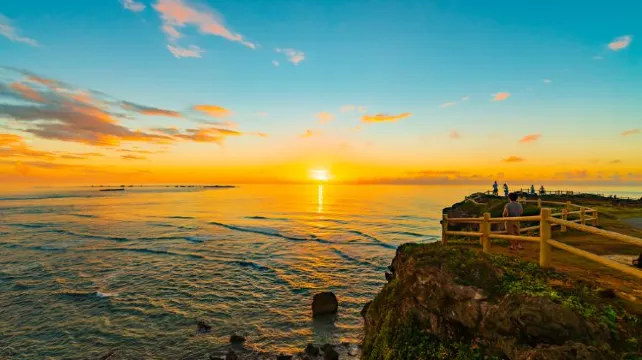
Discover the tropical paradise of the Okinawa Islands in southern Japan. Drive across the Kouri Bridge to Kouri Island, and relax on the beaches of Ishigaki and Miyako Islands.
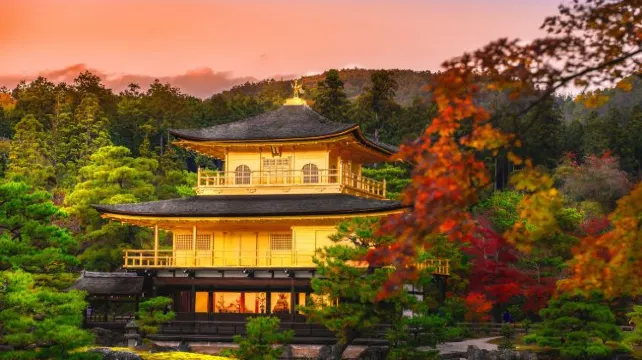
Drive through Kyoto's picturesque Arashiyama district, visit historic temples such as Kinkaku-ji (Golden Pavilion) and Fushimi Inari Shrine, and meet friendly deer at Nara Park.
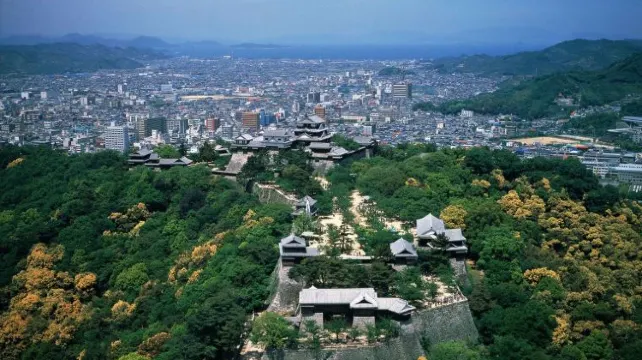
Shikoku Island is known for its tranquil countryside and ancient pilgrimage routes, you can drive along the scenic Shimanami Kaido cycling route and explore the historic town of Matsuyama.
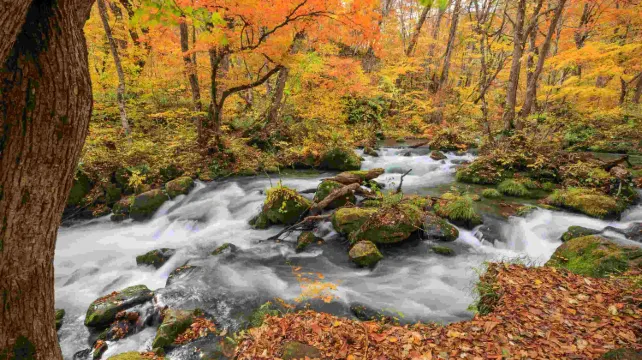
Experience the diverse landscapes and cultural heritage of Japan's Tohoku region. Drive through the scenic Oirase Gorge, explore the historic town of Kakunodate, and view the autumn leaves in Fukushima.
With its well-maintained roads, diverse landscapes and rich cultural heritage, Japan is a perfect destination for unforgettable road trips.