Best Time to Visit Tokyo 2026: Perfect Seasons, Weather & Tips


Tokyo, the capital of Japan and a city of contrasts, sits on the eastern coast of Honshu, blending futuristic skyscrapers with centuries-old traditions. The city experiences a humid subtropical climate, bringing hot summers, mild winters, and distinct seasonal changes.
Expect sweltering highs of 35°C (95°F) in summer and crisp winter lows around 2°C (36°F), making each season a unique experience.
Here is the best time to visit Tokyo that you need to know before travelling to Tokyo.
Flights to Tokyo From Singapore


When Is the Best Time to Visit Tokyo
🌴 Spring (March – May)
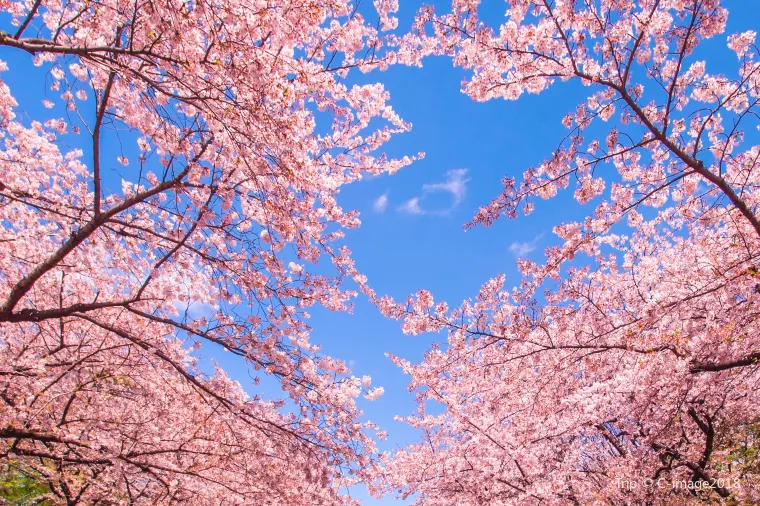
Cherry blossoms, comfortable temperatures, and a lively atmosphere define Tokyo in spring. Days range from 10°C (50°F) in early March to a pleasant 22°C (72°F) by May, with low humidity and little rainfall.
What to Wear: Light layers, a jacket for cooler evenings, and comfortable walking shoes for park strolls. A mask may help with pollen if you have allergies!
🌸 Best Seasonal Activities:
- Hanami (cherry blossom viewing) at Ueno Park, Shinjuku Gyoen, and along the Meguro River.
- Explore Asakusa’s historic streets under soft pink petals.
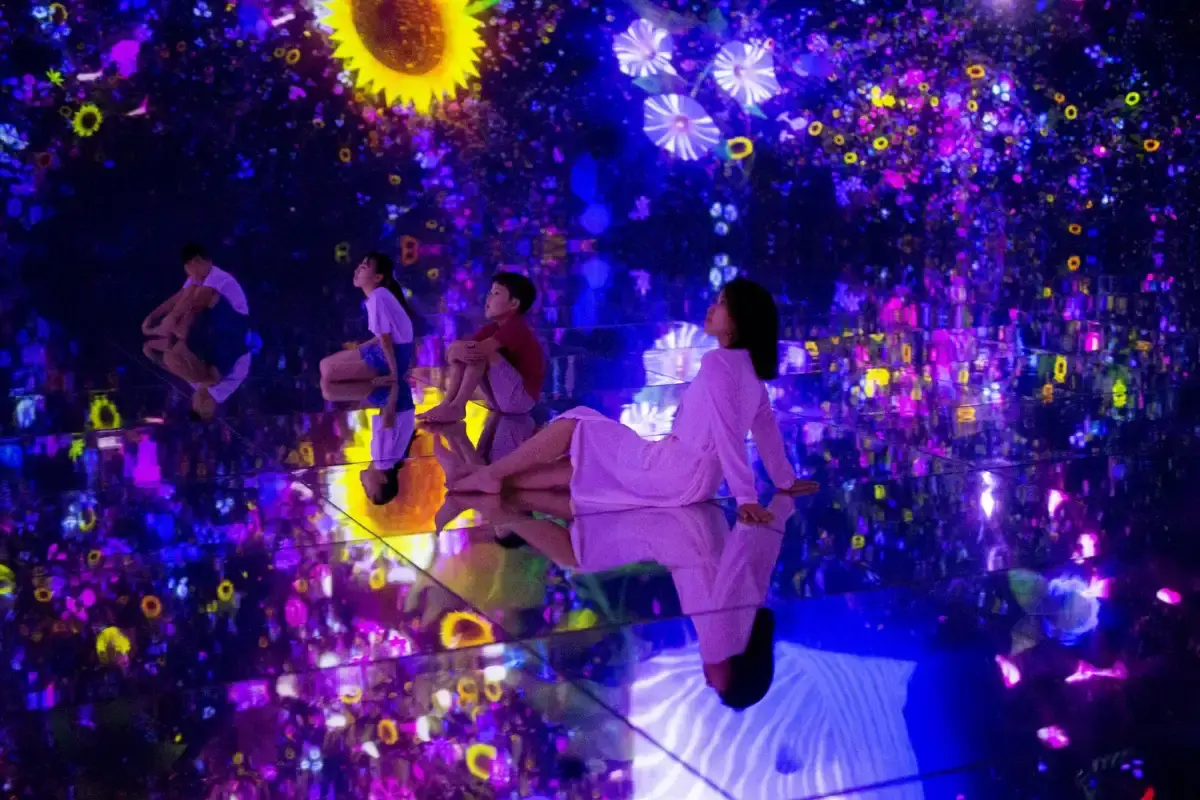
- Visit teamLab Planets for an immersive digital art experience without the summer crowds.
🎩 Festivals & Events:
- Sanja Matsuri (May) – A vibrant traditional festival at Asakusa Shrine.
- Cherry Blossom Festivals – Various parks host picnics, street food stalls, and illuminations at night.
Summer (June – August)
Tokyo summers are hot, humid, and rainy and expect temperatures between 25°C (77°F) and 35°C (95°F). The city’s summer energy is unbeatable but be ready for sudden showers and intense heat.
What to Wear: Loose, breathable clothing, a hat, and sunscreen. Carry a portable fan and a water bottle—hydration is key!
🎉Best Seasonal Activities:
- Fireworks Festivals – Sumida River Fireworks Festival (July) is a must-see!
- Summer Street Food – Try kakigōri (shaved ice) and cold soba at yatai stalls.
- Theme Parks – Beat the heat at Tokyo DisneySea or ride thrilling coasters at Fuji-Q Highland.
🎯 Festivals & Events:
- Tanabata Festival (July 7th) – Celebrate with colorful decorations in Asagaya & Shitamachi.
- Obon (Mid-August) – Traditional dances and lantern-lit river ceremonies.
Autumn (September – November)
Crisp air, stunning foliage, and comfortable temperatures (15°C–25°C / 59°F–77°F) make autumn one of the best times to visit Tokyo. Humidity drops, and clear skies provide perfect sightseeing conditions.
What to Wear: Light sweaters, jackets, and long pants. Layers are ideal as mornings and evenings can get chilly.
🌿 Best Seasonal Activities:
- Koyo (Autumn Leaves Viewing) – Rikugien Garden and Mount Takao offer stunning red and golden foliage.
- Street Food in Autumn Markets – Roasted sweet potatoes and warm oden are perfect fall treats.
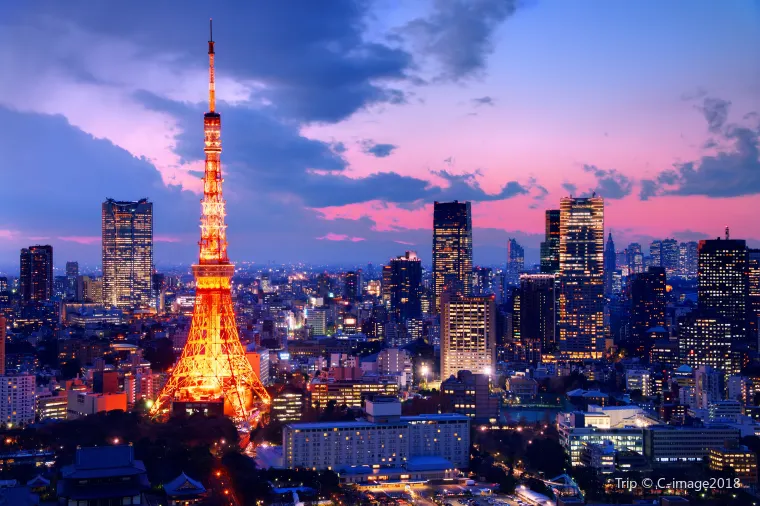
- Tokyo Tower Night Views – Enjoy panoramic city lights under crisp autumn skies.
🎭 Festivals & Events:
- Jidai Matsuri (October) – Historical parade celebrating the founding of Kyoto.
- Tori-no-Ichi Market – A lively traditional fair at Asakusa Shrine in November.
Winter (December – February)
Tokyo winters are cool and dry, with temperatures ranging from 2°C (36°F) to 12°C (54°F). Snowfall is rare but possible in January or February, turning the city into a magical wonderland for a short while.
What to Wear: Warm coats, scarves, gloves, and heat-tech layers to stay cozy.
🎄 Best Seasonal Activities:
- Winter Illuminations – Marunouchi, Roppongi, and Shibuya’s dazzling light displays.
- Hot Springs & Onsen Getaways – A quick trip to Hakone or Kusatsu is perfect for relaxation.
- New Year Celebrations – Visit Meiji Shrine for Hatsumode (first prayer of the year).
🎉 Festivals & Events:
- Comiket (December & August) – The world’s biggest anime & manga convention.
- Setsubun (February 3rd) – Bean-throwing festival at Sensō-ji to welcome good fortune.
Best Time to Visit Tokyo: Month-by-Month Guide

Tokyo’s weather varies widely throughout the year, offering unique experiences for different travelers. Spring and autumn are widely considered the best times to visit, with comfortable temperatures and stunning scenery.
Summer appeals to those who enjoy festivals and don’t mind the humidity, while winter travelers can enjoy clear skies and festive illuminations.
Whether you’re looking for cherry blossoms, cultural events, or mild sightseeing conditions, here’s a breakdown of Tokyo weather by month to help you decide.
Month | Temperature Range (°C/°F) | Rainfall Levels (mm/inches) | Traveler Insights |
January | 2-10°C (36-50°F) | 50mm (2in) | A crisp, dry month with clear skies ideal for sightseeing and winter illuminations. Visit Meiji Shrine for New Year celebrations. |
February | 3-11°C (37-52°F) | 60mm (2.4in) | Still chilly but perfect for exploring Tokyo’s museums and cozying up with hot pot dishes. Setsubun Festival takes place this month. |
March | 5-14°C (41-57°F) | 100mm (3.9in) | Spring begins! Early cherry blossoms appear in late March. Pack a light jacket for cool mornings. |
April | 10-19°C (50-66°F) | 125mm (4.9in) | The peak of cherry blossom season. Parks are stunning but crowded. Reserve accommodations early! |
May | 15-24°C (59-75°F) | 140mm (5.5in) | Pleasant temperatures and lush greenery. Ideal for outdoor sightseeing before the summer heat arrives. |
June | 18-26°C (64-79°F) | 160mm (6.3in) | Rainy season begins. Expect frequent showers. Bring a light raincoat or umbrella for outdoor activities. |
July | 23-31°C (73-88°F) | 155mm (6.1in) | Hot and humid. Enjoy rooftop beer gardens and the Sumidagawa Fireworks Festival. Stay hydrated! |
August | 24-32°C (75-90°F) | 165mm (6.5in) | Peak summer heat! Visit beaches near Tokyo or escape to air-conditioned attractions like teamLab Planets. |
September | 20-28°C (68-82°F) | 210mm (8.3in) | Typhoon season. Expect occasional storms. Cooler evenings make for pleasant city walks. |
October | 14-22°C (57-72°F) | 160mm (6.3in) | Comfortable and scenic with autumn foliage beginning. Great for food lovers and cultural festivals. |
November | 8-17°C (46-63°F) | 90mm (3.5in) | Stunning fall colors peak. Visit parks like Meiji Jingu Gaien for golden ginkgo leaves. |
December | 4-12°C (39-54°F) | 55mm (2.2in) | Cool and dry with beautiful winter lights. Christmas markets and festive displays create a magical atmosphere. |
Crowds, Costs & Festivals: Choosing the Right Time to Visit Tokyo
Peak Season (Busiest & Most Popular Months)
March to May (Spring) and September to November (Autumn):
Tokyo's peak seasons coincide with the cherry blossom period in spring and the vibrant autumn foliage. These months offer mild temperatures and picturesque scenery, attracting numerous visitors.
💰Crowds & Costs: Expect large crowds at popular spots like Ueno Park and Shinjuku Gyoen during cherry blossom season. Hotel rates and flight prices are at their highest due to increased demand.
✅Pros: Ideal weather conditions and the opportunity to experience iconic natural beauty.
❌ Cons: Higher accommodation and travel costs, crowded attractions, and the necessity for advance bookings.
💡Smart Travel Hacks: To navigate the crowds, visit popular sites early in the morning on weekdays. Booking accommodations several months in advance can also help secure better deals.
Shoulder Season (Balanced Months for Weather & Crowds)
June and December:
These months offer a balance between favorable weather and manageable tourist numbers.
- June: Early June sees pleasant weather before the onset of the rainy season.
- December: Cool temperatures with festive illuminations throughout the city.
Travelers during these months can enjoy reduced prices on flights and accommodations compared to peak seasons. It's an excellent time for those seeking a mix of cultural experiences and budget-friendly options.
Off-Peak Season (Least Crowded & Most Budget-Friendly Time)
January to February (Winter) and July to August (Summer):
These periods are considered off-peak due to less favorable weather conditions.
- Winter (January-February): Cold temperatures deter some tourists, leading to fewer crowds.
- Summer (July-August): Hot and humid conditions, along with the possibility of typhoons, make it less appealing for some travelers.
- Cost & Crowd Levels: Flights and hotels are generally cheaper, and attractions are less crowded.
- Advantages & Downsides: Budget travelers and those who prefer quieter experiences may find these months appealing. However, it's essential to prepare for the weather—pack warm clothing for winter and stay hydrated during the summer heat.
Major Festivals & Events That Impact Travel
🌸Cherry Blossom Festivals (Late March to Early April): Celebrations in parks like Ueno and Sumida attract large crowds. Booking accommodations well in advance is crucial during this period.
🌞Golden Week (April 29 to May 5): A series of national holidays leading to increased domestic travel, resulting in crowded attractions and higher prices.
🥁Tokyo Marathon (Early March): Major sporting event causing road closures and increased hotel bookings.
🚣♂️Summer Festivals (July-August): Events like the Sumida River Fireworks Festival draw significant crowds.
Best Time to Visit Tokyo Based on Your Travel Style
1️⃣ Budget Travelers
If you're travelling on a budget, the cheapest months to visit Tokyo are January, February, and early September. Flights and hotel prices drop significantly after the New Year rush and during the humid late summer period.
Why These Months? Fewer tourists mean better deals on flights and accommodations. Winter is cold but manageable, while September’s humidity keeps prices low before the autumn rush.
💡Money-Saving Tips: Book flights 3-4 months in advance for the best rates. Stay in budget hotels or capsule hotels in areas like Asakusa or Ueno. Get a Tokyo Subway Pass for unlimited rides on the metro.
2️⃣ Luxury Travelers
For those who want a five-star experience, the best months to visit are April (cherry blossom season) and October-November (autumn foliage). These months offer stunning scenery, perfect weather, and exclusive seasonal experiences.
Luxury Highlights: Book a stay at Aman Tokyo or The Peninsula Tokyo for top-tier service. Enjoy Michelin-starred dining at restaurants like Narisawa. Explore Ginza for high-end shopping and private cultural tours.
💡Booking Tips: High-end experiences sell out fast during peak seasons, so book at least 6 months in advance. For a VIP experience, hire a private guide for tailored city tours.
3️⃣ Adventure Seekers
If you love outdoor activities, visit Tokyo in spring (March-May) or autumn (September-November) for the best weather conditions.
Best Time for Adventures: Spring is perfect for hiking near Mount Takao, while autumn provides breathtaking foliage along the Okutama trails. Winter (December-February) is great for day trips to ski resorts like Gala Yuzawa.
Off-the-Beaten-Path: Try night kayaking in the Sumida River or explore the Izu Islands for volcanic landscapes and scuba diving.
Weather Considerations: Avoid July-August as it’s extremely humid, making outdoor activities less enjoyable.
4️⃣ Cultural Enthusiasts
If you're here for temples, traditions, and festivals, the best time to visit Tokyo is March-April (cherry blossoms), July (summer festivals), and November (autumn colors).
Must-Experience Events:
- March-April: Hanami (cherry blossom viewing) in Ueno Park and Chidorigafuchi.
- July: Traditional summer festivals like Sumidagawa Fireworks Festival and Mitama Matsuri at Yasukuni Shrine.
- November: Autumn foliage makes places like Meiji Shrine and Rikugien Garden especially stunning.
🌺Tips to Avoid Crowds: Visit temples and shrines early in the morning. Consider less touristy cultural spots like the Nezu Shrine for a more peaceful experience.
5️⃣ Family Travelers
For a family-friendly Tokyo trip, visit during March-April (spring) or late October-November (autumn). These months offer mild weather, making outdoor activities and theme parks more enjoyable.
Best Time for Families:
- Spring (March-April): Ideal for Ueno Zoo, cherry blossom picnics, and Tokyo Disneyland.
- Autumn (October-November): Comfortable temperatures for exploring parks, museums, and kid-friendly attractions like Legoland Discovery Center.
- Avoid: Golden Week (late April to early May) and Obon (mid-August), when domestic travel peaks and attractions get crowded.
💡Family Travel Tips: Book a family-friendly hotel in Shinjuku or Odaiba with easy access to public transport. Buy advance tickets for Tokyo Disneyland and DisneySea to skip long lines.
Final Tips for Planning Your Trip to Tokyo
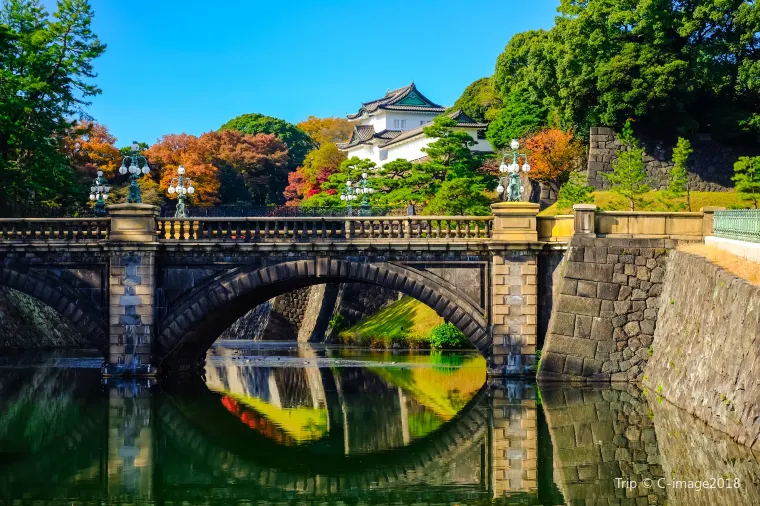
No matter when you visit, Tokyo’s electric energy, historic temples, and world-class food scene make it an unforgettable destination year-round. But if you’re after the perfect mix of mild weather, seasonal beauty, and fewer crowds, March to May and October to December are your best bets.
Now that you know the best time to visit, it’s time to plan your trip! Looking for the perfect place to stay? Check out our Where to Stay in Tokyo guide to find the best areas and hotels for your trip. Or, if you're ready to explore, don't miss our top things to do in Tokyo for must-visit spots and hidden gems.
With the perfect timing in mind, all that’s left is to book your flights, pack your bags, and get ready for an incredible Tokyo adventure! 🌍🌟
FAQs: Best Time to Visit Tokyo
-
What’s the best way to get around Tokyo?
-
How much should I budget per day?
-
Is Tokyo safe for tourists?
-
What’s the best neighborhood to stay in?
-
What’s the best local food to try?
-
What’s a common tourist mistake?
Trending Researches
-
Popular Content
-
Popular Flights
-
Popular Hotels
-
Popular Things to Do
-
Featured guides
-
Trip.com links
- Cheap flights from Shanghai to Tokyo
- Cheap flights from Osaka to Tokyo
- Plane tickets from Sapporo to Tokyo
- Cheap flights from Singapore to Tokyo
- Cheap flights from Fukuoka to Tokyo
- Cheap flights from Bangkok to Tokyo
- Cheap flights from Jakarta to Tokyo
- Cheap flights from Okinawa to Tokyo
- Cheap flights from Kuala Lumpur to Tokyo
- Cheap flights from Guangzhou to Tokyo
- Cheap flights from Taipei to Tokyo
- Cheap flights from Hong Kong to Tokyo
- Plane tickets from Manila to Tokyo
- Plane tickets from Seoul to Tokyo
- Plane tickets from Beijing to Tokyo
- Sunshine City Prince Hotel Ikebukuro Tokyo
- Shinjuku Granbell Hotel
- Imperial Hotel, Tokyo
- Hotel Monte Hermana Tokyo
- Hotel Metropolitan Tokyo Ikebukuro
- Shinjuku Washington Hotel
- Shinagawa Prince Hotel
- Mitsui Garden Hotel Gotanda - Tokyo
- Hotel Musse Ginza Meitetsu
- Keio Plaza Hotel Tokyo
- Asakusa Tobu Hotel
- Hotel Sunroute Plaza Shinjuku
- Daiwa Roynet Hotel Nishi-Shinjuku PREMIER
- Hotel Gracery Shinjuku
- Hotel Villa Fontaine Grand Tokyo-Shiodome
- Hotel Villa Fontaine Grand Haneda Airport - Directly connected to Haneda Airport Terminal 3
- HOTEL GROOVE SHINJUKU, A PARKROYAL Hotel
- Tokyo Bay Shiomi Prince Hotel
- Mitsui Garden Hotel Ginza-Gochome
- Mitsui Garden Hotel Ueno - Tokyo
- Water Activities in Tokyo
- Tokyo Travel Essentials
- Tokyo Shopping Discounts
- Tokyo Airport Services
- Tokyo SIM Card
- Tokyo Pocket Wifi Router
- Tokyo Restaurant Discounts
- Tokyo Transportation
- Wellness & Spa in Tokyo
- Tokyo Travel Services
- Tokyo Metro 24/48/72-hour travel pass
- Unlimited Sake Tasting with Sushi Omakase near Tokyo Tower
- Limousine Bus Round-Trip Service Between Haneda Airport and Shinjuku/Ikebukuro Areas
- October 24 Tokyo Bay Grand Fireworks Festival 1-day tour
- Tokyo: Learnt to cook Bento, Oyakodon and More!
- Grab Singapore
- Glamping JB
- UOB Visa Signature
- Singapore Airlines New Long-Haul Business Class
- HSBC Travel Credit Card
- Singapore Airlines Western Sydney Airport
- chinese new year getaway
- Johor Bahru Night Market
- Cheap Hotels in Shanghai
- JB Kids Activities
- Indonesia Public Holiday 2027
- penang night market
- Night Markets in Singapore
- Rabbit Card Bangkok
- Best Time to Visit Urumqi
- Hotels in Municipal Government Commercial Area
- Hotels in Yuseong-gu
- Hotels in Keyuan Garden
- Trip.com Promo Code
- Trip.com Flight Deals
- Trip.com Credit Card Promotions
- How to Book Cheap Flights
- Trip.com Member Rewards
- Trip Weekly Hotel Sales
- Online Hotel Booking
- Online Flight Booking
- Trip.com Travel Guide
- Book China Train Tickets
- Trip.com Seat Selection
- Singapore Public Holidays 2027
- Trip.com 优惠码
- Trip.com Travel Guides