Schengen Visa: Application, Requirements, Fees & Processing Time

Travelling to Europe is a dream for many, and the Schengen visa makes it possible to explore multiple countries with just one visa.
Whether you are visiting for tourism, business, or study, understanding the Schengen visa requirements, application process, and fees will help you prepare with confidence.
What is a Schengen Visa?
A Schengen visa is a short-stay visa that allows non-EU nationals to travel across Schengen visa countries for up to 90 days within a 180-day period.
With just one visa, you can explore cities like Paris, Rome, Berlin, and Amsterdam without separate border checks.
🔥Europe Hot Deals – Up to 50% OFF
Enjoy up to 50% off the best travel offers of the month, including exclusive savings on the Eurail Global Pass with 15% off this summer. Don’t miss your chance to explore Europe for less and make the most of every journey!

📅Promotion period: Till 31 December 2026.
Schengen Area Countries
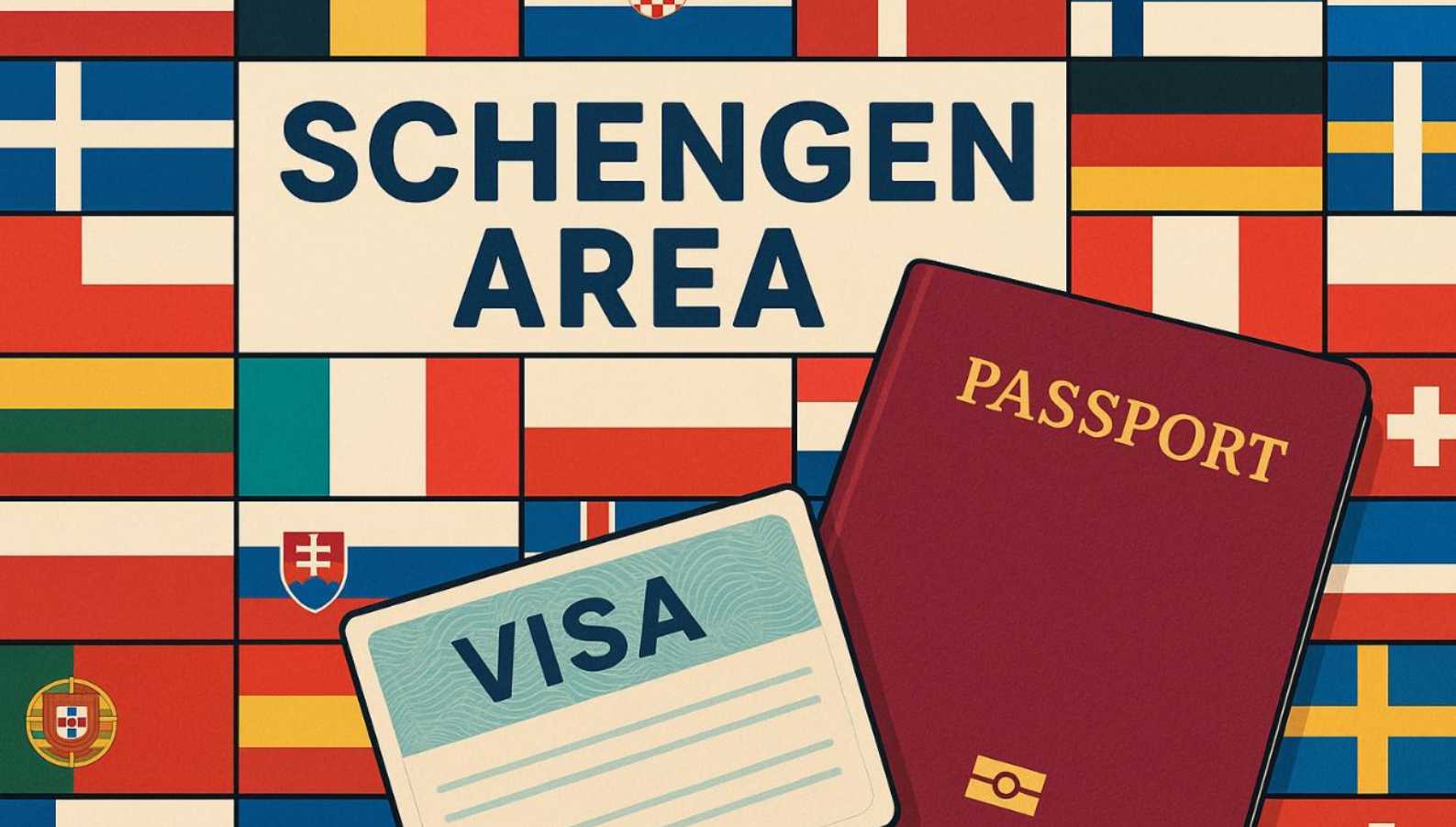
The Schengen Area covers 27 European countries.
These include:
Country | Country | Country |
|---|---|---|
Austria | Belgium | Croatia |
Czech Republic | Denmark | Estonia |
Finland | France | Germany |
Greece | Hungary | Iceland |
Italy | Latvia | Liechtenstein |
Lithuania | Luxembourg | Malta |
Netherlands | Norway | Poland |
Portugal | Slovakia | Slovenia |
Spain | Sweden | Switzerland |
Types of Schengen Visa
| Visa Type | Category | Purpose |
|---|---|---|
Uniform Schengen Visa (USV) – Type A | Airport Transit Visa | For travellers connecting through a Schengen airport without entering the Schengen Area. |
Uniform Schengen Visa (USV) – Type C | Short-Stay Visa | For tourism, family visits, or business trips; can be single, double, or multiple entry (up to 90 days in 180 days). |
Limited Territorial Validity Visa (LTV) | Restricted Use | Valid only in the specific Schengen country/countries that issued it. Not valid for all Schengen states. |
National Visa (Type D) | Long-Term Visa | For studying, working, or residing long-term in one specific Schengen country. |
Schengen Visa Requirements
To apply, you’ll need:
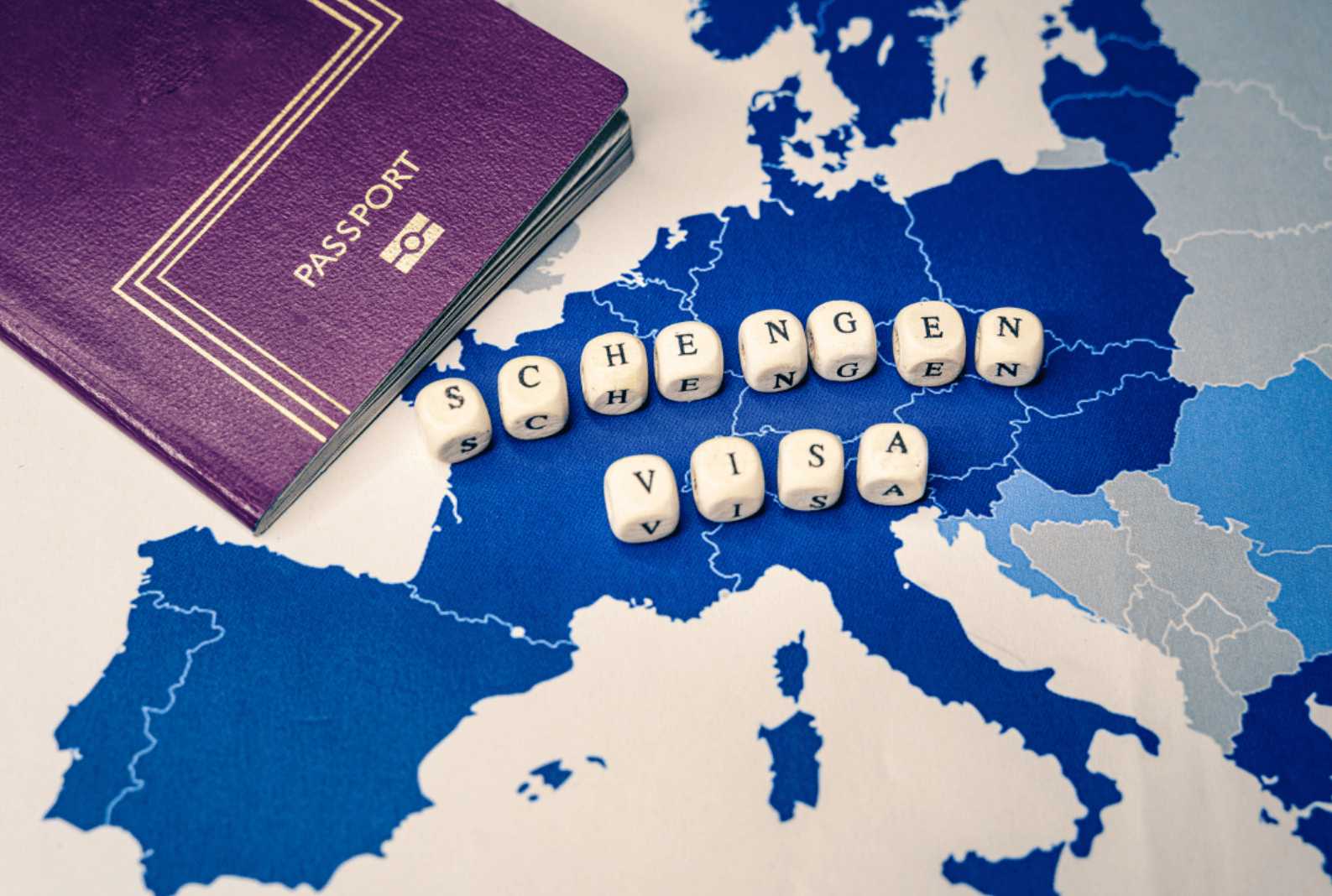
Valid Passport
Your passport must be valid for at least 3 months beyond your intended stay in the Schengen Area.
It should also have at least two blank pages for the visa sticker and entry/exit stamps. Passports issued more than 10 years ago are generally not accepted.
Completed Schengen Visa Application Form
The Schengen visa application form must be filled out accurately, either online or in paper format, depending on the embassy/consulate. Errors or missing information can delay processing.
Recent Passport-Size Photos
Provide two biometric photos taken within the last 6 months. They must meet EU photo requirements (35mm x 45mm, white/light background, no shadows, neutral expression).
Proof of Accommodation
You must show where you’ll be staying during your trip. This can be a hotel booking confirmation, Airbnb reservation, rental contract, or an invitation letter if staying with family/friends.
The document should cover your entire stay in the Schengen Area.
Flight Reservation or Travel Itinerary
Provide proof of a round-trip booking or itinerary showing your entry and exit dates.
You do not need to purchase the actual tickets before visa approval, but embassies often request confirmed flight reservations.
Schengen Visa Insurance
Mandatory travel insurance with minimum coverage of €30,000 for medical emergencies, hospitalisation, and repatriation.
The insurance must be valid across all Schengen visa countries for the entire duration of your stay.
Proof of Financial Means
You must demonstrate that you can support yourself during your trip. Acceptable documents include:
- Recent bank statements (3–6 months)
- Salary slips or employment letter
- Sponsorship letter (if someone else is funding your trip)
- Proof of assets (savings, investments, property ownership)
Visa Fee Payment Receipt
Proof that you have paid the Schengen visa fee (€90 for adults, €45 for children aged 6–12, free for children under 6). Keep the official receipt, as it must be shown during your application and interview.
Cover Letter (Optional but Recommended)
A short letter explaining your travel purpose, planned itinerary, and how you will finance your stay.
This adds credibility to your application.
Supporting Documents (if applicable)
Depending on your visa type, you may also need:
- Business invitation letter (for business visas)
- School acceptance letter (for student visas)
- Employment contract (for work visas)
- Marriage/birth certificates (for family visits)
Cheap Flight to Schengen Countries


Schengen Visa Application Process
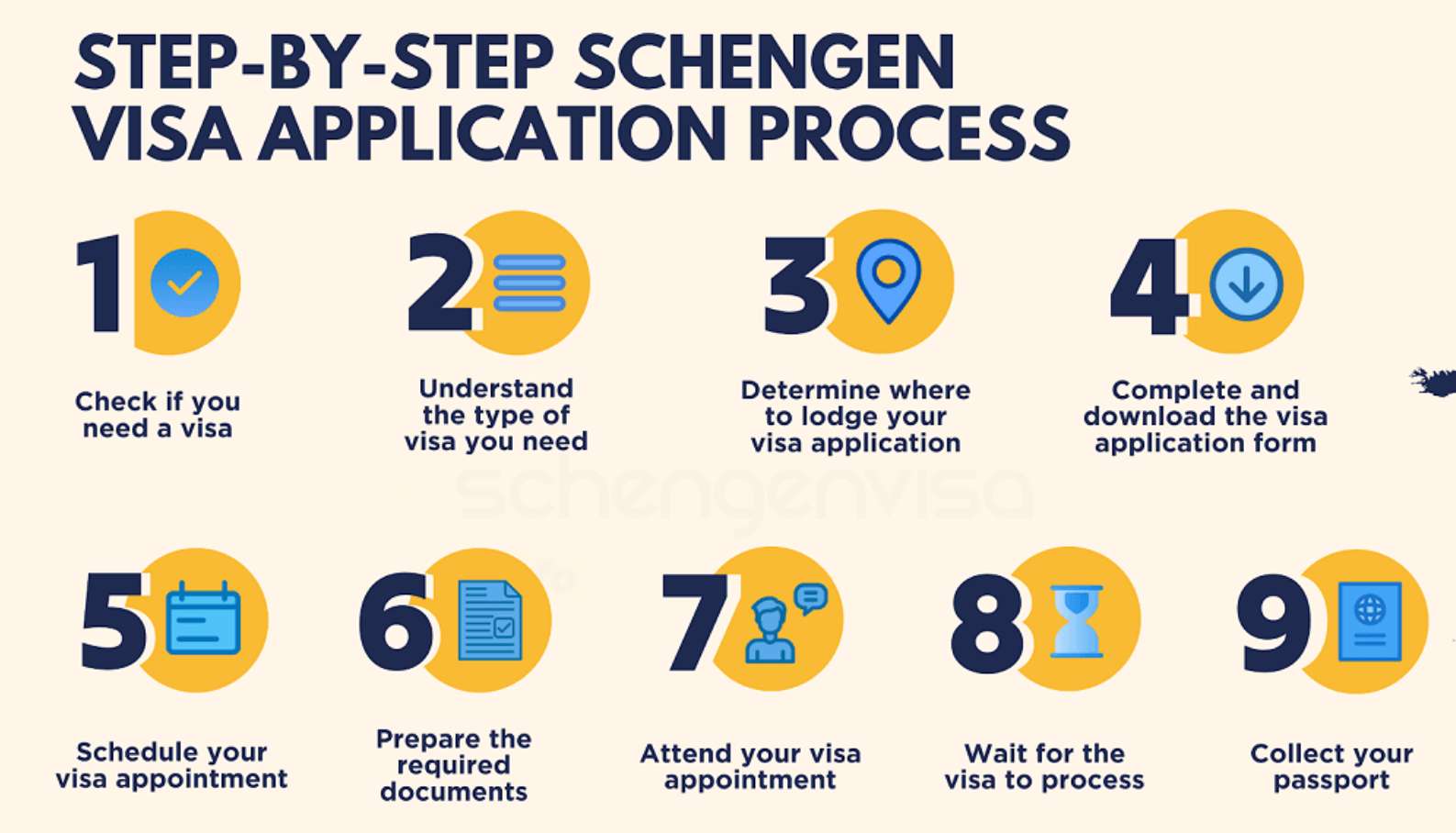
Step 1: Check if you need a visa
Determine whether your nationality requires a Schengen visa for travel.
Step 2: Understand the type of visa you need
Choose the appropriate visa category, such as tourist, business, student, or transit.
Step 3: Determine where to lodge your visa application
Identify the embassy, consulate, or visa application centre where you need to submit your application.
Step 4: Complete and download the visa application form
Fill out the Schengen visa application form accurately and print it if required.
Step 5: Schedule your visa appointment
Book an appointment with the relevant embassy, consulate, or visa centre.
Step 6: Prepare the required documents
Gather all necessary documents, including your passport, travel itinerary, accommodation details, travel insurance, and financial proof.
Step 7: Attend your visa appointment
Submit your documents, provide biometric data if required, and pay the visa fee.
Step 8: Wait for the visa to process
The authorities will review your application and make a decision.
Step 9: Collect your passport
Once the application is processed, collect your passport and check whether your Schengen visa has been approved and issued correctly.
Schengen Visa Application Singapore
For Singapore citizens, a Schengen visa is not required for short visits (up to 90 days). However, non-Singapore residents living in Singapore must apply through the embassy or consulate of the Schengen country they plan to visit.
Many embassies in Singapore accept online bookings for visa applications.
Schengen Visa Fee
Category | Fee |
|---|---|
Adults | €90 |
Children (6–12 years) | €45 |
Children under 6 | Free |
Students/Researchers | May be exempt |
Schengen Visa Insurance
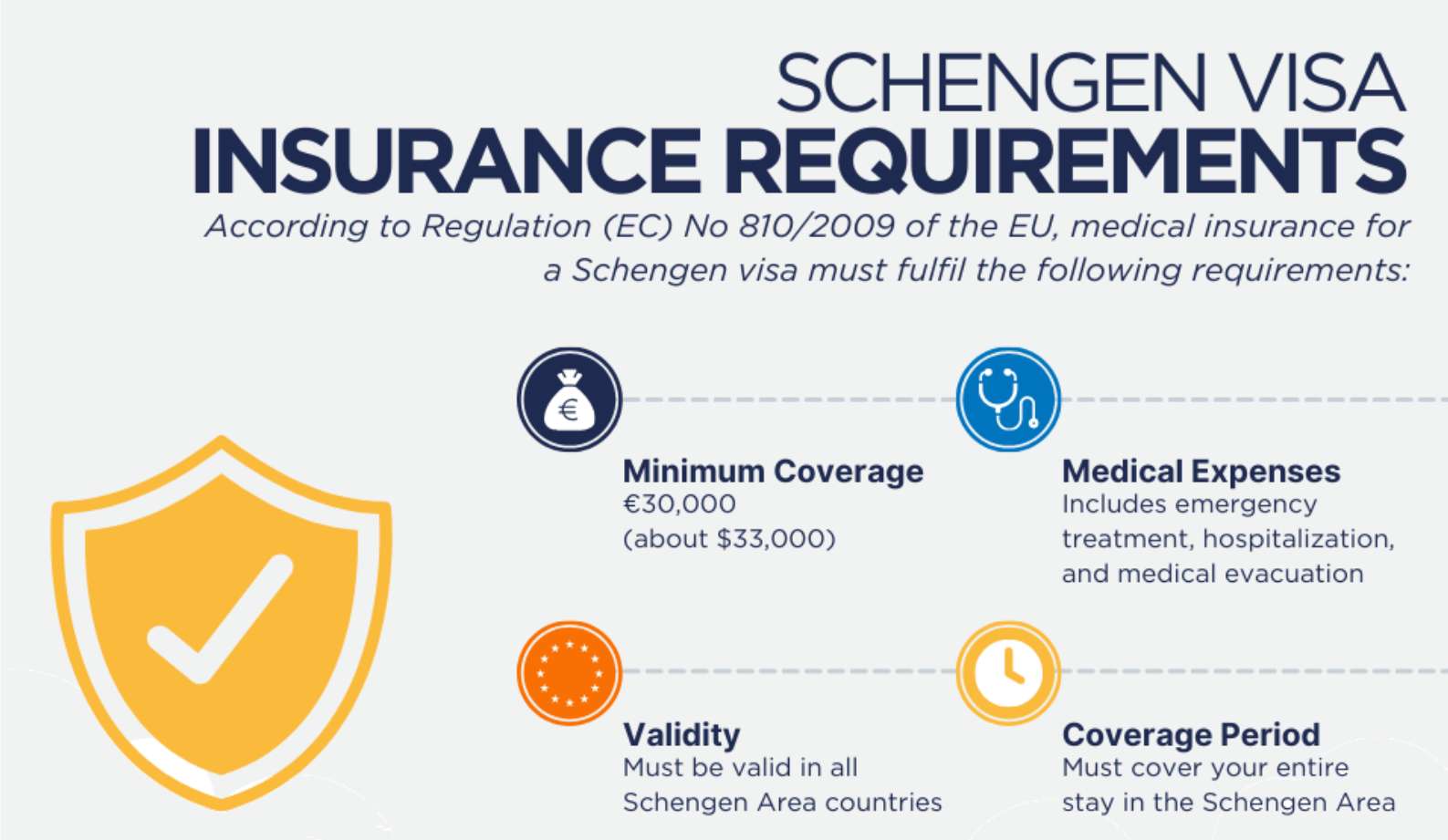
One of the most important Schengen visa requirements is valid travel insurance. You must have coverage of at least €30,000 for:
- Medical emergencies
- Hospitalisation
- Repatriation (in case of serious illness or death)
Schengen Visa Processing Time
The standard Schengen visa processing time is 15 calendar days from the date of your appointment.
However, during peak travel seasons or if additional checks are required, it may take up to 45 days. Apply early to avoid delays.
Tips for a Smooth Schengen Visa Application
 Apply at least 3–6 weeks before your travel date
Schengen visa processing time is usually 15 days, but during peak seasons it can take up to 45 days. Applying early avoids last-minute stress.
Ensure your Schengen visa insurance covers the entire stay
Your travel insurance must be valid for all Schengen visa countries and provide at least €30,000 coverage for medical emergencies and repatriation.
Keep your travel itinerary consistent with your bookings
Embassy officers check that your hotel reservations, flight bookings, and cover letter match. Any inconsistency can raise doubts about your application.
Bring both originals and photocopies of your documents
Having copies makes the process smoother and avoids delays if the embassy keeps certain originals for verification.
Show strong ties to your home country (job, family, property)
Demonstrating that you have reasons to return home (employment, studies, family commitments, or property ownership) strengthens your case and reduces the risk of refusal.
Final Thoughts

The Schengen visa is the key to exploring Europe with one document.
By understanding the Schengen visa requirements, filling out the Schengen visa application form carefully, preparing for your interview, and knowing the Schengen visa fee and processing time, you can make your journey stress-free.
Whether applying from Singapore or anywhere else, planning ahead ensures a smooth and successful application.
FAQ: Schengen Visa
-
Where do I submit my Schengen visa application in Singapore?
-
Is Schengen visa insurance mandatory?
-
Can I visit all Schengen visa countries with one visa?
-
Can my Schengen visa application be rejected?
-
What is the difference between a Schengen visa and a national visa (Type D)?
Find Cheap Travel Deals & Explore Destinations on Trip.com
-
Popular Content
-
Top Flight Links
-
Popular Hotels
-
Popular Things to Do
-
Featured guides
-
Trip.com links
- Trip.com Customer Service
- Trip.com VIP Lounge
- Buy Now Pay Later
- Trip.com Contact
- Trip.com Cancellation Policy
- How to Use Trip com Promo Codes
- Best Credit Cards
- Singapore Airlines Baggage Allowance
- scoot-baggage-allowance
- luggage size cabin
- How to Book a Student Flight Ticket
- Singapore Airlines Change Flight
- Best Day to Book Flights
- Trip.com Flight Refund
- Flight Classes Explained
- CA490 Flight Status
- SQ869 Flight Status
- MU7705 Flight Status
- ZG053 Flight Status
- MU2434 Flight Status
- QG523 Flight Status
- CA1651 Flight Status
- Plane tickets from Singapore to Kuala Lumpur
- Plane tickets from Singapore to Fukuoka
- Cheap flights from Singapore to Shanghai
- Plane tickets from Singapore to Bangkok
- Cheap flights from Singapore to Seoul
- Cheap flights from Singapore to Manila
- Cheap flights from Singapore to Tokyo
- Plane tickets from Singapore to Chengdu
- Hotels near Hefeinan Railway Station
- Hotels near Johor Bahru Senai International Airport
- Hotels near Hongcun Aju Theater
- Hotels near Zixiao Palace
- Hotels near Beijing Road
- Chengdu Hotels
- Tokyo Hotels
- Kuala Lumpur Hotels
- Kunming Hotels
- Phu Quoc Island Hotels
- Hotel Les Matins de Paris
- Ramada by Wyndham Seoul Dongdaemun
- Mercure Guangzhou Beijing Road Pedestrian Street Hotel
- Airport International Hotel (Xuzhou Guanyin Airport)
- Atour Hotel (Chengdu Taikoo Li)
- Malaysia 5G eSIM | Supports mainstream apps including TikTok, Google Maps & ChatGPT | Day Pass/Total Package | 24H Billing | 1-30 days | QR code
- Singapore 4G eSIM | Supports Google Maps / ChatGPT | Daily/Total Data Plans | 24-Hour Billing | 1–30 Days | QR Code
- Vietnam Airport VIP Fast Track Service
- VIP Fast Track service for immigration clearance at Tan Son Nhat Airport in HCM
- Foreign Tourist Day Tour: Panda Valley / Dujiangyan / Mt Qingcheng / Blue Tear / Chengdu
- Huanglongjiuzhai Railway Station - Jiuzhaigou | Departure/Return | Rideshare/Private Charter | Bus/Nanny/5-9 Seater Business | Shuttle Bus | Vehicle Type Optional | Any Combination | T
- Guilin Yangshuo Impression Liu Sanjie Landscape Performance + Complimentary Exclusive Coffee Drink - Pick Up at Designated Restaurant
- Mainland China 5G eSIM | Dual Network • All AI & TikTok | 1–365 Days | QR Code
- San Diego Day Tours
- Vienna Shopping Discounts
- Koh Larn Day Tours
- Water Activities in Cairns
- Hurghada Spa & Massage
- Yunnan Activities
- Edinburgh Cultural Experience
- China Power Bank Limit
- Trip.com Customer Service
- train to kl from singapore
- Shanghai Metro
- China Train Map
- China Entry Requirements
- Hong Kong Public Holidays 2027
- train from singapore to jb
- China Plug
- Thailand Plug
- universal studios singapore tickets
- Renew Autopass Singapore
- Taiwan Plug
- Vietnam Arrival Card
- Singapore Malaysia Cross Border Taxi
- Big Transport from Tokyo to Fukuoka
- Frankfurt Airport to City
- Osaka Station to Kyoto Station
- Trip.com Promo Code
- Trip.com Flight Deals
- Trip.com Credit Card Promotions
- How to Book Cheap Hotels
- How to Book Cheap Flights
- Trip.com Member Rewards
- Trip Weekly Hotel Sales
- Online Hotel Booking
- Online Flight Booking
- Trip.com Travel Guide
- Book China Train Tickets
- Trip.com Seat Selection
- Singapore Public Holidays 2027
- Trip.com 优惠码
- Trip.com Travel Guides
- Trip.com 10.10 Mega Sale