 NO.1
NO.1




![Skyliner Keisei railway ticket (Tokyo airport express: Narita International Airport-Ueno/Nippori) [optional+Tokyo subway discount package]](https://ak-d.tripcdn.com/images//0580f12000qjpzexo5F36_C_568_320.jpg)
![Tokyo Metro 24/48/72-hour travel pass [Physical ticket/e-ticket/Skyliner Tokyo Airport Express/Tokyo Limousine Bus discount package available]](https://ak-d.tripcdn.com/images/0354t12000pj5wys8B52D_C_568_320.png)


![Tokyo Departure: Mount Fuji Kawaguchiko & Yamanakako Day Tour [Max 9-Person Group | Popular Photo Spots | English-Speaking Driver]](https://ak-d.tripcdn.com/images/0352q12000fjdnnke05FF_C_568_320.jpg)

🔥Save More with Up to 5% OFF
Use our promo code to enjoy up to 5% OFF (up to S$3) on your attraction tickets, tours and eSIMs! Only for new users!
When planning a trip to Tokyo, beyond shopping in Shinjuku and Shibuya, many travelers like to set aside a day or two for a side trip to Kamakura and Enoshima. Along the Shonan coastline, the absolute favorite spot for travelers, couples, and families is the Shin-Enoshima Aquarium (often called "Enosui")! Here, you can not only get an up-close look at the dreamy underwater world of Sagami Bay, but also watch dolphin performances while gazing out at Mount Fuji in the distance. This article brings you the latest guide to the Shin-Enoshima Aquarium for 2026, covering everything you need to know: the latest ticket deals, show times, super convenient transportation, and must-see highlights!
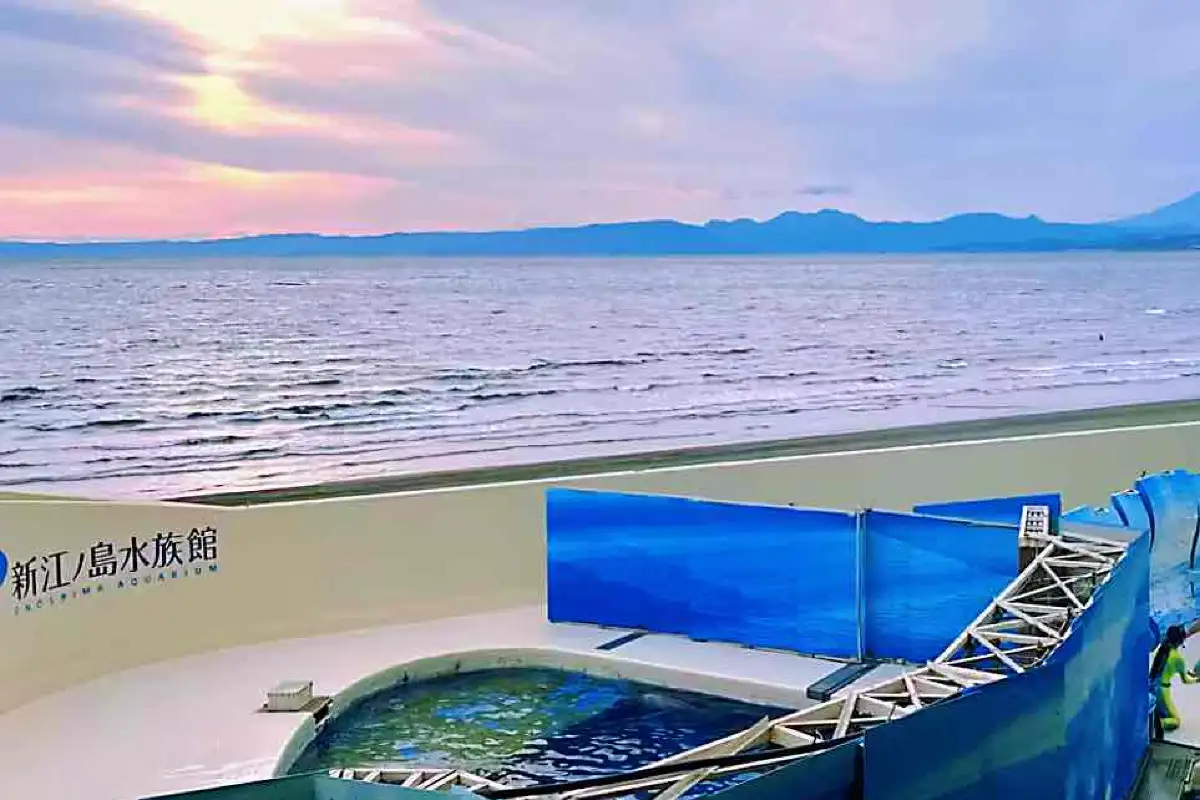
Looking for a soothing escape near Tokyo that blends azure ocean views with enchanting marine life? Right next to Kamakura, Enoshima Aquarium is a hidden gem travelers shouldn’t miss!
New Enoshima Aquarium sits along the famed Shonan Coast, with the majestic Sagami Bay as its central theme. Inside, it artfully blends the mysteries of the deep sea, a fantastical world of jellyfish, and a wealth of marine life. More than just a hugely popular date spot featured in classic J-dramas (like "Meteor" and "There’s Someone I Like"), it’s also a top vantage point for breathtaking views of Enoshima and Mt. Fuji. Whether you’re enjoying a romantic escape or visiting with the kids on a family trip, this aquarium, both educational and visually stunning, is well worth a special trip from Tokyo!
Use our promo code to enjoy up to 5% OFF (up to S$3) on your attraction tickets, tours and eSIMs! Only for new users!
Planning a trip soon? You're in luck! This hidden-gem aquarium in Kanagawa has teamed up with Trip.com to offer a limited-time ticket deal:
So, should you buy your tickets online in advance, or wait until you arrive and line up? Here's a lightning-fast comparison:
Enoshima Aquarium is open year-round (except for occasional special closure days for equipment safety inspections), so you won't show up to closed doors no matter the season.
At the New Enoshima Aquarium, the visitor flow is masterfully designed—guiding you from shallow to deep, from the coastal shallows to the deep sea—and it perfectly divides the mysterious ocean world into 11 themed zones. To make sure travelers don’t take any unnecessary detours after entering, Trip.com has broken down each zone’s core highlights and hidden photo spots one by one. Follow this route and you’re guaranteed not to miss a single unforgettable moment!
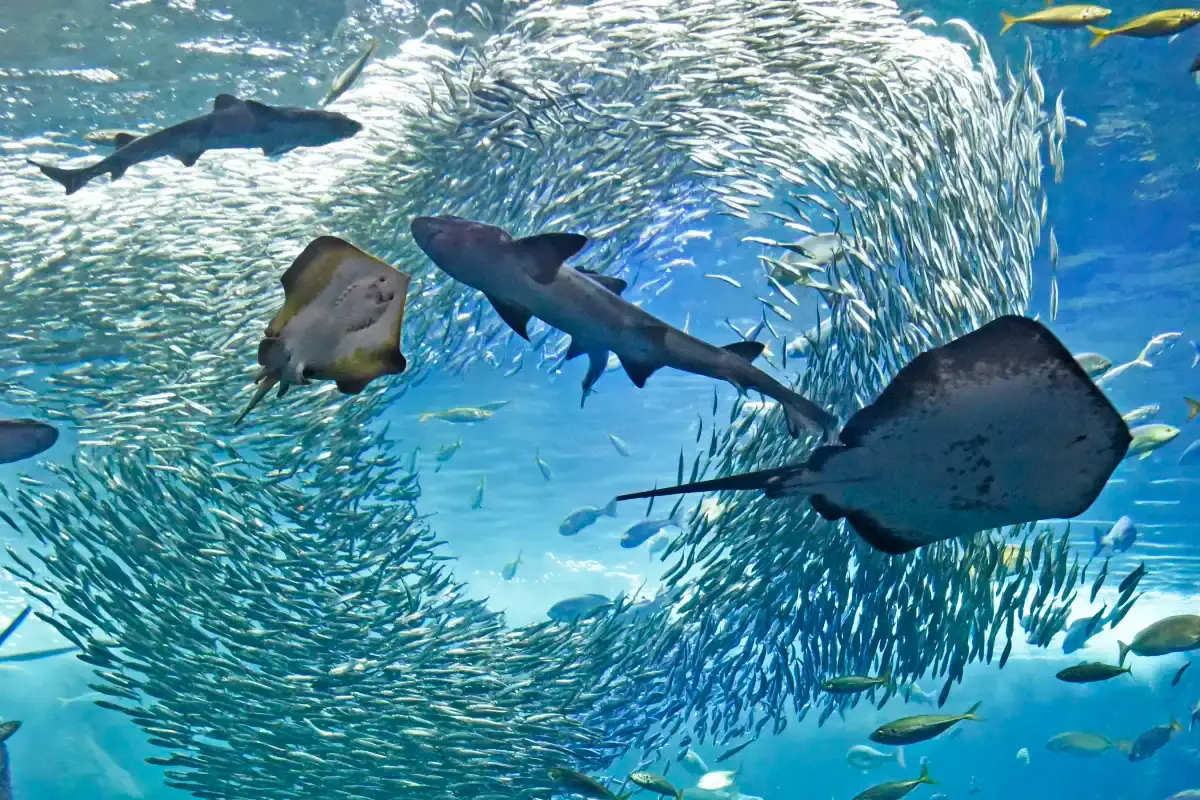
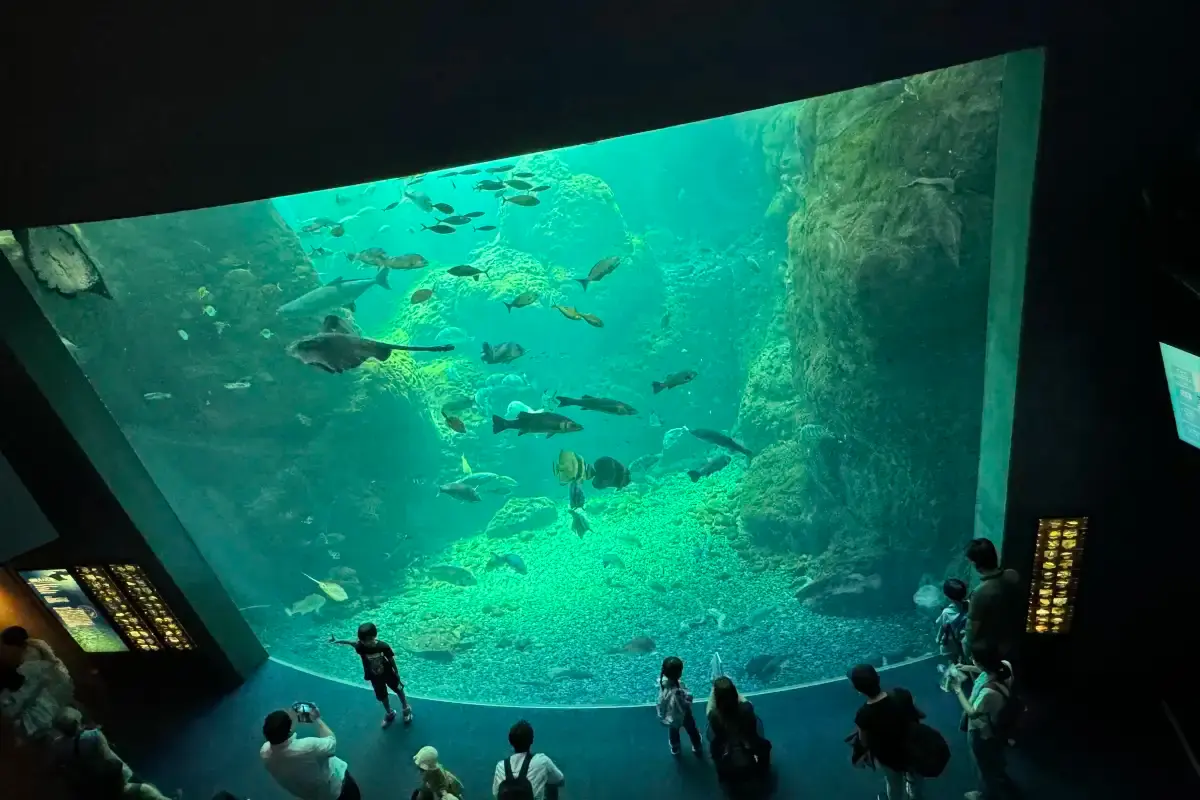
As the opening gallery, this area 100% faithfully recreates the real Sagami Bay ecosystem just outside the aquarium. The clear showstopper is the two-story-tall Sagami Bay Big Tank, which simulates real tides and surging swells. When a silver school of 8,000 sardines rapidly shifts formation, it looks like a silver dragon dancing through the water—a jaw-dropping sight! You can also spot graceful giant rays (devil rays) gliding by, along with local species that live among the rocky reefs.
Sagami Bay isn't just beautiful on the surface; its seafloor plunges into a massive trench several thousand meters deep. This exhibit area was created in close collaboration with Japan's leading authority, the Japan Agency for Marine-Earth Science and Technology (JAMSTEC), and showcases deep-sea, seafloor-dwelling creatures that have evolved striking forms after countless generations in darkness and under extreme pressure, such as the giant Japanese spider crab and the giant isopod. There's also a model of an unmanned submersible that actually took part in deep-sea exploration, radiating a full-on cutting-edge tech vibe.
The most popular “visual showstopper” in the entire venue! The whole gallery is designed with a hemispherical dome, like a submarine diving into a world of jellyfish. Bathed in a subtle blue glow and ethereal background music, it features 13 tanks—some spherical, some cylindrical—in a variety of shapes. Inside, as many as 14 species of graceful jellyfish float and pulse at a slow rhythm; watch them gently open and close in the water and feel your travel fatigue melt away in an instant. It’s a must-visit hotspot for Insta-worthy photos and romantic dates.
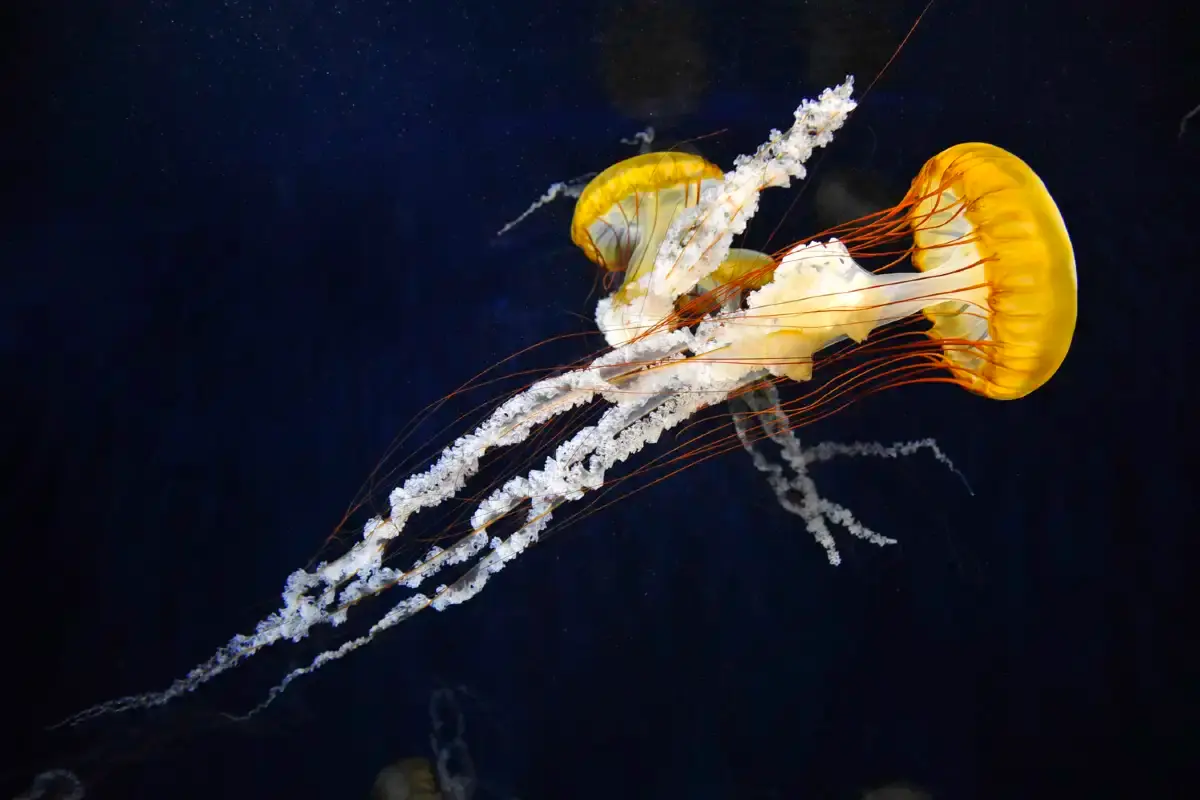
After taking in the ethereal beauty of the Dream Hall, the neighboring Science Zone takes you behind the scenes. It feels like a research lab open to the public, meticulously documenting the jellyfish life cycle from tiny larvae (polyps) to their graceful, free-floating adult forms. Here, you can peer through microscopes to watch the daily lives of baby jellies, and even see aquarists on site as they prepare jellyfish feed and carry out real research—an experience that’s as fascinating as it is educational.
Use our promo code to enjoy up to 5% OFF (up to S$3) on your attraction tickets, tours and eSIMs! Only for new users!
Buy Cheap eSIM Here
Leaving Sagami Bay behind, the focus here turns to the broader Pacific Ocean. The exhibit thoughtfully contrasts the vastly different marine ecosystems nurtured by the cold current (Oyashio) and the warm current (Kuroshio). You can see a riot of color as tropical fish weave through coral reefs (like Nemo the clownfish and Dory the blue tang), then, with a quick turn, admire the plump, robust cold-water species adapted to the frigid northern seas—leaving you in awe of nature’s evolutionary wonders.
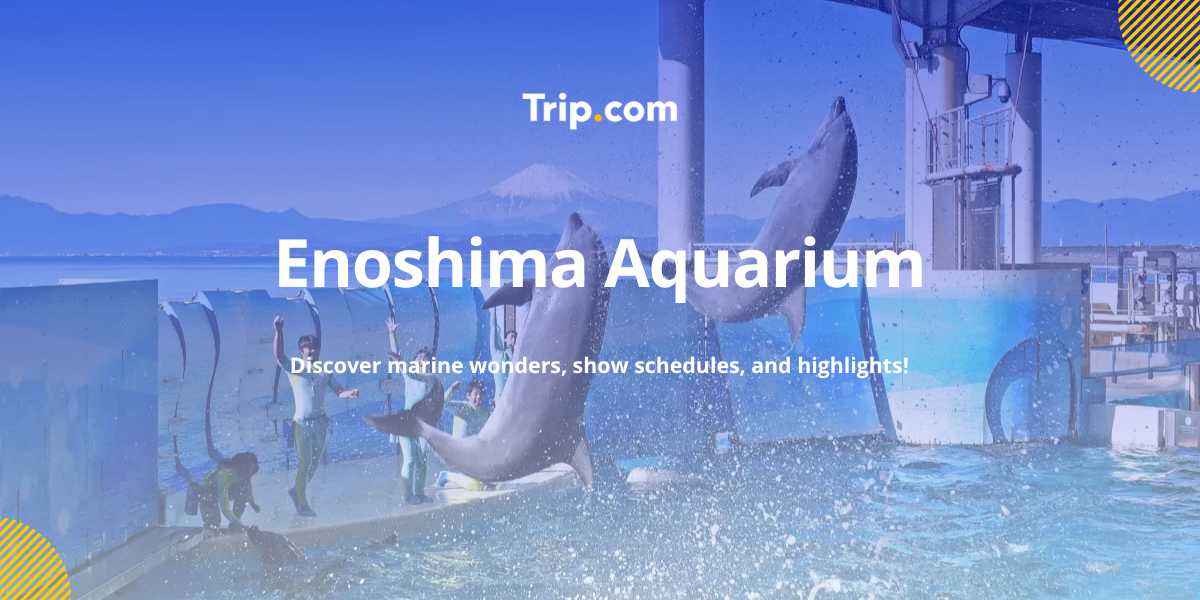
The most electrifying spot in the whole place: the open-air theater! This semi-open performance venue faces the azure Sagami Bay. On clear days, Enoshima Island, the endless coastline, and even snowcapped Mount Fuji in the distance become the stage's natural backdrop. Settle into the stands with the sea breeze on your face, watch clever dolphins and false killer whales launch skyward to upbeat music, and take in the jaw-dropping views of the Shonan coast — it's guaranteed to give you goosebumps!
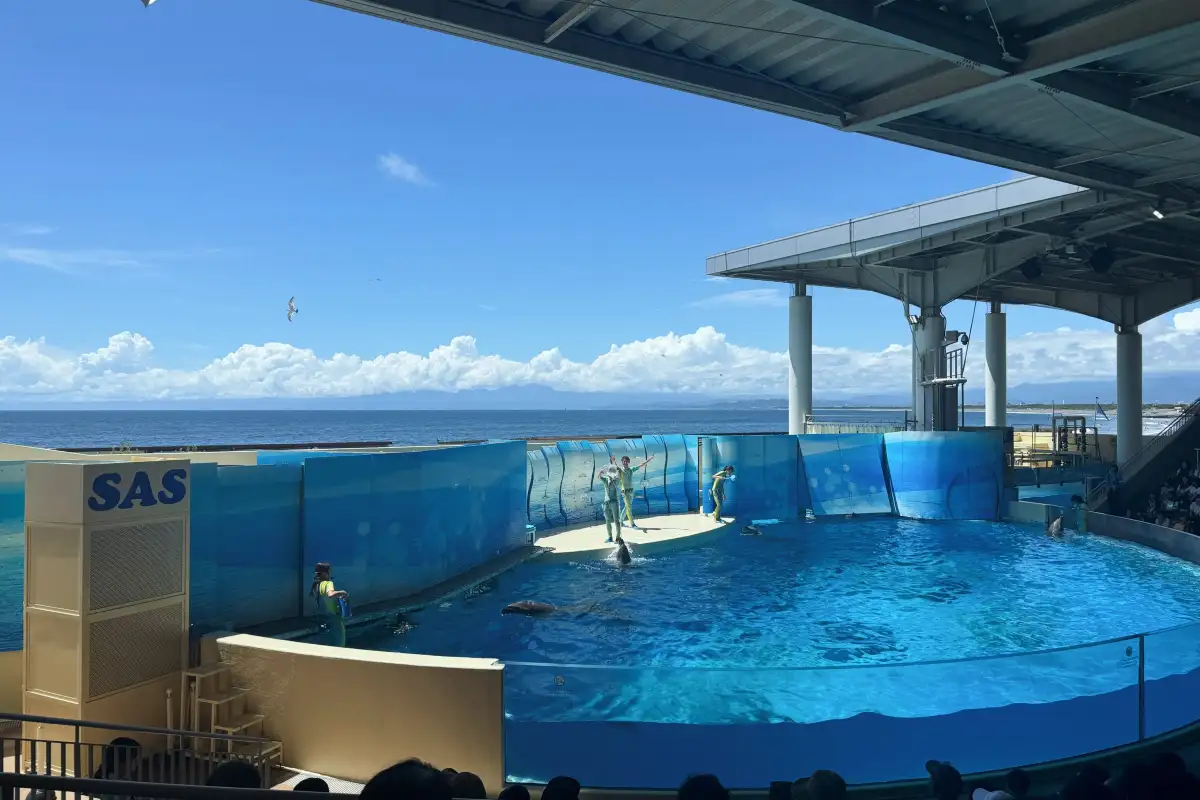
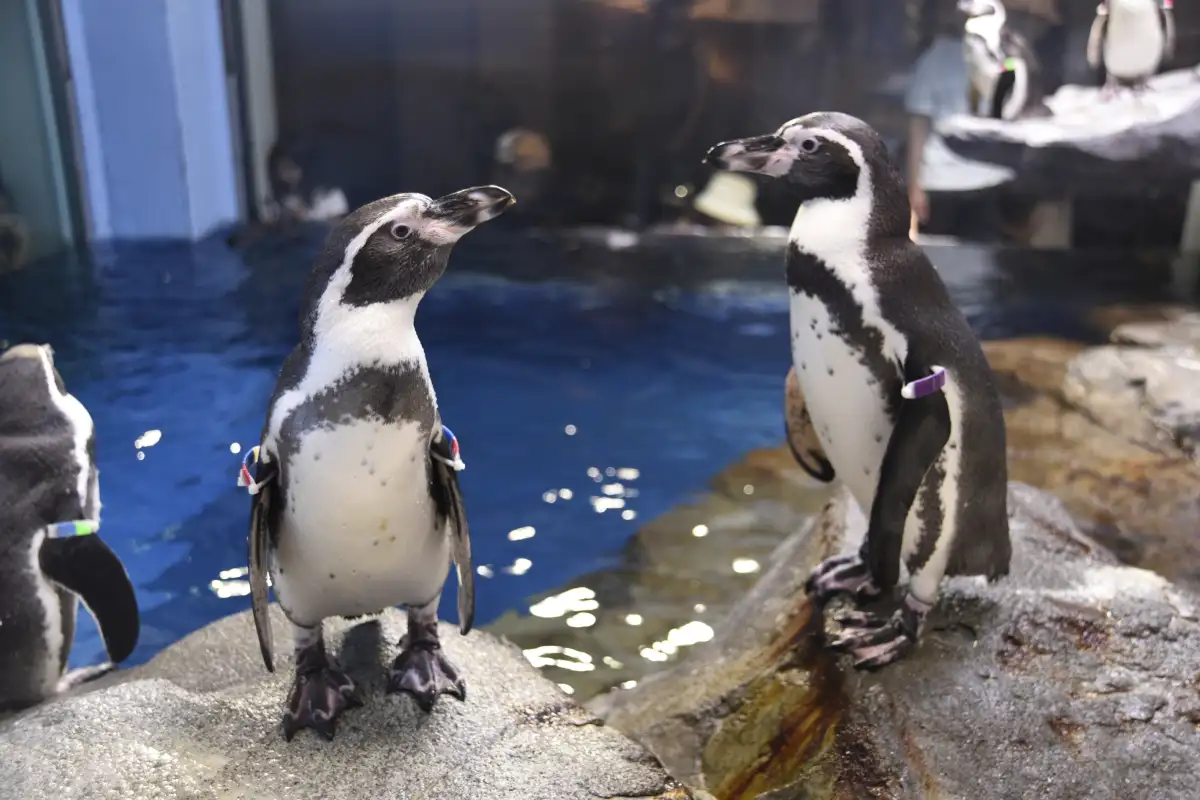
Here you’ll find the aquarium’s two biggest animal celebrities. In the penguin zone, you can get up close to tuxedo-clad Humboldt penguins as they waddle comically on land or rocket through the water like torpedoes; next door, the seal area features a unique transparent cylindrical tunnel where adorably goofy spotted seals often pop their heads out to lock eyes with visitors, revealing a surprisingly soulful side.
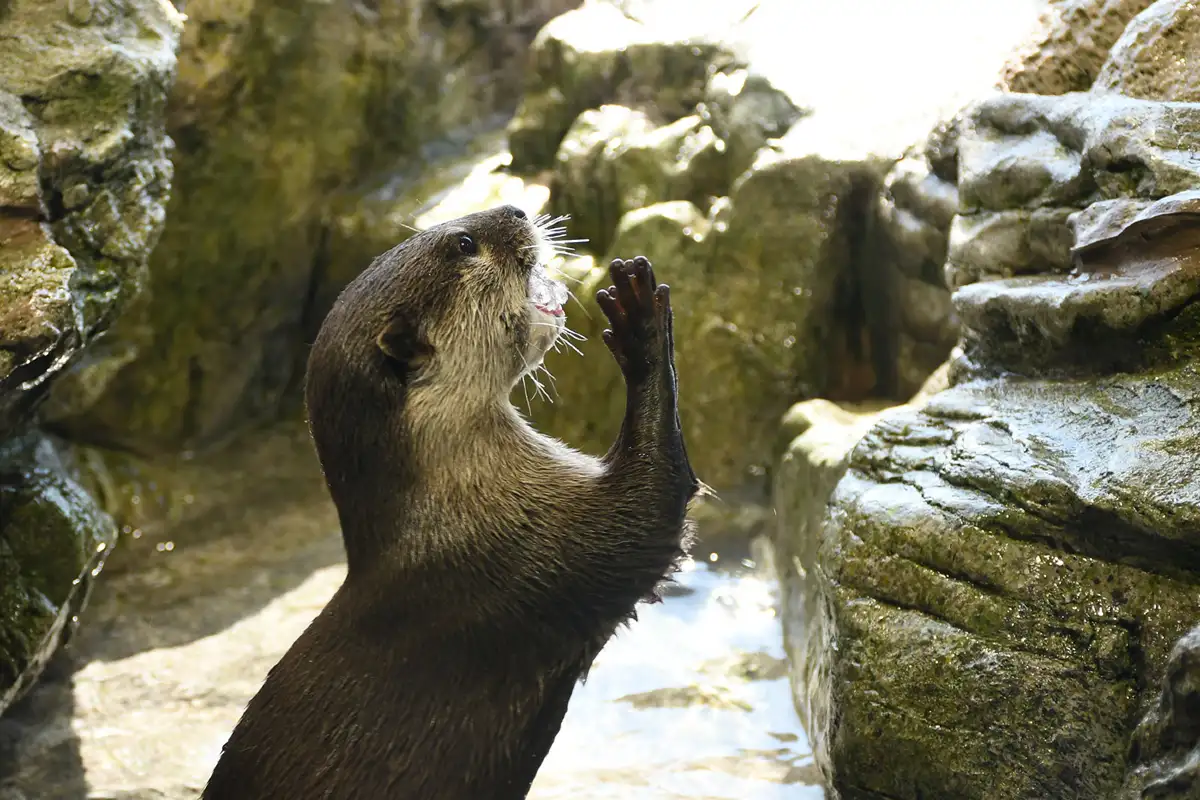
Asian small-clawed otters, which have taken the world by storm in recent years, have their very own ecological home here. The exhibit recreates the natural setting of streams and woodlands, where you can watch these "little sprites" use their nimble forepaws to grab food, tumble and play in the water, or snuggle into a lazy pile for a nap. Their chirpy squeaks and expressive faces are downright irresistible—they’ll win over kids and grown-ups alike in an instant.
If you’re getting tired from exploring, a visit to the capybara exhibit will absolutely help you “slow down.” As the largest rodents in the world, capybaras are famed for their rock-steady temperament. The exhibit is specially designed so visitors can observe them up close. Watching them squint in the sunshine and lazily munch on hay, that zen, unbothered vibe is the perfect reflection of the Shonan Coast’s slow-living rhythm.
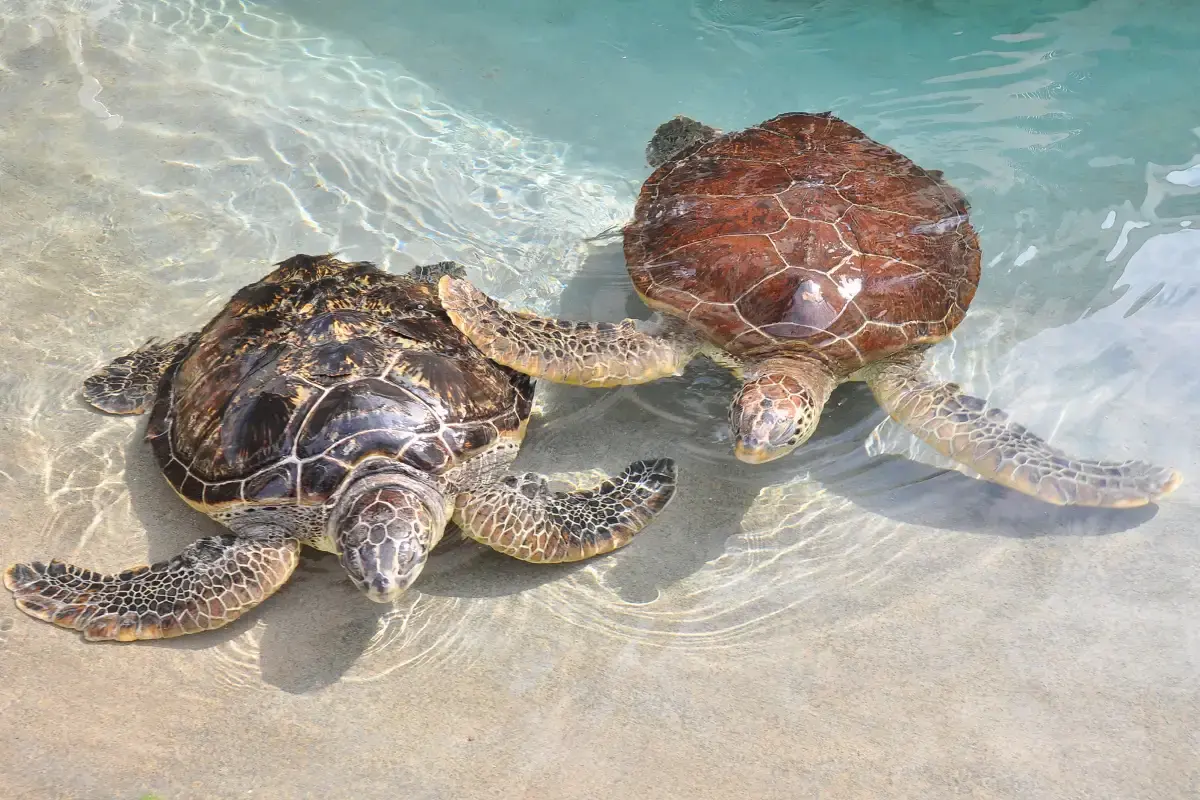
Enoshima Aquarium is deeply committed to marine conservation, with an outdoor man-made beach that connects directly to the sandy shore of Sagami Bay. Here, they have long protected and studied endangered loggerhead turtles (red sea turtles) and green sea turtles. You can watch these large turtles gracefully paddle their flippers in dedicated pools, and every breeding season they crawl up onto this artificial beach to lay their eggs—an incredibly precious, real-world lesson in the cycle of life.
The final stop on the tour takes you into a laboratory straight out of science fiction. This isn’t a static showroom—it’s a real, working research facility. The exhibit area is packed with high-tech analytical instruments, deep-sea samplers, and special pressurized tanks for keeping specimens. They also host regular workshops where professional marine scientists explain on site how they recreate deep-sea conditions on land to care for those mysterious, bottom-dwelling creatures from extreme environments—the perfect, enlightening finale to your ocean adventure.
Beyond the static exhibits, the museum puts on several spectacular live shows every day. Be sure to grab a schedule when you enter:
The dolphin show arena at the New Enoshima Aquarium boasts one of the best views in all of Japan! This semi-open-air outdoor theater faces directly onto Sagami Bay, and on clear days, Enoshima Island, the endless coastline, and even snow-capped Mount Fuji in the distance become the stage’s natural backdrop.
This show isn’t just about dolphins leaping; it’s a musical crafted by trainers together with dolphins and false killer whales.
Fun fact: back in 1950s, the predecessor of this aquarium pioneered Japan’s first true dolphin show. Sit here and watch these clever dolphins soar into the air as the waves roll in, set against the majesty of Mt. Fuji, and you’ll get goosebumps!

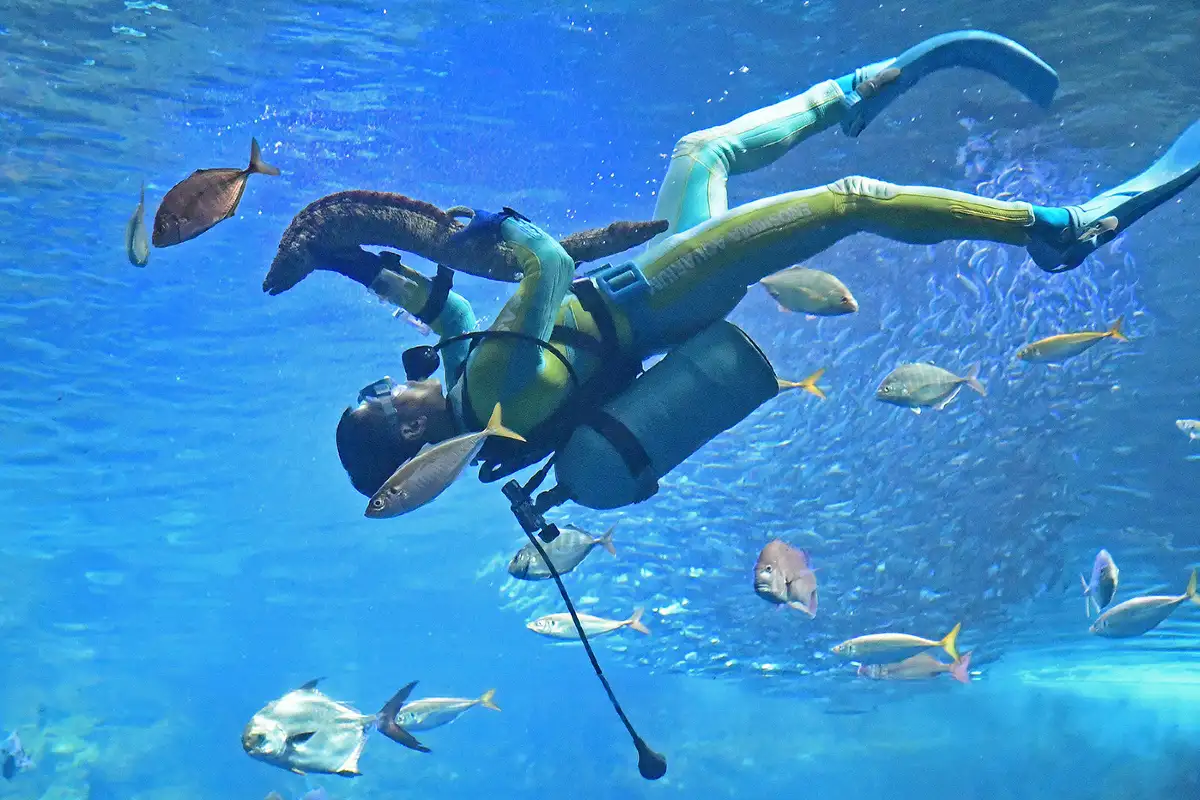
If you're visiting on a weekend or a Japanese public holiday, don’t miss the special program at the Sagami Bay Big Tank—the underwater show "Fins."
During the show, professional divers plunge right into the giant tank. The coolest part is that they carry a specially designed underwater camera and point the lens straight at the fish’s teeth and scales, or at creatures tucked into rocky crevices, with the live feed broadcast on the big screen outside the hall. On the dry side, the host chats with the divers in real time and leads a Q&A, revealing "tank secrets" you’d never spot on an ordinary visit—fun and educational in equal measure!
If you’re traveling with little ones, Enoshima Aquarium has planned plenty of up-close, hands-on activities to satisfy their curiosity:
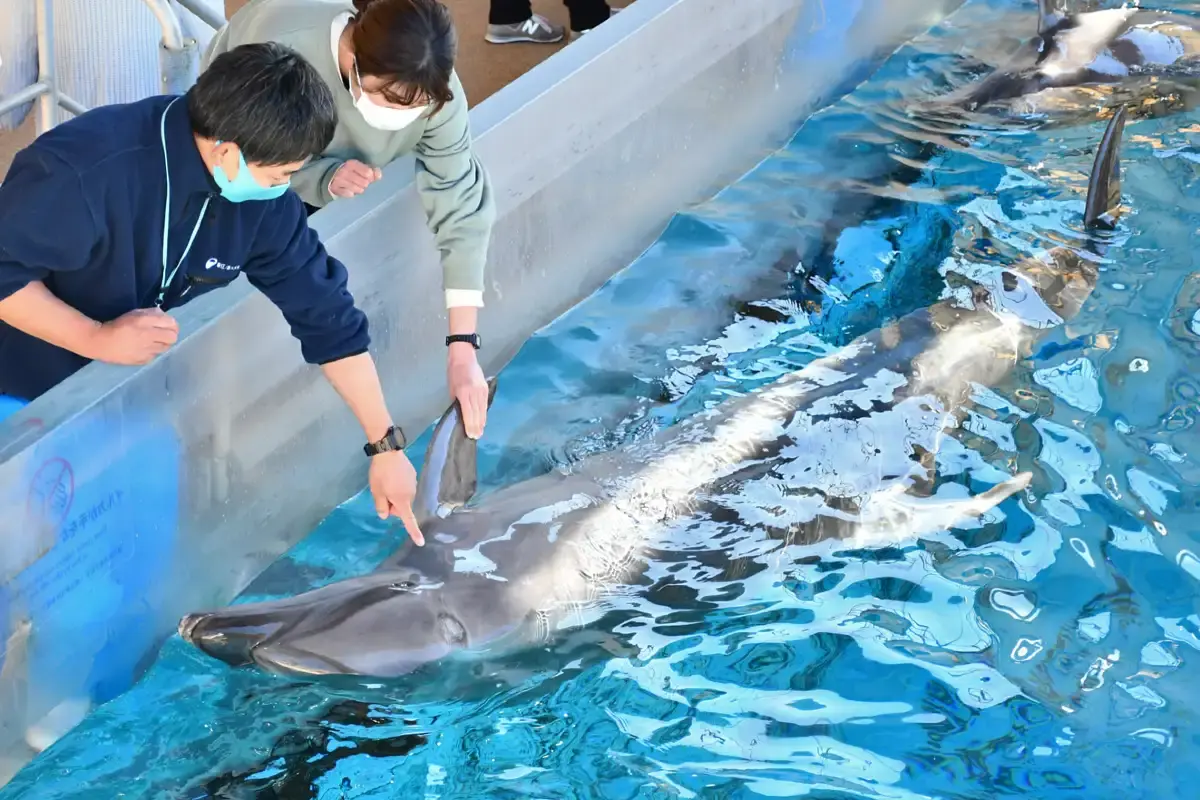
⚠️ Important heads-up: These interactive experiences (especially feeding and petting sessions) have limited spots each day. Animal feed and experience tickets are usually released in limited quantities at set times that day, and they sell out fast. Parents planning to participate, be sure to head straight to the experience area as soon as you enter the venue to check the ticketing times and get in line early to buy.
Tired from exploring? Drop by the on-site Shonan Cafe (Ocean Cafe / Shonan Cafe) to recharge. The menu here makes generous use of local ingredients from Kamakura and the Shonan area:
Savoring local specialties while gazing out at the deep-blue sea outside the window—now that's the ultimate vacation indulgence!
Once travelers arrive at Tokyo's major airports (Haneda/Narita), getting to the New Enoshima Aquarium is a breeze. Whether you're setting off from central Tokyo or coming from a nearby station, there are convenient train routes.
There are three train stations around the aquarium, each an easy walk away:
We've rounded up the best transportation options for getting to the aquarium from Tokyo's major hubs:
Want to slow down and experience Shonan's laid-back pace, maybe even head to Shichirigahama the next morning for its signature breakfast? Staying nearby for a night is a great choice. You can easily book the following top-rated hotels on Trip.com:
To make your visit to Enoshima Aquarium as smooth and stress-free as possible, here are some handy tips: