
When I first landed in Tokyo, I was amazed by how the city blends high-tech with tradition. For shopping, Tokyo has it all. Don’t forget to pick up unique souvenirs like yukata, sword replicas, or handcrafted pottery. Let's see what to buy in Tokyo as souvenirs!
1. Furoshiki Wrapping Cloths

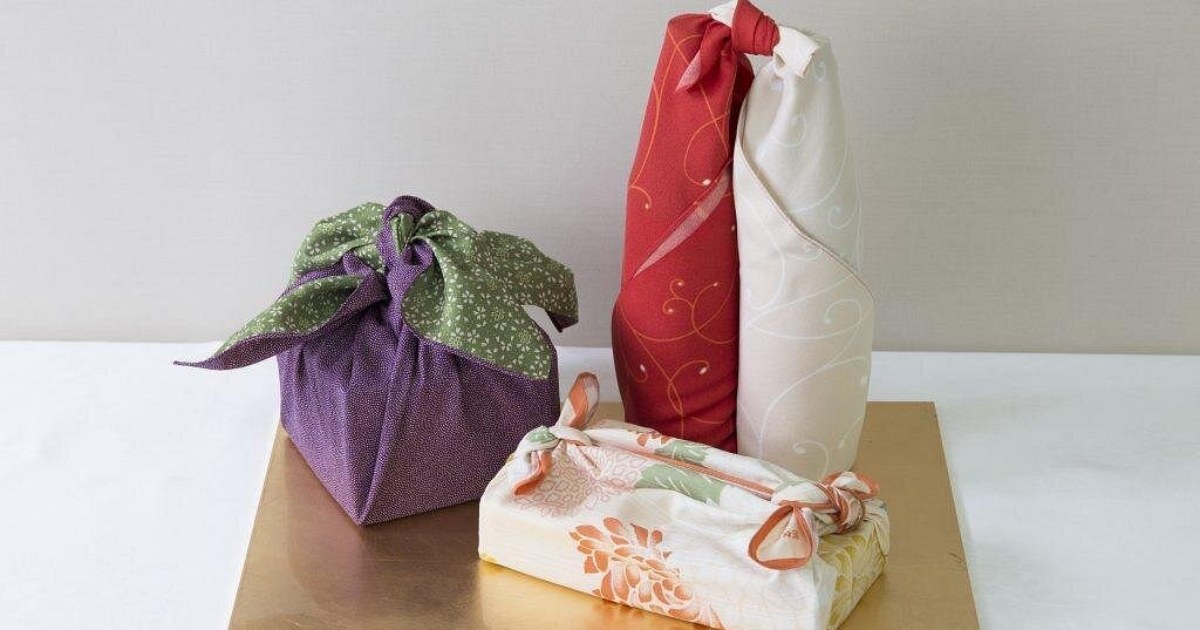
Source: Viator
I discovered my first furoshiki on a quiet afternoon walk through Asakusa, just after visiting the vibrant Senso-ji Temple.
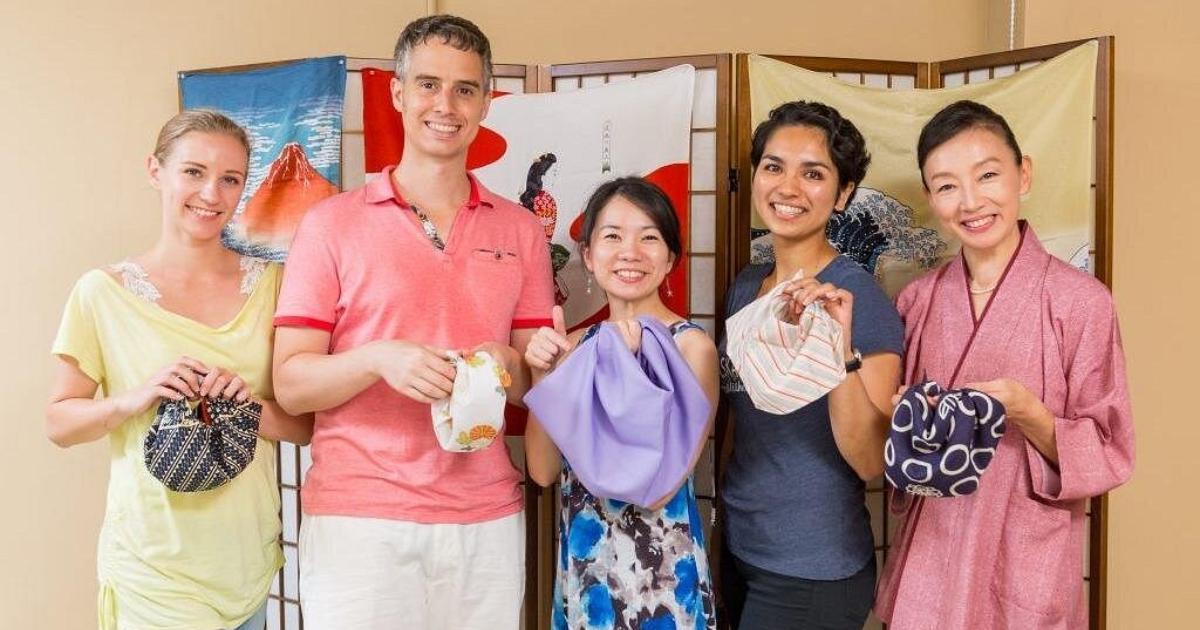
The street was lined with souvenir stalls and snack vendors, but one little shop stood out with its neatly stacked rolls of patterned cloth. Inside, an elderly woman carefully demonstrated how to wrap a gift box using just a square of fabric.
The deep indigo dye, the soft feel of the cotton, the way it folded so seamlessly—it all felt so intentional. When she told me the wave design symbolized resilience, I was sold. It wasn’t just pretty.
It meant something. It felt like I was bringing home a slice of Japanese philosophy.
📖 About Furoshiki Wrapping Cloths

Source: Viator
Furoshiki are traditional Japanese square cloths used for centuries to wrap and carry items.
Once a staple in daily life, they’ve now become a symbol of eco-conscious elegance.
As one of the most practical and authentic souvenirs from Tokyo, they’re also a meaningful nod to traditional values.
👨👩👧👦 Is It Family-Friendly? Yes—children enjoy picking out their own fun patterns like animals, cherry blossoms, or Mount Fuji.
They’re safe, foldable, and even make great keepsakes for teachers or friends. Some shops even offer folding demos that are great for kids to watch or try.
📋 Furoshiki Wrapping Cloth Buying Guide
Detail | Information |
Best For | Sustainable gifting, cultural keepsakes, craft lovers |
Where to Buy | Tokyu Hands (Shibuya), Itoya Ginza, Nakamise Street (Asakusa) |
Address | Varies by store; Tokyu Hands: 12-18 Udagawacho, Shibuya City |
Opening Hours | Most stores open daily, around 10:00 AM – 9:00 PM |
Cost | ¥800–¥2,000 (approx. S$7–S$20); usually gift-wrapped or boxed |
💡 Pro Tips
✅ Choose medium sizes (around 50–70cm) for versatile wrapping or daily use
✅ Look for hand-dyed or naturally dyed fabrics for a more authentic touch
✅ No issues with customs—completely foldable, washable, and travel-safe
2. Tokyo Banana

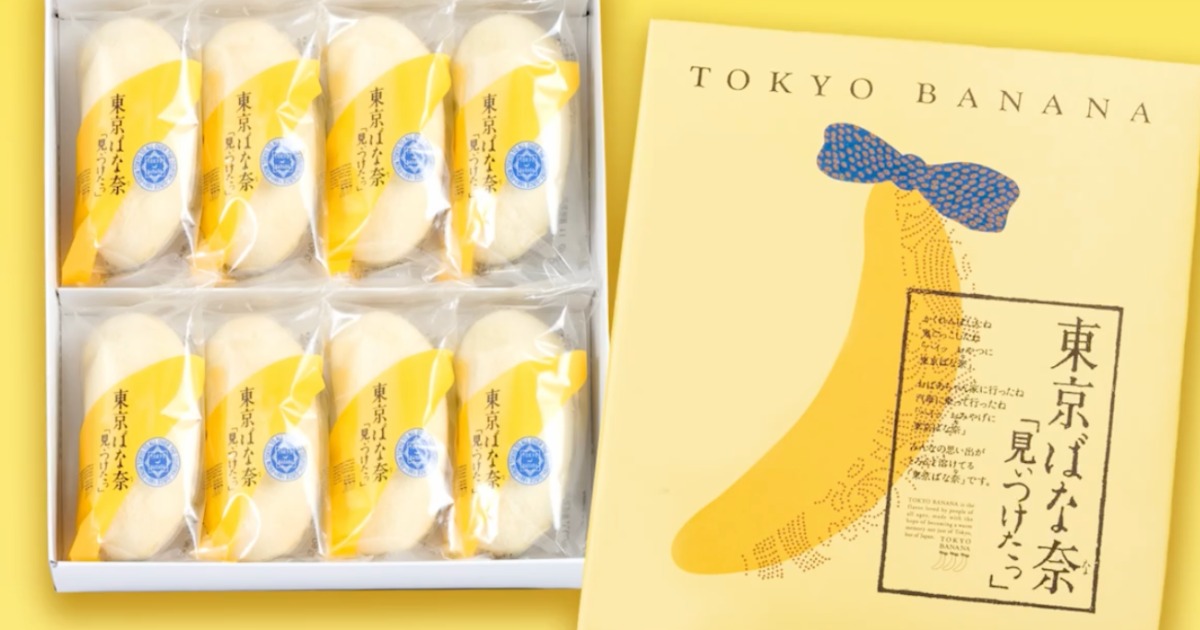
Source: Tokyo Banana
I first saw Tokyo Banana neatly stacked at Haneda Airport, right after clearing immigration.
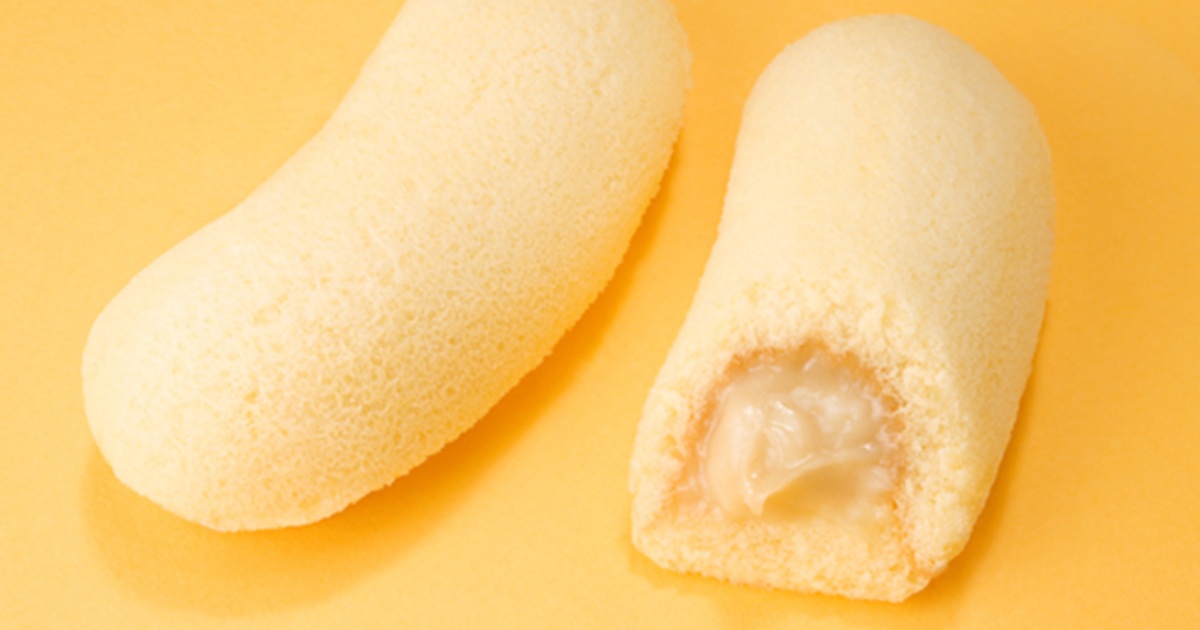
The boxes looked almost too cute to be food—pastel yellow with delicate bows, each printed with little banana spots or cartoon characters.
Out of curiosity (and the queue of locals snapping them up), I picked up a box and bit into one right after boarding my flight. That soft, airy sponge and smooth banana custard filling?
It tasted like a hug.
Ever since, it’s become my go-to whenever I visit Tokyo—part souvenir, part snack-for-the-plane.
Once, I brought back a themed version with leopard prints, and my niece squealed louder than when she got her birthday present.
📖 About Tokyo Banana

Source: Tokyo Banana
Tokyo Banana is more than just a snack—it’s the iconic sweet when it comes to souvenirs from Tokyo.
First launched in 1991, it quickly became a staple in train stations, airports, and department stores.
Each sponge cake is filled with a creamy banana custard, and the brand often releases limited-edition prints and seasonal flavours.
Soft, sweet, and beautifully packaged, it's considered a classic and must-buy souvenir in Tokyo.
👨👩👧👦 Is It Family-Friendly? Absolutely—kids love the soft texture and fun designs, and parents love how easy it is to pack and share. Great as a school snack, thank-you gift, or surprise treat. Just note: it’s best eaten fresh, so don't keep it too long in the suitcase!
📋 Tokyo Banana Buying Guide
Detail | Information |
Best For | Sweet lovers, family treats, thoughtful edible gifts |
Where to Buy | Haneda/Narita Airport, Tokyo Station, Shinjuku’s Isetan or Daimaru |
Address | Multiple locations; Tokyo Station’s Ichibangai is a popular spot |
Opening Hours | Typically 8:00 AM – 9:00 PM (varies by outlet) |
Cost | ¥560–¥1,500 for boxes of 4 to 8 pieces (approx. S$6–S$15); boxed beautifully |
💡 Pro Tips
✅ Check for seasonal or limited-edition flavours like caramel, maple, or strawberry
✅ Always check expiry—best consumed within 7 days of purchase
✅ For gifting, buy at the airport so it stays freshest on the flight home
Buy Cheap Japan eSIM
3. Ubukeya Knives from Nihonbashi

Source: Meguri Japan
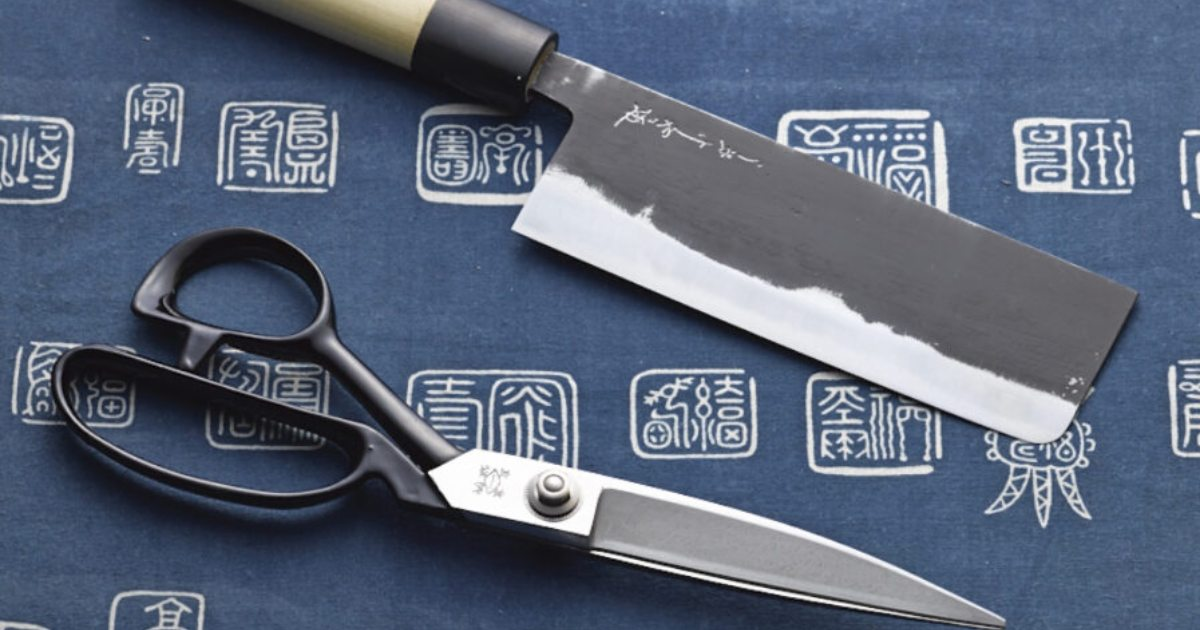
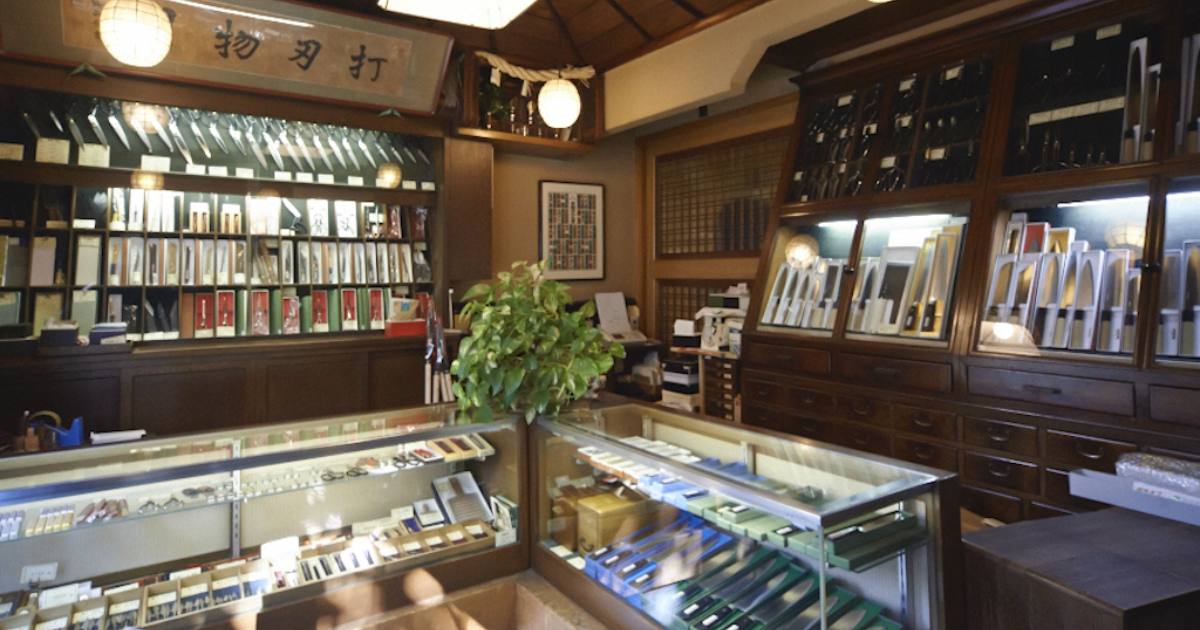
I found Ubukeya by accident while exploring Nihonbashi’s backstreets, drawn in by a display of blades that gleamed like silver ink strokes under warm lighting.
The shop was narrow and quiet, lined with wooden cases and the faint metallic scent of sharpening tools.
A third-generation craftsman greeted me and explained how every knife was hand-forged in-house, using time-honored techniques passed down for nearly 230 years.
He picked up a knife and pointed out the layers in the steel, showing how each was folded and shaped for precision.
Holding one in my hand, the weight felt balanced, the handle smooth. This wasn’t just a tool—it was craftsmanship in pure form.
🎨 About Ubukeya Knives

Source: Meguri Japan
Ubukeya is one of Tokyo’s oldest cutlery shops, specializing in handcrafted blades—from kitchen knives to traditional grooming scissors.
As a hallmark of handmade crafts in Tokyo, these knives are shaped through meticulous forging, polishing, and sharpening, often by artisans trained for decades.
They’re not only functional but treasured as authentic handcrafted gifts in Tokyo, blending utility with artistry.
👨👩👧👦 Is It Family-Friendly? While the store itself is not hands-on for kids, older children or teens interested in craftsmanship may enjoy the visit.
It’s a great chance to teach about slow-made goods, Japanese precision, and family traditions around cooking.
📋 Ubukeya Knife Buying Guide
Detail | Information |
Best For | Culinary enthusiasts, serious home chefs, heirloom collectors |
Where to Buy | 📍 Where to buy: Ubukeya Knife Shop, 3-9-2 Nihonbashi-Honcho, Tokyo |
Opening Hours | Mon–Fri, 9:00 AM – 5:00 PM; closed weekends |
Cost | 💰 Cost: Varies by complexity; simple pieces from ¥6,000 (~S$55), custom orders available |
💡 Pro Tips
✅ Ask for engraving or blade inscription—adds a personal touch
✅ Visit in the morning when the craftsmen are less busy for deeper conversations
✅ For air travel, have the knife boxed and check it in—not cabin-safe
4. Yamakichi Lacquerware from Asakusa

Source: Visit Kaga
Tucked away behind the busy Nakamise Shopping Street in Asakusa,
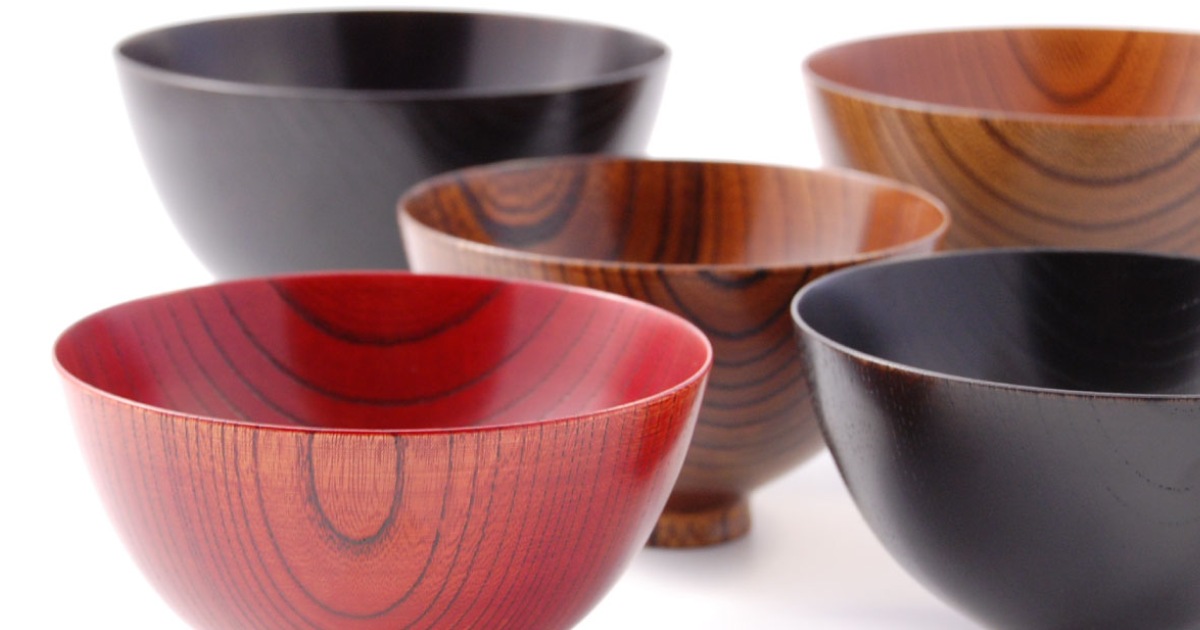
I stepped into a quiet, softly lit shop that smelled faintly of cedarwood and polish. Rows of gleaming trays, bowls, and chopstick rests lined the shelves—each shimmering with deep reds, glossy blacks, and subtle gold accents.
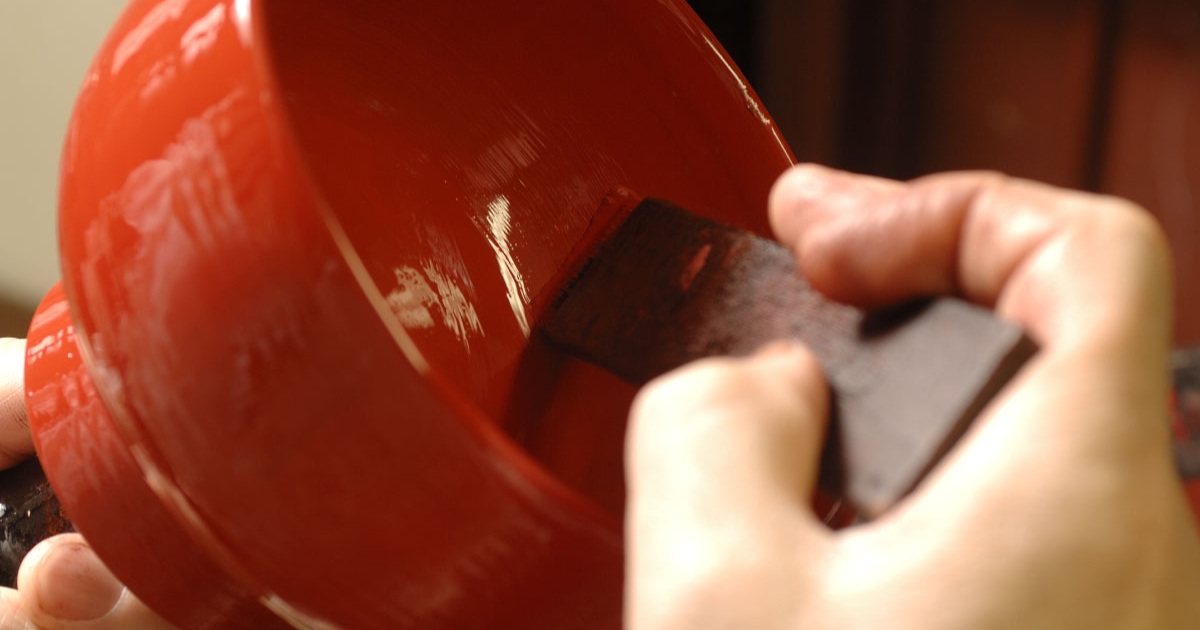
At Yamakichi, a fourth-generation artisan showed me how the lacquer is applied layer by layer over days, even weeks, to achieve that depth and glow.
She let me feel the difference between machine-coated and hand-lacquered pieces.
The hand-finished bowl I picked up was light but warm in the hand—smooth, but with tiny brush traces you could just barely sense. It felt like holding time itself.
🎨 About Yamakichi Lacquerware

Source: Visit Kaga
Yamakichi is a family-run lacquerware shop preserving a centuries-old Japanese art form.
Lacquerware—known as urushi—has been used in temples, tea ceremonies, and daily life for generations.
These pieces represent the elegance of traditional handmade crafts in Tokyo, fusing historical methods with designs that suit modern tables.
As one of the more refined artisan markets in Tokyo, Asakusa is the perfect place to find such functional art.
👨👩👧👦 Is It Family-Friendly? Yes—kids can help pick small pieces like chopstick rests or bowls with animal motifs.
It’s a lovely way to teach respect for handcrafted items and elevate mealtime with a touch of culture.
📋 Yamakichi Lacquerware Buying Guide
Detail | Information |
Best For | Elegant home décor, functional tableware, cultural collectors |
Where to Buy | 📍 Where to buy: Yamakichi Lacquerware, 1-32-3 Asakusa, Taito-ku, Tokyo |
Opening Hours | Daily, 10:00 AM – 6:00 PM |
Cost | 💰 Cost: Varies by size; small trays from ¥2,000, full sets from ¥10,000 (~S$18–S$90) |
💡 Pro Tips
✅ Ask about care tips—avoid direct sunlight and don’t microwave
✅ Look for “wabi-sabi” finishes if you prefer more rustic, textured designs
✅ Each piece is unique—if you love one, don’t wait to buy it
5. Tokyo Milk Cheese Factory Cookies

Source: Tokyo Milk Cheese SG
I first spotted the Tokyo Milk Cheese Factory counter in the food hall of Tokyo Station—surrounded by beautifully lit dessert counters and the gentle hum of commuters.
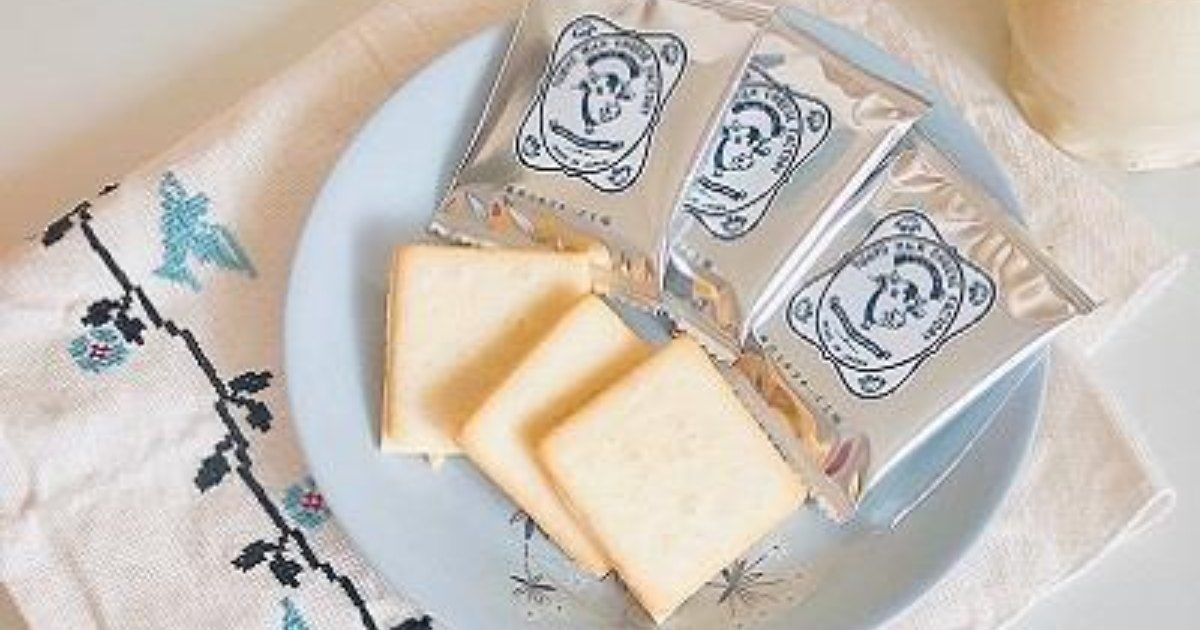
The packaging was sleek and gift-worthy, but it was the aroma that pulled me in: warm butter, a hint of cheese, and something slightly sweet.
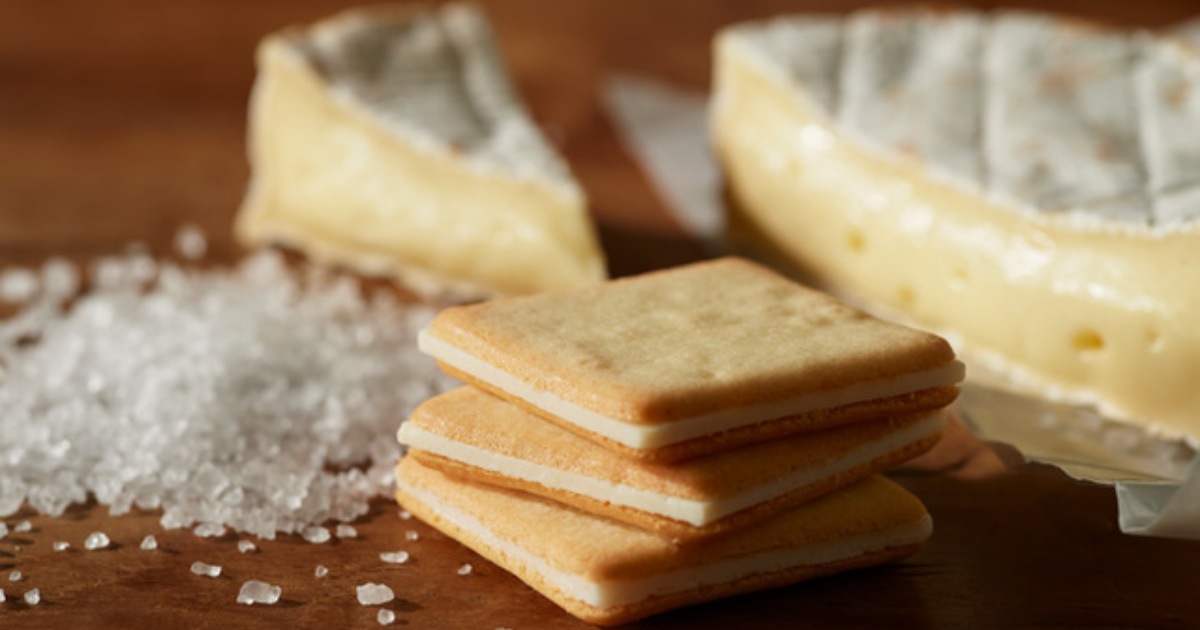
I picked up a box of the salt & camembert flavor, and wow—the first bite was unlike anything I expected.
The cookie was crisp and buttery, with just enough saltiness to balance the creamy cheese filling.
My daughter tried one and immediately asked, “Can we bring this back for Ah Ma?”
I ended up buying three boxes, including one with honey & gorgonzola for the grown-ups at home.
📖 About Tokyo Milk Cheese Factory Cookies

Source: Tokyo Solamachi
Launched in 2011, this snack brand combines milk from Hokkaido and premium cheeses from Europe to create unique cookie sandwiches.
Now a go-to snack to buy in Tokyo, these treats have become a cult favorite among both tourists and locals.
If you're hunting for famous sweets from Tokyo or thoughtful, edible souvenirs, this one checks all the boxes—flavor, design, and novelty.
🎁 Great snack gift from Tokyo for all ages: Lightweight, individually wrapped, and irresistibly delicious, these cookies are perfect for sharing—whether in school lunchboxes, at the office, or over afternoon tea.
📋 Tokyo Milk Cheese Factory Cookie Buying Guide
Detail | Information |
Best For | Edible souvenirs, tea-time gifts, snacks with a twist |
Where to Buy | 📍 Where to buy: Tokyo Station GRANSTA, Shinjuku Lumine, or Haneda Airport |
Opening Hours | Typically 10:00 AM – 9:00 PM, varies by outlet |
Cost | 💰 Cost: Around ¥1,000–¥1,800 per pack (approx. S$9–S$16); comes in travel-safe wrapping or gift boxes |
💡 Pro Tips
✅ Try the salt & camembert (best-seller) and honey & gorgonzola for something richer
✅ Stays fresh for up to 30 days—check the best-before date for gifts
✅ You can often sample flavors in department stores before buying
Top Things To do In Tokyo
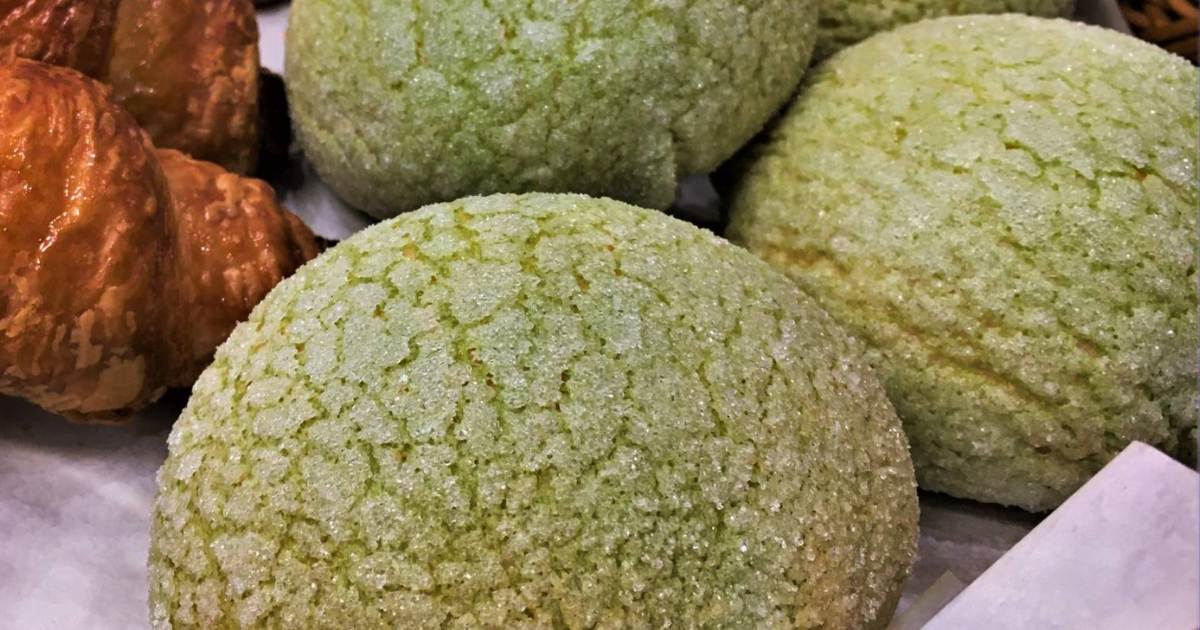
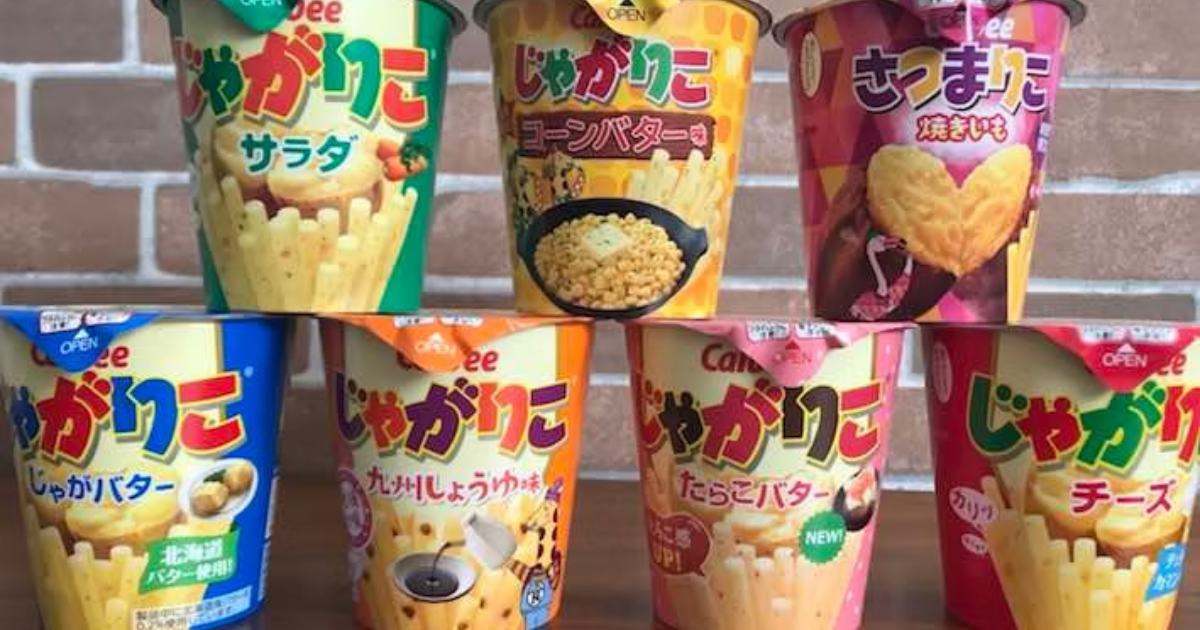
6. Melon Pan & Flavoured Jagarico

Source: Japan Times
I didn’t plan to buy anything when I wandered into the depachika beneath Isetan Shinjuku—but the smell of freshly baked bread lured me straight to a stall selling warm melon pan.
The crust was golden and cracked just right, like a sugar cookie hugging a fluffy bun. I took one bite and instantly understood the hype—crisp on the outside, soft and buttery inside, with just a hint of melon aroma.
A few steps later, I found a display of Jagarico—Japan’s famous potato sticks—in wild local flavors like butter soy sauce and mentaiko.
I grabbed a few cups for snacking on the go, and they were gone before the train ride ended. The crunch was addictive, and the flavors?
So different from anything back home.
📖 About Melon Pan & Jagarico

Source: Memen Travel
Melon pan is one of Tokyo’s most beloved street breads—often found warm in bakeries and depachika (food basements). It gets its name from its melon-like crackled crust, not the taste.
Meanwhile, Jagarico is a crunchy potato stick snack available in dozens of rotating regional and seasonal flavors. Both are casual snacks to buy in Tokyo that locals love and tourists return for.
🎁 Great budget-friendly souvenirs to eat in Tokyo—easy to bring back and fun to share.
👨👩👧👦 Is It Family-Friendly? Absolutely—kids will love the sweet, cookie-like top of melon pan, while Jagarico’s packaging makes it easy to snack without mess. No utensils, no fuss—just fun, crunchy bites.
📋 Melon Pan & Jagarico Snack Buying Guide
Detail | Information |
Best For | On-the-go snacking, family-friendly food souvenirs, trying unique local flavors |
Where to Buy | 📍 Where to buy: Isetan Shinjuku Depachika, Tokyo Station’s GRANSTA, Don Quijote |
Opening Hours | Most stores open 10:00 AM – 9:00 PM |
Cost | 💰 Cost: Melon pan from ¥200 (approx. S$2), Jagarico from ¥150 per cup (approx. S$1.50); all travel-safe |
💡 Pro Tips
✅ Try melon pan with ice cream inside—some stalls offer it fresh and filled
✅ Look for regional-exclusive Jagarico flavors like yuzu, takoyaki, or corn soup
✅ Melon pan is best eaten within the day—Jagarico lasts weeks, great for gifting
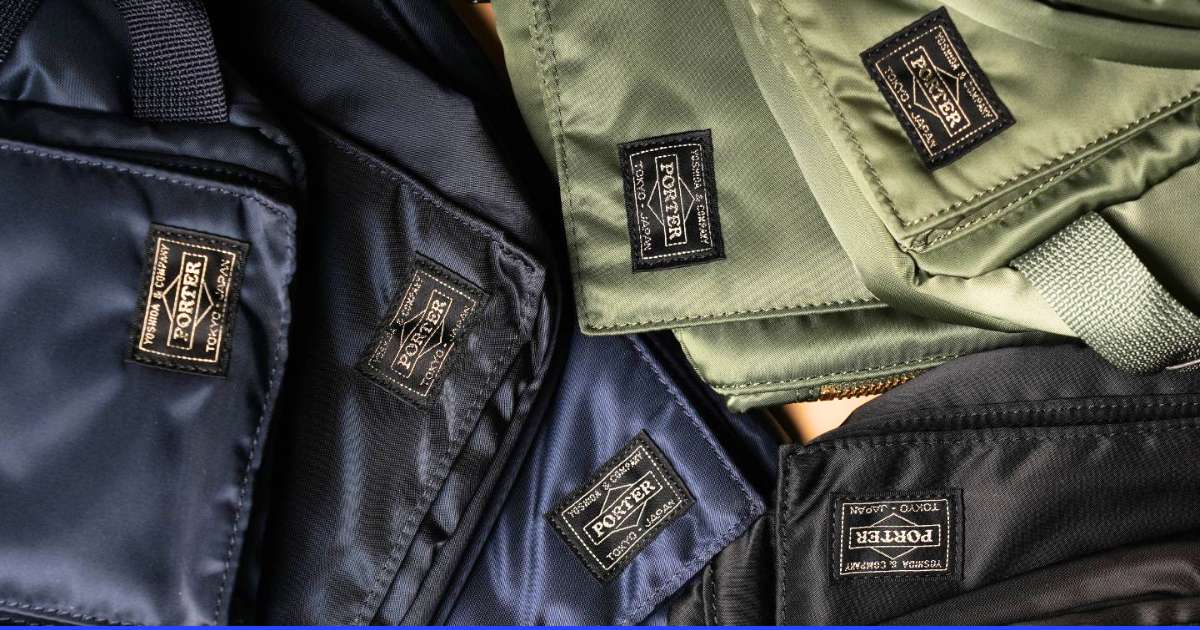
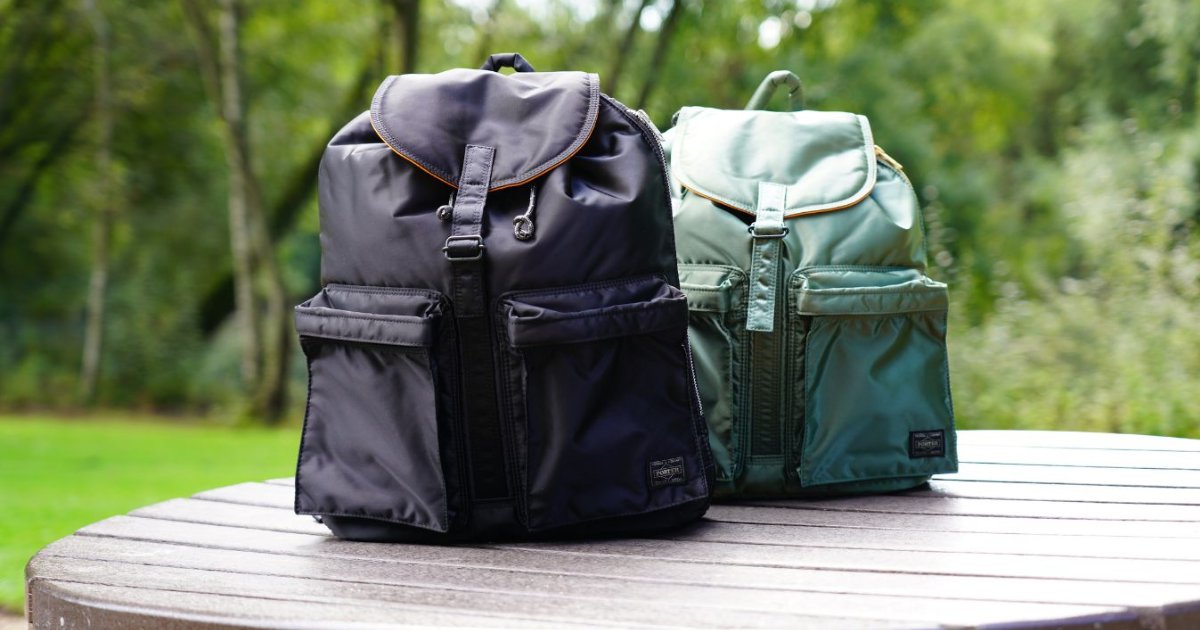
7. Carry Tokyo Style with a Porter Yoshida Bag

Source: Stuarts London
I first came across Porter Yoshida at a sleek little concept store in Daikanyama while exploring Tokyo’s trendier side.
The shop was minimalist, quiet, and everything on display looked timeless. I wasn’t even looking for a bag—but the moment I spotted the clean lines and subtle branding of a deep navy shoulder bag, I was hooked.
The texture felt rugged but light, and the inside? So well-organized, it made my travel backpack feel like a black hole. I tried it on and instantly imagined using it daily back home.
I ended up buying a compact crossbody for myself and a sleek black briefcase for my husband. They both still look brand new after years of use.
📖 About Porter Yoshida Bags

Source: Stuarts London
Porter by Yoshida & Co. is one of the most iconic local fashion brands in Tokyo, known for its commitment to Japanese craftsmanship since 1935.
Each bag is made in Japan and blends functional, military-inspired design with clean, urban minimalism. Among those in the know, it’s one of the ultimate fashion souvenirs from Tokyo.
👨👩👧👦 Is It Family-Friendly? Yes—look out for smaller crossbody bags, pencil cases, or even kid-sized backpacks in basic tones. Great for teens looking to match their style with mum or dad.
📋 Porter Yoshida Bag Buying Guide
Detail | Information |
Best For | Everyday bags, airport-to-meeting transitions, stylish dads |
Where to Buy | 📍 Where to buy: Porter Omotesando, BEAMS Shibuya, Hankyu Men’s Tokyo |
Opening Hours | Usually 11:00 AM – 8:00 PM, varies by store |
Cost | 💰 Cost: Prices range from ¥15,000–¥60,000 (approx. S$135–S$540); many shops offer Asian-fit sizes and customizations |
💡 Pro Tips
✅ Go to flagship Porter stores for the best selection and limited editions
✅ Some stores offer monogramming—great for gifting
✅ Bags are tax-free for tourists—bring your passport when purchasing
8. Unique Anime Merchandise

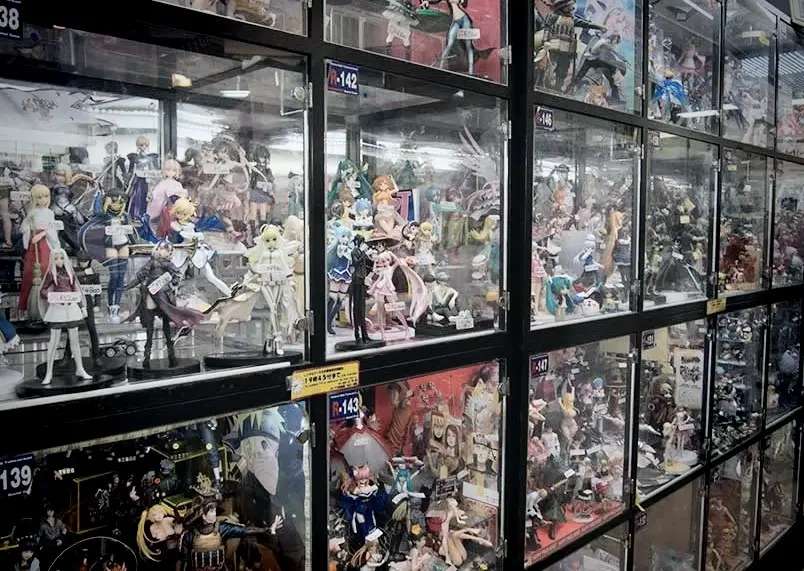
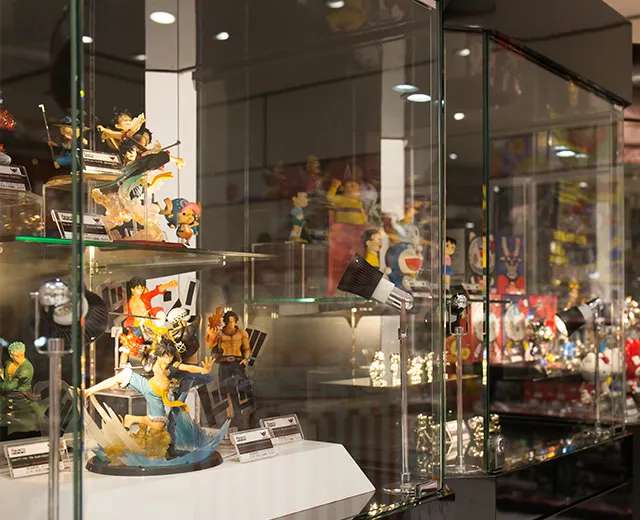
I stumbled upon an anime shop in Akihabara, the heart of Tokyo's otaku culture, and it felt like stepping into another world. Shelves packed with figures, posters, and limited-edition collectibles surrounded me. Although I wasn’t planning to buy anything, I couldn’t resist grabbing a few action figures from my favorite series. The attention to detail in each piece was impressive, and the excitement of finding rare items made it an unforgettable experience.
📖 About Anime Merchandise
Anime culture is deeply embedded in Tokyo, and the city’s stores offer everything from action figures and posters to rare collectibles and plush toys. Whether you're a casual fan or a die-hard collector, Tokyo has an abundance of anime shops that cater to all tastes.
👨👩👧👦 Is It Family-Friendly? Definitely! Anime merchandise is great for all ages. From plush toys for kids to limited-edition collectibles for adults, it’s a fun way to bring home a piece of Tokyo’s pop culture.

📋 Anime Merchandise Buying Guide
| Detail | Information |
Best For | Collectors, anime fans, teens, and families |
Where to Buy | 📍 Akihabara, Nakano Broadway, Ikebukuro Sunshine City, and Animate stores across Tokyo |
Opening Hours | Typically 10:00 AM – 9:00 PM (varies by store) |
Cost | 💰 Prices range from ¥500–¥30,000 (approx. S$5–S$270); limited-edition items may be more expensive |
💡 Pro Tips
✅ Visit stores like Animate for exclusive items and events
✅ Look for rare or special edition figures in Akihabara's specialized stores
✅ Many stores offer tax-free shopping for tourists—bring your passport when making a purchase
9. Japan Bento Box

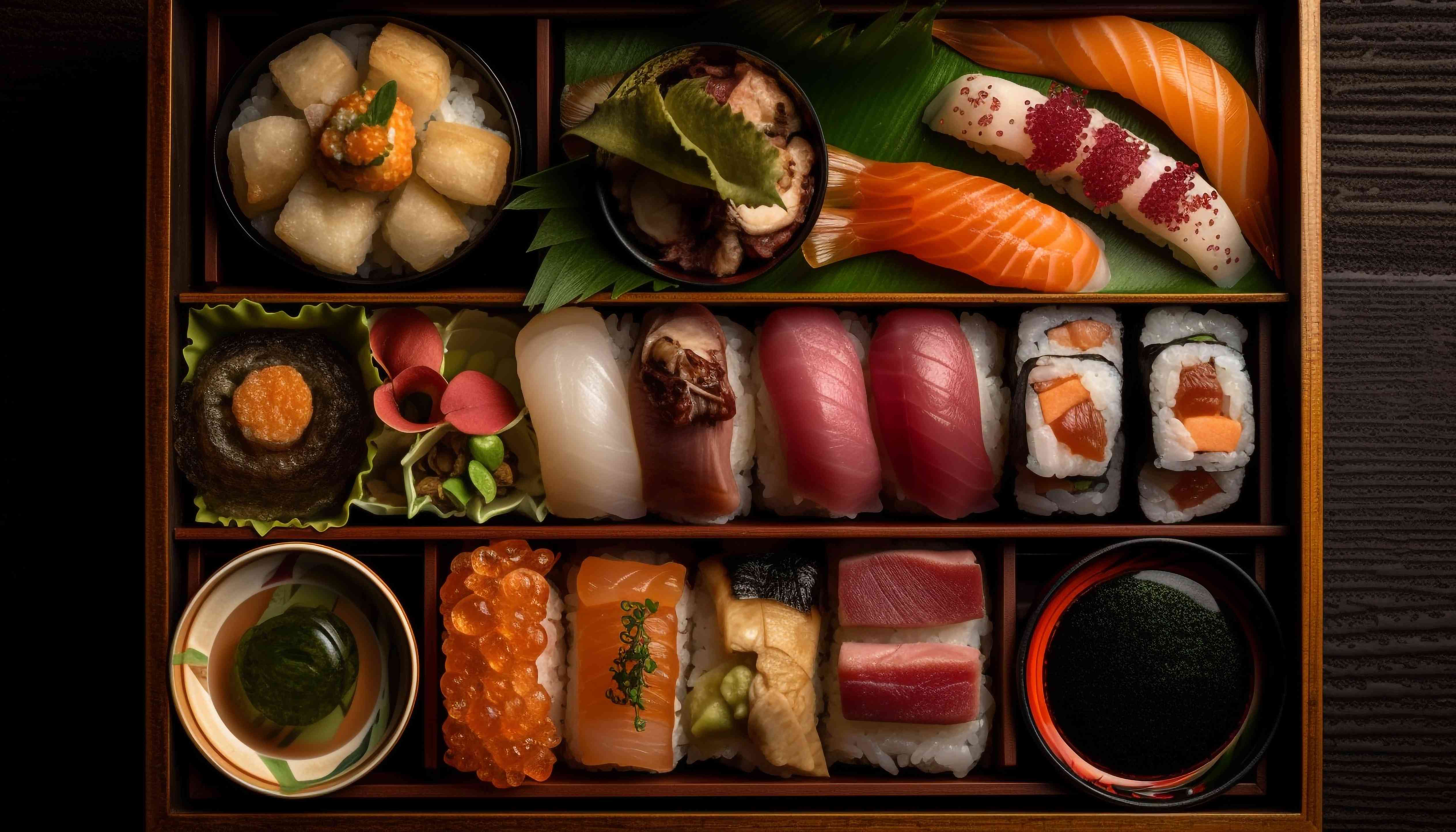
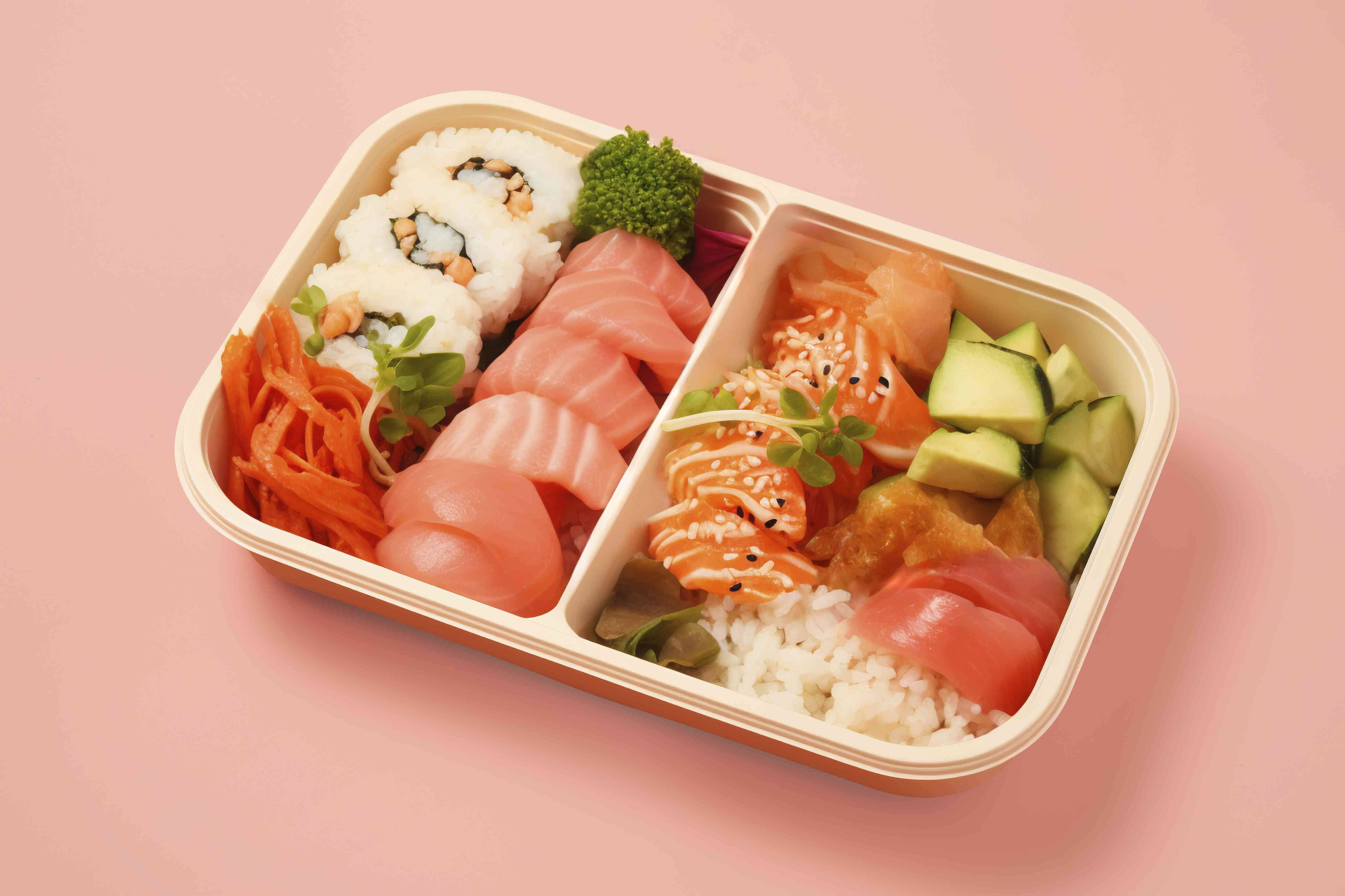
I first encountered the beauty of bento boxes while wandering through a traditional food market in Tokyo. The vibrant, neatly arranged compartments filled with rice, vegetables, fish, and pickles looked almost too pretty to eat. But the moment I tasted it, I was hooked. The flavors were fresh, and the quality was unmatched. I picked up a beautiful wooden bento box from a local store as a gift for a friend, and it’s been a hit ever since.
📖 About Bento Boxes
A bento box is a Japanese lunchbox that features a well-balanced, compartmentalized meal. Traditionally, it's a symbol of Japan’s love for both quality food and presentation. Bento boxes come in various styles—from simple, plastic versions for casual meals to luxurious, handcrafted wooden boxes for special occasions.
👨👩👧👦 Is It Family-Friendly? Absolutely! Bento boxes are great for all ages, and you can even find child-sized versions or themed bento boxes featuring popular characters. Perfect for family picnics or school lunches.

📋 Bento Box Buying Guide
Detail | Information |
Best For | Foodies, collectors, families, and anyone interested in Japanese culture |
Where to Buy | 📍 Tsukiji Outer Market, Asakusa, department stores like Isetan and Takashimaya, and specialty shops |
Opening Hours | Generally 10:00 AM – 7:00 PM (varies by store) |
Cost | 💰 Prices range from ¥1,000–¥15,000 (approx. S$9–S$135); higher-end boxes can cost more depending on material and craftsmanship |
💡 Pro Tips
✅ For a traditional touch, buy a wooden bento box, often handcrafted with intricate designs
✅ Look for eco-friendly bamboo boxes or decorative versions for a special gift
✅ Bento boxes are tax-free for tourists—don’t forget your passport when purchasing!
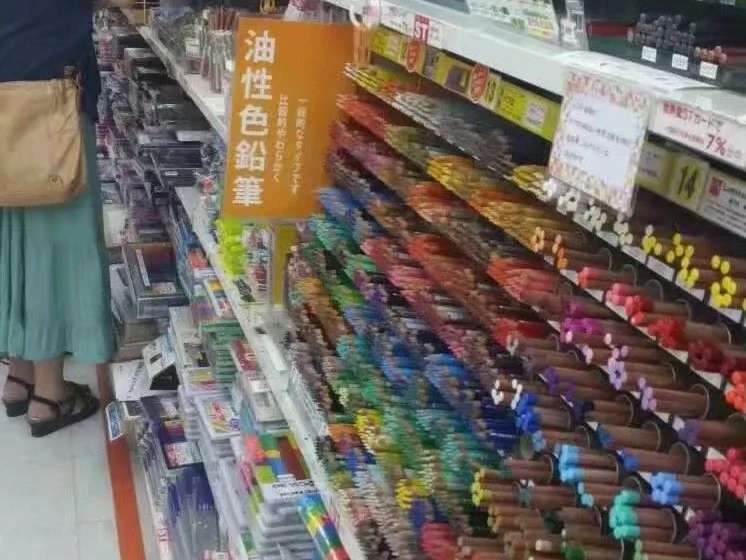
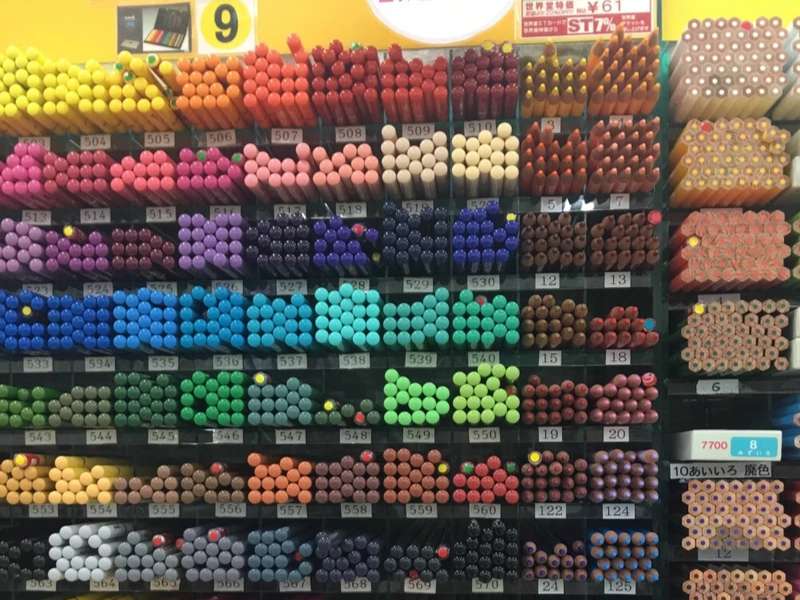
10. Best of Japanese Stationery

I first discovered Japan’s stationery charm while browsing a local shop in Ginza, and I was blown away by the quality and design. From ultra-smooth pens to beautifully crafted notebooks, Japanese stationery offers unmatched precision and elegance. I picked up a sleek Pilot pen and a colorful, soft-bound notebook, and they’ve become some of my favorite daily-use items. It’s impossible not to get hooked once you experience it.
📖 About Japanese Stationery
Japan is renowned for its exceptional stationery, which combines functionality with artistic design. From beautifully crafted paper and premium pens to unique origami paper and calligraphy tools, Japanese stationery is perfect for collectors, students, and anyone who appreciates fine writing instruments.
👨👩👧👦 Is It Family-Friendly? Yes! Whether it’s a fun pencil case for kids or a high-quality pen for adults, Japanese stationery has something for everyone. It’s also great for school supplies or gifts.

📋 Japanese Stationery Buying Guide
Detail | Information |
Best For | Students, collectors, artists, and anyone who appreciates high-quality, functional design |
Where to Buy | 📍 Tokyu Hands, Loft, Itoya, and specialty stationery stores around Tokyo |
Opening Hours | Usually 10:00 AM – 8:00 PM (varies by store) |
Cost | 💰 Prices range from ¥100–¥10,000 (approx. S$1–S$90); high-end items like fountain pens or calligraphy sets can be more expensive |
💡 Pro Tips
✅ Visit Loft or Itoya for a huge selection of premium stationery, from pens to washi tape
✅ Look for limited-edition designs and collaborations—these are perfect for collectors
✅ Many stores offer tax-free shopping for tourists—don’t forget your passport when purchasing!
Recommended Hotels In Tokyo
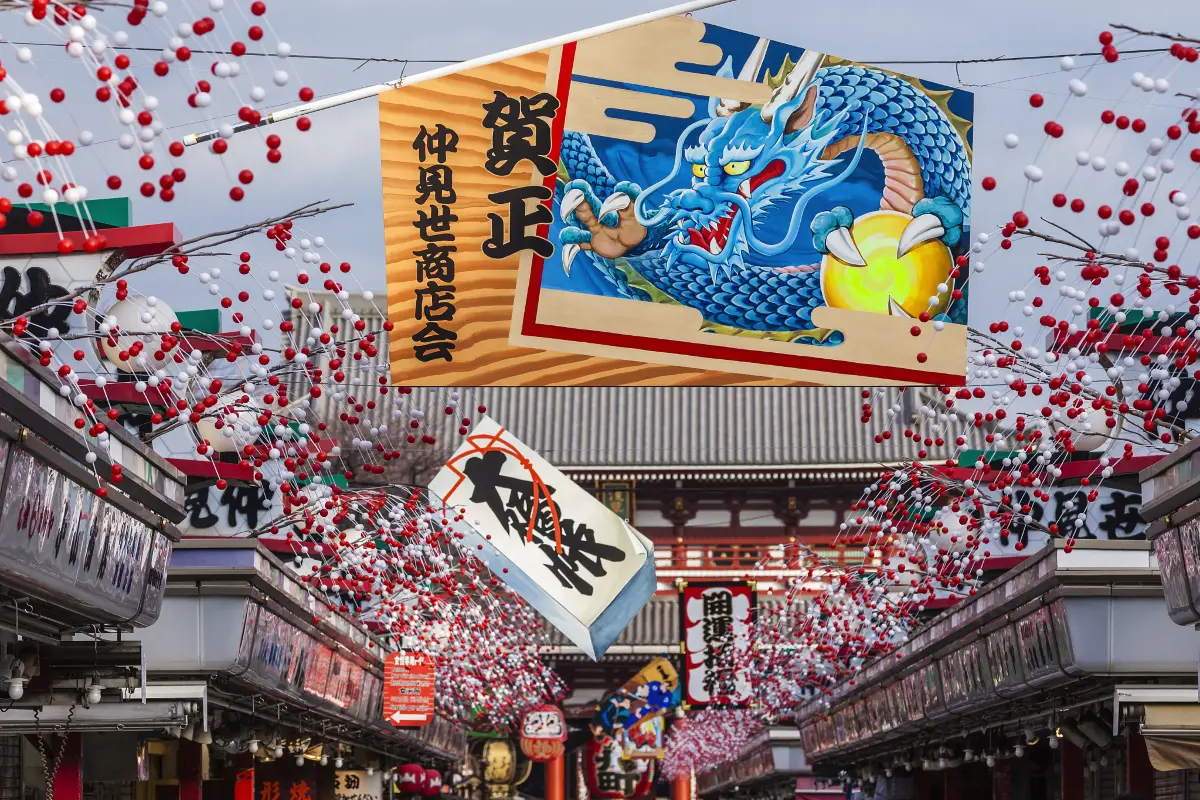
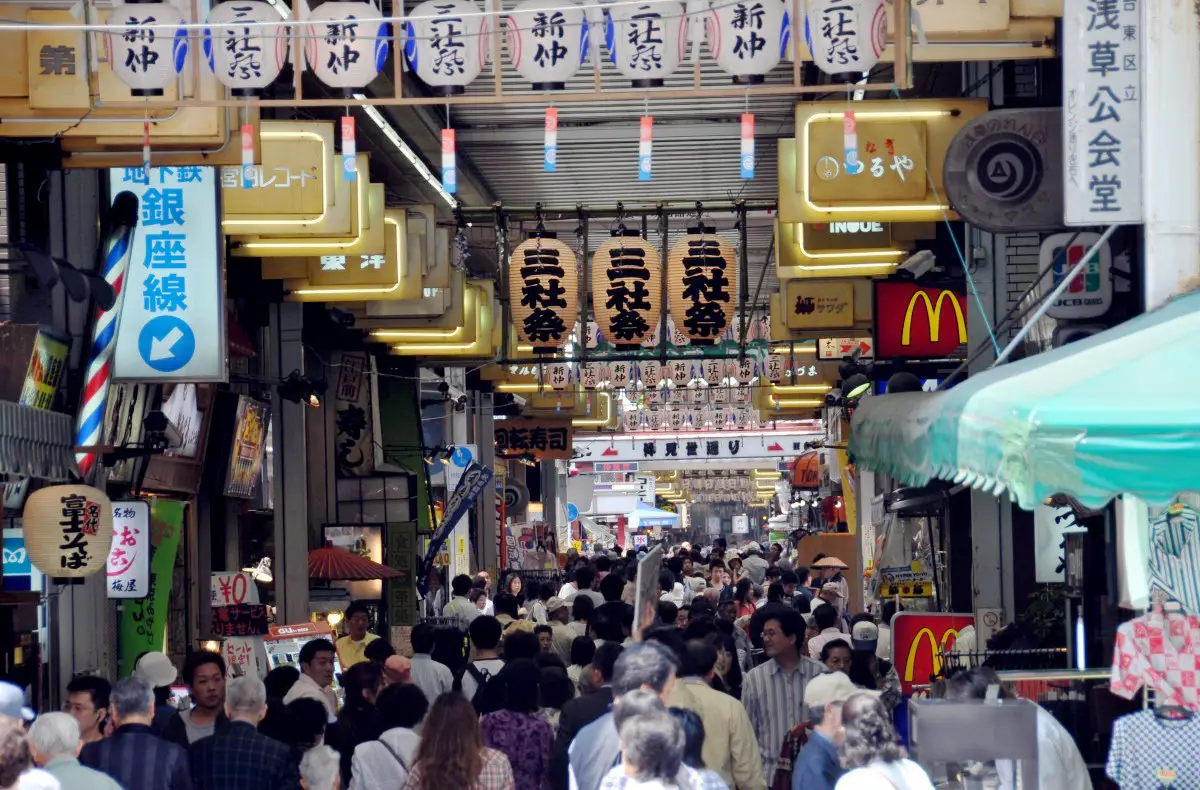
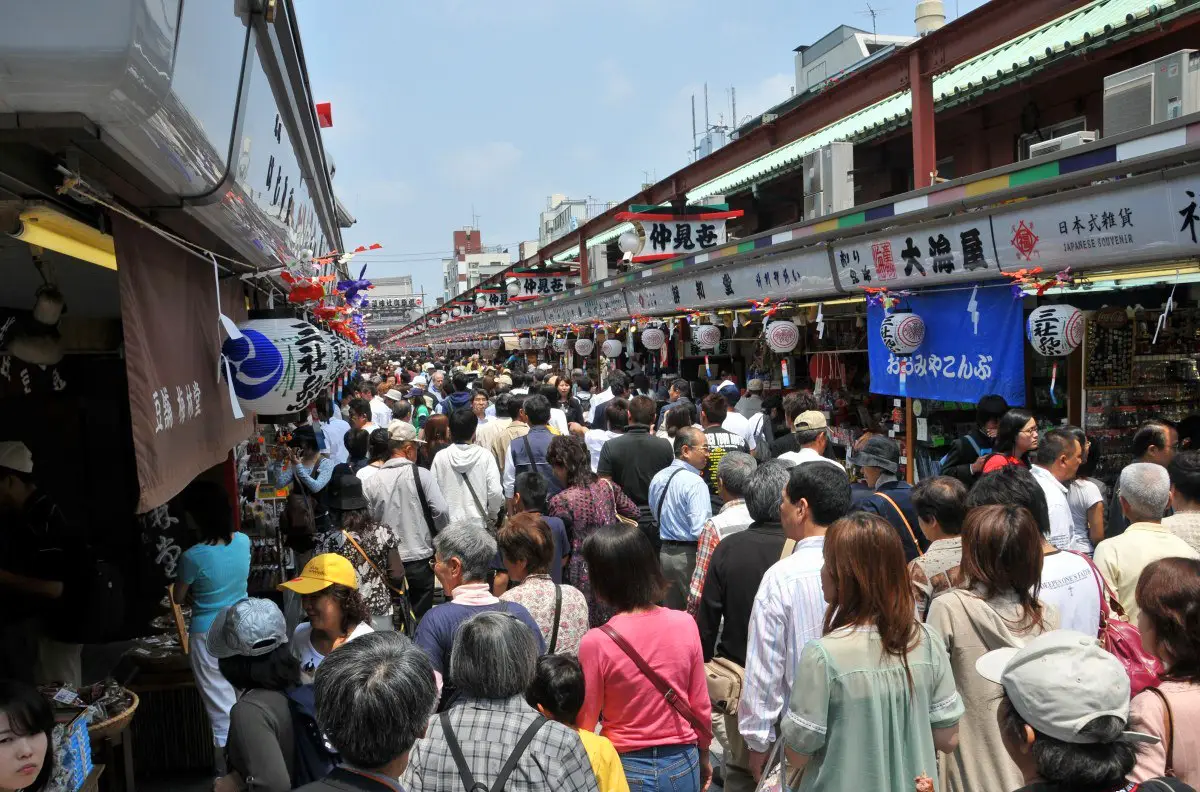
11. Traditional Snacks & Souvenirs at Nakamise Shopping Street

Stepping into Nakamise Shopping Street felt like walking into a postcard.
The lanterns swayed above the crowd, the scent of freshly grilled senbei and sweet ningyo-yaki filled the air. With rows of colorful stalls stretched all the way toward the grand gate of Senso-ji Temple.
I arrived in the late morning, and the energy was buzzing but not yet overwhelming. I bought a hand-painted fan from a friendly vendor who wrapped it so delicately, it felt like receiving a gift.
Then came the food—custard-filled taiyaki, matcha soft serve, and those addictive fried mochi skewers.
Every few steps, I spotted something new: embroidered coin purses, samurai fridge magnets, even traditional yukata for kids.
📖 About Nakamise Shopping Street

One of the oldest shopping streets in Tokyo, Nakamise dates back to the Edo period and remains a must-see destination for both culture and retail.
Lined with nearly 90 stalls, this vibrant pedestrian lane is famous for traditional snacks, handmade crafts, and uniquely Japanese souvenirs from Tokyo.
A perfect blend of history and street market charm.
👨👩👧👦 Is It Family-Friendly? It’s easy to navigate, full of bite-sized street food, and packed with fun keepsakes for every age group.
And the lanes are wide enough for strollers and full of child-friendly snack stalls and toy shops. Many items are under ¥500, so kids can enjoy picking their own souvenirs too.
📋 Nakamise Shopping Street Guide
Detail | Information |
Best For | First-time visitors, foodies, souvenir collectors, cultural photographers |
Where to Find | 📍 Where to find: Nakamise Street, Asakusa (between Kaminarimon Gate and Senso-ji Temple; near Asakusa Station) |
Opening Hours | Most stalls open 10:00 AM – 6:00 PM |
Cost | 💰 Cost: Varies widely; bargaining is uncommon, prices are mostly fixed |
💡 Pro Tips
✅ Visit before 11 AM for lighter crowds and better photos
✅ Try ningyo-yaki (stuffed mini sponge cakes)—freshly made and fun to watch
✅ Some shops offer free name engraving on souvenirs—just ask politely
Bringing Home a Little Piece of Tokyo

Every time I look at the furoshiki I brought back or snack on a Tokyo Milk Cheese Factory cookie, I’m reminded of just how special shopping in Tokyo really is.
These little finds aren’t just souvenirs—they’re pieces of the city’s charm, tradition, and creativity that I now get to carry with me.
Sure, squeezing everything into my luggage was a bit of a puzzle (especially with the crowd at Nakamise and the temptation to buy just one more Jagarico), but every stop felt like a treasure hunt worth taking.
If you’re planning your trip, don’t forget to choose the right stay, from luxury hotels like The Peninsula Tokyo and Park Hyatt Shinjuku, to boutique options such as Shibuya Stream Excel Hotel Tokyu or OMO5 Tokyo Otsuka for a more local vibe. Wherever you stay, Tokyo’s efficient train network makes it easy to shop, dine, and explore every corner of the city.
If you’re thinking of going, check out the latest travel promotions for Tokyo—you might just find the perfect deal.
Hope you bring back something unforgettable too.


97958 booked