Through-Check Baggage: How It Works and What Travelers Need to Know

Fly from Singapore


What is Through Check-In Baggage?
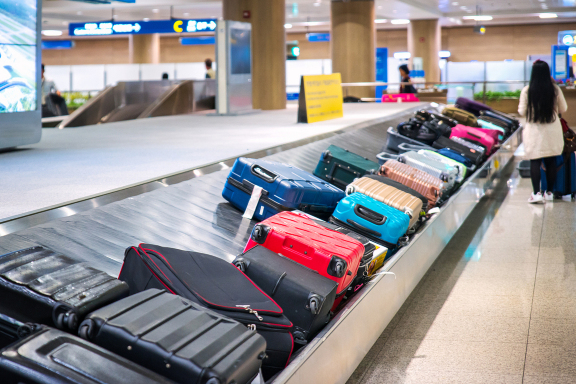
Through check-in baggage allows your checked luggage to be transferred automatically from your first flight to your final destination, even if your journey includes multiple flights or airlines. This means you don't need to collect and recheck your bags during layovers, simplifying your travel experience.
Understanding Interline Agreements
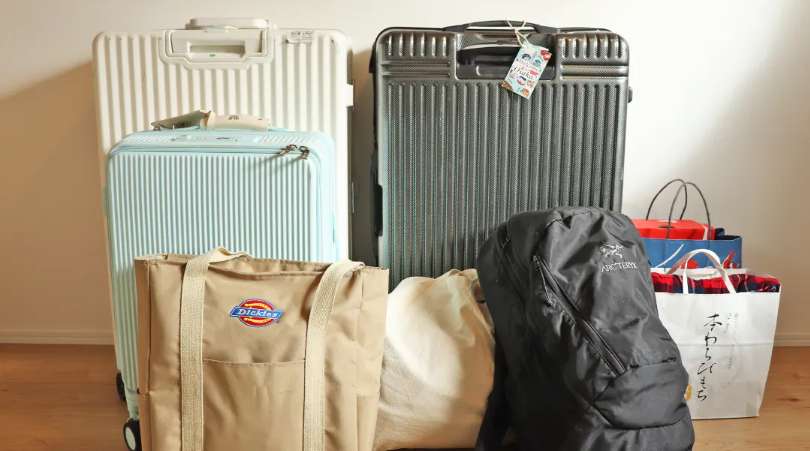
An interline agreement is a partnership between two or more airlines that facilitates the transfer of passengers and their baggage across different carriers. These agreements are crucial for through check-in baggage, as they enable airlines to coordinate the handling of your luggage throughout your journey.
When airlines have an interline agreement:
- Single Ticket Itineraries: If your flights are booked under a single ticket and the airlines involved have an interline agreement, your baggage will typically be checked through to your final destination.
- Separate Tickets: If your flights are on separate tickets, even with airlines that have an interline agreement, through check-in may not be guaranteed. Policies vary, and some airlines may require you to collect and recheck your luggage at each transfer point.
It's important to note that not all airlines have interline agreements, and policies can differ even among those that do. For example, some low-cost carriers may not participate in interline agreements, requiring passengers to handle their baggage transfers manually.
When Do You Need to Recheck Your Baggage During a Transfer?
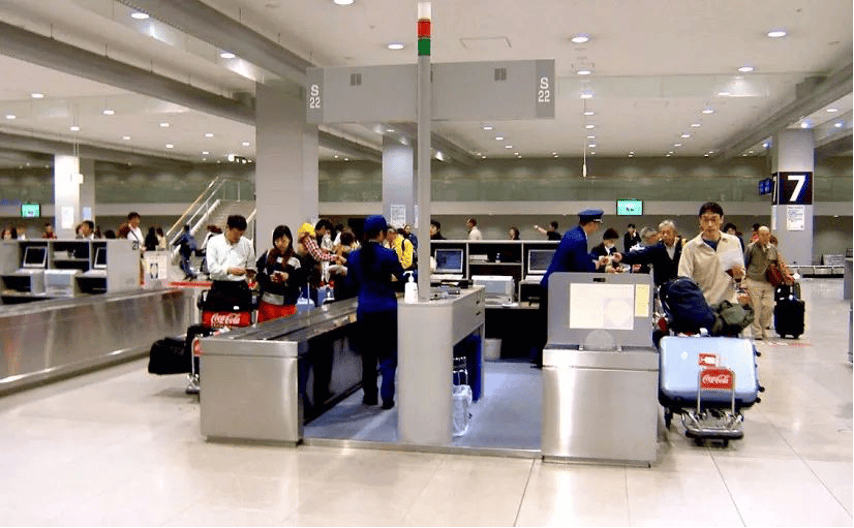
While through check-in baggage can streamline your journey, there are situations where you’ll still need to collect and recheck your luggage during a transfer. This usually happens when:
1. Flights Are Booked on Separate Tickets
If you purchase flights individually (i.e. not as a single itinerary), even if you're flying the same or partner airlines, those flights are treated as independent journeys. Most airlines do not offer through check-in for separate bookings, so you’ll likely need to:
- Collect your luggage at the first destination.
- Pass through immigration (if international).
- Recheck your baggage at the transfer airport for the next flight.
✅ Tip: Booking your entire trip under one itinerary via Trip.com significantly reduces this hassle.
2. One or More Airlines Are Low-Cost Carriers
Budget airlines such as AirAsia, Ryanair, or Scoot typically don’t participate in interline agreements. Even if your tickets are on the same booking, these airlines often do not transfer baggage between flights, meaning:
- You must claim your baggage upon landing.
- Re-enter the check-in area to drop off your luggage again.
✅ Tip: Check each airline’s baggage policy beforehand—some offer “fly-thru” services, but only under specific conditions.
3. Customs Requirements at Transfer Airports
In some countries—notably the United States, Canada, Australia, and China—you are legally required to:
- Passengers arriving on international flights connecting to domestic flights in China are typically required to collect baggage, clear customs, and recheck for domestic flights.
- However, some Chinese airlines and airports have been implementing through-check services for specific routes, particularly for tickets booked on a single itinerary with the same airline.
- Go through immigration and customs with your baggage.
- Recheck your bags before continuing your journey.
✅ Example: If you're flying from Tokyo to New York with a connection in Los Angeles, you must clear customs and recheck your bag in L.A.
4. Long Layovers or Overnight Transit
If your layover is longer than 24 hours (sometimes even 12 hours for certain airports), your luggage won’t be held by the airline. You must:
- Collect your baggage when arriving at the transfer airport.
- Store it or take it with you until it’s time to check in again for your next flight.
✅ Tip: Check layover durations and confirm with the airline if through check-in is still possible for longer transits.
5. Changing Between Terminals or Airports
When a transfer involves switching between:
- Different terminals, especially at large international hubs (e.g., Kuala Lumpur International),
- Or entirely separate airports (e.g., flying into Tokyo Narita and connecting via Haneda),
You usually need to retrieve your baggage, travel to the next terminal/airport, and then recheck it for the next flight.
✅ Tip: Make sure your transfer time accounts for transit between terminals or airports, which could include visa requirements and customs checks.
In these cases, you’ll need to retrieve your checked baggage at the transfer point, clear any required customs or immigration checks, and recheck your luggage for the next leg of your journey. Always confirm this with your airline at check-in to avoid surprises at the airport.
 NO.1
NO.1





























❓ Through Check-In Baggage Policy FAQ ✈️
-
2. When can I use through check-in baggage?
-
3. Do I need to collect my baggage during transit?
-
4. Does through check-in apply if I book separate tickets?
-
5. Do low-cost airlines offer through check-in?
Trending Researches
-
Popular Content
-
Top Flight Links
-
Popular Hotels
-
Popular Things to Do
-
Featured guides
-
Trip.com links
- Trip.com Customer Service
- Singapore Airlines Baggage Allowance
- Buy Now Pay Later
- Air China Baggage Allowance
- Best Day to Book Flights
- Trip.com VIP Lounge
- Singapore Custom Restrictions
- How to Use Trip com Promo Codes
- Best Credit Cards
- How to Book a Student Flight Ticket
- Trip.com Cancellation Policy
- Flight Classes Explained
- Trip.com Credit Cards
- Trip.com Payment Methods
- Trip.com Contact
- CZ5094 Flight Status
- QR947 Flight Status
- JT924 Flight Status
- QF3558 Flight Status
- SQ830 Flight Status
- SQ126 Flight Status
- GF166 Flight Status
- Plane tickets from Singapore to Kuala Lumpur
- Plane tickets from Singapore to Bangkok
- Cheap tickets from Singapore to Shanghai
- Cheap tickets from Kuala Lumpur to Singapore
- Cheap flights from Singapore to Ho Chi Minh City
- Cheap tickets from Urumqi to Bole
- Cheap tickets from Singapore to Hanoi
- Cheap tickets from Singapore to Beijing
- Hotels near Johor Bahru Senai International Airport
- Hotels near Furong Town
- Hotels near Nanjing Road Pedestrian Street
- Hotels near Guanxian Ancient City
- Hotels near Shenyang Railway Station
- Kuala Lumpur Hotels
- Zhenyuan County Hotels
- Dali City Hotels
- Guangzhou Hotels
- Shanghai Hotels
- JI Hotel (Chunxi Road, Shuncheng Main Street, Chengdu)
- Jinmao Pureal Mountain Lijiang
- Mercure Guangzhou Beijing Road Pedestrian Street Hotel
- Huangting International Hot Spring Hotel (Changbaishan Railway Station Erdao Baihe)
- Manshan Yise Lake View Hotel
- Malaysia 5G eSIM | Supports mainstream apps including TikTok, Google Maps & ChatGPT | Day Pass/Total Package | 24H Billing | 1-30 days | QR code
- Singapore 4G eSIM | Supports Google Maps / ChatGPT | Daily/Total Data Plans | 24-Hour Billing | 1–30 Days | QR Code
- Vietnam Airport VIP Fast Track Service
- VIP Fast Track service for immigration clearance at Tan Son Nhat Airport in HCM
- One-way Boat Ticket, 30-min High-Speed Direct to Hong Kong Airport with Baggage Check-Through
- Songpan High-Speed Rail Station/Ancient Town to Jiuzhaigou Shuttle Bus Optional Pick-up/Drop-off · Licensed Vehicles
- Mainland China 5G eSIM | Dual Network • All AI & TikTok | 1–365 Days | QR Code
- Shuttle Bus from Jiuzhaigou Entrance to Huanglong-Jiuzhaigou High-Speed Rail Station with Multiple Boarding Stops
- Water Activities in Jiangxi
- Ho Chi Minh City Walking Tours
- Taipei Travel Essentials
- Kyoto Tours with Hotel Pickup
- Melbourne Activities
- Wellness & Spa in Tokyo
- Honolulu Bus Tickets
- train to kl from singapore
- Shanghai Metro
- China Power Bank Limit
- mdac malaysia
- Renew Autopass Singapore
- Trip.com Customer Service
- Vietnam Arrival Card
- universal studios singapore tickets
- Anywheel Singapore
- 新加坡地铁图
- Batam Arrival Card
- Singapore Airlines Baggage Allowance
- Touch n Go App
- Buy Now Pay Later
- train from singapore to jb
- Big Transport from Tokyo to Fukuoka
- Frankfurt Airport to City
- Osaka Station to Kyoto Station
- Trip.com Promo Code
- Trip.com Flight Deals
- Trip.com Credit Card Promotions
- How to Book Cheap Hotels
- How to Book Cheap Flights
- Trip.com Member Rewards
- Trip Weekly Hotel Sales
- Online Hotel Booking
- Online Flight Booking
- Trip.com Travel Guide
- Book China Train Tickets
- Trip.com Seat Selection
- Singapore Public Holidays 2027
- Trip.com 优惠码
- Trip.com Travel Guides