An easy trip might easily become a costly burden due to excess luggage costs. Knowing how much various airlines charge for additional luggage and learning clever baggage management techniques are crucial for Singaporean travelers. You may have a more pleasurable, stress-free trip and steer clear of those unexpected fees at the airport with a little preparation. Here w e'll provide helpful advice in this article to help you save money on your trip and stay under your baggage allowance.
Purchase Extra Baggage Allowance in Advance

Buying extra baggage allowance before you get to the airport is one of the best ways to save money when traveling. You may save up to 50% by pre-booking your baggage online rather than paying for extra baggage at the check-in counter. Airlines are aware that it can be challenging to stick to strict weight or size restrictions, particularly on longer flights or when you are carrying souvenirs back from your vacation. Because of this, a lot of airlines provide customizable choices for adding baggage. Either by weight or by piece, either at the time of booking or subsequently via their website or mobile app.
Cheap airlines such as Scoot, Jetstar, and AirAsia, for instance, sometimes impose hefty airport penalties for overweight baggage, sometimes reaching SGD 20–30 per kilogram. On the other hand, their online prepaid luggage fees are far more reasonable and may be customized to your specific travel requirements. To make last-minute packing adjustments easier, several airlines even let you add extra luggage up to a few hours before departure. If you know you won't be traveling light, it's a good idea to pre-purchase your luggage allowance to avoid the hassle and extra charges at the airport. When it comes time to travel, one little action can save you money and hassle.
Weigh Your Luggage as You Pack

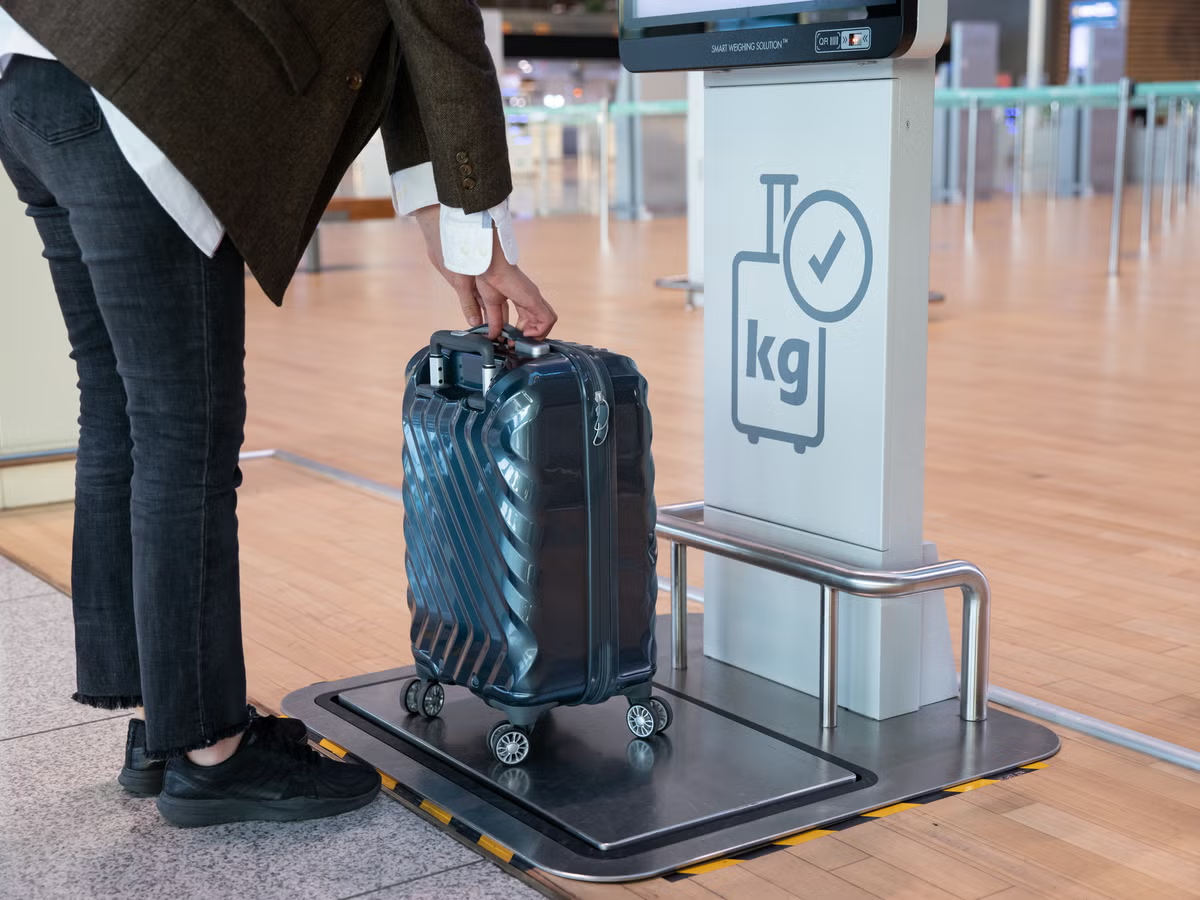
One of the simplest methods to avoid excess baggage costs is to weigh your bags when packing. Even though it might seem like a little matter, checking the weight of your suitcase might help you prevent the stress and cost of having to repack at the airport check-in desk. The night before your travel, if your suitcase is bursting , take a moment to think about what you really need. Take off any excess shoes or clothes you won't be wearing, then weigh yourself again. By taking this easy step, you can assist yourself avoid last-minute fees that certain low-cost airlines may charge as much as SGD 20–30 per kilogram.
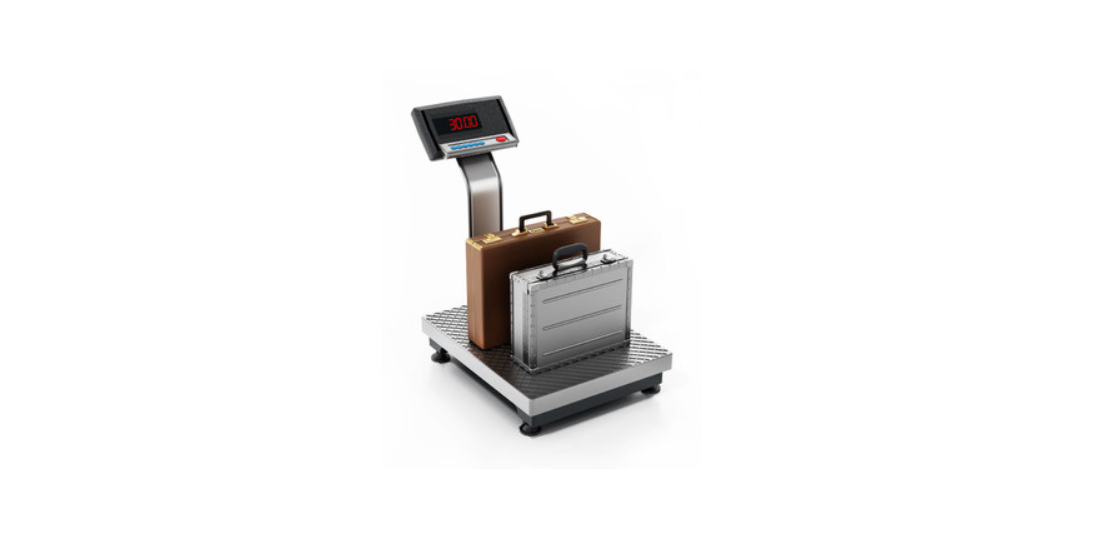
Instead of trying to weigh your suitcase on a bathroom scale, think about buying a handheld digital luggage scale. These scales are lightweight, reasonably priced, and easy to find online or at Singaporean travel stores. It's also useful to have one in your carry-on for the trip back, particularly if you intend to bring shopping or souvenirs.
Pro Packing Tips:
- Distribute weight evenly between checked and carry-on luggage to maximise your allowance.
- Use packing cubes to better organise and compress clothes, which can help save space and make repacking easier.
- Wear your heaviest shoes and jacket on the flight to free up luggage space.
- Always check your airline’s baggage policy, as weight and size limits can vary significantly between carriers.
Share Luggage with Your Travel Companion

Are you traveling with family or friends? Sharing checked baggage and spreading the weight among your group is a clever strategy to prevent excessive baggage fees. Just divide the weight between the two suitcases if one is overweight and the other is under the limit. By doing this, you can steer clear of needless expenses at the check-in desk.
Personal baggage allowances are strictly controlled by several airlines. Especially low-cost carriers flying out of Singapore. On the other hand, you can request that the airline weigh your bags collectively if you are traveling together. You might be able to combine your baggage allotment at certain check-in counters without having to physically repack. However, you may always change things about in a nearby toilet or an empty spot in the terminal if the regulations are strongly enforced.
Some full-service transporters such as Emirates and Qatar Airways have weight-based baggage rules rather than per-piece limits. So keep that in mind if you like to make reservations in advance. For instance, you can split a 40 kilogram luggage allowance among two or more bags, regardless of who owns them, provided that their total weight doesn't go over the allotted amount.
💡Extra Tips for Group Travellers:
- Plan your packing in advance to prevent duplicates of chargers, hair dryers, and toiletries.
- Use a portable luggage scale to weigh each bag in advance and make adjustments at home instead of the airport.
- If you're travelling as a family, assign heavier items (like shoes or electronics) to younger travellers or those with lighter luggage.
- Consider booking baggage as a group when purchasing tickets, as some airlines offer bundled discounts for shared weight limits.
Use Lightweight Luggage for Maximum Space

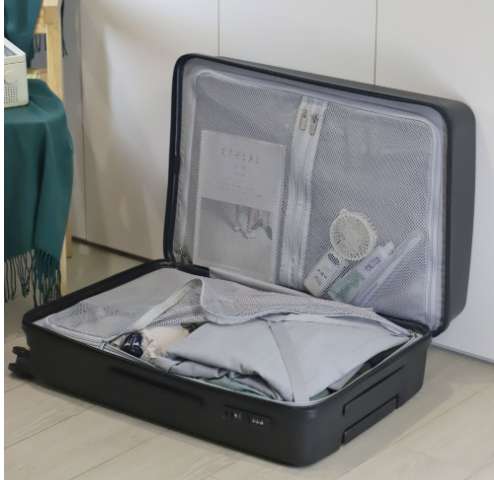
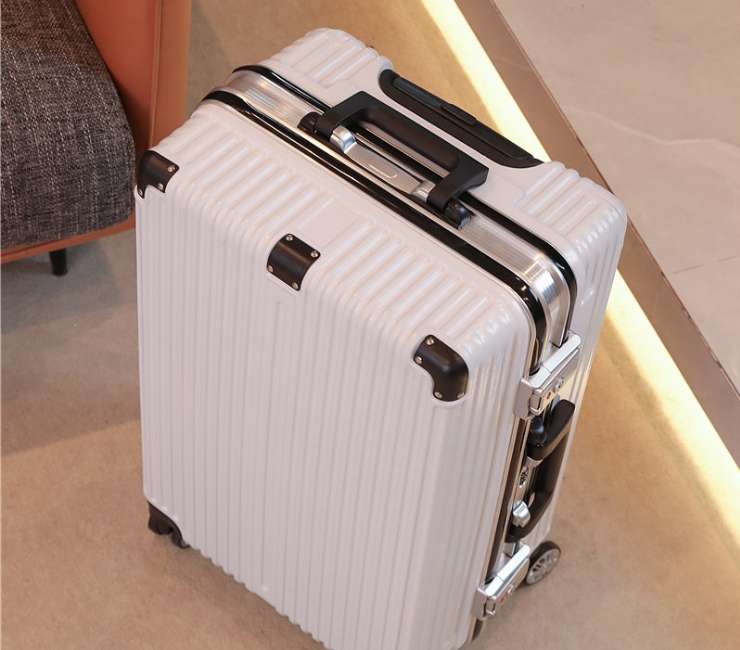
When it comes to avoiding excess baggage costs, the actual offender may not be your extra pair of shoes—it could be your luggage. Many travelers don't realize that traditional or older hard-shell luggage can weigh a lot. Which lowers your weight limit before you've even begun packing. For example, modern lightweight luggage might weigh as little as 2.2 kg. But an average medium-sized suitcase may weigh about 4.1 kg. By using a lighter bag, you can save about 2 kg of packing space. Over time, luggage makers have created incredibly lightweight and durable suitcases that are perfect for air travel, especially for Singaporean tourists traveling on weight-conscious low-cost carriers.
If you're going on a short trip or planning to travel light, consider using a sturdy canvas duffel bag or a travel backpack. These options are not only lighter and more flexible but also easier to store and carry, especially when navigating tight airport spaces or public transport during your travels.
Extra Tips for Choosing Lightweight Luggage:
- Compare empty bag weights before buying — even bags of the same size can vary by 1–2kg.
- Look for luggage made from materials like polycarbonate, ripstop nylon, or high-grade polyester, which offer durability without bulk.
- Choose bags with fewer compartments or built-in hardware, as these features often add weight.
- For carry-on bags, make sure the dimensions comply with your airline's rules — weight is just one part of the equation.
Make Full Use of Your Cabin Baggage Allowance – Singapore Airlines Edition

Making use of your cabin luggage allowance is one of the best ways to save excess baggage fees, especially when flying with full-service airlines like Singapore Airlines. You can cut down on the quantity of checked luggage you require. In certain situations, avoid paying for additional baggage entirely by packing carefully.
In addition to one piece of cabin luggage, which can weigh up to 7 kg, customers flying in Economy Class on Singapore Airlines are permitted to bring one compact personal item, such as a camera bag, laptop bag, or purse. Passengers traveling in Business and First Class are permitted to bring two pieces of cabin luggage, each weighing no more than 14 kg. This is a fantastic chance to reduce the weight of your checked luggage by packing heavy and costly goods, such as electronics, travel documents, or even a change of clothes, into your carry-on bag.
Tips for Maximising Your Cabin Baggage with Singapore Airlines:
- Use a lightweight cabin-sized suitcase or a sturdy backpack that fits within the size limit of 56cm x 36cm x 23cm.
- Choose a spacious personal item, like a tote or laptop backpack, to carry essentials such as chargers, medication, and toiletries.
- Pack heavier items in your carry-on, and leave lighter, bulkier items (like jackets or laundry) in your checked bag.
- Wear your heaviest shoes and jacket during boarding to reduce carry-on weight.
- Keep in mind that Singapore Airlines strictly enforces the 7kg limit, so it’s a good idea to use a portable luggage scale to check your baggage before heading to the airport.
Excess Baggage Fees by Airlines: What Singaporean Travellers Should Know

Whether you're on a small regional trip or a long-haul flight, exceeding your luggage allowance can result in surprise costs at the airport. Here is a comparison of excess baggage costs for well-known airlines that Singaporeans frequently fly with, including those from Malaysia, China, and the Philippines, to assist you make smarter travel plans.
| Airline | Excess Baggage Fee |
|---|---|
Scoot (Singapore) | HKD 115 per 1kg, HKD 345 per 3kg, HKD 575 per 5kg, per trip |
Singapore Airlines | Approx. USD 15–100 per kg or per piece (varies by route and class) |
AirAsia (Malaysia) | Rates vary based on route and booking method; from approx. MYR 52 for 15kg online |
Jetstar Asia (Singapore) | Approx. HKD 780 for up to 14kg additional carry-on (conditions apply) |
Cebu Pacific (Philippines) | Approx. PHP 300–1,000 per kg or flat fees per 15/20/30kg package (booked online) |
Philippine Airlines | Approx. USD 10–30 per kg or USD 100 per piece (depending on route) |
China Southern Airlines | Approx. CNY 100–300 per kg (varies by route and class) |
China Eastern Airlines | Approx. CNY 110–290 per kg or USD 100+ per piece (depending on zone) |
Cathay Pacific (Hong Kong) | Approx. HKD 468–1,170 per bag (depending on flight region) |
Emirates | Approx. HKD 117–390 per kg (varies by route) |
Malaysia Airlines | Excess fees vary: from MYR 45 per kg or flat fees depending on route/class |
HK Express | HKD 120 per kg |
Etihad Airways | Approx. HKD 187–421 per kg; US/Canada flights: HKD 2,108–2,811 per bag |
Smart Baggage Tips for Singapore Travellers:
- Book online early to save more — excess baggage fees at the airport can be up to twice as expensive.
- Use a digital luggage scale at home to check the weight and avoid surprises.
- If you're flying with multiple airlines, check which airline’s baggage policy applies to your entire itinerary — it’s often the strictest.
- Compare airlines' baggage add-on prices during flight booking, especially when flying with budget carriers.
Final Tips for Avoiding Excess Baggage Fees

Excess luggage fees may quickly add up and disrupt the beginning of any trip. However, you may prevent last-minute worry and unnecessary costs by doing a little preparation. Whether that means weighing your luggage at home, ordering additional baggage online, or selecting airlines with higher allowances. Singaporean travelers can travel more effectively and consistently have an enjoyable time by packing carefully and conducting some research.
Frequently Asked Questions: Excess Baggage Fees
How can I avoid paying excess baggage fees when flying from Singapore?
You can avoid excess baggage fees by booking additional baggage allowance online in advance, using a portable luggage scale to weigh your bags before heading to the airport, sharing luggage weight with travel companions, and making full use of your cabin baggage allowance.Do all airlines charge excess baggage fees by weight?
No, excess baggage fees depend on the airline’s policy. Some airlines charge by the number of pieces, while others charge based on the total weight of your baggage. It’s important to check your specific airline’s rules before travelling.Can I share my baggage allowance with a friend or family member?
Some airlines allow you to combine or share baggage allowances, especially if you purchase a total weight allowance instead of per piece. It’s best to confirm with your airline, as policies vary.Are excess baggage fees cheaper if I pay online or at the airport?
Paying for extra baggage online before your flight is generally much cheaper than paying at the airport. Most airlines offer discounted rates for online pre-booking, so it’s recommended to plan ahead.