Rome Map: Top Attractions, Stunning Neighbourhoods & Travel Guide
Planning a trip to Rome? From the Colosseum and Trevi Fountain in the historic centre to Vatican City across the Tiber River, each part of Rome has something different to offer.
Whether you're planning a three-day city break or a longer Italy holiday, use this guide to organise your itinerary and discover the best of Rome.
This Rome map guide breaks down the city's main districts, attractions, transport connections, and food neighbourhoods.
Check Flight Prices Today
See all flights

Understanding the Rome Map
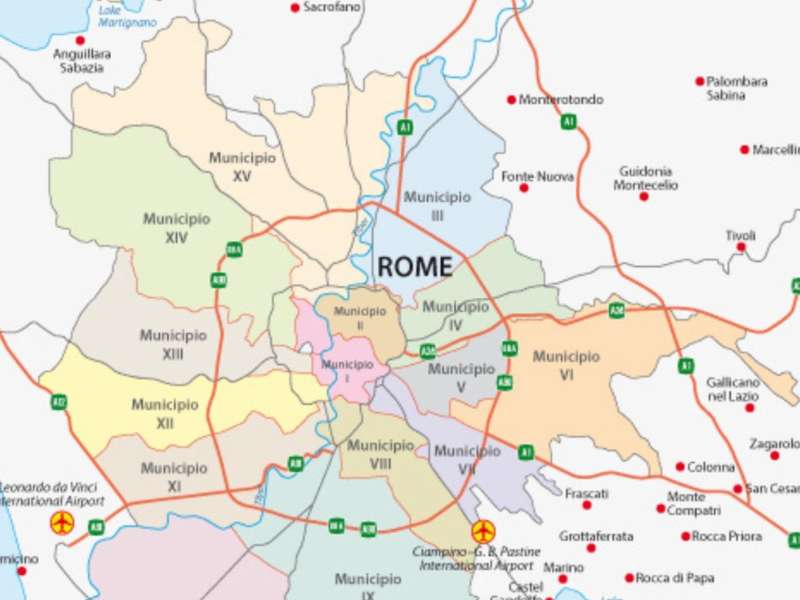
Rome is a large city with a historic centre surrounded by residential neighbourhoods, green spaces and modern urban districts. Unlike cities with a simple grid layout, Rome has winding streets, small piazzas and ancient roads that have developed over thousands of years.
One of the easiest ways to understand the Rome map is to use the Tiber River (Fiume Tevere) as your main geographical reference. The river runs through the city from north to south, separating several historic neighbourhoods and providing a useful guide when planning your sightseeing routes.
Rome is also organised into different administrative areas:
- Rioni: These are the traditional historic districts of central Rome, many of which date back centuries. Examples include Monti, Trastevere, Testaccio and Campo Marzio.
- Quartieri: These are larger modern urban districts located both inside and outside the historic centre.
- Municipi: Rome is administratively divided into 15 municipalities, each covering several neighbourhoods.
For visitors, it is generally more useful to understand Rome by its main sightseeing zones rather than memorising every administrative boundary.
Rome Map by Neighbourhood: A District-by-District Guide for Visitors
Once you understand the main layout of Rome, the next step is choosing which neighbourhoods deserve a place in your itinerary.
Each district has a different atmosphere. Some are better for sightseeing and shopping, while others are ideal for food, relaxing walks or accommodation.
Campo de' Fiori & Jewish Ghetto: Culture and History on the Rome Map

Located in the historic centre, Campo de' Fiori and the Jewish Ghetto are two neighbouring areas that offer a fascinating look at Rome's cultural history.
Some highlights include:
- Portico d'Ottavia: Ancient Roman ruins within the historic Jewish Ghetto.
- Great Synagogue of Rome: An important landmark of the city's Jewish community.
- Teatro di Marcello: An ancient Roman theatre located nearby.
- Traditional Jewish-Roman cuisine: Look out for dishes such as carciofi alla giudia, a deep-fried artichoke speciality.
This is a lovely area to explore at a relaxed pace especially if you enjoy local markets, historic streets and food experiences.
Villa Borghese & Parioli: Rome's Green Lungs on the Map
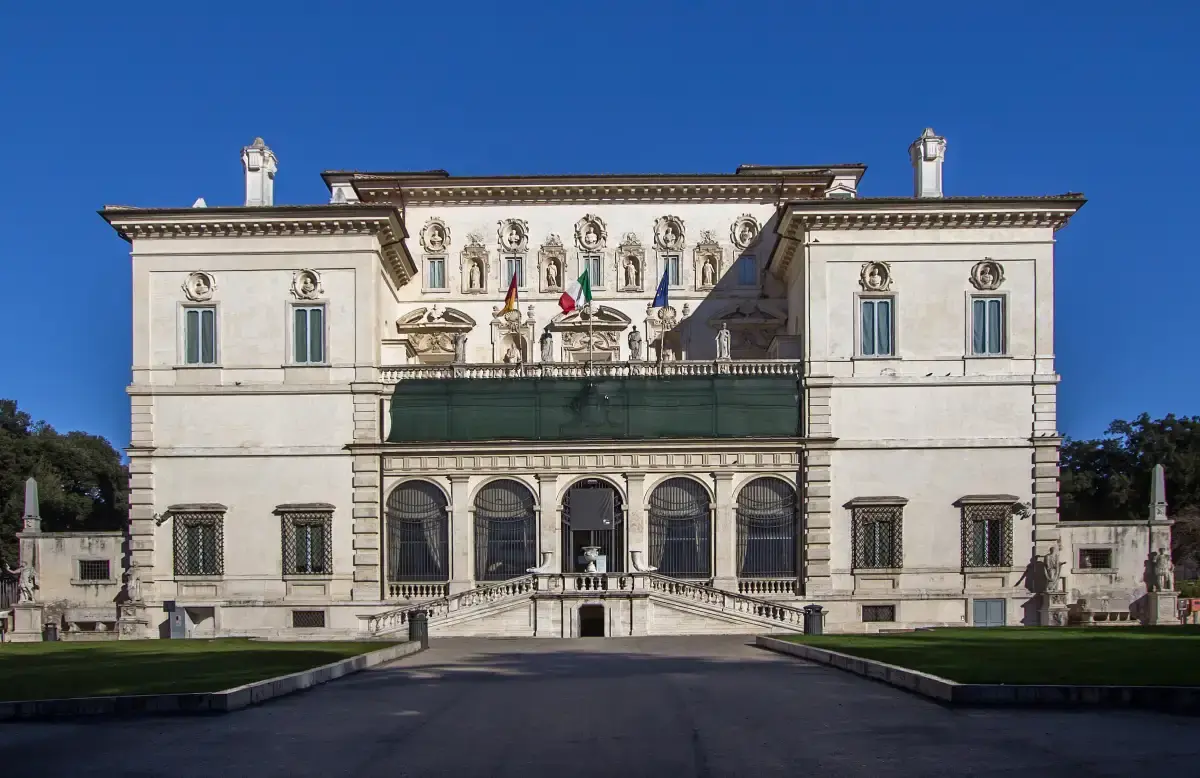
If you need a break from Rome's busy streets, head north towards Villa Borghese, one of the city's most beautiful green spaces.
The park covers a large area and offers landscaped gardens, walking paths, fountains, small lakes and scenic viewpoints. It is particularly suitable for families, couples and travellers who enjoy spending time outdoors.
One of its biggest attractions is the Galleria Borghese, an art museum housed in a historic villa. Its collection includes remarkable sculptures by Bernini and paintings by Caravaggio, Raphael and Titian.
Remember to book ahead: Reservations are mandatory for all visitors, including those eligible for free admission. Museum visits operate in timed slots, so plan your visit before heading to the park.
Further north is Parioli, an upscale residential neighbourhood known for its elegant buildings, quieter streets, restaurants and green surroundings. It is less central for first-time sightseeing, but offers a more residential side of Rome.
How to Use a Rome Map: Navigation Tips for Singaporeans
Rome is a wonderful city to explore but its street can be confusing if you're visiting for the first time. Some roads are narrow and winding, while others lead into pedestrian-only squares or historic areas where cars are restricted.
A digital map such as Google Maps is useful for finding attractions, checking walking distances and locating public transport stops. However, having an overview of the city's main districts will make planning much easier.
Here are some practical ways to navigate Rome:
- Save your attractions before travelling: Pin the Colosseum, Vatican City, Trevi Fountain and other must-visit places on Google Maps so you can see which attractions are close together.
- Group nearby attractions: Plan your sightseeing by neighbourhood instead of travelling across Rome several times in one day.
- Check walking routes carefully: A journey that looks short on the map may involve stairs, uneven cobblestones or busy roads.
- Use public transport for longer distances: Rome's metro, buses and trams are useful when travelling between neighbourhoods.
- Download an offline map: Save a map of Rome before leaving Singapore so you can still access important locations when mobile data is unavailable.
Rome Metro Map: Getting Around Underground
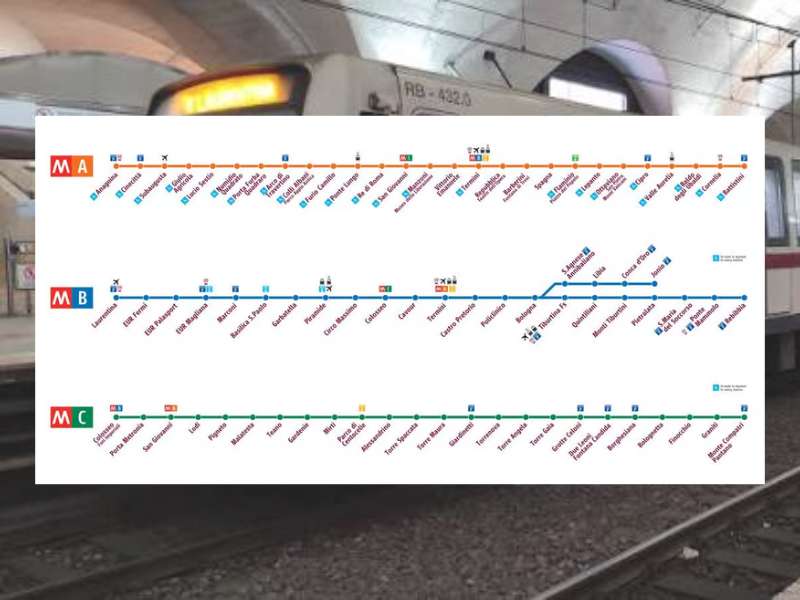
Rome's metro system is relatively small compared with Singapore's MRT network but it is useful for reaching several major attractions and transport hubs.
Metro line | Main stations and connections | Useful for |
Line A (Orange) | Termini, Barberini, Spagna, Flaminio, Ottaviano, Cipro | Spanish Steps, Trevi Fountain area, Vatican Museums |
Line B (Blue) | Termini, Cavour, Colosseo, Circo Massimo, Piramide | Colosseum, Monti, Circus Maximus and connections towards Testaccio |
Line C (Green) | San Giovanni, Colosseo and stations further east | Exploring eastern Rome and connecting with Lines A and B |
A few things to remember when reading the Rome metro map:
- Termini is the main interchange between Lines A and B.
- Spagna is the closest metro station to the Spanish Steps.
- Barberini is a convenient station for reaching the Trevi Fountain on foot.
- Ottaviano is useful for visiting St Peter's Square, while Cipro is convenient for the Vatican Museums.
- Colosseo is the station for the Colosseum and Roman Forum area.
Walking Rome: The Best Pedestrian Routes Using the Rome Map
Walking is one of the best ways to experience Rome. Many of its most famous attractions are located within the historic centre, where you can easily combine sightseeing with coffee stops, shopping and traditional Italian meals.
1. Classic Rome Walking Route
Suggested duration: 3–6 hours, excluding extended attraction visits
This route covers several of Rome's most recognisable ancient and historic landmarks.
- Colosseum - Start at Rome's famous amphitheatre and admire its impressive ancient architecture.
- Roman Forum - Walk towards the archaeological ruins that once formed the centre of ancient Roman public life.
- Capitoline Hill - Continue towards one of Rome's historic hills for beautiful views of the Roman Forum.
- Pantheon - Head into the historic centre to visit this remarkable ancient temple.
- Trevi Fountain - Stop at the famous fountain and toss a coin over your shoulder if you want to follow the local tourist tradition.
- Spanish Steps - Finish near Piazza di Spagna, where you can enjoy some shopping or a relaxing coffee.
2. Neighbourhood Stroll: Trastevere to the Jewish Ghetto
Suggested duration: 2–3 hours, excluding dining stops
If you prefer a slower day filled with local culture and food, this route takes you through some of Rome's most characterful neighbourhoods.
- Trastevere - Begin with a walk through the neighbourhood's narrow streets and visit Piazza di Santa Maria in Trastevere.
- Ponte Sisto - Cross this historic pedestrian bridge over the Tiber River towards the city centre.
- Campo de' Fiori - Explore the lively square, browse the market if visiting in the morning, or stop for a drink.
- Jewish Ghetto - Continue towards the historic Jewish neighbourhood to discover its architecture, history and traditional food.
- Piazza Venezia - End your walk near the impressive Vittoriano monument, with plenty of nearby connections to other attractions.
Both routes are best enjoyed with comfortable walking shoes and some flexibility. Rome is full of little streets and unexpected discoveries, so don't be afraid to take a short detour when something catches your attention.
Top Attractions Pinned on the Rome Map: Must-Visit Sights
Rome has so many attractions that trying to visit everything in one trip can be overwhelming. A useful way to organise your sightseeing is to divide the city into eastern, central, northern, and western zones.
This approach also helps you avoid unnecessary journeys between attractions that are far apart.
Eastern Rome Map: The Archaeological Zone
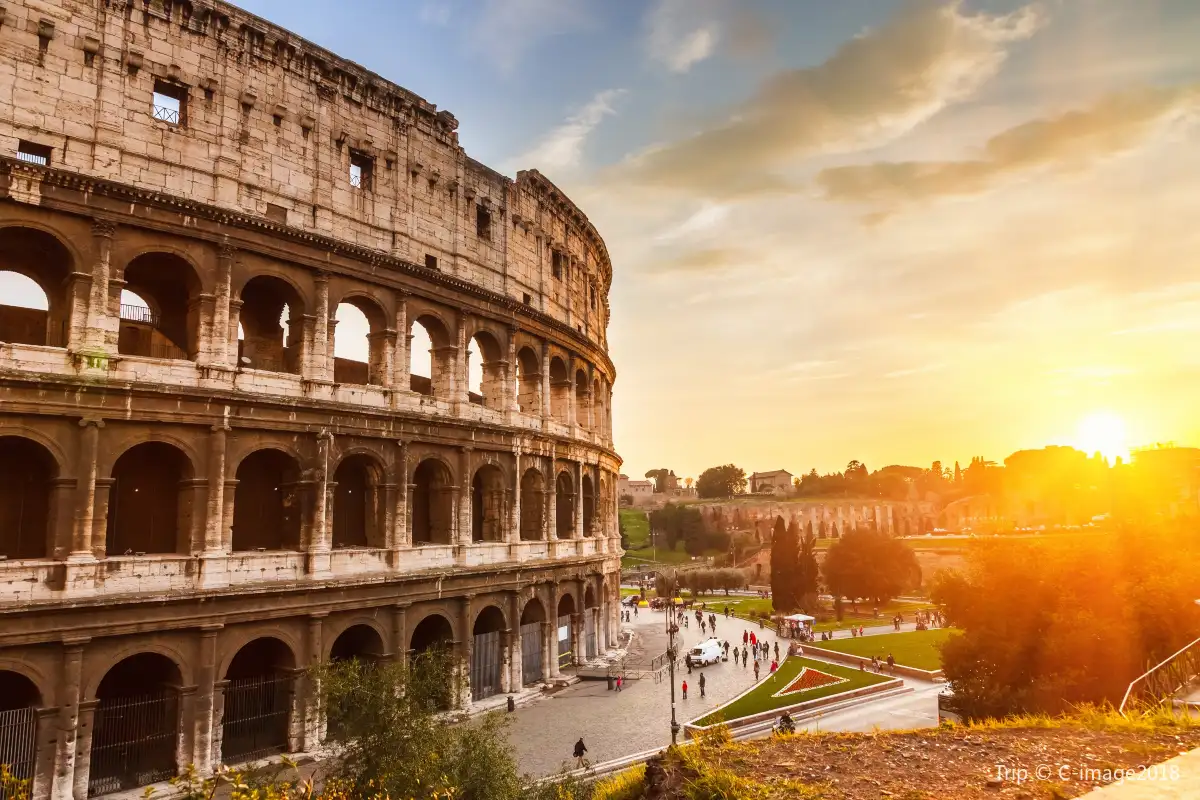
The eastern-central part of Rome is home to some of the most important archaeological landmarks in the world.
This is where you'll find the remains of ancient Roman civilisation, including temples, public spaces and imperial monuments.
Attraction | Highlights | Suggested visiting time |
Explore the famous amphitheatre and learn about ancient gladiatorial contests. | 1–2 hours | |
Discover the ruins of ancient government buildings, temples and public squares. | 1–2 hours | |
Palatine Hill | See the remains of imperial residences and enjoy elevated views. | 1 hour |
Circus Maximus | Visit the former chariot-racing stadium, now a large open archaeological space. | 30–45 minutes |
Baths of Caracalla | Explore the impressive remains of an ancient Roman public bath complex. | 1 hour |
The Colosseum, Roman Forum and Palatine Hill are particularly convenient to visit together. They form a major archaeological complex, so consider purchasing a suitable combined ticket and allowing enough time to explore.
The Baths of Caracalla and Circus Maximus are further south. You can add them to your itinerary if you have extra time or are particularly interested in Roman history.
Central Rome Map: Baroque Splendour and Hidden Piazzas
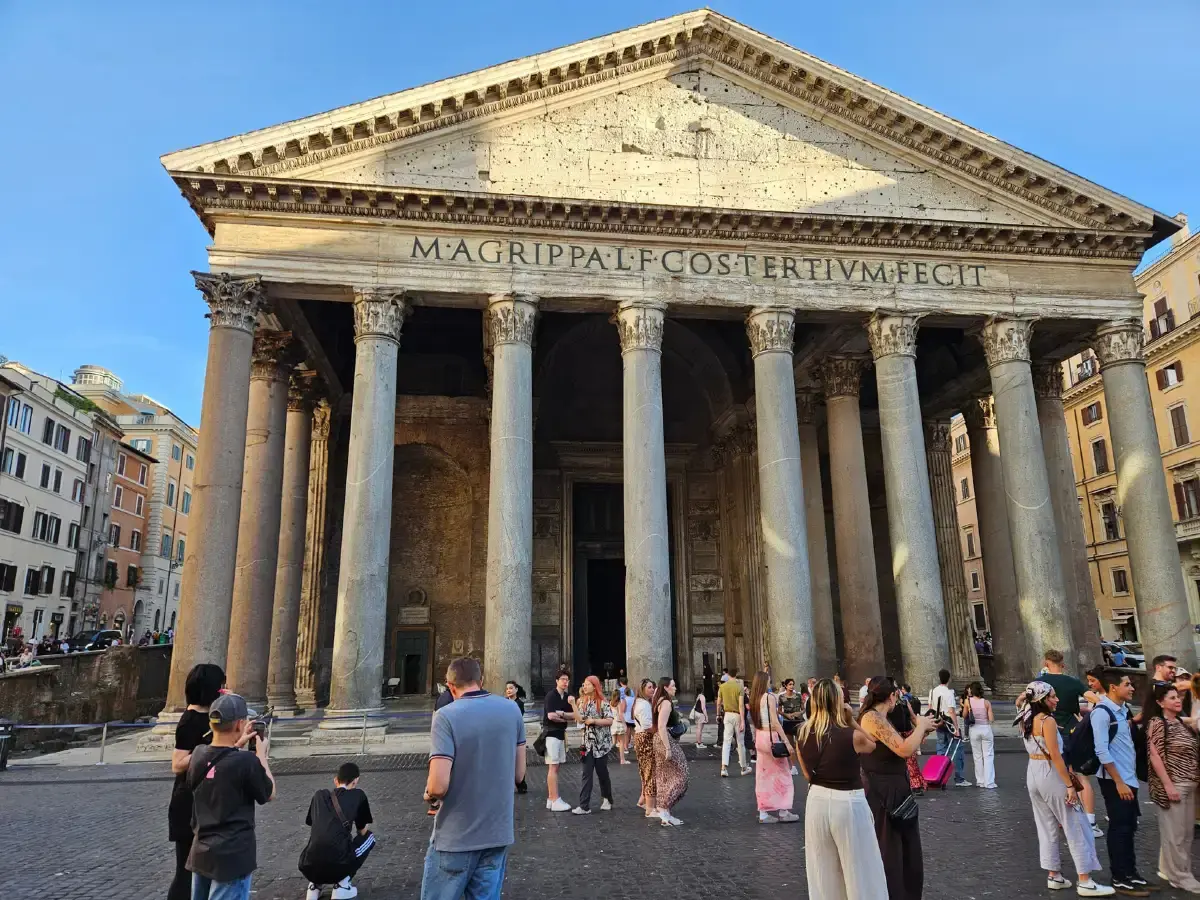
Central Rome is where the city feels especially lively. Beautiful fountains, historic churches, charming squares and narrow shopping streets appear around almost every corner.
This area is ideal for travellers who enjoy exploring on foot because many attractions are relatively close to one another.
Attraction | Why visit |
Admire its famous dome and impressive ancient engineering. | |
Trevi Fountain | See one of the world's most famous fountains and take memorable photos. |
Piazza Navona | Enjoy Baroque architecture, fountains, cafés and street performances. |
Piazza del Popolo | Discover a grand historic square near the northern entrance to the old city. |
Campo de' Fiori | Browse the morning market and enjoy the surrounding restaurants. |
A good way to explore this area is to start at the Pantheon, continue towards Piazza Navona, then make your way to Trevi Fountain. You can finish at Piazza del Popolo or extend your walk towards the Spanish Steps.
Don't rush through this part of Rome. Some of the best experiences come from sitting at a pavement café, enjoying a gelato or simply watching the city go by.
Northern Rome Map: Spanish Steps, Borghese Gallery & Villa Borghese
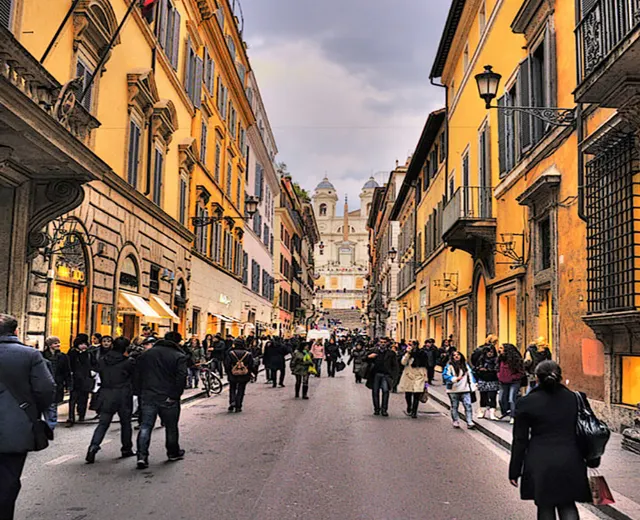
Northern Rome offers a slightly different atmosphere, combining luxury shopping, art galleries and peaceful green spaces.
The Spanish Steps are one of the area's best-known landmarks. Located at Piazza di Spagna, this famous staircase connects the square with the Trinità dei Monti church above.
Just nearby is Via Condotti, one of Rome's most prestigious shopping streets. It is lined with luxury fashion boutiques, making it a popular destination for visitors interested in Italian designer brands.
Further north, you'll find Villa Borghese and the Borghese Gallery. The Borghese Gallery requires advance reservations, so secure your preferred entry slot before travelling. For an enjoyable day in this area, consider the following stops:
- Spanish Steps: Admire the staircase and surrounding historic buildings.
- Via Condotti: Browse luxury boutiques and Italian fashion labels.
- Piazza del Popolo: Visit the impressive square and nearby churches.
- Villa Borghese: Take a relaxing walk through the gardens.
- Borghese Gallery: Explore its renowned collection of sculptures and paintings.
Western Rome Map: Vatican City and Castel Sant'Angelo
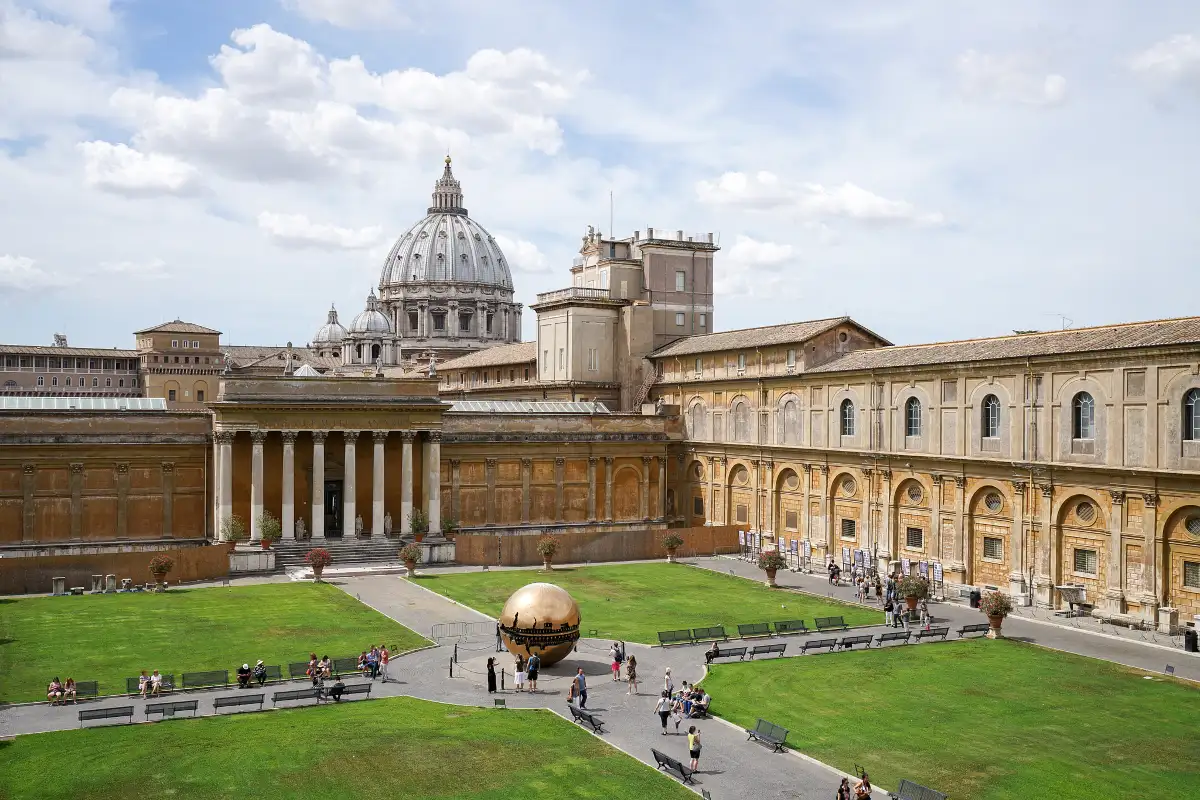
The western side of the Rome map is dominated by Vatican City and the beautiful riverside surroundings.
The Vatican attractions are close to one another, making this area suitable for a full day of sightseeing.
Attraction | What to see |
Extensive collections of art, sculptures and historical objects. | |
Sistine Chapel | Michelangelo's famous ceiling frescoes and The Last Judgment. |
St Peter's Basilica | An extraordinary church with beautiful architecture and religious artworks. |
St Peter's Square | A grand open square surrounded by Bernini's famous colonnades. |
A historic fortress overlooking the Tiber River, with panoramic city views. |
A good sightseeing route is to start with the Vatican Museums and Sistine Chapel, then visit St Peter's Square and Basilica. Afterwards, walk along Via della Conciliazione towards Castel Sant'Angelo.
Also, check the Vatican's official visitor information before your visit, particularly around religious events, public holidays and special ceremonies.
🔥Save More with Up to 5% OFF
Use our promo code to enjoy up to 5% OFF (up to S$3) on your attraction tickets, tours and eSIMs! Only for new users!
Where to Stay in Rome: Accommodation Zones on the Rome Map
Choosing the right neighbourhood can make a big difference to your Rome holiday. While the historic centre is convenient for sightseeing, other districts may offer better hotel prices, transport connections or a more local atmosphere.
Here is a quick comparison of Rome's main accommodation areas.
Neighbourhood | Best for | Main advantages |
Historic Centre | First-time visitors and couples | Walking distance to famous landmarks, restaurants and shopping |
Monti | Culture lovers and boutique stays | Charming streets, cafés and easy access to the Colosseum |
Prati | Families and Vatican visitors | Quieter atmosphere, elegant streets and Metro Line A |
Trastevere | Foodies and nightlife lovers | Traditional trattorias, bars and lively evening atmosphere |
Termini and Esquilino | Budget travellers | Convenient rail and metro connections |
Piazza di Spagna | Luxury travellers and shoppers | Upscale hotels, designer boutiques and central sightseeing |
Testaccio | Food lovers and repeat visitors | Traditional Roman cuisine and a more local atmosphere |
My recommendation: Consider staying in the Historic Centre, Monti or Prati such as IQ Hotel Roma and Hotel Raffaello.
These areas offer a good balance of sightseeing convenience, restaurants and transport access. If you're planning to visit several Italian cities by train, staying near Termini may be more practical.
For Singaporeans planning a longer Italy holiday, you can also consider splitting your stay between Rome and another city such as Florence or Naples rather than booking one hotel for the entire trip.
Top Hotels in Rome
5 star
Great100 Reviews
Termini Central Station Rome|0.44km from downtown
The hotel is a few minutes from the train station, and it's very convenient to get to Rome's attractions by bus or metro. The breakfast was very rich and delicious, and they even had raw honeycomb! The fruit was fresh, and the room was large and very clean. The staff were polite and even called guests during their stay to check on them, which was very thoughtful. If we could, we'd love to stay a few more days. Highly recommended!FromMXN$4,982
Great113 Reviews
Monti Rome|1.08km from downtown
Facilities: The hotel is a renovation of an old house, and has the common problems of old European hotels.
Hygiene: The sanitation conditions are good, and there are some sanitation blind spots, but they are not often used.
Environment: The hotel is located in a relatively balanced location, and the walking distance to each check-in point is basically controlled within 15 minutes
Service: The service attitude is very good and can answer many questionsFromMXN$4,127
Very Good46 Reviews
Termini Central Station Rome|0.34km from downtown
Location is excellent as it allows traveler to go from the central railway station to the hotel by a walk (5 mins) and avoid queuing for taxi that in Rome are notoriously rare and scam tourist and Italians alike. Downside is that at night (I'd suggest avoiding walking around past 10pm) the area is unsafe due to the large numbers of homeless people wandering around. Hotel itself was great, polite and helpful staff, beautiful setting (in particular the dining/breakfast area) and nice rooms, quite spacious by Rome standard. Breakfast was good, specially if you prefer a sweet breakfast (excellent cakes!) but somewhat lacking of savory options.FromMXN$5,452
Great121 Reviews
Termini Central Station Rome|0.08km from downtown
Hotel location is good and easy to walk around to see several of the attractions and get food. Only issue we had was the rooms had ants in the original room we were in. However the hotel did take care of it and apologized. If our room did not have the issue with the ants it would be 5 stars all.FromMXN$10,646
Very Good58 Reviews
Navona Rome|2.55km from downtown
This was the most affordable Indigo I've stayed at, located next to galleries and some Papal properties. Upon check-in, the hotel provided a map, and it's about a 10-minute walk to the Vatican. The room's mini-bar offered complimentary snacks, and breakfast was quite substantial. There's a flea market next to the hotel; I checked it out one evening. Nearby, there's also a family-run takeaway called Grano Street Food, and their lasagna is especially delicious.FromMXN$4,901
Great72 Reviews
Spagna Rome|1.1km from downtown
Excellent location, beautiful and comfortable environment, two restaurants have their own characteristics, breakfast is rich and exquisite, the service is warm and courteous, especially the front desk staff actively help solve the difficulties, I am very grateful!FromMXN$29,352
Business travel
Good259 Reviews
Rome|11.79km from downtown
★★★★★ 5/5 – Excellent Stay at Hotel Roma Tor Vergata
We had a wonderful stay at Hotel Roma Tor Vergata with a group of 3 friends. We really enjoyed our time there and would definitely recommend this hotel to others visiting Rome.
The rooms were clean, comfortable, and well maintained. The hotel facilities were also very good, clean, and well organized. It was a great place to relax after spending the day exploring Rome.
The staff were friendly, helpful, and professional throughout our stay. Everything was handled smoothly, and the staff made us feel very welcome.
Overall, we had a fantastic experience. The combination of comfortable rooms, good facilities, friendly service, and a pleasant atmosphere made our stay very enjoyable. We would happily come back again on our next trip to Rome.
Highly recommended, especially for friends travelling together! 🇮🇹❤️FromMXN$1,005
Very Good50 Reviews
Termini Central Station Rome|0.31km from downtown
The room was quite clean and tidy, but a bit small, and the desk was tiny too. The indoor lighting was too dim, and the soundproofing wasn't great. Breakfast was decent, though the stir-fried vegetables were too salty. The location was very convenient, just a few minutes' walk to Tetmini train station. I'd still stay here again next time.FromMXN$2,207
Great155 Reviews
Termini Central Station Rome|0.3km from downtown
The room was very spacious. The triple room had one large bed and one small bed, each in a separate area, ensuring privacy. The hotel itself is new and modern. It's conveniently located next to a thousand-year-old bathhouse ruin, and close to the train station, making subway access very easy. The croissants at the hotel breakfast were delicious, and the coffee was freshly made.FromMXN$2,107
Great373 Reviews
Termini Central Station Rome|0.42km from downtown
Great location, spacious room, and decent facilities. The hotel is only a 3-minute walk from the train station, and taxis are easily accessible. There are plenty of restaurants and convenience stores downstairs. Just a heads-up, there are quite a few street vendors, mostly young black men, who might try to sell you things. Just pretend you don't understand.FromMXN$3,537
Good96 Reviews
Termini Central Station Rome|1.18km from downtown
It was ok for an overnight stay. No tea or coffee making facilities. Room & bathroom old & tired but price reflects this I suppose.FromMXN$1,450
Very Good258 Reviews
Termini Central Station Rome|0.3km from downtown
This was our last stop on our Europe trip, and by far the most comfortable hotel we've stayed in during our three weeks. The room was spacious and bright, well-equipped, and the housekeeping service was warm and attentive. The breakfast offered a great variety of delicious options. The hotel lobby is bright and offers complimentary luggage storage. Next time I'm in Rome, this will definitely be my top choice! 👍FromMXN$2,243
Family friendly
Very Good54 Reviews
Termini Central Station Rome|0.38km from downtown
Had a fantastic stay at a hotel in Rome.
First off, the location was superb; we could walk to all the major attractions, and a taxi ride was usually under ten minutes, which was incredibly convenient.
The hotel's common areas and rooms were exquisitely designed. The room itself was very clean and well-equipped with amenities like a minibar, coffee machine, and wine accessories. We booked a family room, which even came with a lovely little courtyard – it was so quiet and comfortable.
Highly recommend this hotel!FromMXN$2,613
Very Good164 Reviews
Garbatella Rome|4.17km from downtown
I recently stayed at this hotel and while there were a few positives, the overall experience was disappointing due to a series of overlooked details and frustrating issues.
To start with the good—the staff were great: friendly, helpful, and informative. They made an effort to assist whenever asked, and that hospitality was appreciated. The location was decent, about a 30-minute bus ride to the city center. It’s not exactly central, but manageable if you’re okay with the commute.
The room was reasonably clean upon arrival, but the quality of housekeeping declined quickly. A lotion stain I accidentally left on the shower floor was never cleaned, and instead of actually scrubbing the area, housekeeping simply placed a mat over it—as if to hide it. Initially, the room came stocked with two sets of towels, but after the first day, only one of each was replaced. While the booking was for one person, maintaining the original quantity would have shown a bit more care and consistency.
There were several small inconveniences that added up. For example, the room phone had no directory, so I had no idea how to contact the front desk or reach any services. On top of that, the air conditioning didn’t work for the first two days, which turned out to be because the previous guest had asked for it to be turned off, and it was never reset. It took me that long to realize I had to ask the concierge to enable it again. In a properly managed hotel, the AC should be reset and ready for the next guest without needing to make a request.
The continental breakfast was another letdown. The scrambled eggs were dry, lumpy, and had a strange grey tint. The bacon and sausages were cold, and orange juice was served in plastic cups. There was very little fresh fruit, and to top it off, they had a random speaker on the floor playing radio ads during breakfast—a strange and unpleasant ambiance for a morning meal. I’m glad I didn’t pay for breakfast for my entire stay, because it definitely wasn’t worth it.
The Wi-Fi was by far the worst I’ve encountered in any hotel. It disconnected constantly and, when connected, barely reached speeds of 5 Mbps. For a hotel in a tourist-heavy area, this is unacceptable and suggests a clear lack of awareness of guest needs—especially for travelers who rely on Wi-Fi to plan outings or stay in touch.
Noise was another major issue. The elevator makes a blaring siren-like noise when it opens, which woke me up every single morning. The walls and doors are paper-thin, making it easy to hear people walking or talking outside, and the doors slam shut loudly, adding to the disturbance.
Finally, while not the hotel’s fault, there were a few homeless individuals living around the property, which might make some guests feel uneasy, particularly at night.
All in all, while the staff were excellent and the location worked, there were just too many frustrating and avoidable issues—poor housekeeping, unusable Wi-Fi, subpar breakfast, noise problems, and a lack of attention to guest experience basics. I wouldn’t recommend staying here unless the hotel makes significant improvements across the board.FromMXN$1,205
Very Good119 Reviews
Termini Central Station Rome|0.64km from downtown
1. Excellent service, convenient location, generous breakfast, and great value for money – highly recommended!
2. New facilities, clean and hygienic, friendly staff, overall satisfied.
3. Newly renovated, stylish design, smart home features, a great stay experience, will definitely come again.
4. Spacious room with a great view, comfortable bedding, quiet and clean, a very comfortable stay.FromMXN$2,282
Very Good118 Reviews
Termini Central Station Rome|0.79km from downtown
Unfortunately, we only stayed for one night, would have loved to stay longer. The room was excellent, location 10 minute walk from Stazione Termini. We could walk to various attractions within 30 minute walk, this was a bonus. We loved the outdoor set up including the pool. The room was available even though we arrived just before noon. Highly recommend the hotel.FromMXN$2,252
Great182 Reviews
Rome|6.11km from downtown
The service and food are good. We availed of their airport transfer to the hotel, then private transport to Roma Termini after check out. Communication was easy via email as they were responsive. Hotel is quite far from the city center, but it can easily be solved by taxi or Uber.FromMXN$2,867
Very Good169 Reviews
Termini Central Station Rome|0.26km from downtown
The room was spacious and bright, with excellent amenities and incredibly soft and comfortable bedding. The staff were friendly and check-in was very quick. The surrounding streets were quiet and clean, perfect for a relaxing stroll. Overall, I had a fantastic experience and would definitely choose this hotel again next time I'm in Rome!FromMXN$1,856
Hot spring
Great110 Reviews
Rome|17.6km from downtown
With a stay at Euphoria resort & spa in Rome (La Storta), you'll be 12.2 mi (19.6 km) from Villa Borghese and 13.9 mi (22.3 km) from Trevi Fountain. This spa country house is 14 mi (22.6 km) from Campo de' Fiori and 14 mi (22.6 km) from Piazza Navona.Pamper yourself with a visit to the spa, which offers massages. This country house also features complimentary wireless internet access and charcoal grills.Cooked-to-order breakfasts are available daily from 8:30 AM to 10:30 AM for a fee.Featured amenities include dry cleaning/laundry services, luggage storage, and laundry facilities. Free self parking is available onsite.Make yourself at home in one of the 5 individually decorated guestrooms, featuring kitchens with ovens and stovetops. Your bed comes with down comforters and Frette Italian sheets. Complimentary wireless internet access keeps you connected, and 55-inch flat-screen televisions are provided for your entertainment. Conveniences include separate sitting areas and minibars, and housekeeping is provided daily.FromMXN$2,238
Very Good525 Reviews
Termini Central Station Rome|0.32km from downtown
This was my second stay at the Lucilla Palace Hotel, and just like last time, I was able to store my luggage when I arrived early.
When I checked in, they specifically offered to upgrade me to a larger room. After I agreed, they took me to the Hive (Hive Hotel) next door. The room was indeed much bigger than before, and both are 4-star hotels. The air conditioning was powerful, and it was clean and hygienic.
I only took a picture of the TV in the room, and it was actually playing CCTV's Xinwen Lianbo (news program), haha!FromMXN$1,447
Very Good817 Reviews
Termini Central Station Rome|0.35km from downtown
The bathroom was spacious, and the service was excellent; they even helped us split the king-size bed into two separate beds. The overall space was remarkably large for a European hotel, and it was very clean. The location was super convenient for getting around, and the air conditioning worked well – a big plus!FromMXN$2,221
Very Good210 Reviews
Near The Vatican City Rome|2.31km from downtown
Fabulous boutique hotel. Room was spacious and decorated beautifully. Breakfast was amazing, rooftop bar area beautiful and tranquil. Great location to walk to most of the famous sites. Staff were so friendly and helpful. I’ll definitely recommend and I hope to return.FromMXN$4,328
Very Good402 Reviews
Termini Central Station Rome|0.43km from downtown
I stayed for four nights in a king room. This place is comparable to a budget hotel like Hanting Express in China. The price was over 2000 for a free-cancellation booking including breakfast for two. Upon checkout, they charged a city tax of 7.5 per person and tried to charge a 12 Euro service fee per night, which I firmly refused. This was the only hotel out of my dozen-plus nights in Italy that tried to charge a service fee. It's a 5-minute walk from the train station and an 8-minute walk from the M1 metro line. After sunset, the area felt quite unsafe, so be careful of potential snatch-and-grab incidents. The room was very quiet, and the breakfast was decent. The bar staff were enthusiastic and helped us get filtered water every day. Most importantly, I'm incredibly grateful for the Chinese-speaking customer service, Kelly! She helped us a lot. I would definitely stay here again on my next trip to Rome!FromMXN$2,444
Good248 Reviews
Termini Central Station Rome|0.28km from downtown
I had a pleasant stay at Hotel Torino Rome. The hotel is conveniently located, making it easy to explore many of Rome’s attractions and get around the city. The room was comfortable, and the staff were welcoming and helpful throughout my stay.
One of the highlights was the breakfast served on the rooftop. The food was good, with a nice selection to start the day, and the rooftop setting made the experience even more enjoyable. Having breakfast while taking in the views of Rome was a lovely touch.
Overall, Hotel Torino Rome offers a comfortable stay in a great location, with a good rooftop breakfast experience. I would recommend it to travelers looking for a convenient and pleasant place to stay in Rome.FromMXN$1,369
Gym
Very Good206 Reviews
Termini Central Station Rome|0.22km from downtown
Hotel is very conveniently located one street away from Roma Termini. Even though check-in is at 4pm, they offer luggage storage for free. Check-in process was smooth and straightforward.
The room is spacious even for a single-bedder and toilet was very clean with shampoo, towels, & soap provided. * Note that dental kits are not provided.
The only minor advice is to bring earplugs as you are able to hear other occupants' movements along the hallway and vice versa.FromMXN$2,023
Very Good316 Reviews
Termini Central Station Rome|1.67km from downtown
The room was clean and spacious, with amenities like heating, soap, mini fridge, and hairdryer. Location was great, ~20-25 minutes to the Colosseum, a metro station right in front of the hotel, and multiple bus lines that takes us <5 mins walk to hotel from town. Not many restaurants nearby, which was the only downside to the hotel’s location.
Now onto the bad parts: the connecting room was only separated by a door, and we could hear every word of conversation and footstep, and it felt like we’re in the same room as them. This also resulted in us hearing the cleaner next door, disturbing our sleep in the morning when guests next door checked out.
Breakfast at hotel was very expensive too, at €18 per person.
Lastly, we’re unhappy with the service as upon checking out, reception staff asked for a 3% service tip but amount requested turned out to be near 7%.FromMXN$3,184
Very Good115 Reviews
Rome|9.62km from downtown
The hotel is a 20-30 minute taxi ride from the airport and a few bus stops away from the nearest subway station. On my first night, I arrived late and wasn't sure how to take the bus from the subway station, so I ended up taking an Uber. It's actually very convenient; the bus stop is right outside the subway exit, no stairs needed. Different bus routes go to the hotel, some are just one stop away. Breakfast consists of bread, various spreads, and fruit. My room had a small balcony and was much larger than the rooms I stayed in Florence. I even ran into a Hainan Airlines crew staying at the same hotel. To get to the Colosseum, you can take bus routes 709, 070, or 700 to the subway station, then transfer to the M line which takes you directly to the Colosseum station.FromMXN$1,698
Very Good124 Reviews
Rome|5.97km from downtown
Just an honest review here for future guests.
There was one iron (and ironing room) for the whole hotel, you had to get a key from reception to get into the room and you are limited to use it for 30 minutes. Also, the iron was old and not good. I ironed one shirt twice and it was still wrinkled. I was contemplating buying an iron to donate to the hotel for the poor future guests.
You cannot use the gym for free- it costs $10€ per session. (The gym looks great though)
The cleaners were cleaning the hallway with a loud machine at 10pm at night.
The shower is tiny, I could barely turn in there and wash my body.
The air conditioner is situated behind the curtains and doesn’t cool the room as a result.
Overall, not the best experience for what should be a good stay.
Positives: The room was spacious and quite nice.
There is a beautiful older Church (1915?) attached to the Hotel which can be accessed. The building and decorating was nice.
Some staff were really helpful with requests.
The room is about 5/10 minute walk from a convenient train station which goes into the city/tourist attractions.
There is a grocery store right next door.
The gardens are beautiful.FromMXN$1,887
Amazing178 Reviews
Termini Central Station Rome|0.27km from downtown
This hotel is conveniently located near two metro stations, both within easy walking distance. While it's not right in the middle of tourist attractions, getting to them is a breeze. Taxis can drop you off directly at the entrance, saving you from dragging your luggage through cobblestone streets.
The room comes with a mini-bar, offering complimentary drinks and snacks daily. This was a real lifesaver for cooling down and relaxing in the afternoon heat.
Although the room was on the smaller side, we could easily open two 24-inch suitcases. The bedding and air conditioning were also very comfortable.
The breakfast was quite good, with a decent variety of items.
Overall, it's a charming and well-appointed hotel that I would definitely recommend.FromMXN$2,772
Very Good199 Reviews
Termini Central Station Rome|0.58km from downtown
Location is superb. Just minutes away from train station. Bus stop right in front of hotel. Reception was friendly and helpful. Gym was a tad run down and located in basement . Theres two supermarket nearby, one within the next enroute to train station and the other bigger one minutes away (google for UPM clothes store and the sipermkt is next to it).FromMXN$1,951
Swimming pool
Amazing135 Reviews
Termini Central Station Rome|0.31km from downtown
We picked this hotel because of the amazing reviews and we were not disappointed. Every single member of staff has the utmost professionalism and warmth. It’s excellently sited for all the major attractions, excellent food and chopping oppportunities close by. This hotel is truly beautiful. I’ve never been in such a clean sparkling hotel. Special mention to Ivan who welcomed us and the beautiful lady who cleaned our rooms. You are a credit to your company. The breakfast was absolutely superb staff here are incredibleFromMXN$4,036
Great66 Reviews
Via Veneto Rome|0.78km from downtown
The hotel was very clean. The room was of a good size for a single traveller, and it was very quiet. Everyone working there was super friendly. Breakfast was good and could be better if there were some variety for different days. Location-wise, it took about 20 minutes on foot from the main train station. It's mostly an easy walk. It's also very close to Via Veneto and famous gelaterias such as come il Latte and La Romana are a short walk away. Overall, it was a wonderful stay.FromMXN$1,965
Very Good134 Reviews
Monti Rome|0.98km from downtown
The room was very close to the Colosseum, about a 5-minute drive away, and there were many tourists walking there. The room was clean and tidy, and the water temperature was just right. The room was new, and it was obvious that it was a newly renovated hotel.FromMXN$3,315
Amazing58 Reviews
Termini Central Station Rome|0.19km from downtown
The hotel boasts a magnificent spiral staircase and spacious hallways. The rooms are luxurious, bright, and quiet and comfortable. The service is attentive, with complimentary champagne and fruit. The Italian breakfast is exceptional, and the restaurant even features evening performances. The doorman helpfully calls taxis, making it very convenient to reach major attractions.FromMXN$16,719
Very Good43 Reviews
Via Veneto Rome|0.69km from downtown
Located opposite the US Consulate, it's safer and more convenient than other areas. It's a 5-minute walk to the subway, and there are many worthwhile museums and restaurants nearby. Staying in the Executive Suite, I was treated to a stunning corner terrace. Although the hotel is older, it's well-maintained and doesn't feel particularly dated. The Executive Suite is priced similarly to other standard hotel rooms, but the experience is far superior. Personally, I think it offers excellent value for money and is highly recommended.FromMXN$5,138
Very Good67 Reviews
Trevi Fountain Rome|0.89km from downtown
The hotel has an excellent location. Walk 3-5 minutes to the Trevi Fountain. Also a very large and varied breakfast! The workers are very friendly! But to change the temperature of the air conditioner in the room, you need to call the reception every time 😳 Because there is no remote control for the air conditioner in the room!!! It's very uncomfortable... Also the bed was terrible. The bed is very small for two, the mattresses are clearly sagging and need replacing. The toilet smells terrible of sewage. But we were given a room with a wonderful small balcony, although it was not stated in the booking!😍FromMXN$1,795
Breakfast
Very Good53 Reviews
Rome|3.54km from downtown
This hotel was an amazing experience. The staff were all lovely helpful and friendly. The essentials in the little shop next to the reception desk was a handy touch. There's a natural spring just a minute walk from the hotel which is helpful for topping up water bottles. As a female solo traveller I was worried about picking a safe location I always felt safe walking to and from the metro and around the local area even when it was dark. Everything you need is nearby and easy to get around from the hotel. The buffet breakfast was good. The hotel atmosphere was calm which was good for me as I don't drink so didn't want a chaotic environment. I booked a room with a terrace I did feel slightly awkward when other people were using theirs too as it's not very private but I think that's more of a me problem it was still really nice to have that space to enjoy the hot weather when resting at the hotel. The air con was amazing and handy to have a smart TV with YouTube.FromMXN$1,255
Great129 Reviews
Termini Central Station Rome|0.73km from downtown
The location is fantastic, right behind the Basilica di Santa Maria Maggiore, less than a 10-minute walk from Roma Termini Station. The room was quite small, and as an older hotel, it had a bit of a musty carpet smell and a drain odor. There was a kettle, but no slippers or toothbrushes. The rooftop restaurant offers great views, but it's a bit pricey. I was lucky to get the only single room with a terrace, but I was a bit hesitant to fully enjoy it with tea and a view, as it felt quite exposed. 😂FromMXN$1,998
Great85 Reviews
Monti Rome|1.41km from downtown
This hotel is located in the heart of Rome, just a few hundred meters from the Colosseum, a mere 5-minute walk. Other attractions are also within walking distance, making it incredibly convenient. The breakfast area is small but offers a good variety. There's a rooftop pool and a terrace with great views. The only downsides are that the rooms are a bit small, and in the twin room, there aren't enough charging outlets; one of the beds couldn't be charged from a nearby outlet.FromMXN$3,139
Very Good216 Reviews
Nomentano Rome|2.12km from downtown
The hotel's location is excellent, situated in a local residential area, which made me feel very safe even when I went out alone at night. It's also very close to the subway.
However, the rooms are really old and quite small. Paying over 1500 for this made my head hurt; I think I would have felt better about it if I'd booked earlier and paid around 1000.
The breakfast was alright, but they only had salad greens on the first day, and none after that. The menu also never changed, so after five days, I was completely sick of it.
On the upside, the cleanliness was pretty good.FromMXN$1,720
Very Good48 Reviews
Trastevere Rome|2.91km from downtown
1. The room was clean, hygienic, and spacious.
2. There are many restaurants on the street downstairs from the hotel. My friend and I tried an Italian restaurant (famous for its mini-pot pasta) and a Korean restaurant next door; both were delicious.
3. The two receptionists were incredibly friendly and helpful!FromMXN$2,730
Very Good74 Reviews
Magliana Vecchia Rome|12.24km from downtown
The hotel lobby is absolutely beautiful. We were lucky enough to visit during Christmas, and they even had small gifts for guests. Highly recommend!FromMXN$2,636
🔥Exclusive Hotels Deal: Up to 10% OFF for New Users
Discover the world with Trip.com! Book the perfect hotel anywhere in the world and get an unbeatable 10% discount if you're a first-time user! Download our app now and start planning your next trip with ease.
Just click this link and download the Trip.com App, after successfully registering as a member, use it when you place an order!
Food & Dining Map of Rome: Where to Eat in Each District
One of the best parts of visiting Rome is discovering its food culture. From traditional pasta dishes to freshly baked pizza and creamy gelato, every neighbourhood has something delicious to offer.
Instead of travelling across the city just for a meal, you can use the Rome map to find good food near the attractions you're already visiting.
Here are some local dishes and food areas worth exploring.
1. Trastevere: Traditional Roman Trattorias
Trastevere is one of the best neighbourhoods for a traditional Roman dining experience. Its narrow streets are lined with family-run trattorias, casual restaurants and lively outdoor dining spots.
Look out for these dishes:
- Cacio e Pepe: Pasta tossed with Pecorino Romano cheese and black pepper.
- Carbonara: A classic Roman pasta dish made with eggs, Pecorino Romano, guanciale and black pepper.
- Amatriciana: Pasta served with a tomato-based sauce, guanciale and Pecorino Romano.
- Supplì: Fried rice balls traditionally filled with tomato rice and mozzarella.
For a memorable evening, enjoy dinner in Trastevere and spend some time exploring its lively streets afterwards.
2. Testaccio: Authentic Roman Food
Testaccio is a fantastic destination for travellers who want to discover Rome's traditional food culture.
The neighbourhood has a long association with local cuisine, including dishes made using ingredients that were historically considered everyday working-class food.
Some specialities to try include:
- Coda alla vaccinara: Slow-cooked oxtail stew.
- Trippa alla romana: Roman-style tripe cooked with tomato sauce, mint and Pecorino Romano.
- Pajata: A traditional Roman dish made using veal intestines, usually served with pasta.
3. Campo de' Fiori & Jewish Ghetto: Street Food and Local Specialities
This area is ideal for travellers who enjoy exploring food markets and trying traditional snacks.
Start your morning at Campo de' Fiori, where market stalls sell fresh produce, spices and local products. Afterwards, walk towards the Jewish Ghetto for a taste of its distinctive culinary traditions.
Don't miss:
- Carciofi alla giudia: Deep-fried artichokes, a speciality of Roman Jewish cuisine.
- Filetti di baccalà: Fried salted cod fillets.
- Pizza al taglio: Roman-style pizza sold by weight and cut into rectangular slices.
4. Monti: Cafes, Pizza and Casual Dining
Monti is a lovely neighbourhood for a relaxed meal after visiting the Colosseum and Roman Forum.
You'll find independent cafés, wine bars, pizzerias and restaurants tucked between its cobblestone streets.
It's also a good area for an afternoon coffee or aperitivo before continuing your sightseeing.
5. Historic Centre: Gelato and Classic Italian Dining
If you're exploring the Pantheon, Trevi Fountain and Piazza Navona, you'll find plenty of restaurants, cafes and gelaterias along the way.
For a quick food break try:
- Freshly made gelato from artisanal gelateria.
- Espresso at a traditional Italian café.
- Roman-style pizza by the slice.
- Tiramisu for an afternoon dessert.
Best Time to Visit Rome: Seasonal Guide for Singaporean Travellers
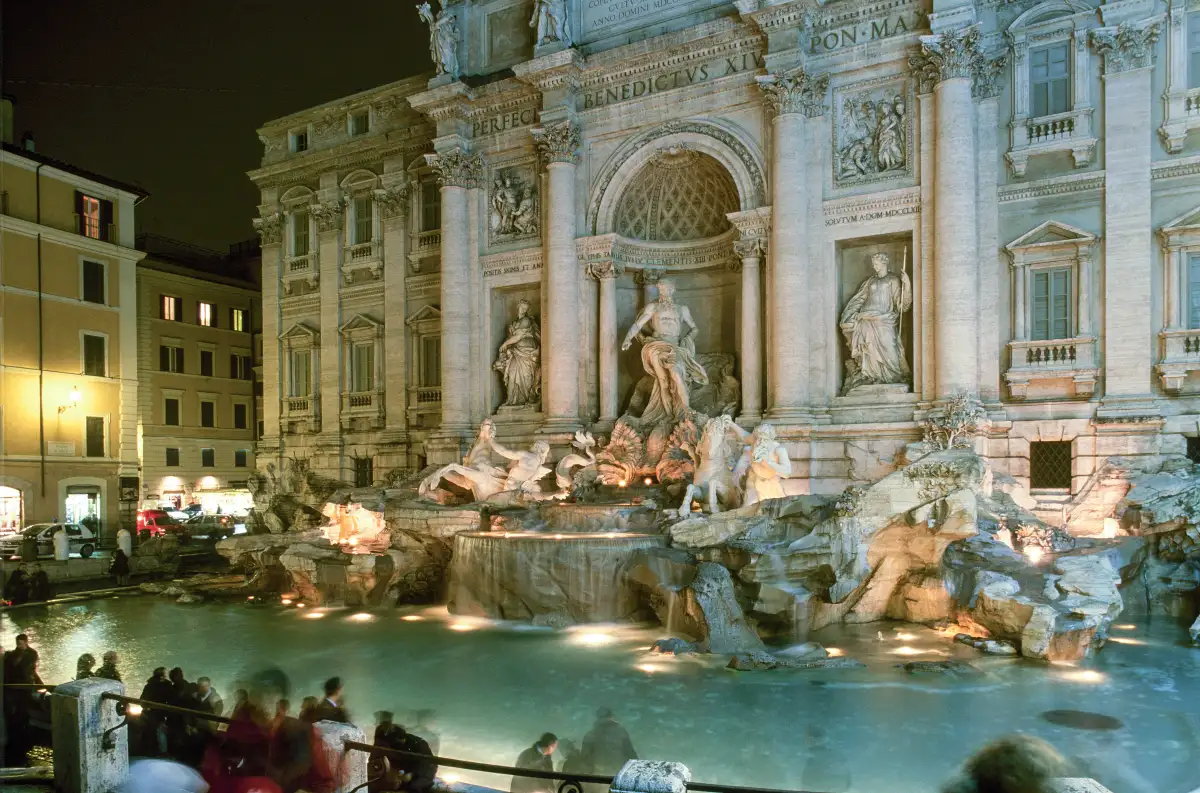
Rome is a year-round destination, but the weather can make a big difference to your sightseeing experience. Unlike Singapore's consistently warm and humid climate, Rome experiences four distinct seasons, with hot summers and relatively cool winters.
For Singaporeans who enjoy exploring cities on foot, spring and autumn are generally the most comfortable seasons.
According to Turismo Roma, spring and autumn are particularly suitable for visiting because of their milder temperatures and longer daylight hours.
Season | Months | Weather | Travel experience |
Spring | March–May | Mild and increasingly warm | Great for walking tours, sightseeing and outdoor dining |
Summer | June–August | Hot and sunny | Longer daylight hours but larger crowds and strong afternoon heat |
Autumn | September–November | Pleasant at first, cooler and wetter later | Comfortable sightseeing and beautiful seasonal scenery |
Winter | December–February | Cool, with occasional rain | Fewer crowds outside festive periods and a cosy city atmosphere |
Best overall recommendation: For most Singaporean travellers, April, May, September and October are excellent months to visit Rome. These periods offer a good balance of comfortable sightseeing weather and opportunities to explore the city on foot.
Practical Travel Tips for Navigating Rome with a Map
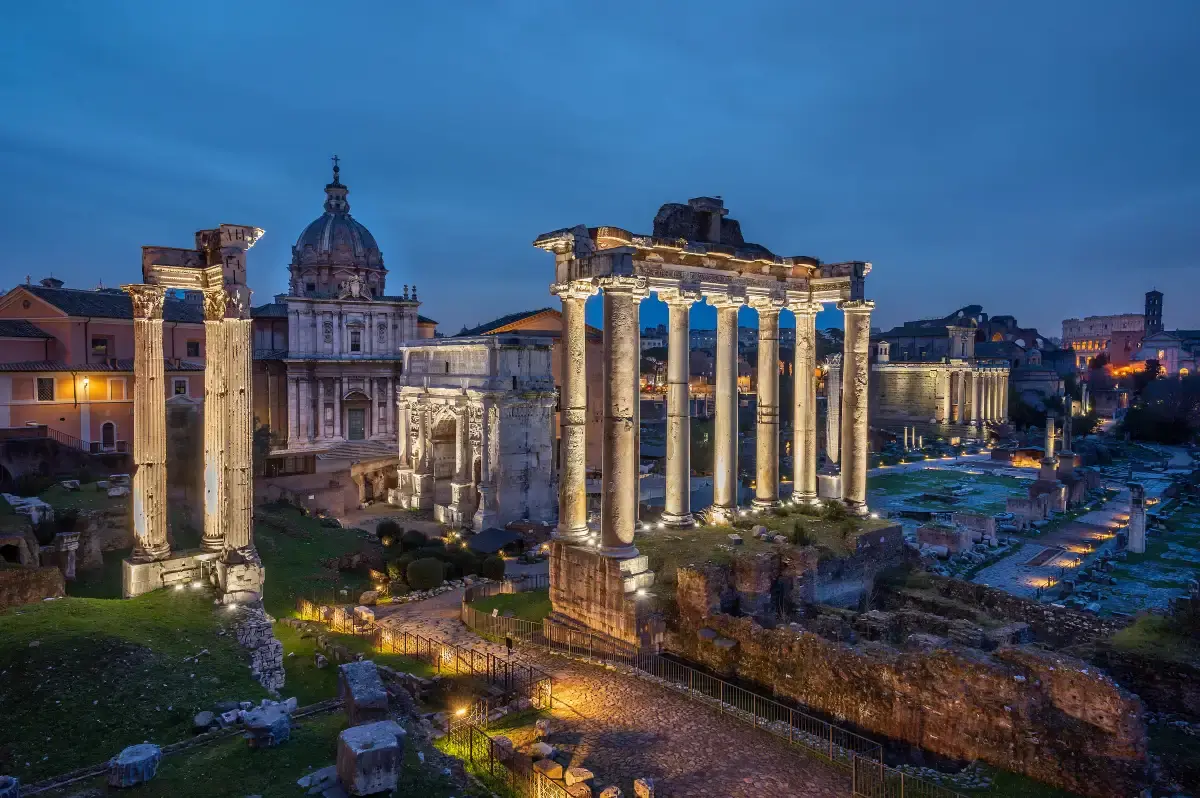
Before setting off to explore Rome, there are a few practical things worth knowing. From understanding the city's cobblestone streets to choosing the right transport ticket, these tips can help make your holiday smoother.
1. Wear Comfortable Walking Shoes
Rome has many cobblestone streets, uneven pavements and steps, so comfortable walking shoes are essential. You'll likely spend plenty of time walking between attractions, especially in the historic centre.
2. Dress Appropriately for Religious Attractions
When visiting Vatican City, St Peter's Basilica and other religious sites, dress modestly by covering your shoulders and knees. Bring a light cardigan or scarf if you're visiting during summer.
4. Be Aware of Pickpockets
Be careful in crowded tourist areas, especially around Roma Termini, metro stations, the Colosseum and Trevi Fountain. Keep your phone, wallet and other valuables secure when exploring the city.
5. Carry Some Euros
Although credit cards and contactless payments are widely accepted, carrying some euros is useful for small purchases at local markets, independent shops and cafés.
6. Check Limited Traffic Zones (ZTL)
Rome has restricted traffic zones known as Zona a Traffico Limitato (ZTL), particularly around the historic centre. If you're renting a car, check access restrictions carefully to avoid unexpected fines.
Final Thoughts
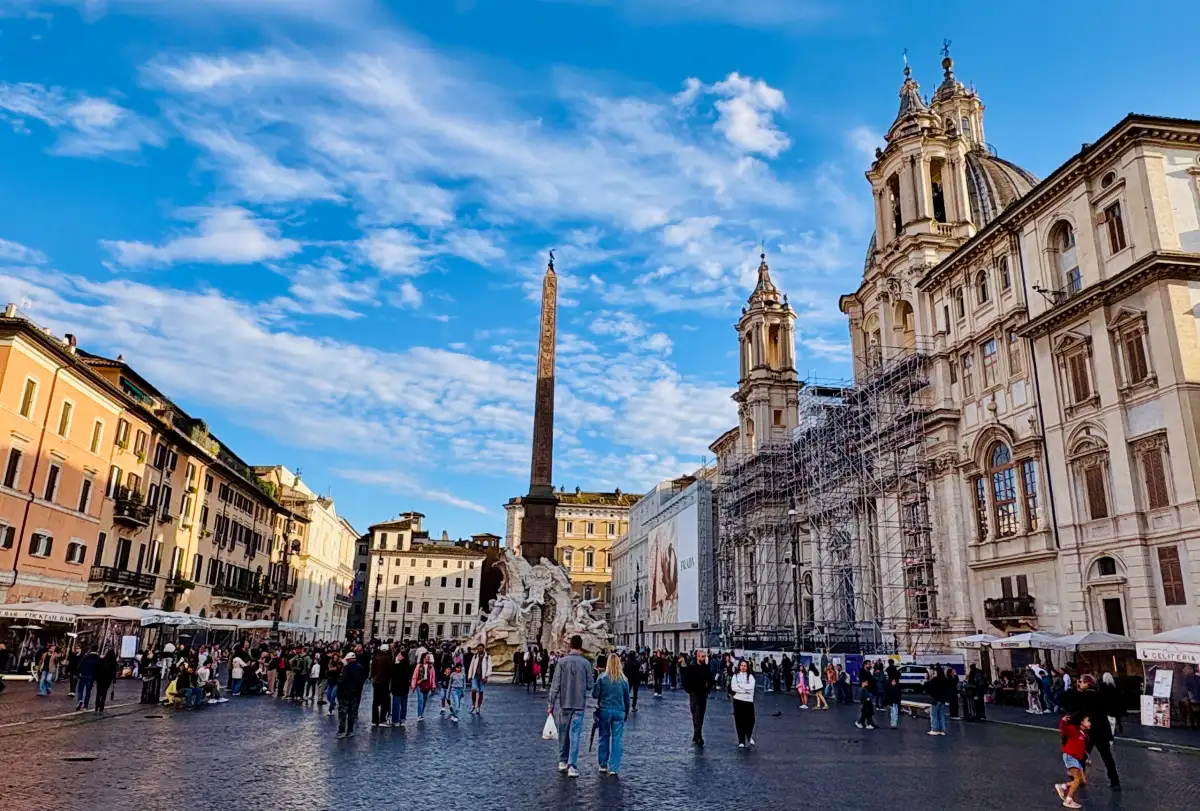
Rome is a city where history, architecture, food and everyday Italian life come together. From exploring the ancient Colosseum to tossing a coin into Trevi Fountain and enjoying dinner in Trastevere, there's something special waiting around almost every corner.
For Singaporeans visiting Rome for the first time understanding the city's layout can make your holiday much easier. Group attractions by neighbourhood, use the metro for longer journeys and leave some time for spontaneous discoveries along the way.
Whether you're spending three days in Rome or using it as the starting point for a longer Italy adventure, a good Rome map will help you make the most of every day.
FAQs: Rome Map
-
What is the best Rome map app to use when visiting Rome?
-
How does the ancient Rome map compare to the modern city layout?
-
What are the main districts shown on the Rome map that tourists should know?
-
Is Rome easy to navigate on foot using a map?
-
What were the major cities and regions on the ancient Rome map?
-
What is the Rome metro map and which lines are most useful for tourists?
Disclaimer: This article has been provided by an individual contributor or third party platform. If there is any discrepancy regarding the copyright, please contact us directly and we will delete the content immediately.