 NO.1
NO.1



🔥Save More with Up to 5% OFF
Use our promo code to enjoy up to 5% OFF (up to S$3) on your attraction tickets, tours and eSIMs! Only for new users!

Hong Kong is a year-round favorite for travelers, though typhoons can affect travel plans during the warmer months.
This city has a well-established tropical cyclone warning system, with clear signals that let residents and visitors know just how serious the weather is.
If you're planning a trip to Hong Kong, it's helpful to know when typhoon season starts, what the different typhoon warning signals mean, how the weather changes during a storm, and what to do if a typhoon affects your vacation.
Fly from Singapore
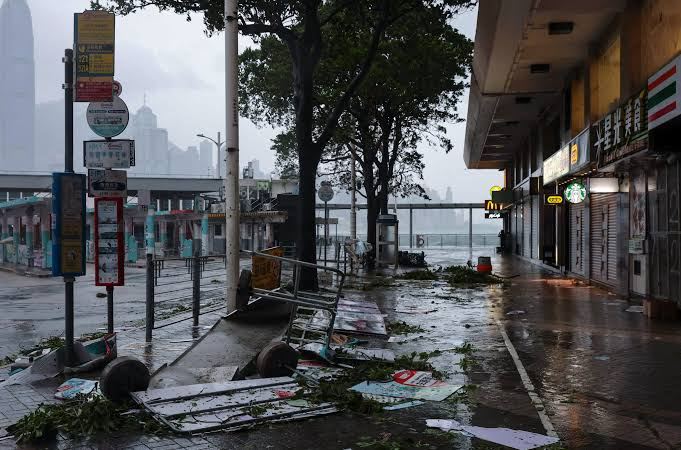
The Hong Kong typhoon season usually runs from May to November, although tropical cyclones are most common between June and October.
According to Hong Kong Observatory (HKO), tropical cyclones are particularly prevalent in September.
The statistics shows that August and September are the highest average numbers of tropical cyclones entering Hong Kong at 500km range.
But a typhoon season does not mean that Hong Kong will have a storm throughout these months but you can still experience a several days of hot, sunny weather even after a tropical cyclone.
When it is in typhoon season, the conditions can suddenly change from hot and humid to the thunderstorm, heavy rain, strong winds and many more.
One important thing about the typhoon is the weather usually do not always become dangerous immediately after a typhoon signal is issued by HKO but it advises people to take precautions because anything can be happened.
| Month | Typhoon Risk | What Travellers Should Know |
|---|---|---|
May | Increasing | Tropical cyclones become more possible |
June | Moderate | Typhoon activity starts to become more noticeable |
July | High | Strong storms can affect travel |
August | High | One of the main months to watch |
September | High | Historically one of the most active months |
October | Moderate | Typhoons are still possible |
November | Lower | Tropical cyclones become less common |
December–April | Very low | Typhoons are uncommon |
| Signal | What It Means for Travellers |
|---|---|
No. 1 | A tropical cyclone is within the warning area and may affect Hong Kong. Monitor updates and prepare for possible changes. |
No. 3 | Strong winds are expected or occurring. Avoid exposed coastal areas and consider changing outdoor plans. |
No. 8 | Gale or storm-force winds are expected or occurring. Stay indoors and expect major transport and business disruptions. |
No. 9 | Winds are expected to increase significantly. Stay indoors and away from exposed windows and doors. |
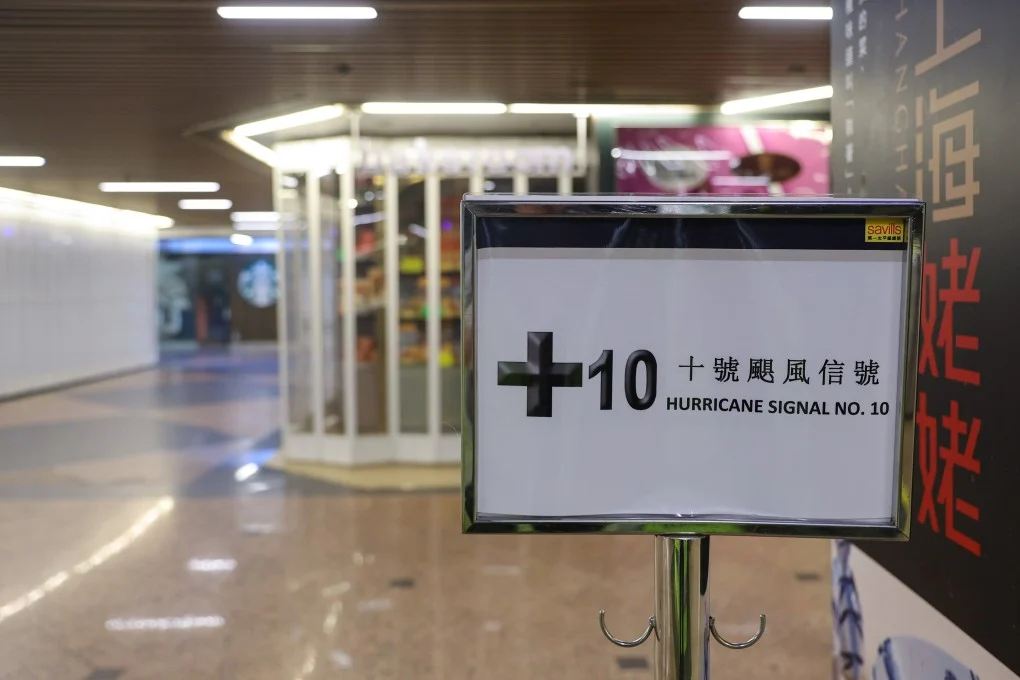
No. 10 | Hurricane-force conditions are expected or occurring. Remain indoors in a safe place and follow official instructions. |
Hotels in Hong Kong
A typhoon can affect almost every part of your holiday.
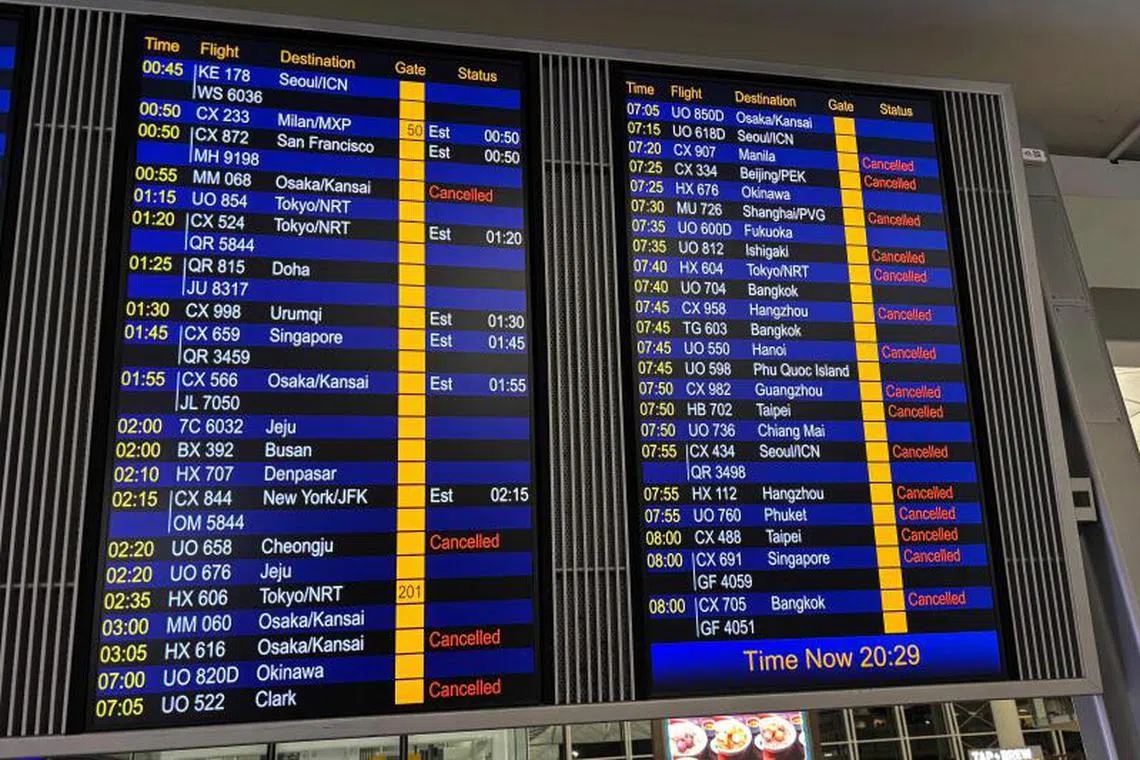
Flights to and from Hong Kong International Airport may be affected by severe weather.
If a typhoon is approaching, check your airline's latest flight information before heading to the airport.
If your flight is cancelled or delayed, follow the airline's instructions regarding rebooking or refunds.
If you book through Trip.com, you can contact customer service for further actions.
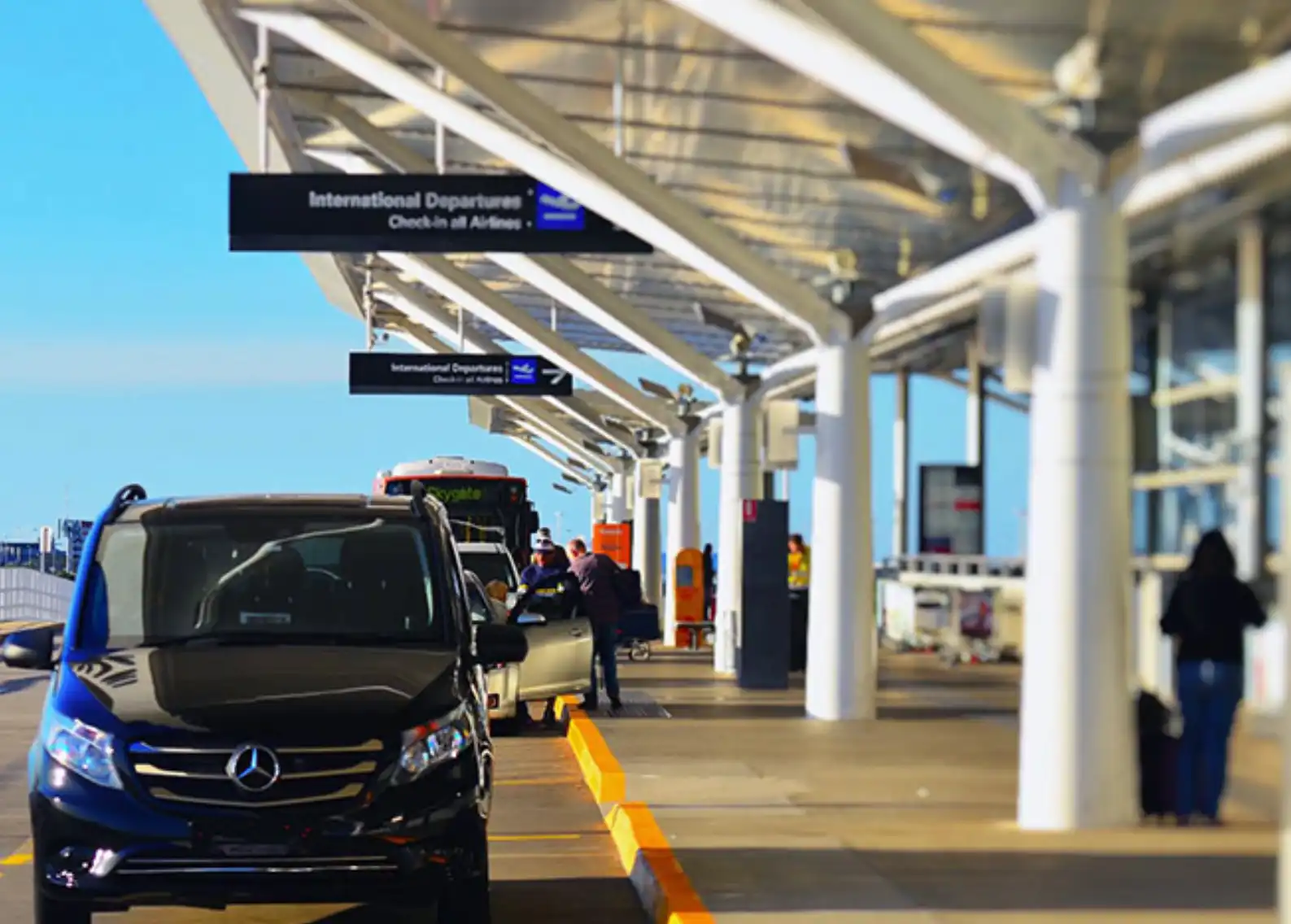
Even if your flight operates, getting to or from the airport may take longer during severe weather.
Check the latest information about Airport Express, buses, taxis and road conditions before travelling.

Ferry services can be affected by strong winds and rough seas.
If you are planning a trip between Hong Kong and nearby destinations, check the latest operator information before travelling.
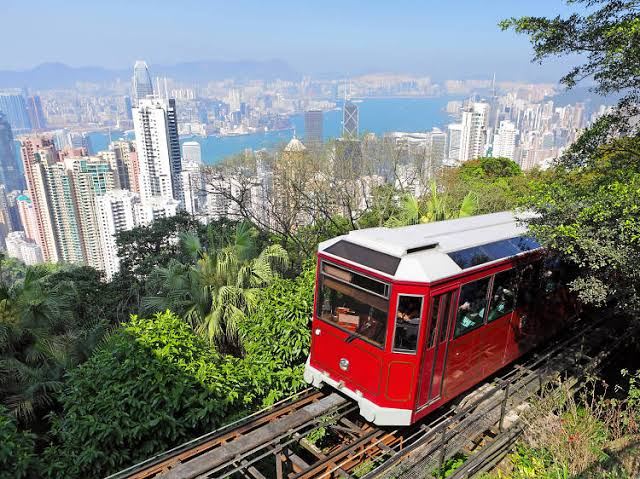
Outdoor attractions can close during severe weather.
This may include:
Always check the attraction's operating status before leaving your hotel.
Use our promo code to enjoy up to 5% OFF (up to S$3) on your attraction tickets, tours and eSIMs! Only for new users!
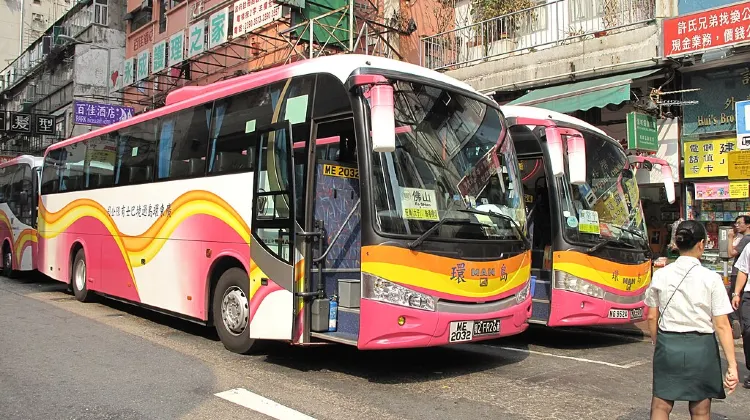
During the typhoons season, transport arrangement can be change depends on the typhoon signal and actual weather conditions.
MTR services, buses, ferries, taxis and other transport may be affected by strong winds, flooding and other hazards.
So, do not assume that a normal timetable will continue during a typhoon season.
| What to Check | Why |
|---|---|
MTR service | Some services may be affected |
Bus routes | Roads can become difficult to use |
Ferry services | Rough seas can cause suspension |
Important if you have a flight | |
Road conditions | Flooding and fallen objects can cause delays |
Attraction opening hours | Outdoor attractions may close |
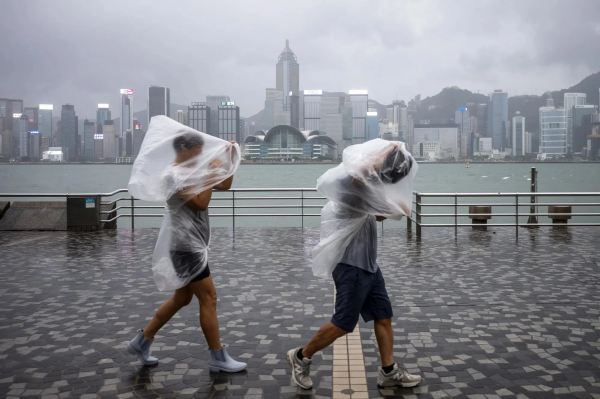
Hong Kong has a comprehensive tropical cyclone warning system that operated by Hong Kong Observatory which the system is designed to give public information about changing wind conditions and allow people to prepare for a typhoon seasons.
As for travellers, they have to take the warning signals seriously but it does not ruin your entire holiday because sometimes can see a normal sightseeing days even after a storm.
In typhoon season, you can still spend time and enjoy the city at shopping malls, museums, restaurants or indoor attractions.