Getting Around in Hong Kong 2026: Explore Hong Kong by Transport Easily
When I first arrived in Hong Kong, my first thought was, "Wow, this city moves fast!" Coming from Singapore, I thought I was used to efficient public transportation. But Hong Kong's system has a special charm. Slightly older but highly effective, ringing with energy, and surprisingly simple to use! Especially for first-timers like myself. Getting around Hong Kong felt like stepping into a well-choreographed dance. The MTR whisks you from Kowloon to Central faster than you can say "char siew bao". Buses provide glimpses of everyday local life and taxis glide effortlessly through traffic. Walking through neighborhoods like Mong Kok and Tsim Sha Tsui means you're always discovering hidden gems. For a more scenic route, hopping onto the iconic Star Ferry across Victoria Harbour was an experience I loved so much that I did it twice!
When managing Hong Kong's transportation, there's a lot to unpack. From which Octopus card to get to must-download applications that saved me more than once (especially during unpredictable Hong Kong weather!). Trust me, there are tiny things that will make your travel much easier. Here's all you need to know about navigating Hong Kong, whether you're commuting, traveling, or simply looking for your next bowl of something yummy.
🚇 Using the MTR in Hong Kong
🗺️ System Overview
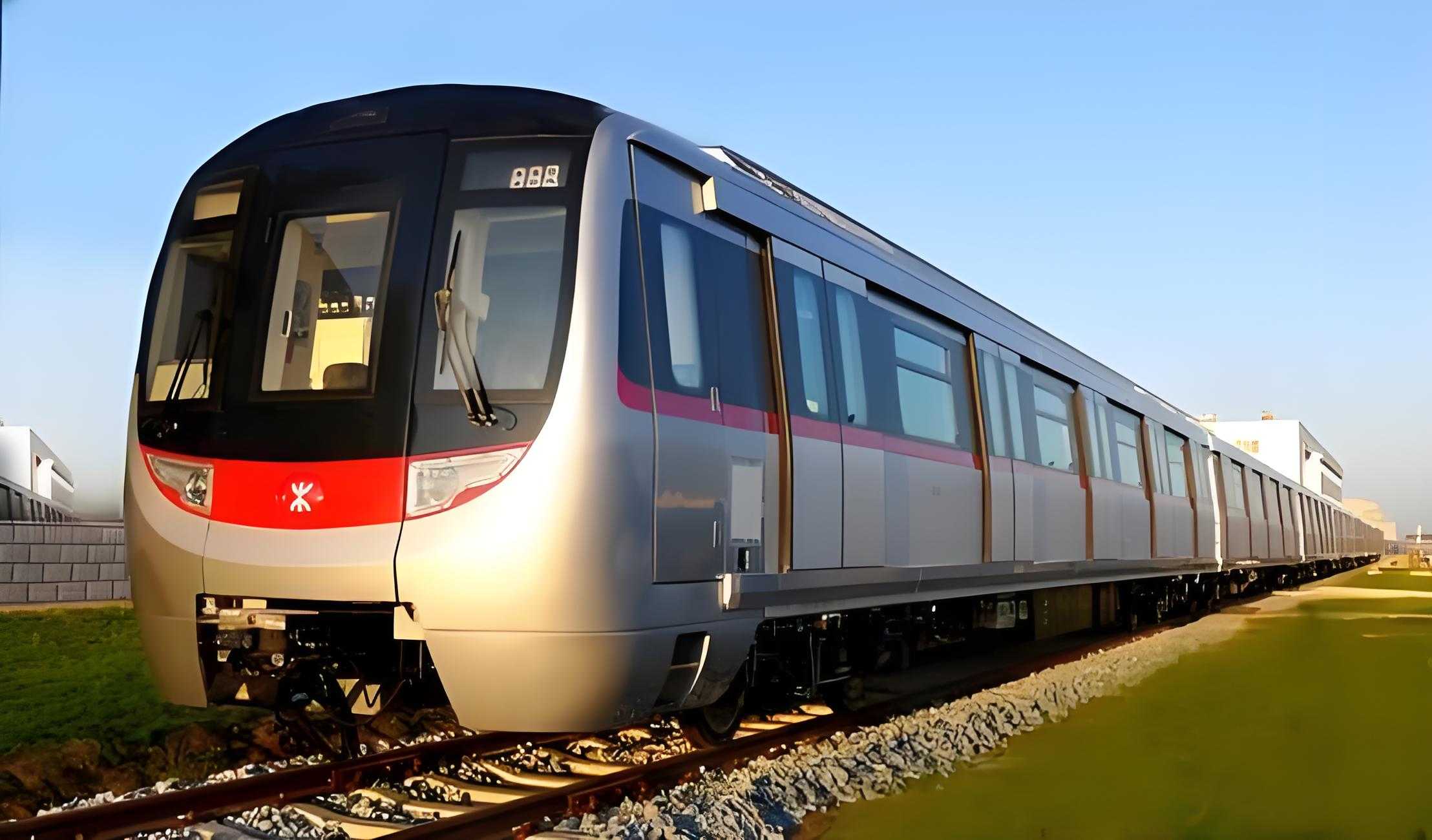
Hong Kong's Mass Transit Railway (MTR) is your trusty companion for navigating this dynamic city. Think of it as an older sibling to Singapore’s MRT. Just as efficient, perhaps even faster, and impressively extensive. It covers almost every major area, from bustling shopping districts to iconic tourist landmarks. Lines are conveniently color-coded (Red, Blue, Green, and more). And while there are no express trains, the system is so speedy you won’t miss them.
📍 Key Tourist Stops
- Central (中環) 🏙️: Heart of Hong Kong Island; perfect for shopping, dining, and exploring Lan Kwai Fong.
- Tsim Sha Tsui (尖沙咀) 🛍️: Access major malls, Avenue of Stars, and stunning views of Victoria Harbour.
- Mong Kok (旺角) 🌃: Famous markets like Ladies Market, street food, and vibrant nightlife.
- Causeway Bay (銅鑼灣) 🎡: Trendy boutiques, Times Square, and delicious local eateries.
- Disneyland Resort (迪士尼) 🎢: Direct stop at Hong Kong Disneyland—super convenient for families.
💳 Tickets, Cards, and How to Pay
Payment is a breeze grab an Octopus Card (think EZ-Link, but even more versatile) at any MTR station, convenience stores like 7-Eleven, or even at the airport upon arrival. Top it up easily at ticket machines or convenience stores. You can also use contactless credit cards directly at ticket gates. If you’re sightseeing intensively, check out the Tourist Day Pass, offering unlimited rides for 24 hours.
🕒 Operating Hours & Frequency
- 🚊 First Train: Around 6:00 AM
- 🌙 Last Train: Around midnight (varies slightly by line)
- ⏳ Frequency: Trains arrive every 2–5 minutes (Singaporean travelers will feel right at home with this!)
✅ Pros & Ideal Users
The MTR is ideal for solo explorers, families, and anyone on a tight schedule. It’s air-conditioned, clean, extremely reliable, and signage is clear and bilingual (English and Chinese), easing language barriers considerably. Compared to Singapore’s MRT, expect similar comfort and efficiency, but prepare yourself for slightly tighter crowds during peak hours.
⚠️ Tips or Watch-Outs
- 🕒 Peak Hours: Weekdays (8–10 AM & 5–7 PM) can get pretty crowded—avoid these times if possible, especially with kids.
- 🚶 Transfers: Some interchange stations (like Admiralty and Central) can be large and require a fair amount of walking, so wear comfy shoes.
- 🗣️ Language: Announcements and signs are fully bilingual, so you’ll rarely get lost!
🚌 Buses & Airport Shuttles in Hong Kong
🚌 Local Bus System Overview
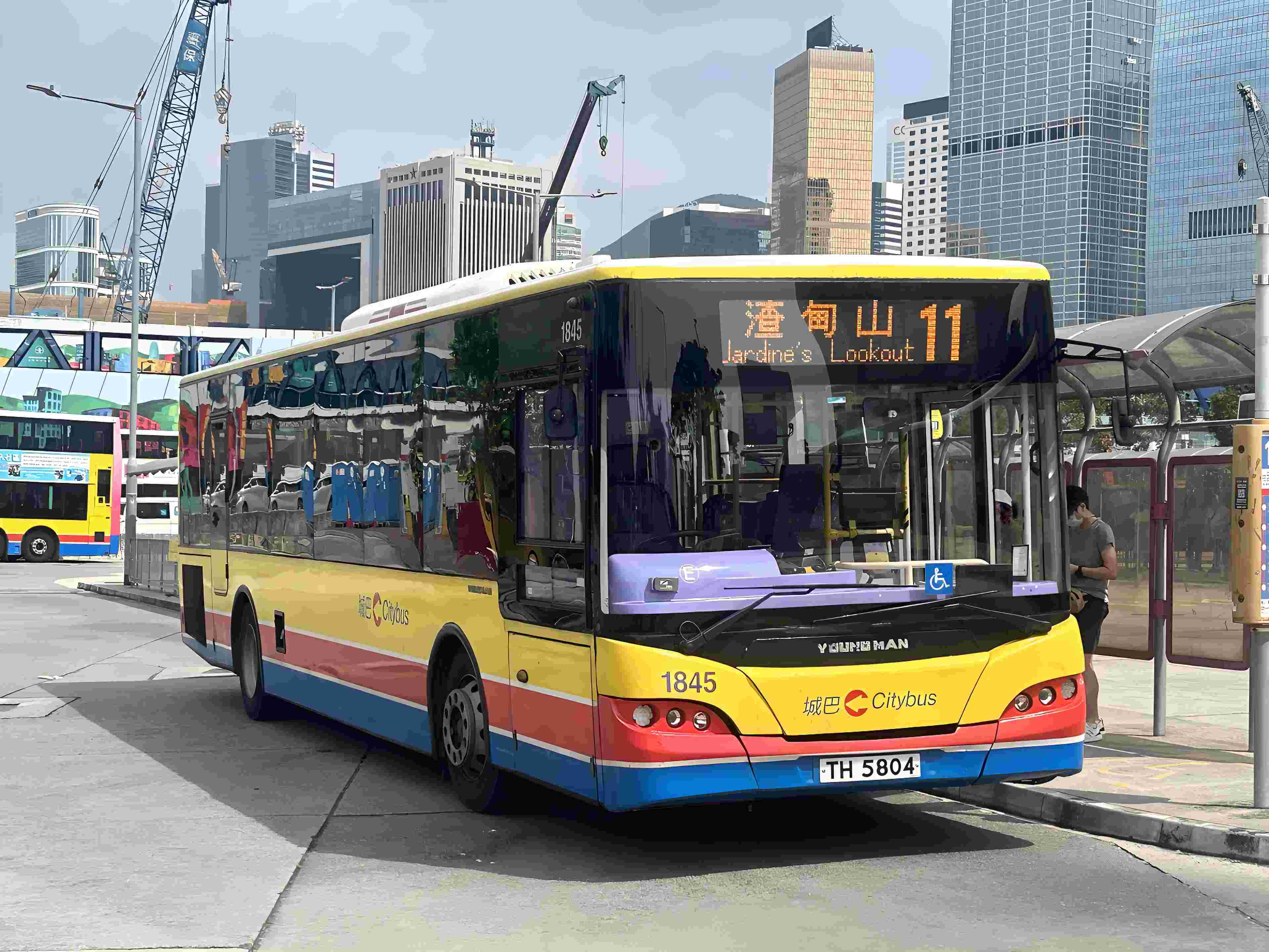
KMB and Citybus are the main operators of Hong Kong's massive public bus network. The buses connect nearly every part of the city, from hectic Central to peaceful suburbs and beautiful coasts. While buses are popular among locals for daily commuting. They are also ideal for tourists looking for less expensive and more scenic alternatives to the MTR.
📍 When & Where to Use the Bus
Buses are particularly handy when the MTR doesn’t reach your destination directly or if you’re after a leisurely, scenic ride. For example:
- Bus 15 🚍: Travels from Central up to Victoria Peak, offering incredible views along the way.
- Bus 6 or 6X 🚍: Connects Central to Stanley Market, taking you through lush hills and coastal panoramas—a beautiful ride!
💳 How to Pay & Ride
Just like in Singapore, paying is effortless with your Octopus Card. Tap once when you board at the front door. No need to tap out. Cash payments are possible but require exact fare, as drivers won't give change. To exit, simply use the rear door.
🕒 Timings & Frequency
- 🕗 Operating Hours: Most buses run from around 6:00 AM until midnight, with night buses (prefixed with "N") operating throughout the night.
- ⏳ Frequency: Typically every 10–15 minutes, though this can vary based on time and route. Night buses run less frequently, about every 20–30 minutes.
✈️ Airport Shuttle / Bus
For traveling between Hong Kong International Airport and the city, the Airport Express train is fastest—but buses can be a wallet-friendly alternative:
- Airport Cityflyer (Routes A11, A21, etc.) ✈️🚌: Comfortable, air-conditioned double-decker buses that connect the airport directly to major districts like Central, Tsim Sha Tsui, and Mong Kok.
- 💳 Cost & Tickets: Approximately HK$33–HK$48 per ride, payable by Octopus Card or exact cash onboard. No pre-booking needed; clearly signposted bus stops at airport arrivals.
- 🧳 When to use buses? Perfect if you have big luggage, are traveling in a group, or arrive late-night when airport express frequency reduces.
✅ Pros & Who It’s Good For
Buses in Hong Kong are excellent for budget travelers, slow explorers who appreciate scenic views, and those looking to experience daily life like a local. Expect similarly clean and air-conditioned comfort as Singapore buses—but often with stunning views from the upper deck!
⚠️ Watch-Outs:
- 🚦 Signage: Routes and bus numbers are clearly displayed in English, but stops can sometimes be tricky to spot use apps like Citymapper or Google Maps to avoid confusion.
- ⏰ Wait Times: Peak hours can lead to crowded buses and traffic jams—so factor in extra travel time, especially in busy districts like Central or Causeway Bay.
🚕 Taxis & Ride-Hailing in Hong Kong
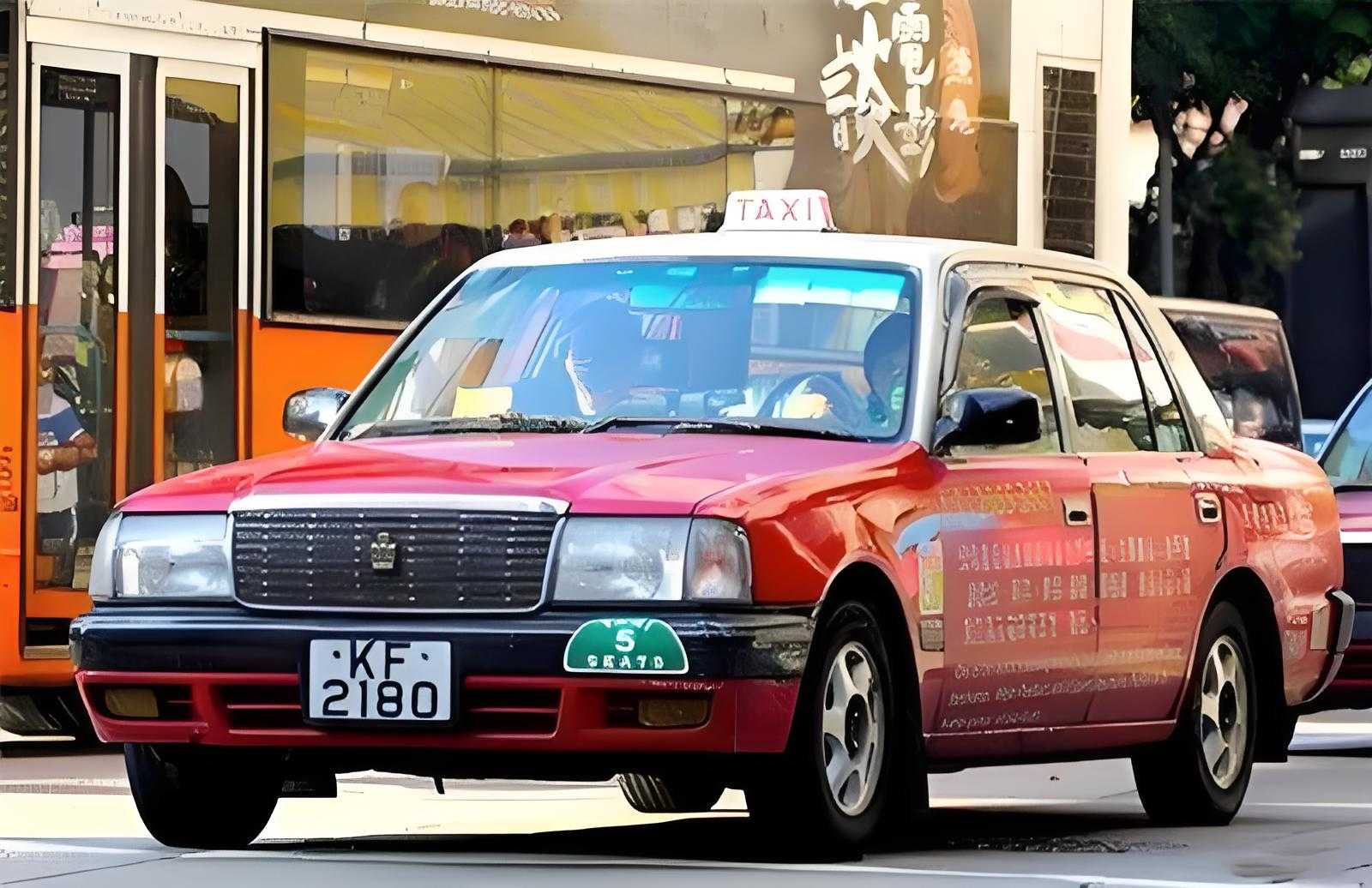
🚖 Availability & Reputation
In Hong Kong, you can immediately identify taxis by their colorful roofs. Which are blue on Lantau Island, green in the New Territories, and red in metropolitan areas. In general, they are dependable, safe, and well-regulated. Although some may attempt to provide "no meter" rides (always decline politely), most drivers are professional. The use of ride-hailing applications has increased, particularly among younger residents and foreigners who like cashless transactions and upfront pricing.
📱 Popular Ride-Hailing Apps
While Grab isn’t available here, the main platforms are:
- Uber: The most widely used ride-hailing app. Offers upfront fares, in-app payment by card, and English support. Download from the App Store or Google Play.
- HKTaxi: A local app that lets you book licensed taxis (metered fares) and pay by cash or Octopus. Good if you prefer official cabs over private cars.
Uber is generally the easiest for visitors—it feels very similar to using it in Singapore.
💸 Fare Estimates & How to Pay
- Urban Taxi Meter Start Fare: HK$27 (approx. SGD 4.70), plus HK$1.90–HK$2 per 200 meters.
- Central to Tsim Sha Tsui: ~HK$80–100 (SGD 14–18).
- Central to Airport: ~HK$300–350 (SGD 52–60), plus tolls.
- Night surcharges don’t apply, but expect tunnel tolls and luggage fees.
- Payment is typically in cash; some taxis accept Octopus or credit cards, but it’s safer to confirm before boarding. Uber fares are charged automatically via the app.
🛬 Airport Pickup Info
At Hong Kong International Airport, you’ll find clearly marked taxi ranks on the arrivals level. Look for colour-coded lanes (red, green, blue) depending on your destination. Airport surcharges apply (HK$5 per piece of luggage, HK$18 airport fee). Uber pickups are allowed, but you must select the designated pickup zone in the app—directions will appear once you book.
✅ Best for These Travelers
- Families with kids 👨👩👧👦 who need door-to-door convenience.
- Seniors who prefer minimal walking.
- Late-night arrivals when MTR has stopped running.
- Anyone staying in less connected areas or traveling with big luggage.
⚠️ Things to Watch Out For
- Always insist on using the meter—never accept a fixed fare unless you’ve pre-booked via an app.
- Some drivers may not speak English; carry your hotel’s address in Chinese.
- During typhoons or heavy rain, taxis and Ubers can be scarce—plan extra time.
- Ignore touts offering rides inside the arrivals hall—these are unofficial and often overpriced.
Flights to Hong Kong


🚶 Walking & Exploring on Foot in Hong Kong: A Singaporean Traveler’s Take
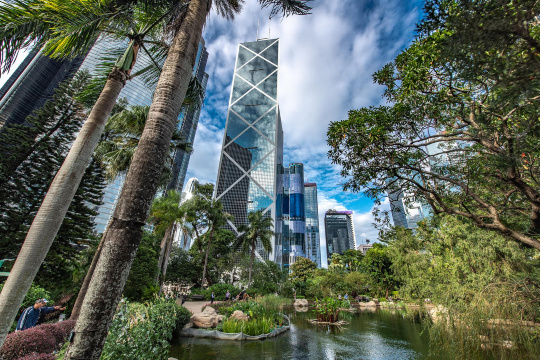
🚶 Is Hong Kong Walkable?
If you love exploring by foot, you’ll feel right at home in Hong Kong. Many key tourist areas are tightly packed and designed for wandering. From the neon-lit shopping streets of Mong Kok to the charming lanes around Central and the Tsim Sha Tsui waterfront, you can easily spend hours walking without needing any transport. It feels a lot like strolling Orchard Road, but with more slopes and hidden alleys to duck into.
🛣️ Sidewalks, Crossings & Navigation
Sidewalks are generally wide and well-kept, though in older districts, you’ll occasionally find uneven paving or stairs. Pedestrian crossings are clearly marked and drivers do stop—though always check before stepping out, as traffic can feel quite fast-paced compared to Singapore. If you have mobility challenges or a stroller, be prepared for the occasional steep hill (especially around Mid-Levels and Sheung Wan).
🗺️ Maps, Signage & Safety
You’ll be glad to know Google Maps works brilliantly here—great for navigating those little side streets. Street signs are in both English and Chinese, so you won’t get lost easily. Hong Kong is very safe to walk alone, even at night, as long as you stick to main roads and well-lit areas.
🌦️ Weather Considerations
Humidity here is no joke—think Singapore’s heat but sometimes even stickier! If you’re visiting in summer, bring water and walk in the evenings when it’s cooler. Rain showers can come out of nowhere, so check the weather in Hong Kong before heading out.
📸 Scenic Walks or Hidden Gems
One of my favourite routes was along the Tsim Sha Tsui Promenade at sunset—the view of Victoria Harbour and the skyline is spectacular. For something more local, wander through Sheung Wan’s antique shops and street art alleys, or explore the Temple Street Night Market after dark for street food and souvenirs.
✅ Who It’s Great For
Walking in Hong Kong is perfect for solo travelers and couples who love to explore at their own pace. If you’re staying centrally, you’ll be able to see a lot without ever hopping on a bus or train.
⚠️ What to Watch Out For
Some roads are narrow and crowded, especially in Mong Kok. Watch for construction zones that might block sidewalks, and bring a hat or umbrella for shade. If you want more ideas, check out our guides on where to stay in Hong Kong and things to do in Hong Kong—your feet will thank you for planning ahead! 👟✨
🚋 Riding Hong Kong’s Iconic Ding Ding Tram: A Must-Try Local Experience
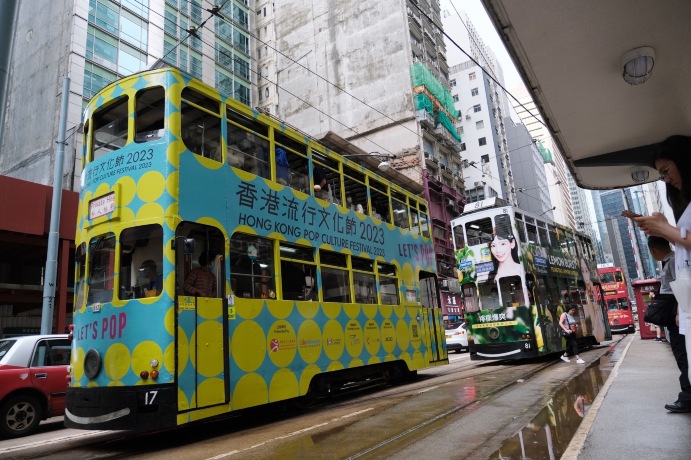
If you’re used to smooth MRT rides in Singapore, hopping onto Hong Kong’s old-school Ding Ding tram will feel like stepping back in time—just with a bit more clatter and charm. 🚋✨
🚋 What It Is & Where to Find It
The Ding Ding is Hong Kong’s beloved double-decker tram that’s been trundling across the north side of Hong Kong Island since 1904. You’ll find them along the main road from Kennedy Town through Central, Causeway Bay, and all the way to Shau Kei Wan. They’re easy to spot with their narrow shape and vintage look, often painted in bright ads.
💰 Cost & How to Ride
- 💵 Flat fare: HK$3 (about SGD 0.50) no matter how far you go—super budget-friendly!
- Tap your Octopus Card when you get off (not when you board).
- No need to negotiate fares, and you can hop on at any stop along the tracks—just wait at the marked tram stop.
- The trams are slower than the MTR, but that’s part of the fun.
🎯 When It’s Worth Trying
- Perfect for short hops between neighbourhoods or a leisurely sightseeing ride.
- The section through Central and Sheung Wan is especially scenic, with old buildings, buzzing markets, and neon signs all around.
- Great in the evening when the city lights come alive.
⚠️ Things to Watch Out For
- No air-conditioning—expect warm rides on hot days.
- The ride can be a bit bumpy, so hold on to the handrails.
- Space is tight, so if you have big luggage, it’s better to skip it.
✅ Who It’s Great For
The Ding Ding is perfect for:
- Solo travelers and couples who want to soak up Hong Kong’s nostalgic atmosphere.
- Culture lovers who don’t mind a slower pace.
Not ideal if you’re in a rush or traveling with very young kids and strollers.
📸 Fun or Cultural Notes
Sit upstairs by the front window for the best views and feel the breeze in your hair. You’ll hear the distinctive “ding ding” bell every time the driver wants to alert traffic—hence the nickname! The gentle rocking and clacking is almost like a lullaby as you watch the city slide by. Water Transport in Hong Kong: Ferries with a View
If you’ve ever wished your daily commute in Singapore had more skyline views and sea breeze, you’ll love Hong Kong’s ferries. They’re practical, scenic, and a little bit nostalgic—some routes have been running for over a century.
⛴️ What’s Available
The most famous option is the Star Ferry, a beloved icon that’s been crossing Victoria Harbour since 1888. You’ll also find other routes operated by companies like Sun Ferry and Hong Kong & Kowloon Ferry, connecting outlying islands such as Cheung Chau, Lamma Island, and Lantau. These services are part of the public transport network, and fares are budget-friendly.
🗺️ Where It Goes
- Star Ferry: Runs between Tsim Sha Tsui Pier (Kowloon) and Central Pier (Hong Kong Island). This is the classic short hop with postcard views of the skyline. 🌆
- Outlying Island Ferries: From Central Pier to Cheung Chau (beach and seafood), Mui Wo (nature walks), and Lamma Island (hiking and cafes).
- All major piers are well-connected to MTR stations and bus hubs.
💸 Tickets & How to Ride
- Star Ferry: About HK$4–6 (SGD 0.70–1) depending on the deck (upper deck has better views).
- Outlying Islands: HK$20–40 one way, depending on distance and whether you choose ordinary or fast ferry.
- How to Pay: Tap your Octopus Card at the gate or buy a token from the machine. Lines move quickly, and all signage is bilingual.
Tip: On weekends and holidays, queues to the islands can get long—come early if you want a seat on the upper deck.
🕒 Timings & Frequency
- Star Ferry: Runs from around 6:30 AM to 11:30 PM, every 8–15 minutes.
- Island Ferries: Start early morning, last boats around 10–11 PM, usually every 30–60 minutes.
🎯 Who It’s Best For
- Perfect for sightseeing and snapping skyline photos.
- Great for families with kids who’ll love the novelty of the ride.
- Couples will find sunset crossings very romantic. 🌇❤️
⚠️ Watch-Outs or Considerations
- The ride can be a little bumpy on windy days—hold on to the rails.
- Boarding involves steps and gangways; if you have mobility issues, ask staff for assistance.
- Limited shade on the upper deck—bring a hat and sunscreen.
📸 Local Flavour
One of the best moments is sailing past junk boats with red sails, watching the glass towers of Central glinting in the sun. In the evenings, you might catch the Symphony of Lights show from the water a truly Hong Kong experience.
Recommended Hotels in Hong Kong
 NO.1
NO.1


🛵 Motorbike Taxis & Micro-Mobility in Hong Kong: What You Need to Know

Unlike Bangkok or Ho Chi Minh City, Hong Kong doesn’t have a big culture of motorbike taxis or widespread e-scooter rentals. The city’s dense traffic, hilly roads, and strict regulations make two-wheeled ride services less common. But you will find a few interesting micro-mobility options if you’re keen to try something different.
🛵 What’s Available
- E-Bikes & Shared Bikes: In some New Territories areas (like Sha Tin and Tai Po), local operators such as Gobee.bike used to operate dockless bikes, though services have been quite limited in recent years.
- Private Scooters & E-Scooters: Not legal for public road use—so you won’t see the rows of Lime or Bird scooters you’d find in Europe.
- Motorbike Taxis: Generally not part of Hong Kong’s official transport scene. If someone offers you a ride on a bike, it’s unofficial—better to stick to taxis or MTR.
📍 Where to Find Them
- Shared Bikes: If available, you’ll find them parked near cycling tracks, parks, or waterfront promenades (like Tai Mei Tuk).
- E-Bikes: Typically limited to recreational areas rather than city streets.
- Always check signs—some zones prohibit riding or parking shared bikes.
📲 How to Use
- Download the relevant bike-sharing app (if operational—many have suspended service).
- Register with your passport or HKID, local phone number, and a credit card.
- Scan the QR code on the bike to unlock.
- Fares usually start around HK$5–10 per 30 minutes, deducted automatically.
Note: For most visitors, it’s simpler to stick to walking, the tram, or the MTR for short trips.
🛡️ Safety Tips
- Helmets are generally not provided or required for shared bikes—but if you’re not confident cycling in traffic, it’s best to use them only on dedicated cycling paths.
- Wear comfortable clothes and closed shoes.
- Watch for uneven surfaces, steep slopes, and pedestrians—especially in crowded areas.
✅ Ideal For
- Cycling enthusiasts exploring New Territories cycling trails.
- Day-trippers who want a relaxed ride along the waterfront.
- Not recommended for city-center transport or commuting.
⚠️ What to Watch Out For
- Limited availability—many services have paused or reduced fleets.
- No insurance coverage in most cases.
- Rainy weather makes cycling slippery and risky.
- Fines can apply if you ride or park in restricted zones.
🚗 Car Rentals & Driving in Hong Kong: Should You Do It?
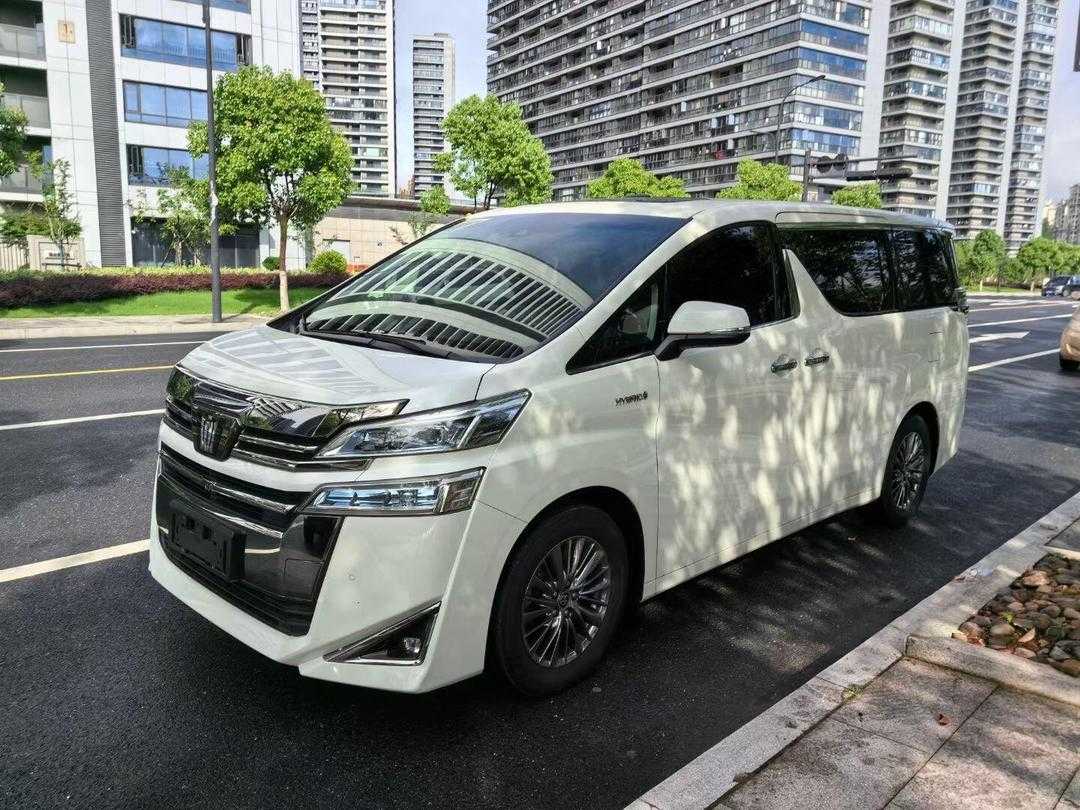
If you’re used to Singapore’s neat expressways and predictable traffic, driving in Hong Kong might feel like a bit of an adventure—sometimes rewarding, sometimes stressful. Here’s what to consider before grabbing the keys.
🚘 When It Makes Sense to Drive
- 🚙 Practical for
- Exploring New Territories, Lantau Island, or remote beaches.
- Family trips with kids and lots of luggage.
- Business travelers who need door-to-door flexibility.
- 🚧 Less ideal for
- City-center sightseeing—traffic jams, expensive parking, and tight streets can turn driving into a headache.
- In most cases, public transport is faster and less stressful for getting around urban areas.
📍 Where to Rent a Car
- Airport: Hong Kong International Airport has counters for major brands like Hertz, Avis, and Budget.
- City Outlets: You’ll also find branches in Kowloon and Hong Kong Island.
- Online: Book ahead on Trip.com to compare car rentals in Hong Kong and secure better rates.
📄 Requirements for Tourists
- License: You’ll need a valid International Driving Permit (IDP) plus your Singapore driving licence.
- Minimum Age: Usually 25 years old (some companies accept 21+ with a surcharge).
- Documents: Passport, credit card (for deposit), and driving licence.
- Insurance: Basic coverage is included but consider adding excess reduction for peace of mind.
💸 Cost Overview
- Daily Rates: From HK$400–800 (SGD 70–140) depending on car size and season.
- Deposit: Around HK$3,000–5,000 held on your credit card.
- Fuel: Most rentals use a full-to-full policy—return the tank full to avoid fees.
- Other Costs:
- Tolls (e.g., Cross Harbour Tunnel HK$20–30).
- Parking (HK$20–50/hour in busy districts).
- No congestion charges, but parking fines are steep.
🛣️ Driving Conditions & Culture
- Side: Left-hand driving—same as Singapore.
- Road Signs: Bilingual (English and Chinese), generally clear.
- GPS: Reliable—Google Maps or in-car navigation works well.
- Local Habits: Drivers can be impatient, and roads in Central can feel cramped. Watch out for taxis stopping suddenly.
⚠️ What to Watch Out For
- Challenging Spots: Narrow lanes in Sheung Wan, steep hills in Mid-Levels, busy ferry terminals.
- Parking: Scarce in city areas—budget extra time to find a lot.
- Tunnels: Some tunnels get congested during peak hours.
✅ Ideal Travelers
- Families who prefer flexibility.
- Couples planning day trips to Sai Kung, Lantau, or the New Territories.
- Business travelers with multiple meetings across the city.
✨ Conclusion: Getting Around in Hong Kong

Exploring Hong Kong through its transport is honestly half the fun—whether you’re zipping across Victoria Harbour on the Star Ferry, squeezing onto a tram with locals, or navigating the MTR’s maze-like stations. Sure, there are a few quirks, like busy crowds or the occasional confusing sign, but that’s all part of the city’s unique rhythm.
The best way to enjoy it? Mix and match—take the metro for speed, the tram for charm, and taxis when you need a break. Having mobile data on hand makes everything smoother, so consider getting the best eSIM for Hong Kong to keep your apps and maps ready.
Ready to plan the rest of your adventure? Check out guides on where to stay in Hong Kong, and things to do in Hong Kong. Happy exploring! 🌟
FAQs About Hong Kong Transport
-
Do I need to speak Cantonese to use public transport?
-
Is it safe to take taxis in Hong Kong?
-
How do I avoid getting lost in the MTR system?
Trending Researches
-
Popular Content
-
Popular Flights
-
Popular Hotels
-
Popular Things to Do
-
Featured guides
-
Trip.com links
- Hong Kong MTR
- BTS Hong Kong Concert 2027
- Best Payment Methods in Hong Kong
- Hong Kong Public Holidays 2025
- 香港插头
- hong kong mtr map
- Things to Do in Osaka
- Hong Kong Itinerary
- Things to Do in Hong Kong
- Hong Kong Arrival Card
- Hong Kong Visa
- Hong Kong Typhoon
- Hong Kong Luxury Hotels
- Hong Kong West Kowloon Station
- Ocean Park Hong Kong Tickets
- Plane tickets from Singapore to Hong Kong
- Plane tickets from Beijing to Hong Kong
- Cheap tickets from Jakarta to Hong Kong
- Cheap flights from Hangzhou to Hong Kong
- Cheap tickets from Penang to Hong Kong
- Cheap tickets from Kuala Lumpur to Hong Kong
- Cheap tickets from Ho Chi Minh City to Hong Kong
- Plane tickets from Seoul to Hong Kong
- Cheap flights from Tokyo to Hong Kong
- Cheap tickets from Taipei to Hong Kong
- Cheap tickets from Manila to Hong Kong
- Plane tickets from Bangkok to Hong Kong
- Cheap tickets from Mabalacat to Hong Kong
- Cheap tickets from Osaka to Hong Kong
- Cheap tickets from Shanghai to Hong Kong
- Wharney Hotel
- Nathan Hotel
- Four Points by Sheraton Hong Kong Tung Chung
- Dorsett Mongkok Hong Kong
- Nina Hotel Tsuen Wan West
- Regala Skycity Hotel by Regal Hotels
- Regal Airport Hotel
- Prudential Hotel
- Cordis, Hong Kong (Langham Hospitality Group)
- Royal Plaza Hotel
- Kowloon Shangri-La, Hong Kong
- Mondrian Hong Kong
- The Cityview - Chinese YMCA of Hong Kong
- Hopewell Hotel
- The Mira Hong Kong
- Holiday Inn GOLDEN MILE HONG KONG by IHG
- The Kowloon Hotel
- Park Hotel Hong Kong
- Eaton HK (Langham Hospitality Group)
- Regal Hongkong Hotel
- Ocean Park Hong Kong Tickets
- hong kong disneyland ticket
- Ngong Ping 360 Tickets
- Hong Kong Disneyland Tickets
- Hong Kong SIM Card
- Hong Kong Airport Services
- Hong Kong Day Tours
- Hong Kong Visa Application Services
- Hong Kong Yacht Charter
- Hong Kong Sports & Adventure
- Hong Kong Transportation
- Hong Kong Travel Services
- Hong Kong Photoshoot
- Hong Kong Transport Card
- One-way boat ticket from Shenzhen Shekou Port to Hong Kong Airport SkyPier
- Mainland China/Hong Kong/Macau 5G eSIM | Day Pass/Total Data Package | 24-Hour Billing | QR Code
- Mainland China · Hong Kong · Macau 5G eSIM | All AI & TikTok | 1–365 Days | QR Code
- Hong Kong Disney private 1v1 exclusive butler service
- Private guided 1-day tour in Hong Kong
- China Power Bank Limit
- train to kl from singapore
- Trip.com Customer Service
- Shanghai Metro
- China Entry Requirements
- Renew Autopass Singapore
- train from singapore to jb
- Thailand Plug
- universal studios singapore tickets
- China Plug
- Batam Arrival Card
- What to Buy in Shenzhen
- Singapore Malaysia Cross Border Taxi
- Vietnam Arrival Card
- China Train Map
- Big Transport from Tokyo to Fukuoka
- Frankfurt Airport to City
- Bangkok to Pattaya
- Trip.com Promo Code
- Trip.com Flight Deals
- Trip.com Credit Card Promotions
- How to Book Cheap Hotels
- How to Book Cheap Flights
- Trip.com Member Rewards
- Trip Weekly Hotel Sales
- Online Hotel Booking
- Online Flight Booking
- Trip.com Travel Guide
- Book China Train Tickets
- Trip.com Seat Selection
- Singapore Public Holidays 2027
- Trip.com 优惠码
- Trip.com Travel Guides