Hong Kong Travel Tips


Planning a trip to Hong Kong? You’re definitely not alone—so many Singaporean travellers love heading over for the mouthwatering dim sum, glittering skyline views, and unbeatable shopping from street markets to luxury malls. Whether you’re here to savour Michelin-starred noodles or hop on the Star Ferry at sunset, Hong Kong has a way of charming you at every turn.
Even if you’ve travelled widely, Hong Kong has its own quirks and local customs worth knowing—like when it’s polite to tip, which apps make life easier, and how locals interact in busy public spaces (hint: efficiency is everything). This guide is packed with all those little details I wish I’d known before my first visit—how to pay seamlessly, stay connected, get around by MTR, and avoid any cultural missteps.
I’ve put this together with Singaporean travellers in mind—straightforward, no-fluff tips that really help when you’re on the ground, whether you’re booking flights to Hong Kong or browsing hotels in Hong Kong. Let's jump into the travel tips and get you all set for your Hong Kong adventure!
🌟 Language & Communication Tips in Hong Kong
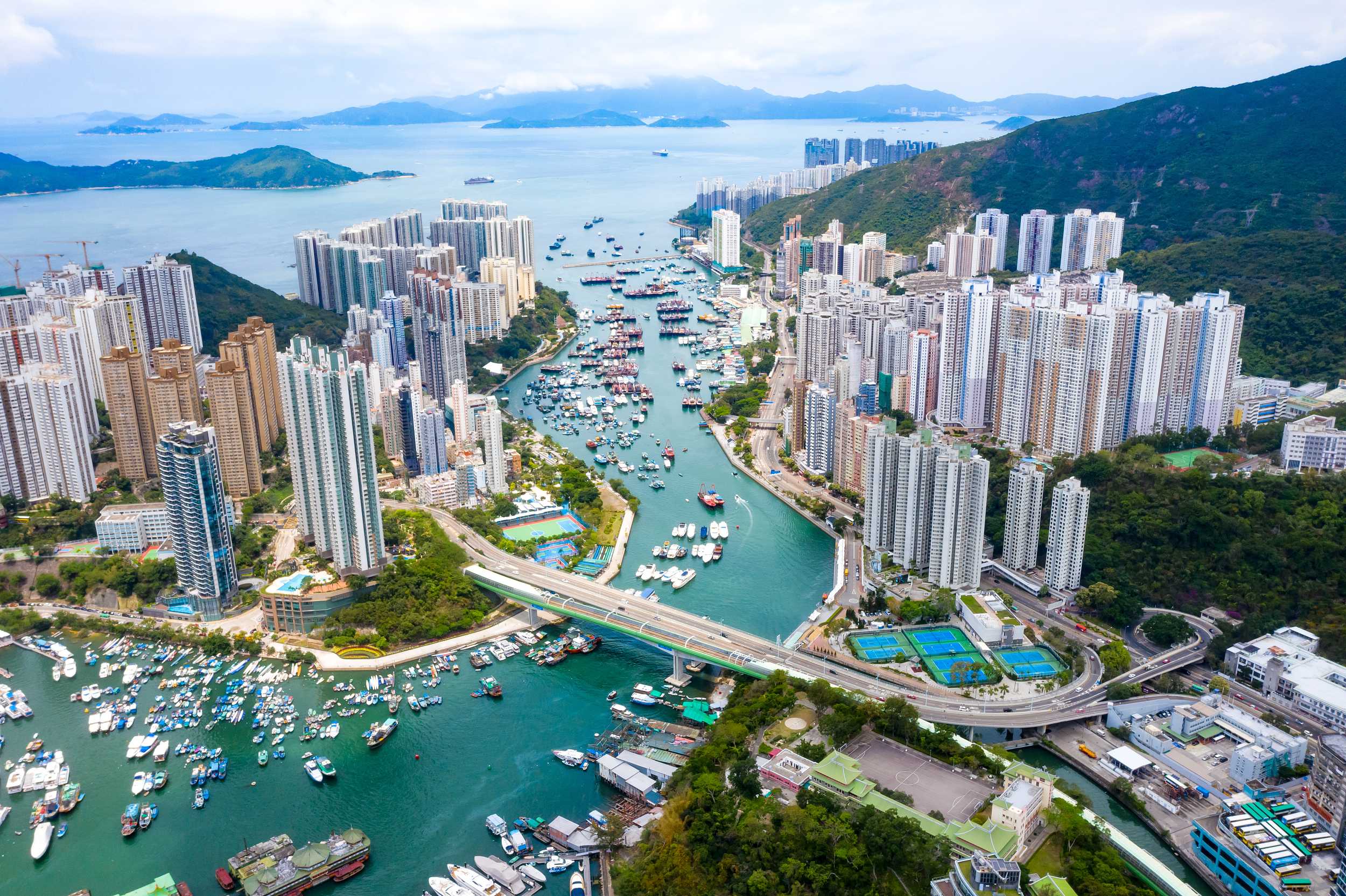
Hong Kong is a fascinating mix of languages. You’ll hear Cantonese 🇭🇰 spoken everywhere—especially in markets, small eateries, and taxis. English is also widely used in hotels, major attractions, and many restaurants, thanks to the city’s history as a British colony. Compared to Singapore, where nearly everyone speaks English fluently, you might find that some locals (especially older ones) prefer Cantonese or even Mandarin in more traditional neighborhoods.
🧳 Apps & Digital Helpers
Download Google Translate 📱—it works well in Hong Kong and even offers offline Cantonese packs. For more precise translations (especially menus or signs), Pleco is fantastic for Chinese text recognition. Papago can also help if you’re comfortable with simpler interfaces.
🗣️ Cultural Communication Norms
Locals in Hong Kong tend to be direct and efficient in conversation—especially in busy places like MTR stations or cha chaan teng cafes. Don’t take it personally if someone seems brisk or doesn’t smile much. It’s just part of the fast-paced culture. Gestures are usually fine, but avoid pointing at people with your finger—use your whole hand instead.
📋 Common Phrases You’ll Use a Lot
English Phrase | Cantonese (Traditional) | Romanization | When to Use |
|---|---|---|---|
Hello | 你好 | Néih hóu | Greeting someone politely |
Thank you | 唔該 | M̀hgōi | After receiving help/service |
Sorry / Excuse me | 對唔住 | Deui m̀h jyuh | Apologizing or getting attention |
Where is the toilet? | 廁所喺邊? | Chi só hái bīn? | Asking for restrooms |
How much is this? | 呢個幾多錢? | Nī go géidō chín? | While shopping 🛍️ |
I don’t understand | 我唔明白 | Ngóh m̀h mìhng baahk | If someone speaks too quickly |
Can you speak English? | 你識唔識講英文? | Néih sīk m̀h sīk góng Yīngmán? | Clarifying language preference |
Delicious! | 好味 | Hóu mei | Complimenting food 😋 |
Bye | 再見 | Joi gin | When leaving politely |
✅ Final Tip
Before you go, screenshot your hotel address in Chinese and save it to your phone. It’s also super helpful to show locals a translated phrase rather than trying to pronounce it—especially if you’re in a rush or unsure about tones. ✨
💳 Payment Methods & Popular Apps in Hong Kong: What Travelers Should Know
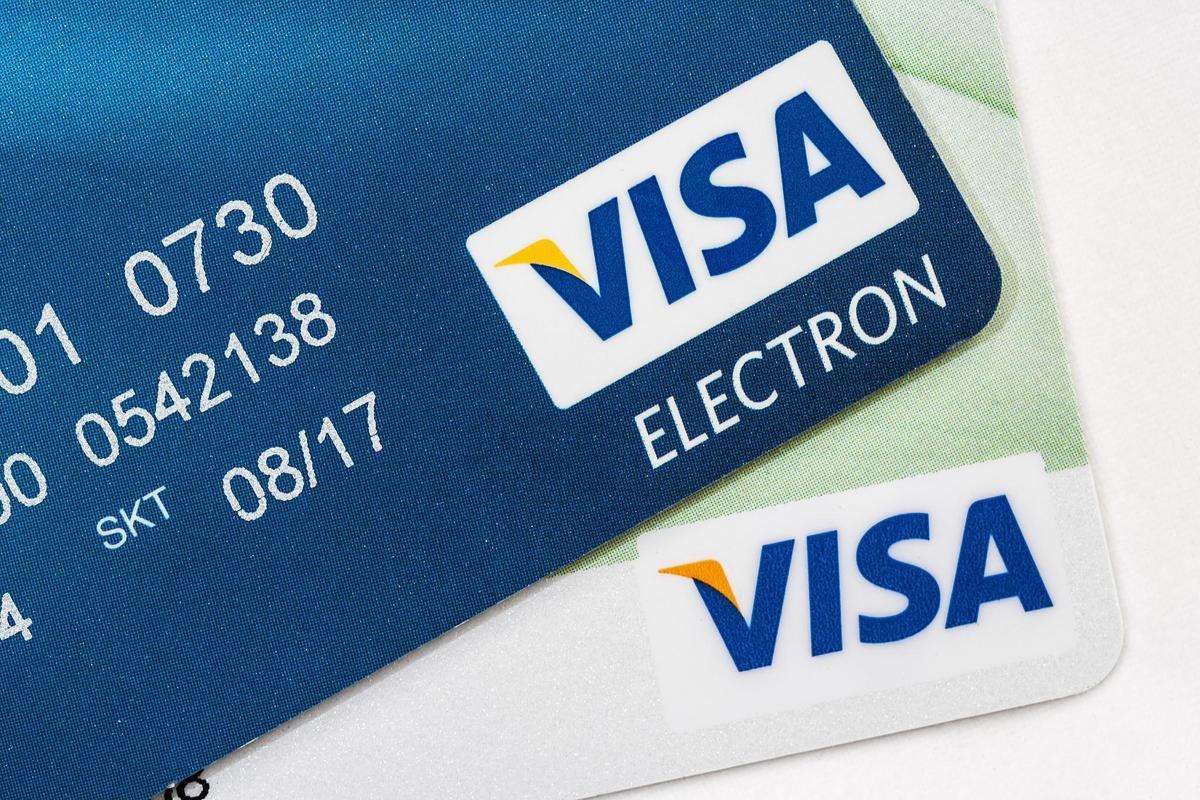
Planning a trip to Hong Kong? 🇭🇰 Here's how locals pay for everything from dim sum to MTR rides—so you can move like a local and skip the awkward “do you take card?” moments.
✅ Cash vs. Card vs. Mobile Payments
- Cash is still common 💵—especially at street stalls, cha chaan tengs (local cafés), and night markets. Always carry small notes for these places.
- Credit/debit cards 💳 (Visa, Mastercard, UnionPay) are accepted at most hotels, malls, chain restaurants, and supermarkets.
- Contactless payments like Apple Pay, Google Pay, and Samsung Pay are widely supported at stores with modern terminals. Look for the PayWave logo.
- Some small shops still don’t accept cards, so don’t rely only on digital payments.
✅ Mobile Wallets & Local Apps
- The most popular wallet is the Octopus Card 🐙—used for MTR, buses, 7-Eleven, McDonald’s, and more. You can tap it like an EZ-Link card and top up with cash or card.
- There’s also AlipayHK, WeChat Pay, and Tap & Go, but most require local registration or Hong Kong phone numbers, so they’re not tourist-friendly.
- Stick with Octopus + your own card + cash for the smoothest experience.
✅ Bank ATMs & Currency Exchange
- ATMs are easy to find in malls, MTR stations, and banks. Look for ones that accept Visa or Mastercard.
- Fees vary, so try to withdraw larger amounts to save on charges 💸.
- Currency exchange is available at the airport, Chungking Mansions, and major banks—but avoid unknown street kiosks.
- Pro tip: Always choose to be charged in HKD, not your home currency, to avoid bad exchange rates.
✅ Popular Everyday Apps in Hong Kong
App Type | App Name | Notes / Use Case |
|---|---|---|
E-Wallet | Octopus App | Manage your card, top up via app, check balance |
Ride-Hailing | Uber / HKTaxi | Book taxis or rides with upfront pricing 🚕 |
Navigation | Google Maps | Works very well across MTR, buses, and walking 🗺️ |
Food Delivery | Foodpanda | Order meals to your hotel or Airbnb 🍱 |
Messaging | WhatsApp / LINE | WhatsApp is common among travelers, LINE for some locals 💬 |
✅ Pro Tips
- 📲 Download all your travel apps before arriving—especially Uber, Google Maps, and the Octopus app.
- 💵 Keep small notes for street food and markets—many don’t accept cards or apps.
- 📶 Consider getting a tourist eSIM for Hong Kong to stay connected and use apps smoothly without Wi-Fi.
Flight to Hong Kong


💵 Tipping & Service Etiquette in Hong Kong – A Practical Guide for First-Time Visitors
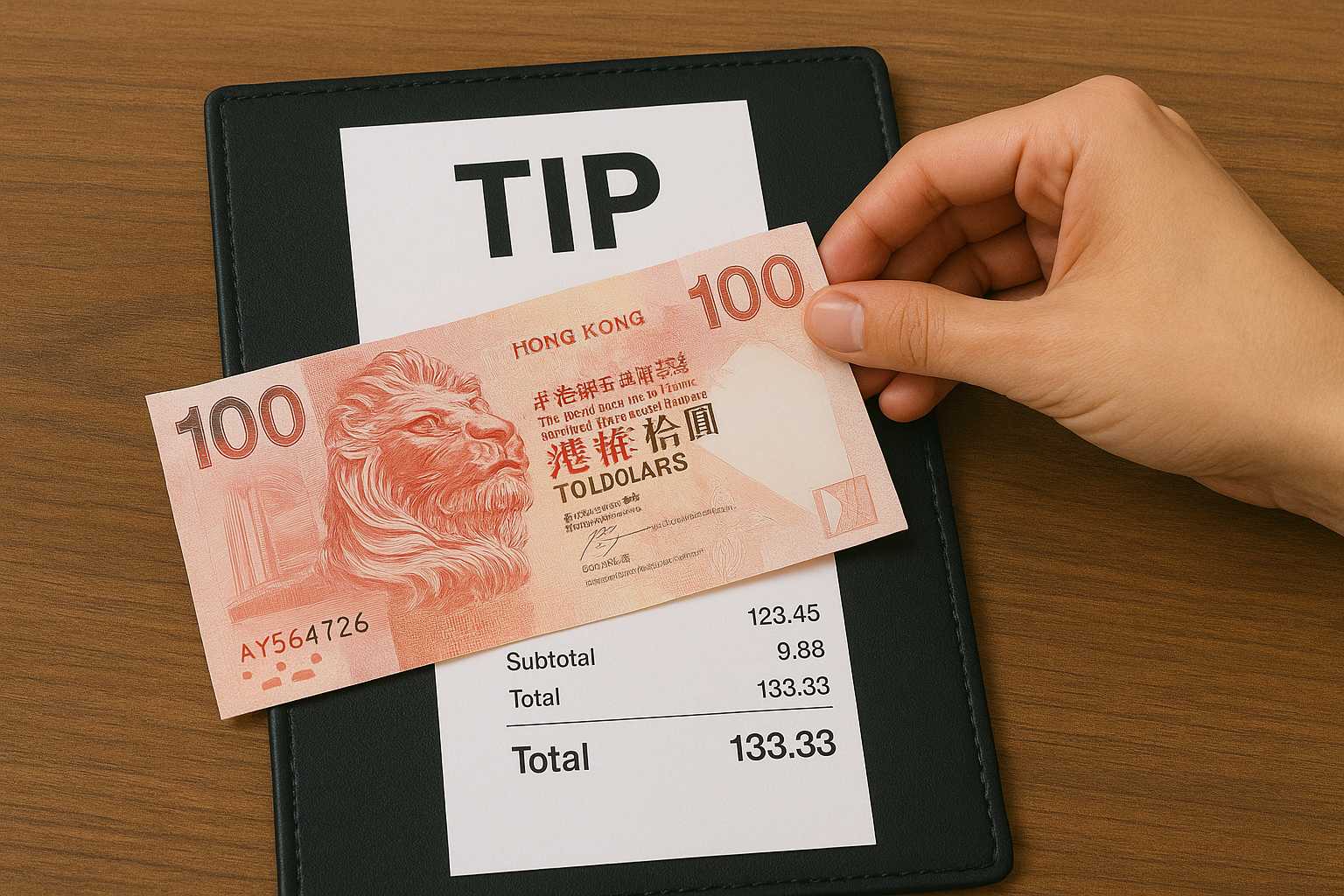
If you’re coming from a country like Singapore where tipping isn’t the norm, don’t worry—Hong Kong won’t catch you off guard. Tipping here is appreciated but not expected in most places. Many restaurants and hotels already include a 10% service charge, so extra tips are totally up to you. That said, in casual or personal service settings, a small tip can leave a good impression.
✅ Where and How Much to Tip in Hong Kong
🏨 Hotels
- Bellboys: HK$10–20 per bag is a nice gesture
- Housekeeping: HK$10–20 per night, left on the desk or bedside
- Concierge: Only tip if they go above and beyond, like booking a hard-to-get table or arranging transport
🍽️ Restaurants
- Most places include a 10% service charge, but that often goes to the owner, not the staff.
- In casual eateries or cha chaan tengs (local diners), tipping isn't expected.
- At mid- to high-end restaurants, feel free to round up the bill or leave an extra 5–10% in cash if service was excellent.
🚕 Taxis or Ride-hailing (Uber/Grab)
- Rounding up to the nearest HK$5 or HK$10 is normal and appreciated 🚕
💇♂️ Salons, Spas, Massage Parlours
- Tips aren’t required, but if your stylist or therapist does a great job, HK$20–50 is a kind thank-you
- Some upscale salons may have a “tip box” or envelope system at the front desk
✅ How to Tip
Tipping is usually done in cash, and you can hand it directly to the staff with a smile. No need for fancy envelopes.
In digital-focused places (especially in cafés or ride-hailing apps), digital tipping isn't common yet, so stick to coins or small bills 💰.
✅ Cultural Nuance to Keep in Mind
If someone politely refuses your tip, don’t insist—it’s often a sign of humility, not offense. But if they do accept it, they’ll usually thank you with a smile or nod 😊. Also, don’t worry about exact change—rounding up is fine.
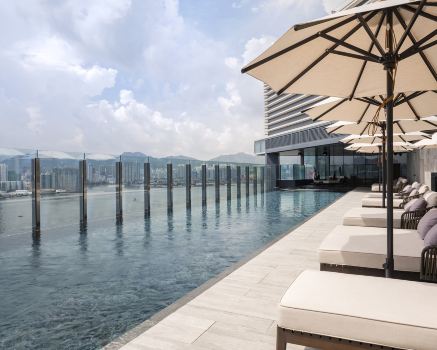
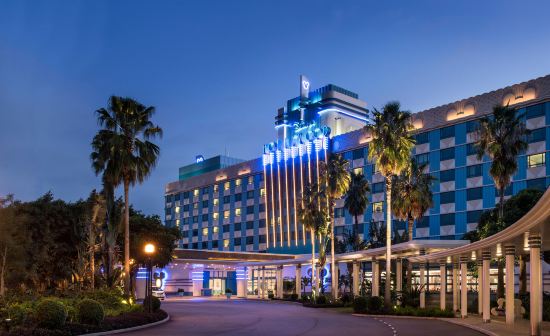
Recommended Hotels in Hong Kong
 NO.1
NO.1

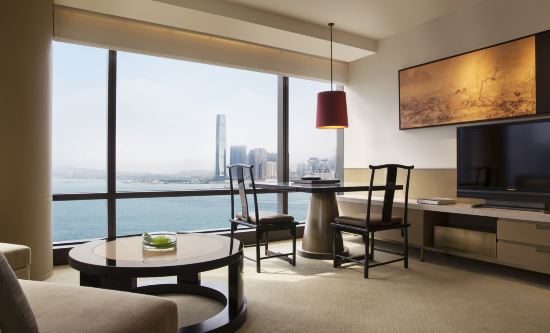
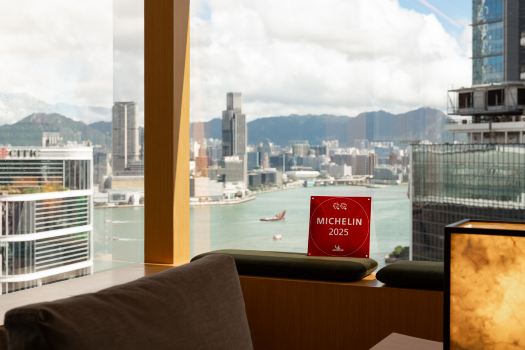
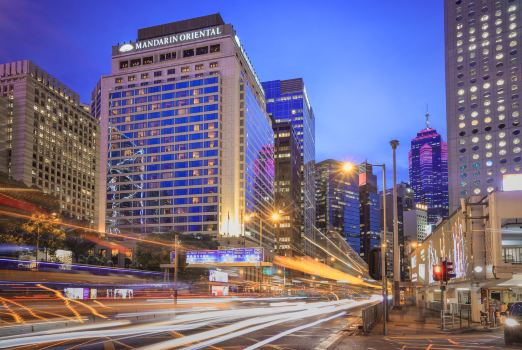
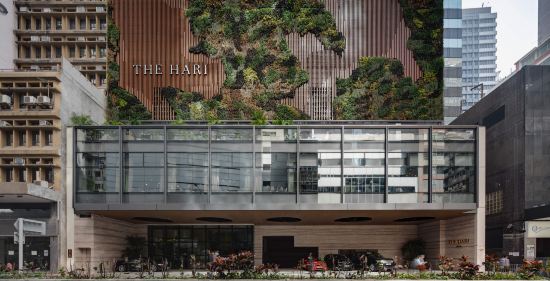

🚨 Safety & Emergency Info in Hong Kong: What Singaporean Travelers Should Know
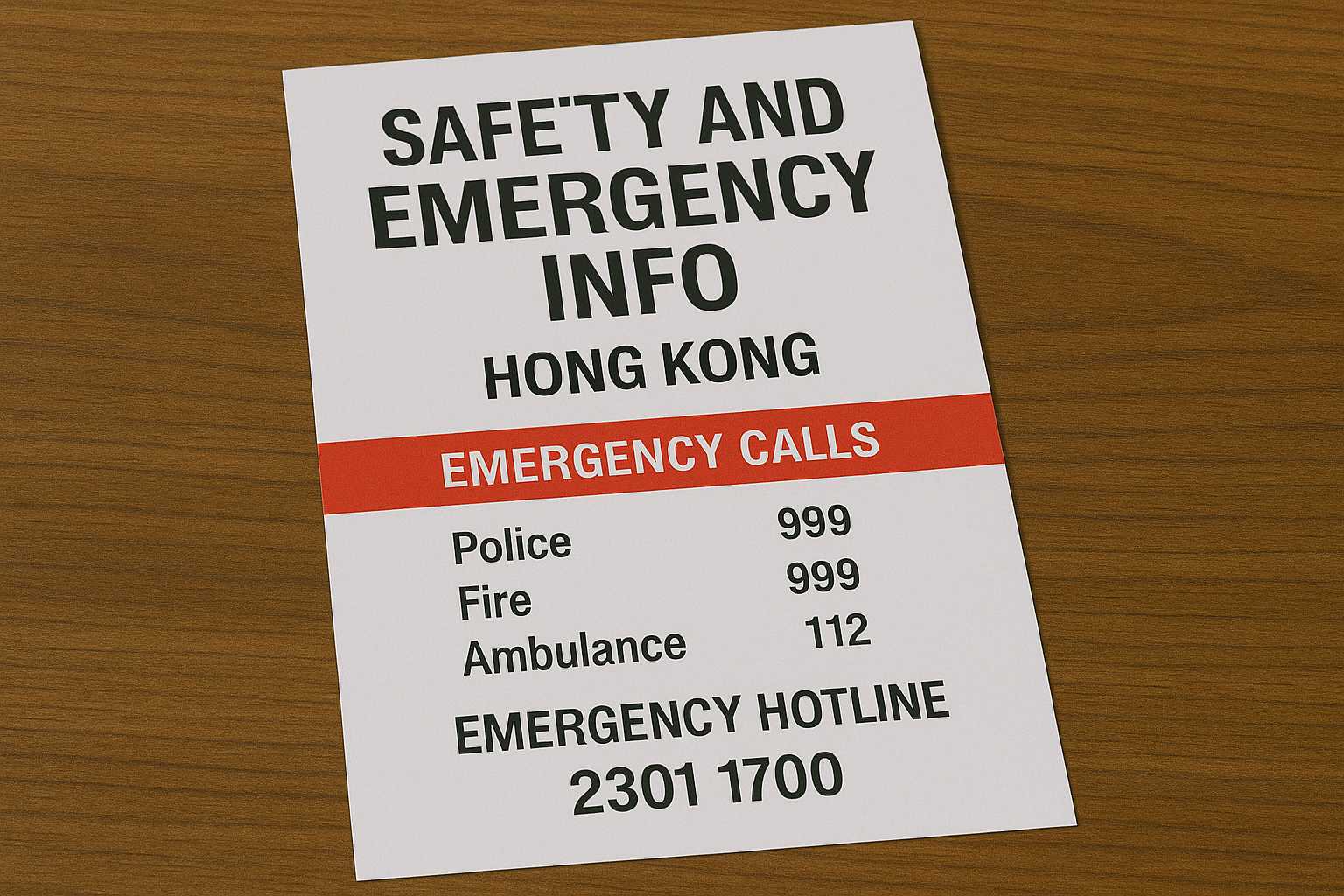
If you’re coming from Singapore, you’ll feel right at home—Hong Kong is one of the safest cities in Asia. Violent crime is rare, and public areas like the MTR, shopping streets, and tourist zones are generally safe even at night 🌙. That said, just like anywhere popular with tourists, it’s wise to stay alert to pickpockets in crowded areas and be cautious of common scams.
✅ Top Local Safety Tips
- 👜 Watch your belongings in crowded spots like Ladies’ Market or the MTR.
- 🚕 Use official taxis or ride-hailing apps like Uber—avoid unlicensed touts.
- 💼 Keep passports and valuables in a hotel safe when not in use.
- 🌙 Stick to well-lit, busy streets at night, especially in unfamiliar areas.
- 📶 Save emergency contacts in your phone ahead of time—just in case.
📞 Emergency Contacts (From Local & International Phones)
Emergency Type | Local Number | Notes |
|---|---|---|
👮 Police | 999 | For theft, scams, or suspicious activity |
🚑 Ambulance | 999 | Public service—no separate number needed |
🚒 Fire | 999 | Same hotline for all emergency services |
☎️ Tourist Helpline | +852 2508 1234 | 24/7 English support from the Tourism Board |
📝 From abroad, dial +852 before the local number.
✅ Medical Access & Pharmacies
- Hong Kong has excellent hospitals and clinics—many doctors speak English, especially in private facilities.
- Pharmacies like Mannings and Watsons are everywhere. Staff may speak limited English, so bring key meds from home.
- 💊 Tip: Pack essentials like fever meds, motion sickness pills, and any prescriptions—just in case.
🧭 Cultural Insight
Locals are often helpful if you ask for directions, even if their English is basic. Just show a map or destination in Chinese if possible, and they’ll try their best. Public disputes are rare—calm and courtesy are appreciated here.
🌏 Cultural Etiquette & Local Customs in Hong Kong – What to Know Before You Go
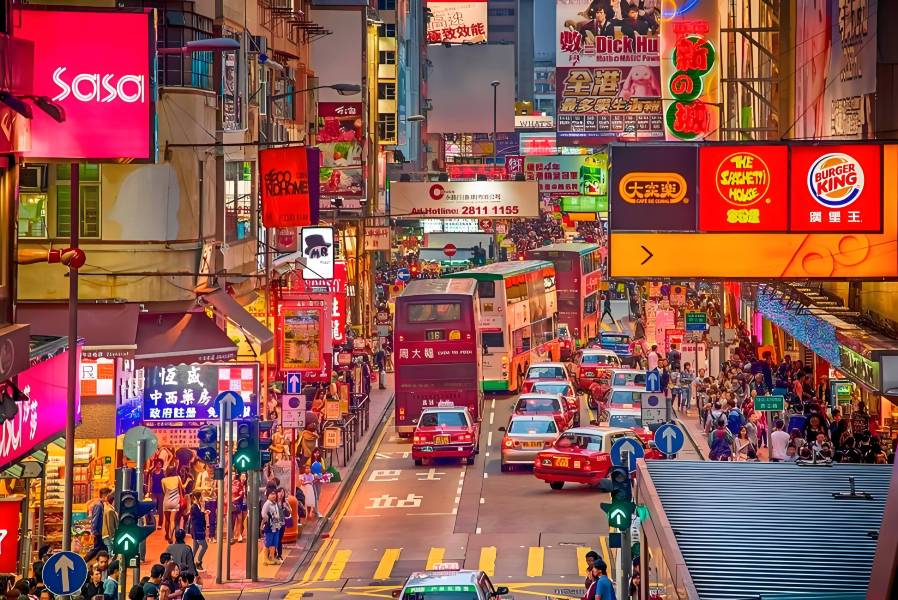
Heading to Hong Kong? You’re in for a vibrant mix of East-meets-West energy—with towering skyscrapers, fragrant street food, and a unique rhythm all its own. But beneath the city’s fast-paced buzz lies a deep sense of respect, tradition, and social harmony that visitors should try to follow 🙏.
✅ General Cultural Vibe
Hongkongers are generally polite but reserved in public. You’ll notice people avoid unnecessary noise on the MTR 🚇, wait their turn (usually), and value personal space—even in a city this packed. Being courteous, discreet, and considerate of others is the norm.
✅ Etiquette Do’s & Don’ts
- 👟 Take off your shoes when entering someone’s home
- 🤲 Use both hands when giving or receiving gifts, especially to elders or in formal settings
- 🦶 Don’t point with your feet—it’s considered disrespectful
- 💬 Keep your voice down in public transport or restaurants
- 🙅♀️ Avoid touching others casually, especially strangers or older people
- 💏 Public displays of affection (like kissing or hugging) are okay in modern areas, but best avoided in traditional neighborhoods
- 💸 Always offer to pay your share when dining with locals—it’s seen as polite, even if they insist on treating
✅ Dining Etiquette 🍽️
Meals are usually shared family-style, with dishes placed in the center. Wait for elders or the host to begin eating before you do 🙇.
- 🥢 Don’t stick chopsticks upright in rice—it resembles incense used at funerals
- 🙅♂️ Don’t point with chopsticks, tap bowls, or dig through shared dishes
- 🍲 It’s polite to serve others before serving yourself, especially seniors
- 💬 Conversation is welcome at the table—but avoid overly loud or messy eating
✅ Dress Code & Body Language
Hong Kong is fairly cosmopolitan, but you’ll want to dress modestly when visiting temples or traditional villages 🛕. In business settings, go for smart, conservative attire.
- 👉 Avoid finger-pointing—it can seem aggressive
- 🖐️ When calling someone over, palm down with fingers waving is more polite than the Western “come here” gesture
- 🙇 A small nod or light handshake is typical when greeting—no need for bows
✅ Interaction Norms
People in Hong Kong are efficient, friendly, and respectful, but not overly chatty with strangers.
- 👋 Greet with a polite “hello” or nod
- 🧍♂️ Stand your ground in lines (queues matter here!)
- 🗣️ Small talk isn’t common with strangers, but locals are often happy to help if you ask respectfully
- 💼 In business or formal situations, titles and surnames are preferred (e.g., Mr. Chan, Ms. Lee)
✅ Cultural Curiosity Note
Locals really appreciate it when visitors make the effort—saying “m̀h'gōi” (唔該) for “thank you” or “jóusàhn” (早晨) for “good morning” can go a long way 😊. Even small gestures like queueing properly, handling chopsticks respectfully, or holding a door open reflect the kind of courtesy Hongkongers quietly value.
📶 eSIM, Wi-Fi & Connectivity in Hong Kong – Stay Online Without the Hassle
If you're a connected traveler who needs fast, reliable data from the moment you land in Hong Kong, good news: staying connected here is easy, fast, and tourist-friendly 📱. Whether you prefer eSIMs or traditional SIM cards, you’ve got options that work for both short trips and longer stays.
✅ eSIM vs Local SIM – What’s Best for Hong Kong?
For most travelers, an eSIM for Hong Kong is the most convenient option—no need to queue at airport counters or fiddle with SIM trays. Major telcos like CMHK, SmarTone, and 3HK support eSIMs and allow tourists to activate prepaid plans via apps even before you land. If your phone is eSIM-compatible, it’s a solid, no-fuss choice 🌍.
Local physical SIM cards are still widely available and affordable, especially for longer stays or if you need more data. Just remember—SIM registration with your passport is required under Hong Kong law.
✅ Best SIM Providers in Hong Kong
📡 China Mobile Hong Kong (CMHK) – Excellent city-wide coverage and affordable tourist SIMs with generous data
📡 SmarTone – Fast speeds and great customer service, ideal for short stays
📡 3HK (Three) – Popular with international travelers, offers solid prepaid and eSIM options
All of these providers have dedicated tourist packages—usually valid from 5 to 15 days, with data caps ranging from 5GB to unlimited.
✅ Where to Buy SIM or eSIM
- At the Airport: You’ll find official telco counters at HKIA Arrival Hall, open till late
- Citywide: Pick up SIMs at 7-Eleven, Circle K, or telco retail stores
- Online: Skip the queue with a pre-purchased eSIM for Hong Kong—activate via QR code in minutes
- 🛂 Don’t forget: Have your passport ready if buying a physical SIM card
✅ Wi-Fi & Internet Access in Hong Kong
🛜 Wi-Fi is widely available in hotels, malls, MTR stations, and even on some buses. Most cafés (like Pacific Coffee or Starbucks) offer free Wi-Fi with a quick login.
💡 VPNs are not required—unlike mainland China, Hong Kong has open internet access to sites like Google, WhatsApp, Instagram, and YouTube.
✅ Travel Tips to Stay Connected
- 📥 Download Google Maps offline areas and key Cantonese translation packs before arrival
- 🔌 Keep a portable charger or power bank handy—exploring Hong Kong eats up battery fast
- 🌐 Want to avoid airport hassle? Trip.com also offers eSIM for Hong Kong—just scan, activate, and go
🧳 Final Travel Advice & Helpful Links for Hong Kong
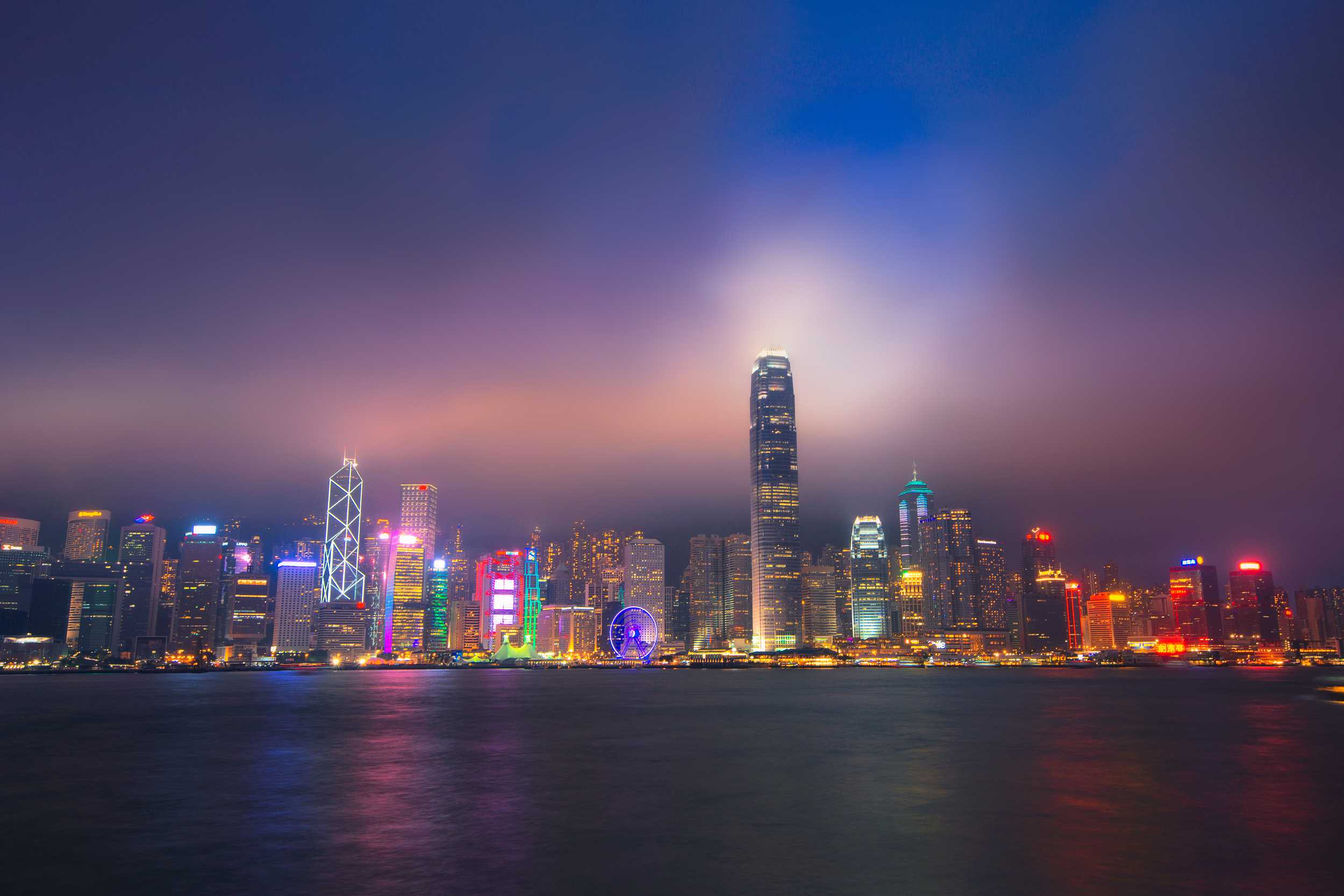
Now that you've got a handle on Hong Kong’s culture, connectivity, local etiquette, and how to navigate it all, you’re more than ready to explore this dynamic city with confidence. Sometimes it's the small things—like knowing how to tip, where to buy a SIM card, or how to greet a local—that make a big difference in how smoothly your trip goes ✨.
Remember, every district in Hong Kong has its own rhythm. Whether you’re getting lost in the artsy alleys of Sheung Wan, chasing sunset views in Sai Kung, or snacking your way through Mong Kok, the city rewards curiosity. Don’t be afraid to wander a little further—the surprises are always worth it.
Ready to take the next step? Start browsing ✈️ flights to Hong Kong, 🏨 hotels in Hong Kong, or discover your perfect 📍 Things to Do in Hong Kong—all in one place to make your planning smoother and more fun. Have a great trip and enjoy every moment of your adventure in Hong Kong! 🌟
🧳 FAQs: Hong Kong Travel Tips
-
Do I need a visa to visit Hong Kong?
-
What’s the best way to get from the airport to the city?
-
Should I get an Octopus Card?
-
Is English widely spoken in Hong Kong?
-
What apps should I download before my trip?
Trending Researches
-
Popular Content
-
Popular Flights
-
Popular Hotels
-
Popular Things to Do
-
Featured guides
-
Trip.com links
- Best Time to Visit Hong Kong
- Hong Kong Arrival Card
- Hong Kong Transport
- BTS Hong Kong Concert 2027
- Hong Kong Visa
- Hong Kong Octopus Card
- Hong Kong Public Holidays 2025
- Hong Kong Travel Tips
- Shenzhen to Hong Kong
- travel to hong kong from singapore
- Hong Kong MTR
- Hong Kong Itinerary
- Harbour Plaza Metropolis
- Hong Kong West Kowloon Station
- Ngong Ping 360 Tickets
- Cheap tickets from Bangkok to Hong Kong
- Cheap tickets from Hangzhou to Hong Kong
- Plane tickets from Mabalacat to Hong Kong
- Cheap flights from Tokyo to Hong Kong
- Plane tickets from Penang to Hong Kong
- Cheap flights from Manila to Hong Kong
- Plane tickets from Beijing to Hong Kong
- Cheap flights from Taipei to Hong Kong
- Cheap tickets from Ho Chi Minh City to Hong Kong
- Cheap tickets from Shanghai to Hong Kong
- Cheap tickets from Kuala Lumpur to Hong Kong
- Plane tickets from Singapore to Hong Kong
- Plane tickets from Seoul to Hong Kong
- Cheap tickets from Ta Khmau to Hong Kong
- Cheap flights from Jakarta to Hong Kong
- Mondrian Hong Kong
- Novotel Century Hong Kong
- The Kowloon Hotel
- Hopewell Hotel
- Eaton HK (Langham Hospitality Group)
- Disney Explorers Lodge
- Regal Airport Hotel
- Holiday Inn GOLDEN MILE HONG KONG by IHG
- Nathan Hotel
- Cordis, Hong Kong (Langham Hospitality Group)
- The Mira Hong Kong
- Nina Hotel Tsuen Wan West
- Four Points by Sheraton Hong Kong Tung Chung
- Novotel Citygate Hong Kong
- Regala Skycity Hotel by Regal Hotels
- Kowloon Shangri-La, Hong Kong
- Dorsett Mongkok Hong Kong
- Royal Plaza Hotel
- Wharney Hotel
- Prudential Hotel
- Ocean Park Hong Kong Tickets
- Hong Kong Disneyland Tickets
- hong kong disneyland ticket
- Ngong Ping 360 Tickets
- Hong Kong Airport Services
- Hong Kong Connectivity Solutions
- Hong Kong Travel Essentials
- Hong Kong Shopping Discounts
- Hong Kong Day Tours
- Hong Kong Activities
- Hong Kong Pocket Wifi Router
- Hong Kong Boat Tickets
- Hong Kong Spa & Massage
- Hong Kong Travel Services
- One-way boat ticket from Shenzhen Shekou Port to Hong Kong Airport SkyPier
- One-way boat ticket from Hong Kong International Airport SkyPier to Shenzhen Shekou Port
- Mainland China/Hong Kong/Macau 5G eSIM | Dual Network | Day Pass/Total Data Package | 24-Hour Billing | QR Code
- Mainland China/Hong Kong/Macau 5G/4G eSIM | Daily/Total Data Package | 24-Hour Billing | 1-30 Days | QR Code
- Full-day 1-day tour experience at Ocean Park Hong Kong for an immersive day of fun
- China Power Bank Limit
- Trip.com Customer Service
- train to kl from singapore
- Shanghai Metro
- China Train Map
- China Entry Requirements
- Hong Kong Public Holidays 2027
- train from singapore to jb
- China Plug
- Thailand Plug
- universal studios singapore tickets
- Renew Autopass Singapore
- Taiwan Plug
- Vietnam Arrival Card
- Singapore Malaysia Cross Border Taxi
- Big Transport from Tokyo to Fukuoka
- Osaka Station to Kyoto Station
- Bangkok to Pattaya
- Trip.com Promo Code
- Trip.com Flight Deals
- Trip.com Credit Card Promotions
- How to Book Cheap Hotels
- How to Book Cheap Flights
- Trip.com Member Rewards
- Trip Weekly Hotel Sales
- Online Hotel Booking
- Online Flight Booking
- Trip.com Travel Guide
- Book China Train Tickets
- Trip.com Seat Selection
- Singapore Public Holidays 2027
- Trip.com 优惠码
- Trip.com Travel Guides
- Trip.com 10.10 Mega Sale