Pandas in Chengdu: Best 4 Places to See Them

Author's Profile Picture
 
Chengdu Pandas

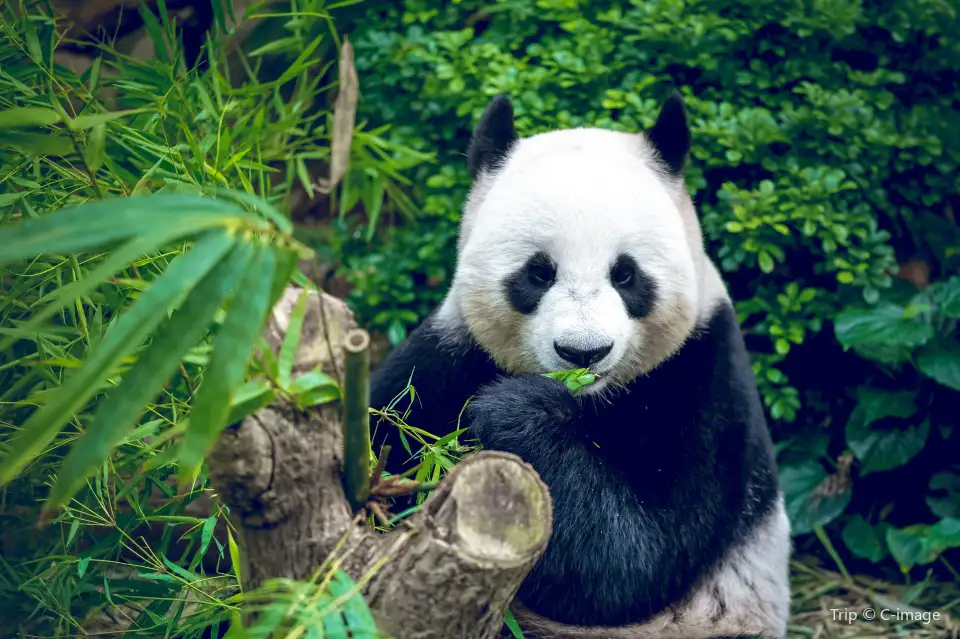
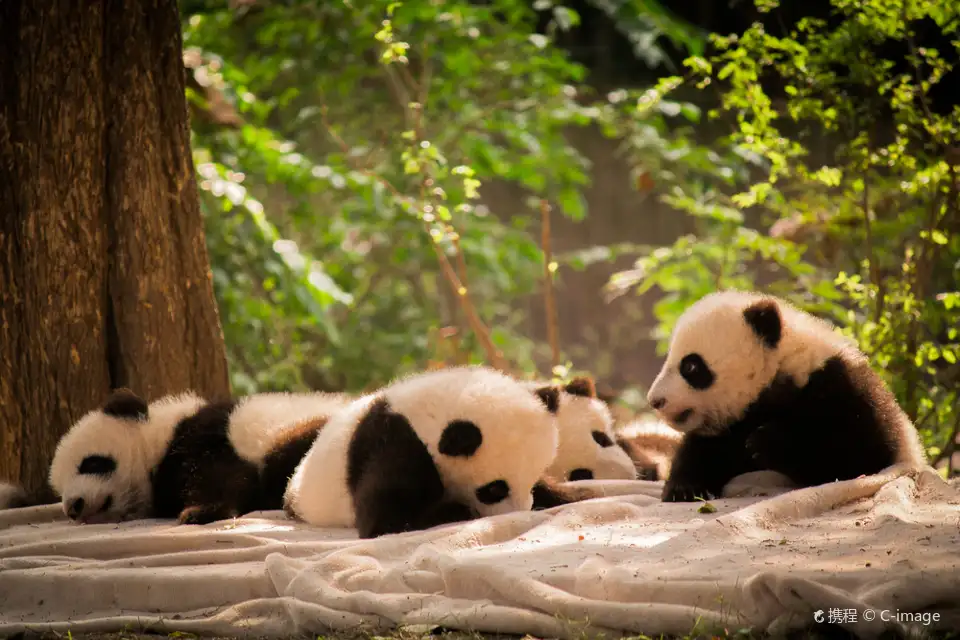
Chengdu is rightly known as the city of pandas. It is home to the world‑famous Chengdu Research Base of Giant Panda Breeding, dedicated to conserving these rare animals. In Chengdu, you can spot pandas of every age: from playful cubs to calm adult bears living among bamboo groves. Pandas are the city’s beloved symbol, featured on street decorations, souvenirs and even metro stations. Below we break down where you can see giant pandas (and more) across Chengdu.

Pandas Is The Symbol of China

Giant pandas are among the world’s most‑loved animals and an iconic symbol of China. These distinctive black‑and‑white bears live in mountain forests across Sichuan, Shaanxi and Gansu provinces. They are famous for their gentle temperament and huge appetite for bamboo, which makes up almost their entire diet. Thanks to species‑conservation programmes, wild panda numbers have been gradually rising.

You can observe them in dedicated protected reserves such as those around Chengdu. Watching pandas is not only enjoyable; it also highlights the importance of protecting wildlife and endangered species.

🔥Save More with Up to 5% OFF

Use our promo code to enjoy up to 5% OFF (up to S$3) on your attraction tickets, tours and eSIMs! Only for new users!
Chengdu
Chengdu Research Base of Giant Panda Breeding
🔥9.4
4.6/5
From S$10.41
Book Now
Dujiangyan
Dujiangyan China Giant Panda Garden
🔥6.4
4.7/5
From S$10.96
Book Now
Panda
Panda Valley
🔥8.1
4.4/5
From S$10.41
Book Now
Red
Red Panda Forest Park
🔥5.6
4.4/5
From S$18.54
Book Now

Chengdu Research Base of Giant Panda Breeding

This is not a regular zoo — it is the world‑leading scientific centre for giant panda breeding and research. Its core missions are species conservation, scientific study and public environmental education.

  • Chinese name: 成都大熊猫繁育研究基地 (Chéngdū Dàxióngmāo Fányù Yánjiū Jīdì)
  • Motto: “Home of the Pandas” — a feeling you get everywhere across the grounds.

What you will experience at the panda base?

Meet the giant pandas

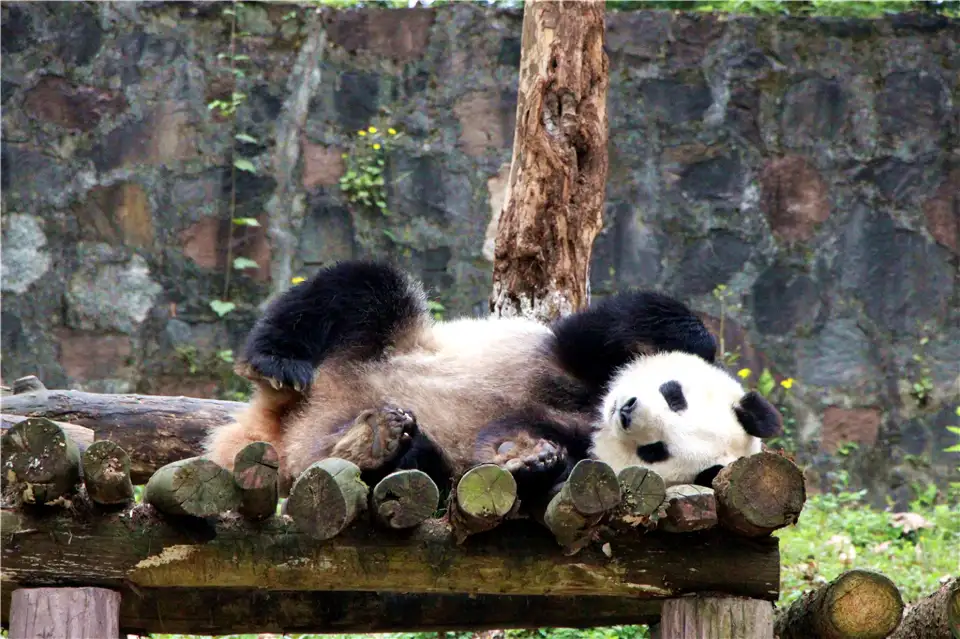
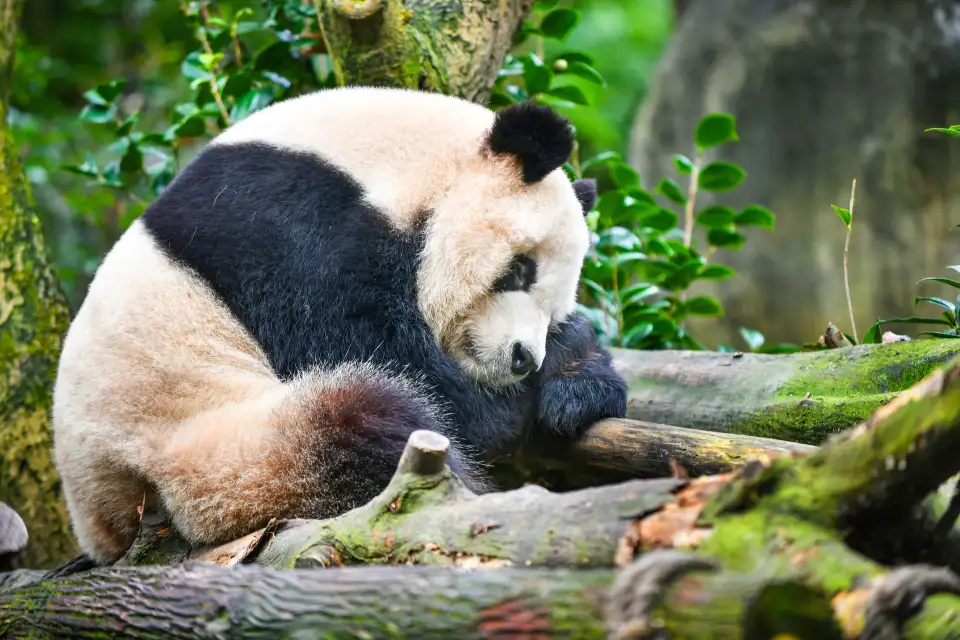
  • Adult pandas: Housed in large enclosures modelled on their natural habitat. Watch them feed, sleep (they rest for up to 14 hours daily) and occasionally play lazily.
  • Panda cubs (the highlight!): With luck you may see tiny newborn pandas inside incubators. New‑borns are pink, blind and about the size of a rat. Older cubs aged six months and above are usually very lively and entertaining; their antics in the “panda nursery” delight all visitors.
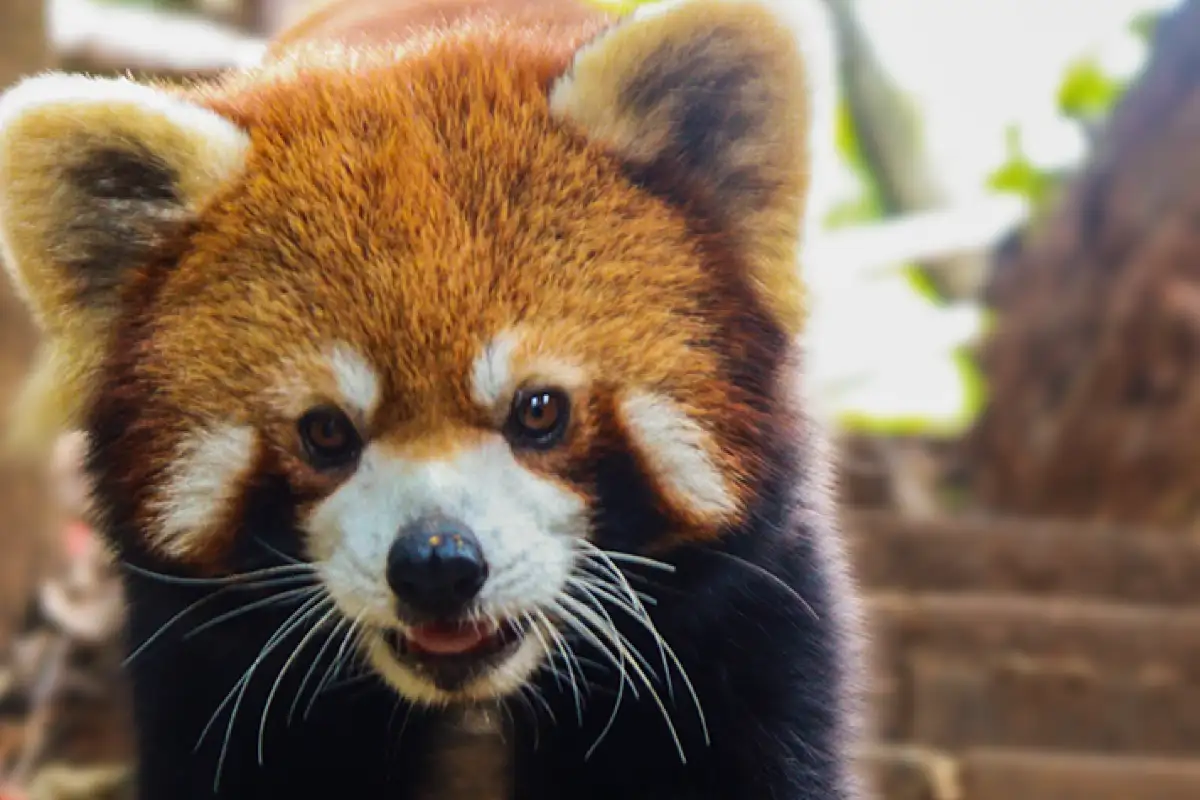
  • Red pandas: These charming rust‑coloured small mammals also live onsite. You can spot them wandering on overhead walkways right above visitor paths.
  • Panda Museum & education centres: Learn about panda evolution, biology and the ongoing conservation efforts for this vulnerable species.
  • Sprawling green park grounds: The whole site sits within a large park‑style green zone. Strolling along shaded tree‑lined paths feels like walking through a botanical garden.
Chengdu Research Base of Giant Panda Breeding

Best time to visit the pandas

Pandas are most active in cool weather, especially during feeding sessions.

  • Best time of day: Arrive right at opening hours.
    • March‑October: opens 07:30
    • November‑February: opens 08:00 This is peak activity time when pandas are being fed, so you get to watch them eating and moving around. After 10:00 a.m., pandas will mostly go to sleep.
  • Best months: Visitable year‑round. Cooler months (September‑May) are ideal. In hot summer weather, pandas mostly stay inside air‑conditioned buildings or sleep.

Volunteer Programme

For visitors wanting a deeper experience, the base runs official volunteer opportunities. Unique activities include:

  • Preparing special panda food
  • Cleaning animal enclosures
  • Interacting with professional keepers
  • Paid photo opportunities with pandas

Important note: Official volunteer programme pricing and requirements are not published publicly. Check directly via the official site panda.org.cn. Commercial one‑day “Panda Keeper” tour packages are available from Singapore‑based travel agents at varying rates. Book several months ahead and always confirm current conditions.

Practical Visitor Information

  • Address: 1375 Panda Road, Chenghua District, Chengdu (成都市成华区熊猫大道 1375 号)
  • How to get there
    • Taxi: Show the driver the Chinese‑language address.
    • Metro: Take Line 3 to Panda Avenue Station, Exit A. A free shuttle bus 408 runs 2 km from Exit A to the South Entrance of the base.
  • Opening Hours
    • March‑October: 07:30‑18:00 (last entry 17:00)
    • November‑February: 08:00‑17:30 (last entry 16:30) Always verify opening times on the official website before your trip.
  • Tickets
    • Adult ticket: 55 CNY (≈ S$10.40)
    • Undergraduate students: 27 CNY (≈ S$5.10, 50 % discount)
    • Free entry: Seniors aged 60 years+, children under 6 years or below 1.2 m height.
    • Critical advice for Singapore travellers: Book tickets online well in advance. Daily visitor limits apply and walk‑up tickets often sell out. Remember to bring your original Singapore passport for identity verification.
  • Recommended visiting duration: 3‑4 hours. The site is large; expect substantial walking.

Dujiangyan China Giant Panda Garden

The Dujiangyan base is a wildlife reserve and nature park set in mountain foothills with a genuine wilderness atmosphere. Located outside Chengdu amid mountains, forests and waterfalls, this facility focuses on panda rehabilitation: preparing animals for potential wild release plus long‑term care for elderly or injured pandas. It is less crowded and quieter than the main Chengdu base.

Dujiangyan China Giant Panda Garden

Key highlights & experiences

Retirement home for pandas — “Panda Fairytale Town” This is one of its most touching features. Elderly pandas and individuals with chronic illness or permanent injuries (unfit for release to the wild) receive lifelong high‑quality care across hillside enclosures. Observing these senior bears living at a gentle pace is a special experience.

Immersive natural setting Built in scenic foothill terrain. Walking the grounds feels like mountain hiking. The air is fresher and cooler than central Chengdu, perfect for pandas and visitors alike.

Panda memorial & museum A quiet memorial pays tribute to deceased pandas, highlighting the importance of conservation work.

Smaller crowds, less hustle Unlike the busy Chengdu base where you jostle crowds at viewing windows, here you can watch animals unhurriedly and take clean photos without crowds in frame.

Practical Visitor Information

  • Chinese name: 中国大熊猫保护研究中心都江堰基地;local short‑name 都江堰熊猫基地
  • Address: Qingchengshan Town, Dujiangyan City, Chengdu (成都市都江堰市青城山镇)
  • Distance from central Chengdu: 60‑70 km, roughly 1.5 hours by car.
  • How to get there
    • Taxi / private car: Most convenient but pricy; you may negotiate a full‑day taxi hire.
    • Inter‑city bus: Catch a bus from Chengdu East Bus Station or Xinnanmen Bus Station to Dujiangyan town, then take a local taxi onwards to the panda garden.
    • Group day‑tour: Many Singapore travel platforms offer combined day trips covering this panda site plus the Dujiangyan Irrigation System and Mount Qingcheng.

⚠️ Important update: Dujiangyan China Giant Panda Garden is closed for major renovation starting 23 April 2026. Always confirm reopening dates via official sources before you plan travel from Singapore.

  • Ticket price: Standard adult ticket 58 CNY (≈ S$10.96). Prices and opening times will change post‑renovation.
  • Recommended visiting duration: 2.5‑4 hours including travel and leisurely walks.

Panda Valley

Panda Valley (Chinese: 熊猫谷) is an innovative research‑driven nature park near Chengdu, whose core mission is to train giant pandas for survival in the wild.

Unlike the comparatively smaller walled enclosures at the Chengdu and Dujiangyan bases, Panda Valley provides multi‑hectare wide‑range habitats that closely mirror true wild panda terrain.

Its purpose is not merely exhibit animals for tourists. Young healthy pandas, already raised in breeding centres, live here to rebuild natural survival instincts: foraging for food independently, climbing tall trees and avoiding threats. This is their final preparation step before possible release into true wilderness.

Panda Valley

What you can expect?

  • Wild‑style panda‑spotting safari: You hike forest trails while pandas live freely across surrounding mountain slopes. They are not always easy to find, which adds to the adventure.
  • Natural panda behaviours: You stand a much higher chance of seeing pandas actively climbing high trees instead of just sleeping on viewing platforms.
  • Free‑roaming red pandas: A signature attraction. Red pandas wander elevated walkways passing right over visitor heads — fantastic photo opportunities.
  • Nature‑focused experience: You primarily enjoy mountain scenery, fresh forest air and the feeling of deep woodland rather than an urban zoo setting.

Practical Visitor Information

  • Chinese name: 熊猫谷 (Xióngmāo Gǔ)
  • Location: Dujiangyan, foothills of Mount Qingcheng; approx. 1.5 hours drive from downtown Chengdu.
  • How to get there
    • Taxi: The most straightforward option.
    • High‑speed train + local taxi: Board a CRH train from Chengdu West Railway Station or Xipu Station to Dujiangyan Station (30‑40 min). From Dujiangyan station take local bus or taxi for another 30‑40 min to Panda Valley.
  • Ticketing rules: All visitors (including people eligible for free entry) must pre‑book tickets online up to seven days in advance with real‑name registration. Present your original Singapore passport upon entry. No on‑site counter ticket sales available. Pre‑booking is critical in peak tourist seasons for travellers flying over from Singapore.
  • Best visiting time: Arrive early morning for feeding‑time panda activity. In hot weather pandas retreat deep into woodland and become hard to observe.

Red Panda Forest Park

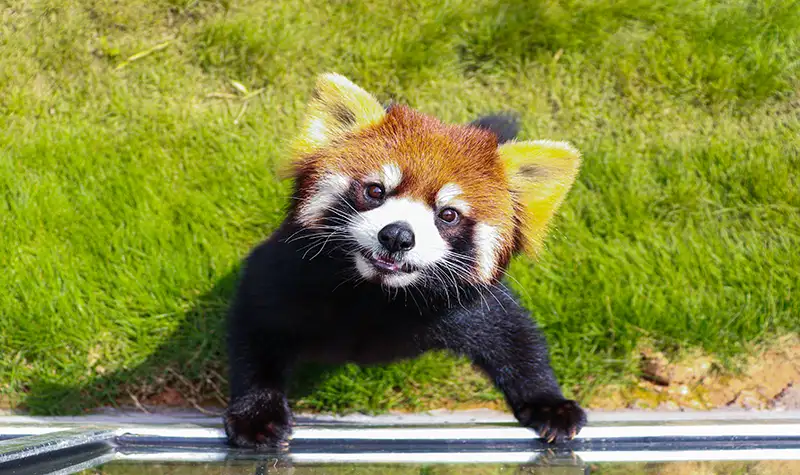
China’s first theme park dedicated entirely to red pandas. Its concept lets visitors observe these animals in near‑wild conditions with safe, close‑range encounters.
Red Panda Forest Park

What makes this park unique?

  • Immersive close‑range encounters: Walk designated trails where red pandas roam freely nearby. They may use the same paths or rest on branches at eye‑level with guests.
  • Supervised feeding experience: For an extra fee of roughly 20‑30 CNY (≈ S$3.78‑S$5.67), you receive special food e.g. apple slices to feed red pandas under strict staff supervision. Great for memorable photos to share back in Singapore.
  • No cages; large forest‑style enclosures: The park sits within thick foothill woodland; you will not see traditional barred cages. Habitats are spacious and natural‑looking.
  • Educational focus: Beyond entertainment, exhibits teach visitors about red‑panda biology, behaviour and survival threats facing wild populations.

Practical Visitor Information

  • Chinese name: 小熊猫森林公园
  • Address: Qingchengshan area, near Dujiangyan city, ~1‑1.5 hours drive from central Chengdu.
  • How to get there
    • Taxi: Convenient yet costly; negotiate full‑day hire.
    • Public transport: Take a high‑speed train from Chengdu West Railway Station to Qingchengshan Station, then transfer to a local taxi for the final leg. Longer total travel time.
  • Tickets: Book online ahead of arrival is strongly recommended for Singapore‑based visitors.

How to Get from Airports to the Panda Sites?

Panda

To Chengdu Research Base of Giant Panda Breeding

This base sits within Chengdu city limits, so it is the easiest destination to reach.

From Shuangliu Airport (CTU)

  1. Taxi (most convenient) Show the Chinese‑language address to the driver: 成都市成华区熊猫大道 1375 号
    • Travel time: 40‑60 minutes
    • Fare: 85‑120 CNY (≈ S$16.07‑S$22.68)
  2. Metro Take Line 3 to Panda Avenue Station, Exit A. Free shuttle bus 408 runs the 2 km route from Exit A to the base’s South Entrance. You may also grab a short taxi for this stretch.
    • Travel time: 75‑90 minutes total
    • Metro fare: 4‑8 CNY (≈ S$0.76‑S$1.51). Shuttle 408 is free or minimal charge.

To Panda Valley and Red Panda Forest Park

These two sites are located close together in the Qingchengshan‑Dujiangyan zone.

From Shuangliu Airport (CTU)

  1. Direct taxi
    • Travel time: 1.5‑2 hours
    • Fare: 300‑400 CNY (≈ S$56.70‑S$75.60)
  2. Combined journey: Taxi → High‑speed Train → Local Taxi
    1. Taxi from airport to Chengdu West Railway Station: 30‑40 min, 50‑70 CNY (≈ S$9.45‑S$13.23).
    2. Board frequent CRH high‑speed train to Qingchengshan Station (~30 min; ticket 10‑15 CNY ≈ S$1.89‑S$2.84).
    3. Local taxi onward:
      • Panda Valley: ~15 min, 20‑30 CNY (≈ S$3.78‑S$5.67)
      • Red Panda Forest Park: ~10 min, 15‑20 CNY (≈ S$2.84‑S$3.78)
    • Overall travel time: ~2.5 hours
    • Total approximate cost per person: 100‑120 CNY (≈ S$18.90‑S$22.68)

To Dujiangyan China Giant Panda Garden

From Shuangliu Airport (CTU)

  1. Direct taxi: ~1.5 hours; 300‑350 CNY (≈ S$56.70‑S$66.15).
  2. Combined journey: Taxi → Train → Local Taxi
    • Taxi to Chengdu West Railway Station
    • CRH high‑speed train to Dujiangyan Station (20‑30 min)
    • Local taxi from station to the panda garden: 15‑20 min, ~30 CNY (≈ S$5.67)
👀Pro Tip: To stay connected throughout your visit, consider getting a China eSIM. Just activate and go!

FAQs About Chengdu Pandas

Disclaimer: This article has been provided by an individual contributor or third party platform. If there is any discrepancy regarding the copyright, please contact us directly and we will delete the content immediately.
Alex

Alex

Asia Explorer

View profile

Hi, I’m Alex! I started travelling as a way to take a break from my busy work life, but over the years, it became my passion. From weekend getaways around Asia to longer journeys exploring different cities, I love researching hidden gems, trying local food, and creating practical travel plans. Through my travel guides, I hope to share tips and useful recommendations to help fellow travellers plan meaningful adventures.

22 articles
Asia Travel Travel Planning Hidden Gems
> >
Chengdu Pandas