
 NO.1
NO.1

🔥Unlock 8% OFF on Car Rentals
Whether you're planning a road trip, a business journey, or just need a reliable ride, now is the perfect time to save. Use the coupon to enjoy this exclusive offer. Rent a car today and hit the road with extra savings!

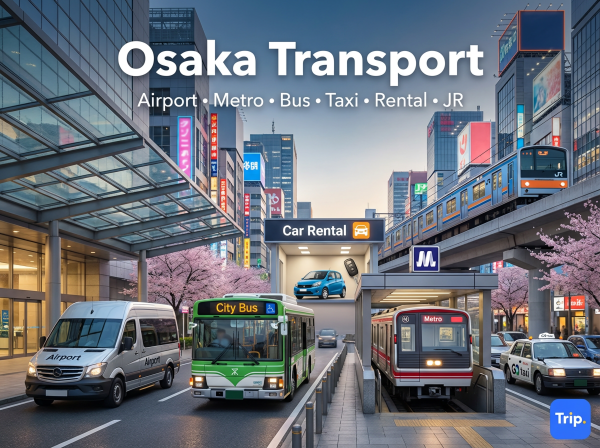
Osaka is one of Japan’s most exciting cities — a vibrant mix of neon-lit streets, historic landmarks, and mouthwatering street food.
The good news? Getting around Osaka is surprisingly easy, thanks to its efficient public transport, well-planned roads, and bike-friendly streets.
Whether you’re arriving at the airport or exploring Dotonbori at night, this guide will help you navigate the city like a local.

Osaka is served by two main airports: Kansai International Airport (KIX) and Itami Airport (ITM). Kansai handles most international flights, while Itami mainly serves domestic routes.
If you’re landing at Kansai Airport, you have a few convenient ways to reach the city center. The Nankai Line whisks you straight to Namba in about 45 minutes, perfect for those eager to dive into Osaka’s nightlife or street food scene.
The JR Haruka Express is another option if you’re heading to Tennoji, Shin-Osaka, or even Kyoto. For travelers with luggage or a late arrival, airport buses and taxis are easy options, though taxis can be pricey.
From Itami Airport, the easiest choice is the Limousine Bus, which connects directly to major hubs like Umeda and Namba.
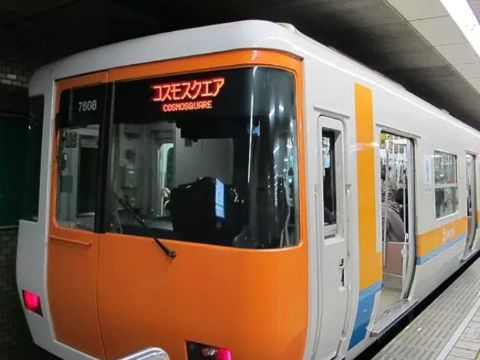
Once you’re in the city, the Osaka Metro will be your best friend. With nine subway lines running across the city, it connects all the major districts from the bustling Umeda area to the entertainment-filled Namba and historic Tennoji.
Some must-know lines include:
The metro runs from around 5:00am to midnight, and you can use an ICOCA card for smooth, tap-and-go travel across trains, buses, and even convenience stores.
Read More
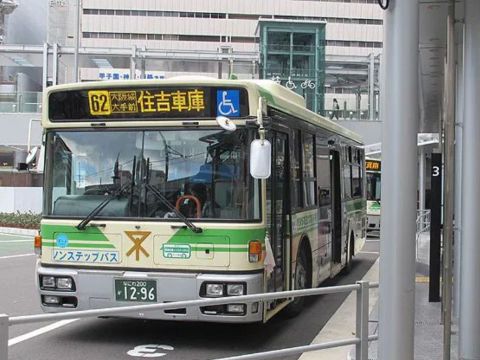
While the subway covers most popular areas, buses are a great way to reach places that aren’t directly accessible by train. Osaka’s buses are clean, reliable, and have clear English signage, making them tourist-friendly.
Info Category | Details |
Operating Hours | 5:30 AM – 11:30 PM |
Frequency | ~10–15 minutes during peak hours, ~20 minutes off-peak |
Fare | ¥210–¥230 ~S$1.70-S$1.90 per ride (central Osaka) |
Payment Methods | Cash (exact fare) or IC card (ICOCA) |
Payment Procedure | Pay upon exiting the bus |

Taxis in Osaka are safe, clean, and easy to find near major stations and shopping centers. They’re perfect if you’re traveling late at night after the trains stop or if you have heavy luggage.
For those who prefer apps, GO Taxi and DiDi work well in Osaka, giving you the flexibility of cashless payment and convenient pick-ups.
Fare Type / Info | Amount (¥) | Notes / How to Pay |
Base Fare | ~¥680 ~S$5.60 | First 2 km |
Additional Fare | ~¥80–¥90 ~S$0.60-S$0.75 per 280–300 meters | After initial 2 km |
Airport to City Center | ~¥15,000–¥20,000 ~S$123-S$165 | Depends on destination |
Payment Methods | — | Cash, IC card (ICOCA, Suica), app-based payment |
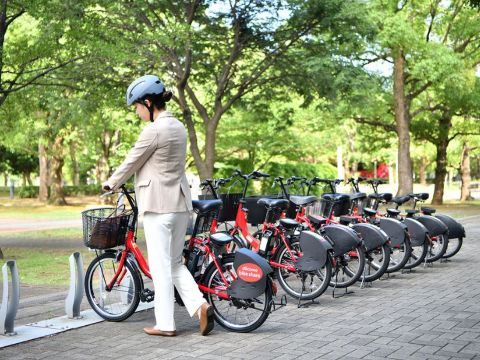
Osaka is surprisingly bike-friendly, with rental stations and bike lanes scattered across the city. Services like Docomo Bike Share make it easy to rent a bike for a few hours, letting you explore riversides, parks, and hidden streets at your own pace.
Cycling is especially convenient around Osaka Castle Park and along the Okawa River, where you can enjoy scenic views while avoiding crowded trains.

Renting a car isn’t necessary if you’re sticking to the city, but it’s a great choice for day trips to Kyoto, Nara, Kobe, or Wakayama.
Expense Type | Cost (¥) | Notes |
Daily Rental | ¥6,000 – ¥12,000 ~S$49-S$99 | Varies by car type |
Expressway Tolls | ¥1,000 – ¥3,000 ~S$8-S$25 per trip | Depends on route |
Parking | ¥300 – ¥500 ~S$2.50-S$4.10 per hour | In central Osaka |
For most visitors, a combination of trains, metro, and walking is easier than driving.
Whether you're planning a road trip, a business journey, or just need a reliable ride, now is the perfect time to save. Use the coupon to enjoy this exclusive offer. Rent a car today and hit the road with extra savings!
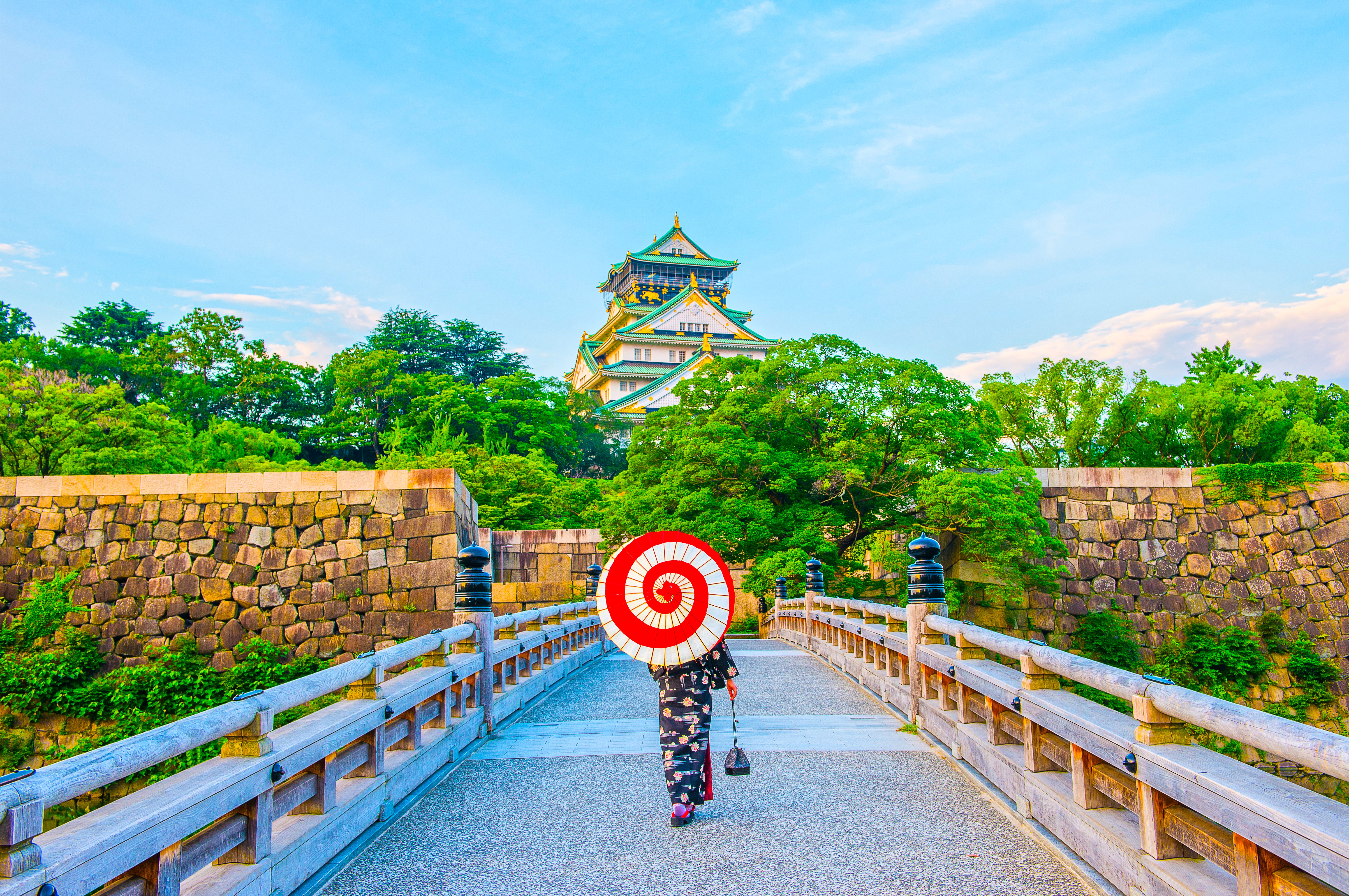
One of the best ways to experience Osaka is simply by walking around. Areas like Dotonbori, Shinsaibashi, Umeda, and Kuromon Market are extremely walkable, and you’ll discover street food stalls, quirky shops, and neon-lit alleys you might miss on public transport.
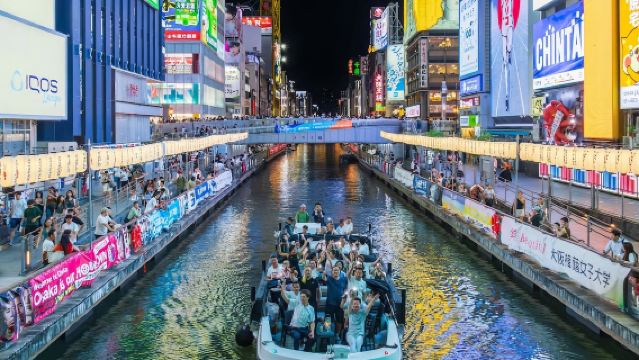
🚨 Insider Tip: Take evening strolls along the Dotonbori canal it’s when Osaka really comes alive.
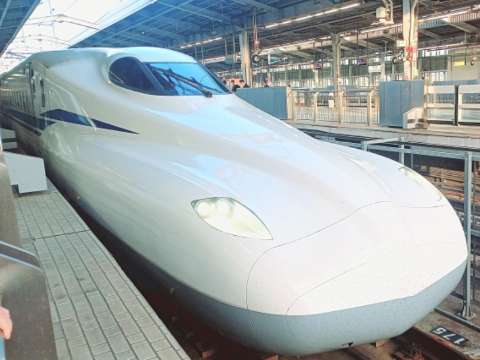
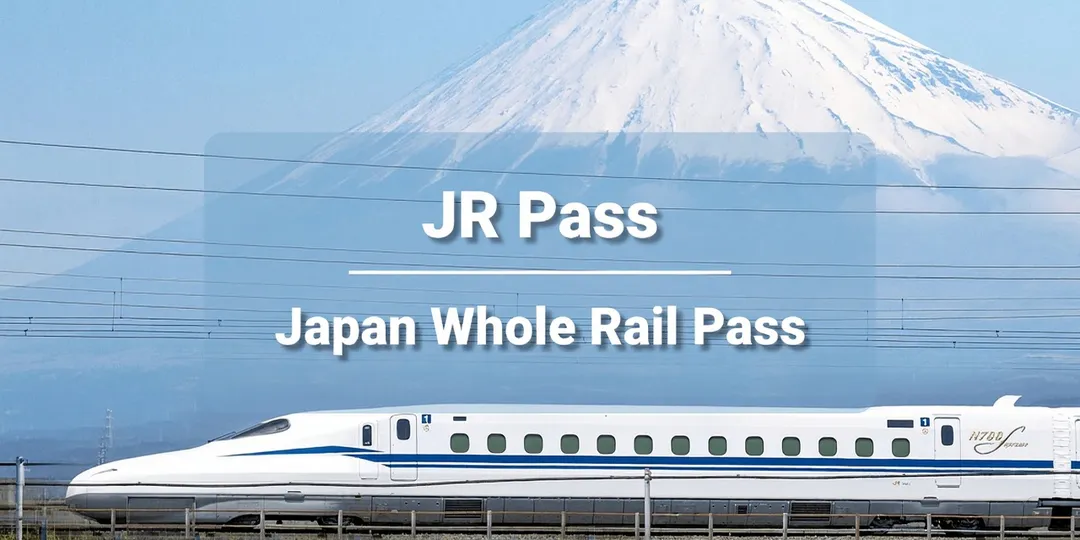
If you’re planning to venture outside Osaka, Shin-Osaka Station is your gateway. High-speed Shinkansen trains connect you to:
Train Type | Operating Hours | Frequency |
Local JR Trains | 5:00 AM – Midnight | Every 10–15 minutes |
Shinkansen | 6:00 AM – 10:00 PM | Every 10–30 minutes (depending on route) |
Local JR trains also make trips to nearby cities like Nara and Wakayama simple and fast.
Read More
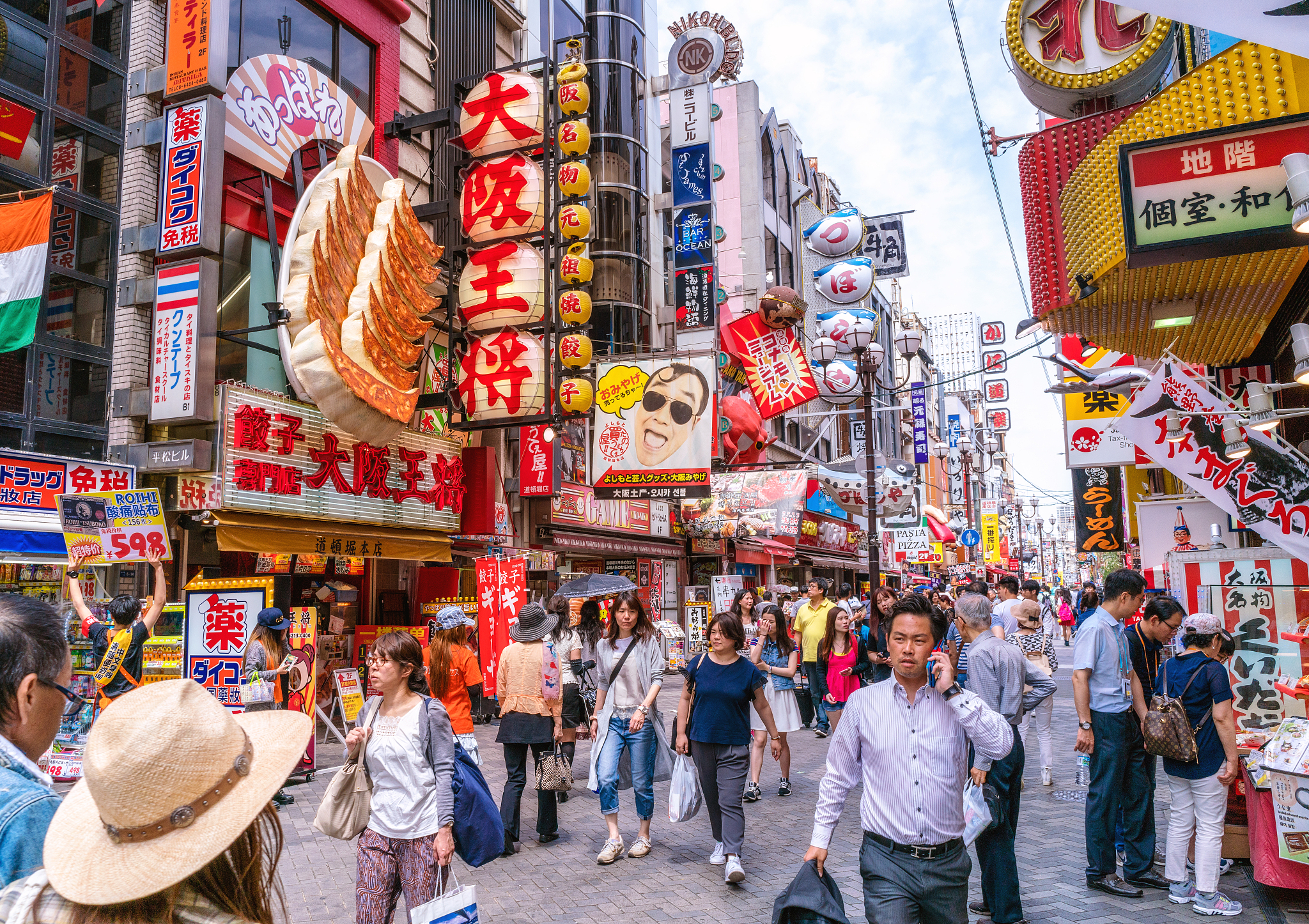
Osaka’s transport network is efficient, affordable, and easy to use, making it one of the most traveler-friendly cities in Japan.
Whether you prefer hopping on the metro, cruising along on a bike, or strolling through neon-lit streets, getting around Osaka is half the fun.
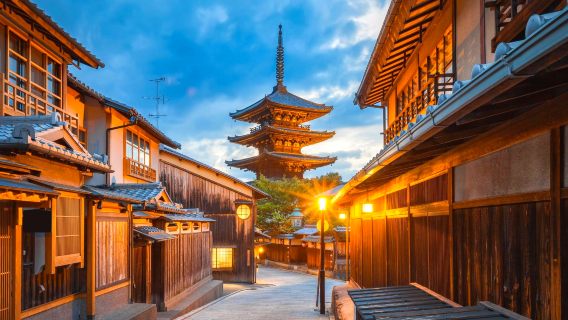
![[Can be departed from Kyoto or Osaka] A day trip to Amanohashidate in Kyoto, Chion-ji Temple, and Ine Funaya.](https://ak-d.tripcdn.com/images/0350s12000sbchqup02A9_C_568_320.jpg)
![Kyoto Amanohashidate + Ine Fishing Village 1-day tour [Includes Amanohashidate cable car ticket and Ine Bay sightseeing boat ticket]](https://ak-d.tripcdn.com/images/0351u12000ok2ugg29289_C_568_320.png)
![[Guaranteed Departure] Kyoto Fushimi Inari Taisha + Arashiyama + Kinkaku-ji + Nara Park 1-day Tour](https://ak-d.tripcdn.com/images/0353t12000trzoqyaBE96_C_568_320.png)