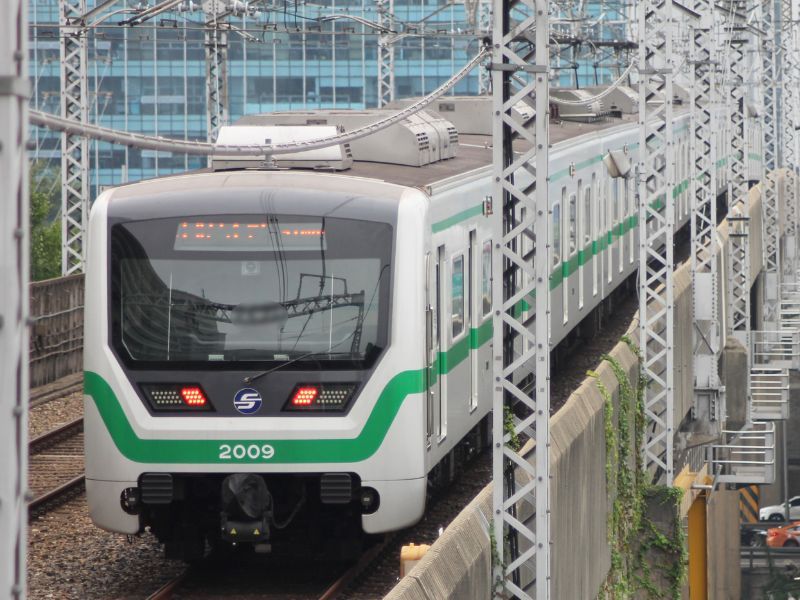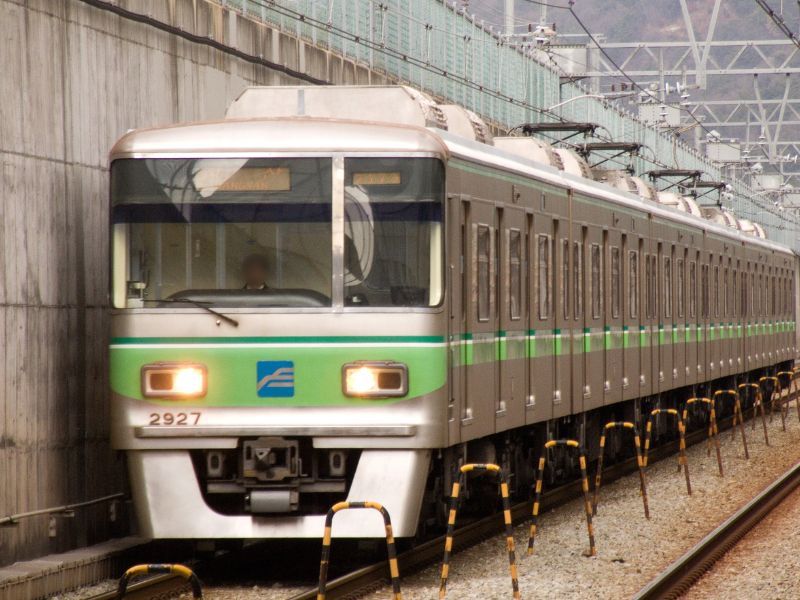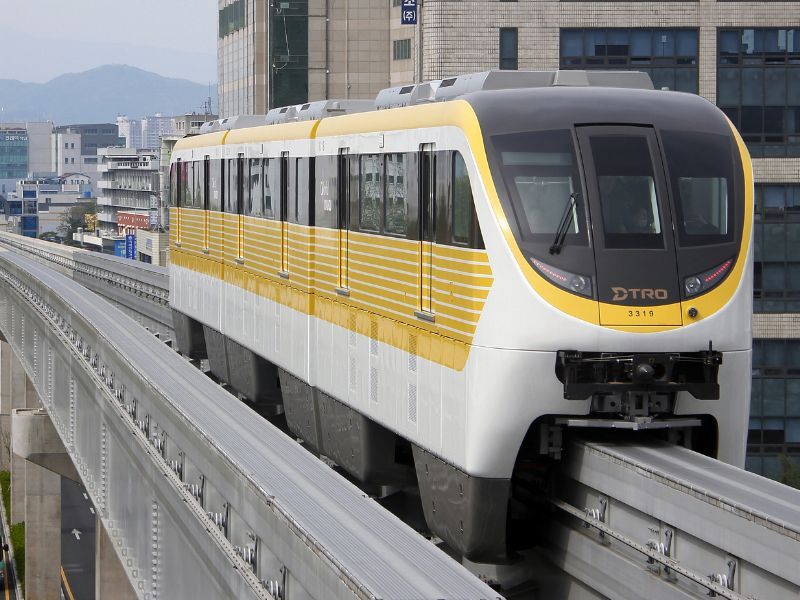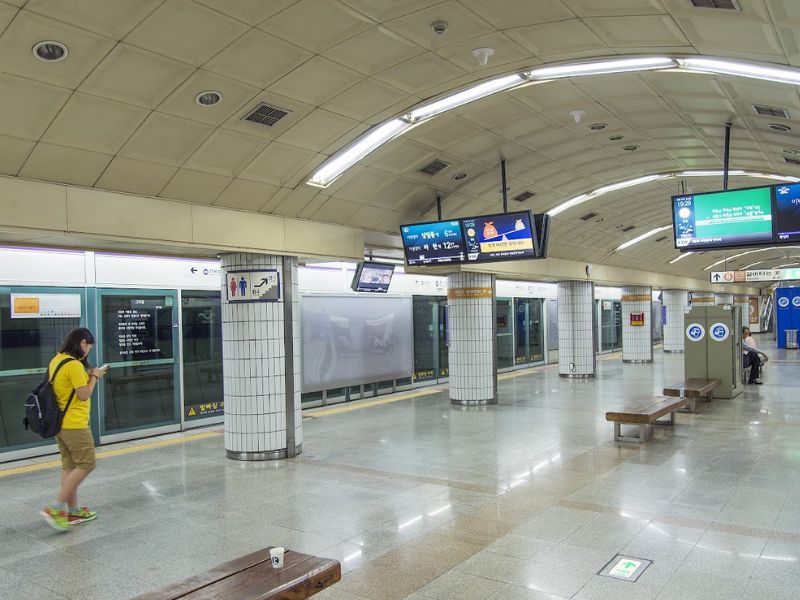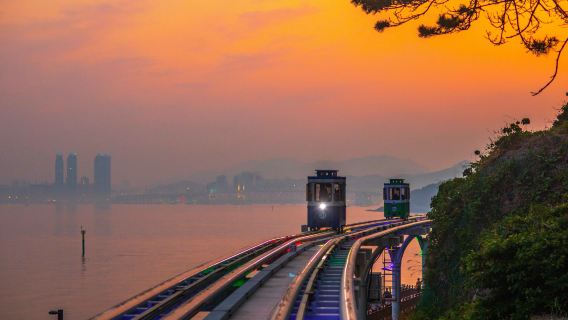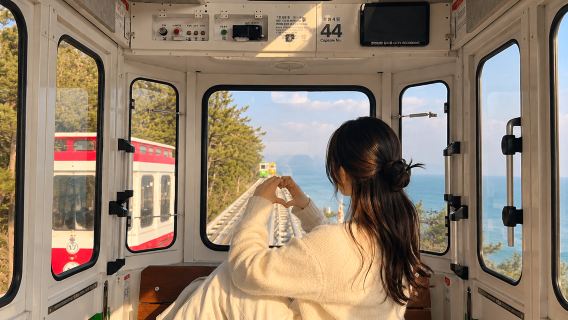
If there’s one experience that truly immerses you in daily life in South Korea, it’s riding the subway.
Clean, fast, incredibly efficient, and one of the world’s best public transport systems, the Korea Subway connects major cities, local neighborhoods, and cultural hotspots with ease.
Whether you’re exploring Seoul, Busan, Daegu, Daejeon, or Gwangju, the subway gives you a smooth and reliable way to see the country like a local.
A Glimpse of Korea’s Subway System 🚇

South Korea’s subway networks are known for being punctual, modern, and extremely traveler-friendly. Seoul alone has 23 lines interconnected with airports, shopping districts, and historic sites.
Other cities like Busan and Daegu also have well-developed lines that help both commuters and tourists move around comfortably.
The subway is:
- Affordable and cashless-friendly
- Connected to major bus lines
- Clean, air-conditioned, and safe
- Accessible for all ages
- Perfect for new visitors and solo travelers
Korea Subway Operating Hours ⏰
Most subway systems in South Korea operate early in the morning and continue until almost midnight.
Day | Operating Hours |
Monday – Sunday | Around 5:30 AM to 12:00 Midnight |
Trains typically begin running before sunrise and end just before midnight. Some busy stations offer first-train departures as early as 5:00 AM.
Korea Subway Train Frequency 🕐
Train intervals differ based on the city and time of day, but generally remain short.
Time of Day | Frequency |
Morning Peak (7:00 AM – 9:00 AM) | Every 2–4 minutes |
Midday (10:00 AM – 4:00 PM) | Every 5–7 minutes |
Evening Peak (5:00 PM – 8:00 PM) | Every 2–4 minutes |
Late Night (9:00 PM – 12:00 Midnight) | Every 6–12 minutes |
Digital screens show the exact arrival times, so you always know when the next train is coming.
Korea Subway Fares & Ticketing System 📃
South Korea uses a simple distance-based fare system. You can pay with cards, passes, or single-use tickets at all stations.

Ticket Types & Benefits
Ticket Type | Description | Best For | Price / Benefits |
T-money / Cashbee Card | Reloadable smart transit card | Daily users, tourists | Discounted fares; can be used on buses & some taxis |
Single Journey Ticket | One-time ticket from machines | Occasional riders | Standard fare; refundable deposit |
Korea Tour Card | Special tourist T-money card | Sightseeing travelers | Discounts at attractions & shops |
Monthly Commuter Pass (Seoul) | Unlimited rides per month (zone-based) | Long-term residents | Best monthly value |
Estimated Subway Fare Range (Seoul Standard)
Distance / No. of Stations | T-money Fare | Single Ticket Fare |
Short Trips (1–5 stops) | ₩1,250 – ₩1,350 (S$1.11 – S$1.20) | ₩1,350 – ₩1,450 (S$1.20 – S$1.29) |
Medium Trips (6–12 stops) | ₩1,450 – ₩1,650 (S$1.29 – S$1.47) | ₩1,550 – ₩1,750 (S$1.38 – S$1.56) |
Long Trips (13+ stops) | ₩1,750 – ₩2,150 (S$1.56 – S$1.92) | ₩1,850 – ₩2,300 (S$1.65 – S$2.05) |
Airport Line and express options may cost more.
🔥Save More with an Extra 5% Off – New Users Only
Use our promo code to enjoy an extra 5% off (up to S$4) on your attraction tickets, eSIMs, and tours!
⏳ Redeem within 3 days of claiming
Overview of Major Korea Subway Lines 🚊

Below is a simplified guide to Korea’s most-used subway systems: Seoul, Busan, Daegu, Daejeon, and Gwangju.
Each system provides easy access to local attractions, shopping, landmarks, and scenic culture spots.
Seoul Metropolitan Subway – The Heart of Korea 💛
The Seoul subway covers the entire metropolitan area, including Incheon and Gyeonggi. It’s the main system used by travelers.
Attractions Near Seoul Metro Stations 💛
Station | Line | Area Description | Nearby Attractions |
Myeongdong | Line 4 | One of Seoul’s busiest shopping and beauty districts, packed with fashion, street food, and cosmetics. |
|
Hongik Univ. / Hongdae | Line 2, AREX | Youth culture hub filled with cafés, nightlife, indie shops, and street performances. |
|
Gyeongbokgung | Line 3 | A cultural hotspot surrounded by palaces, museums, and traditional hanok villages. |
|
Jamsil | Line 2, Line 8 | Family-friendly area with malls, theme parks, and lakeside walking paths. |
|
Busan Metro – Coastal Charm & Urban Energy 💙
Busan’s subway connects beaches, markets, and the city center.
Attractions Near Busan Metro Stations 💙
Station | Line | Area Description | Nearby Attractions |
Haeundae | Line 2 | Famous beach district known for seaside cafés, events, and family activities. |
|
Nampo | Line 1 | Lively downtown area with street food, markets, and shopping alleys. |
|
Seomyeon | Line 1, Line 2 | One of Busan’s busiest hubs for shopping, cafés, and nightlife. |
|
Daegu, Daejeon, and Gwangju Subways – Simple & Traveler-Friendly 🤎
Whether you're exploring Daegu’s vibrant food streets, Daejeon’s science hubs, or Gwangju’s cultural landmarks, the metro keeps your journey quick, affordable, and stress-free.
Attractions Near Busan Metro Stations 🤎
City | Line | Area Description | Nearby Attractions |
Daegu | Line 2 | Trendy local district featuring art walls, cafés, and music-themed streets. |
|
Daejeon | Line 1 | Family-friendly attractions with parks, science museums, and outdoor areas. |
|
Gwangju | Line 1 | A culturally rich city known for arts, history, and modern exhibitions. |
|
Hot Flights to Seoul
Tips for First-Time Visitors to Korea’s Subway 💐

- Get a T-money Card
Works in all major cities and makes travel faster and cheaper. - Follow Escalator Etiquette
Stand on the right, walk on the left (varies by region—Seoul is stand-right). - Use Apps
Subway Korea, KakaoMetro, Naver Map app to show routes, times, exits, and real-time arrivals. - Avoid Rush Hour if Possible
Seoul peak hours: 7–9 AM and 5–7 PM. - Stations Can Be Cold
Trains are air-conditioned; bring a light jacket in summer. - Keep Your T-money Loaded
Machines accept cash; some convenience stores offer top-up.
Accessibility, Safety, and Local Customs in Korea’s Subway💕

Accessibility ♿
- Elevators and ramps available at most stations
- Wheelchair spaces inside trains
- Braille blocks leading to platforms
- Clear English/Korean signage
Safety Tips 🚨
- Stay behind the safety line
- Keep phones and bags secure
- Follow station announcements
- Emergency intercoms available in every carriage
Local Customs & Etiquette 🌸
- Let passengers exit first
- Keep conversations soft and not too loud
- No eating or drinking inside train
- Offer seats to elderly or pregnant passengers
- Queue nicely, especially in busy areas like Hongdae, Gangnam, and Myeongdong
Special Offer: Exclusive Hotels Deal for New Users
From now until stock last, you can enjoy up to 8% off when you register as a member by desktop, mobile and app, click here to view more!
Explore Seoul with Ease 💟

The Korea Subway map makes traveling the country effortless. With reliable trains, easy transfers, and clear signs in English, you can explore palaces, beaches, food streets, shopping areas, and cultural neighborhoods without the stress of traffic.
A little planning and a quick look at the subway map are all you need for a smooth, enjoyable trip across South Korea.
FAQs about Korea Subway Map
Is the Korea Subway easy for tourists to use?
Yes. Signs are in Korean, English, Chinese, and Japanese, and apps like Subway Korea, KakaoMetro, and Naver Map make navigation simple.Are the trains usually get crowded?
They can get crowded during rush hour (7–9 AM & 5–7 PM), especially in Seoul around stations like Gangnam, Hongdae, and Myeongdong.Can I bring luggage on the subway?
Yes, but avoid peak hours if you have big bags. Airport lines provide extra space for luggage.Is the subway safe at night?
Korea’s subway is generally very safe, with CCTV, station staff, and well-lit platforms. Trains run until around midnight.