Seoul Transport Guide: Getting Around in Seoul Made Simple

Seoul has one of the most efficient and convenient public transport system making it easy to travel around the city.
Whether you are exploring popular sights or taking day trip to Seoul, getting around is easy, affordable, reliable and tourist friendly.
In this guide, I’ll share how to use Seoul’s trains, buses, and taxis. I’ll also talk about walking around the city. You’ll find tips on what card to buy, which apps to download, and when it’s better to take a ride than to walk.
Book Your Cheap Flight Now
See all flights


Seoul Subway
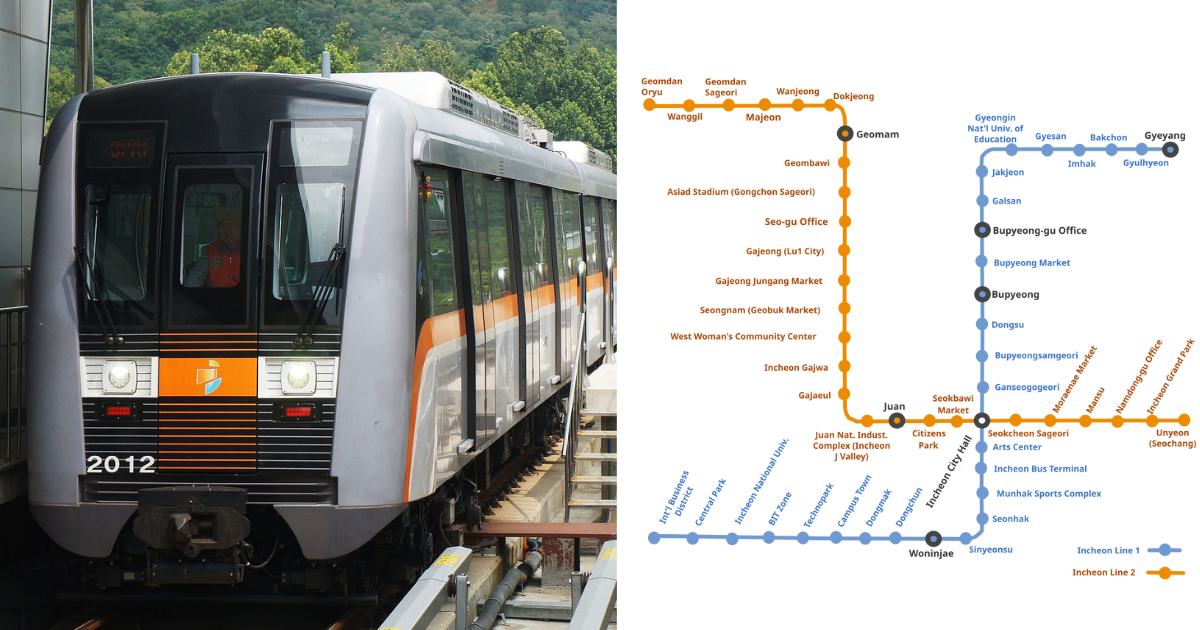
If it’s your first time in Seoul, you’ll probably end up using the subway a lot. It’s one of the easiest ways to get around.
In gist, Seoul subway is pretty reliable. The trains are fast, clean, and cover almost every corner of the city.
Over 20 lines, all kinds of colours, and stations that feel like mini airports. Just take your time and follow the signs.
For most travellers, a few key lines come in handy:
- Line 2 is a loop that circles the city. It brings you to places like Hongdae, Gangnam, Dongdaemun, and City Hall.
- Line 4 runs through Seoul Station and Myeongdong. Both popular spots for shopping and transfers.
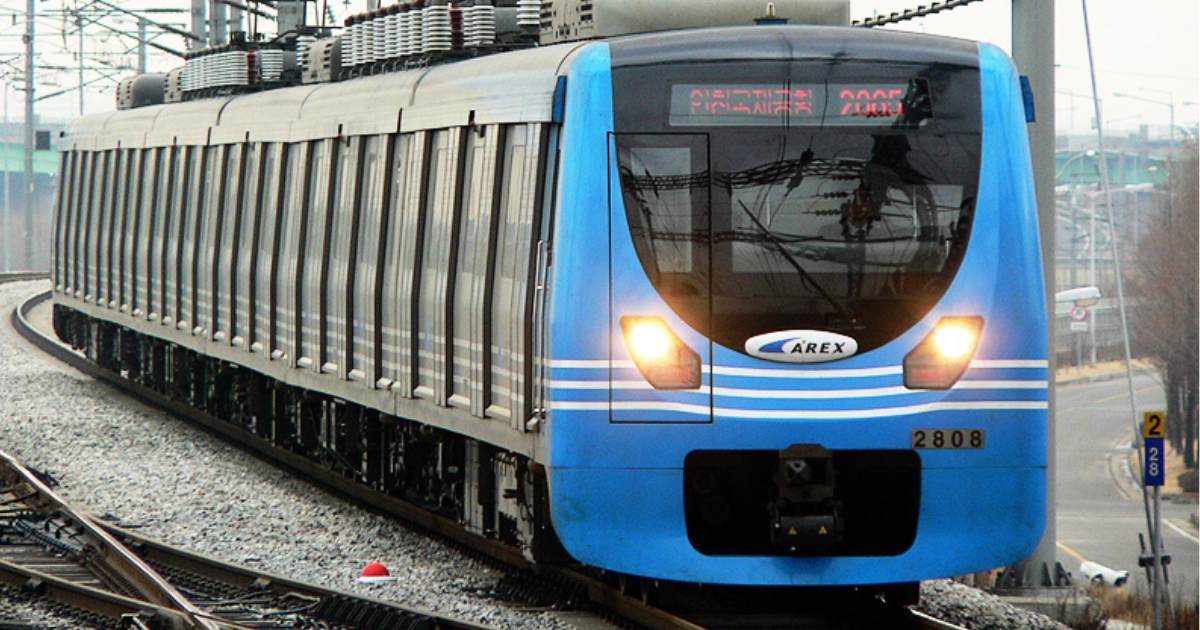
- AREX is the airport train that goes straight from Incheon to Seoul Station. You can choose between the express or regular train, depending on your budget and timing.
Each line has its own colour and number, and the signs are usually in both Korean and English. The style feels a bit like Singapore’s MRT, so it won’t feel too foreign if you're used to that.
How to Ride the Subway
You’ll need a T-money card that works not just on trains, buses, but even some taxis and convenience stores. You can get one at the airport or any convenience store. Topping up is easy… just use the machines at the stations.
Here’s what to expect:
- First Train: Trains start running around 5:00am
- Last Train: Trains end just before midnight
- They come every 5 to 10 minutes, depending on the line and time of day
The trains are cooled in summer and heated in winter, so you’ll be comfortable most of the time. Some even have Wi-Fi. Priority seats are clearly marked so try not to sit there unless you really need to.
That said, some stations are massive. Transferring at places like Seoul Station or Express Bus Terminal can feel like a small hike, with lots of stairs and underground walkways.
And if you’ve got luggage or you're travelling with kids, plan a bit of buffer time. During peak hours, like in the morning and after work, platforms can get packed. If you can help it, avoid those times.
Buses & Airport Shuttles in Seoul
Most people stick to the subway in Seoul, but honestly, the buses are super useful too.
They go to places the trains don’t cover, and sometimes they drop you even closer to where you need to be.
If you’re not rushing, the bus can be a good way to see a bit more of the city along the way.
Now, I won’t sugarcoat it. If it’s the first time you look at the bus routes, it might feel a bit chaotic. So many numbers, and everything moves fast.
Plus, some buses don’t have English announcements. But once you get the hang of it, and with the right app, it’s actually quite manageable.
What the Bus Colours Mean
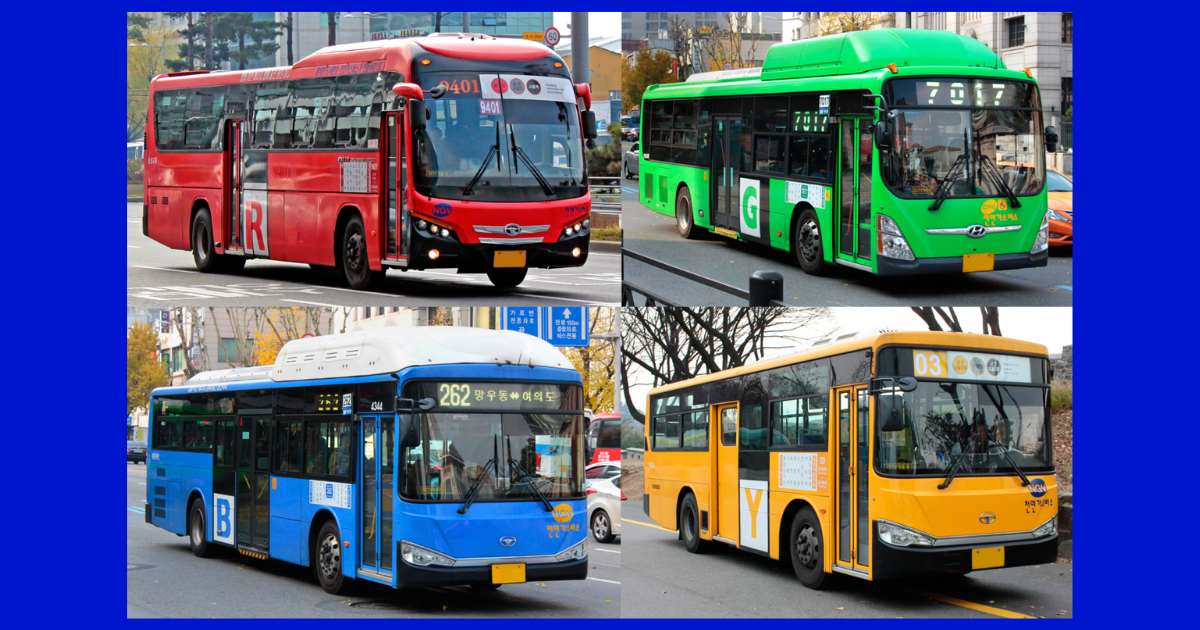
Seoul buses come in four colours. Each one has a different role:
- Blue buses: Go long distances, cutting across big parts of the city.
- Green buses: Cover shorter routes and usually connect neighbourhoods to train stations.
- Yellow buses: Loop around key central areas, like Jongno or Myeongdong.
- Red buses: These are express services coming in from the outer suburbs.
If you’re staying in the city centre and just want to hop around nearby districts, the green and yellow ones are probably all you need.
Paying and Boarding
The easiest way to pay is with your T-money card. Just tap once when you board and again when you’re getting off.
Paying by cash? You’ll need to prepare the exact fare as no change is given. I saw one poor guy fumbling with coins and the driver just stared at him until he gave up.
People usually board from the front and exit from the back. It’s quite systematic, and locals are pretty used to the flow.
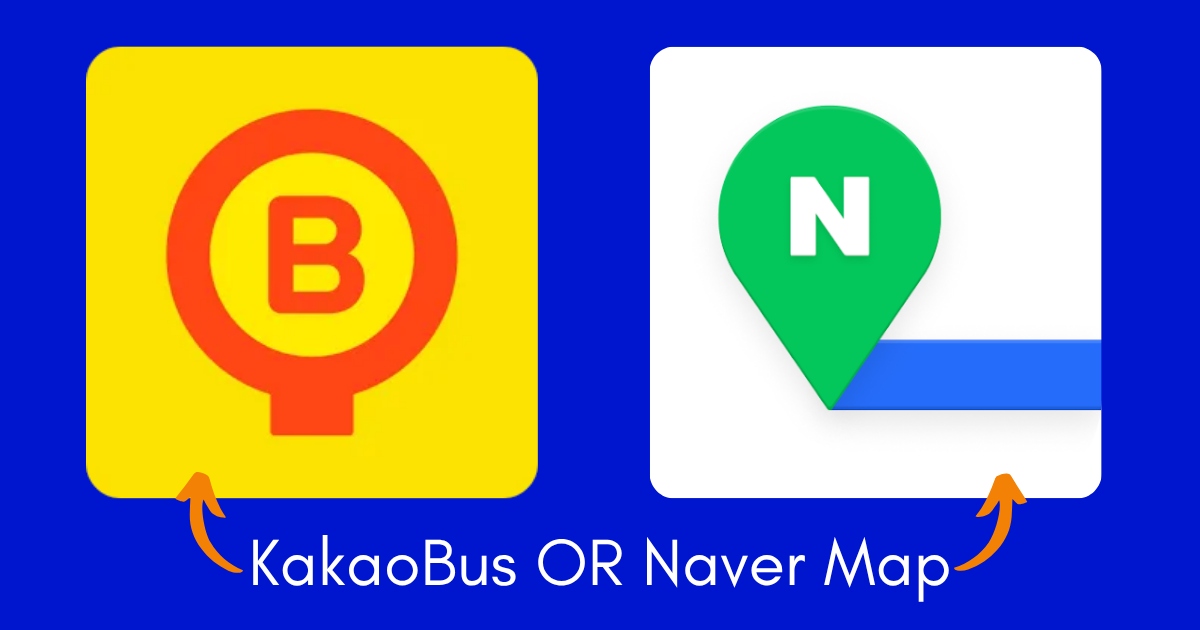
Want to make your life easier? Download KakaoBus or Naver Map. These apps will show you the bus number, which stop to wait at, and when the next one’s coming.
Some buses do announce stops in English, but don’t count on it, especially if you're venturing outside the central areas. Just follow the app. It saved me more than once.
When Is the Bus a Better Option?
There are a few times the bus makes more sense:
- When the place you're going isn’t near a subway station
- When the train route would mean 2–3 line changes (a bit sian lah)
- When you just want to see more of the city above ground
Some routes are actually quite scenic, like those along the Han River or going past traditional neighbourhoods. If you're not in a rush, it’s quite a relaxing way to move around.
Getting from the Airport
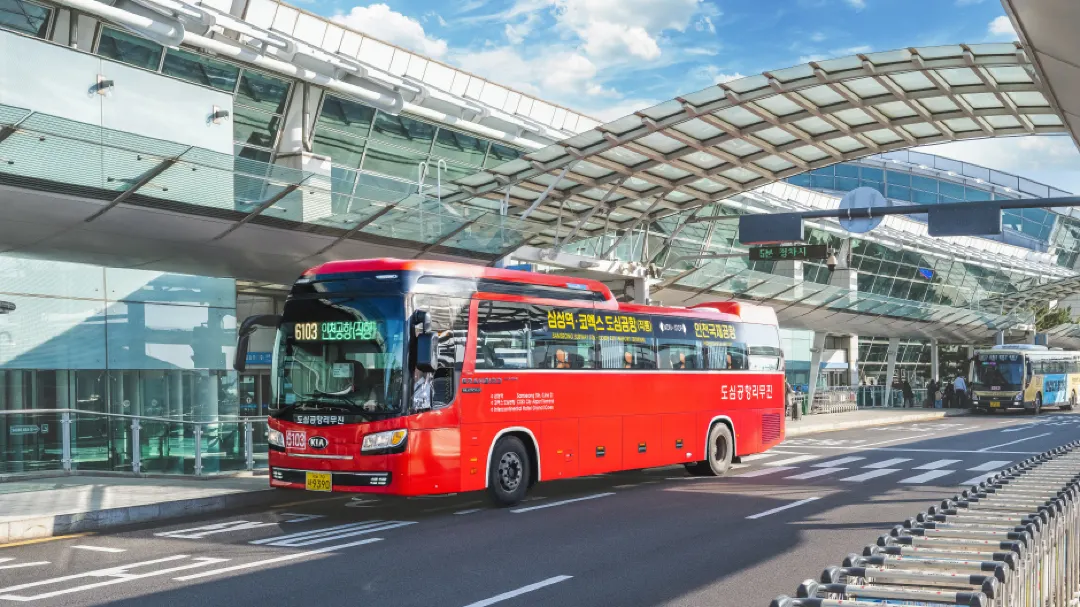
If you're flying in, buses are also a solid choice. Here’s what you can expect:
Airport Limousine Buses
These are comfy, air-conditioned coaches that go to major hotels and city areas.
Look out for routes like 6001 or 6015. They’re easy to spot and good for travellers with big bags. Cost: Around ₩15,000–17,000 (S$15–17)
City Buses
Cheaper than the limos, but they make more stops and can get quite packed.
Night Buses
Useful if your flight lands past midnight and you don’t want to deal with figuring out a train or paying for a taxi.
Tickets can be bought at airport counters, or you can just tap your T-money card when you board.
🔥Exclusive Flights Deal: Save up to S$20 on Your First Booking!
Discover the world with Trip.com! Book cheap flights to destinations worldwide and enjoy S$5 off flight bookings over S$150 or S$20 off over S$450 (before tax). Start your journey today!
Taxis & Ride-Hailing in Seoul
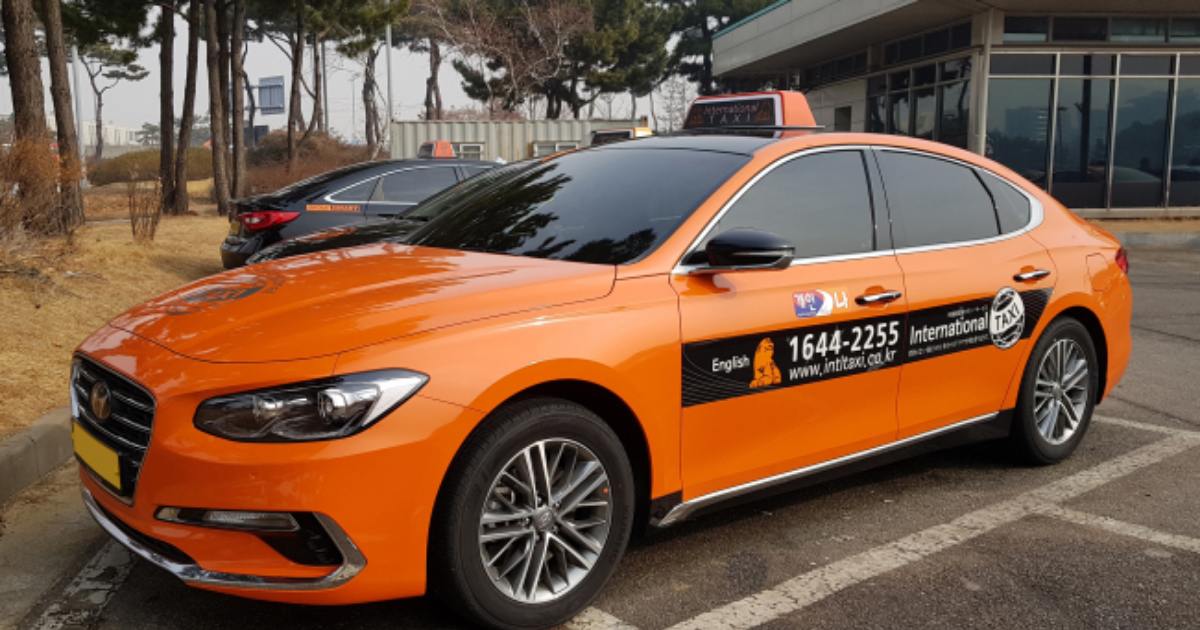
If you’re tired or just lazy to figure out the train route, taxi in Seoul can be quite a good option. They’re everywhere. Outside train stations, malls, even random side streets. So you won’t have trouble finding one.
Got a few types though:
- The regular ones are silver or white.
- Deluxe ones are black with gold words on the side. They are nicer inside but cost more.
- Jumbo taxis? Those are bigger, good if you’re travelling in a group or with huge luggage.
Price-wise, not too bad. Cheaper than Singapore most of the time, and quite worth it if you’re sharing with friends or it’s late and MRT close already.
Flagging vs App Booking

You can still wave and hop in but if your Korean is not strong, it is better to use app. Most people just use Kakao T. It’s in English, and you just key in where you want to go. There’s no need to explain anything to the driver.
Best part? You can track the car, see the fare, and even pay through the app.
Uber does exist, but most people there don’t use it. Kakao T is really the main one.
How Much Will It Cost?
Here’s a rough guide, based on what I paid:
- Around town (like from City Hall to Gangnam): about ₩12,000–15,000 → S$12–15
- From Incheon Airport to Seoul city: can go up to ₩60,000–90,000 → S$60–90
Most taxis accept card, T-money, or cash. But better check before you hop in as some older cabs still prefer cash.
Most drivers are reliable and professional. But around tourist-heavy areas, you might come across someone who tries to quote a fixed price or claim the meter isn’t working. If that happens, just skip it and move on or simply use the app to avoid situations like that.
At the airport, stick to the official taxi stands. If someone approaches you offering a ride directly, it’s better to decline and head for the proper queue.
And if you’re landing late at night or have bulky luggage, booking a ride through the app can save you a lot of hassle.
When Is Taking a Taxi a Good Idea?
Taxis are worth it:
- If the train has stopped for the night
- If you’ve got kids or large bags with you
- If your hotel isn’t near a station
- Or honestly, if you’re just too tired for long transfers or uphill walks
It’s not the cheapest option, but when you need comfort or convenience, it’s there.
🔥Save More with Up to 5% OFF
Use our promo code to enjoy up to 5% OFF (up to S$3) on your attraction tickets, tours and eSIMs! Only for new users!
Walking Around Seoul
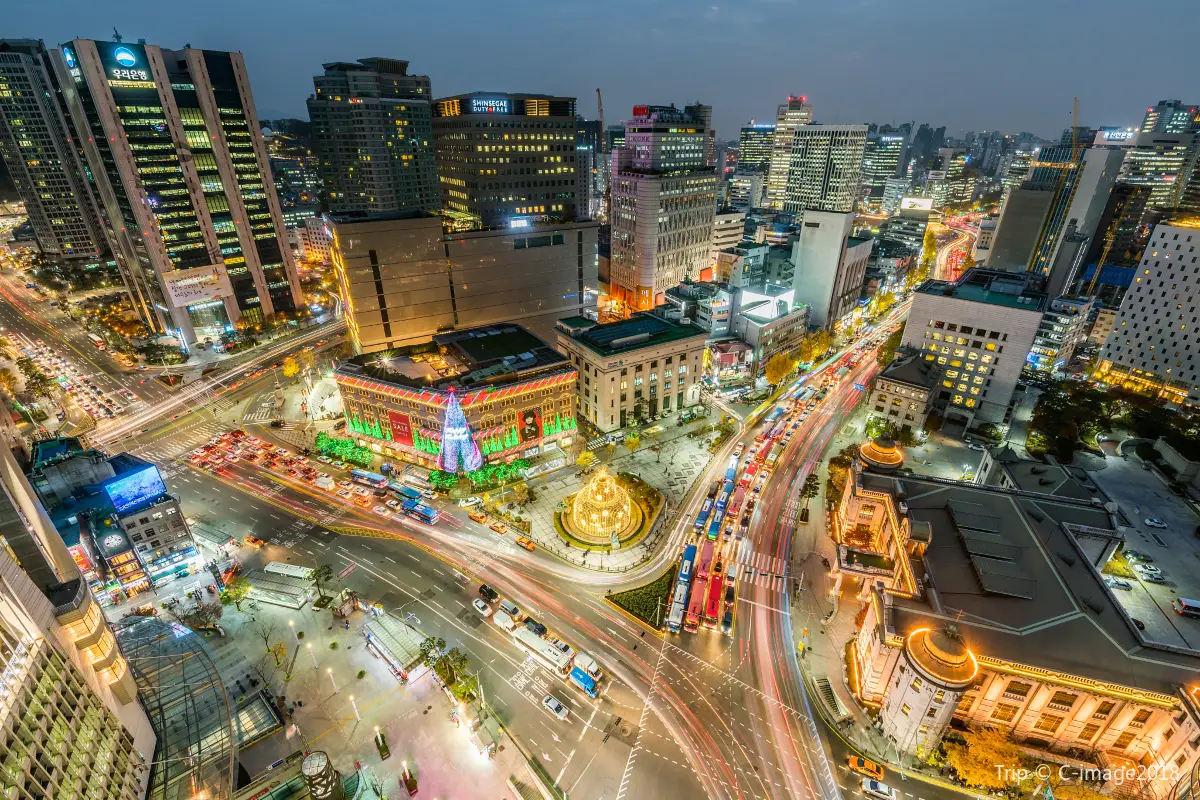
If you’re the kind who likes to take things slow, walking around Seoul can be really enjoyable. Some parts of the city are great for just strolling… just grab a snack, snap some photos, take your time. You’ll see more that way too.
But don’t expect every area to be walkable. It really depends on where you are.
In places like Myeongdong, Insadong, or Bukchon Hanok Village, walking is the best way to go. There’s just too much to see that you’d miss if you were zipping past in a taxi or underground on the train.
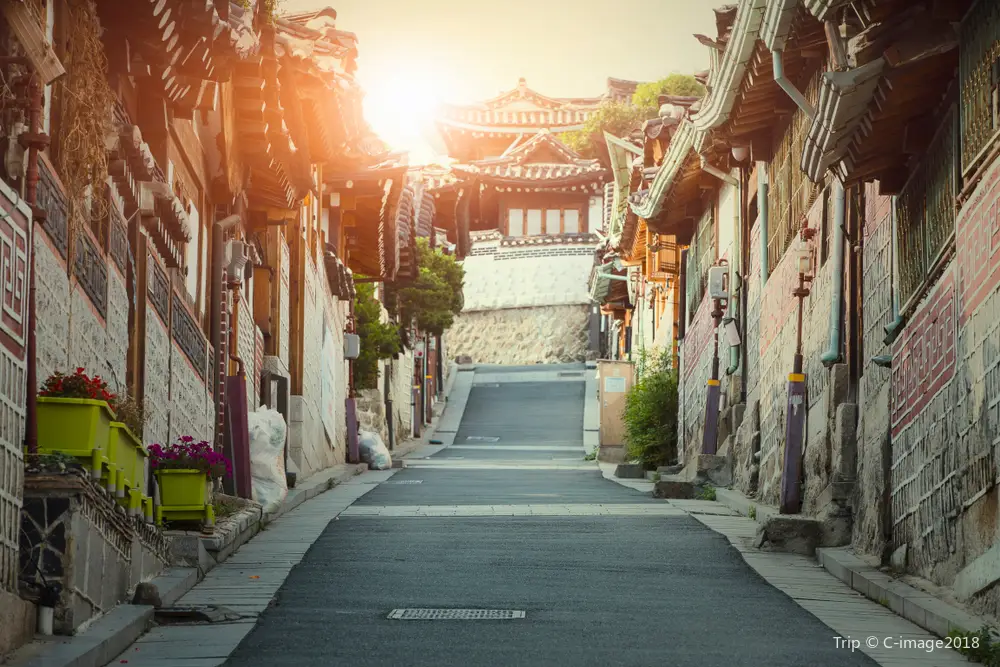
That said, this isn’t Singapore. Seoul has hills and stairs. Weird pavements sometimes. Areas like Itaewon or Namsan will make your legs work.
If you're not wearing proper shoes? Good luck. I tried doing it in sneakers with no grip and totally regretted halfway through.
What’s It Really Like?
- Sidewalks are generally okay in the city centre. Wider, neater.
- But once you head into older areas, they can get narrow, uneven, or blocked by stalls.
- Traffic lights? Super long. Prepare to stand there waiting while nothing’s moving.
And while drivers do stop… better to double check. I don’t trust any car 100%.
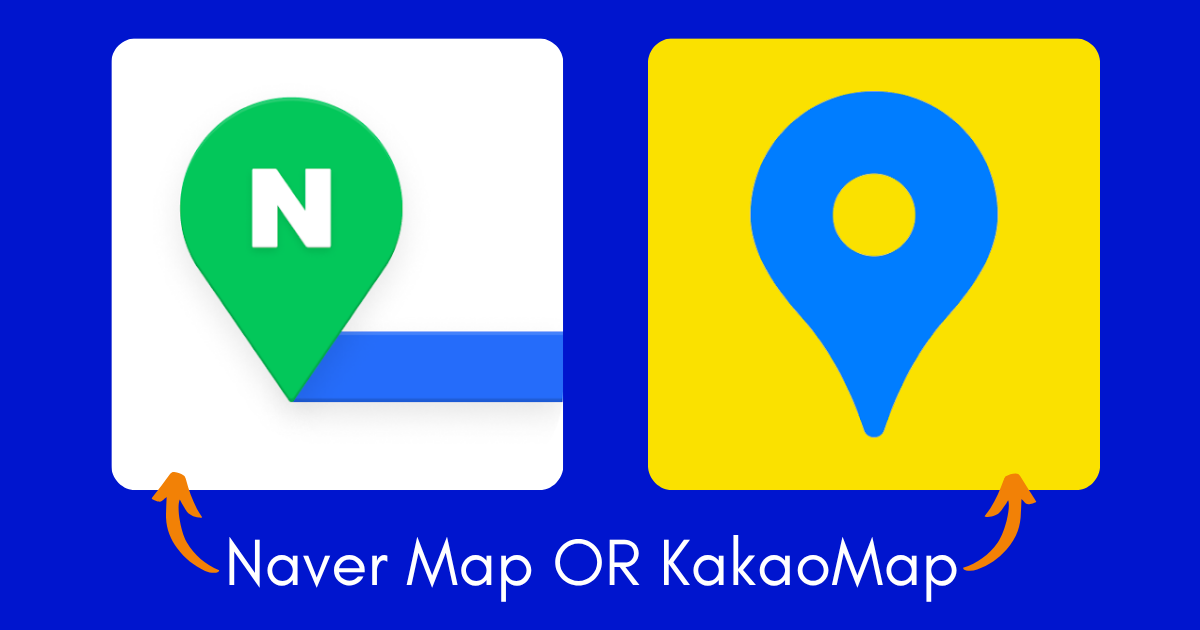
To find my way, I used Naver Map and KakaoMap. You can forget about Google Maps in Korea. The local apps are way more accurate as they even show you which subway exit to take, or whether there’s an underground shortcut.
Walking at night felt safe too. Seoul’s quite alive even after 10pm. Plenty of lights, people, shops still open. But warning! If you're not sure about the area, just stick to places with more foot traffic.
Weather Can Make or Break It
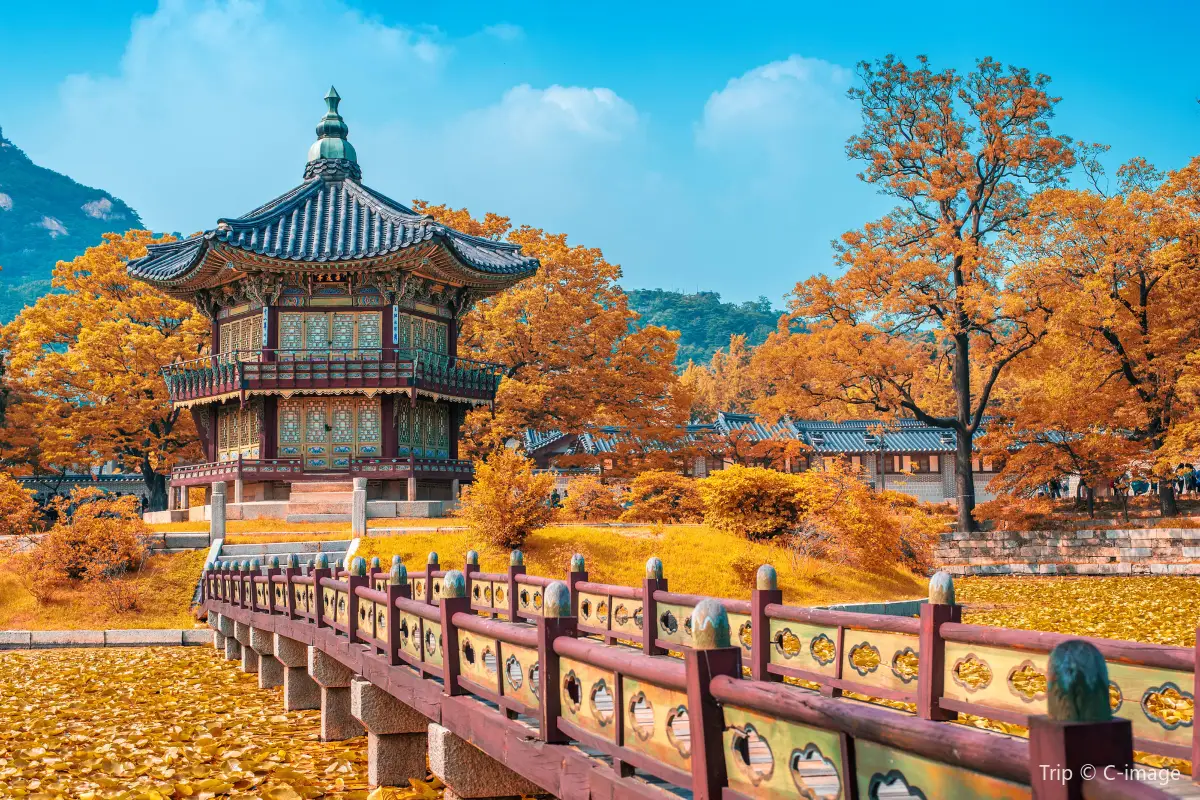
Seoul’s weather doesn’t play. In winter, the wind cuts straight through your jacket. And in summer, it’s the kind of humid where you’re sweating five minutes in.
I didn’t check the weather in Seoul before one of my walks and got caught in the rain near Gyeongbokgung... soaked and shivering. Lesson learnt.
Favourite Areas to Walk
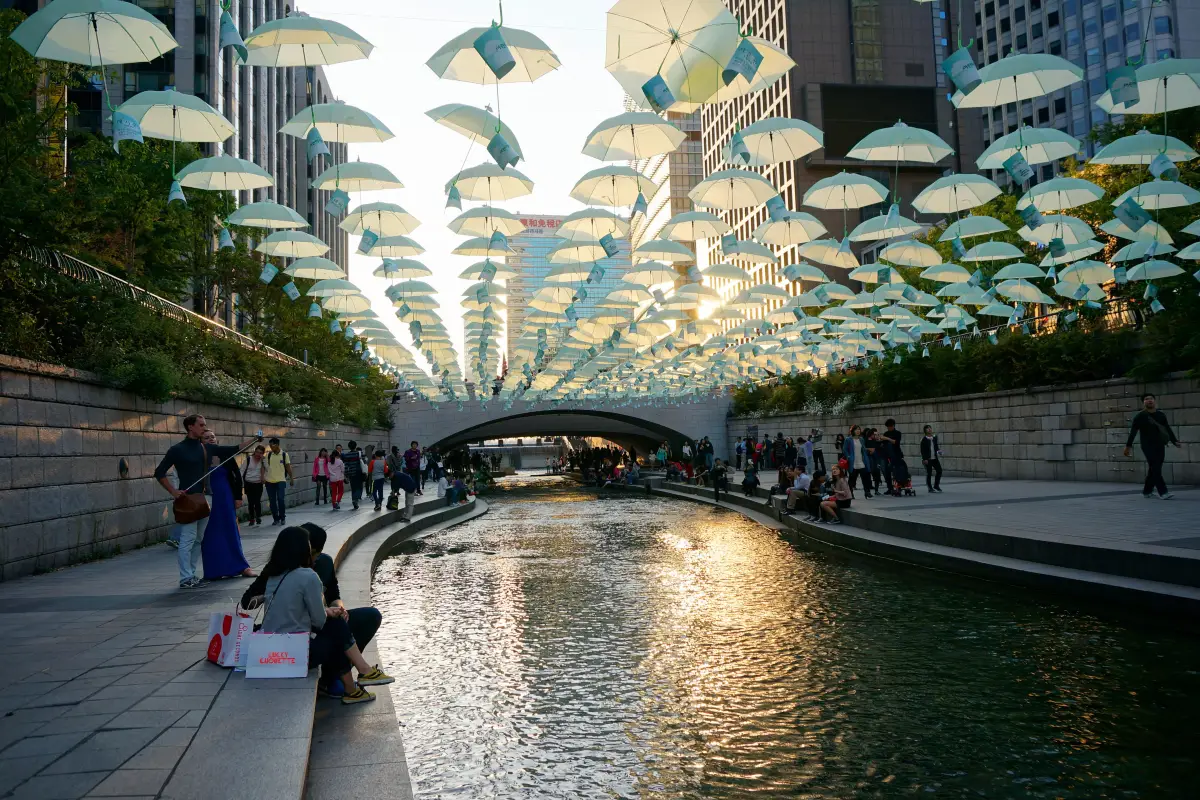
Here are a few places I’d happily walk through again:
- Cheonggyecheon Stream – Quiet, peaceful, runs right through the city. Nice break from all the noise.
- Bukchon to Gyeongbokgung – Traditional houses, cute little shops, and photo spots all along the way.
- Hongdae – Best explored in the evening. Got street music, fried chicken smells, and lots of surprises around every corner.
Recommended Hotels In Seoul
See All Hotels
 NO.1
NO.1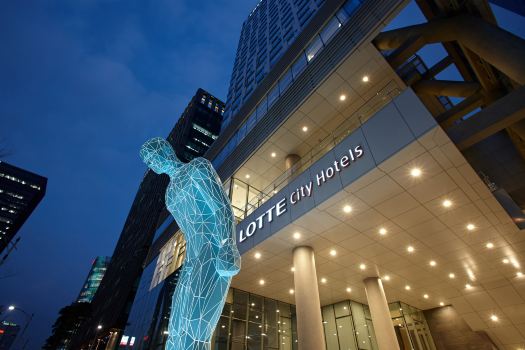

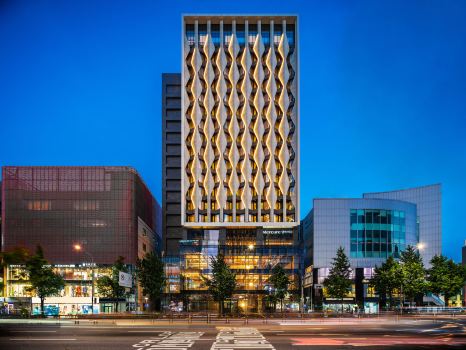
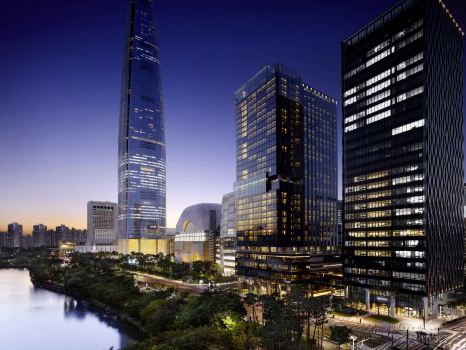
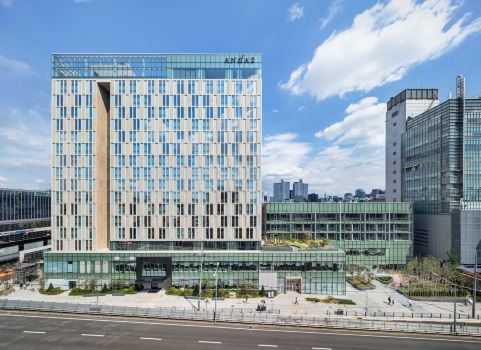
Getting Around Seoul
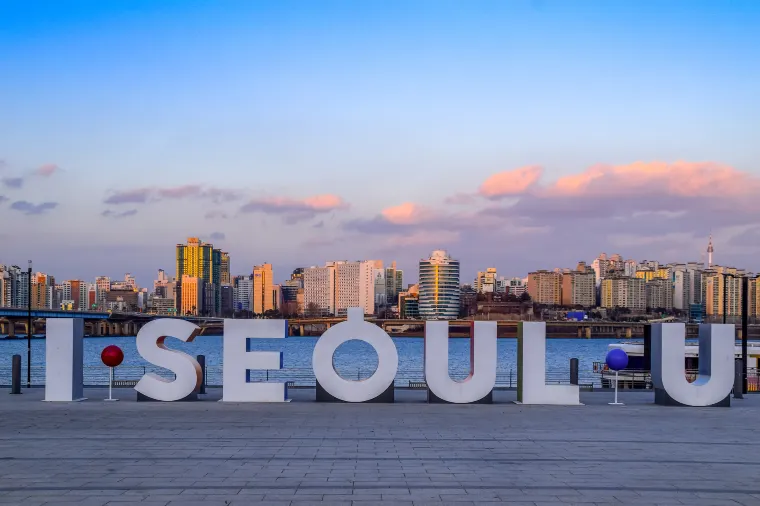
Before the trip, I was a bit worried about getting around. I had heard Seoul was huge and busy, and the subway map looked intense. But after a day or two, it all started to click.
The T-money card made life easy. The trains were fast, the buses were reliable once I figured out which ones to take, and the taxis came in handy when my legs gave up. Some stations were massive though and that meant that I got to clock in my steps!
Some of my favourite moments were the random turns into quiet alleys, small street markets, and riverside paths. If I had only taken trains, I would’ve missed all of that.
I'd say the best time to visit Seoul is spring or autumn. The weather makes it so much nicer to walk around, and you'll enjoy the city more when it’s not freezing or too humid.
So if you're taking a flight to Seoul soon, download a map app, sort out your data, and don’t stress too much. You’ll figure it out as you go. And that’s part of the fun and adventure!
Read More
Seoul Map Guide for First Time Visitors from Singapore
Learn how to use a Seoul map to explore key areas like Myeongdong, Hongdae, Gangnam, and Insadong with ease and confidence.
October 27, 2026
South Korea 2026 Holiday Dates & Travel Planner
Explore South Korea’s 2026 public holidays from Seollal to Chuseok. Plan your trip around festive seasons and travel easily with Trip.com.
October 27, 2026
Seoul Metro: A Simple Guide for First Time Visitors
Explore Seoul easily with our Seoul Metro guide. Learn about key metro lines, ticket options, operating hours, and travel tips for a smooth city journey.
October 27, 2026
Discover Must-Do Experiences
See all attractions



Seoul Transport FAQs
-
Is Seoul’s subway confusing for first-timers?
-
Do I really need a T-money card?
-
What if I don’t speak Korean?
-
Should I take a taxi or just stick to the train?
-
What’s the best time to visit Seoul if I want to walk around more?
Disclaimer: This article has been provided by an individual contributor or third party platform. If there is any discrepancy regarding the copyright, please contact us directly and we will delete the content immediately.
Find Cheap Travel Deals & Explore Destinations on Trip.com
-
Popular Content
-
Popular Flights
-
Popular Hotels
-
Popular Things to Do
-
Featured guides
-
Trip.com links
- Plane tickets from Bangkok to Seoul
- Cheap flights from Jeju to Seoul
- Cheap flights from Busan to Seoul
- Cheap tickets from Fukuoka to Seoul
- Plane tickets from Beijing to Seoul
- Plane tickets from Osaka to Seoul
- Cheap flights from Shanghai to Seoul
- Plane tickets from Manila to Seoul
- Cheap tickets from Hong Kong to Seoul
- Cheap tickets from Singapore to Seoul
- Cheap flights from Tokyo to Seoul
- Cheap tickets from Ho Chi Minh City to Seoul
- Cheap flights from Kuala Lumpur to Seoul
- Plane tickets from Shenzhen to Seoul
- Plane tickets from Taipei to Seoul
- UH Suite the Myeongdong
- HOTEL DRIP&DROP Myeongdong CENTRAL
- NINE TREE BY PARNAS SEOUL MYEONGDONG 1
- HOMES Stay Myeongdong
- SOTETSU HOTELS THE SPLAISIR SEOUL MYEONG-DONG
- Fairfield by Marriott Seoul
- NINE TREE BY PARNAS SEOUL MYEONGDONG 2
- Crown Park Hotel Myeongdong Seoul
- Migliore Hotel Seoul Myeongdong
- Stanford Hotel Myeongdong
- Holiday Inn Express SEOUL HONGDAE by IHG
- Roynet Hotel Seoul Mapo
- villiv Inn-The City Namsan
- Mercure Ambassador Seoul Hongdae
- WECO STAY Myeongdong
- Mercure Ambassador Seoul Dongdaemun
- L7 HONGDAE by LOTTE HOTELS
- Hotel Skypark Central Myeongdong
- ibis Ambassador Seoul Myeongdong
- HOTEL THE BOTANIK SEWOON MYEONGDONG
- Seoul Day Tours
- Seoul SIM Card
- Seoul Travel Essentials
- Seoul Shopping Discounts
- Seoul City Pass
- Seoul Costume Experience
- Seoul Bus Tickets
- Seoul Restaurant Discounts
- Wellness & Spa in Seoul
- Seoul Cultural Experience
- Lotte World Adventure+Seoul Sky1-day Tour
- AREX Airport Express
- South Korea DMZ the 3rd Tunnel Private Tour from Seoul
- Seoul: Mt.Seorak, Nami Island, No Shopping
- Detailed Seoul Image & Personal Color Analysis in Hongdae
- Grab Singapore
- Glamping JB
- UOB Visa Signature
- Singapore Airlines New Long-Haul Business Class
- HSBC Travel Credit Card
- Singapore Airlines Western Sydney Airport
- chinese new year getaway
- Johor Bahru Night Market
- Cheap Hotels in Shanghai
- JB Kids Activities
- Indonesia Public Holiday 2027
- penang night market
- Night Markets in Singapore
- Rabbit Card Bangkok
- Best Time to Visit Urumqi
- Hotels in Santa Cruz
- Hotels in Colaba
- Hotels near VinWonders Phu Quoc
- Trip.com Promo Code
- Trip.com Flight Deals
- Trip.com Credit Card Promotions
- How to Book Cheap Flights
- Trip.com Member Rewards
- Trip Weekly Hotel Sales
- Online Hotel Booking
- Online Flight Booking
- Trip.com Travel Guide
- Book China Train Tickets
- Trip.com Seat Selection
- Singapore Public Holidays 2027
- Trip.com 优惠码
- Trip.com Travel Guides