



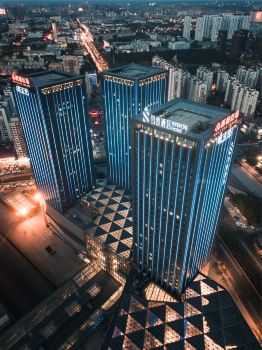
Harbin Transport Guide 2025: Getting Around Harbin Easily

Author's Profile Picture
Harbin Transport | Trip.com

Harbin’s transport felt like a whole different adventure. Getting around has its own vibe here. What I really like is that every transport mode tells you a little something about Harbin’s personality. Here’s everything you need to know about getting around in Harbin!
✈️ Harbin Airport Transfers

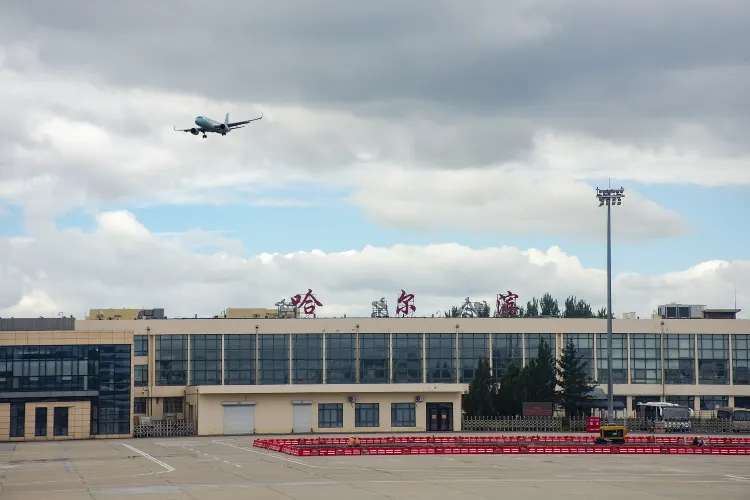
Harbin Airport to City

Getting from Harbin Taiping International Airport (HRB) into the city is pretty straightforward, even though the metro doesn’t reach the airport yet. Your main options are airport shuttle buses, taxis, or Didi ride-hailing, all of which can get you to downtown Harbin or Harbin Railway Station in about 40–60 minutes.

👉 Check out the full Harbin Airport to city guide for all the details!
🚇Harbin Metro

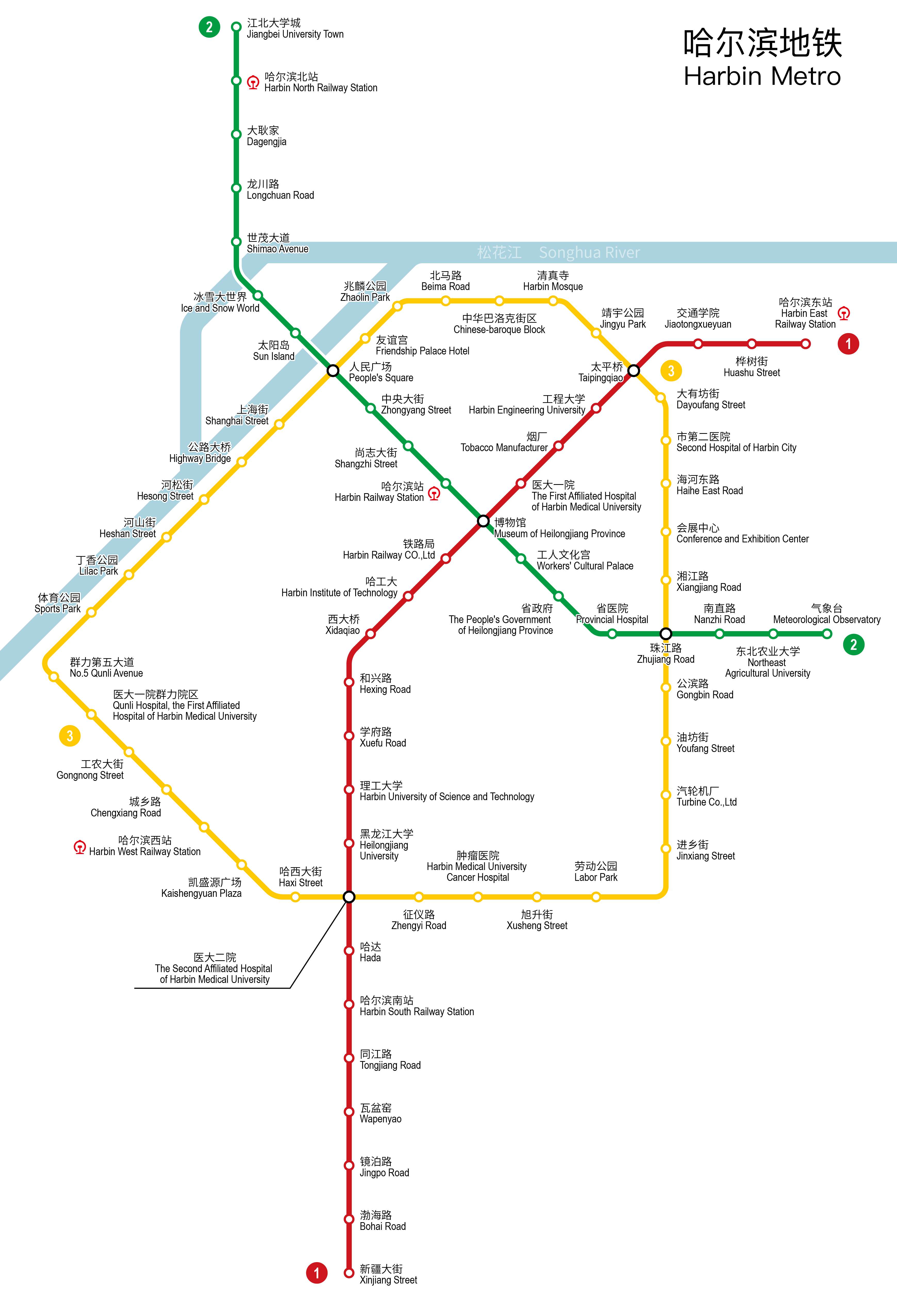
Harbin Metro Map

Source: Wikipedia

Compared to Singapore, Harbin got its metro system relatively late—the first line only opened in 2013! The city’s icy winters meant building an underground network was challenging, but now the metro is modern, clean, and steadily expanding. It connects most major districts, including downtown, shopping areas, and transport hubs like Harbin Railway Station.

🕒 Operating Hours & Frequency

Harbin Metro

First trains

Around 5:30 AM

Last trains

Around 22:30

Frequency

Every 2–10 minutes

💳 Ticket & Payment

Metro fares in Harbin start from ¥2 (about S$0.37) depending on distance. Single-journey tickets can be purchased at machines using cash, Alipay, or WeChat Pay. Many travellers now use QR codes from Alipay or WeChat for direct gate access. It’s super quick and convenient! 

For locals, especially children and seniors, the Harbin Metro Smart Card (哈尔滨通卡) is popular. It works much like Singapore’s EZ-Link, letting you tap in and out seamlessly.

📍 Key Tourist Stops

  • Harbin Railway Station (Line 1 & 3) – central hub and gateway to city tours.
  • Zhongyang Street (Line 2) – heart of the pedestrian shopping street.
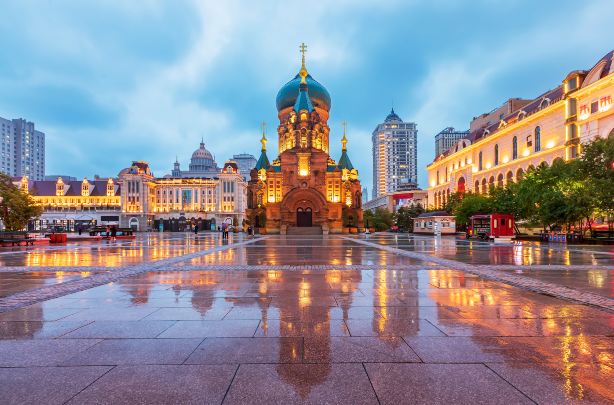
  • St. Sophia Cathedral (Line 2, then a short walk) – iconic Russian-style architecture.
  • Harbin Ice and Snow World (Line 3 + bus/taxi) – winter wonderland.
  • Harbin West Railway Station (Line 3) – high-speed trains to nearby cities.

⚠️ Tips

  • Signage is mostly in Chinese and English, but keep station names handy on your phone.
  • Peak hours can get crowded on Line 1 near Harbin Railway Station.
  • Some attractions require a short bus or taxi ride from the nearest metro stop.
  • If travelling with kids, try avoiding morning rush hours.
👍Pro Tip: When getting ready for your trip, it’s a good idea to book your flights to Harbin and Harbin hotels. You’ll lock in better deals and have more options to choose from.

🚌 Buses

Harbin Bus

Source: Wikipedia

Harbin’s public bus network (公交车) is extensive and reaches most parts of the city. Locals rely on it daily, and it’s a cost-effective option if you want to travel like a local.

🕒 Timings & Frequency

Harbin Bus

Operating hours

Around 5:00-21:00 for most routes

Frequency

Every 10–20 minutes during the day; slows down in the evening

💳 How to Pay?

Payment:

  • Mobile QR codes: Alipay and WeChat Pay are widely accepted—fast and convenient.
  • Harbin Metro Smart Card (哈尔滨通卡): Works for buses too; just tap when boarding.
  • Cash: Exact fare only (usually ¥2–3, about S$0.37–0.55); drivers don’t give change.

⚠️ Tips

  • Some buses display Chinese-only signage, so it helps to check Baidu Maps or Amap for real-time stop info.
  • QR payments are generally the easiest for tourists, especially if you don’t want to carry cash
  • Avoid peak hours if travelling with kids or heavy luggage; buses can get crowded in downtown areas.

🚕 Taxis & Ride-Hailing in Harbin

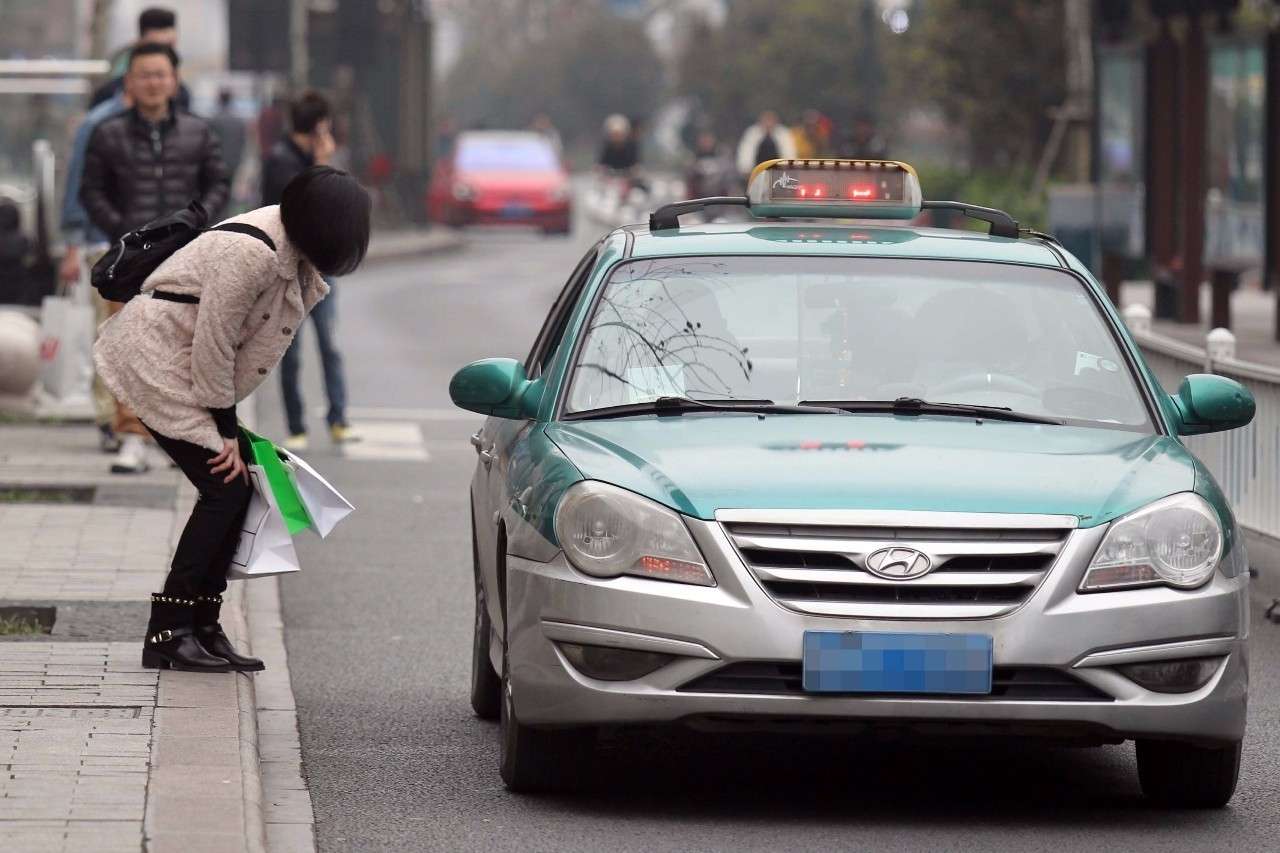
Harbin Taxi

Source: Souhu

If convenience, comfort, and safety are top priorities, taxis and ride-hailing apps are your best bet for getting around Harbin.

📱 Popular Ride-Hailing Apps

The most common apps in Harbin are:

  • Didi (滴滴出行): The most popular choice for tourists—similar to Grab.
  • Gaode Maps (高德地图/高德打车): Combines navigation and ride-hailing.
  • CaoCao (曹操出行): Reliable alternative, sometimes a bit cheaper.

💸 Fare Estimates 

  • City Centre ➔ Zhongyang Street: ~¥15–30 (S$2.80–5.50)
  • Airport ➔ Harbin Railway Station / Downtown: ~¥120–180 (S$22–33)

💰 How to Pay?

  • Didi payments are done directly in the app.
  • Regular taxis accept WeChat Pay or Alipay.
  • Taxis are metered, and night or holiday surcharges may apply.
  • Ride-hailing apps sometimes give discount codes for first-time users.

⚠️ Things to Note

  • Avoid unofficial touts at the airport or train stations.
  • Always insist on using the meter in taxis.
  • App-based rides may be harder to get during peak hours, heavy snow, or public holidays.
Pro Tip: Sort out your China eSIM or SIM card early. It’s a game-changer for maps, translation, and booking rides.

🚴‍♂️ Shared Bikes

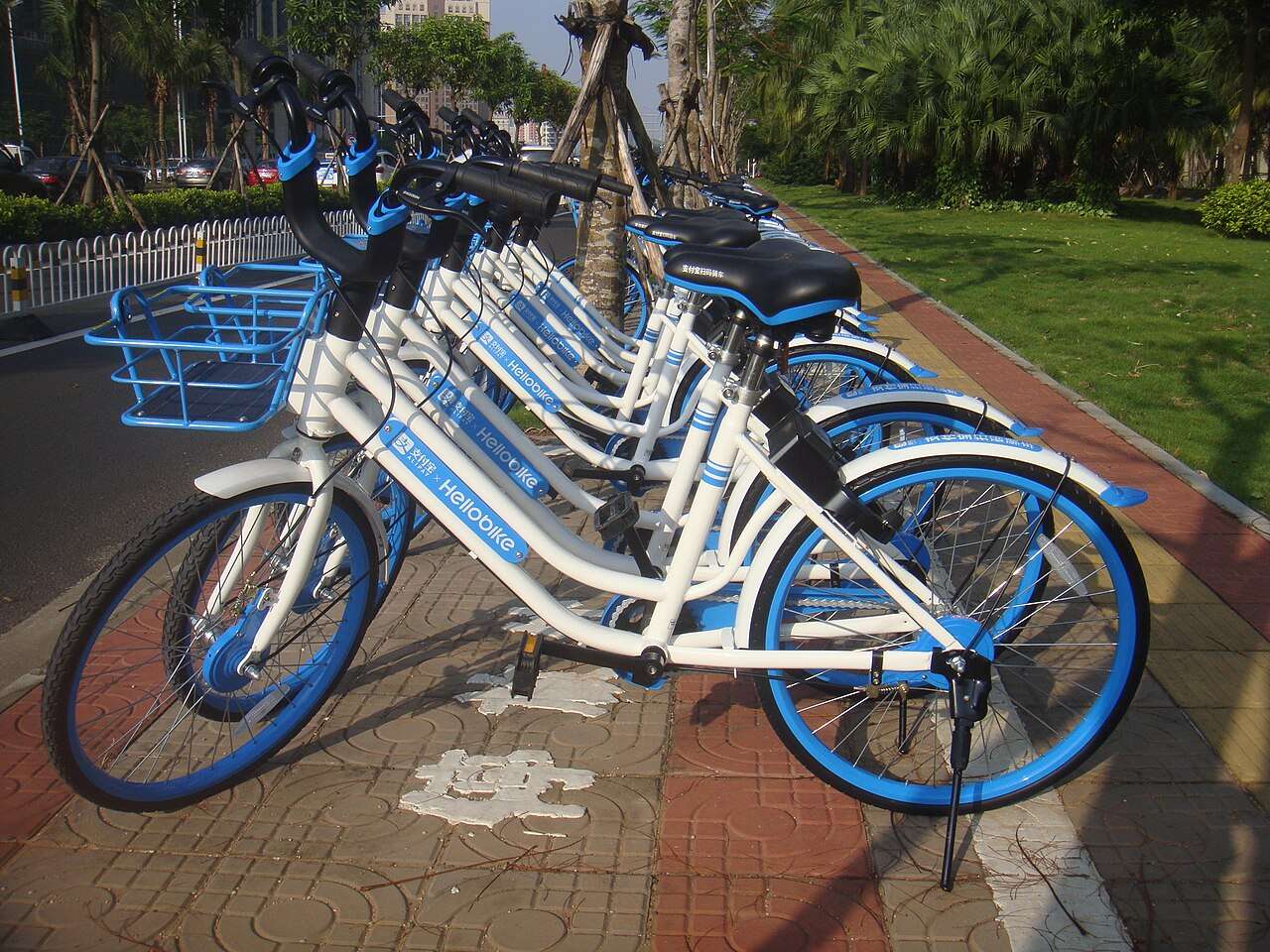
Shared Bikes in China

Source: Wikipedia

Harbin has seen a rapid growth of shared bikes. It’s a convenient and flexible way to explore the city—especially in pedestrian-friendly areas like Zhongyang Street, Sun Island, and the Ice and Snow Festival grounds. Cycling here is cheap, fun, and gives a local feel.

📍 Where to Find Them?

Shared bikes are usually parked:

  • Near metro exits and bus stops.
  • Around tourist areas like Zhongyang Street and Sun Island.
  • In neighbourhoods and outside shopping malls

Popular bike brands include:

  • Hello Bike (哈啰单车)
  • Meituan Bikes (美团单车)
  • Didi Qingju Bikes (青桔单车)

📲 How to Use?

  • Apps: Alipay or WeChat are the easiest ways to unlock bikes.
  • Unlocking: Open the “Bike” section, scan the QR code, and the bike unlocks automatically.
  • Deposit: Usually a refundable ¥99–199, or skip it if your Alipay account has a verified Chinese bank card.
  • Parking: Return bikes to designated zones (marked with painted lines) to avoid fines.

⚠️ Tips

  • Stick to bike lanes where possible; watch out for pedestrians and e-scooters.
  • Winter months can be icy, so ride cautiously or switch to walking.
  • If you’re not comfortable using Chinese apps, metro, buses, or walking might be safer alternatives.

🚡 Harbin Sightseeing Cableway

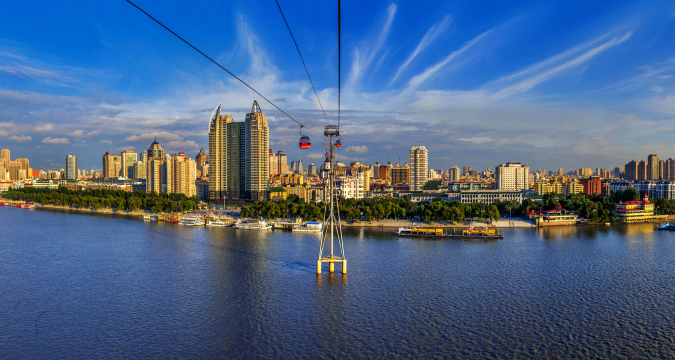
Harbin Sightseeing Cableway

The Harbin Sightseeing Cableway crosses the Songhua River, connecting Tongjiang Square (near Stalin Park) on the south bank with Sun Island Park on the north.

Best for views: You’ll get a bird’s-eye view of the Songhua River, the city skyline, and in winter, the famous ice and snow sculptures below.

Convenient connection: It’s not just scenic but also a shortcut to reach Sun Island, home to the Harbin Ice and Snow World and the Siberian Tiger Park.

Ride experience: The ride is short (about 6 minutes) but fun, with enclosed cabins safe for families.

⚠️ Tips:

  • Open year-round, but in winter it’s extra magical with snow and ice.
  • Dress warm in cold months—cabins are enclosed, but you’ll still feel the chill.
  • Great for families and photographers—sunset rides are especially pretty.

🚍 Sightseeing Buses

Harbin Sightseeing Bus

Source: Instagram

Harbin offers tourist-friendly sightseeing buses that are perfect for exploring major attractions without worrying about transfers or navigation. These buses are especially useful during winter, when walking long distances in the cold can be tiring.

📍 Key Routes & Stops

  • Line 1: Songhua River Cableway → Central Street → Sofia Square → South of Central Street → Zhaolin Park Station → Chinese Baroque → Middle East Railway Bridge → Flood Control Monument → Songhua River Cableway 
  • Line 2: Sofia Square → South of Central Square → Songhua River Cableway → Sun Island Scenic Area → Harbin Ice and Snow World → Zhaolin Park → Sofia Square
  • Night Scene Line: Sofia Square → South of Central Street → Sofia Square

🕒 Operating Hours

Harbin Sightseeing Bus

Line 1

09:00-18:00

Line 2

09:30-18:30

Night Scene Line

18:30-21:00

  • Fares: ¥30 (≈ S$5.4) for 24 hours
  • Payment: Cash at the counter, mobile payment via Alipay/WeChat QR code, or book online.

Tips: Some sightseeing buses allow hop-on hop-off within a fixed time frame, usually departing every 30 minutes.

⚠️ Tips for Tourists

  • Arrive early in peak tourist seasons (Ice Festival, Winter Festival) to secure seats.
  • Winter can be very cold; buses provide a warm, comfortable alternative to walking.
  • Check the bus timetable in advance, as some routes may have limited runs during the off-season.

🚗 Car Rentals & Driving in Harbin

Harbin Sun Island Scenic Spot

If you’re used to Singapore’s orderly traffic, driving in Harbin can feel quite different. The main roads are generally wide and well-paved, but winter snow and ice make driving more challenging, and local drivers can be more aggressive than what we’re used to. Parking in the city centre is also limited.

That said, renting a car can make sense if:

  • You’re planning day trips to places outside Harbin, like Yabuli Ski Resort or the Snow Town.
  • Travelling with kids or elderly family members and prefer door-to-door convenience.
  • Staying in areas not directly connected by metro or buses.

For attractions within Harbin city (like the Ice and Snow World, Sophia Cathedral, or Central Street), public transport or ride-hailing apps are usually more convenient.

📍 Where to Rent a Car?

  • Harbin Taiping International Airport (HRB): Convenient if you want to start driving as soon as you land.
  • City outlets: Found near major train stations or downtown areas.
  • Online booking: English support and better rates via platforms like Trip.com.

📄 Requirements for Tourists

  • International Driving Permit (IDP) + your Singapore license are required.
  • Minimum driver age: usually 21–25, depending on rental company.
  • Passport and credit card for deposit.
  • Local insurance is mandatory (often included in the rental price, but check excess).

💸 Cost

  • Rental rates: Around ¥200–400/day (S$36–72), depending on the car.
  • Deposit: Typically ¥3000+ (S$540+) held on your credit card
  • Fuel: Full-to-full policy; petrol is cheaper than in Singapore.

Additional costs:

  • Expressway tolls (ETC).
  • Parking fees (~¥3–10/hour in city areas).
  • No congestion charges, but traffic jams can happen during peak or holiday seasons.

🚗 Classic Day Trips from Harbin

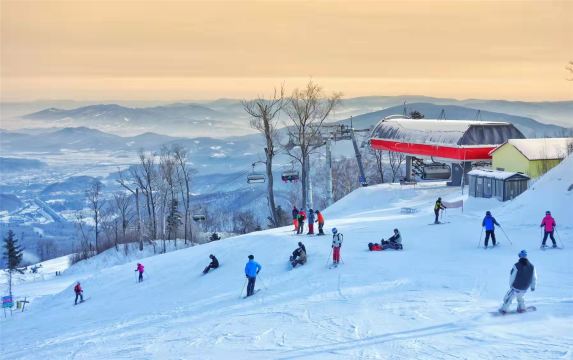
Yabuli Ski Resort

🚗 Harbin → Yabuli Ski Resort

The largest ski resort in China, perfect for winter sports lovers.

  • Distance & Time: ~200 km, about 3 hours’ drive.
  • Route: Take G1 Jingha Expressway → Exit at Yabuli.

Note: Roads can be icy in winter—snow tires or chains may be required.

🚗 Harbin → China Snow Town (雪乡)

Famous for its dreamy snow-covered wooden houses and lantern-lit nights.

  • Distance & Time: ~280 km, 5–6 hours’ drive.
  • Route: G11 Heda Expressway → Exit at Snow Town.

Note: Very popular in peak winter—expect heavy traffic and icy mountain roads.

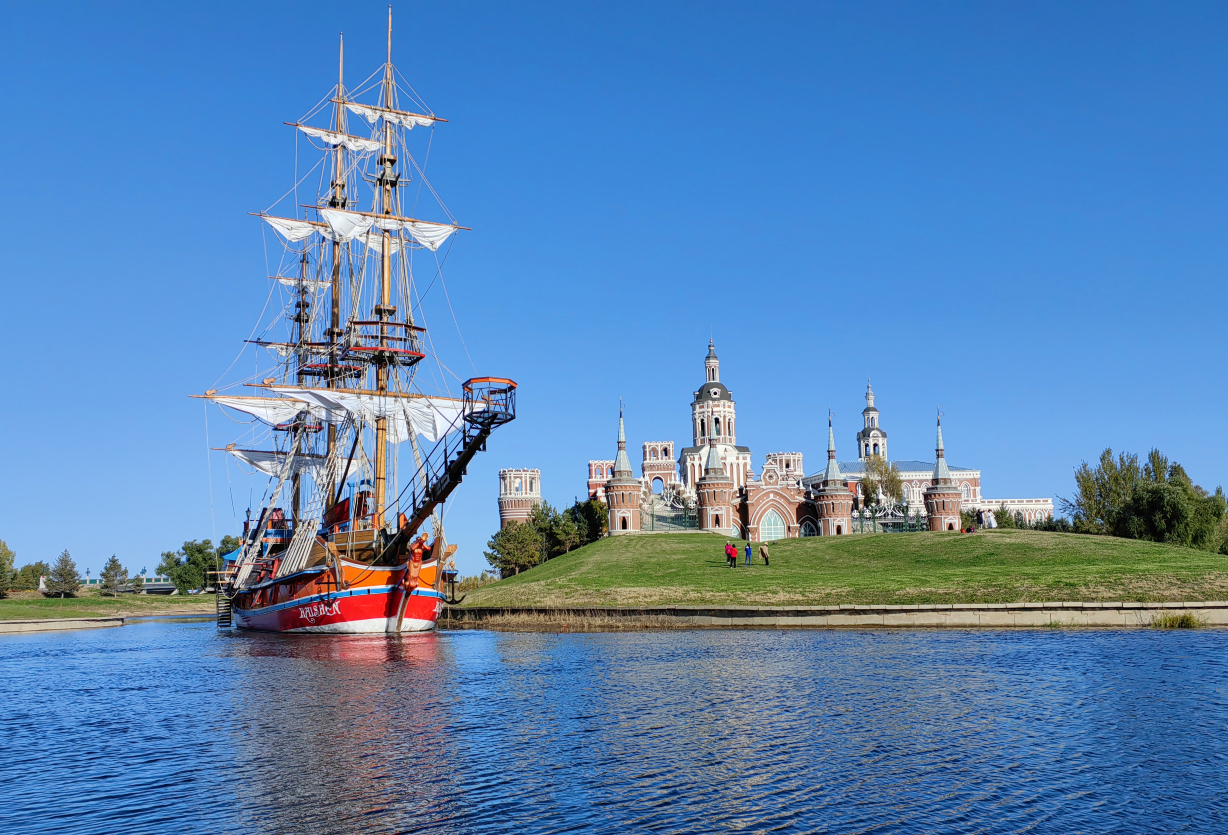
🚗 Harbin → Volga Manor

A Russian-style theme park with architecture, gardens, and museums 🏰.

  • Distance & Time: ~50 km, about 1 hour’s drive.
  • Route: S101 Provincial Road southbound.

🚘 Tips Before You Go

  • Winter driving can be tricky—roads may be icy, visibility lower. If you’re not confident, consider hiring a driver instead.
  • Use Baidu Maps or Amap (Gaode) for navigation (Google Maps doesn’t work well in China).
  • Start early during weekends/holidays to avoid long delays.
  • If you’re travelling mainly in winter, always check the weather in Harbin before setting out.

🚶 Exploring on Foot in Harbin

Saint Sophia Cathedral

Many of Harbin’s top sights are concentrated near the city centre, so you can explore quite a lot on foot:

🛣️ Citywalk in Harbin

Many of Harbin’s top sights are concentrated near the city centre, so you can explore quite a lot on foot:

  • Central Street (Zhongyang Dajie): The city’s most famous pedestrian street, with Russian-style buildings, cafes, and shops.
  • Saint Sophia Cathedral: Just a short walk from Central Street—great for photos, especially at night when lit up.
  • Ice and Snow World: In winter, strolling through the ice sculptures is a magical experience (though more like bundled-up waddling than casual walking!).
  • Songhua River Promenade: A scenic riverside walk, especially lively in summer with street performances.
  • Stalin Park: Tree-lined paths along the river, good for leisurely walks and local snacks.

🌦️ Weather in Harbin

Weather is a big factor when deciding how much walking you can do:

  • Winter (Nov–Feb): Extremely cold (often –15°C or lower). Walking is possible but wear proper boots, gloves, and layers.
  • Spring/Autumn: Crisp and cool—ideal for city walks.
  • Summer: Warm and pleasant (20–30°C), great for riverside strolls, though occasional rain showers mean an umbrella is handy.

🚄 China High Speed Train

China High Speed Train

Source: Wikipedia

China’s high-speed rail (HSR) is an excellent way to travel between cities, and Harbin is a major hub in the northeast. While speeds are a bit lower than the southern lines (typically up to 300 km/h), the trains are still fast, clean, and reliable—a great choice for exploring Heilongjiang and beyond.

  • Harbin West Railway Station (哈尔滨西站): The main high-speed rail hub, with frequent departures to Beijing, Changchun, Shenyang, and Dalian.
  • Harbin Station (哈尔滨站): Right in the city centre, convenient for both HSR and regional trains.
  • Harbin East & Harbin North Stations: Serve some regional and high-speed routes.

The trains have different seat classes—Second Class, First Class, and Business Class—all comfortable, with heating in winter and clean facilities.

🌍 Where You Can Go

  • Beijing: ~5–6 hours by HSR.
  • Changchun: ~1.5 hours.
  • Shenyang: ~2.5–3 hours.
  • Dalian: ~4–5 hours.
  • Qiqihar: ~1.5–2 hours (regional HSR line).

You can book tickets via machines at the station (some have English), but most travellers prefer apps like Trip.com for convenience and English support. During peak times (like Chinese New Year or the Harbin Ice Festival), book early as trains sell out fast.

🎯 Which Option is Best for You?

If it’s your first time in Harbin, the metro plus ride-hailing apps will be the most straightforward way to move around. Families may prefer taxis or private transfers for warmth and convenience. Budget travellers can easily get around by combining the metro, buses, and walking along Central Street or the riverside.

Getting around Harbin is part of the adventure. Between snowy streets, Russian-style boulevards, and the city’s growing metro network, once you get familiar with the options, exploring becomes easy.


🥰Pro Tip: Make sure to review China Visa and China entry requirements if you’re planning to stay for more than 30 days. If you go to Harbin, don't miss out the Harbin Ice Festival to experience a real winter magical world.

FAQs About Harbin Transport

  • Are taxis expensive in Harbin?

    Not really. A short ride within the city usually costs ¥10–20 (S$2–4). Airport to city centre is around ¥120–150 (S$22–28). Just make sure the driver uses the metre.
  • Is it safe to walk in Harbin?

    Yes, it’s safe and walkable in key areas like Central Street, Sophia Cathedral, and the Songhua River promenade. But in winter, paths can be icy—wear proper shoes and walk carefully.
  • Should I book train tickets in advance?

    Definitely. Especially during Chinese New Year or Harbin Ice Festival, high-speed trains sell out quickly. Use Trip.com or official railway app 12306 to book early.
  • What’s the best transport for families with kids?

    Metro is convenient, but in cold weather, taxis or private transfers are more comfortable.
  • Is cycling or using shared bikes practical in Harbin?

    In summer, yes—you’ll see shared bikes around. But in winter, due to snow and ice, cycling is not recommended.
Disclaimer: This article has been provided by an individual contributor or third party platform. If there is any discrepancy regarding the copyright, please contact us directly and we will delete the content immediately.
Leona

Leona

Traveller, Writer, Cat Lover, Sea Lover

Always on the hunt for smart travel! I love exploring new places, testing out travel products, and finding little hacks that make every trip smoother.

310 articles
TravelChinaSingapore
>>
Harbin Transport