Best Time to Visit Busan: Weather, Seasons and Travel Tips


Busan feels alive in every season. From golden beaches and fresh seafood markets to mountain temples and coastal walks, South Korea’s second largest city offers a perfect mix of nature, culture, and city life.
With its coastal location, Busan has a milder climate than many inland Korean cities, making it an attractive destination throughout the year. Still, some months are more comfortable, scenic, and enjoyable than others.
Choosing the best time to visit Busan helps you explore at an easy pace, enjoy outdoor attractions, and make the most of your travel budget.
When Is the Best Time to Visit Busan

Busan is a year round destination, but the most comfortable months are April to June and September to October.
During these periods, the weather is pleasant with clear skies and lower humidity. Temperatures usually range between 15°C and 25°C, perfect for beach walks, coastal trails, and sightseeing around the city.
Spring brings cherry blossoms and fresh sea air, while autumn offers crisp weather and stunning fall colors. Many Singapore travelers find these seasons ideal for outdoor activities without feeling too hot or tired.
Best Time to Visit Busan for Different Purposes
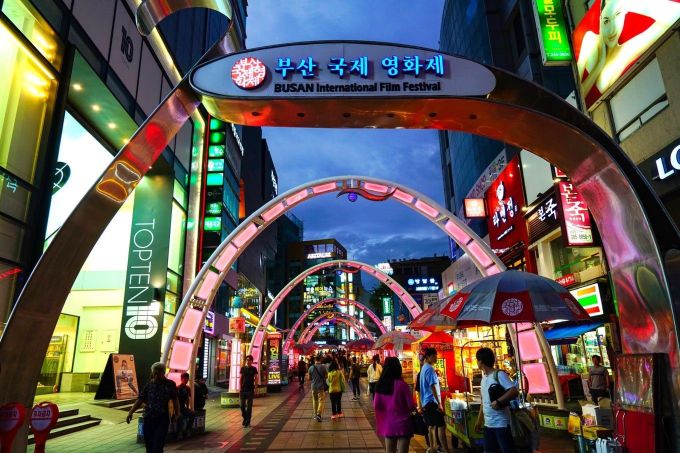
Busan has four clear seasons, and each one offers a different experience. The table below helps you choose the best time based on your travel style.
Category | Best Time | Why It Is Ideal |
Best Overall Weather | April to June, September to October | Mild temperatures, clear skies, perfect for outdoor sightseeing |
Best for Culture and Festivals | April Cherry Blossom Season | Beautiful parks, riversides, and spring events |
October Busan International Film Festival | Red carpet events, screenings, lively city atmosphere | |
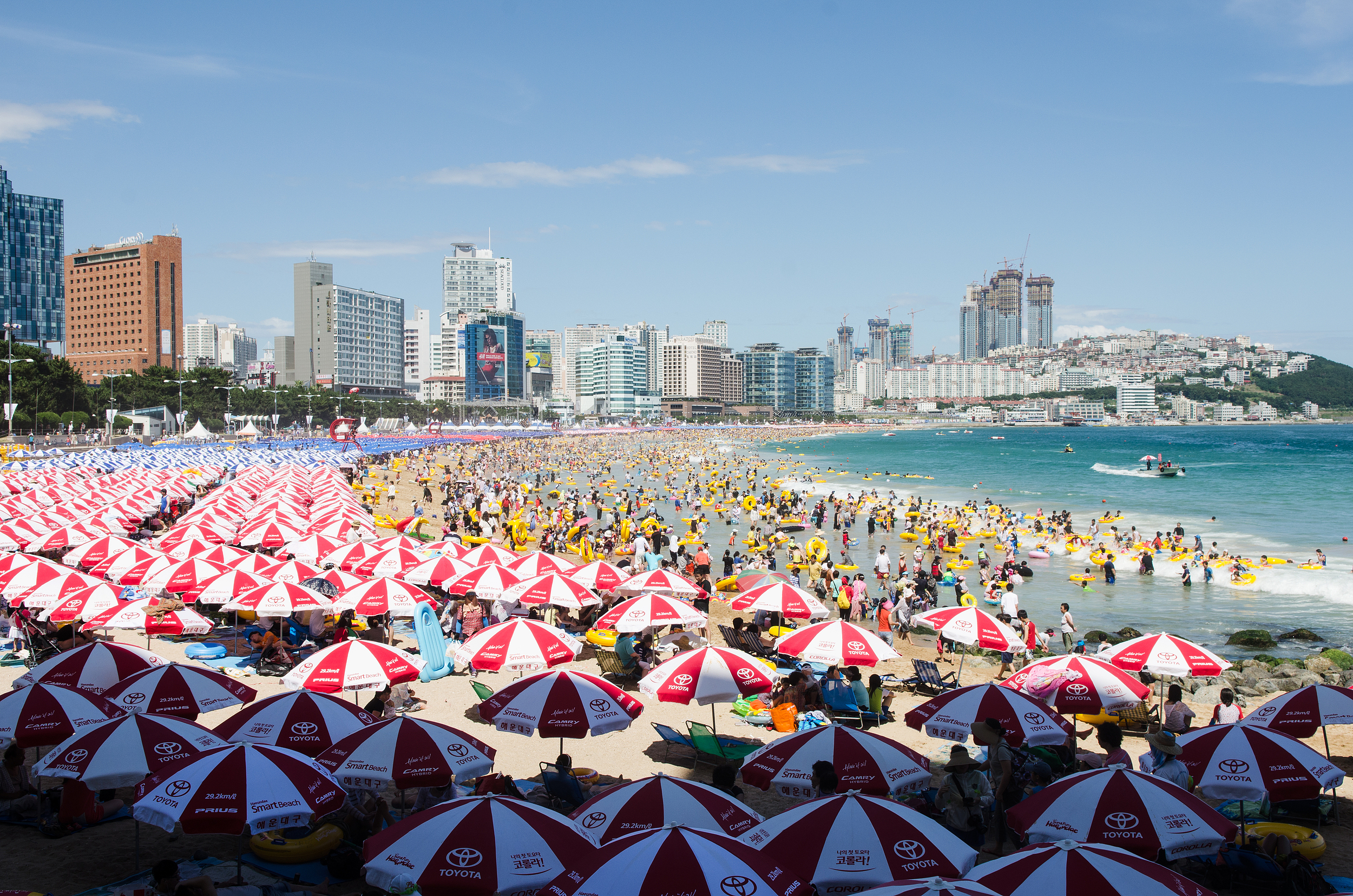
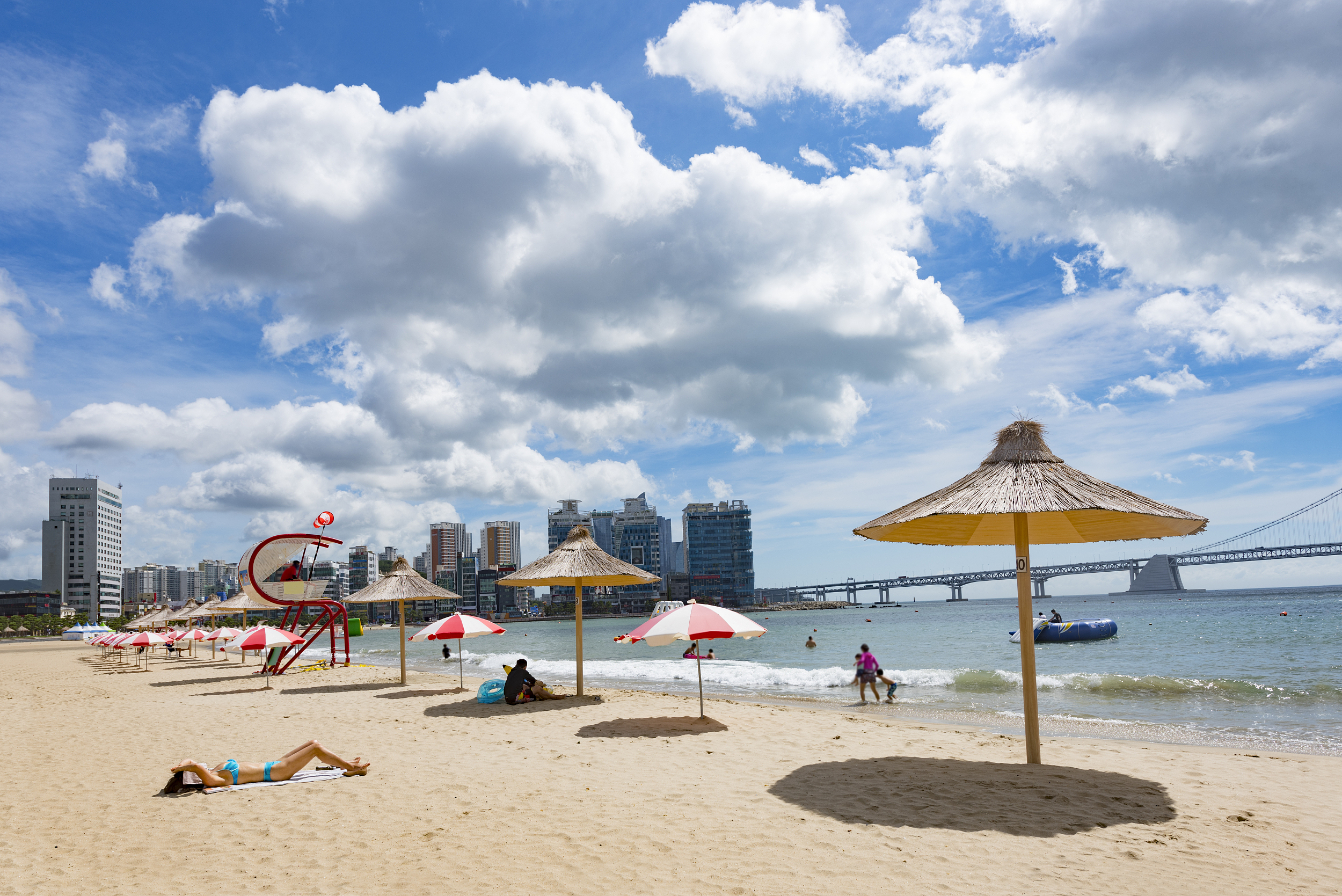
Best Time for Beaches | July to August | Warm sea temperature, beach activities, summer vibes |
Best Time for Shopping | December to January | Winter sales, department stores, duty free shopping |
Best Time for Families | May or October | Comfortable weather, easy walking, kid friendly attractions |
Best Time for Budget Travelers | March or November | Fewer tourists and better hotel deals |
Best for Relaxed Travel | May or November | Calmer crowds and smooth sightseeing |
Best for Indoor Attractions | December to February | Ideal for cafes, museums, spas, and shopping |
Book Top Flights to Busan


Busan Weather and Seasons Explained
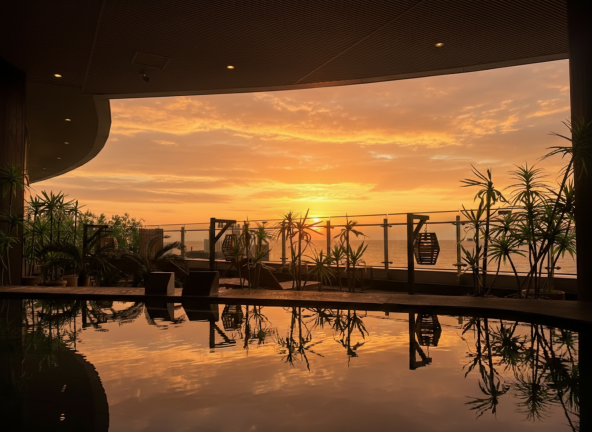
Busan experiences four distinct seasons, each bringing a different charm. Understanding the seasonal weather helps you plan better activities.
Temperature
Busan is warmer than many other Korean cities due to its coastal location. Summer temperatures from July to August can reach around 30°C, while winter from December to February is cold but manageable, with daytime temperatures around 5°C to 10°C.
Spring and autumn are the most comfortable, offering gentle sunshine and cool breezes.
Humidity
Humidity is highest during summer, especially in July and August. The air can feel heavy, making afternoon sightseeing tiring. Locals often relax at beaches, cafes, or indoor malls during peak heat hours.
In spring and autumn, humidity drops and outdoor walking feels pleasant and refreshing.
Rainfall
Rain is more common from June to August, with July being the wettest month. Showers can be heavy but usually short. Typhoons are possible but not frequent.
💫Quick tip: Carry a light umbrella. It helps with sudden rain and also provides sun protection during summer.
Best Time to Visit Popular Busan Attractions
Attraction | Best Time of Day | Best Months | Notes |
Early morning or sunset | June to September | Cooler weather and beautiful coastal views | |
Morning before 10 AM | April to June, September to October | Better lighting and fewer tour groups | |
Jagalchi Fish Market | Morning | Year round | Fresh seafood and lively local atmosphere |
Haedong Yonggungsa Temple | Early morning | April to May, October | Calm sea views and comfortable walking |
Gwangalli Beach | Evening | May to October | Night views of Gwangan Bridge and cafes |
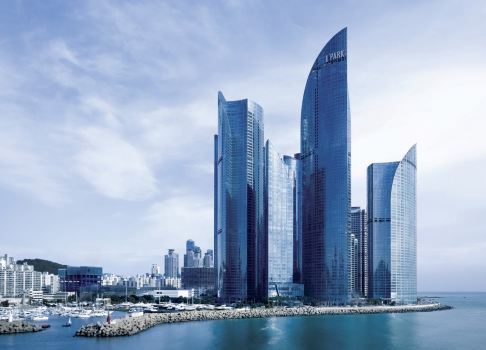
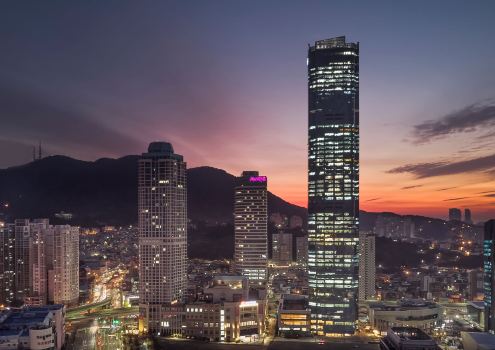
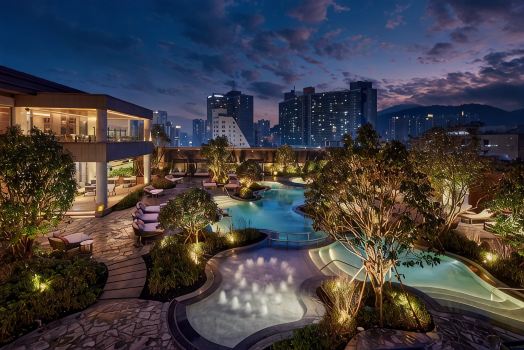
Best Hotels in Busan
 NO.1
NO.1


Peak and Off Peak Travel Periods
Peak Periods
Peak season is when Busan feels the most energetic. Planning ahead is essential during these months.

Months
April, July to August, October
Pros
- Spring brings cherry blossoms across parks and riversides and summer is perfect for beaches and nightlife.
- October is filled with festivals like the Busan International Film Festival at International Market.
- The city atmosphere is lively, with more events, street performances, and seasonal activities happening everywhere.
Cons
- Crowds are noticeably larger, especially at Haeundae Beach, Gamcheon Culture Village, and popular shopping areas.
- Hotel prices and flight fares are higher, and popular restaurants may require waiting time or reservations.
Shoulder Season
Shoulder season offers a great balance of good weather and lighter crowds.
Months
March, May, November
Pros
- Sightseeing feels more relaxed, hotel prices are more reasonable, and popular attractions are easier to enjoy without long queues.
- Ideal for travelers who want comfort without peak season pressure.
Cons
- Some seasonal events may be limited, and beach activities like Gwangalli Beach are less active compared to summer.
- Sea temperatures may be cooler, especially in March and November.
Off Peak and Budget Friendly Periods
This is the best time for budget travelers.
Months
January to February
Pros
- Hotel rates are lower, flights are more affordable, and attractions are much less crowded.
- Cafes, markets, and indoor spots feel cozy, making it perfect for slow travel, food hunting, and shopping.
Cons
- Cold weather limits outdoor activities, and beach visits are not ideal.
- Some coastal attractions can feel windy, and daylight hours are shorter.
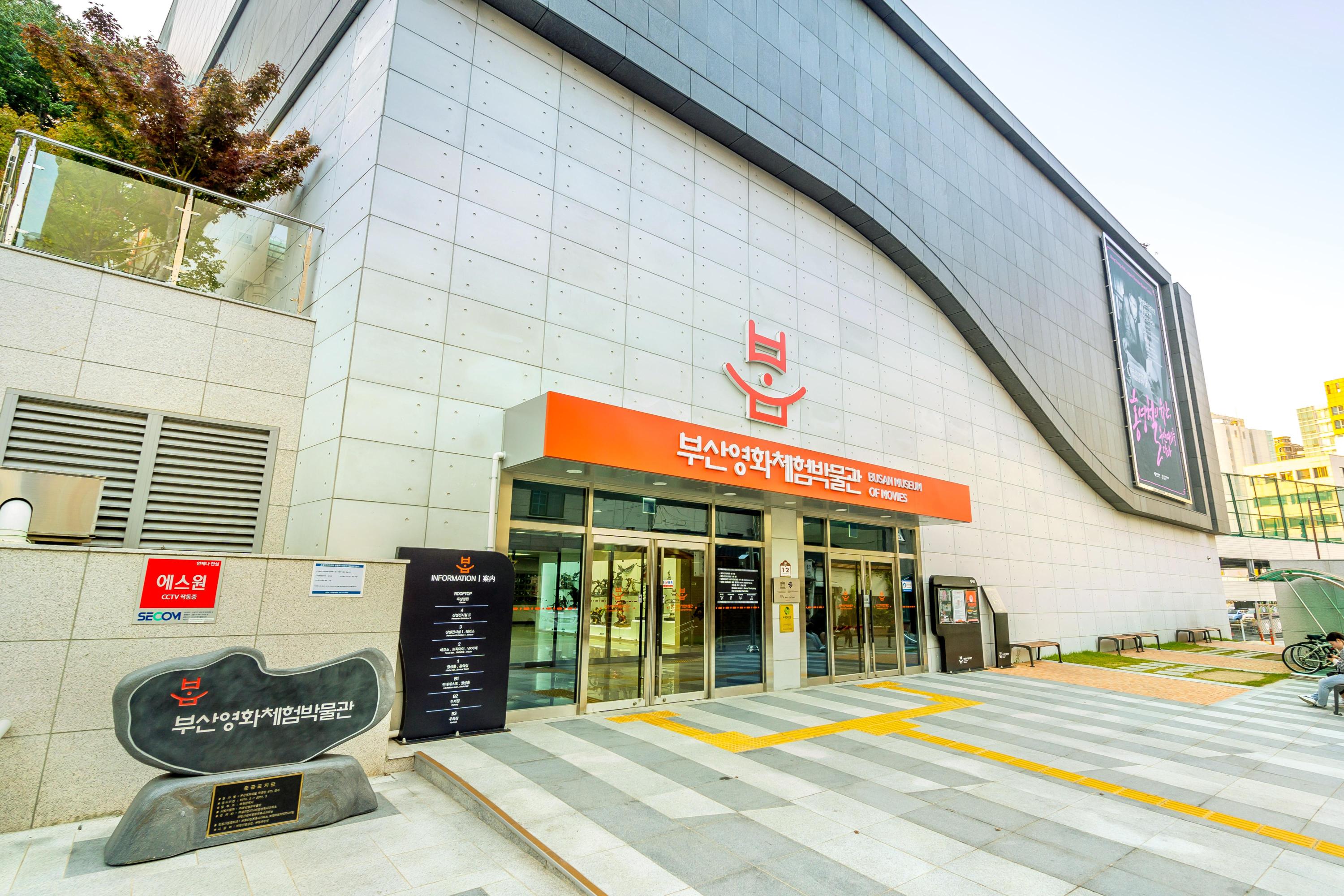
- Visit indoor attractions like Hurshimchung Spa, Jagalchi Market and Busan Museum of Movies.
School Holidays and Crowd Levels in Busan

Even if you are traveling without children, it helps to know school holiday periods in South Korea. During these times, popular attractions and beaches become busier, and hotel prices may increase.
Key School Holiday Periods in South Korea
- Late July to August summer holiday
- Early January winter break
- Early May short school breaks
- Late December year end holidays
During these periods, places like Haeundae Beach, Gamcheon Culture Village, shopping districts, and family attractions can feel crowded, especially in the afternoon and evening.
Final Thoughts Best Time to Visit Busan

There is no bad time to visit Busan, but timing shapes your experience. For most travelers, spring and autumn offer the best balance of weather, scenery, and crowd levels.
If you love beaches and festivals, summer brings energy and ocean fun. If you prefer quiet streets and better deals, winter and early spring are great options. Families often enjoy May and October, while budget travelers benefit from March or November.
Choose the season that fits your travel style, plan ahead, and Busan will reward you with unforgettable coastal views, local flavors, and warm city charm.
Find Unmissable Experiences in Busan


![Busan 1-day tour [Haeundae Blueline Park/Gamcheon Culture Village/Cheongsapo/Yonggungsa Temple]](https://ak-d.tripcdn.com/images/0355412000u4wxa0v021A_C_568_320.jpg)



FAQs About the Best Time to Visit Busan
-
Which months are the coldest in Busan?
-
Is summer a good time to visit Busan?
-
When is the rainy season in Busan?
-
Is Busan crowded during peak season?
-
Can I visit Busan all year round?
Find Cheap Travel Deals & Explore Destinations on Trip.com
-
Popular Content
-
Popular Flights
-
Popular Hotels
-
Popular Things to Do
-
Featured guides
-
Trip.com links
- Plane tickets from Jakarta to Busan
- Cheap flights from Seoul to Busan
- Cheap tickets from Bangkok to Busan
- Cheap tickets from Kuala Lumpur to Busan
- Plane tickets from Taipei to Busan
- Plane tickets from Singapore to Busan
- Plane tickets from Beijing to Busan
- Cheap flights from Osaka to Busan
- Cheap flights from Da Nang to Busan
- Cheap flights from Hong Kong to Busan
- Cheap tickets from Tokyo to Busan
- Cheap flights from Kaohsiung to Busan
- Cheap flights from Shanghai to Busan
- Cheap tickets from Fukuoka to Busan
- Plane tickets from Jeju to Busan
- Lotte Hotel Busan
- BAMU HOTEL
- Ramada Encore by Wyndham Busan Station
- Grand Josun Busan
- Lavi de Atlan Hotel 2
- L7 HAEUNDAE by LOTTE HOTELS
- SOTA SUITE Busan Seomyeon
- Lavalse Hotel
- Palatium Haeundae by SONO Felice
- Best Western Haeundae Hotel
- Asti Hotel Busan Station
- Almond Hotel Busan Station
- Busan Yeongmu Parade Hotel Haeundae Beach
- Brown Suites Busan
- Toyoko Inn Busan Haeundae 2
- Ramada Encore by Wyndham Busan Haeundae
- Arban Hotel
- Shilla Stay Busan Haeundae
- Toyoko Inn Busan Station No.1
- UH Suite the Haeundae
- Busan Day Tours
- Busan Airport Services
- Busan Yacht Charter
- Busan City Pass
- Busan Connectivity Solutions
- Busan Classes
- Busan Bus Tickets
- Busan Activities
- Busan Travel Services
- Busan Transport Card
- Skyline Luge Busan
- South Korea SKT 5G/4G native eSIM | calls + SMS | 010 phone number | 24 hr billing | QR code
- Busan Yacht Experience | Gwangalli Yacht Ride | YachtHolic
- Boole Gwangalli
- 100% Safety Return - Busan Shore Excursion: Haedong Yonggungsa & Gamcheon Village
- China Power Bank Limit
- Trip.com Customer Service
- train to kl from singapore
- Shanghai Metro
- China Train Map
- China Entry Requirements
- Hong Kong Public Holidays 2027
- train from singapore to jb
- China Plug
- Thailand Plug
- universal studios singapore tickets
- Renew Autopass Singapore
- Taiwan Plug
- Vietnam Arrival Card
- Singapore Malaysia Cross Border Taxi
- Frankfurt Airport to City
- Osaka Station to Kyoto Station
- Bangkok to Pattaya
- Trip.com Promo Code
- Trip.com Flight Deals
- Trip.com Credit Card Promotions
- How to Book Cheap Hotels
- How to Book Cheap Flights
- Trip.com Member Rewards
- Trip Weekly Hotel Sales
- Online Hotel Booking
- Online Flight Booking
- Trip.com Travel Guide
- Book China Train Tickets
- Trip.com Seat Selection
- Singapore Public Holidays 2027
- Trip.com 优惠码
- Trip.com Travel Guides
- Trip.com 10.10 Mega Sale