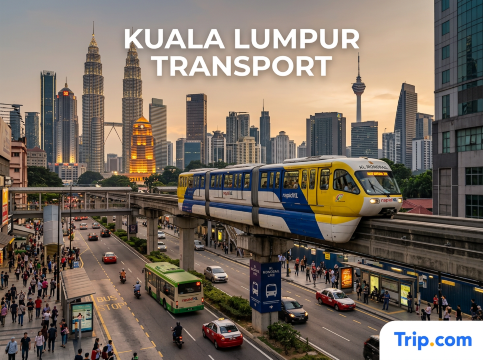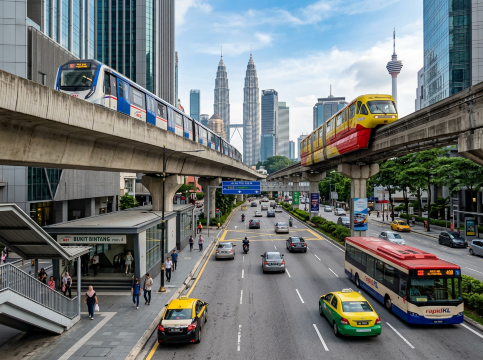

When I first arrived in Kuala Lumpur, I was curious about how the transportation system compared to Singapore's. Honestly, I was quite happy. While the MRT and buses aren't as modern or quick as back home, they have their own unique charm. KL's transportation culture has an almost vintage feel to it, slower-paced, a little crowded. But still convenient for going from point A to point B. Walking around the city, you feel the noise and activity. The streets can become overcrowded, especially in the city center. Yet neighborhoods such as Bukit Bintang are extremely walkable. Locals can be seen getting on and off buses, riding the monorail, or catching a fast Grab ride. While not as broad as Singapore's, the metro system remains a dependable mode of transportation in important parts of the city. For a taste of the local flavor, take a beautiful river ride along the Klang River, which is an unforgettable experience. This guide will cover all you need to know about traveling about Kuala Lumpur, including the metro, taxis, and walking recommendations. Whether you're commuting or simply exploring, I've got you covered.
🚅Kuala Lumpur MRT

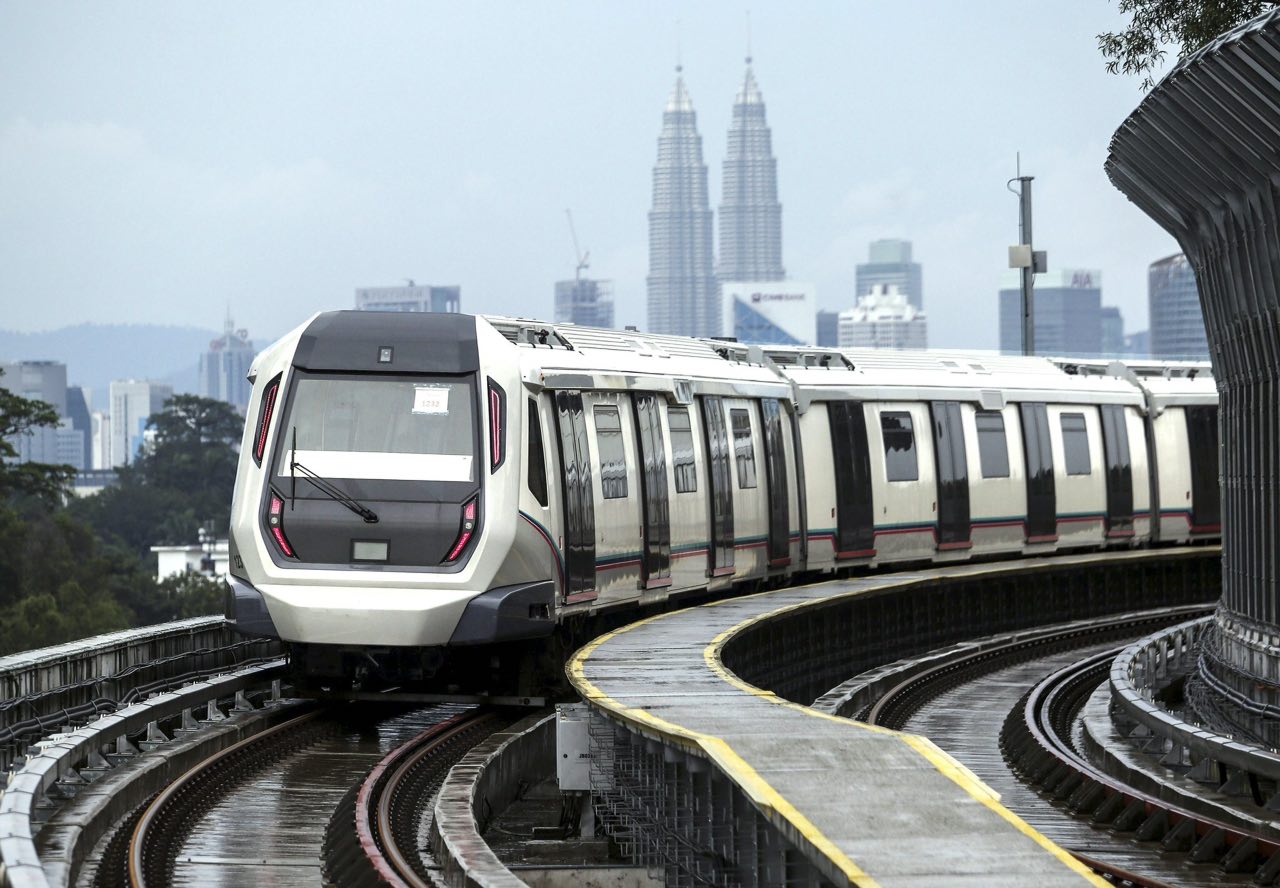
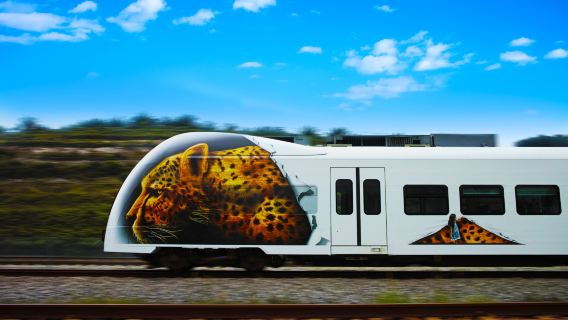
Kuala Lumpur’s metro system is a convenient and efficient way to get around the city, especially for travelers who want to explore the key districts quickly. The metro network, which includes the LRT (Light Rail Transit), Monorail, and KTM Komuter lines, connects many popular tourist spots and neighborhoods, making it an easy option for both locals and visitors.
🗺️ System Overview
The LRT and Monorail lines are the backbone of the metro system in Kuala Lumpur, with the KTM Komuter covering a broader suburban area. The LRT is a great option for quick trips to the city center, while the Monorail is perfect for reaching shopping districts like Bukit Bintang and KLCC. The KTM Komuter provides longer-distance travel, connecting the city to places like Batu Caves and Subang Jaya.
The metro system is well-organized, with different lines identified by colors and numbers:
- LRT Kelana Jaya Line (Green) 🚇
- LRT Ampang Line (Purple) 🚉
- Monorail Line (Yellow) 🚋
- KTM Komuter (Red/Blue) 🚈
📍 Key Tourist Stops
- KL Sentral 🚉: The central transport hub, connecting several lines, including the KTM Komuter and LRT. Great for accessing various parts of the city and beyond.
- Bukit Bintang 🛍️: The heart of Kuala Lumpur’s shopping scene, with plenty of malls like Pavilion and Fahrenheit88.
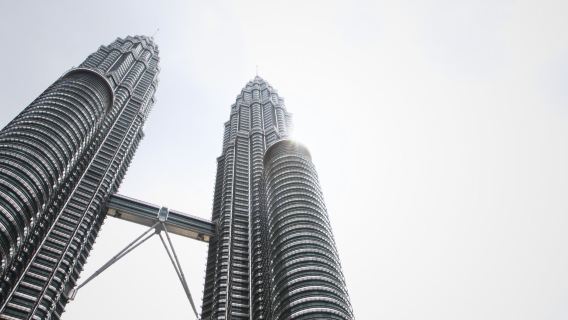
- KLCC 🏙️: Home to the iconic Petronas Towers, this station also connects to upscale shopping malls and the KLCC Park.
- Chinatown (Pasar Seni) 🍜: A cultural hotspot, great for exploring local markets and street food.
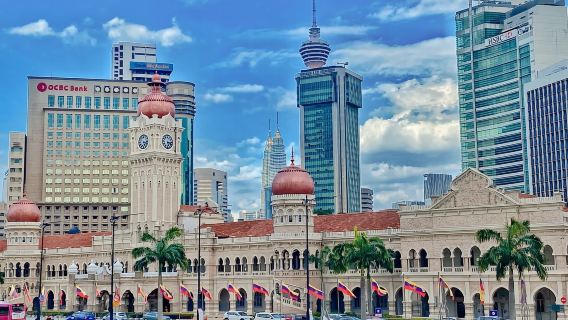
- Merdeka 🏞️: A key station near historical sites like Merdeka Square and the Sultan Abdul Samad Building.
💳 Tickets, Cards, and How to Pay
You can pay for your metro rides using Touch 'n Go cards, which are available at stations and convenience stores. The contactless payment system is easy to use—just tap in and out of the stations. If you're staying for a few days, the Kuala Lumpur Travel Pass is a great option for unlimited travel for 1, 2, or 3 days. Tickets can also be purchased at ticket vending machines and counter kiosks at most stations, including KL Sentral and KLIA (if you're coming from the airport).
🕒 Operating Hours & Frequency
The metro system runs from 6:00 AM to midnight. During the day, the trains come every 5 to 10 minutes. At night, especially after rush hour, the frequency might drop slightly, but it’s still reliable. Trains are typically on time, but be aware that peak hours (especially from 7:30 AM to 9:00 AM and 5:00 PM to 6:30 PM) can be crowded.
✅ Pros & Ideal Users
- Solo Travelers: The metro is fast, affordable, and easy to use. It’s a great way to explore the city, especially if you're hopping between districts like Bukit Bintang and KLCC.
- Commuters: The air-conditioned trains and relatively clean stations make it comfortable for getting around, though you might encounter crowded trains during rush hour.
- Families: The metro is a safe, convenient option for families, though if you’re traveling with kids, it might be best to avoid rush hour to ensure a more comfortable journey.
Compared to Singapore’s MRT, Kuala Lumpur’s metro system is somewhat smaller, but it’s still efficient, reliable, and offers an affordable way to explore the city.
⚠️ Tips or Watch-Outs
- Overcrowded Lines: Peak hours can lead to packed trains, especially on the LRT and Monorail lines. If you can, plan to travel during off-peak times for a more comfortable experience.
- Language Barriers: While signage in most stations is in English, it can sometimes be hard to find English-speaking staff, so be prepared to use basic Malay phrases or ask for directions.
- Transfers: Some stations like KL Sentral have multiple lines, and the layout can be a bit confusing. Keep an eye on the signs, and allow extra time for transfers between lines.
🚌Kuala Lumpur Bus Transport

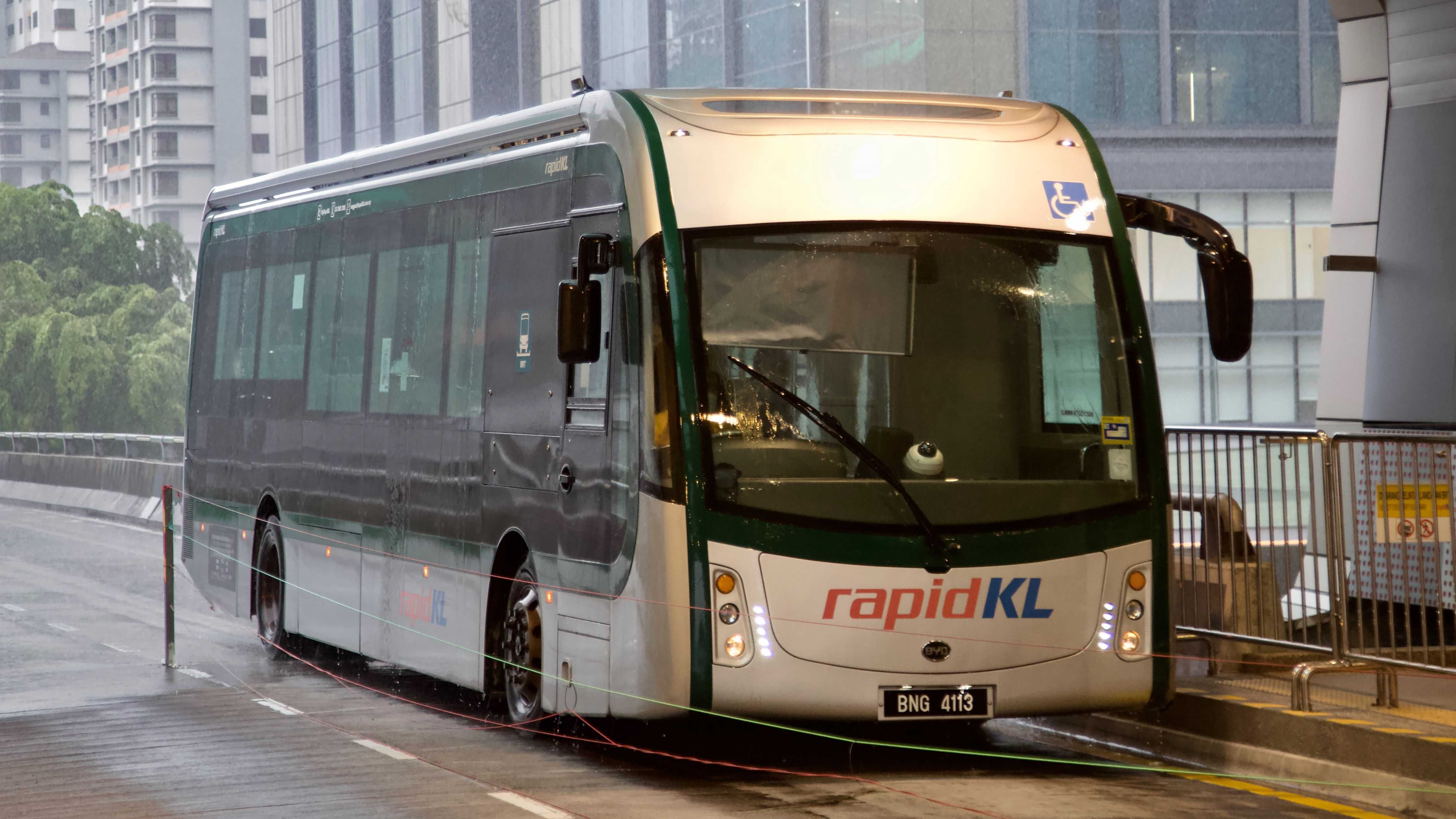
Kuala Lumpur's public bus system is an affordable and practical way to get around, especially if you're looking for an easy-going travel experience. The buses here are operated by several companies, with RapidKL being the main one for local routes. Buses are quite popular with locals, though you’ll see quite a few tourists using them as well, especially for scenic routes or getting to areas not covered by the metro.
🚌 Local Bus System Overview
The RapidKL buses are the most common, covering many parts of the city, from downtown areas to suburban neighborhoods. They're a good option if you're traveling to places like Batu Caves, Taman Negara park, or even the quieter parts of the city where the metro doesn’t reach. Some routes, like those running between KL Sentral and Bukit Bintang, are popular with tourists. Buses can be a great way to see the city from a different angle, especially when compared to the rush of the metro.
🚏 When & Where to Use the Bus
- Scenic Routes: Buses are a good choice if you want to take in the sights of the city. Some routes pass by parks or quieter residential areas that are perfect for a more relaxed journey.
- Access to Suburbs: If you're heading to a more budget-friendly area, like Kuala Lumpur’s outer districts, buses are often the most straightforward (and cheapest) option.
- Tourist Routes: A popular route for tourists is the Go KL City Bus, which is free and takes you to various key spots around the city like Chinatown, Petronas Towers, and Bukit Bintang. It’s perfect if you’re exploring the city’s main attractions on a budget.
💳 How to Pay & Ride
- Payment Methods: You can pay your fare with cash (exact change required) or by using a Touch 'n Go card or contactless payment (if the bus supports it). You won’t typically get change if you pay in cash, so be sure to have the correct amount.
- Boarding and Disembarking: You’ll board buses through the front door and tap your card on the reader (if using one). When you reach your stop, simply press the button to request the next stop and exit through the rear door.
🕒 Timings & Frequency
Buses in Kuala Lumpur generally run from 6:00 AM to 11:00 PM, with some routes operating later into the night, especially on weekends. During the day, buses run fairly regularly—typically every 10 to 15 minutes. At night, buses may be less frequent, so it’s worth checking the schedule if you’re traveling later in the evening.
✈️ Airport Shuttle / Bus
For airport transfers, Kuala Lumpur offers several shuttle options that connect KLIA (Kuala Lumpur International Airport) to the city center. The KLIA Ekspres is the fastest train option, but if you’re arriving late or carrying a lot of luggage, you might prefer the Airport Coach bus. It’s comfortable, reliable, and relatively affordable, with buses leaving regularly from both KLIA and KLIA2 (the low-cost terminal) to KL Sentral.
Cost: The fare for the shuttle is generally between RM 10 to RM 15 (around SGD 3-5), making it a budget-friendly option for travelers with plenty of luggage or those arriving after metro services have stopped.
✅ Pros & Who It’s Good For
- Budget Travelers: Buses are the best option for those on a budget. They offer great value for the price, especially compared to taxis or private rides.
- Explorers: If you want to take your time exploring the city and experiencing Kuala Lumpur’s local vibes, buses are a relaxed way to travel. They also give you a more scenic view of the city than the metro does.
- Comparison to Singapore Buses: Much like in Singapore, buses in Kuala Lumpur are clean, air-conditioned, and relatively easy to use, though the routes can feel a bit less predictable compared to Singapore's system.
⚠️ Watch-Outs
- Wait Times: During rush hours, buses can get crowded, and wait times might be longer. Be prepared for possible delays if you’re traveling during peak times.
- Route Changes: Routes sometimes change depending on traffic or roadworks, so it’s a good idea to confirm your route before hopping on. While signage is mostly in English, it’s always good to double-check your stop.
Flights to Kuala Lumpur
🚖 Taxis & Ride-Hailing in Kuala Lumpur

In Kuala Lumpur, taxis and ride-hailing apps offer a convenient and safe way to travel, especially if you prefer a more private and direct form of transport. Whether you’re heading to the airport or exploring the city, taxis and ride-hailing services are widely available, but there are a few things to keep in mind to ensure a smooth experience.
🚖 Availability & Reputation
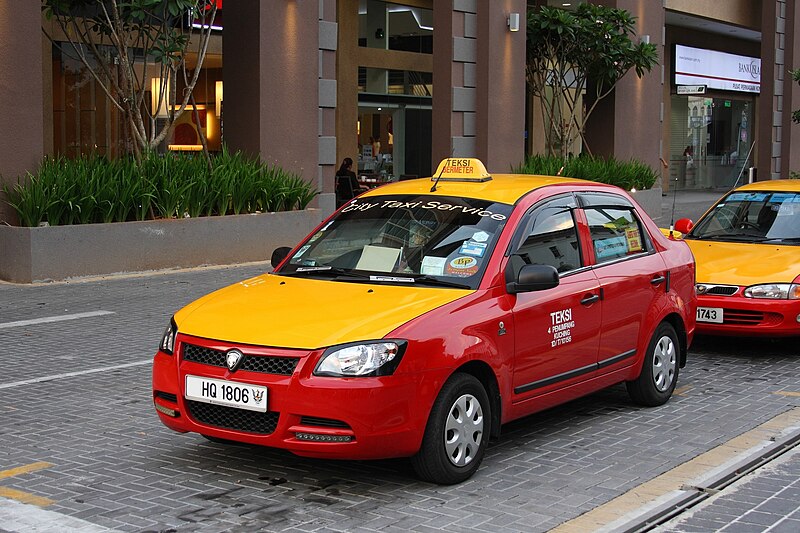
Taxis are readily available in most areas of Kuala Lumpur, but they are often considered less reliable compared to ride-hailing services, especially during peak hours. Some taxis may try to overcharge or refuse short-distance trips, so it’s best to use apps when possible for transparency and fair pricing. Ride-hailing services like Grab have become incredibly popular, and many locals prefer them because they offer better pricing, convenience, and upfront fare estimates.
Taxis are generally regulated, but issues like "meter not working" or route padding can occasionally happen, particularly with independent drivers. However, Grab and other ride-hailing apps are a safer and more transparent option for travelers.
📱 Popular Ride-Hailing Apps
The most popular ride-hailing app in Kuala Lumpur is Grab, which is widely used in Southeast Asia. It offers everything from standard rides to premium services, and its app provides upfront pricing, in-app payments, and language options in English. Grab is easy to download from the App Store or Google Play, and it’s known for being reliable with transparent fares.
Another popular option is Gojek, though Grab tends to be the most used. Both apps allow you to track your ride in real time and have options for cashless payment via credit/debit cards or mobile wallets.
💸 Fare Estimates & How to Pay
A typical taxi fare in Kuala Lumpur from the city center (like KLCC) to the airport is around RM 75-90 (~SGD 25-30) depending on traffic. Taxis are metered, but always ensure the driver uses the meter before you start the journey to avoid being overcharged.
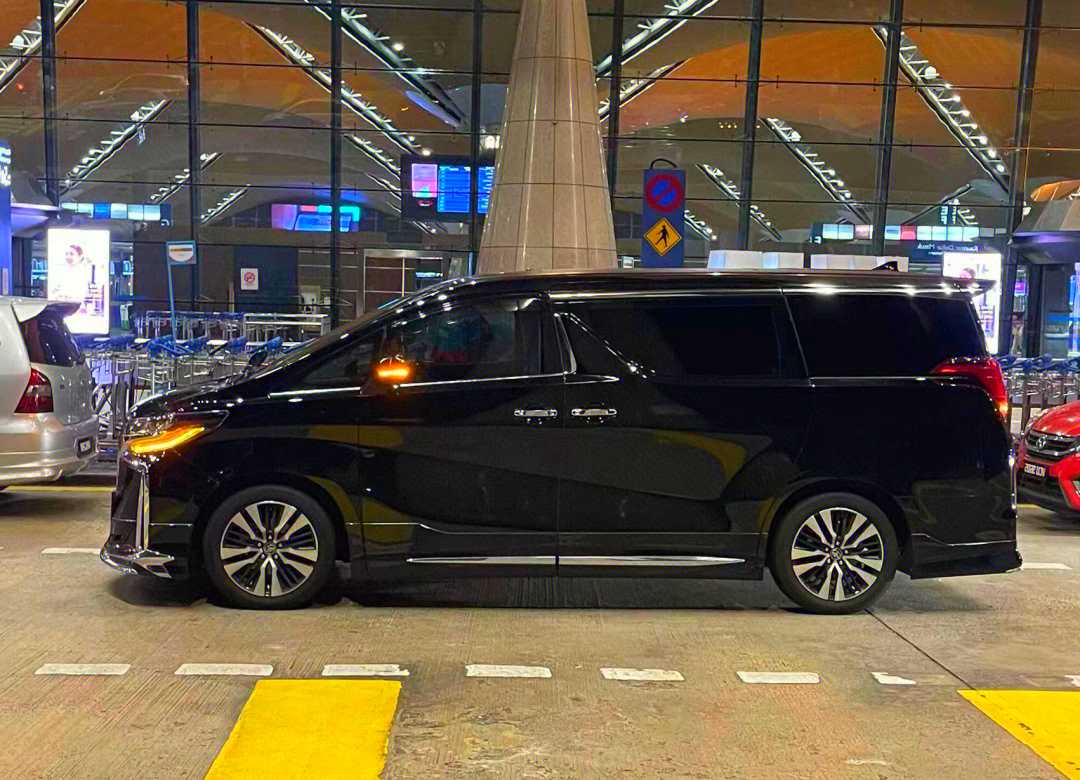
For ride-hailing services, the price from the city center to the airport is typically around RM 70-100 (~SGD 22-33). Grab and Gojek offer upfront pricing, which means you’ll know the fare before you even get into the car—no surprises at the end! During peak hours or in bad weather, prices might surge, and there may be additional tolls.
🛬 Airport Pickup Info
For taxis and ride-hailing at KLIA (Kuala Lumpur International Airport), you’ll find an official taxi rank just outside the arrivals hall, clearly marked with a sign for taxis. Ride-hailing services like Grab have designated pickup zones at the airport, so be sure to follow the signs. There’s usually a pickup surcharge for rides from the airport, so make sure to check the fare beforehand.
If you prefer to pre-book your ride, you can also use Trip.com airport transfers for a hassle-free option. This allows you to arrange your transport ahead of time without worrying about availability.
✅ Best for These Travelers
Taxis and ride-hailing apps are great options for:
- Families with kids 👨👩👧👦: If you're traveling with children, a private ride might be more comfortable, especially for longer distances.
- Seniors 👵: Convenient, door-to-door service is ideal for those who want to avoid the hassle of navigating public transport.
- Late-night arrivals 🌙: Taxis and ride-hailing are perfect for late-night flights or if you're arriving after the metro and buses have stopped operating.
- Travelers with lots of luggage 🧳: Both options are much more convenient if you have a lot of bags, especially if you're traveling to or from the airport.
⚠️ Things to Watch Out For
- Taxi Scams: Occasionally, taxi drivers may refuse to use the meter or take longer routes. Always confirm the use of the meter before starting the ride. It’s safer to use apps like Grab to avoid these issues.
- Ride-Hailing Availability: During peak hours, rainy weather, or special events, it might be difficult to find a ride, and prices could surge. It’s always a good idea to check the app in advance.
- Unofficial Drivers: Be cautious of unlicensed drivers or touts at the airport or busy tourist spots. Always use official taxi ranks or ride-hailing apps to avoid getting scammed.
🚶 Walking & Exploring on Foot in Kuala Lumpur

Exploring Kuala Lumpur on foot is a wonderful way to experience the city’s vibrant atmosphere and hidden gems. While the city isn't as built for walking as Singapore, it does have some excellent walkable areas that allow you to soak in the local sights, sounds, and flavors. The energy of the streets can sometimes feel chaotic, but there’s something unique about seeing the city at street level.
🚶 Is Kuala Lumpur Walkable?
Kuala Lumpur is a mix of bustling streets, hidden alleyways, and sprawling malls, and while it may not be as pedestrian-friendly as Singapore, there are still plenty of walkable areas, especially in the city center. Districts like Bukit Bintang, Chinatown, and KLCC are great for exploring by foot. These areas are relatively compact and filled with shops, food stalls, and cultural spots. Walking between major landmarks like the Petronas Towers and Pavilion Mall is simple, but be prepared for a bit of hustle and bustle, especially during peak hours.
🛣️ Sidewalks, Crossings & Navigation
Sidewalks are common in tourist-friendly areas, but they can be a bit hit-or-miss in more residential or less-developed districts. The quality varies—some sidewalks are wide and well-maintained, while others can be cracked or narrow. In areas like Bukit Bintang, the sidewalks are generally decent and easy to walk on, though you’ll have to navigate around street vendors and crowds at times.
Pedestrian crossings are available in many areas, but drivers don't always stop at them, so it’s best to be cautious when crossing the road. As for accessibility, there are some hills around the city, especially in areas like Chinatown and Merdeka, where you might encounter steep slopes or uneven pavements. It's not the most accessible city for those with mobility issues, but for the average traveler, it’s manageable.
🗺️ Maps, Signage & Safety
Google Maps is generally reliable in Kuala Lumpur, though in older districts like Chinatown, you might find that some of the smaller alleyways aren’t as accurately mapped. English signage is common in most tourist areas, but once you venture out of the city center, you might find that signs are mainly in Malay. It's a good idea to download a map or check the route before heading out, just in case.
Kuala Lumpur is generally safe for solo travelers, but like any major city, it’s important to stay aware of your surroundings, especially at night. Areas like KLCC and Bukit Bintang are lively and well-lit, making them relatively safe for evening walks, but quieter spots may feel less secure after dark.
🌦️ Weather Considerations
KL’s tropical climate means it’s hot and humid for most of the year, which can make walking a bit of a challenge, especially during midday. Rain is frequent, so it’s a good idea to carry an umbrella or raincoat if you're out walking for extended periods, especially from March to November when monsoon season is in full swing. If you're planning to walk around, early mornings or late evenings are often the best times to avoid the heat and humidity.
For more about the climate, you can check the weather in Kuala Lumpur for a detailed forecast.
📸 Scenic Walks or Hidden Gems
Kuala Lumpur has some fantastic spots for a leisurely stroll:
- Kuala Lumpur City Centre (KLCC): Stroll around the iconic KLCC Park, where you can admire the Petronas Towers, enjoy the lush greenery, and even stop by the nearby Suria KLCC Mall. It’s a perfect spot for a relaxing walk, especially in the evening when the towers are beautifully lit up 🌃.
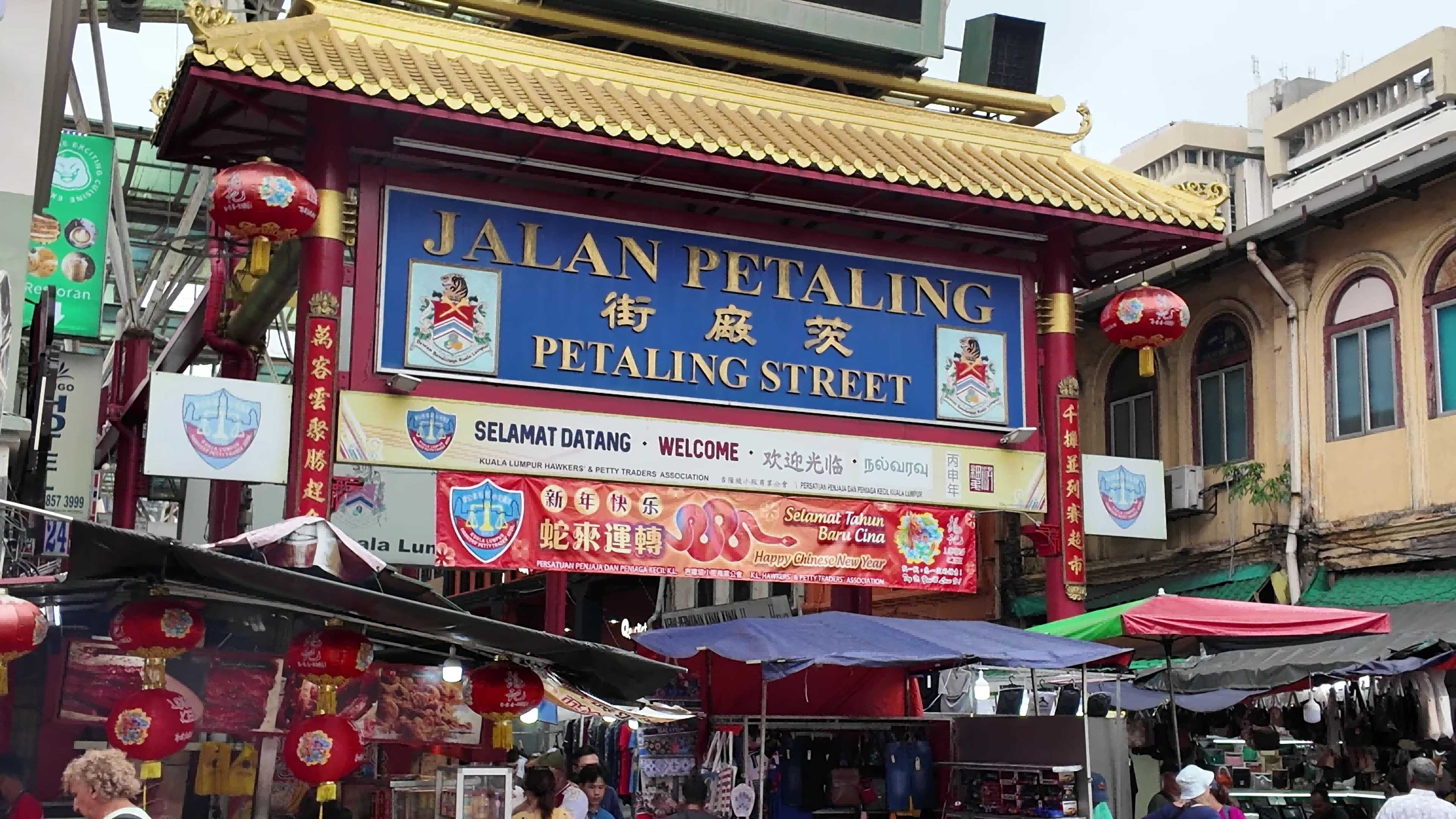
- Chinatown (Petaling Street): For a more cultural experience, head to Chinatown, where you can explore the bustling streets, markets, and temples. The vibrant colors and street food here make it a fantastic place for photos 🍜📸.
- Merdeka Square: The area around Merdeka Square offers a beautiful walk with historical significance, where you’ll find colonial-era buildings and the famous Sultan Abdul Samad Building.
✅ Who It’s Great For
Walking in Kuala Lumpur is ideal for:
- Solo Travelers: If you enjoy exploring on foot, the central areas of KLCC, Bukit Bintang, and Chinatown are perfect for discovering the city’s unique mix of modernity and tradition.
- Couples: A stroll through KLCC Park at sunset or a walk through Chinatown at night can be a romantic way to experience the city.
- Photo-Lovers: There are plenty of picturesque spots, like the Petronas Towers and Merdeka Square, that make walking a visual treat.
⚠️ What to Watch Out For
- Traffic-heavy Roads: While walking in areas like Bukit Bintang can be pleasant, some roads may be traffic-heavy with narrow sidewalks, so be cautious.
- Unexpected Closures or Construction: Kuala Lumpur is constantly developing, and sometimes sidewalks or routes may be blocked due to construction. Always check the area you want to explore to make sure it’s accessible.
- Lack of Shade: The tropical heat can be intense, and there might not always be enough shade in certain areas, so be prepared to handle the sun.
Recommended Hotels in Kuala Lumpur
🛵 Motorbike Taxis, Scooters & Micro-Mobility in Kuala Lumpur

Kuala Lumpur is embracing the trend of motorbike taxis and e-scooters, offering a speedy, flexible way to zip through traffic, especially in busy areas where other transport options might be slow or crowded. If you're looking to beat the traffic and get to your destination quickly, these micro-mobility options are for you!
🛵 What’s Available
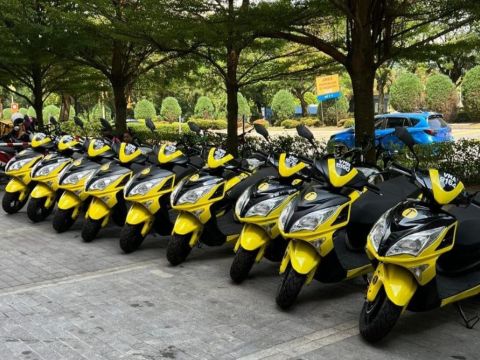
In Kuala Lumpur, you’ll find motorbike taxis, typically GrabBike or Gojek, operated through popular ride-hailing apps like Grab and Gojek. These are the local equivalent of the classic motorbike taxis seen in many Southeast Asian cities. Additionally, e-scooters are available for rent through apps like Beam and TIER, allowing you to unlock and ride around on two wheels for short distances.
📍 Where to Find Them
Motorbike taxis are common near train stations, malls, and popular tourist areas like Bukit Bintang or KLCC. You can easily book a ride through your phone at designated pickup spots. For e-scooters, you’ll find them dockless and scattered across the city—just keep an eye out at hotspots like KLCC Park or near MRT stations.
📲 How to Use
- Motorbike Taxis: Simply download the Grab or Gojek app, register with your ID and phone number, and choose the motorbike taxi option. Once your ride is confirmed, the app will guide you to your driver’s pickup point. Expect flat rates for short distances (about RM 5-15), or distance-based fares for longer trips.
- E-Scooters: Download the Beam or TIER app, sign up with your phone number and a credit card, and locate the nearest scooter on the map. Simply scan the QR code to unlock it, and you're ready to ride. E-scooters are generally priced around RM 1 to RM 2 per minute.
🛡️ Safety Tips
- Helmets: For motorbike taxis, helmets are mandatory and will be provided by the driver. Always make sure to wear one! For e-scooters, while helmets are not mandatory in Malaysia, it’s highly recommended to wear one for safety.
- How to Ride: On motorbike taxis, hold on tight to the driver and sit properly behind them, keeping your body balanced. On e-scooters, hold the handlebars firmly, maintain balance, and keep your speed controlled. Avoid riding in busy traffic or on uneven roads if you’re not familiar with scooter handling.
- Traffic Etiquette: In KL’s busy traffic, motorbike taxis can weave through lanes, which can feel a bit intense. But drivers are experienced in navigating the streets—just hold on tight and trust the process!
✅ Ideal For
- Short Distances: Perfect for getting around narrow alleys or for short hops between tourist spots like KLCC, Chinatown, and Bukit Bintang.
- Solo Travelers: If you're traveling solo, motorbike taxis and scooters are the quickest and most flexible transport options.
- Beating Traffic: Great for avoiding traffic jams, especially during rush hour.
⚠️ What to Watch Out For
- Surge Pricing: Be aware that prices may surge during rush hour or bad weather, especially for motorbike taxis, so always check the fare beforehand.
- Safety and Insurance: While motorbike taxis typically provide helmets, insurance coverage may not be as comprehensive as other transport options. Be cautious, especially on bumpy or poorly-maintained roads.
- Weather and Luggage: Motorbike taxis and e-scooters are not ideal when it’s raining heavily or if you have a lot of luggage. Stick to taxis or ride-hailing for those situations.
🚗 Car Rentals & Driving in Kuala Lumpur

Driving in Kuala Lumpur can be practical, but it’s definitely not for everyone—especially if you’re used to the well-organized roads and strict rules of Singapore. While driving in the suburbs or heading out on a road trip to places like Batu Caves or Putrajaya might be ideal, navigating the city center can be stressful due to heavy traffic, narrow streets, and limited parking.
🚘 When It Makes Sense to Drive
Renting a car is great if you're planning to explore areas outside the city, like nearby attractions or the countryside, where public transport options are less frequent. It’s also ideal for families with kids or those carrying a lot of luggage. However, within the city, it might be more hassle than it’s worth.
📍 Where to Rent a Car
You can rent a car at KLIA (Kuala Lumpur International Airport) or at city-based outlets, with online booking platforms like Trip.com providing a reliable comparison for car rental options. 👉 Compare car rentals in Kuala Lumpur.
📄 Requirements for Tourists
If you’re a tourist, you’ll need a valid driving license from your home country, and an International Driving Permit (IDP) may be required depending on your country of origin. Most rental agencies have a minimum age of 23-25 years, and you’ll need to bring passport details and a credit card. Local insurance is typically included, but make sure you check the terms for coverage.
💸 Cost Overview
Rental prices in Kuala Lumpur vary, with daily rates typically ranging from RM 100-300 (~SGD 30-100). There are additional costs such as tolls (especially on expressways) and parking fees, which can be high in busy areas. Be sure to confirm if the car rental offers full-to-full fuel policies (you return the car with a full tank).
🛣️ Driving Conditions & Culture
Kuala Lumpur has heavy traffic, especially during peak hours, and drivers tend to be more aggressive than what you might be used to in Singapore. Road signs in the city are usually in English, so you can rely on them for guidance. You’ll drive on the left-hand side of the road, like in Singapore, and using GPS is essential to avoid getting lost in the maze of lanes and narrow streets.
⚠️ What to Watch Out For
Be aware of tight parking spots, especially near shopping malls and popular tourist spots. Certain areas may have restricted zones for parking, and aggressive driving in the city can be intimidating. Steep roads or narrow alleyways can also be tricky to navigate, particularly in older districts.
✅ Ideal Travelers
Renting a car is great for business travelers, families, or couples planning day trips to nearby attractions. For shorter distances or exploring the city center, public transport or taxis might be a more convenient choice.
🎯 Which Option is Best for You?

Exploring Kuala Lumpur is an adventure in itself, whether you're navigating the city’s bustling streets on foot, hopping onto a motorbike taxi, or taking a scenic ride on the metro. Each mode of transport offers a unique way to experience the city's vibrant culture, from the efficiency of the LRT to the quirky fun of motorcycle. No matter how you choose to get around, enjoy every moment and embrace the local vibe as you discover what makes Kuala Lumpur truly special. Safe travels and happy exploring!
FAQs About Kuala Lumpur Transport
Do I need to speak Malay to use public transport?
While most signs in Kuala Lumpur’s metro stations and on public transport are in both Malay and English, knowing a few basic Malay phrases or using a translation app can be helpful, especially in more local areas. Ride-hailing apps like Grab also offer English options, making it easier to navigate.Is it safe to take taxis in Kuala Lumpur?
Yes, taxis in Kuala Lumpur are generally safe and reliable. Make sure to choose official taxis (marked with a taxi sign and meter). Alternatively, you can use ride-hailing apps like Grab for more convenience and peace of mind, as they provide transparent pricing.How do I avoid getting lost in the metro system?
The Kuala Lumpur Metro system is well-organized with clear signs in English. If you’re unsure of your route, you can use apps like Grab for directions or download the KL Metro app to check train schedules, plan your journey, and get real-time updates.


NO.1