Shenzhen Transport Guide 2026: Getting Around Shenzhen Easily

Getting around Shenzhen feels fast, clean, and super connected. The metro is the backbone of the city, and it’s seriously impressive—spacious trains, English signs, and even smart customer service machines that speak multiple languages.
The vibe? Busy but smooth. Most people here move quickly, but it’s not chaotic. You’ll see locals on shared bikes, hopping into ride-hailing cars, or catching sleek intercity trains to Guangzhou or Hong Kong.
Here’s everything you need to know about Shenzhen transport—whether you’re commuting, exploring, or just trying to find your next bowl of something delicious.
✈️ Shenzhen Airport Transfers
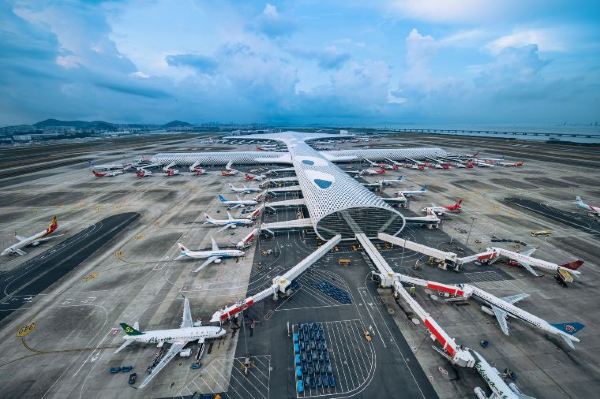
From Shenzhen Bao’an International Airport (SZX), getting into the city is pretty smooth. There are several options.
🚇 Metro Line 11 is the most convenient choice. It’s fast, clean, and air-conditioned. In just 30–40 minutes, you can reach key areas like Futian, Chegongmiao, or even transfer to other lines easily.
🚕 Taxis and Didi are widely available at the airport. A ride to the city centre takes around 30–45 minutes, and costs about ¥100–130 (S$18–24).
🚌 There are also airport shuttle buses to places like Luohu, Nanshan, and Shekou, which can be handy if you're staying outside the city centre.
👉 Read the full Shenzhen Airport to City Guide for all the routes, tips, and local hacks!
🚇 Shenzhen Metro
Source: Wikipedia
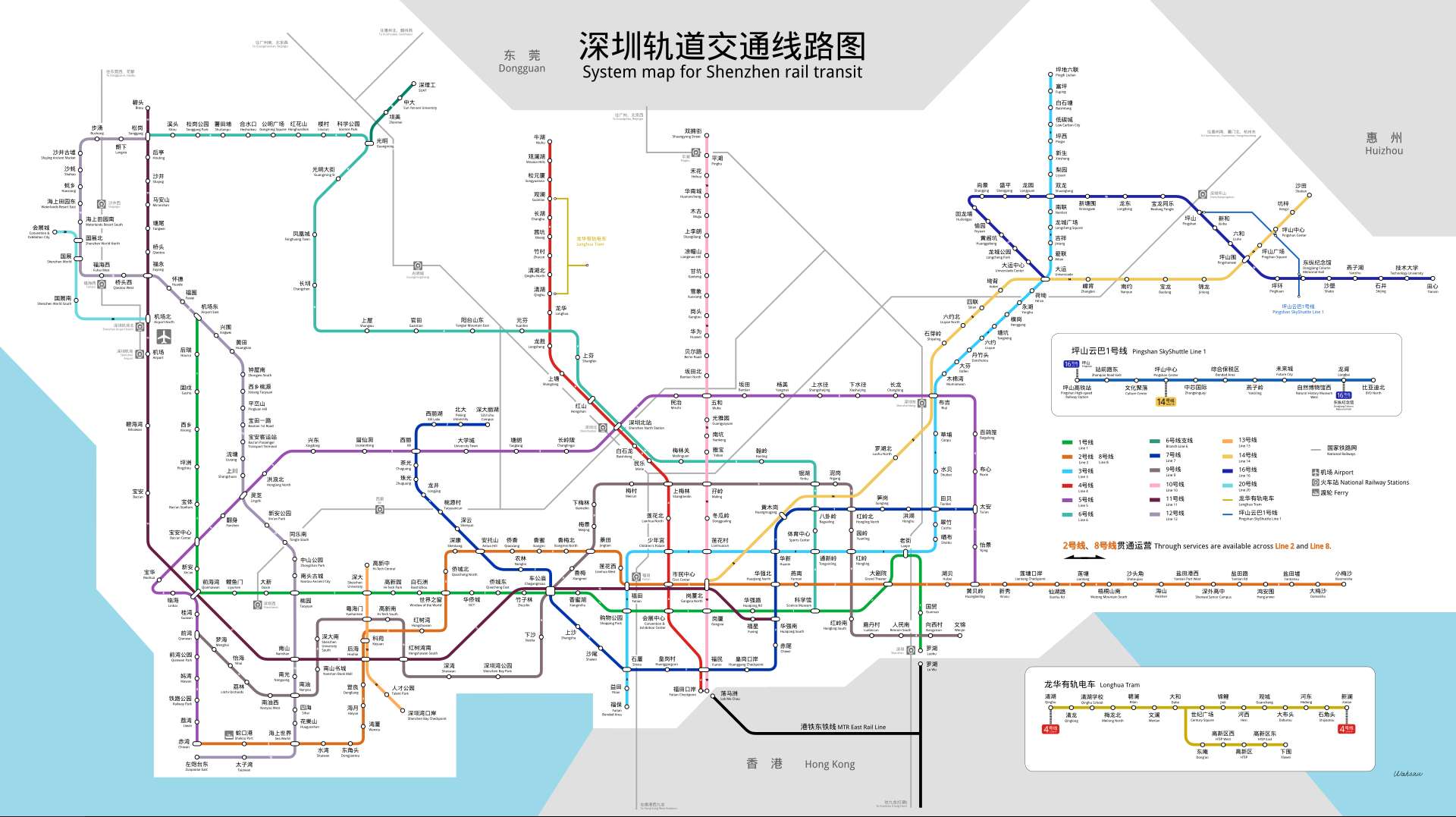
I didn’t expect the Shenzhen Metro to be this smooth—it’s fast, modern, and incredibly user-friendly, even if you don’t speak Chinese.
Shenzhen’s system has 17 lines (and counting), and it connects almost every corner of the city—from Luohu near the Hong Kong border, to Shenzhen Bay, Futian CBD, and even scenic spots like Dameisha Beach.
Trains are air-conditioned (yay!), usually punctual, and stations are clean and well-signed in both Chinese and English. Some lines even have portals to shopping malls, which makes transfers feel like a retail adventure.
🕒 Operating Hours & Frequency
Shenzhen Metro | |
First trains | Around 6:00am |
Last trains | Around 11:30pm |
Frequency | Every 2–4 mins during peak |
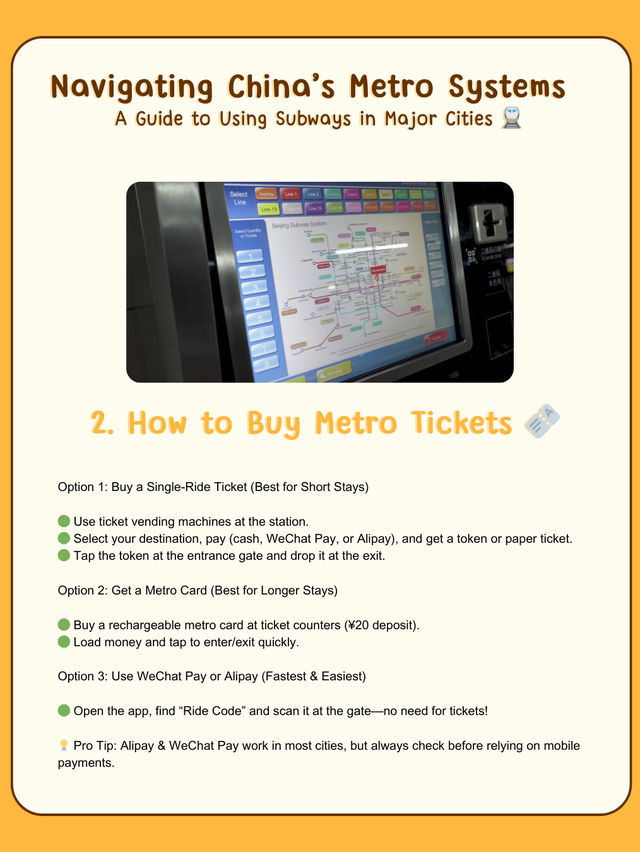
💳 Ticket & Payment
Fares start at ¥2 and max out around ¥14 (S$0.36–2.50), depending on distance.
You can pay by:
- Shenzhen Tong (深圳通): Like our EZ-Link—top up and tap in/out.
- Alipay/WeChat: Just scan the metro QR code at the gates.
- Single-ride tokens: If you prefer old-school, buy one at the kiosk or the auto-service machine.
Tip: If you're using mobile payments, enable the Transport QR code in Alipay or WeChat—it works super well across all metro lines.
Source: Every day journey from Trip Moments
📍 Key Tourist Stops
Here are a few major stations you’ll likely pass through.
- Luohu Station (Line 1): HK border, shopping and budget eats.
- Futian Station (Line 2/3/11): CBD, link to high-speed trains.
- Civic Center (Line 2/4): City Hall, Library & Ping An Finance Center.
- Window of the World (Line 1): Amusement park & tourist favourite.
- Shekou Port (Line 2): Ferries to Macau and Zhuhai.
- Shenzhen University (Line 1): Lively student vibes, food galore.
- Huaqiang North (Line 2/7): Gadgets heaven.
⚠️ Tips
- Rush hour gets super packed—especially Lines 1, 3, and 5.
- Mind the multiple exits—some stations are HUGE. Always check signage (or use Baidu Maps/Amap for accurate exit info).
🚋 Shenzhen Tram

Source: Wikipedia
When I first heard about Shenzhen’s tram system, I wasn’t sure what to expect—after all, Shenzhen is known for its sleek metro and fast pace. But taking the tram was a refreshing change of pace! It’s a chill, scenic way to get around some of the newer parts of the city, especially in the suburbs like the Qianhai area.
The tram lines are modern, clean, and easy to use, giving you a chance to relax and enjoy the cityscape at street level instead of zooming underground like on the metro.
🕒 Operating Hours & Frequency
Shenzhen Tram | |
First trains | Around 6:00am |
Last trains | Around 11:40pm |
Frequency | Every 10–15 minutes |
💳 Ticket & Payment
Fares are super affordable, usually around ¥2–3 (about S$0.40–0.60) per ride, depending on distance.
Payment options:
- Shenzhen Tong card — just tap on and off, like our EZ-Link.
- Mobile payments like WeChat Pay and Alipay accepted on board.
- Single-ride tickets can be purchased at tram stops too.
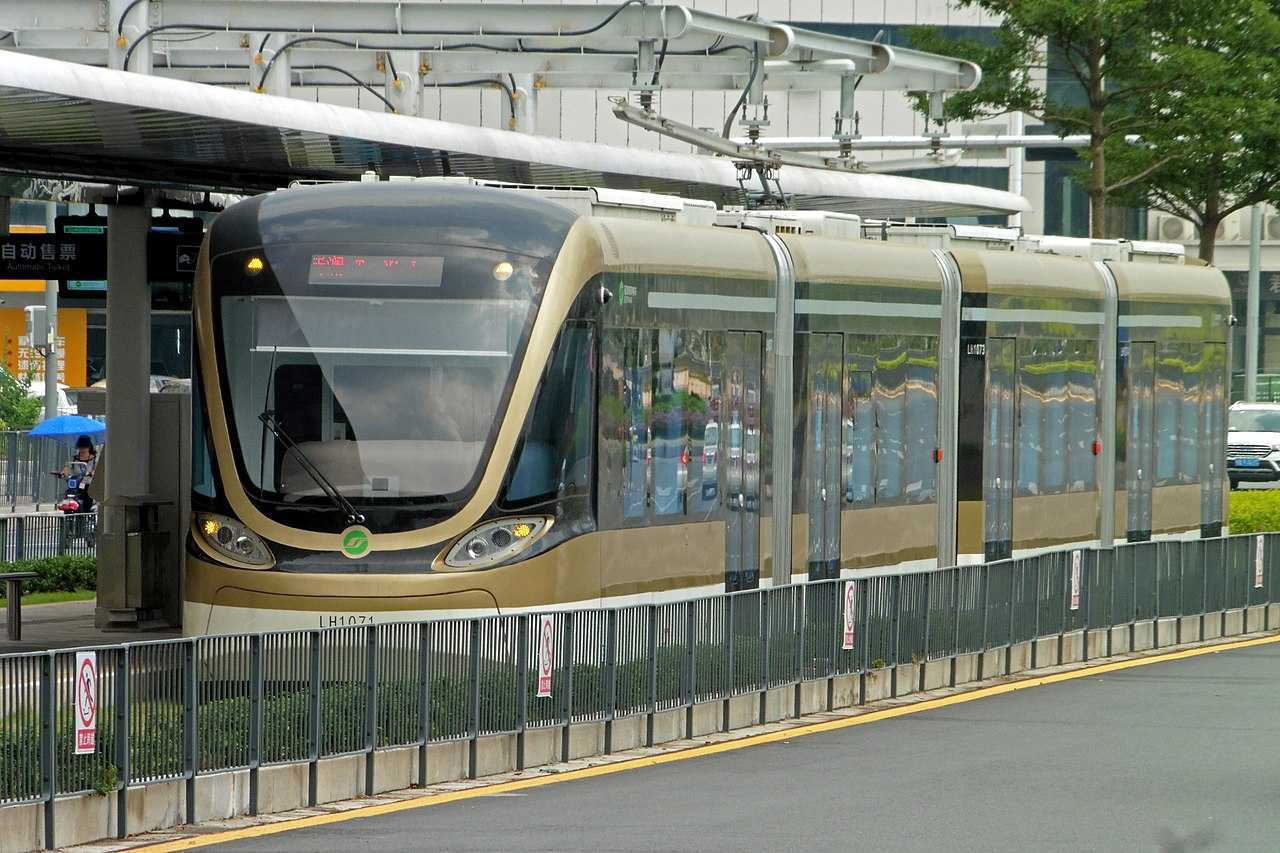
Source: Wikipedia
📍 Key Tourist Stops
- Qianhai Tram Line 1: Connects major office parks, residential areas, and the metro — great for commuters and visitors alike.
- Haiyue Tram Line 2: Runs through some rapidly developing neighborhoods, ideal for exploring new urban areas.
⚠️ Tips
- The tram is slower than the metro, so it’s best for short trips or a relaxed sightseeing experience.
- Trams run mostly on dedicated tracks but can share roads in some areas—watch out for traffic.
Get China eSIM Now
 922567 booked
🚌 Buses
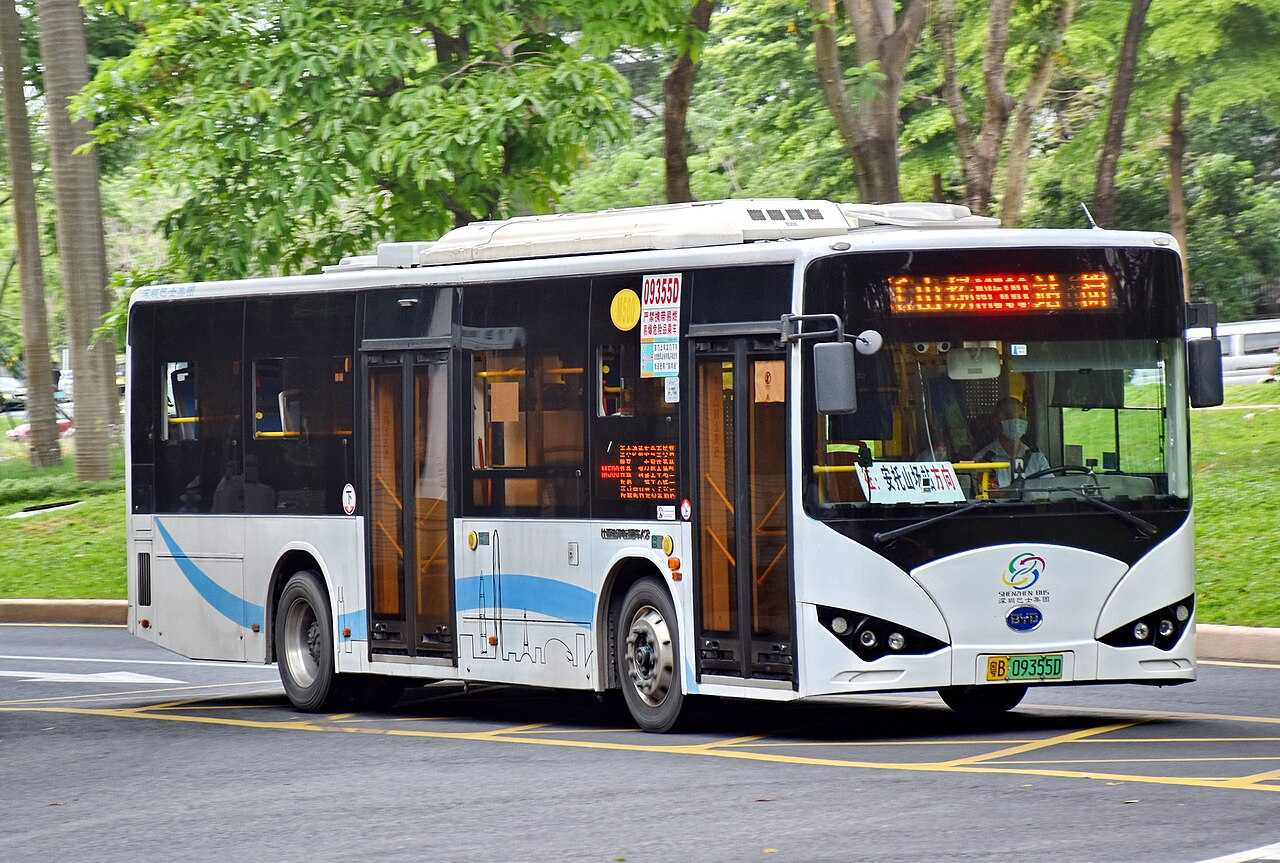
Source: Wikipedia
Shenzhen’s bus system is affordable and covers spots the metro doesn’t always reach—like suburban neighborhoods, parks, and local markets. A typical fare usually costs between ¥2–4 (about S$0.40–0.80).
While many visitors stick to the metro for convenience, hopping on a bus can give you a peek into everyday life in Shenzhen. Just a heads-up though: most buses have Chinese-only signs and announcements, so it’s best if you have a translation app handy.
🕒 Timings & Frequency
Shenzhen Bus | |
Operating hours | Most around 5:30am–11:00pm |
Frequency | Every 5–15 minutes (varies by route) |
Night buses run on select routes but are less frequent.
💳 How to Ride?
You can use the Shenzhen Tong card (深圳通), which works across buses, metro, and even taxis. Just tap your card when you board. On some distance-based routes, you’ll also need to tap out when you get off.
Mobile payments like WeChat Pay and Alipay QR codes are widely accepted on buses—look for scanners near the entrance.
Cash payments are rare and usually require exact change, so it’s better to go cashless.
⚠️ Tips
- Board from the front and exit from the rear door.
- Use apps like Shenzhen Bus or Baidu Maps to check routes and real-time bus arrivals.
Grab Cheap Flights to Shenzhen Now

🚕 Taxis & Ride-Hailing in Shenzhen
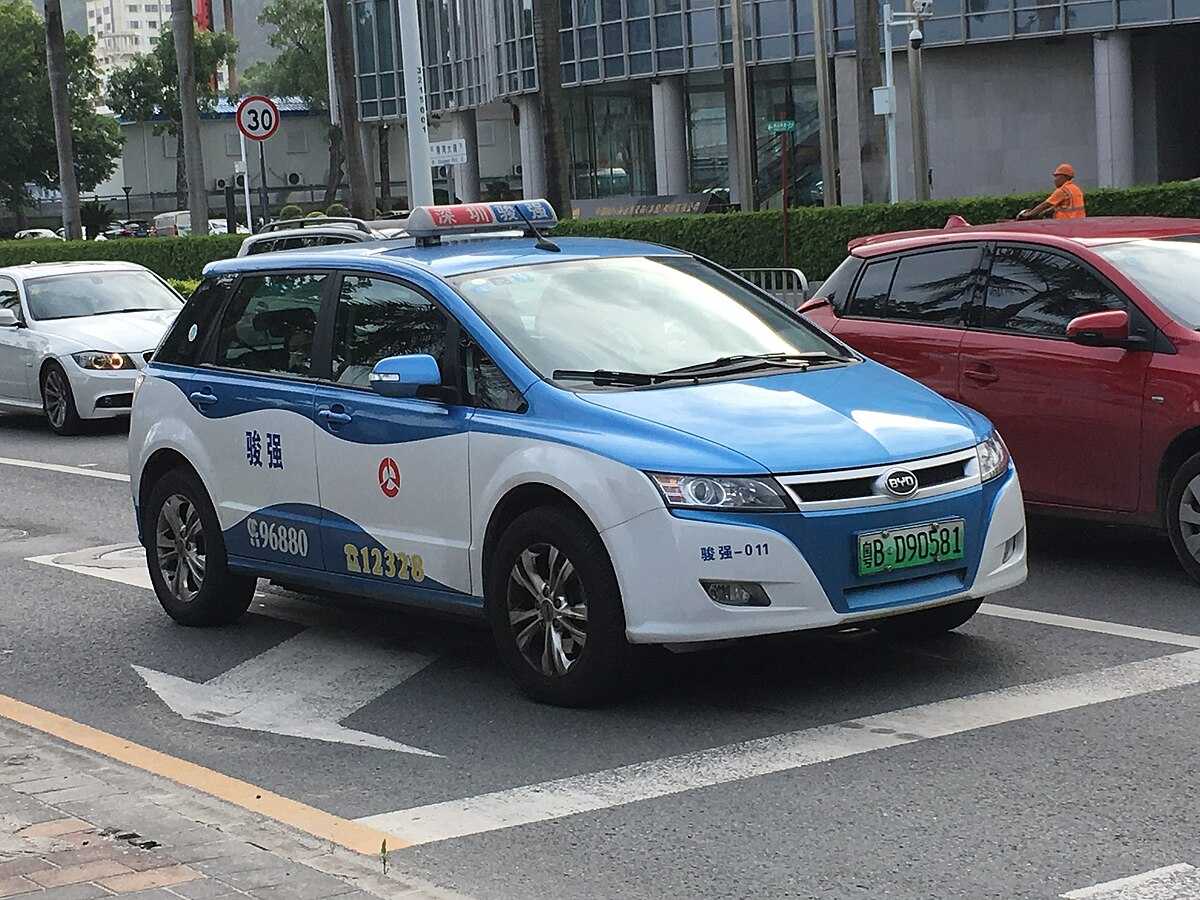
Source: Wikimedia
Catching a taxi in Shenzhen is pretty straightforward—especially near shopping malls, hotels, and transport hubs like Shenzhen North or Futian Station. Most taxis are green or blue, all government-regulated with meters, so it’s generally safe and reliable. Just be cautious of any unlicensed “private cars” offering rides.
Like Singapore, ride-hailing apps are super popular here. They’re fast, convenient, and you don’t need to stress over Mandarin directions or haggling fares.
📱 Popular Ride-Hailing Apps
Didi Chuxing (滴滴出行) is the main app used in China. It accepts international credit cards, shows upfront fares, and has some English support—though some parts might feel a little “lost in translation.”
Other options like Meituan Dache (美团打车) and Amap Taxi (高德打车) exist, but they’re mostly in Chinese, so only try if you’re comfortable with the language or have a local helping out.
💸 Typical Fares in Shenzhen
- Shenzhen Bao’an Airport to city center: around ¥70–100 (S$14–20).
- Short city trips: usually ¥10–30 (S$2–6).
💰 How to Pay?
With Didi, payments are all done in-app—credit card, WeChat Pay, or Alipay. Street taxis mostly accept cash and mobile payments now, but it’s good to confirm before hopping in. Always make sure the meter is running.
⚠️ Tips
- Few taxi drivers speak English, so having your destination saved in Chinese helps a lot.
- Use your phone GPS to keep an eye on the route and avoid unnecessary detours.
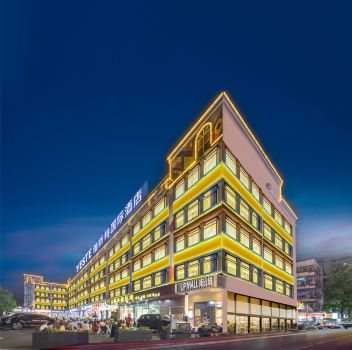
Book Cheap Hotels in Shenzhen


🚴♂️ Bike Sharing
Source: Wikipedia
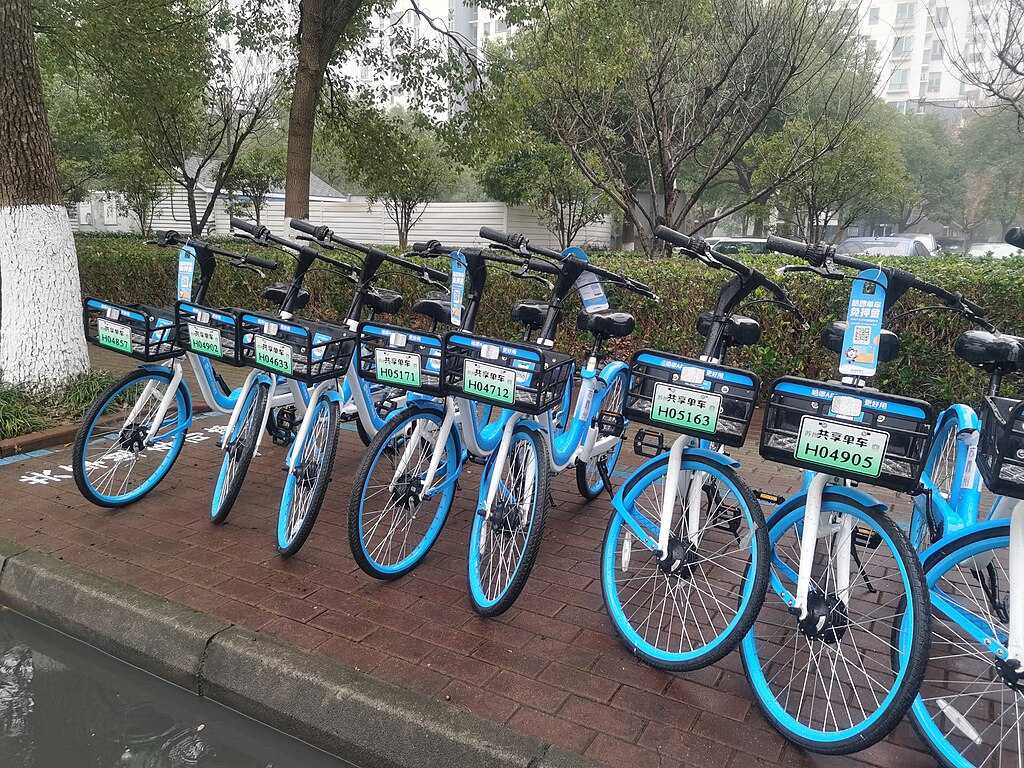
Bike-sharing in Shenzhen is everywhere and honestly, it’s a really handy way to get around, especially if you’re covering short distances or hopping off the metro for that last stretch.
Unlike some places with motorbikes, Shenzhen mainly offers pedal and electric bikes, which are super easy to rent and perfect for quick trips or exploring local streets without worrying about traffic.
📍 Where to Find Bike Sharing in Shenzhen?
Look near metro exits, shopping centers, or busy neighborhoods—you’ll see plenty of bikes parked nearby. Shenzhen’s bikes don’t need docking stations; you can pick one up or leave it in designated spots across the city.
The most common ones you’ll come across are:
- Meituan Bike (美团单车) — easy to spot with its bright yellow color.
- Hello Bike (哈啰单车) — mostly light blue, another popular choice.
📲 How to Use?
Download the Meituan or Hello Bike app, or simply use Alipay or WeChat to scan the QR code on the bike.
- Scan to unlock.
- Ride around wherever you need.
- Park it in an official parking area when you’re done.
- End your ride on the app.
💸 You’ll usually pay about ¥1–2 (S$0.20–0.40) per 15 minutes, which is super affordable.
⚠️ Quick advice
- No helmets provided, so take care especially on busier roads.
- Always park in proper zones to avoid fines.
⛴️ Ferry
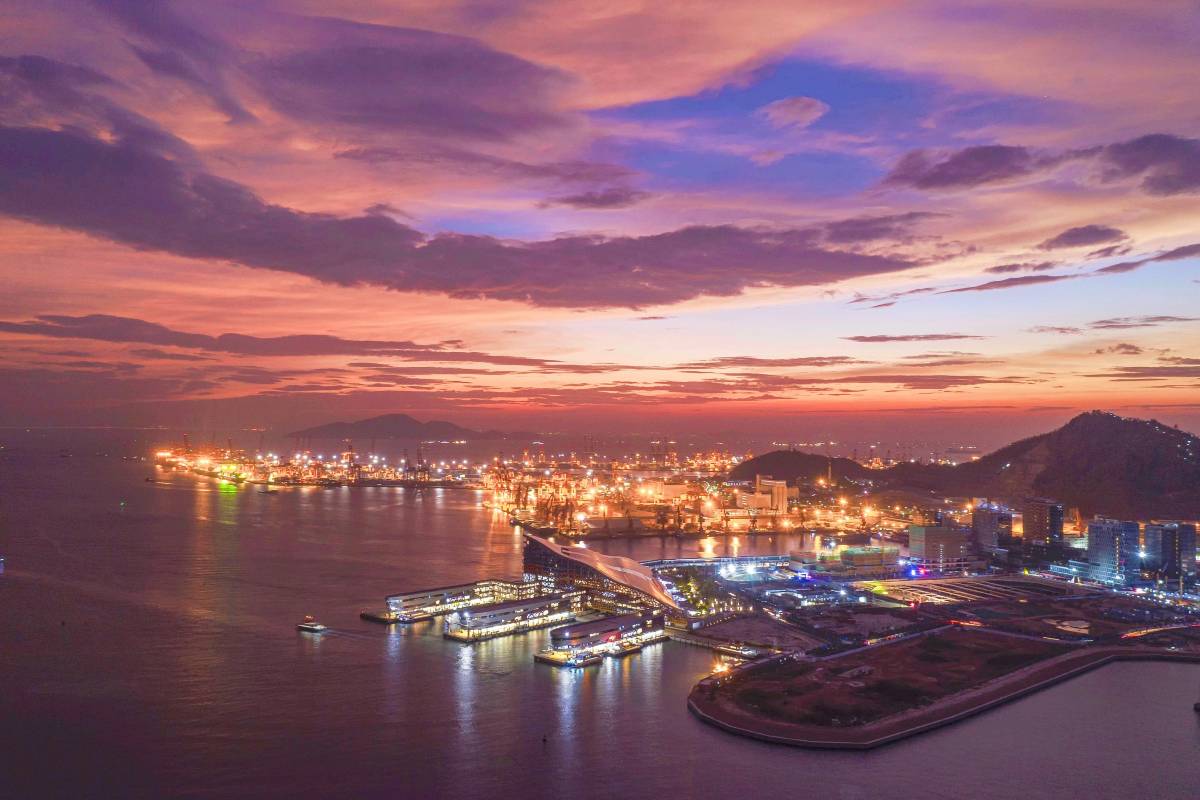
You might not expect ferry rides to be a big part of getting around Shenzhen, but if you’re crossing the border to Hong Kong or exploring the Pearl River Delta, ferries are actually super handy—and pretty relaxing too.
These rides aren’t for daily city commuting but perfect for travelers who want a scenic and stress-free way to hop between Shenzhen, Hong Kong, Macau, and nearby cities.
📍 Where to Catch Ferries in Shenzhen?
Most ferries leave from Shekou Ferry Terminal, which is well connected by metro and taxis. Here are some popular routes:
- Shenzhen Shekou — Hong Kong Central: Fast and frequent trips linking the two business hubs.
- Shenzhen Shekou — Hong Kong Kowloon (Kwun Tong): Great if you’re heading to the Kowloon side.
- Shenzhen Shekou — Macau: High-speed boats for day trips or weekend getaways.
- Shenzhen Shekou — Pearl River Delta cities: Like Zhuhai and Zhongshan, good for exploring the Greater Bay Area by water.
📅 When & How to Ride?
Ferries run throughout the day, roughly from early morning to evening, with schedules varying by route—some run every 30 minutes to an hour.
Tickets are available at the terminal counters, online, or via official apps. Boarding is usually straightforward—just arrive early to pass security and immigration for cross-border routes.
💸 Prices
- Shenzhen to Hong Kong Central: Around ¥100–150 (S$20–30) one way.
- Shenzhen to Hong Kong Kowloon: Similar price range.
- Shenzhen to Macau: Typically ¥200+ (S$40+) for a one-way trip.
- Pearl River Delta routes vary but are generally affordable, around ¥50–120 (S$10–20).
⚠️ Tips
- Always bring your passport and any necessary visas for border crossings.
- Arrive at least 30 minutes early for cross-border ferries because of security and customs checks.
🚗 Car Rentals & Driving in Shenzhen
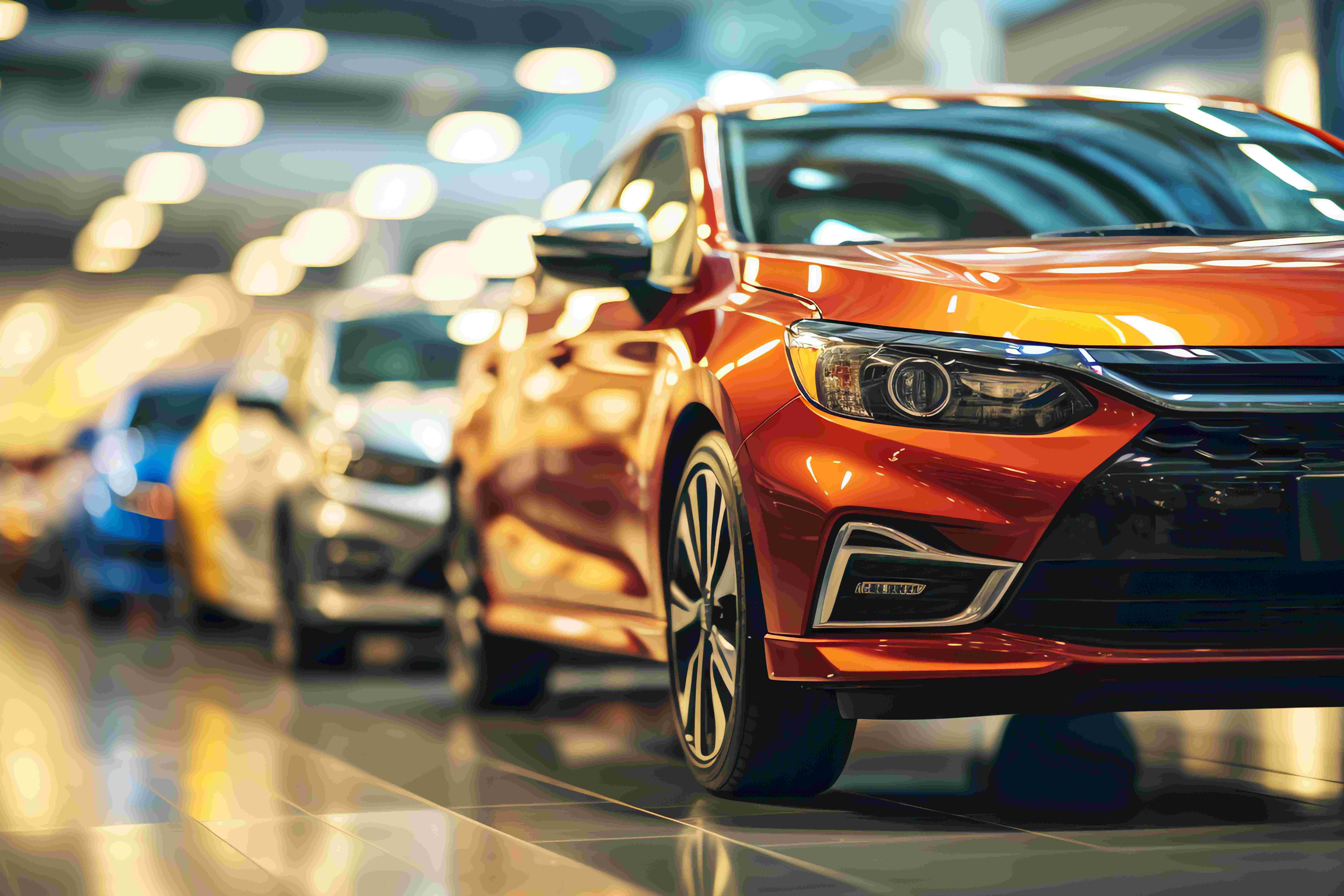
Honestly, driving in downtown Shenzhen can be a bit of a handful if you’re used to Singapore’s smooth and well-organized roads. Traffic jams during rush hour are common, parking spots are hard to find, and the rules can sometimes feel strict—especially with all the electronic tolls and cameras watching your every move. So, if you’re not used to city driving in China, it might be easier to skip driving in the city center.
That said, if you plan to explore areas outside Shenzhen—like the nearby mountains, Dapeng Peninsula, or even cross over to Huizhou—renting a car gives you a lot more freedom. It’s especially handy for families or groups who want to take their own pace and avoid crowded public transport.
📍 Where to Rent?
Most car rental counters are at Shenzhen Bao’an International Airport or major train stations. You can also book in advance via popular platforms like Trip.com, which usually offer English support.
📄 What You Need
Good news: Shenzhen accepts the temporary Chinese driving permit for foreigners, but your Singapore license alone won’t be enough. You’ll need to apply for this permit before you drive. The documents required are:
- Valid Singapore driving license
- Passport
- A recent photo
- Sometimes a quick health check
💸 Costs to Expect
Daily rental prices range from about ¥200 to ¥350 (S$36–63) for economy or compact cars.
You’ll also need to pay a deposit, usually around ¥3,000 (S$540).
Fuel is typically full-to-full, and watch out for tolls—many highways have electronic tolls that add up.
Parking in busy areas can be pricey, often around ¥15–30/hour (S$2.70–5.40), and finding a spot during peak times is a challenge.
⚠️ What to Watch Out For?
- Driving in Shenzhen is on the right side—so the opposite of Singapore
- Shenzhen has strict rules about vehicle emissions and limits on certain cars during heavy pollution days.
🚶Exploring on Foot in Shenzhen

Is Shenzhen walkable? Absolutely! Shenzhen is a fast-growing city with wide streets, shiny skyscrapers, and plenty of green spaces, making walking both refreshing and interesting.
If you stay near areas like Luohu, Futian, or around the OCT Loft art district, you can explore a lot by foot. But Shenzhen is quite spread out, so for longer distances, hopping on the metro or grabbing a bike-sharing ride will save your energy.
🌦️ Weather in Shenzhen
Shenzhen’s weather is subtropical, so it’s warmer and more humid than Beijing. Summers can be hot and rainy—umbrella and sunscreen are essentials. Winters are mild and great for walking outdoors without heavy coats. Spring and autumn are perfect for long strolls with pleasant temperatures and less rain.
📸 Top Walks to Try
- OCT Loft Creative Culture Park: Cool art galleries, cafes, and quirky shops in a relaxed setting.
- Shenzhen Bay Waterfront: Scenic views of the sea and Hong Kong skyline, especially beautiful at sunset.
- Dongmen Pedestrian Street: Bustling market vibe with endless street food and shopping.
- Lianhuashan Park: Green escape with great city views from the hilltop.
⚠️ Tips
- Watch out for busy pedestrian crossings during rush hour.
- Some areas might have ongoing construction—stay alert for detours.
- Avoid walking under direct sun for too long in summer—stay hydrated!
🚆 Shenzhen Intercity Railways

Source: Wikipedia
Shenzhen’s intercity rail connects the city with nearby places like Guangzhou, Dongguan, and Hong Kong. Trains are fast, frequent, and affordable, making it easy to travel between cities without traffic stress. Popular routes include Shenzhen North to Guangzhou South and Shenzhen to Hong Kong’s Lok Ma Chau border.
Tickets are easy to buy online or at stations, and trains run from early morning to late evening. Just arrive early, keep your ID ready, and enjoy smooth, convenient travel across the region.
🚄 China High Speed Train
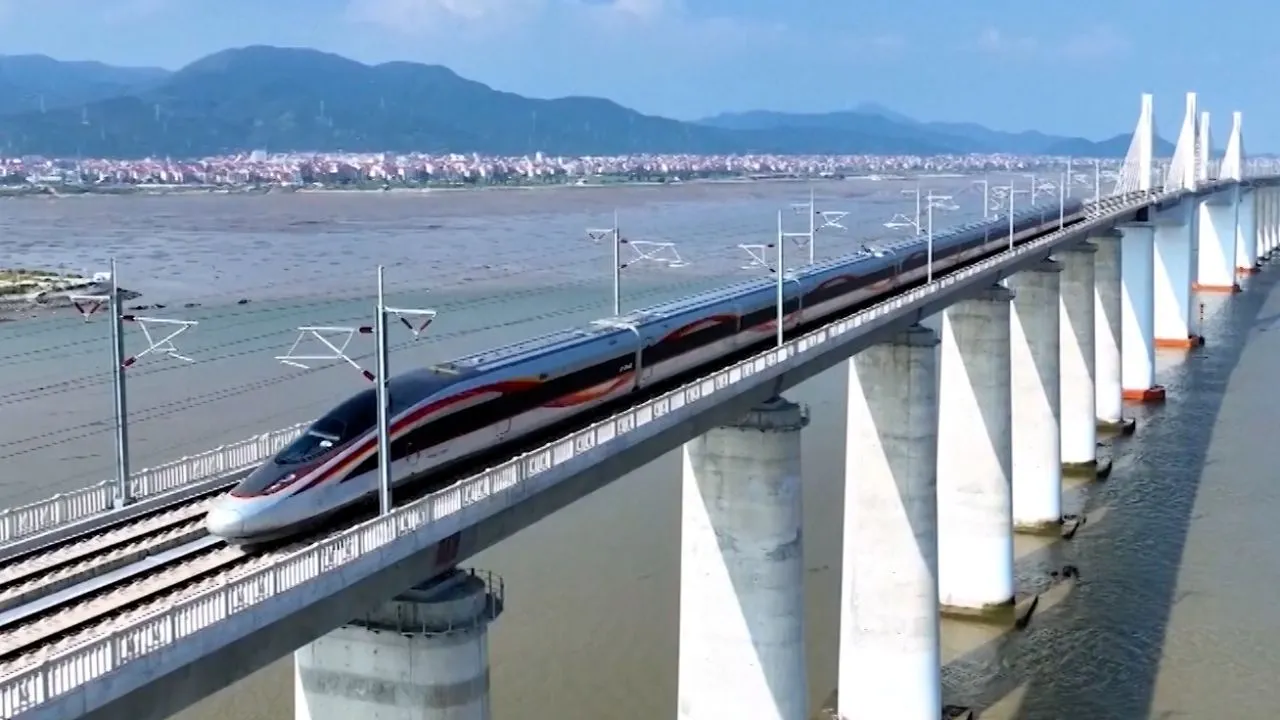
Source: CNN official
China’s high-speed rail (HSR) is amazing—fast, efficient, and very reliable. Traveling at speeds up to 350 km/h, it lets you cover long distances in just a few hours, saving a lot of time.
The trains are clean, punctual, and comfortable, with seating classes from economy to business. Booking tickets online is simple (Trip.com is popular), and most major stations have English signs to guide you. For many trips, taking the high-speed train is easier and quicker than flying.
🎯 Which Option is Best for You?
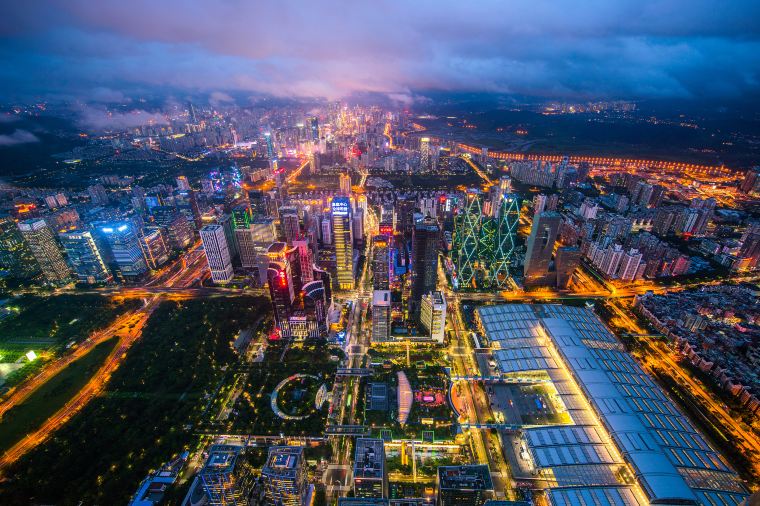
Getting around Shenzhen is part of the experience. Shenzhen is fast-paced and modern, but pretty easy to navigate once you get the hang of it.
Persona | Best Transport Options |
First-time visitors | Metro + Taxi or Didi |
Families | Metro + Private Transfers or Taxis |
Budget travelers | Metro + Buses + Walking |
Solo explorers | Metro + Walking + Shared E-Bikes |
Late-night arrivals | Didi from airport or airport shuttle buses |
Mix it up—use the metro for quick, citywide trips, taxis or Didi for convenience, and maybe a bike or a walk to enjoy Shenzhen’s vibe. Having mobile data helps a lot here, so check out the best eSIM options for China.
Ready to explore? Don’t miss our guides on airport transfers, car rentals, where to stay in Shenzhen, and top things to do!
FAQs About Shenzhen Transport
-
Can I use the same metro card for buses and the subway?
-
Are Shenzhen’s buses easy for tourists to use?
-
Is it safe to ride shared bikes in Shenzhen?
Trending Researches
-
Popular Content
-
Popular Flights
-
Popular Hotels
-
Popular Things to Do
-
Featured guides
-
Trip.com links
- Day Trip to Shenzhen from Hong Kong
- Shenzhen Airport
- Hong Kong Airport to Shenzhen
- Shenzhen Airport to City
- Shenzhen Metro
- Shenzhen Map
- Travel to Shenzhen
- Shenzhen Transport
- Shenzhen vs Guangzhou
- Shenzhen Typhoon
- Shenzhen Itinerary Guide
- Things to Do in Shenzhen
- Where to Stay in Shenzhen
- Shenzhen North Railway Station
- Plane tickets from Kuala Lumpur to Shenzhen
- Plane tickets from Ho Chi Minh City to Shenzhen
- Plane tickets from Seoul to Shenzhen
- Cheap tickets from Shanghai to Shenzhen
- Plane tickets from Dalian to Shenzhen
- Plane tickets from Kunming to Shenzhen
- Plane tickets from Hangzhou to Shenzhen
- Plane tickets from Chengdu to Shenzhen
- Cheap tickets from Chongqing to Shenzhen
- Plane tickets from Singapore to Shenzhen
- Cheap tickets from Xi'an to Shenzhen
- Plane tickets from Wuxi to Shenzhen
- Cheap flights from Bangkok to Shenzhen
- Cheap flights from Bandar Seri Begawan to Shenzhen
- Plane tickets from Beijing to Shenzhen
- Lu Yue Hotel (Shenzhen Huaqiangbei Science Museum Metro Station Store)
- IntercityHotel Shenzhen Futian Huaqiang North
- Langhua Audio-Video · High-Altitude Skyline Cityscape | City·View Residence
- Yutai Hotel Apartment (Dongmen Pedestrian Street Luohu Port Branch)
- Crystal Hotel Shenzhen Bay MixC
- Muji Hotel Shenzhen
- UrCove By Hyatt Shenzhen Futian CBD
- Atour Hotel Shenzhen Futian Huaqiangnorth Pedestrian Street
- Crowne Plaza SHENZHEN FUTIAN by IHG
- IntercityHotel Shenzhen Futian Huanggang
- Intercity Hotel, Shenzhen Futian Convention & Exhibition Center
- CYBO Station SSAW Shangpin Hotel Luohu Shenzhen
- Hampton by Hilton Shenzhen Futian Huaqiangbei
- Hyatt Place Shenzhen Dongmen
- ZTL Hotel Shenzhen
- JIANGUO HIDDEN Hotel(Shenzhen Futian Huaqiangbei Branch)
- Atour X Hotel Shenzhen Luohu Dongmen
- Shenzhen Dongmen CM+ Service Hotel Apartment
- vello Hotel (Shenzhen Convention and Exhibition Center Fuxing Subway Station Branch)
- Shenzhen Dongmen Pedestrian Street RANZ Lanzi Hotel
- Tibet Connectivity Solutions
- Shenzhen Shopping Discounts
- Tibet Group Tours
- Tibet Airport Services
- Shenzhen Yacht Charter
- Shenzhen Flight Experience
- Shenzhen Cultural Experience
- Tibet Cultural Experience
- Tibet Photoshoot
- Shenzhen Classes
- Shenzhen HUAFA QIANHAI SNOW WORLD official certified instructors
- One-way boat ticket from Hong Kong International Airport SkyPier to Shenzhen Shekou Port
- Hong Kong to Shenzhen private charter 1-day tour to Dapeng Ancient City + Jiaochangwei + Yangmeikeng
- Shenzhen 1-day tour 7-seater business vehicle private charter sightseeing tour itinerary customization | Cross-city direct trips
- Hong Kong and Macau to Shenzhen, Dongguan, Guangzhou, and other destinations private charter | 7-seater cross-border luxury van | Door-to-door pickup and drop-off service across the Greater Bay Area, charged per vehicle, with a maximum of 6 passengers per vehicle.
- China Power Bank Limit
- Trip.com Customer Service
- train to kl from singapore
- Shanghai Metro
- China Train Map
- China Entry Requirements
- train from singapore to jb
- Thailand Plug
- Renew Autopass Singapore
- Vietnam Arrival Card
- China Plug
- Singapore Malaysia Cross Border Taxi
- universal studios singapore tickets
- 泰国插头
- Singapore Public Holiday 2027
- Frankfurt Airport to City
- Osaka Station to Kyoto Station
- Bangkok to Pattaya
- Trip.com Promo Code
- Trip.com Flight Deals
- Trip.com Credit Card Promotions
- How to Book Cheap Hotels
- How to Book Cheap Flights
- Trip.com Member Rewards
- Trip Weekly Hotel Sales
- Online Hotel Booking
- Online Flight Booking
- Trip.com Travel Guide
- Book China Train Tickets
- Trip.com Seat Selection
- Singapore Public Holidays 2027
- Trip.com 优惠码
- Trip.com Travel Guides
- Trip.com 10.10 Mega Sale