What to Buy in Bali to Make the Most of Bali Shopping


The first time I landed in Bali, I felt it instantly—that warm island breeze, the slower pace, and a kind of effortless charm you don’t quite get back in Singapore.
Whether you're here for a quick weekend escape or a proper unplug, there's one thing you’ll definitely want to plan for: Bali shopping.
From rustic markets in Ubud to trendy boutiques in Seminyak, it’s a treasure hunt of handcrafted goods, tropical fashion, and edible gifts that’ll make your luggage worth every extra kilo.
Just pack light—it’s easy to over-shop.
Oh, and if you're wondering about the best time to shop in Bali weather, it's generally in the mornings or during the dry season from April to October.
Ready to explore? Here's what to buy in Bali!
1. Batik Sarong

I still remember the morning light filtering through the awnings of Ubud Art Market, casting soft shadows on stacks of folded sarongs in every colour imaginable.
I was weaving through rows of rattan baskets and hand-painted fans when I spotted a quiet corner draped in indigo and rust-hued fabric.
The stall owner, a kind woman in her 60s, shared that her sister dyed each sarong by hand in a nearby village. She unfurled one for me—a deep green batik with lotus motifs—and explained how natural plant dyes were used in the stamping process.
I could see the wax lines, the imperfections that made each piece unique.
Holding it in my hands, it felt like I was buying more than just fabric—I was bringing home a slice of Balinese tradition.
📖 About Batik Sarongs
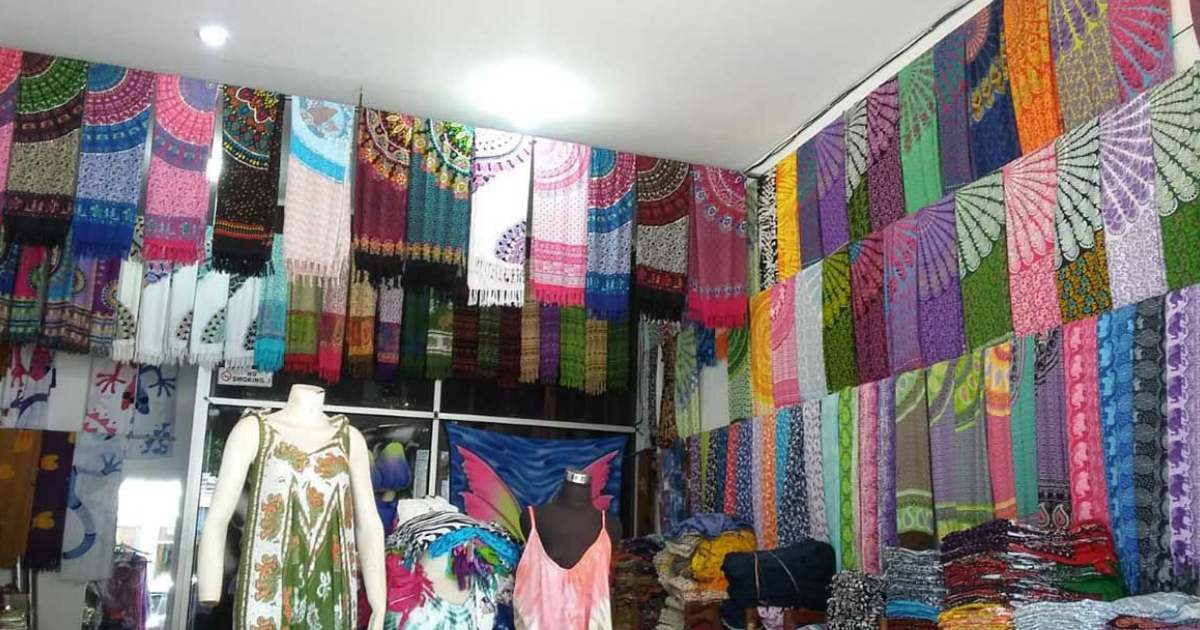
Source: Batik Sarong
The batik sarong is a staple of daily life and ceremony in Bali.
Worn by both men and women during temple visits, family rites, or cultural performances, it’s one of the most authentic souvenirs from Bali.
Patterns often draw from nature, folklore, and spirituality—making every piece symbolic. It’s a must-buy souvenir in Bali for those who want something wearable, meaningful, and rooted in tradition.
👨👩👧👦 Is It Family-Friendly? Yes—batik sarongs are fun for kids to choose, especially with the wide range of colours and patterns. Some vendors even carry mini sarongs that double as shawls or scarves for younger ones. Lightweight and safe to carry, they’re a practical gift for all ages.
📋 Batik Sarong Buying Guide
| Detail | Information |
| Best For | Cultural keepsakes, practical gifts, fashion lovers, beachgoers |
| Where to Buy | Ubud Art Market or Sukawati Art Market |
| Address | Jl. Raya Ubud, Ubud, Gianyar Regency, Bali 80571 |
| Opening Hours | Daily, 9:00 AM – 6:00 PM |
| Cost | 100,000–300,000 IDR (approx. S$9–S$25); often folded in paper wrap |
💡 Pro Tips
✅ Look for hand-stamped batik rather than machine prints—edges may have slight waxy residue.
✅ Natural dyes are softer in tone and fade gracefully; ask the vendor about care instructions.
✅ Bargaining is acceptable in markets, but not in fixed-price boutiques. Be polite and fair.
2. Pie Susu Dhian (Bali Milk Pie)
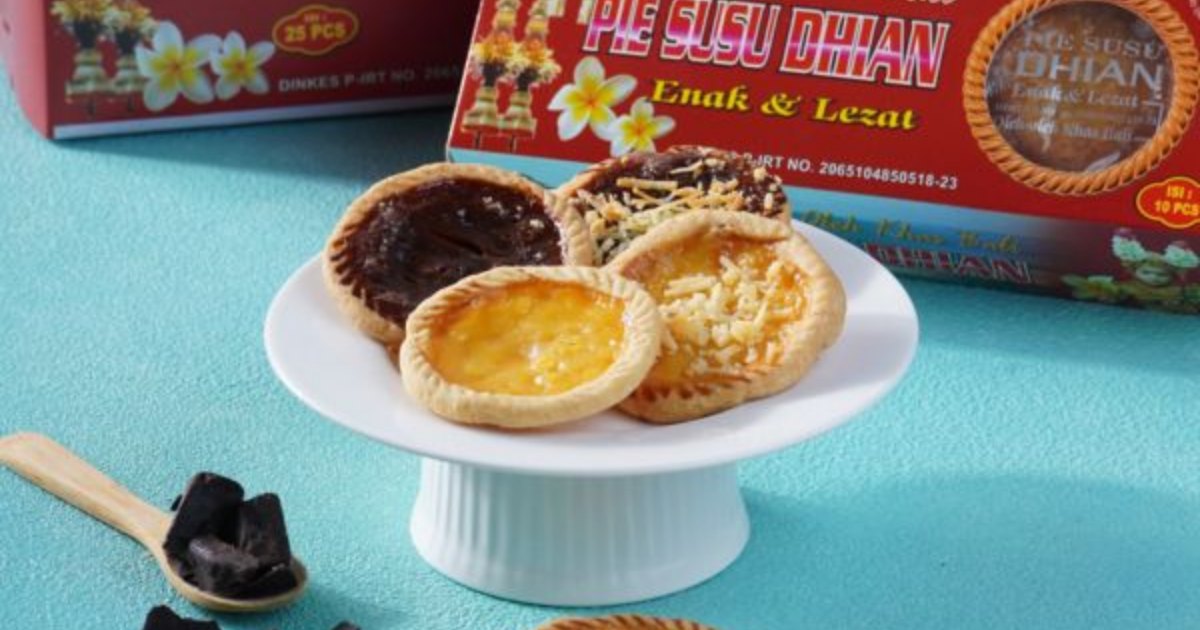
Source: Pie Susu Dhian Bali
It was my last day in Bali, and like any typical Singaporean traveller, I was on a mission to find edible souvenirs that wouldn’t melt on the flight home.
I popped into Krisna Oleh Oleh, Bali’s popular one-stop souvenir warehouse, and followed the scent of warm butter wafting from the snack section.
That’s when I spotted the wall stacked with bright yellow boxes—Pie Susu Dhian. A staff member handed me a sample, still slightly warm.
The first bite?
Buttery crust, soft custard centre, not too sweet—just nice. I ended up buying five boxes. No regrets.
📖 About Pie Susu Dhian
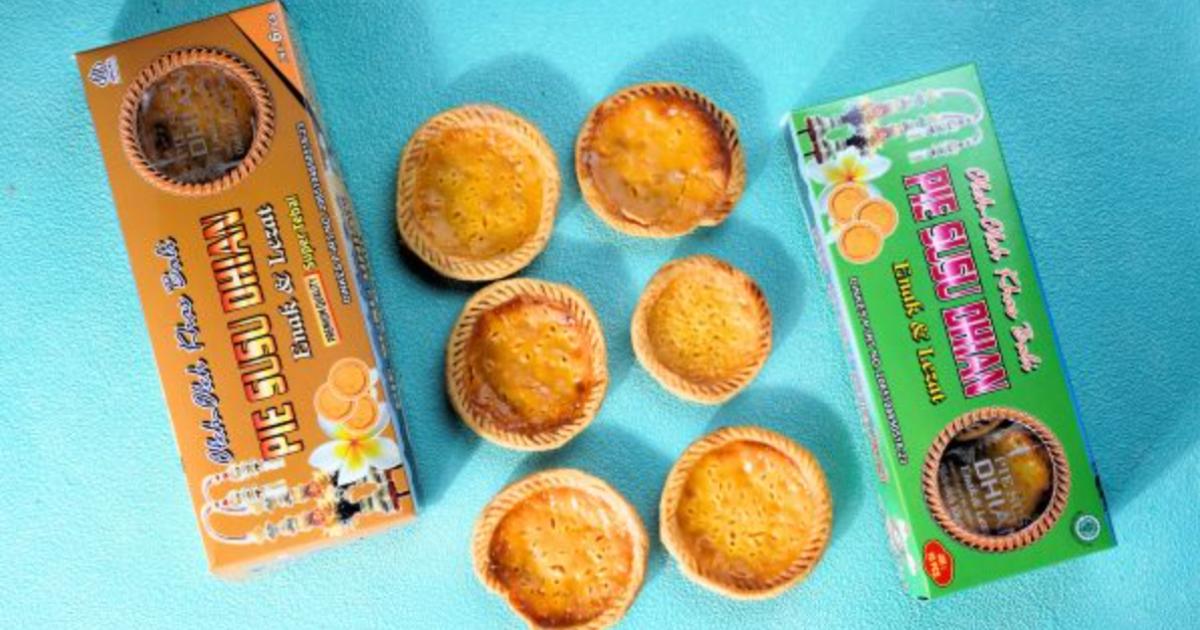
Source: Pie Susu Dhian Bali
This iconic milk pie is one of the must-buy souvenirs from Bali. “Pie susu” literally means “milk pie” in Indonesian, and it’s a beloved local snack that originated in Bali.
With its thin tart base and creamy egg custard filling, it’s a comforting bite that reminds locals of childhood and instantly wins over tourists.
You’ll find many brands, but Pie Susu Dhian is a long-time favourite among Singaporeans for its consistency and freshness.
👨👩👧👦 Is It Family-Friendly? Definitely. Safe for all ages, these pies are non-messy, soft, and easy to pack. Kids love the mini size, and adults will appreciate the not-too-sweet flavour. Great as gifts for teachers, neighbours, and the whole kampung.
📋 Pie Susu Buying Guide
| Detail | Information |
| Best For | Gifting in bulk, light snack lovers, office sharing, family-friendly treats |
| Where to Buy | Krisna Oleh Oleh or Pie Susu Dhian Factory Outlet |
| Address | Jl. Nusa Indah No.19, Denpasar, Bali 80237 |
| Opening Hours | Daily, 8:00 AM – 10:00 PM |
| Cost | 30,000–50,000 IDR per box (approx. S$2.50–S$4.50); comes in sealed packaging |
💡 Pro Tips
✅ Check expiry dates—fresh ones have a short shelf life (about 7–10 days).
✅ Best eaten within a few days; refrigerate if bringing home more.
✅ Get them at the airport only if you forgot—prices are higher and flavours limited.
Buy Cheap Indonesia eSIM
 21756 booked



3. Ata Rattan Bag
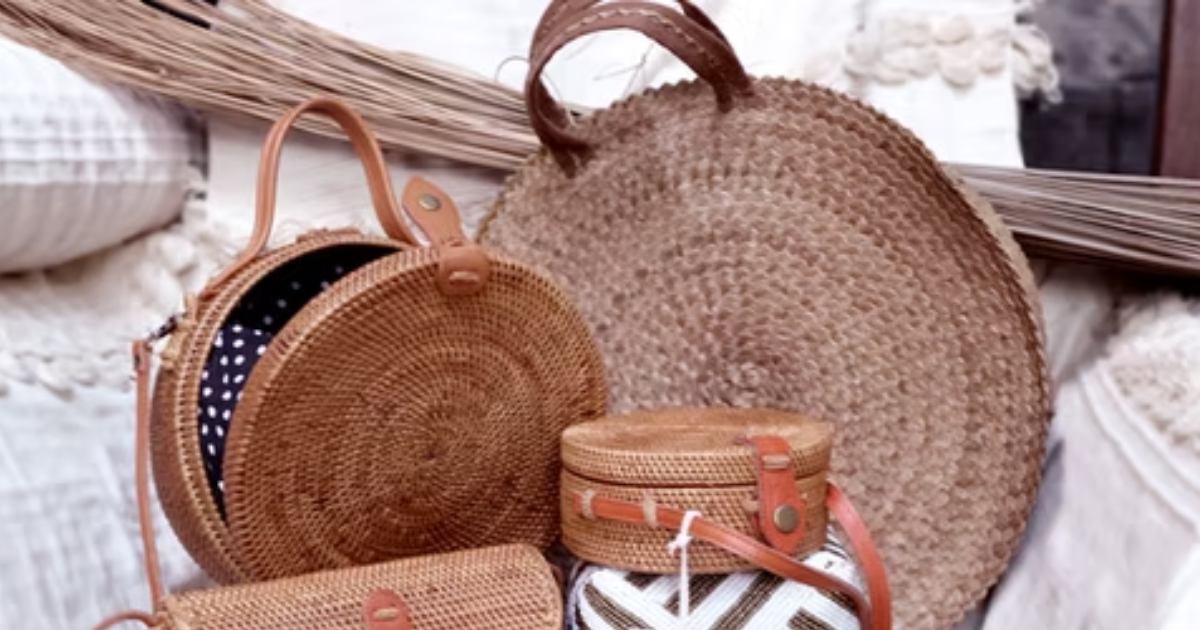
Source: Shaka Station
We were driving through East Bali when our guide suggested stopping by Tenganan—a quiet, preserved village known for its traditional way of life.
It was early morning, and the village was just waking up.
As we walked past moss-covered stone walls and chickens darting across pathways, I found a small stall run by a father and son weaving bags by hand.
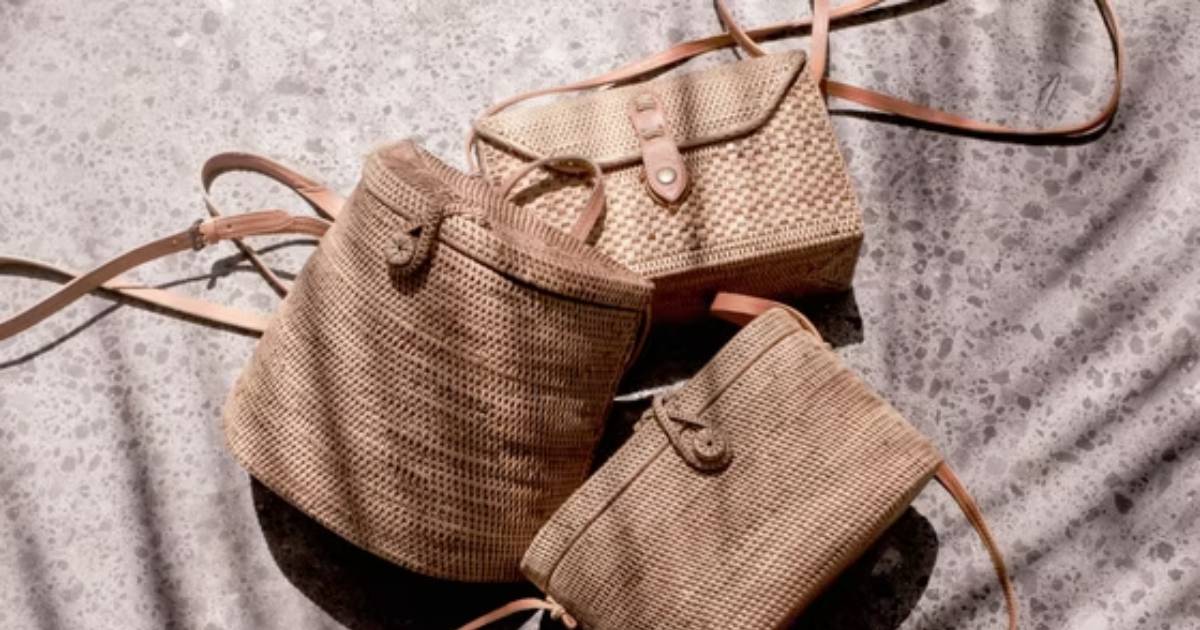
The shelves were lined with round bags, boxy clutches, and intricate basket-style pieces.
The father explained how they used ata grass from the nearby forest, boiled it in coconut oil for strength, then sun-dried each piece until it reached a warm, golden tone.
The bag I picked up had a faint smoky scent and felt surprisingly light but sturdy—functional yet deeply rooted in craft.
📖 About Ata Rattan Bags
Source: Shaka Station
Handwoven using forest-sourced ata grass, these bags are among the most recognisable artisan souvenirs from Bali.
They come in circular, boxy, or oval shapes, each made with hours of handweaving and traditional curing methods.
Originally from Tenganan village, ata bags are now seen across the island and have become a symbol of craft shopping in Bali—blending heritage with modern style.
👨👩👧👦 Is It Family-Friendly? Yes—many shops offer kid-sized bags, and it’s a great chance to show children how real handmade goods are created.
Visiting a village like Tenganan is also an eye-opening experience for all ages.
📋 Ata Rattan Bag Buying Guide
| Detail | Information |
| Best For | Fashion lovers, eco-conscious shoppers, handmade gift seekers |
| Where to Buy | Tenganan Village stalls, or curated shops in Ubud and Seminyak |
| Address | Desa Tenganan Pegringsingan, Karangasem Regency, Bali |
| Opening Hours | Daily, 9:00 AM – 5:00 PM |
| Cost | 250,000–500,000 IDR (approx. S$22–S$45), some come in drawstring pouches |
💡 Pro Tips
✅ Authentic ata bags have a tight weave and a faint smoky aroma
✅ Prices are more affordable at village stalls than boutique stores
✅ Arrive early in the day for better selection and to see artisans at work
4. Threads of Life Textiles
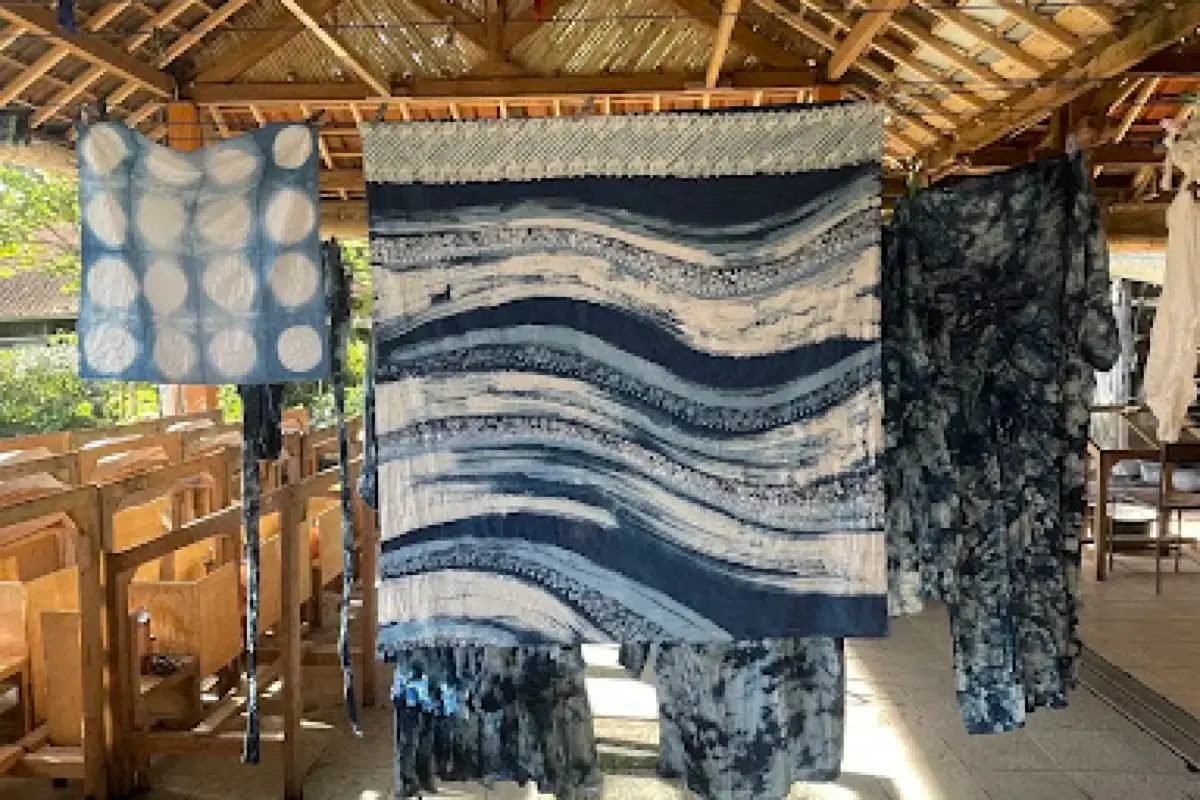
Tucked away on a quiet lane just off central Ubud, the Threads of Life gallery felt more like a cultural sanctuary than a shop.
The space was calm and curated—handwoven fabrics draped along the walls, with stories pinned beside them in both English and Bahasa.
A staff member greeted me warmly and explained that every piece was made by women from remote Indonesian villages, some taking months to complete using natural dyes and backstrap looms.
One ikat caught my eye—a deep indigo cloth with symbolic motifs representing rice, rain, and protection.
It was far more than a souvenir. I left not just with fabric, but with a deeper respect for the people behind it.
📖 About Threads of Life Textiles

Source: Destin Asian
These are authentic handcrafted gifts from Bali, created by women across the archipelago using traditional methods passed down for generations.
Each textile supports livelihoods, preserves dyeing techniques, and tells a cultural story. Threads of Life is also a fair-trade initiative, making it a meaningful choice for those who want their purchases to make a difference.
Among all the handmade souvenirs in Bali, this is one of the most significant.
👨👩👧👦 Is It Family-Friendly? Yes—while these textiles are collector-grade, the gallery offers smaller pieces like scarves, coasters, and pouches that children can help choose.
It’s also an enriching stop for families exploring Balinese culture.
📋 Threads of Life Buying Guide
| Detail | Information |
| Best For | Culture lovers, conscious shoppers, design collectors, heritage gift seekers |
| Where to Buy | Threads of Life Gallery, Ubud |
| Address | Jl. Kajeng No.24, Ubud, Gianyar Regency, Bali 80571 |
| Opening Hours | Monday to Saturday, 10:00 AM – 7:00 PM |
| Cost | 300,000–3,000,000 IDR (approx. S$25–S$260); comes with artisan info card |
💡 Pro Tips
✅ Ask about the story behind each piece—staff are happy to explain the meaning and region of origin
✅ Smaller items like naturally dyed scarves make great gifts
✅ Part of your purchase goes directly to the artisan communities
5. Kacang Disco
Source: Wikimedia Commons
I first came across Kacang Disco while browsing the snack aisle of a supermarket in Seminyak, looking for something light to munch on before our flight.
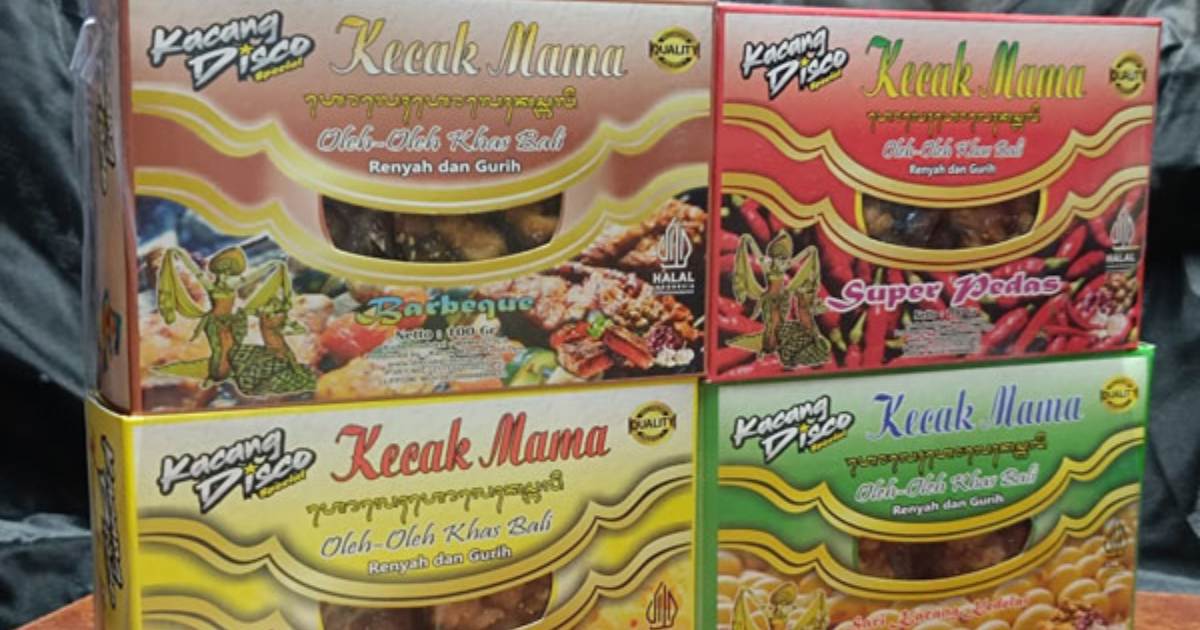
The name caught my attention—"Disco peanuts"?—and the bright yellow packaging didn’t try to hide the fun.
I tore into a pack right there at the checkout, and one bite was all it took.
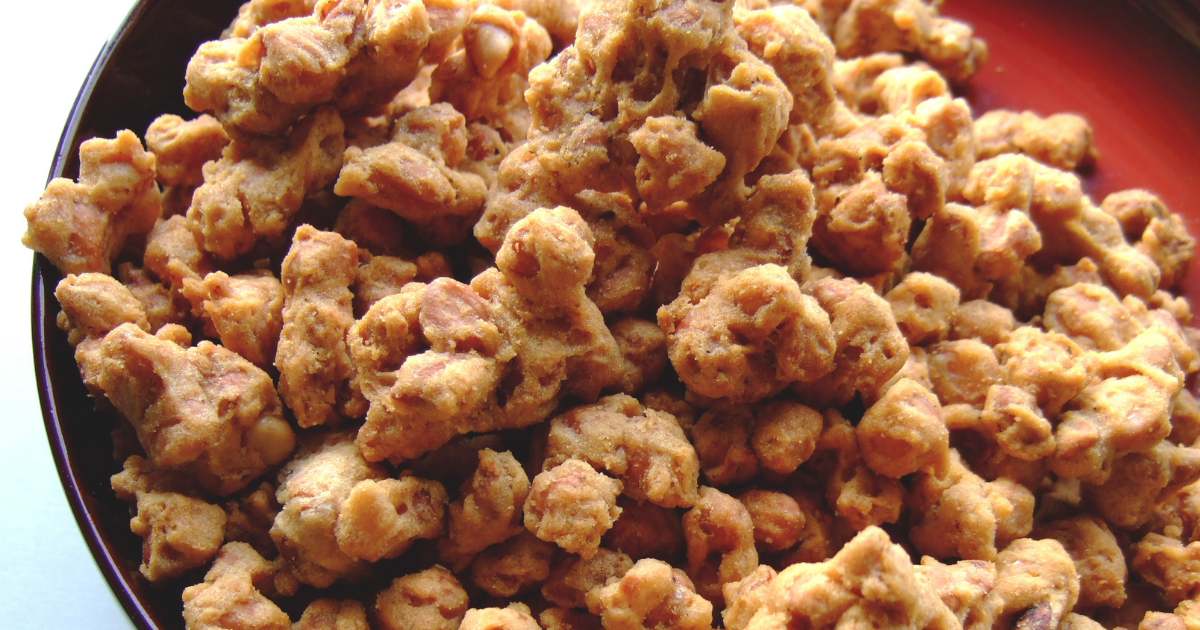
Crunchy, spicy, savoury—each peanut was coated in a flour batter, deep-fried till golden, with just the right amount of heat and salt.
It had that addictive local street snack vibe, but in a neat, travel-friendly pack. I ended up grabbing a few more to bring back for friends (and let’s be honest—for myself).
📖 About Kacang Disco
Source: Pie Susu Dhian Tanah Lot
A quirky and beloved snack from Bali, Kacang Disco has become one of the most popular souvenirs to eat in Bali.
The name comes from its "dressed-up" peanuts—fried with a seasoned coating that makes them extra crunchy and bold.
Locals love them with tea or as a beer snack, and tourists quickly get hooked on their punchy flavour and satisfying texture.
👨👩👧👦 Is It Family-Friendly? Though some flavours can be spicy, there are mild and even sweet versions available. Kids love the crunchy texture, and they’re mess-free for road trips or plane rides.
📋 Kacang Disco Buying Guide
| Detail | Information |
| Best For | Snack lovers, food souvenir hunters, sharing with colleagues or neighbours |
| Where to Buy | Pepito Supermarket, Krisna Oleh Oleh, or Ngurah Rai Airport shops |
| Address | Jl. Raya Seminyak No.16B, Seminyak, Kuta, Badung, Bali |
| Opening Hours | Daily, 8:00 AM – 10:00 PM |
| Cost | 15,000–30,000 IDR per pack (approx. S$1.30–S$2.60); comes vacuum-sealed |
💡 Pro Tips
✅ Look out for flavours like cheese, barbecue, and sambal balado
✅ Best consumed within a month—check packaging for expiry
✅ Buy in bulk at local supermarkets for better prices than airport shops
6. Jamu Herbal Drink Packs
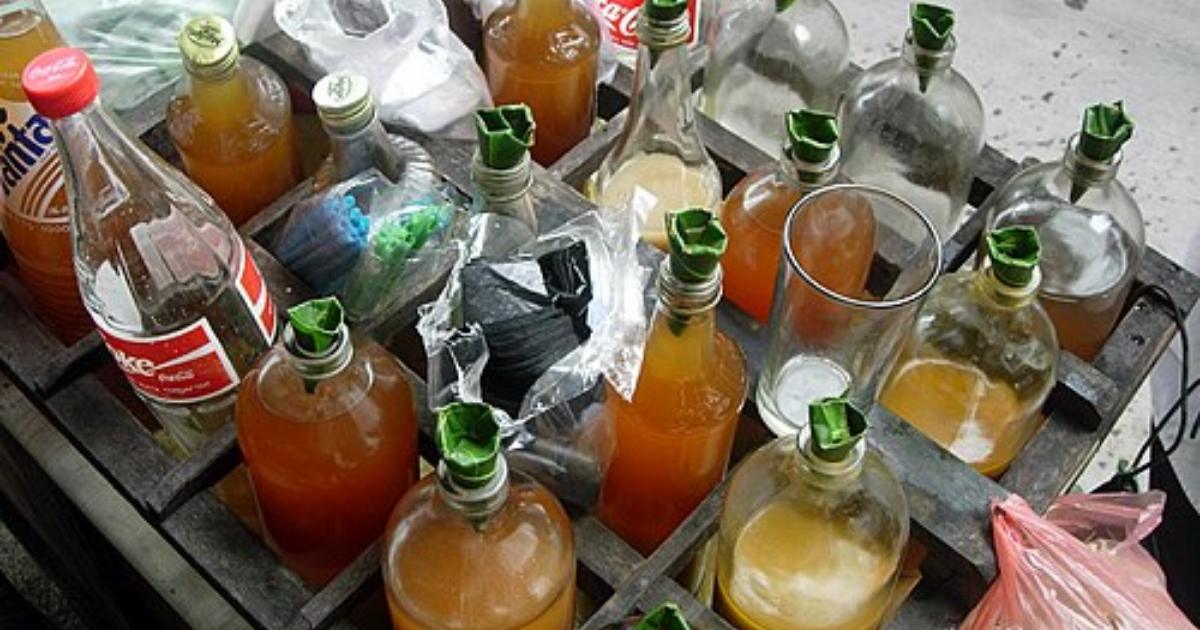
Source: Wikipedia
It was just after lunch in Ubud when I spotted a small pushcart shaded under a faded umbrella.
Tucked between a fruit stand and a souvenir shop, the vendor was pouring a golden liquid from a tall glass bottle into recycled mineral water containers. I’d heard of jamu before, but never tried it.
The lady behind the cart, cheerful and barefoot, offered me a sip of her turmeric-ginger blend. It was earthy, tangy, slightly bitter—but surprisingly addictive.
She explained that she makes it fresh every morning using recipes passed down from her grandmother. With no preservatives and nothing artificial, it felt like I was drinking part of Bali’s living tradition.
I bought two bottles on the spot—one for now, one for the flight.
📖 About Jamu Herbal Drink Packs
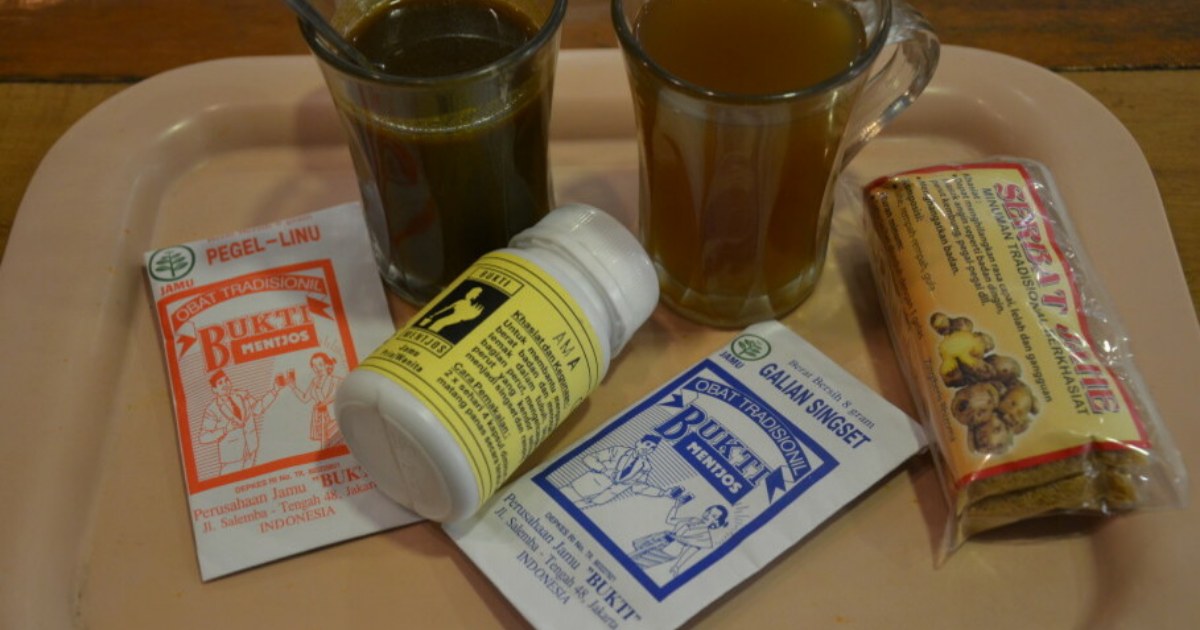
Source: Jakarta Globe
Jamu is a traditional Indonesian herbal tonic made from turmeric, ginger, tamarind, and other healing roots.
For generations, it's been brewed at home and sold on the streets as a go-to for boosting immunity and balancing the body.
Now packaged in takeaway bottles, jamu is one of the best edible souvenirs from Bali—both meaningful and healthy.
👨👩👧👦 Is It Family-Friendly? With mild blends available, it’s safe and caffeine-free. Younger kids may find the taste strong, but sweetened versions are more approachable. Great for wellness-conscious families.
📋 Jamu Drink Pack Buying Guide
| Detail | Information |
| Best For | Wellness lovers, traditional medicine fans, thoughtful gifts |
| Where to Buy | Roadside jamu carts in Ubud, Seminyak, or local warungs |
| Address | Commonly found near Ubud Market or Jalan Gootama |
| Opening Hours | Morning till sold out (usually 8:00 AM – 2:00 PM) |
| Cost | 10,000–20,000 IDR per bottle (approx. S$0.85–S$1.70); sold in reused glass/plastic bottles |
💡 Pro Tips
✅ Look for stalls that say “Jamu Kunyit Asam” or “Jamu Beras Kencur” for different blends
✅ Best consumed within 1–2 days; keep chilled if possible
✅ Bring a reusable bag—some sellers offer discounts for no plastic
Top Things To do In Bali


7. Boho Treasures at Love Anchor Market
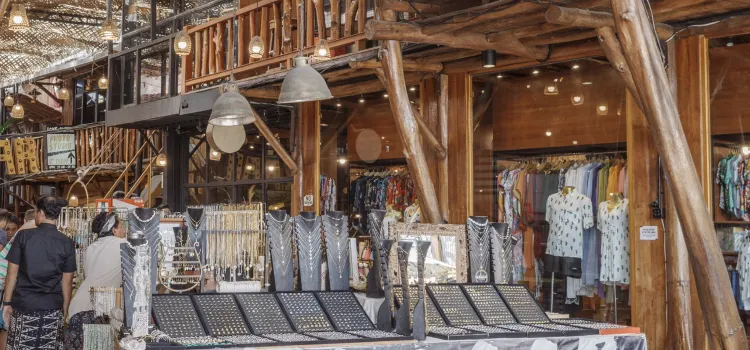
It was a sunny Sunday afternoon when I stumbled upon Love Anchor Market, right along one of Canggu’s trendiest streets.
The vibe was effortlessly cool—surfboards stacked outside cafés, people sipping cold brews under palm trees, and a low hum of reggae music floating through the air.
Love Anchor is semi-outdoor, decked out in fairy lights and rustic wood stalls.
I wandered through rows of handmade jewelry, linen dresses, quirky slogan tees, leather sandals, and rattan home décor.
One vendor was custom-stamping leather tags on the spot. Another was selling hand-poured soy candles in coconut shells. I ended up buying a pair of shell earrings and a batik scrunchie.
It felt like a Balinese version of a pop-up in Haji Lane—but more laid-back, and way more sunshine.
📖 About Love Anchor Market
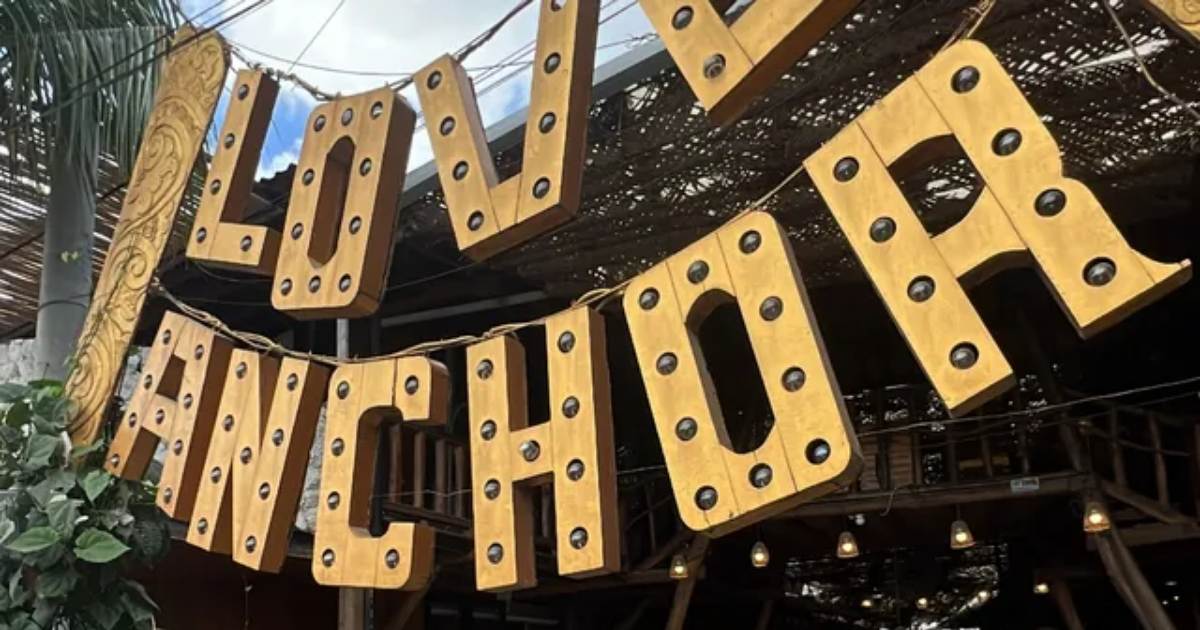
Canggu’s most Instagrammable market, Love Anchor is a must-visit for those who enjoy shopping in Bali with a side of beach-town charm.
Open daily but liveliest on weekends, the market blends Bali’s boho spirit with tropical resort fashion.
It’s popular for local markets in Bali that sell beachwear, accessories, skincare, and handmade gifts in a highly photogenic setting.
👨👩👧👦 Is It Family-Friendly? Absolutely! There’s enough variety for the whole family to explore. Kids can browse cute accessories, souvenir trinkets, and even try fresh juices from pop-up stalls. The space is stroller-friendly during off-peak hours.
📋 Love Anchor Market Guide
| Detail | Information |
| Best For | Trendy gift shoppers, fashion lovers, tourists looking for handmade souvenirs |
| Where to Find | Jalan Pantai Batu Bolong No.56, Canggu, Bali (near Deus Ex Machina) |
| Opening Hours | Daily, 9:00 AM – 10:00 PM (busiest on weekends) |
| Cost | Varies widely; bargaining is common in markets, fixed prices in retail stores |
💡 Pro Tips
✅ Go earlier in the day to beat the crowds and heat
✅ Bring cash—some stalls accept card, but not all
✅ Combine your trip with brunch at a nearby café (Crate Café is a local fave)
8. Bali’s Craft Finds at Ubud Art Market
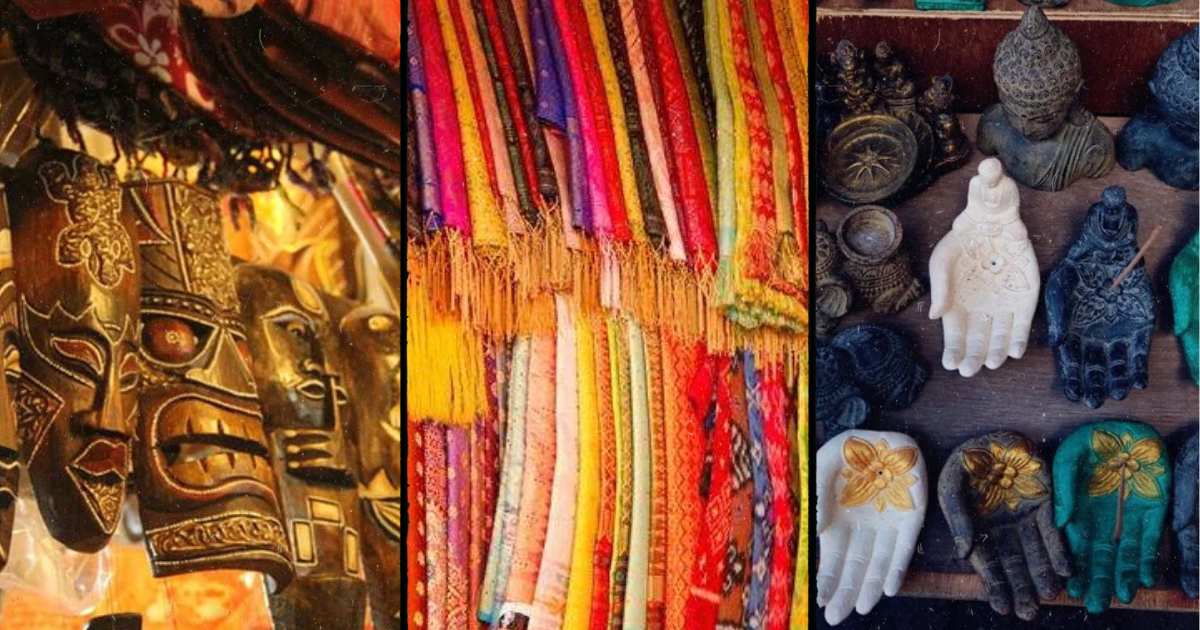
I arrived at Ubud Art Market just as the morning sun began filtering through the rooftops of the stalls.
It was a gentle kind of chaos—baskets overflowing with batik robes, hand-carved masks hanging from wooden beams, and vendors calling out greetings in Bahasa and English.
I meandered through narrow walkways packed with vibrant sarongs, coconut bowls, canvas paintings, and woven bags.
One stall caught my attention with its colourful display of beaded dreamcatchers and bamboo wind chimes.
The vendor explained that his family makes them by hand in nearby Gianyar. I picked up a hand-painted fan for my mum and a set of wooden fridge magnets shaped like Bali’s temples for my colleagues.
The best part?
Most stalls were happy to share the story behind each piece.
📖 About Ubud Art Market
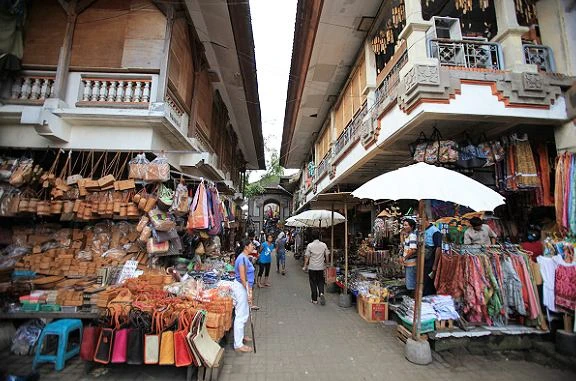
Located in the heart of Bali’s cultural capital, Ubud Art Market is one of the most iconic shopping streets in Bali.
Whether you're after traditional batik, handmade souvenirs, or unique home décor, this market blends mass-market variety with hidden artisan gems.
It’s popular among both locals and tourists for its wide selection and energetic atmosphere, making it a top destination for shopping in Ubud.
👨👩👧👦 Is It Family-Friendly? Kids can pick their own souvenirs like mini gamelan instruments, soft puppets, or keychains. The maze-like layout is fun to explore, but best navigated earlier in the day to avoid crowds.
📋 Ubud Art Market Guide
| Detail | Information |
| Best For | First-time visitors, souvenir collectors, cultural explorers |
| Where to Find | Jl. Raya Ubud, right across from Ubud Palace |
| Opening Hours | Daily, 8:00 AM – 6:00 PM |
| Cost | Varies widely; bargaining is common, especially for bulk or combo purchases |
💡 Pro Tips
✅ Go early to avoid crowds and get the best selections
✅ Bring small cash and a reusable tote bag
✅ Ask which items are handmade vs. imported—some stalls carry both
Recommended Hotels In Bali




Wrapping Up Your Bali Souvenir Hunt
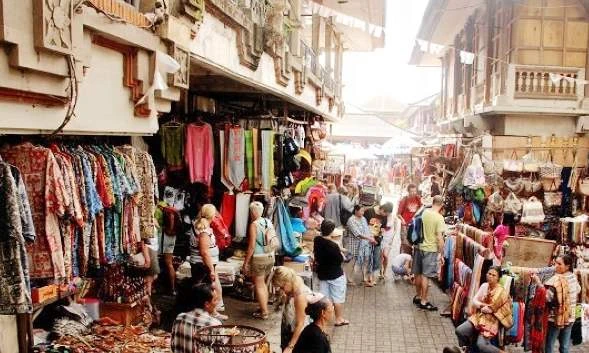
Looking back at everything I brought home from Bali—from handwoven ata bags to buttery pie susu and that indigo batik sarong—I’m reminded that the best souvenirs are the ones that carry a story.
Each piece holds a little bit of Bali’s charm, warmth, and creative soul.
Sure, the markets can get a little crowded and I definitely had to sit on my suitcase to zip it shut, but every item was worth the squeeze.
There’s something magical about shopping in Bali—the blend of tradition and trend, the friendliness of the shopkeepers, and the joy of stumbling upon a treasure you didn’t even know you needed.
Now’s a great time to plan especially if you’re eyeing the best time to visit Bali, typically from April to October when the skies are clear and the island is at its liveliest.
Do check out the amazing travel promotions on flights and hotels in Bali right now while you’re planning.
Hope you find something that makes you smile every time you see it back home.
What to Buy in Bali FAQs
-
Where is the best place to shop for souvenirs in Bali?
-
Is it better to buy souvenirs at Bali airport or local markets?
-
Can I bring back food souvenirs from Bali to Singapore?
-
What is a good budget for souvenir shopping in Bali?
Trending Researches
-
Popular Content
-
Popular Flights
-
Popular Hotels
-
Popular Things to Do
-
Featured guides
-
Trip.com links
- Plane tickets from Hong Kong to Bali
- Cheap tickets from Yogyakarta to Bali
- Cheap flights from Singapore to Bali
- Cheap flights from Ho Chi Minh City to Bali
- Plane tickets from Jakarta to Bali
- Cheap tickets from Dili to Bali
- Cheap flights from Bangkok to Bali
- Cheap tickets from Surabaya to Bali
- Plane tickets from Labuan Bajo to Bali
- Cheap flights from Phuket to Bali
- Plane tickets from Lombok to Bali
- Plane tickets from Kuala Lumpur to Bali
- Cheap tickets from Manila to Bali
- Cheap flights from Shanghai to Bali
- Cheap tickets from Perth to Bali
- Hotel Indigo BALI SEMINYAK BEACH by IHG
- Mövenpick Resort & Spa Jimbaran Bali
- TUI Blue Berawa Hotel and Villas
- Hyatt Regency Bali
- Paripadi Studio Canggu
- Lloyd's Inn Bali
- Renaissance Bali Uluwatu Resort & Spa
- Citadines Berawa Beach Bali Resort
- Solaris Hotel Kuta
- The Kuta Beach Heritage Hotel - Managed by Accor
- Desa Potato Head Bali
- Grand Mirage Resort & Thalasso Bali
- The Komu Canggu Bali
- InterContinental BALI RESORT by IHG
- Nusa Dua Beach Hotel and Spa - Handwritten Collection
- Montigo Resorts Seminyak
- Hard Rock Hotel Bali
- Renaissance Bali Nusa Dua Resort
- The Apurva Kempinski Bali
- voco BALI SEMINYAK by IHG
- Waterbom Bali
- Bali Travel Essentials
- Bali City Pass
- Bali Yacht Charter
- Bali Day Tours
- Bali Airport Services
- Bali Spa & Massage
- Wellness & Spa in Bali
- Bali Diving
- Bali Paragliding
- Bali Transport Card
- Ayung River Rating in Ubud Bali with No Step-Up Access
- Bali Lovina VIP Private Car Dolphin Chasing 1-Day Tour
- Bali 1-day tour: Uluwatu Temple + Melasti Beach + Cliff Road + Garuda Wisnu Kencana Cultural Park
- Tanah Lot Temple & Ubud: Full-Day Guided Tour + Roundtrip Transfer
- Bali Kuber ATV + Rice Terraces + Ubud Palace & Market 1-day Tour
- China Power Bank Limit
- train to kl from singapore
- Trip.com Customer Service
- Shanghai Metro
- China Entry Requirements
- Renew Autopass Singapore
- train from singapore to jb
- Thailand Plug
- China Plug
- universal studios singapore tickets
- Batam Arrival Card
- 泰国插头
- mdac malaysia
- Singapore Malaysia Cross Border Taxi
- Touch n Go App
- Big Transport from Tokyo to Fukuoka
- Frankfurt Airport to City
- Bangkok to Pattaya
- Trip.com Promo Code
- Trip.com Flight Deals
- Trip.com Credit Card Promotions
- How to Book Cheap Hotels
- How to Book Cheap Flights
- Trip.com Member Rewards
- Trip Weekly Hotel Sales
- Online Hotel Booking
- Online Flight Booking
- Trip.com Travel Guide
- Book China Train Tickets
- Trip.com Seat Selection
- Singapore Public Holidays 2027
- Trip.com 优惠码
- Trip.com Travel Guides