 NO.1
NO.1


🔥Save More with Up to 5% OFF
Use our promo code to enjoy up to 5% OFF (up to S$3) on your attraction tickets, tours and eSIMs! Only for new users!

Coming to Singapore? Great choice! It’s clean, safe, easy to get around… and yes, the food really is that good.
But beyond the big-name spots like Marina Bay or Gardens by the Bay, there’s a lot more that first-timers often miss.
Simple things, like which MRT line not to take during peak hour, or where locals actually go for chicken rice (hint: not the airport).
I’ve lived here my whole life, and this guide’s everything I’d tell a friend visiting for the first time from how to save time, avoid tourist traps, and enjoy Singapore without feeling lost or overspending.
Let’s dive in.

Changi Airport runs like clockwork. Fast immigration, free Wi-Fi, and more creature comforts than most malls. But once you’ve grabbed a shot at the Jewel waterfall, it’s time to head into the city.
The MRT is by far the cheapest and easiest way in. It links directly from Terminals 2 and 3, and most rides cost under S$3.
If you’re staying anywhere along the East-West or North-South line, just hop on the train. It’s clean, fast, and you’ll skip traffic.
During peak hours, it’s actually quicker than taking a cab.
And about taxis, here’s what many don’t realise: there’s an airport surcharge. From 5pm to midnight on weekdays, it’s an extra S$8.
From midnight to 5.59am, it’s 50% of your fare. If you really need a car, Grab is usually the smarter choice. At least you’ll see the price upfront and skip the meter anxiety.

Yes, Singapore is small. But where you base yourself still makes a real difference.
Many first-time visitors head straight for Marina Bay. Hotels cost more and food tends to be polished so you won’t get much local flavour.
If it were me planning a trip here? I’d look at Bugis or Chinatown.
Bugis is right in the middle of things. Arab Street’s just around the corner, and Kampong Glam has plenty of small shops to wander through.
If you’ve got time, take a quick ride to Little India. This whole stretch is packed with food, easy to explore, and connects smoothly to other parts of the city.
As for Chinatown, don’t write it off. Locals come here too for strong kopi, supper at old-school dim sum joints, and bars tucked away above shophouses. It’s busy, but not too much. Just the right amount of buzz.

Public transport in Singapore just works.
The MRT trains are fast, buses are frequent and there’s generally proper signage so it’s easy to find directions.
Skip the single-trip tickets. Just tap in with your phone using SimplyGo, or get an EZ-Link card. Both are easy, but SimplyGo is fuss-free and doesn’t need top-ups.
Everyone takes the MRT, but here’s what most visitors miss: the bus system is just as good, and sometimes even faster. Plus, you’ll actually see the city instead of riding underground. Google Maps handles both well, so you’re covered.
Try to skip the rush hours which is from 7 to 9am and 6 to 8pm. Trains get packed, buses crawl, and you’ll spend more time waiting than moving.
Need a car? Grab’s great for short trips, but for longer rides, regular taxis can be cheaper outside rush hour.
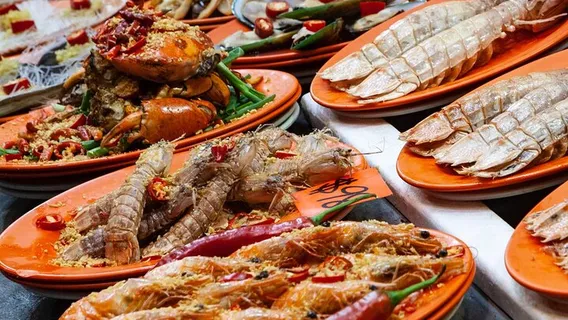
Food’s a big deal here. Ask anyone… we’ll travel across the island just for a good bowl of noodles. But eating like a local? That takes more than just knowing what to order.
First, tray return. Always do it at hawker centres. No one’s going to chase you down, but it’s just what we all do. Keeps things clean and moving.
When you order, be clear. Say “roasted chicken rice” if that’s what you want not just “chicken rice.” Want it less salty? Try “shao yan” in Mandarin or “kurang masin” in Malay. Don’t worry if your accent’s off as most hawkers get the idea.
As for what to eat?
Forget chili crab unless you’ve got something to celebrate. We’re more likely to go for:
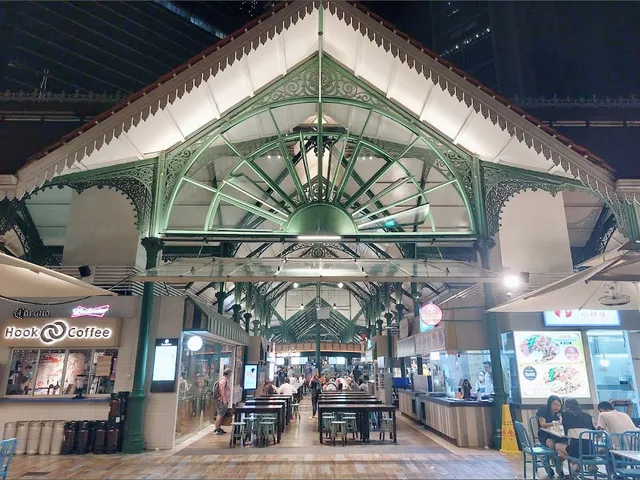
Now, where to find the good stuff?

You don’t need to carry much cash in Singapore. Most places take cards, and even hawker stalls are starting to accept PayNow or QR payments. Bring maybe S$100–200 just in case for kopi at an old-school shop or the odd cash-only stall. If you run low, ATMs are everywhere.
Staying connected? Two easy options:
You’ll find mobile shops in most malls, and staff usually speak decent English so they’ll sort you out fast.
Before you land, get these apps:

Singapore’s heat is no joke. It’s humid too… not dry heat but the kind that clings. And when it rains? It pours. Usually for 20 minutes, but enough to soak your shoes. November to January tends to be wetter.
Use our promo code to enjoy up to 5% OFF (up to S$3) on your attraction tickets, tours and eSIMs! Only for new users!

Singapore’s easy to get around, but there are a few unspoken things we locals just… do. And you’ll blend in better if you know them.
First, we’re big on queues. You’ll see lines for food, buses, even lifts. Just join the queue, no need to ask
Because we’re such a mix of cultures, you’ll probably end up visiting a temple or mosque. Just be respectful. Cover your shoulders and knees, remove your shoes if others do, and try not to walk through when people are praying. If in doubt, just watch what others are doing.
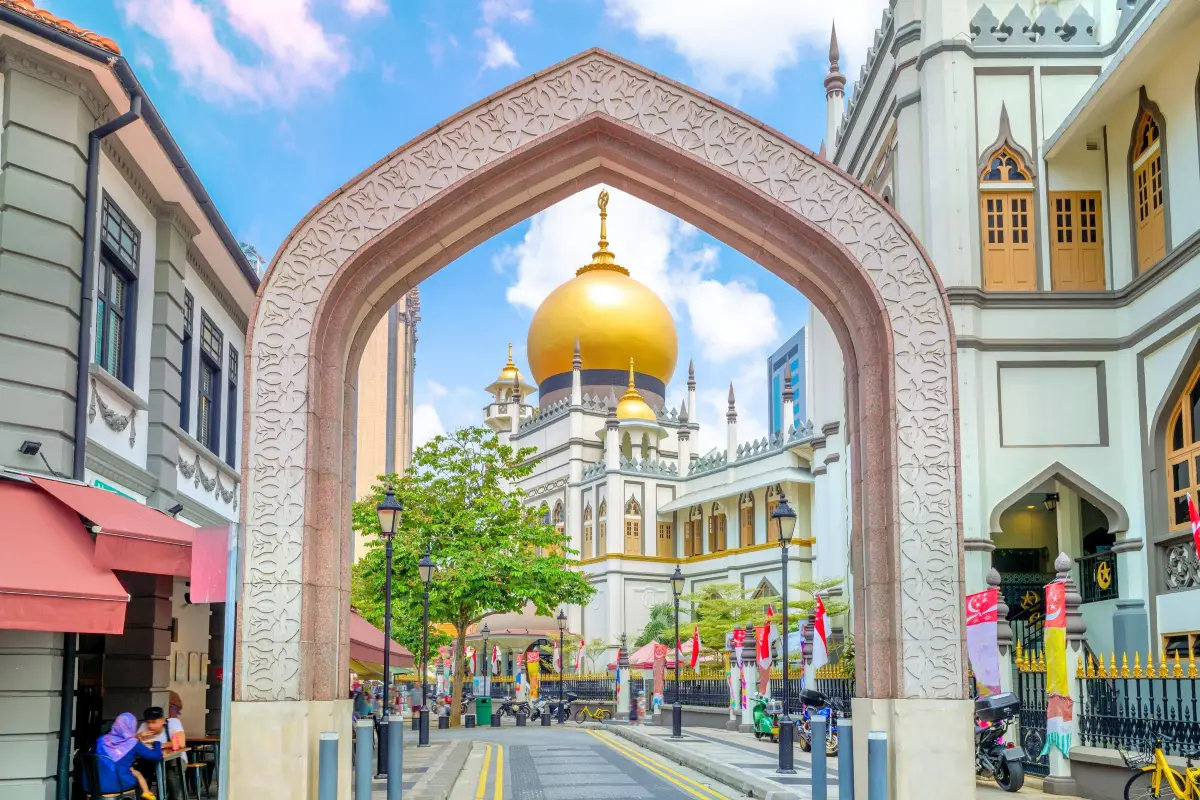
A few more things locals care about:
Other rules? Pretty strict. Littering gets you fined. Same for smoking in non-smoking spots or feeding birds in parks. You’ll see “fine” signs everywhere.
Tipping isn’t expected here. Most places already include service charge. If someone really goes above and beyond, a small thank-you is appreciated, but it’s not the norm.

Singapore’s really safe. Most people walk around at night with no problem. You can leave your bag on a seat at a hawker centre to chope a table and nobody touches it.
That said, if you’re squeezing through a crowded spot like Orchard or Marina Bay on a weekend, just keep your stuff close. Not because anything’s likely to happen but it’s a good habit.
If you feel unwell, you can easily find help.
For emergencies, here’s what you need:
Most locals speak English. If you’re unsure or lost, just ask someone nearby. People will usually help, no fuss.

Plan around the weather. Singapore is warm and humid all year, so lightweight clothing, comfortable shoes, and a small umbrella are essentials. Sudden afternoon showers are common, but they usually pass quickly.
Avoid peak travel periods if possible. School holidays, major festivals, and long weekends often bring larger crowds to attractions, shopping malls, and popular dining spots. Hotel rates can also be higher during these periods, so booking early is recommended.
Use public transport whenever you can. The MRT and bus network are affordable, reliable, and cover most tourist attractions. Purchasing an EZ-Link card or using contactless payment can make getting around even easier.
Eat where the locals eat. While Singapore has plenty of famous restaurants, hawker centres are where you'll find some of the city's most authentic and affordable food. Don't be afraid to join the queue—locals are usually lining up for a reason.
Bring a reusable water bottle. Tap water in Singapore is safe to drink, and you'll find refill stations in many public places. It's a simple way to stay hydrated while exploring.
Explore beyond the main attractions. Places like Toa Payoh, Ang Mo Kio, and other heartland neighbourhoods offer a glimpse into everyday Singaporean life. Wander through local markets, neighbourhood parks, and coffee shops to experience a side of Singapore that many visitors miss.
Respect local rules and customs. Singapore is known for being clean and orderly. Simple things like disposing of litter properly, avoiding eating on trains, and following public signs help keep things running smoothly.
Pick up a few Singlish words before you go. You don't need to speak it fluently, but phrases like "shiok" (really good) and the famous "lah" are part of everyday Singapore life and can make interactions with locals a little more fun.

Singapore’s not big, but if you take your time here, you’ll notice it’s more than just clean streets and shopping malls.
Wander into a neighbourhood. Eat where office workers queue during lunch. Talk to the auntie at the kopitiam. That’s when things get interesting.
We like our trains on time and our buildings cool, but we also hold onto old habits, old places, old flavours. It’s a mix. A little messy sometimes, but real.
If you catch a glimpse of that side of things, even just a little, we’re glad.