
⏰ What is the 'Minimum Connection Time'
Minimum Connection Time (MCT) is the minimum scheduled time needed to transfer between connecting flights at an airport, ensuring enough time for customs, security, and transit procedures across different carriers or terminals.
How Much Layover Time is Needed?
Airports and airlines set a minimum connecting time based on logistical requirements. However, to allow for delays, security checks, and terminal transfers, it’s wise to plan for a longer “safe” layover time.
For most domestic connections, aim for 1.5 to 2 hours, and for international connections—2 to 3 hours is recommended. This extra time reduces stress and helps ensure you make your next flight without a rush.
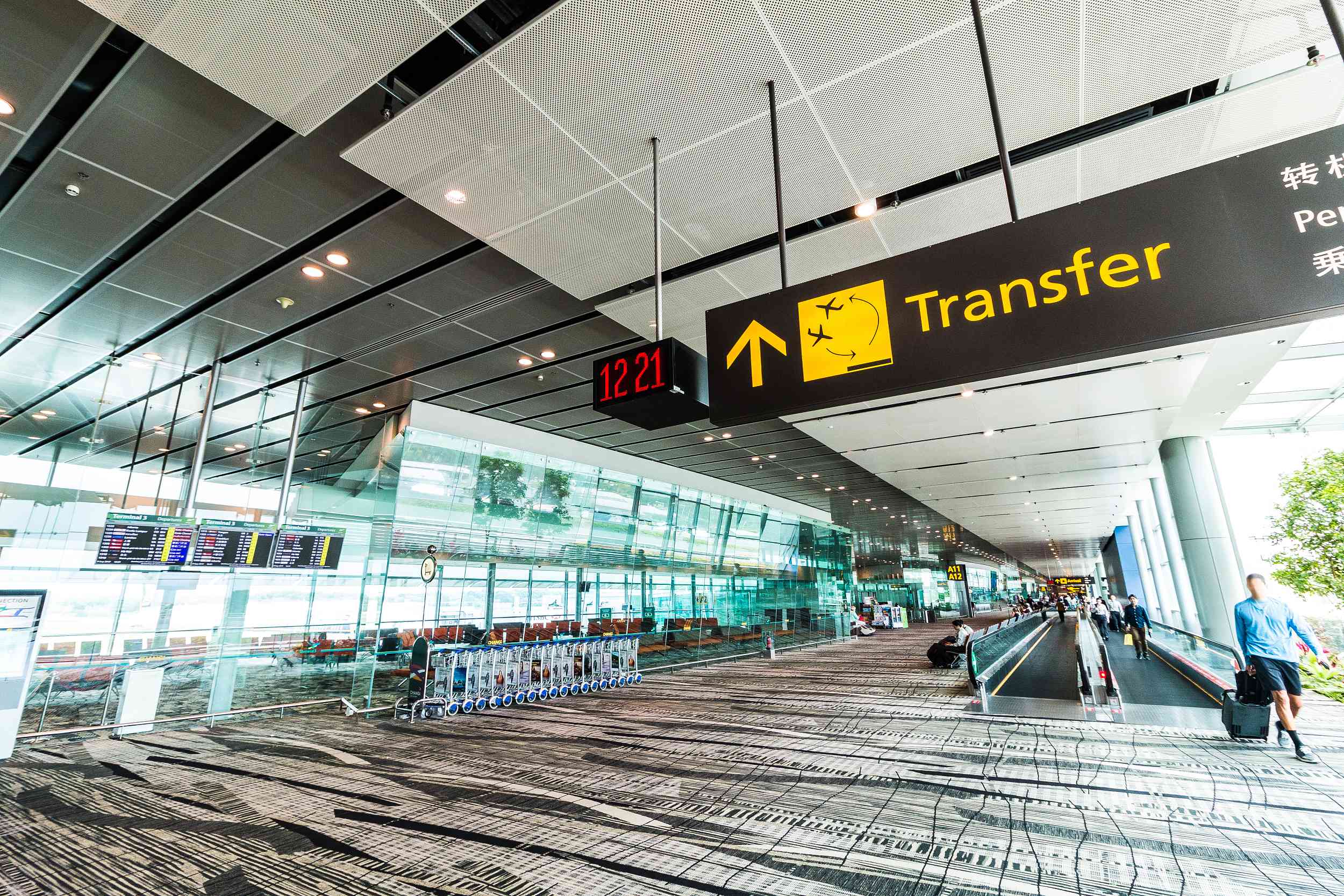
In Singapore, Changi Airport’s transit guide advises a minimum of 1.5 to 2 hours for most connections to ensure a stress-free transfer.
Flight delays can throw off even the best-planned connections. To protect yourself, learn about your rights and compensation options. Check out our detailed guide on flight delay compensation, which covers airline policies and travel insurance, to know exactly when and how you can claim benefits if your journey is disrupted.
🤔 What’s the Difference? Layover vs Stopover, Transfer vs Transit

Layover vs Stopover
A layover is a brief wait between connecting flights (usually less than 24 hours), often within the same airport.
A stopover is an extended break (over 24 hours) where you can leave the airport and explore the city.
Did you know? If you have a layover and are a Trip.com Platinum, Diamond, Diamond+, or Black Diamond member, you can enjoy free VIP airport lounge access. Make your wait more comfortable with complimentary refreshments and premium amenities. Check your membership benefits and relax in style during your layover when you book with Trip.com!
Transfer vs Transit
A transfer (or connection) refers to the act of taking more than one flight to reach your destination.
Passengers typically need to disembark, collect their luggage if required, go through security and immigration checks, and check in for their onward flight before continuing their journey.
A transit refers to a temporary stop of the plane for purposes such as refuelling.
Passengers usually stay on the same plane or in a designated transit area in the airport, without the need to collect their baggage or go through immigration checks.
💡 The 5 Key Factors That Determine Your Actual Connection Time

1. Domestic vs. International: The Passport Control Hurdle
International connections at airports like Singapore Changi require you to clear immigration and customs, adding time to your transfer.
Domestic connections usually skip these, making them quicker. Always factor in passport control time, especially when transferring between countries.
2. Single Ticket vs. Separate Tickets
If your connecting flights are on a single ticket, the airline(s) usually coordinate your transfer and baggage handling. They may offer assistance and rebooking if you miss a connection, depending on airline policy and the cause of the missed flight.
Separate tickets mean you’re responsible for re-checking in and baggage collection, requiring more time and vigilance.
3. Checked Bags vs. Carry-On Only
Transferring with checked luggage often means waiting at baggage claim and possibly rechecking bags—this adds significant time.
Carry-on only travellers can skip this step, making short connections more feasible.
Want to travel light like a pro? Check out our ultimate carry-on baggage restriction guide for all the packing tips you need to know!
Different flight classes can affect your baggage allowance - Check out our comprehensive guide Flight Classes Explained to know more about the differences between cabin class, fare type, and fare class!
4. Same Terminal vs. Different Terminals (eg. Singapore Changi T1/2/3/4)
Different terminals mean longer transfer times, which depend on airport size and passenger traffic.
For example, at Singapore Changi Airport:
Between Changi T1/T2/T3:
Terminals 1, 2, and 3 are linked by a free Skytrain running from 5 AM to 2 AM. The ride is quick, usually under 10 minutes.
Changi T1/T2/T3 to T4:
Terminal 4 is separate and connected to Terminals 1/2/3 by a free public shuttle bus and a free transit shuttle bus. Both shuttle buses operate 24/7.
For The public shuttle bus:
- The journey takes about 10 minutes between terminals at the public area.
- The bus operates with a frequency of every 5-9 minutes in the day, and 19 minutes from 12AM to 6AM.
For The transit shuttle bus:
- The journey between terminals at the transit area takes about 10-18 minutes.
- The bus operates with a frequency of every 13 minutes all day.
If you’re changing terminals in your connection, especially to or from Terminal 4, remember to factor in extra time for the shuttle bus journey.
5. Airport Size and Efficiency
Compact airports allow quicker transfers between gates, while larger hubs often involve longer walks, shuttle rides, or multiple terminals, increasing overall connection time.
For example, Scoot recommends a minimum of 2 hours between connecting flights at Singapore Changi Airport.
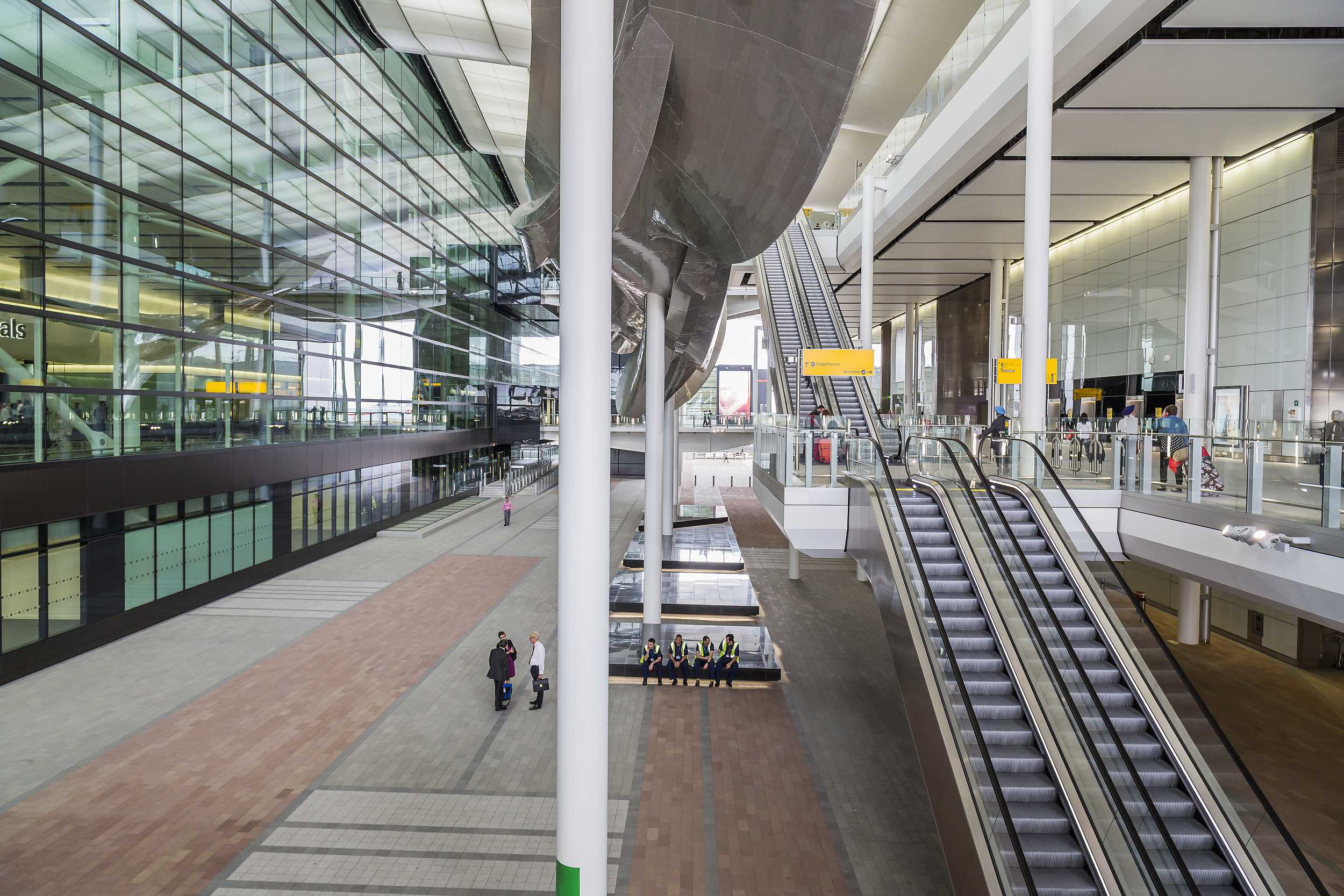
On the other hand, British Airways recommends a minimum of 4 hours between connecting flights with separate tickets at London Heathrow Airport. This allows enough time to collect checked baggage and transfer between terminals if needed.
Singapore’s Changi Airport is renowned for its efficiency and smooth transfers, allowing shorter minimum connection times. Larger, busier airports like London Heathrow demand longer connection times due to more complex layouts and longer queues.
Unlock Singapore's Hottest Airfare!
✈️ What Happens If You Miss Your Connecting Flight?

If It's the Airline's Fault...
When the airline is at fault—think late arrivals, schedule changes, or technical issues—airlines usually would help to rebook affected passengers on the next available connection, provided all flights are part of the same booking. Depending on your situation, you may also request from airlines meal vouchers, hotel stays, or lounge access while you wait.
Don’t forget: many countries such as those in the EU, UK, Canada, and Thailand have statutory laws requiring airlines to provide compensation or care if the delay or missed connection is the airline’s fault, while in Singapore, coverage mostly relies on airline policy or travel insurance.
Always check local rules and be proactive—airlines may offer meal vouchers, hotels, or rebooking if asked, but payouts aren’t guaranteed unless mandated by law. For expert tips and full details, check out our complete guide on flight delay compensation—including both airline policies and travel insurance.
Travel insurance commonly covers additional out-of-pocket expenses—such as meals, accommodation, and transport—if you miss connections due to covered delays, provided the fault isn't yours. However, not all plans include “missed connections” as standard, so read the fine print.
If It's Your Fault...
If you miss a connecting flight because you overslept, misread your itinerary, or left too little time for the transfer, expect to bear the costs yourself. Airlines may mark you as a ‘no-show’, which could void onward tickets and require buying a new fare or paying change fees. This is especially strict if segments are booked separately. Be vigilant with layover times and attentive to boarding announcements to avoid surprises.
Standard travel insurance almost never covers self-inflicted missed connections or no-shows; it only kicks in for unforeseen events outside your control, like airline delays. For Singapore travellers, claims are only valid if you can prove a genuine, covered reason—a letter from the airline usually helps. Check each policy, and file claims quickly.
Mastering your minimum connecting flight time is smart—saving on your trip should be too. Snag the best Singapore flight deals and promo codes now to stretch your travel budget further and secure hassle-free connections. Don’t just plan your layover—power up your booking with exclusive discounts on our promo codes and deals page!
FAQ: Connecting Flights
Do I need to go through security again for a connecting flight?
Security screening is usually required when connecting between international flights, though rules vary by country and airport. For example, at Singapore Changi Airport, all transit passengers must clear security before boarding their next flight.Is an 1-hour layover enough for an international flight?
1 hour is generally tight for international connections due to immigration, security, and transfer times. Most airports recommend at least 2 to 3 hours, depending on airport size and efficiency. In Singapore, at least 1.5 to 2 hours is recommended.Will my checked bags be transferred automatically on a connecting flight?
If flights are booked on the same ticket, checked bags are usually transferred automatically. For separate bookings, you typically need to collect and re-check your baggage yourself.What happens if my first flight is delayed and I miss my connection?
If the delay is the airline’s responsibility, they usually will rebook you on the next flight and may offer assistance. If it’s your fault, you will generally need to buy a new ticket or pay change fees.Do I need a transit visa for a connecting flight?
Visa requirements depend on nationality and country. For Singapore, no transit visa is needed if you remain in the transit area with confirmed onward flights.