
Kyoto Metro: A Simple Guide for First Time Visitors

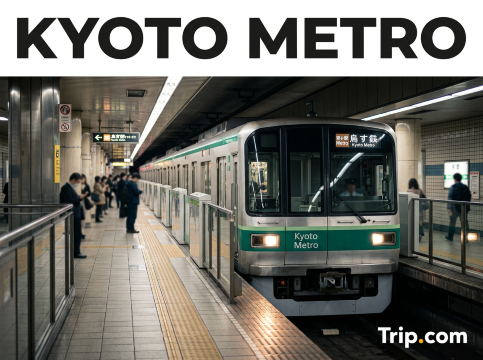
The Kyoto Metro is a helpful way to get around the city, especially when travelling between major stations and sightseeing areas.
While Kyoto is famous for temples and traditional streets, its metro system makes certain journeys faster and easier, particularly compared to buses during busy seasons.
This guide explains how to buy metro tickets, how to use the trains, and useful tips based on real travel experience.
If you plan to explore Kyoto on your own, understanding the metro system will help you save time and avoid unnecessary stress.
Kyoto Metro Operating Hours
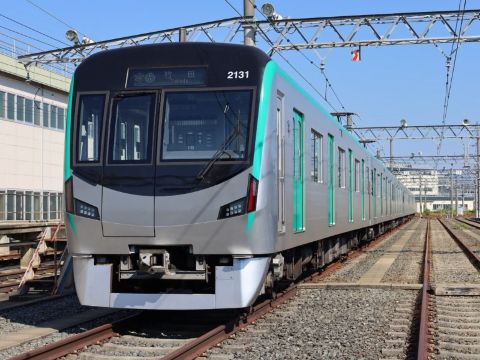
The Kyoto Metro runs reliably every day and connects key parts of the city, making it useful for both sightseeing and commuting.
Service | Operating Time |
First Train | Around 5:30 AM |
Last Train | Around 11:30 PM – 12:00 AM |
Peak Hours | 7:00 AM – 9:00 AM, 5:30 PM – 7:30 PM |
Train Frequency | Every 4–6 minutes during peak hours, 6–10 minutes off-peak |
Note: Exact first and last train times may vary slightly depending on the line and station.
How to Buy Metro Tickets in Kyoto
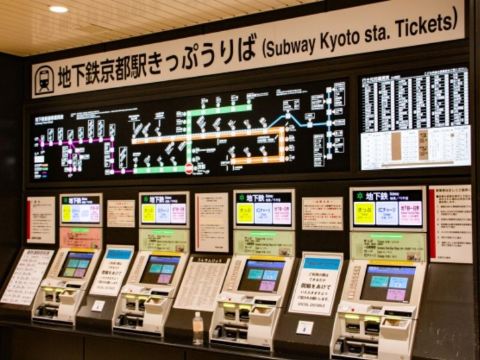
Getting around Kyoto by metro is simple, whether you’re visiting for a short trip or several days.
Single Ride Ticket (Best for 1–2 trips)
Good if: You are using the metro only a few times.
How to buy:
- Purchase from ticket machines at any Kyoto Metro station
- Select English on the screen
- Choose your destination or fare amount
Price range: ¥220 – ¥350 which is S$1.80 - S$2.90 (based on distance)
Things to know:
- Ticket is valid for one journey only
- Insert the ticket when entering and collect it at the exit gate
ICOCA Card (Best for Multiple Days)
Good if: You plan to use metro, buses, or JR trains frequently.
Where to buy:
- Major metro stations like Kyoto Station
- Convenience stores (7-Eleven, Lawson, FamilyMart)
How it works:
- Top up with cash
- Tap in at entry gates and tap out when exiting
- Fare is deducted automatically
Why travellers prefer it:
- No need to buy tickets each time
- Works on metro, buses, JR lines, and shops
- Can be reused in other cities across Japan
Kyoto Subway Day Pass (Optional)
Good if: You plan to use the metro many times in one day.
What it includes: Unlimited Kyoto Metro rides for 1 day
Where to buy:
- Kyoto Metro stations
- Tourist information centres
Note: This pass is only worth it if you use the metro several times. Many Kyoto attractions still require buses.
Flights to Osaka

Main Kyoto Metro Lines Most Tourists Use
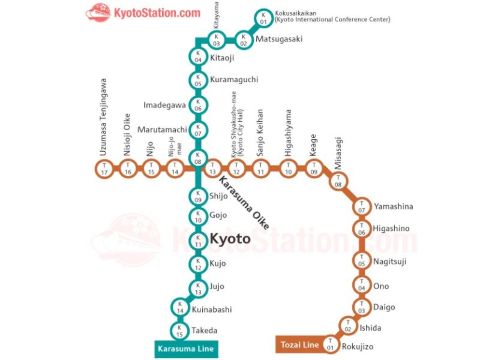
Kyoto’s metro system is smaller than Tokyo or Osaka, but two lines cover many important areas for visitors.
Metro Line | Key Station | Nearby Attractions |
Karasuma Line | Kyoto Station | Kyoto Tower – City views from the observation deck Kyoto Station Building – Shopping, dining, sky garden Higashi Hongan-ji – Large historic Buddhist temple |
Shijo | Nishiki Market – Famous food street and local snacks Shijo-Kawaramachi – Main shopping area Teramachi Street – Covered arcade with souvenirs | |
Karasuma Oike | Kyoto International Manga Museum – Manga exhibitions & reading Nijo Castle – UNESCO-listed shogun residence Downtown Kyoto – Cafes, shops, business district | |
Kitaoji | Kyoto Botanical Garden – Seasonal flowers and greenhouses Daitoku-ji – Zen temple complex Kitaoji Bus Terminal – Easy bus connections | |
Tozai Line | Sanjo Keihan | Gion – Traditional geisha district Pontocho Alley – Riverside dining street Kamo River – Popular walking and sunset spot |
Higashiyama | Yasaka Shrine – Iconic shrine in eastern Kyoto Maruyama Park – Cherry blossom viewing spot Historic Streets – Preserved old-town atmosphere | |
Nijojo-mae | Nijo Castle – Tokugawa shogun residence Kyoto Imperial Palace – Former emperor’s home Horikawa Street – Local restaurants and cafes | |
Rokujizo | Daigo-ji Temple – UNESCO World Heritage site Fushimi Area – Sake breweries and old streets Suburban Kyoto – Quieter neighbourhoods |
💡 Pro Tip: Kyoto travel often combines metro + bus. An ICOCA card gives you the most flexibility and saves time at ticket machines.
Helpful Tips for First Time Metro Users
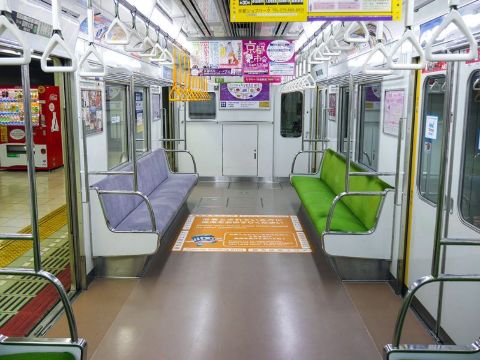
1. Download an offline Kyoto transport map
Kyoto often requires combining metro and buses, so having an offline map is very useful.
2. Use exit numbers to save walking time
Large stations like Kyoto Station and Karasuma Oike Station have many exits. Choosing the right one matters.
3. Avoid rush hours if possible
Morning and evening rush hours can be crowded, especially with local commuters.
4. Stand on the correct side of escalators
In Kyoto (and Kansai region), stand on the right and walk on the left.
5. Keep your ICOCA card ready
Have your card in hand before reaching the ticket gate to avoid delays.
6. Follow English signs and station maps
Station signs, line colours, and directions are clearly marked in English.
7. Check last train times carefully
Kyoto’s metro stops earlier than some big cities. Missing the last train usually means taking a taxi.
Preffered Hotels in Kyoto
 NO.1
NO.1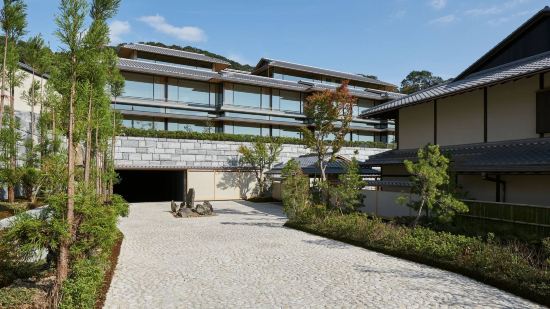

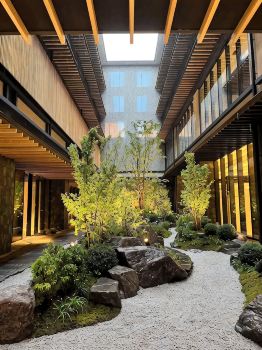
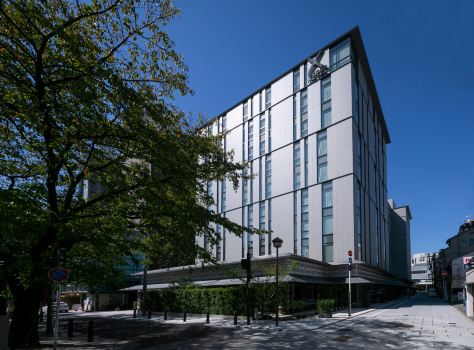
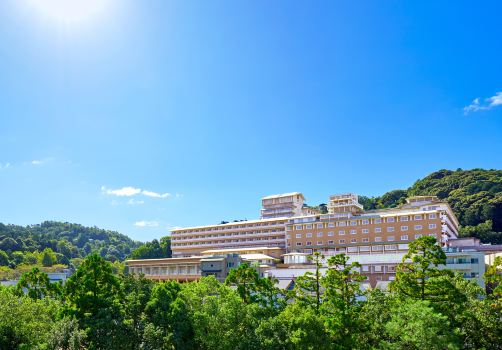
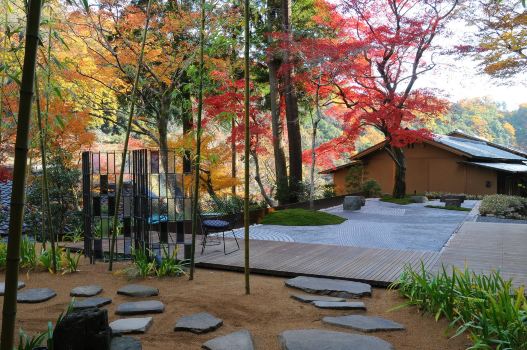
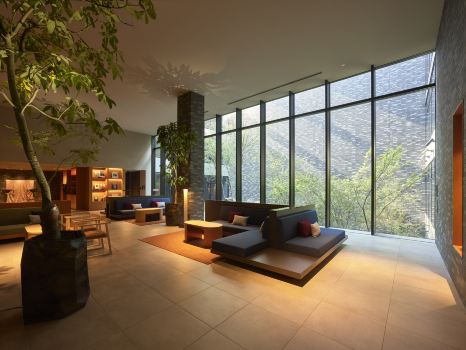
Top Hotels Near Kyoto Metro Stations
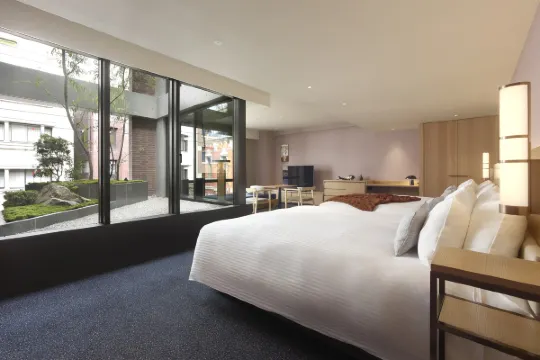
Staying near a metro station makes moving around Kyoto much easier, especially when travelling with luggage or during peak seasons.
Hotel Name | Nearest Metro Station | Approx Walking Distance | Why It’s a Good Choice |
Kyoto Station | 1 min walk | Best transport access, varied breakfast, near Kyoto Tower | |
Kyoto Shiyakusho-mae | 3 min walk | Central, spacious rooms, wake-up call service | |
Shijo Station | 4 min walk | Affordable, great location, luggage storage available | |
Karasuma Oike | 5 min walk | Comfortable, scenic views, delicious breakfast | |
Kyoto Station | 5 min walk | Budget-friendly, convenient, near Higashi Hongan-ji Temple |
These hotels are ideal for travelers who want quick metro access, comfortable stays, and easy connections to buses and JR lines.
Getting Around with Kyoto Metro
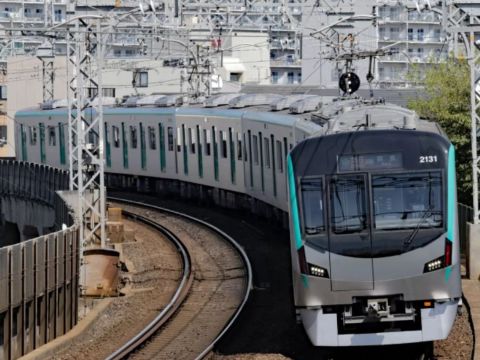
The Kyoto Metro may be smaller than other Japanese cities, but it is clean, efficient, and easy to use.
With clear English signage, simple routes, and good connections to major areas, it helps first-time visitors move around Kyoto with confidence.
Combine the metro with buses, use an ICOCA card, and you’ll be able to explore Kyoto smoothly while saving time and effort.
![[Can be departed from Kyoto or Osaka] A day trip to Amanohashidate in Kyoto, Chion-ji Temple, and Ine Funaya.](https://ak-d.tripcdn.com/images/0350s12000sbchqup02A9_C_568_320.jpg)
![[Guaranteed Departure] Kyoto Fushimi Inari Taisha + Arashiyama + Kinkaku-ji + Nara Park 1-day Tour](https://ak-d.tripcdn.com/images/0353t12000trzoqyaBE96_C_568_320.png)
FAQs – Kyoto Metro
-
What is the best ticket option for tourists in Kyoto?
-
Is the Kyoto Metro easy for first-time visitors?
-
Are Kyoto Metro stations luggage-friendly?
-
Is there free Wi-Fi in Kyoto Metro stations?
-
Should I choose the metro or bus in Kyoto?
Find Cheap Travel Deals & Explore Destinations on Trip.com
-
Popular Content
-
Popular Hotels
-
Popular Things to Do
-
Featured guides
-
Trip.com links
- GOOD NATURE HOTEL KYOTO
- Hotel Keihan Kyoto Grande
- Mitsui Garden Hotel Kyoto Shijo
- RIHGA Gran Kyoto
- Hotel Granvia Kyoto
- Hotel Forza Kyoto Shijo Kawaramachi
- Kyoto Century Hotel
- RIHGA Royal Hotel Kyoto
- Miyako Hotel Kyoto Hachijo
- HOTEL ELCIENT KYOTO HACHIJOGUCHI
- Hotel Vischio Kyoto by GRANVIA
- Tennen Onsen Renka no Yu Onyado Nono Kyoto Shichijo
- Richmond Hotel Premier Kyoto Shijo
- VIA INN PRIME KYOTOEKI HACHIJOGUCHI JR-West Group
- Miyako City Kintetsu Kyoto Station
- Kyoto Umekoji Kadensho
- Hotel Keihan Kyoto Ekiminami
- Ala Hotel Kyoto
- Ref Kyoto Hachijoguchi by Vessel Hotels
- The Royal Park Hotel Kyoto Umekoji
- Kyoto Airport Services
- Kyoto SIM Card
- Kyoto Shopping Discounts
- Kyoto Connectivity Solutions
- Kyoto City Pass
- Kyoto Pocket Wifi Router
- Kyoto Boat Tickets
- Kyoto Driving Experience
- Kyoto JR Pass
- Kyoto Classes
- JR HARUKA Kansai Airport limited express ticket discount package
- Kyoto Ghost Tour: Dark Tales, Legends, Bamboo Forest Night
- Cultural pilgrimage in Kyoto: Kinkaku-ji + Fushimi Inari Taisha, a 1-day tour of ancient charm
- 1-day tour to Kyoto, Nara and Uji | Nara Park, Byodoin Temple, Fushimi Inari and Tōdai-ji
- Kyoto: Private Calligraphy & Matcha in a Designer's Studio
- China Power Bank Limit
- Trip.com Customer Service
- train to kl from singapore
- Shanghai Metro
- China Entry Requirements
- China Train Map
- train from singapore to jb
- Renew Autopass Singapore
- Thailand Plug
- universal studios singapore tickets
- Vietnam Arrival Card
- Singapore Malaysia Cross Border Taxi
- 泰国插头
- What to Buy in Shenzhen
- China Plug
- Big Transport from Tokyo to Fukuoka
- Frankfurt Airport to City
- Bangkok to Pattaya
- Trip.com Promo Code
- Trip.com Flight Deals
- Trip.com Credit Card Promotions
- How to Book Cheap Hotels
- How to Book Cheap Flights
- Trip.com Member Rewards
- Trip Weekly Hotel Sales
- Online Hotel Booking
- Online Flight Booking
- Trip.com Travel Guide
- Book China Train Tickets
- Trip.com Seat Selection
- Singapore Public Holidays 2027
- Trip.com 优惠码
- Trip.com Travel Guides
- Trip.com 10.10 Mega Sale