Best Time to Visit Delhi: Weather, Seasons, Budget Tips, and Top Sightseeing Times.


Delhi is a city of history, culture, and contrasts, where the seasons dramatically change how the city feels. From foggy winters to scorching summers and a brief but refreshing monsoon, the weather plays a major role in how comfortably you can explore its monuments, markets, and streets.
Unlike Singapore’s year-round tropical climate, Delhi experiences distinct seasons. Knowing the best time to visit Delhi helps you avoid extreme heat, plan sightseeing comfortably, and enjoy the city at its best.
When Is the Best Time to Visit Delhi?
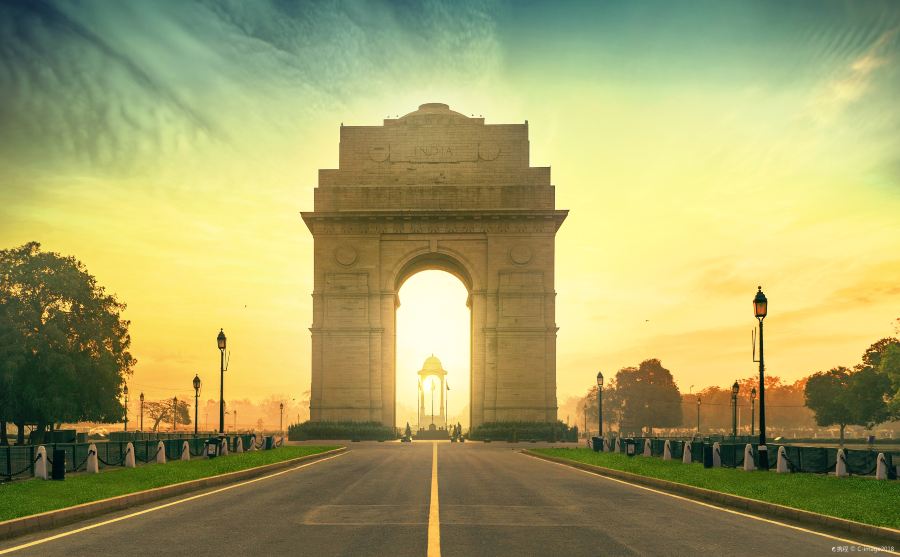
The best time to visit Delhi is from October to March, when temperatures are cooler and more pleasant, ranging between 10°C and 25°C. These months are ideal for sightseeing, walking through heritage sites, and exploring outdoor markets without the intense heat.
This period also coincides with major festivals, cultural events, and clearer skies, making it the most popular and enjoyable time to visit.
Weather & Seasons in Delhi
Delhi experiences clear seasonal changes, and each season offers a very different travel experience. From pleasant winters to intense summers and refreshing monsoon rains, knowing what to expect will help you plan your trip comfortably and make the most of your time in the city.
Spring (February – March)
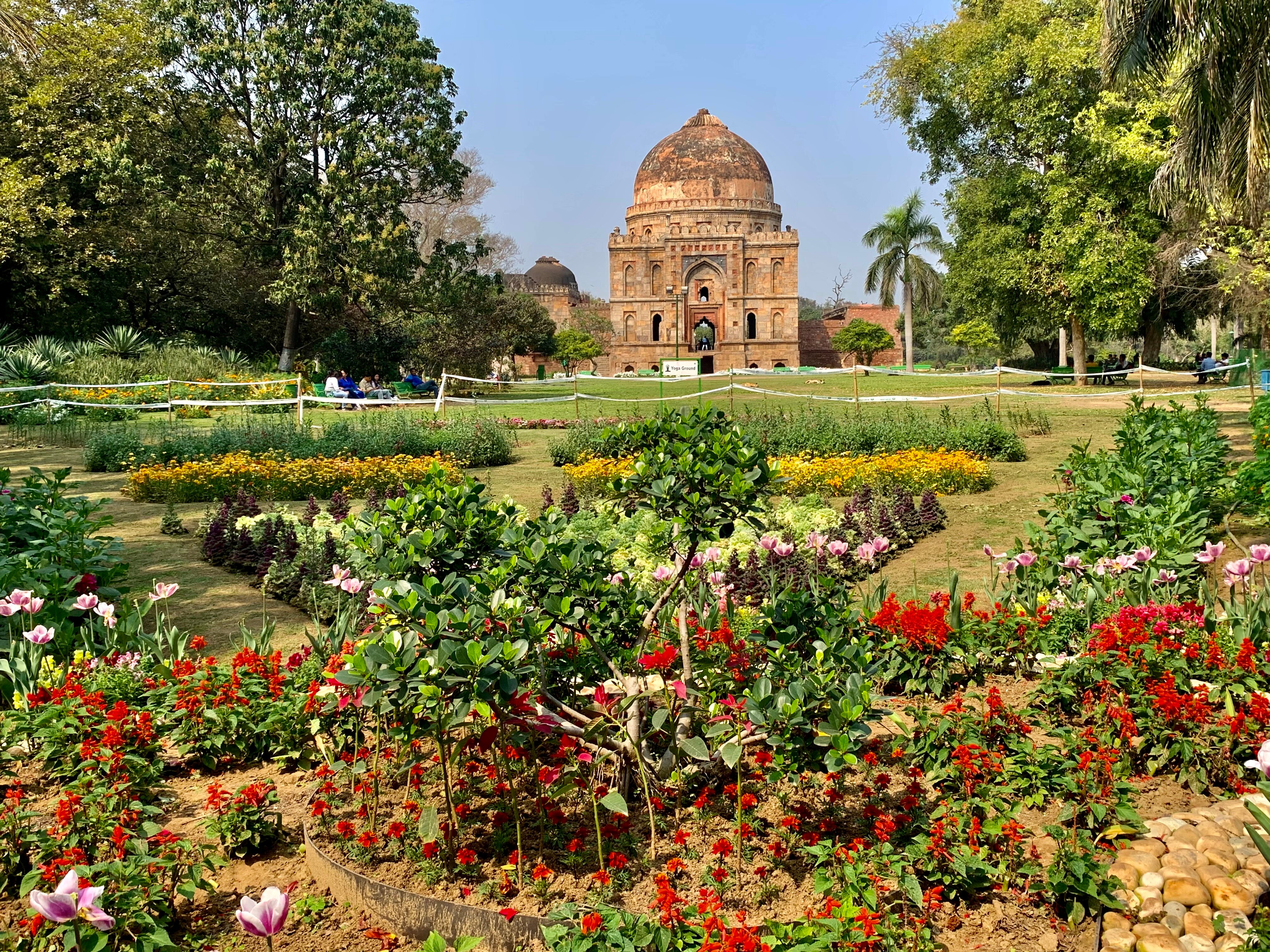
Spring is one of the best times to visit Delhi. Temperatures range from 15°C to 25°C, and the city feels fresh, sunny, and comfortable for sightseeing.
What to Wear
- Light layers for day and evening
- Comfortable walking shoes
- Sunglasses for sunny afternoons
Best Things to Do
- Walk through Lodhi Gardens or India Gate lawns
- Explore heritage sites like Humayun’s Tomb and Qutb Minar
- Visit local markets such as Khan Market or Dilli Haat
💡 Tip: Spring days are warm but evenings can still be cool, so keep a light jacket handy.
Summer (April – June)
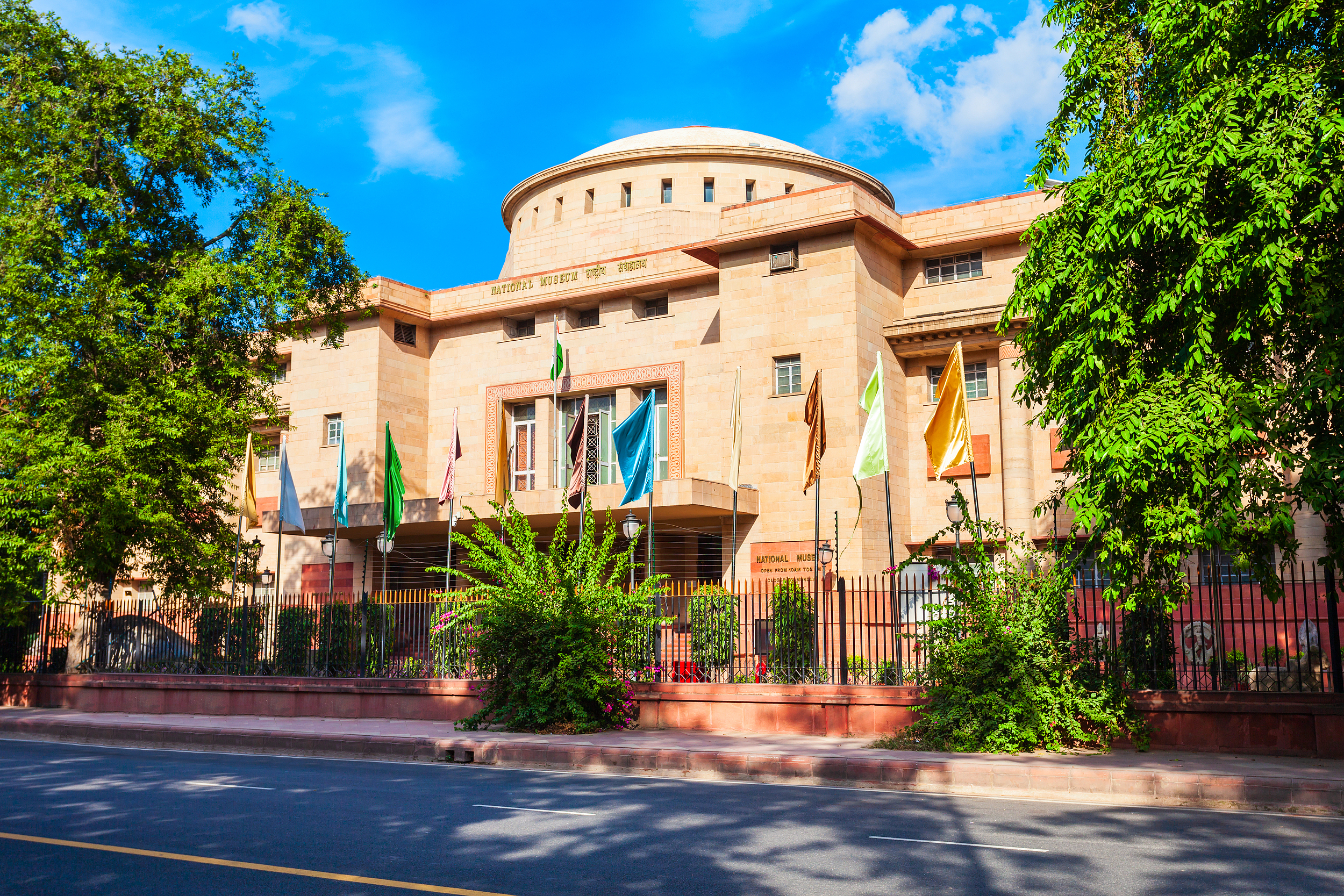
Summer in Delhi is hot and dry, with temperatures often exceeding 40°C. Outdoor sightseeing can be challenging during the day.
What to Wear
- Loose, breathable cotton clothing
- Hat, sunglasses, and sunscreen
- Comfortable sandals or airy footwear
Best Things to Do
- Sightsee early in the morning or after sunset
- Focus on indoor attractions like museums such as National Museums and shopping malls
- Take short trips to nearby hill stations for cooler weather
💡 Tip: Avoid outdoor sightseeing between noon and 4 PM to escape the extreme heat.
Monsoon (July – September)
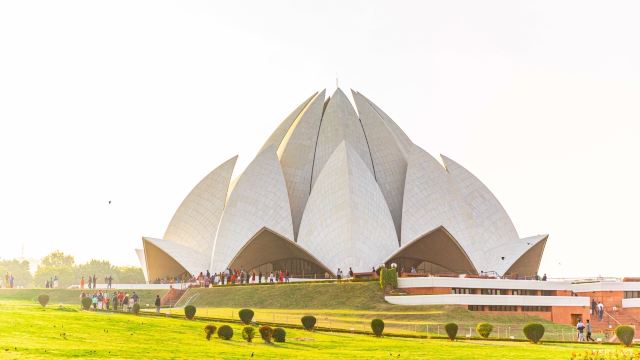
Monsoon brings relief from the heat, along with humidity and occasional heavy rainfall. Temperatures usually stay between 25°C and 35°C.
What to Wear
- Lightweight clothing with quick-dry fabric
- Carry an umbrella or light rain jacket
- Waterproof or slip-resistant footwear
Best Things to Do
- Enjoy greener city landscapes and fewer crowds
- Visit cultural landmarks like Lotus Temple during lighter rain hours
- Try indoor cafes and museums when showers are heavy
💡 Tip: Traffic can slow down during heavy rain, so plan flexible sightseeing days.
Winter (December – January)
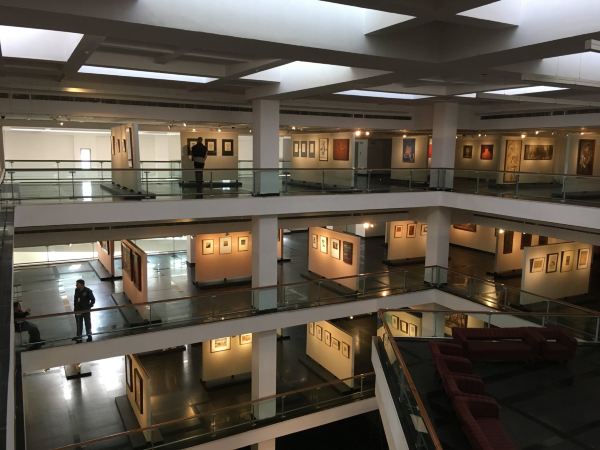
Winter is cool and comfortable, making it one of the most popular seasons to visit Delhi. Temperatures range from 7°C to 20°C, with foggy mornings common.
What to Wear
- Warm layers, jackets, and scarves
- Closed shoes for walking
- Extra layers for early mornings and nights
Best Things to Do
- Explore outdoor landmarks comfortably without heat fatigue
- Enjoy Delhi’s famous winter street food
- Visit museums, art galleries, and cultural attractions
💡 Tip: Morning fog can affect visibility and travel plans, so plan sightseeing slightly later in the day.
Best Time to Visit Delhi (Month by Month)
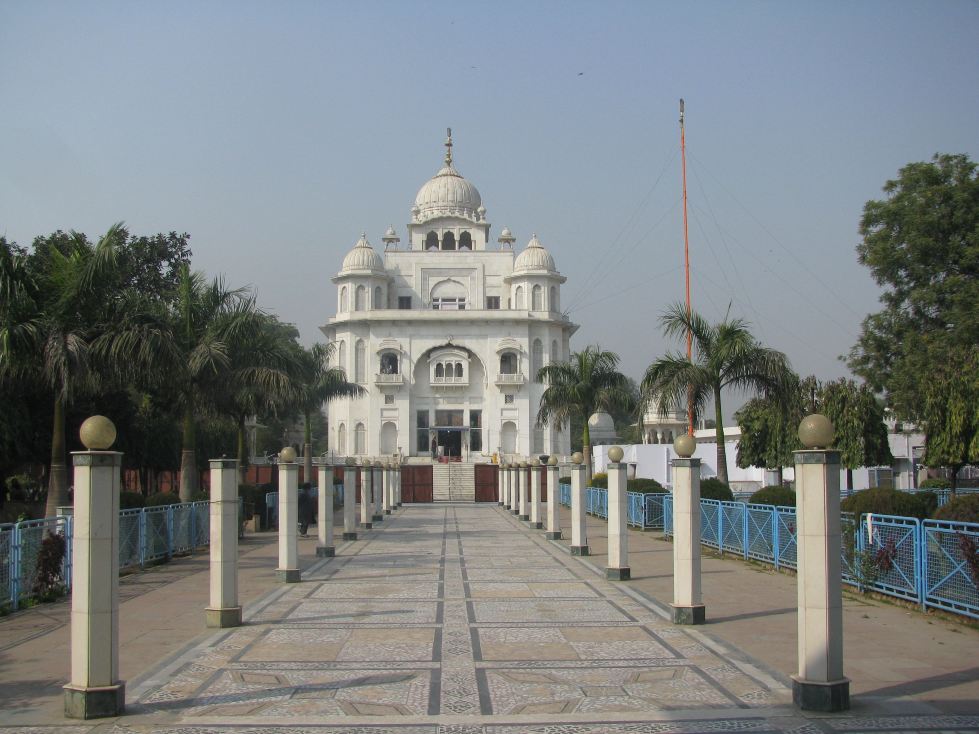
Here’s a month-by-month breakdown to help you plan the best time to visit Delhi based on weather, festivals, and overall travel comfort.
Month | Temperature (°C / °F) | Rainfall | Travel Highlights |
January | 7°C to 20°C (45°F to 68°F) | Low | Cool and pleasant during the day, with chilly and foggy mornings. Ideal for sightseeing at India Gate, Red Fort, and Humayun’s Tomb. |
February | 10°C to 23°C (50°F to 73°F) | Low | Mild and comfortable weather. A great time to explore markets, heritage sites, and outdoor attractions without crowds. |
March | 15°C to 28°C (59°F to 82°F) | Low | Spring brings warmer days and blooming gardens. Holi celebrations add colour and energy across the city. |
April | 20°C to 35°C (68°F to 95°F) | Very Low | Summer begins with rising temperatures. Sightseeing is best done early morning or evening. |
May | 25°C to 40°C (77°F to 104°F) | Very Low | One of the hottest months. Outdoor activities can be exhausting, but hotel prices are often lower. |
June | 28°C to 42°C (82°F to 108°F) | Low | Extremely hot and dry. Best for short visits or indoor attractions like museums and malls. |
July | 26°C to 38°C (79°F to 100°F) | High | Monsoon season starts, bringing rain and humidity. The city looks greener, but traffic delays are common. |
August | 25°C to 35°C (77°F to 95°F) | High | Continued monsoon rains with occasional heavy showers. Fewer tourists and lush surroundings. |
September | 24°C to 34°C (75°F to 93°F) | Moderate | Monsoon eases. Weather improves with less rain, making sightseeing more comfortable again. |
October | 20°C to 33°C (68°F to 91°F) | Low | One of the best months to visit Delhi. Pleasant weather, clear skies, and festive vibes with Navratri and Diwali. |
November | 15°C to 28°C (59°F to 82°F) | Low | Cool and dry with excellent travel conditions. Ideal for walking tours and exploring historical landmarks. |
December | 8°C to 22°C (46°F to 72°F) | Low | Winter sets in with cool days and cold nights. Christmas and year-end events add a festive atmosphere. |
Peak, Shoulder & Off‑Peak Seasons in Delhi
Peak Season to Visit Delhi: October to March
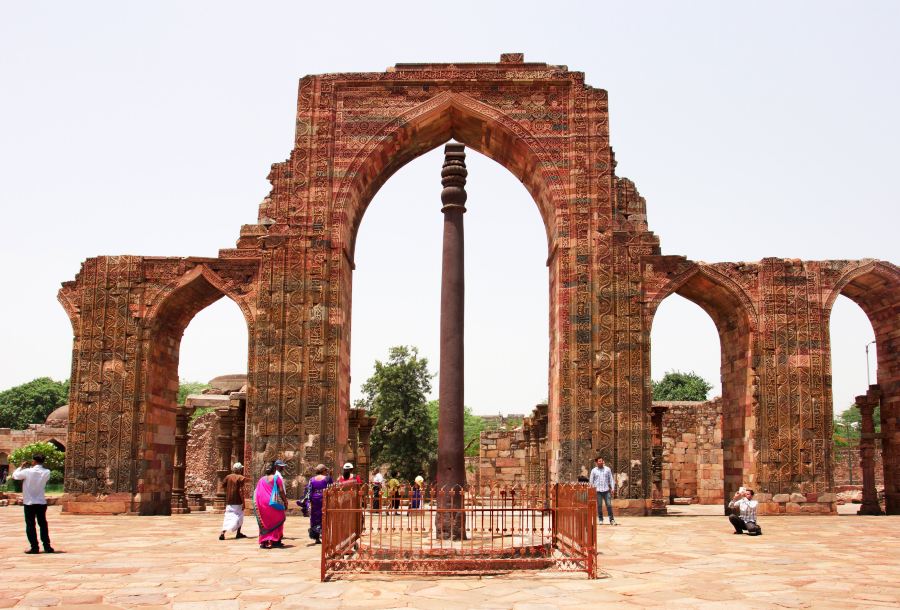
This is Delhi’s most popular travel period, with cool to mild temperatures ranging from 10°C to 25°C. The city is at its best for sightseeing, cultural festivals, and outdoor activities.
Major attractions, gardens, and markets are lively, and festival celebrations such as Diwali and Republic Day add extra vibrancy.
Crowds & Costs:
Expect larger crowds at popular sites like Red Fort, Humayun’s Tomb, and Qutb Minar. Hotels and flights are more expensive, and you may need to book restaurants, tours, and event tickets well in advance.
Pros:
- Comfortable weather for walking and sightseeing
- Ideal time for festivals, cultural events, and outdoor exploration
- Clear skies and photogenic cityscapes
Cons:
- Higher prices for flights and hotels
- Popular attractions can be busy, especially during festivals
✅ Smart Travel Hack: Plan visits early in the morning to avoid the busiest crowds, and book accommodations and tickets ahead of time.
Shoulder Season to Visit Delhi: July to September & April to May
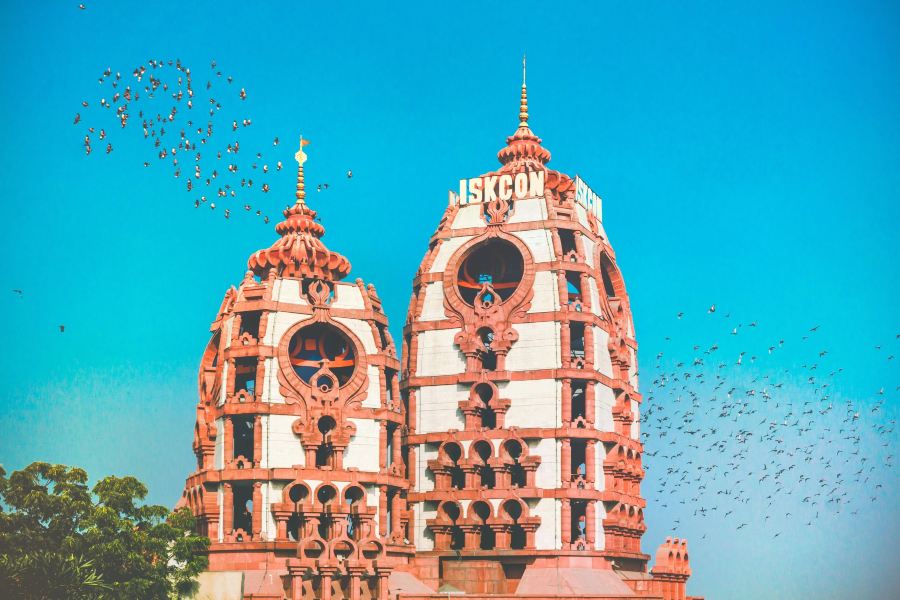
Shoulder months include the hot pre-monsoon summer (April–May) and the monsoon/post-monsoon period (July–September).
Temperatures range from 25°C to 35°C, with occasional rains in the monsoon. These months are less crowded, and hotel rates are more reasonable.
Crowds & Costs:
Moderate crowds at major attractions, lower hotel and flight prices compared to peak season. Some outdoor sites may be affected by heat or rain.
Pros:
- Fewer tourists, so easier access to popular landmarks
- More affordable accommodations and dining
- Opportunity to experience local life more authentically
Cons:
- Summer can be extremely hot, limiting midday sightseeing
- Monsoon rains may disrupt outdoor plans
✅ Smart Travel Hack: Carry light, breathable clothing in summer, and a rain jacket or umbrella during monsoon months.
Off-Peak Season to Visit Delhi: June

June is the off-peak season in Delhi due to the intense summer heat, with temperatures often exceeding 40°C. Tourist numbers drop significantly, making this the quietest time to explore the city.
Crowds & Costs:
Very few tourists, so attractions are practically empty. Flights and hotels are cheaper, but daytime sightseeing can be uncomfortable.
Pros:
- Lower prices on flights, hotels, and tours
- Minimal crowds at major monuments and markets
- Best time for indoor attractions, shopping malls, and cultural experiences in air-conditioned venues
Cons:
- Extreme heat makes outdoor activities challenging
- Limited options for outdoor sightseeing during peak daytime
✅ Smart Travel Hack: Schedule sightseeing for early mornings and evenings, and spend afternoons enjoying indoor attractions or cooling off at cafés and shopping centres.
Best Flight to Delhi

Best Time to Visit Delhi Based on Your Travel Style
Luxury Travellers Visiting Delhi
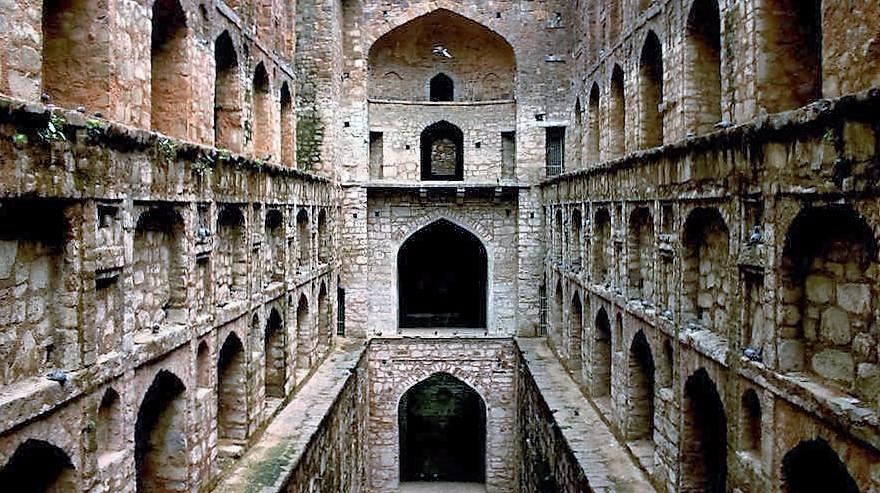
If you enjoy premium hotels, fine dining, and curated experiences, the best time to visit Delhi is October to March. The weather is cooler and more comfortable, making luxury sightseeing and outdoor experiences far more enjoyable.
Why it’s ideal:
- Comfortable Weather: Pleasant temperatures are perfect for private tours, rooftop dining, and heritage walks.
- Top-Tier Experiences: This is peak season for luxury hotels, cultural shows, and high-end shopping experiences.
💎 Luxury Tip: Book heritage hotels, fine-dining restaurants, and guided experiences early, as this period is popular among international travellers.
Sightseeing & Outdoor Enthusiasts Visiting Delhi
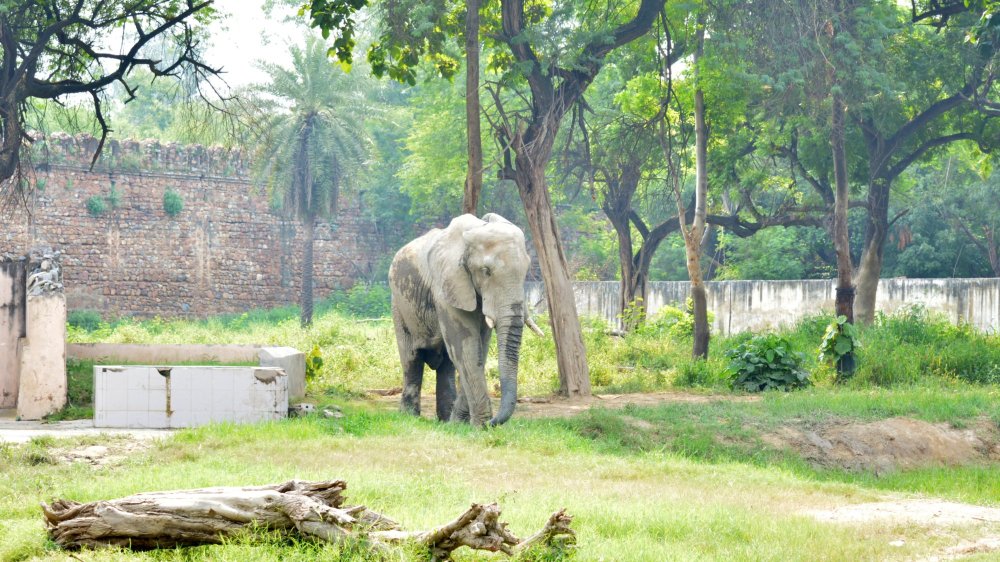
For travellers who love exploring landmarks, walking tours, and outdoor attractions, November to February is the best time to visit Delhi. The mild climate allows you to explore the city without extreme heat.
Why it’s ideal:
- Best Sightseeing Conditions: Cool days are perfect for visiting Red Fort, Qutub Minar, Humayun’s Tomb, and Lodhi Gardens.
- Outdoor-Friendly Climate: Ideal for cycling tours, photography, and street exploration without exhaustion.
🌤️ Outdoor Tip: Start your days early to avoid occasional winter fog and enjoy clearer skies for photos.
Cultural Travellers Visiting Delhi

If festivals, traditions, and local culture are your main interests, plan your trip between October and March. This period hosts some of Delhi’s most important cultural and religious events.
Why it’s ideal:
- Major Festivals: Experience Diwali, Christmas celebrations, Republic Day, and Holi preparations.
- Richer Cultural Scene: Museums, cultural centres, and heritage sites are more active with exhibitions and performances.
🎭 Cultural Tip: Check festival dates in advance and consider guided cultural tours to gain deeper insight into Delhi’s history and traditions.
Budget Travellers Visiting Delhi
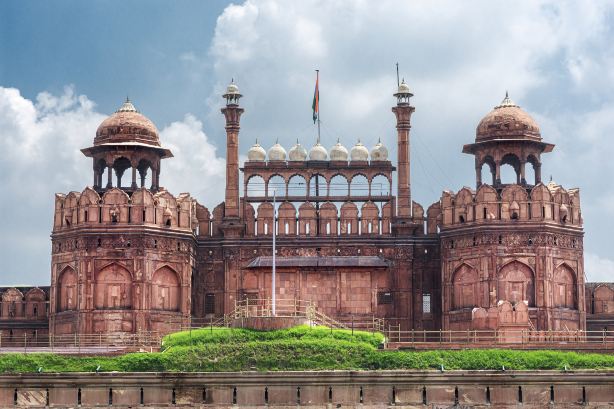
If you are travelling on a budget, the best time to visit Delhi is during the monsoon and post-monsoon months (July to September). Flights and hotel rates are generally cheaper, and attractions are less crowded compared to peak tourist seasons.
Why It’s Ideal:
- Lower Prices: Accommodation, flights, and tours are often more affordable during these months.
- Fewer Crowds: Popular attractions like Humayun’s Tomb, Red Fort, and Lodhi Gardens are less busy, making sightseeing more relaxed.
- Local Experiences: Street food, markets, and cultural events are easier to explore without large tourist crowds.
💰 Money-saving Tip: Use public transport like the Delhi Metro and buses to save on travel costs, and try affordable local guesthouses or hostels near Connaught Place or Paharganj.
Travel Tips for Your Delhi Trip
🏨 Booking
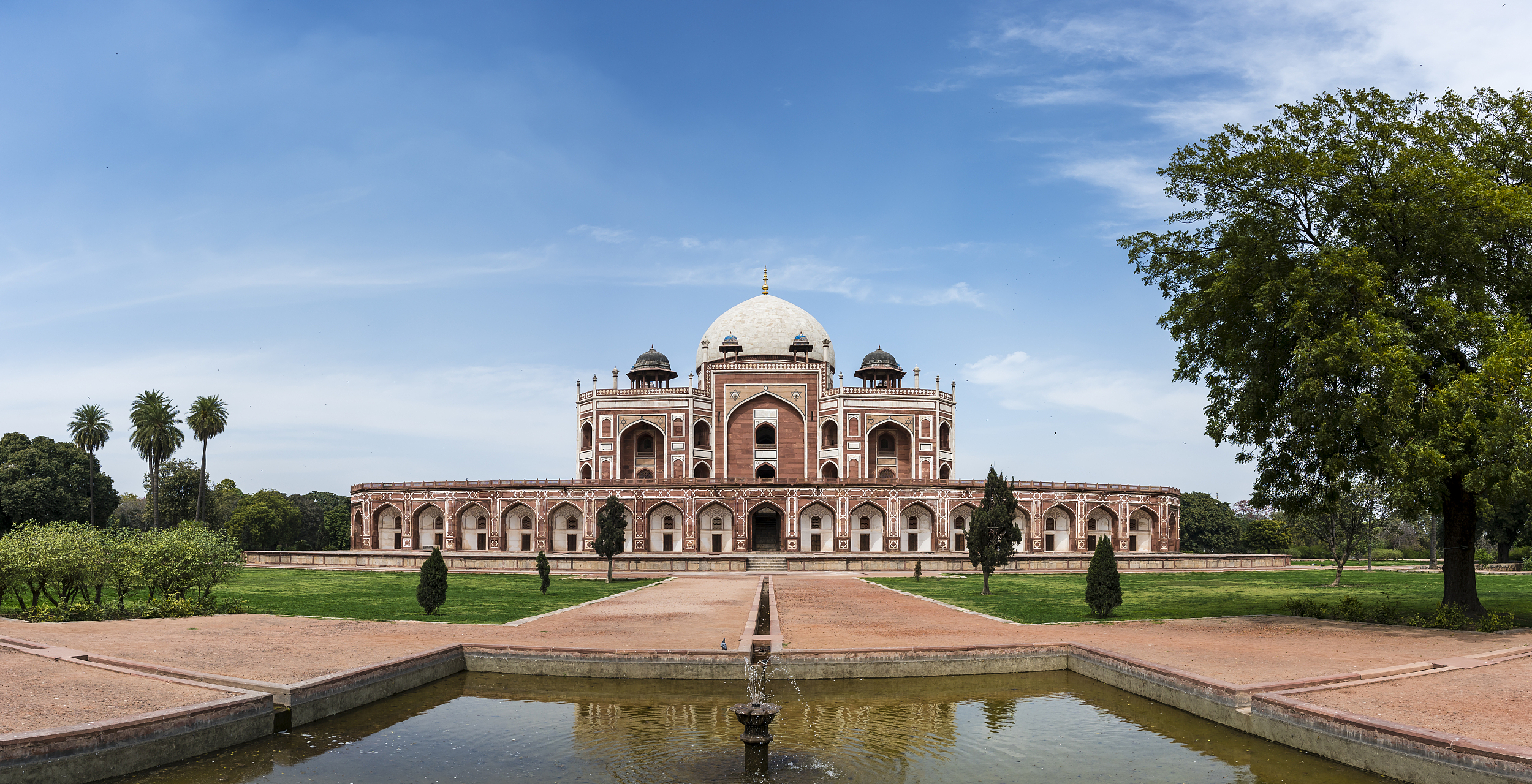
Hotels in Delhi can get expensive during peak tourist seasons like October to March, when the weather is pleasant and festivals such as Diwali and Republic Day attract visitors. To get better rates, book early. For a quieter stay, consider areas slightly outside central Delhi, such as South Delhi, Saket, or Lajpat Nagar, which still have good food, markets, and metro access.
📶 Connectivity
Pick up an Indian SIM card or eSIM on arrival. Mobile data is very useful for Google Maps, checking Delhi Metro routes, or making quick restaurant reservations. Free Wi-Fi is available in malls, hotels, and some cafes, but not everywhere, so having mobile data helps.
💰 Payments
Credit and debit cards are widely accepted across Delhi from malls to small restaurants and cafes. Most shops also support contactless payments, but it’s handy to carry a small amount of cash for street markets, auto-rickshaws, or smaller stalls.
FAQs for Best Time to Visit Delhi
-
What’s the best month to visit Delhi?
-
Does Delhi have extreme weather changes?
-
Is summer a good time to visit Delhi?
-
When are major festivals in Delhi?
Find Cheap Travel Deals & Explore Destinations on Trip.com
-
Popular Content
-
Popular Hotels
-
Popular Things to Do
-
Featured guides
-
Trip.com links
- Pullman New Delhi Aerocity- International Airport
- Novotel New Delhi Aerocity- International Airport
- The Metropolitan Hotel & Spa New Delhi
- Roseate House New Delhi
- Novotel New Delhi City Centre
- Shangri-La Eros, New Delhi
- The Leela Palace New Delhi
- Holiday Inn New Delhi International Airport
- Pride Plaza Hotel, Aerocity New Delhi
- The Lalit New Delhi
- Welcomhotel by ITC Hotels, Dwarka, New Delhi
- Ibis New Delhi Aerocity - An Accor Brand
- Aloft New Delhi Aerocity
- Lemon Tree Hotel, Delhi Airport
- ANDAZ DELHI, BY HYATT
- Hotel Urban Lion - Delhi Airport
- ITC Maurya, a Luxury Collection Hotel, New Delhi
- Taj Mahal, New Delhi
- The Connaught, New Delhi- Ihcl SeleQtions
- Radisson Blu Plaza Delhi
- New Delhi Local Tour Guides
- Water Activities in New Delhi
- New Delhi Day Tours
- New Delhi Walking Tours
- New Delhi Surfing
- Boat Experiences in New Delhi
- New Delhi Cultural Experience
- New Delhi Pocket Wifi Router
- New Delhi Photoshoot
- New Delhi Activities
- Delhi Full-Day Tour: Old & New Delhi with Red Fort, Humayun's Tomb & Rickshaw Ride
- One Day Delhi Tour with Car & Tour Guide
- From Delhi: Private Old & New Delhi Highlights Tour with Local Guide
- Private Old and New Delhi Tour: History, Culture & Modern Charm in One Day
- Chai Master Class - Savor Food in an Indian Family Home
- train to kl from singapore
- Shanghai Metro
- China Power Bank Limit
- Trip.com Customer Service
- mdac malaysia
- Renew Autopass Singapore
- train from singapore to jb
- Batam Arrival Card
- Vietnam Arrival Card
- Anywheel Singapore
- Touch n Go App
- universal studios singapore tickets
- Shenzhen Metro
- China Entry Requirements
- Thailand Plug
- Frankfurt Airport to City
- Osaka Station to Kyoto Station
- Bangkok to Pattaya
- Trip.com Promo Code
- Trip.com Flight Deals
- Trip.com Credit Card Promotions
- How to Book Cheap Hotels
- How to Book Cheap Flights
- Trip.com Member Rewards
- Trip Weekly Hotel Sales
- Online Hotel Booking
- Online Flight Booking
- Trip.com Travel Guide
- Book China Train Tickets
- Trip.com Seat Selection
- Singapore Public Holidays 2027
- Trip.com 优惠码
- Trip.com Travel Guides
- Trip.com 8.8 Sale