🔥Save More with Up to 5% OFF
Use our promo code to enjoy up to 5% OFF (up to S$3) on your attraction tickets, tours and eSIMs! Only for new users!



Navigating Chongqing, China’s "Mountain City," requires a solid plan. Whether you are arriving at Jiangbei International Airport or taking the famous "through-the-building" metro, this Chongqing transport guide covers the best ways to get around Chongqing.

Touching down at Chongqing Jiangbei International Airport (CKG), I wasn’t sure what to expect—Chongqing’s known for its hilly terrain and layered roads, so I braced myself for a tricky journey. But surprise! Getting into the city turned out to be way easier than I thought.
🚇 Metro Line 10 connects directly to the airport. It’s clean, affordable, and runs frequently.
If you’ve got luggage or are arriving late, taxis or Didi work well too. A cab to downtown areas like Jiefangbei or Shapingba usually takes 40–50 minutes and costs about ¥80–120 (S$15–22). There are airport shuttle buses running to major districts like Nanping, Shapingba, and Chongqing North Railway Station.
If you're catching a high-speed train soon after arrival, there are good links between the airport and Chongqing North Station—just check the metro or bus options.

Source: Wikipedia
Chongqing’s lines often go underground and over bridges, giving you some cool river views as you ride. Chongqing’s metro network is still growing, but already covers lots of key spots with 12 lines running through the city.
Chongqing Metro | |
First trains | Around 6:30am |
Last trains | Around 11:00pm |
Frequency | Every 3–7 mins during peak |
Fares start from about ¥2 and can go up to around ¥10 (roughly S$0.36–1.80) depending on how far you go.
Payment options:
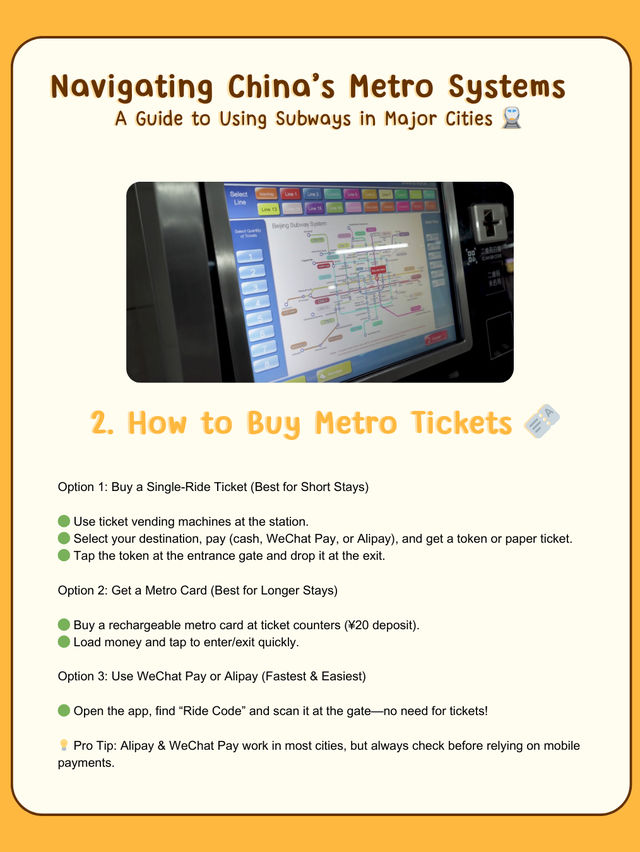
Source: Every day journey from Trip Moments
Here are a few major stations you’ll likely pass through.
Use our promo code to enjoy up to 5% OFF (up to S$3) on your attraction tickets, tours and eSIMs! Only for new users!
Get China eSIM Now

Source: Wikipedia
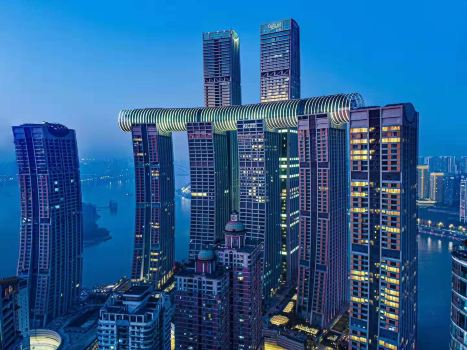
When I first rode Chongqing’s monorail, I was wowed by how smoothly it glides above the city’s hilly terrain and rivers.
Unlike typical subways, the monorail offers some amazing views—especially crossing over the Yangtze and Jialing Rivers. It’s a must-try for anyone visiting Chongqing because it’s not just transport, it’s a bit of an adventure on rails!
Chongqing’s monorail system is modern, efficient, and fits perfectly with the city’s unique mountainous layout. It feels like a mix of a metro and a scenic ride, which you won’t find in many other Chinese cities.
Monorail | |
First trains | Around 6:30am |
Last trains | Around 11:00pm |
Frequency | Every 3–6 minutes |
Tickets are wallet-friendly, typically costing ¥2–8 (about S$0.40–1.60) depending on your travel distance.
You can pay by Chongqing Transportation Card, mobile payments like WeChat Pay and Alipay, or buy Single-ride tickets at stations.
Grab Cheap Flights to Chongqing Now

Source: Wikipedia
If you want to dive deep into Chongqing’s everyday vibe, buses are your go-to. They’re cheap, plentiful, and take you to spots the metro can’t reach—think winding mountain roads, riverside neighborhoods, and bustling local markets. Fares usually hover around ¥2 or less (about S$0.40).
Just a heads-up: the city’s famous hills mean some bus routes are quite steep and winding, so hold on tight—and maybe grab a window seat for those stunning river valley views!
Chongqing Bus | |
Operating hours | Most about 6:00am–10:00pm |
Frequency | Every 5–15 minutes, depending on the route |
Night buses operate on some main routes but expect fewer services late at night.
The Yikatong card (一卡通) is your best friend—it works across buses, metro, and even some ferries. Just tap in when you board and tap out when you get off if required.
WeChat Pay and Alipay QR codes are also widely accepted, making payment smooth and cash-free.
Cash is still accepted but you’ll need exact change (usually ¥1 or ¥2) and it’s less common now.
Discover the world with Trip.com! Book the perfect hotel anywhere in the world and get an unbeatable 10% discount if you're a first-time user! Download our app now and start planning your next trip with ease.

Source: Wikipedia
Getting a taxi in Chongqing is generally easy, especially around busy spots like Jiefangbei, Hongyadong, or the major train stations. Most taxis here are yellow with meters, and they’re regulated by the city—so it’s pretty safe. Just watch out for unlicensed cars offering rides, especially near tourist areas.
Ride-hailing apps have become the go-to for many locals—just like Grab back home. They’re faster, you get upfront prices, and you won’t need to struggle explaining your destination in Mandarin.
Didi Chuxing (滴滴出行) dominates the scene and works well with international credit cards. The app has some English features, but a bit of patience might be needed if the translation is quirky. Other apps like Meituan Dache (美团打车) also exist but are mostly in Chinese.
Here’s a quick sense of the prices:
Didi payments are cashless, done through the app with credit card, WeChat Pay, or Alipay. Street taxis mostly accept mobile payments now. Always check that the meter is on before you start your ride.

The Yangtze River Cableway is one of Chongqing’s most iconic ways to cross the river — and it’s also a fantastic sightseeing experience. Unlike regular bridges or ferries, this cable car gives you a bird’s-eye view of Chongqing’s unique skyline, the winding Yangtze River, and the city’s hilly landscape.
Yangtze River Cableway | |
Operating Hours | Mar -Nov 2026: 08:00-22:00 Dec 2026-Feb 2027: 08:00-21:00 Public Holidays: 07:30-22:30 |
Ride Duration | 3-5 minutes |
Tickets cost about ¥20 (roughly S$3.58) for a one-way trip and ¥30 (about S$5.37) for a round-trip.
Crosses between the downtown Yuzhong District (near Jiefangbei) and Nan’an District. Both stations are easy to reach by subway or bus.

Source: Wikipedia
Bike-sharing is super popular in Chongqing and honestly, it’s one of the easiest ways to get around, especially when you want to explore some of the city’s winding streets or make a quick trip from the subway to your destination.
Chongqing doesn’t have motorbike taxis like some Southeast Asian cities, but you’ll find plenty of regular and electric bikes that are perfect for short rides or just cruising around the neighborhoods.
Just look around metro exits, busy shopping areas, or residential zones—you’ll spot plenty parked nearby. The system is dockless, so you can pick up and drop off bikes at many convenient spots across the city.
The most common bike-sharing brands here are:
You’ll need the Hello Bike or Meituan app, or access through Alipay/WeChat.
Most rides cost ¥1–2 (S$0.20–0.40) for every 15 minutes.

You might not immediately think of ferries when visiting Chongqing, but crossing the mighty Yangtze River by ferry is actually a classic local experience—and a handy way to get between the city’s riverside districts.
Unlike coastal cities, Chongqing’s ferries aren’t for sightseeing cruises but mainly serve as practical transport across the rivers that split the city’s hilly terrain.
Key ferry routes cross the Yangtze and Jialing Rivers, linking areas like:
These ferries are mainly for locals but are a great way for visitors to experience the river traffic and get unique city views.
Ferries usually operate from early morning (around 6:30am) till late evening (around 9pm), with frequent departures every 10-20 minutes depending on the route.
Tickets are cheap and bought at the terminal counters; no apps are needed.
Fares are super affordable, typically between ¥2 to ¥5 (about S$0.40–0.80), making them a budget-friendly way to cross the rivers.

Driving in Chongqing’s city center? Brace yourself—it’s quite an experience! The city is famous for its steep hills, winding roads, and those crazy tunnels and bridges everywhere. Traffic jams are common, especially on narrow streets and during rush hour. Parking is limited and often pricey in busy areas, so driving downtown can be stressful if you’re not used to it.
If you’re planning to explore the outskirts—like the Dazu Rock Carvings, Wulong Karst, or the beautiful Yangtze River areas—renting a car can be a smart choice. It gives you the freedom to stop wherever you want and enjoy the stunning landscapes at your own pace.
You can find plenty of rental counters at Chongqing Jiangbei International Airport and major train stations. Online booking platforms like Trip.com.
Your Singapore driving license alone won’t cut it here. You must apply for a temporary Chinese driving permit before you get behind the wheel. The usual requirements include:
Make sure to arrange this ahead of time so you’re ready on arrival.
Daily rental fees start around ¥200–350 (about S$36–63) for economy or compact cars.
A deposit of around ¥3,000 (S$540) is usually required.
Fuel costs are on you, and tolls on highways and bridges can add up—Chongqing has many expressways crossing rivers and mountains.
Parking fees vary but expect around ¥10–20/hour (S$1.80–3.60) in popular spots, with limited availability.
Whether you're planning a road trip, a business journey, or just need a reliable ride, now is the perfect time to save. Use the coupon to enjoy this exclusive offer. Rent a car today and hit the road with extra savings!

Is Chongqing walkable? Yes and no—it’s a city full of hills, steep stairs, and winding alleys, so walking here is definitely an adventure! The unique terrain and dramatic river views make every stroll exciting but sometimes challenging.
If you’re staying near downtown areas like Jiefangbei, Ciqikou Old Town, or around Hongya Cave, you can explore many highlights on foot. Just be ready for some uphill climbs and lots of steps—comfortable shoes are a must!
Chongqing is famous for its hot and humid summers—prepare for sticky weather and afternoon rain showers. Winters are mild but can feel damp and chilly due to the city’s fog and drizzle. Spring and autumn are your best bet for comfortable walking weather, with less heat and haze.

Source: CNN official
China’s high-speed trains are super fast and reliable, reaching speeds up to 350 km/h. They make long-distance travel quick and convenient, often cutting your travel time by hours.
The trains are modern and clean, offering different seating options from standard to business class. Booking tickets online is straightforward, with platforms like Trip.com making it easy.
Plus, major stations have English signs, so getting around is hassle-free. Taking the high-speed rail is often a smarter choice than flying for many routes.
As a special treat, Trip.com is offering a 3% discount on your first train ticket booking. Simply claim your coupon and enjoy a seamless travel experience.
Getting around Chongqing is part of the fun—whether you’re riding the monorail through hilly neighborhoods, grabbing a taxi near Jiefangbei, or walking along the Yangtze River waterfront.
Persona | Best Transport Options |
First-time visitors | Monorail + Taxi or Didi |
Families | Monorail + Private Transfers or Taxis |
Budget travelers | Monorail + Buses + Walking |
Solo explorers | Monorail + Walking + Shared Bikes |
Late-night arrivals | Didi from airport or airport shuttle buses |
Combine these transport options to suit your plans—take the monorail to cover long distances quickly, use taxis or Didi for door-to-door convenience, and explore on foot or by bike to really feel the city’s vibe. Don’t forget to get mobile data sorted in advance—it makes navigation and ride-hailing way easier.
Want more tips? We’ve got you covered with guides on getting to and from the airport, renting a car, the best neighborhoods to stay in Chongqing, and must-see spots around town!
 1011736 booked