🔥Save More with Up to 5% OFF
Use our promo code to enjoy up to 5% OFF (up to S$3) on your attraction tickets, tours and eSIMs! Only for new users!

Ho Chi Minh City is one of Vietnam's most exciting destinations, known for its lively street markets, historic landmarks, delicious street food and bustling city streets. From the famous Ben Thanh Market to the charming cafés of Thao Dien, there is plenty to discover across the city.
For Singaporean travellers, Ho Chi Minh City is a great destination for a short getaway, offering a mix of sightseeing, shopping, food and cultural experiences. However, the city is quite spread out, and traffic can get busy, especially during peak hours.
Understanding the Ho Chi Minh City map can help you plan your itinerary more easily, choose a convenient hotel and avoid spending too much time travelling between attractions.
Whether you're visiting for the first time or returning for another holiday, this guide covers the main areas, transport options, attractions and food spots to know.
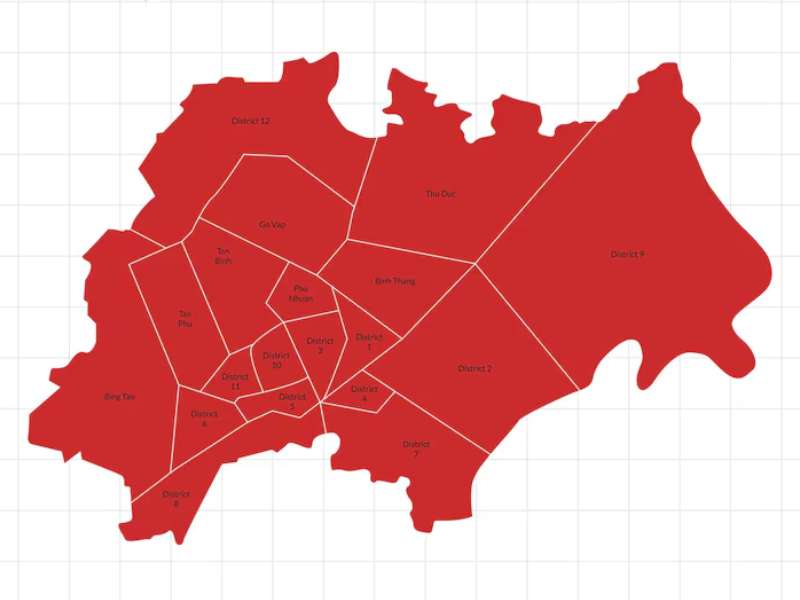
Ho Chi Minh City also known as Saigon, is Vietnam's largest city. Its main tourist attractions are concentrated around the central area, particularly the neighbourhoods commonly known as District 1 and District 3.
Beyond the city centre, you can explore Chinatown in District 5, riverside cafes in Thao Dien and the modern shopping areas of District 7.
Although Vietnam introduced new administrative boundaries and wards names in July 2025, many travel guides, hotels and transport references still use familiar district names.
These names remain useful when planning your sightseeing and finding places on a map.
Area | What It's Known For | Best For |
District 1 | Ben Thanh Market, Nguyen Hue Walking Street and historic landmarks | First-time visitors and sightseeing |
District 3 | Local cafés, traditional markets and quieter streets | Food, culture and relaxed stays |
District 4 | Seafood restaurants and local street food | Food lovers and evening dining |
District 5 (Cho Lon) | Chinatown, Chinese temples and traditional markets | Culture, shopping and local food |
Binh Thanh | Landmark 81, riverside views and local neighbourhoods | Shopping and modern city experiences |
Thao Dien | Trendy cafés, international restaurants and boutiques | Couples, café hopping and longer stays |
District 7 | Modern shopping malls, parks and residential areas | Families and longer holidays |
Tan Binh | Tan Son Nhat International Airport and local shopping areas | Airport convenience and short stopovers |
Getting around Ho Chi Minh City is relatively straightforward once you understand the different transport options. The city has a metro line, public buses, taxis and ride-hailing services such as Grab.
However, traffic can be unpredictable, so it is worth allowing extra travel time when visiting attractions outside the city centre.
Transport | Best For | Travel Tips |
Ho Chi Minh City Metro | Travelling between District 1 and Thu Duc | Useful for avoiding road traffic along its route |
Public buses | Budget-friendly journeys around the city | Check the route and destination before boarding |
Grab | Convenient journeys between attractions | Check the estimated fare before confirming |
Taxis | Direct journeys, especially with luggage | Use reputable taxi companies and check the meter |
Walking | Exploring central District 1 and nearby streets | Wear comfortable shoes and take care when crossing roads |
Private transfers | Airport transfers and family trips | Book ahead for a smoother arrival |
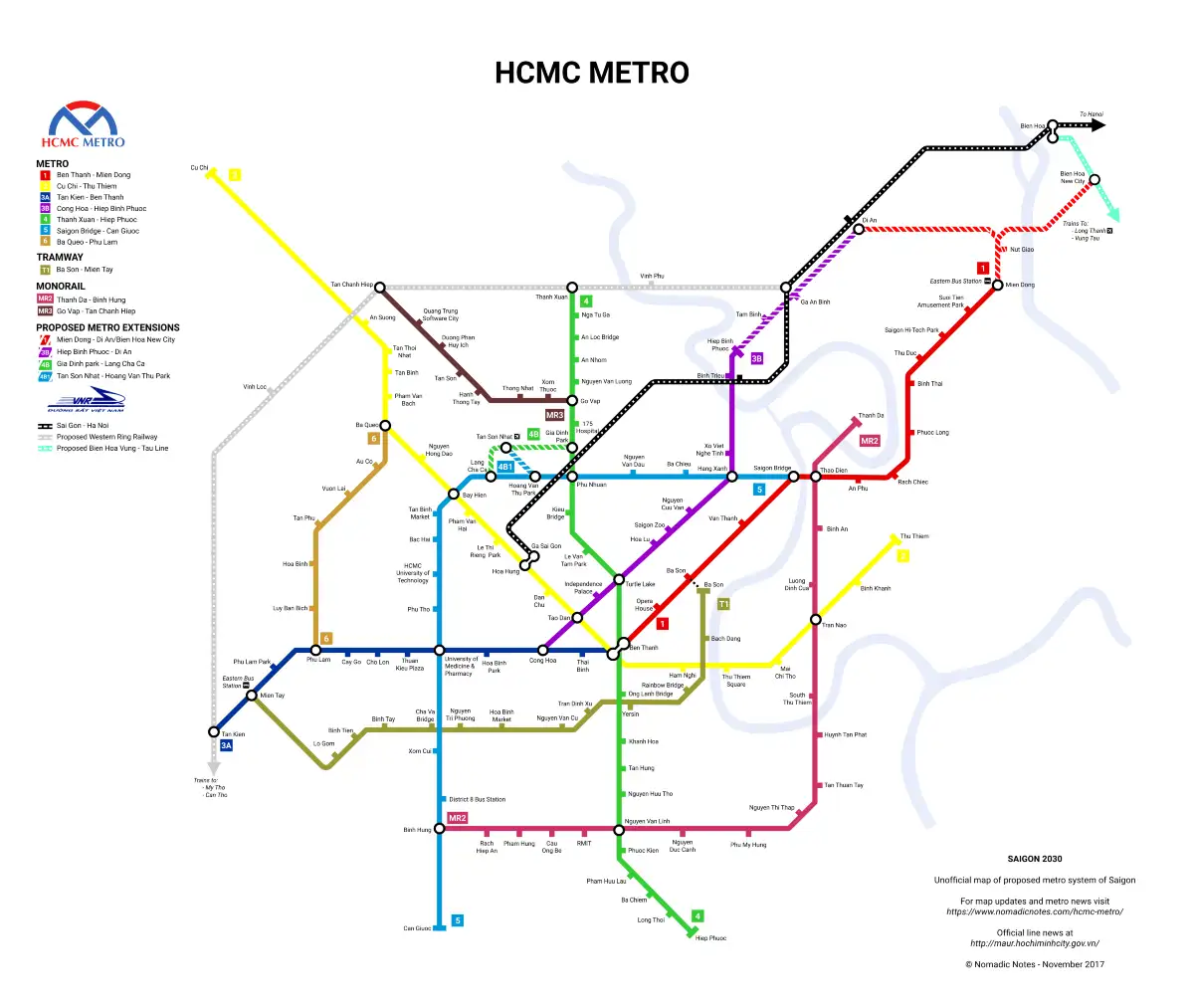
Ho Chi Minh City Metro Line 1, also known as Ben Thanh-Suoi Tien Line, officially opened on 22 December 2024. It is the city's first operational metro line and connects central Ho Chi Minh City with Thu Duc City in the northeast.
The line stretches approximately 19.7 km and has 14 stations, including three underground stations and 11 elevated stations.
For tourists, the metro is especially useful when travelling between central District 1, Thao Dien and eastern side of the city.
A few things to know:
Tan Son Nhat International Airport (SGN) is the main airport serving Ho Chi Minh City. It is located around 6 to 8 km from the central District 1 area, although the actual journey time depends heavily on traffic.
After landing, you can reach the city centre by public bus, taxi, Grab or private airport transfer.
Here are the main options to consider.
Public buses are an affordable way to travel from the airport to the city. However, pay attention to your arrival terminal because the airport's bus arrangements differ between terminals.
Bus routes, operating hours and fares may change. Check the latest information at the airport bus stop before boarding. If you arrive at Terminal 2 and want to use Bus 109, you may need to take the airport's inter-terminal shuttle to Terminal 3 first.
Taking a taxi or booking a Grab car is one of the easiest ways to reach your hotel, particularly if you have several suitcases or are travelling with family.
A typical journey to central District 1 takes around 20 to 40 minutes, although it can take longer during rush hour.
Useful tips:
If you prefer a more comfortable arrival, consider booking a private airport transfer in advance through Trip.com.
Your driver can pick you up at the designated airport meeting point and take you directly to your hotel. This is particularly convenient for families, groups and travellers arriving late at night.
Some hotels offer airport pick-up services for their guests. Check with your hotel before arrival to confirm the price, meeting point and vehicle arrangements.
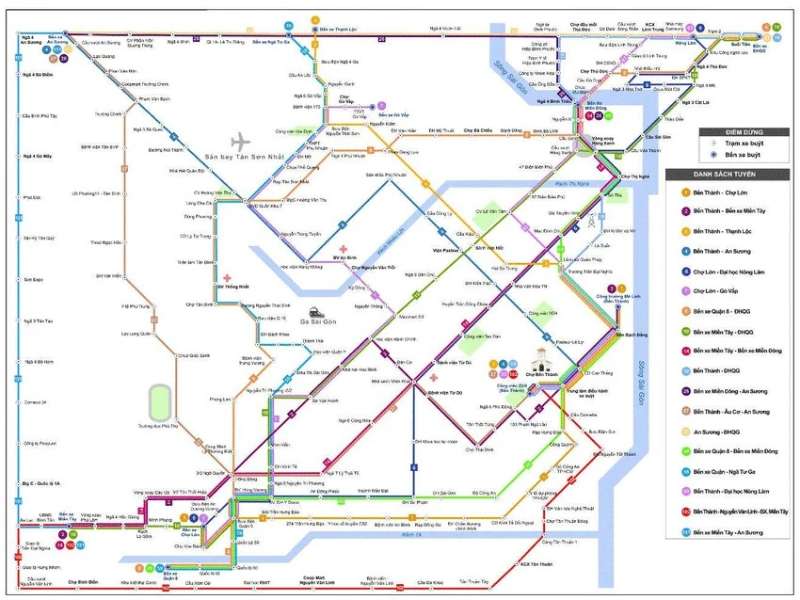
Public buses are another affordable way to explore Ho Chi Minh City. They can be useful for reaching neighbourhoods and attractions that are not directly connected to Metro Line 1.
Some routes worth checking include:
Bus Route | Main Connection | Best For |
Route 109 | Saigon Bus Station and Tan Son Nhat Airport Terminal 3 | Airport transfers |
Route 152 | Tan Son Nhat Airport Terminal 2 and central city areas | Budget airport transfers |
Route 1 | Ben Thanh area and Binh Tay Market area | Exploring Chinatown |
Route 3 | Ben Thanh area and Thao Dien area | Travelling between central and eastern areas |
A few useful tips for taking buses:
Ho Chi Minh City has a good mix of historical attractions, cultural landmarks, shopping destinations and modern city experiences.
Most first-time visitors begin in District 1 before exploring other neighbourhoods such as Chinatown and Thao Dien.
Attraction | Location | Why Visit |
Ben Thanh Market | District 1 | Shop for souvenirs, local products and Vietnamese snacks |
Nguyen Hue Walking Street | District 1 | Enjoy cafés, city views and evening walks |
District 1 | Admire French colonial architecture | |
District 1 | Visit one of the city's best-known historic landmarks | |
District 1 | Discover Vietnam's modern history | |
District 3 area | Learn about the Vietnam War | |
Thien Hau Temple | District 5, Cho Lon | Explore traditional Chinese architecture and culture |
Binh Tay Market | District 6, Cho Lon area | Experience a traditional wholesale market |
Binh Thanh | Enjoy shopping, dining and city views | |
Ho Chi Minh City Book Street | District 1 | Browse books and enjoy a quieter city walk |

Ben Thanh Market is one of Ho Chi Minh City's most recognisable landmarks and a popular first stop for visitors. Located in the heart of District 1, the market is filled with stalls selling souvenirs, clothing, handicrafts, coffee and local food.
It is a convenient place to experience the city's traditional market atmosphere and pick up gifts before heading home.
Things to do:

Nguyen Hue Walking Street is one of the liveliest places in central Ho Chi Minh City. The pedestrian boulevard stretches from the City Hall towards the Saigon River and is surrounded by restaurants, cafes, shopping spots and historic buildings.
It is especially enjoyable in the late afternoon and evening, when locals and visitors gather to enjoy the city atmosphere.
Things to do:

The Saigon Central Post Office is one of the city's most beautiful historic landmarks. Located near Notre-Dame Cathedral Basilica of Saigon, the building is known for its impressive yellow exterior, arched windows and elegant interior.
It is an easy stop to include in a District 1 sightseeing itinerary.
Things to do:

Independence Palace, also known as Reunification Palace, is an important historical landmark in Ho Chi Minh City. It played a significant role in Vietnam's history, particularly during events surrounding the end of Vietnam War in 1975.
Visitors can explore the palace's historic rooms, meeting spaces and exhibitions to learn more about the country's past.
Things to do:

The War Remnants Museum provides a deeper look into Vietnam's history, particularly the Vietnam War and its impact on the country.
Its exhibitions include photographs, military equipment and historical displays. Some exhibits contain graphic and emotionally difficult material, so visitors should be prepared before entering.
Things to do:
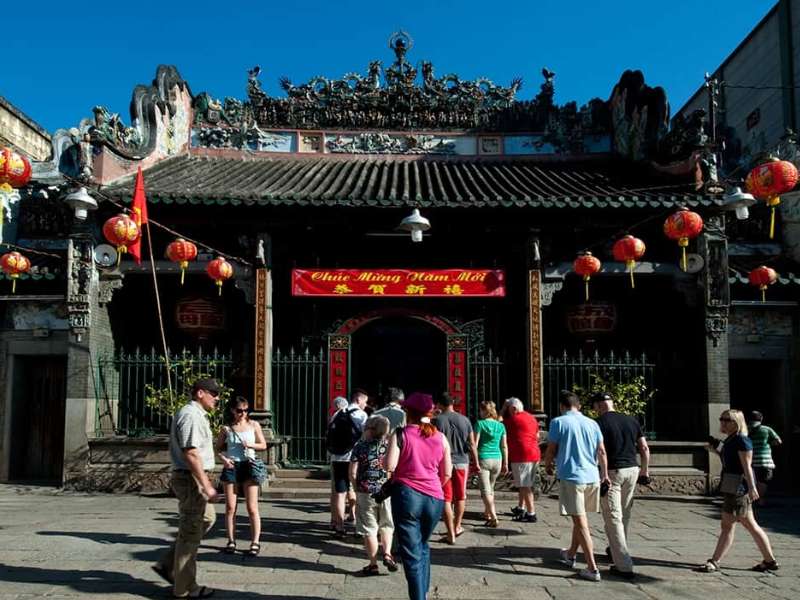
Cho Lon is Ho Chi Minh City's historic Chinatown, mainly around the old District 5 and District 6 areas. It is known for its Chinese-Vietnamese culture, traditional markets, temples and food.
One of its best-known landmarks is Thien Hau Temple, a beautiful temple dedicated to the sea goddess Mazu.
Things to do:

Landmark 81 is one of Vietnam's most recognisable modern skyscrapers. Located in the Binh Thanh area, the building is part of a large development featuring shopping, dining, entertainment and residential facilities.
It offers a different experience from the historical attractions in District 1.
Things to do:
Use our promo code to enjoy up to 5% OFF (up to S$3) on your attraction tickets, tours and eSIMs! Only for new users!
Ho Chi Minh City is a paradise for food lovers, especially if you enjoy Vietnamese street food, noodle dishes and local coffee.
Different neighbourhoods offer different dining experiences. District 1 is convenient for first-time visitors, while District 3 and Chinatown are great for discovering more local flavours.
Area | What to Eat | Food Highlights |
District 1 | Vietnamese street food and local favourites | Pho, banh mi, goi cuon and com tam |
District 3 | Traditional Vietnamese meals and cafés | Banh xeo, bun thit nuong and che |
District 4 | Seafood and evening street food | Oc (Vietnamese snails), grilled seafood and shellfish |
District 5 (Cho Lon) | Chinese-Vietnamese cuisine | Hu tieu, dim sum, dumplings and herbal soups |
Binh Thanh | Local neighbourhood food | Com tam, bun bo Hue and banh canh cua |
Thao Dien | International restaurants and modern cafés | Brunch, Vietnamese coffee and fusion cuisine |
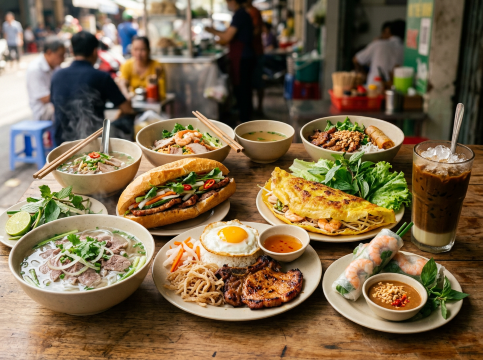
For Singaporean travellers, don't miss the chance to enjoy a traditional Vietnamese coffee at a local cafe. You can explore the city's markets and street stalls for an affordable way to try different dishes.
Choosing the right area to stay can make a big difference to your Ho Chi Minh City holiday. If you want to spend most of your time sightseeing, staying in or around District 1 is usually most convenient option.
However, other neighbourhoods may suit you better depending on your budget, travel style and itinerary.
District 1 is one of the best areas for first-time visitors. It is close to major attractions, shopping streets, restaurants and nightlife spots.
Best for: First-time visitors, couples, sightseeing and short holidays.
Hotel to consider: Choose a hotel around Ben Thanh Market, Nguyen Hue Walking Street or Dong Khoi Street for convenient access to central attractions.
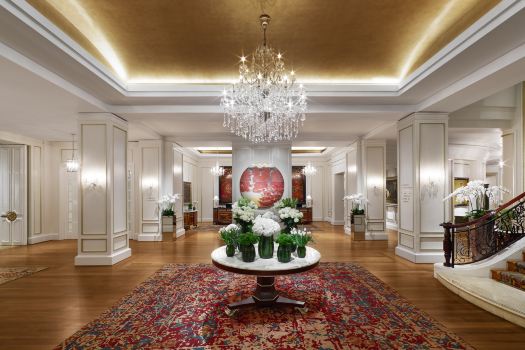
✨My recommendation: Hotel Indigo Saigon the City, an IHG Hotel located in the heart of District 1, this stylish hotel features contemporary interiors, a rooftop pool and convenient access to the city's shopping and dining areas.
Saigon Ward, 9-11 Lý Tự Trọng, Bến Nghé, Quận 1
District 3 offers a more relaxed atmosphere while remaining relatively close to the city centre. It is known for its local cafés, traditional eateries, tree-lined streets and cultural attractions.
Best for: Food lovers, couples and travellers who prefer a quieter neighbourhood.
Hotel to consider: Look for boutique hotels or comfortable mid-range accommodation around the Tan Dinh area or near the border with District 1.
✨My recommendation: Hôtel Des Arts Saigon - Mgallery is a five-star boutique hotel features elegant Art Deco-inspired interiors, a rooftop bar and several dining options. It is a good choice for travellers looking for a more upscale stay away from the busiest parts of District 1.
76-78 Nguyen Thi Minh Khai St
District 5 is a good choice for travellers interested in Chinese-Vietnamese culture, traditional markets and local food. It is less central than District 1 but offers a different side of Ho Chi Minh City.
Best for: Culture enthusiasts, food lovers and travellers looking for a more local experience.
Hotel to consider: Choose accommodation near the main commercial streets for easier access to markets, restaurants and temples.
✨My recommendation: Windsor Plaza Hotel, an upscale hotel located near An Dong Market and Chinatown. It offers spacious rooms, a rooftop swimming pool, a fitness centre and several dining options, making it a comfortable choice for families and couples.
Thao Dien is a popular neighbourhood in the eastern part of Ho Chi Minh City. It is known for its modern cafés, international restaurants, boutiques and relaxed riverside atmosphere.
The area also has its own Metro Line 1 station, making it easier to travel into central District 1.
Best for: Couples, longer stays, café lovers and travellers who prefer a more relaxed environment.
Hotel to consider: Look for serviced apartments, riverside hotels or boutique accommodation near Thao Dien Metro Station.
✨My recommendation: Common Inn Thao Dien , a practical three-star hotel, is a good option for travellers who want to stay close to Thao Dien's cafés, restaurants and shops. It also offers shared facilities such as a rooftop common area and kitchen.
19, Street 38, Thao Dien Ward, District 2, Thao Dien Ward
District 7 is a modern residential and commercial area with wide roads, shopping malls, parks and family-friendly facilities. It is farther from the main tourist attractions, so you may need to rely more on Grab or taxis.
Best for: Families, business travellers and longer holidays.
Hotel to consider: Look for accommodation around Phu My Hung, particularly near Crescent Mall and the Saigon Exhibition and Convention Center.
✨My recommendation: ibis Saigon South is a practical option for travellers looking for comfortable accommodation near SECC and Crescent Mall. Particularly suitable for business trips and short stays.
Best Hotels in Ho Chi Minh City
Discover the world with Trip.com! Book the perfect hotel anywhere in the world and get an unbeatable 10% discount if you're a first-time user! Download our app now and start planning your next trip with ease.


Ho Chi Minh City is a destination every neighbourhood offers something different, from the lively streets of District 1 to the traditional markets of Chinatown and the relaxed cafes of Thao Dien.
For Singaporean travellers, the easiest way to explore the city is to group attractions by area, choose accommodation near your main sightseeing spots and use a combination of the metro, Grab and walking.
With a good understanding of the Ho Chi Minh City map, you can spend less time navigating the busy streets and more time enjoying the city's food, culture and attractions,
Ho Chi Minh City Map
 NO.1