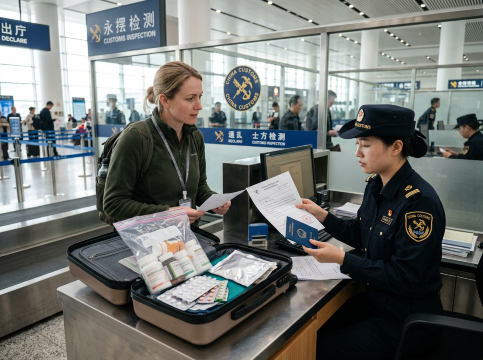

How to Bring Prescription Medication to China: Rules, Tips & Packing Checklist for Singaporeans

Author's Profile Picture
Bringing Prescription Medication to China

Bringing prescription medication from Singapore to China is generally straightforward, but the requirements depend on the type of medicine you're carrying.

While many common prescription medicines require minimal documentation, controlled drugs, narcotics, Category I and II psychotropic substances, and certain ADHD medications may have stricter import limits or restrictions.

Before your trip, use this guide to understand what you can bring, which documents you need and what precautions to take.

It's also best to check your specific medication with the Chinese Embassy in Singapore or the relevant Chinese authorities before departure to avoid any surprises at immigration.

Book Your Flight Now
to Beijing
to Xi'an
to Shanghai
See all flights

Bringing Medication to China: The Four Categories You Need to Know

Bringing Medication to China: The Four Categories You Need to Know

Category

Examples

What You Need

Standard prescription medication

Most blood pressure, thyroid, and diabetes medications, along with many SSRIs and SNRIs

Keep in original packaging; a prescription is recommended

over-the-counter products

Pain relievers, allergy meds, and cold remedies

Keep in original packaging; no prescription is required for reasonable quantities

Narcotic drugs

Potent opioid painkillers and certain anesthetics

Medical certificate, prescription, ID, and strict quantity limits

Category I and II psychotropic medicines

Methylphenidate (Ritalin, Concerta), most benzodiazepines, and zolpidem

Medical certificate, prescription, ID, and strict quantity limits

The first category is a breeze to travel with. It’s the last two where you’ll likely run into hiccups, as the paperwork can be quite specific and the allowed quantities are often much smaller than most travelers anticipate.

Bringing Prescription Drugs and Antidepressants to China

Bringing Prescription Drugs and Antidepressants to China

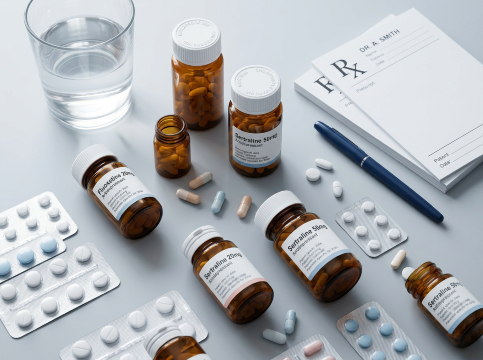
Planning your China adventure? You’ll be glad to know that most common prescription medications including blood pressure pills, thyroid treatments, insulin, and standard SSRI and SNRI antidepressants like sertraline, fluoxetine, or escitalopram are not classified as controlled substances there.

Generally, you’re all set to bring a reasonable supply for your personal use, so you can travel with peace of mind!

  • Keep your medicine in its original packaging, making sure the label clearly shows the drug name, dosage, and expiration date.
  • Make sure to bring your original prescription along, ideally with the active ingredient listed in English.
  • While a doctor's note detailing your condition, medication name, and dosage isn't always mandatory for this category, it’s a smart move to carry one just in case customs has any questions!
  • "Reasonable quantity" is determined by the length of your trip, rather than a set number of days. Packing enough for a documented multi-month adventure is generally perfectly fine, provided it aligns with your prescription.
🎁 Book Cheapest Flights Worldwide | Search Best Hotels | Get fast & reliable eSIM.

Bringing ADHD Medication into China: What’s Allowed vs. Banned

Bringing Medication to China: ADHD Meds

If you're travelling from Singapore to mainland China with ADHD medication, check the regulations carefully before your trip. The rules depend on the active ingredient, and having a valid prescription in Singapore does not automatically mean you can bring the medication into China.

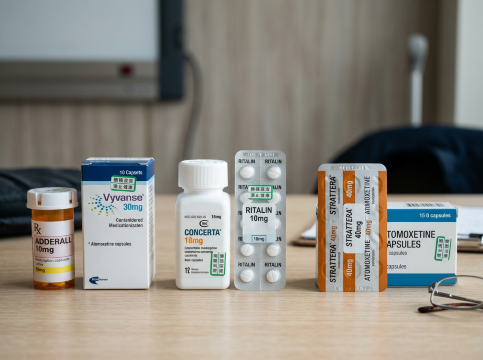
  • Amphetamine-based medication: Medicines such as Adderall and Vyvanse may be subject to strict import restrictions in mainland China. Do not assume you can bring them in with a Singapore prescription. Check with the Chinese embassy or consulate and your doctor before travelling.
  • Methylphenidate: Medicines such as Ritalin and Concerta are classified as controlled psychotropic substances in China. You may be able to bring a limited quantity for personal medical use, subject to the relevant requirements. Prepare your original prescription, medical certificate and identification, and confirm the permitted quantity before departure.
  • Atomoxetine: Atomoxetine is generally not classified as a controlled psychotropic substance in China. However, you should still carry your prescription and a doctor's letter explaining why you need the medication.
❤️Heads up: Don't count on refilling your ADHD prescription while in China. Supplies are super limited, and local pharmacies won't fill prescriptions from abroad.

[10% Off] China Hotel Recommendations

🔥Exclusive Hotels Deal: Up to 10% OFF for New Users

Discover the world with Trip.com! Book the perfect hotel anywhere in the world and get an unbeatable 10% discount if you're a first-time user! Download our app now and start planning your next trip with ease.

Just click this link and download the Trip.com App, after successfully registering as a member, use it when you place an order!

Find the Best Hotel Deals
Top Shanghai Hotels
Top Beijing Hotels
Top Guangzhou Hotels
See All Hotels

Bringing Controlled Medication into China: Essential Documents

Bringing Controlled Medication into China: Essential Documents

If your medication falls into the narcotic drug or Category I or II psychotropic category which includes methylphenidate, most benzodiazepines such as Xanax and Valium, and sleep aids like zolpidem you'll need all of the following:

  • You'll need a diagnosis certificate from a medical institution that confirms your condition and lists your medication by both its active ingredient and brand name. We highly recommend having a Chinese translation handy, as a standard note from a general practitioner might not be accepted.
  • Bring your original prescription, ensuring the active ingredient is listed in English and matches the dispensing label on the original packaging.
  • A copy of your passport or ID, which you'll need to show along with your medical documents.
  • It’s a great idea to have a doctor’s letter explaining why you need the medication having copies in both English and Chinese is definitely worth it for longer trips!

Some sources suggest that certain controlled substances require pre-authorization from China's National Medical Products Administration before you travel. If your medication falls into this category, be sure to start the process six to eight weeks in advance, as securing the necessary paperwork from your doctor can take some time.

🎁 Book Cheapest Flights Worldwide | Search Best Hotels | Get fast & reliable eSIM.

🔥Get 3% Off Your First Train Ticket Booking!

As a special treat, Trip.com is offering a 3% discount on your first train ticket booking. Simply claim your coupon and enjoy a seamless travel experience.

Bringing Medication to China: Understanding Quantity Limits

You might be surprised by just how strict the quantity limits are for controlled substances when you're traveling!

Type of Medication

Standard Allowance

Standard prescription medication

Pack a sensible amount for the length of your trip

Category I psychotropic (regular tablets, e.g., methylphenidate)

About a 3-day supply

Category I psychotropic (extended release, e.g., Concerta)

About a week's supply

Category II psychotropic (e.g., most benzodiazepines, and zolpidem)

About a week's supply

Narcotic or anesthetic injections

A single dose

These figures are based on general customs guidelines and can vary by case, as customs officers make the final call at the border. If your trip exceeds these limits, be sure to chat with your doctor about non-controlled alternatives, or reach out to a Chinese embassy or consulate for the most up-to-date rules before you take off.

Traveling to China with Injectable and Refrigerated Medication

If you're travelling from Singapore to China with injectable medication such as insulin or certain biologics, you can generally bring it for personal use. However, it's important to check the requirements and plan how to store your medication throughout the journey.

  • Bring a doctor's letter: Carry a letter explaining your medical condition, the medication you need, its dosage and why it must be injected.
  • Keep medication in its original packaging: Pack your medication in its original, labelled packaging, together with the syringes, needles or injection pens you need for your trip.
  • Plan for refrigerated medication: Use an insulated medication travel case with suitable cooling packs, if required. Check the medication's storage instructions to ensure it stays within the recommended temperature range.
  • Check your accommodation: If your medication needs to be refrigerated, contact your hotel in advance to confirm whether a fridge is available and suitable for storing it.
  • Prepare for airport security: Keep your medication and medical documents easily accessible. If you're carrying needles or cooling packs, check the latest airport security requirements before departure.
🎁Tip for Singaporeans: Before flying, check with your airline about carrying injectable medication and cooling packs in your hand luggage. For medication that requires refrigeration, plan how to keep it at the correct temperature from the time you leave home until you reach your hotel.

Bringing Medication into China: Airport vs. Land Border Crossings

Bringing Medication into China: Airport vs. Land Border Crossings

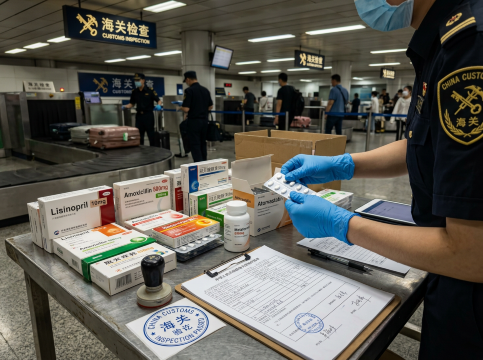
The rules for categories and documentation remain the same whether you're arriving by air or land, though airports are generally more accustomed to screening medication than smaller land border crossings.

  • By airport: Customs officials at major hubs like Beijing, Shanghai, and Guangzhou are well-accustomed to handling questions about traveler medication, and they’re generally quite familiar with reviewing diagnosis certificates and prescriptions.
  • Crossing by land: Smaller border checkpoints might not be as accustomed to seeing foreign medical paperwork, which could lead to extra questions or a bit of a wait. To be safe, always keep your full set of documents handy, no matter how you choose to arrive.
  • Either way, be sure to keep controlled medication in your carry-on rather than checked luggage. Also, never mail medication into China separately, as this is considered smuggling, regardless of the type of medicine.
🎁 Book Cheapest Flights Worldwide | Search Best Hotels | Get fast & reliable eSIM.

Your Checklist for Bringing Medication to China

  • Original prescription: Bring a copy of your prescription with the active ingredients clearly listed in English.
  • Original packaging: Keep your medication in its original packaging with the labels intact.
  • Doctor's letter: Ask your doctor for a letter stating your diagnosis, medication name, dosage and travel dates.
  • Medical certificate: Carry the required medical certificate for narcotic drugs or Category I or II psychotropic medicines.
  • Identification: Keep a copy of your passport or other valid ID with your medical documents.
  • Chinese translations: Prepare Chinese translations of essential medical documents if you are staying in China for an extended period.
📌Important: Medication import rules in China vary depending on the type of medicine and quantity. Check the latest requirements with the Chinese embassy or consulate before travelling, especially if you need to bring controlled medication.
Find Unmissable Experiences in China
SHANGHAI
HONGKONG
SHENZHEN
See all attractions

🔥Save More with Up to 5% OFF

Use our promo code to enjoy up to 5% OFF (up to S$3) on your attraction tickets, tours and eSIMs! Only for new users!

FAQs: Bringing Prescription Medication to China

Disclaimer: This article has been provided by an individual contributor or third party platform. If there is any discrepancy regarding the copyright, please contact us directly and we will delete the content immediately.
Alex

Alex

Asia Explorer

View profile

Hi, I’m Alex! I started travelling as a way to take a break from my busy work life, but over the years, it became my passion. From weekend getaways around Asia to longer journeys exploring different cities, I love researching hidden gems, trying local food, and creating practical travel plans. Through my travel guides, I hope to share tips and useful recommendations to help fellow travellers plan meaningful adventures.

77 articles
Asia Travel Travel Planning Hidden Gems
> >
Bringing Medication into China