










China is a vast and diverse country where landscapes and climates change dramatically from one region to another. From the snow covered plateaus of Tibet to the tropical shores of Hainan, every season offers a different travel experience.
Whether you are hoping to see cherry blossoms in full bloom, explore historic cities in comfortable weather, hike through golden autumn scenery, or take part in colourful festivals, knowing the best time to visit China can make a big difference to your trip.
When is The Best Time to Visit China?

For most travelers, the best time to visit China is spring (April to May) and autumn (September to October). These months bring mild temperatures, generally between 15°C and 25°C, clear skies, and comfortable conditions for sightseeing.
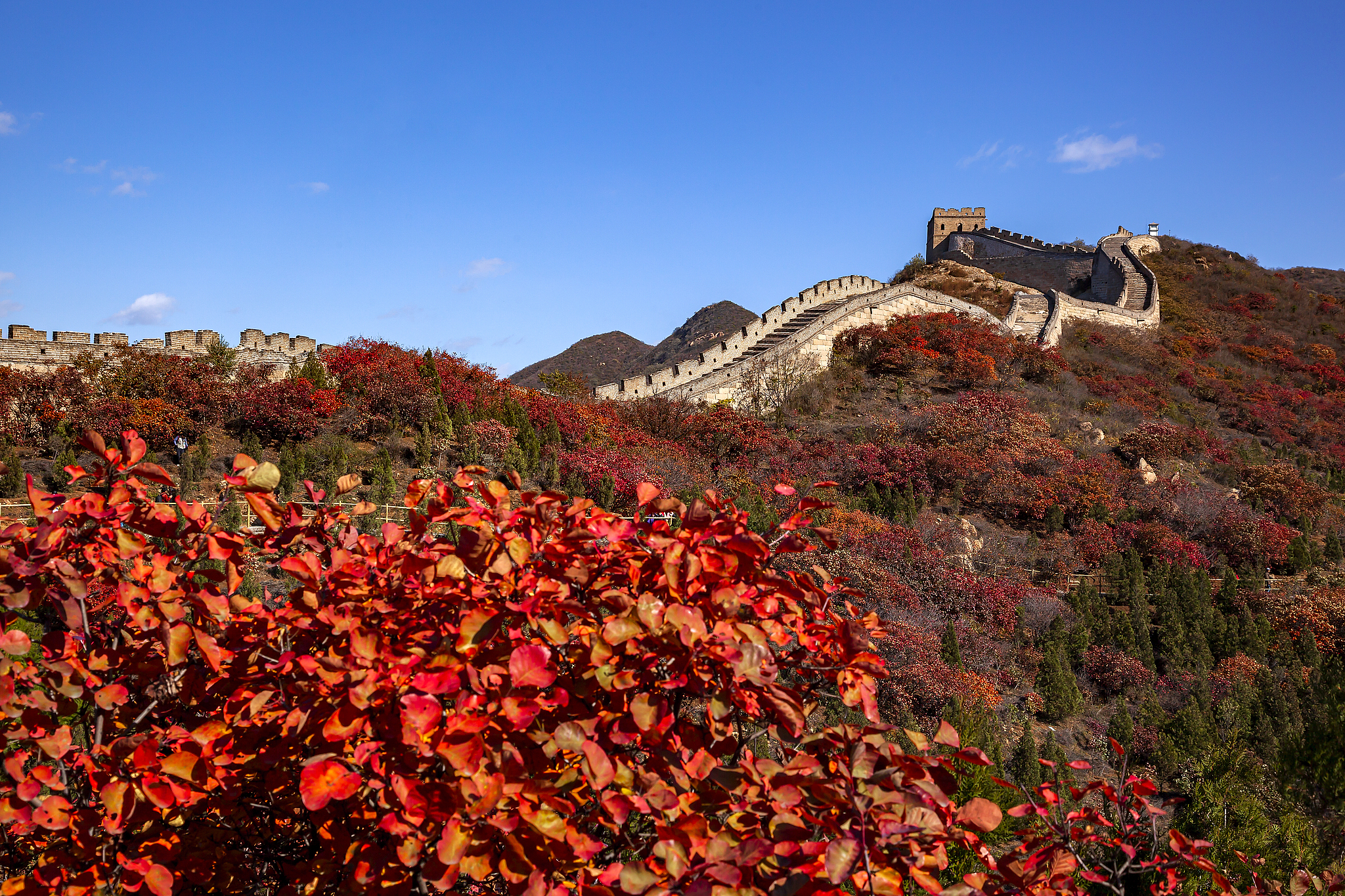
Spring is ideal for blossoms and fresh landscapes, while autumn is known for crisp air and colourful foliage, especially at iconic sites like the Great Wall.
Weather & Seasons in China
The best time to visit China depends on where you're going and what you're planning to do.
Spring (March - May)

Spring in China brings moderate temperatures and a pleasant atmosphere, with temperatures typically ranging from 10°C to 25°C (50°F to 77°F) in most regions.
Flowers bloom, and the countryside is full of fresh greenery. While it’s one of the best times to visit, occasional rain showers can occur, especially in the south.
What to wear:
- Lightweight layers are best for spring travel.
- A jacket for the mornings and evenings is recommended, as temperatures can vary.
- You may also want a rain jacket if you're visiting southern China, where spring showers are common.
Best things to do:
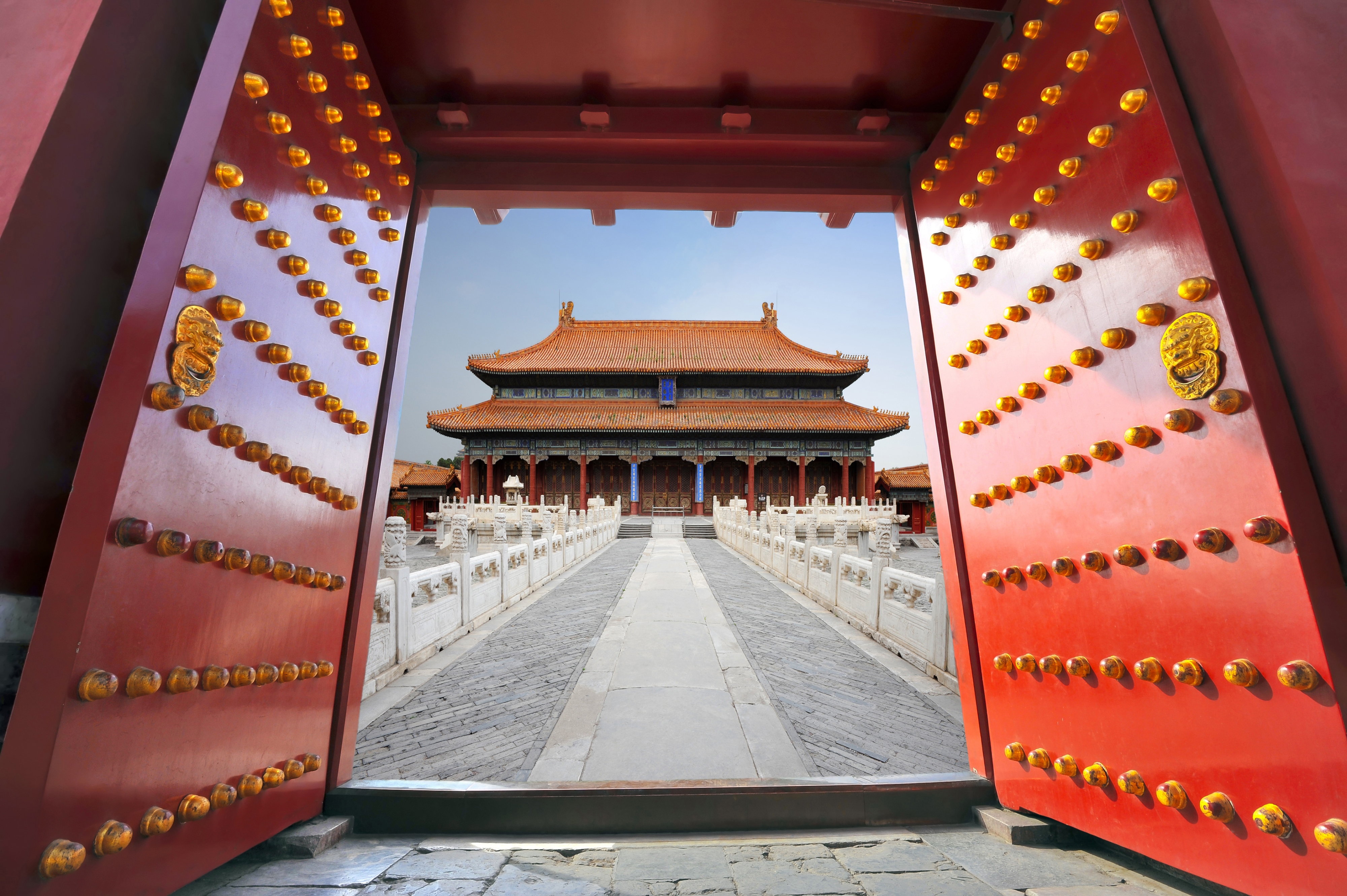
- Visit Beijing’s iconic landmarks such as the Great Wall and the Forbidden City in comfortable weather.
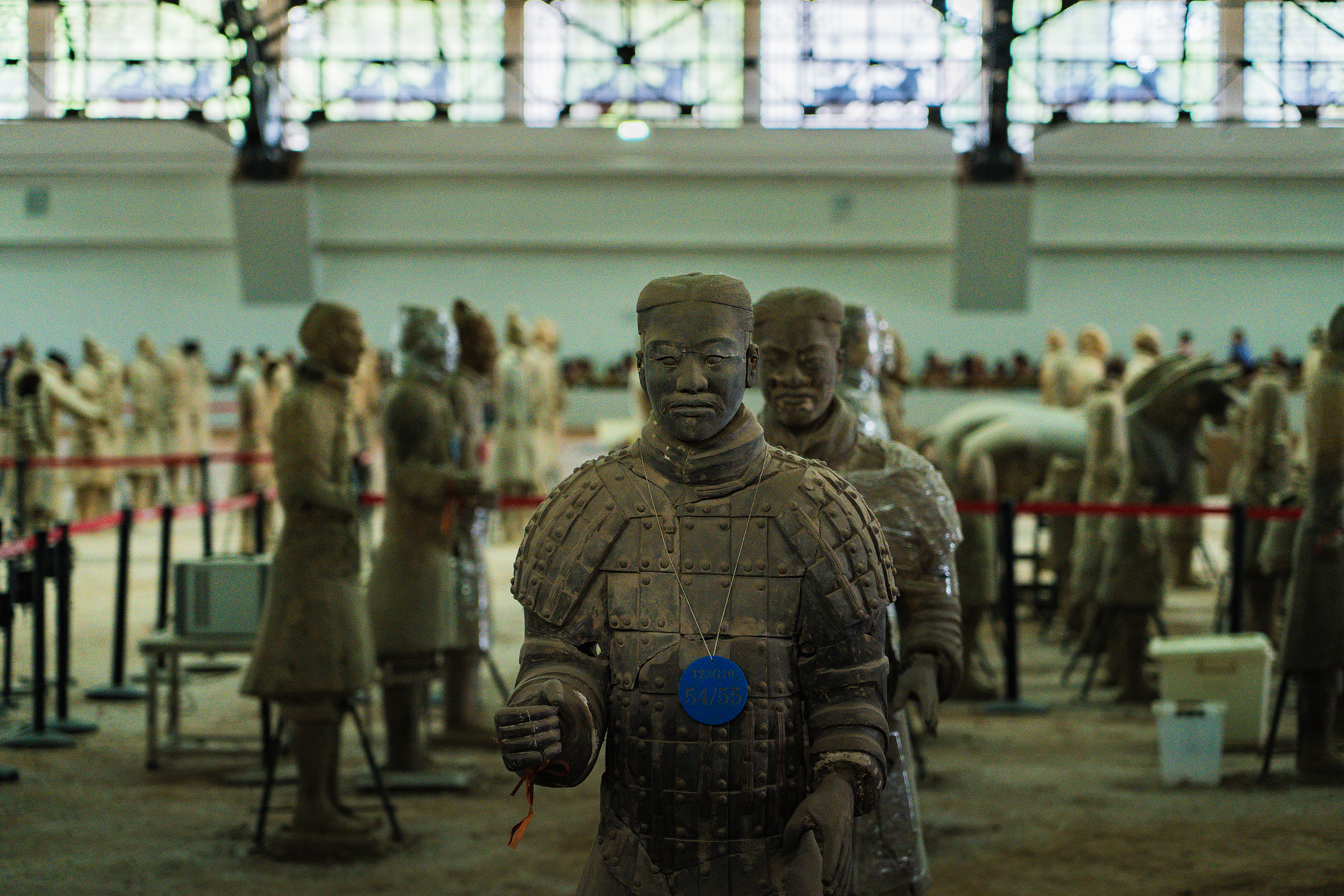
- Explore the classical gardens of Suzhou, discover the Terracotta Warriors in Xi’an.
- Enjoy a scenic Yangtze River cruise, where spring conditions are ideal for river tours.
💡 Tip: If you’re visiting popular tourist sites in the spring, expect larger crowds, especially during the Golden Week holiday in early May. Book accommodations and tickets in advance.
Summer (June - August)

Summer in China is hot and humid, particularly in the central and southern regions, where temperatures can soar above 35°C (95°F). The north, however, tends to be slightly cooler. It is also the rainy season in the south, so expect frequent downpours, particularly in June and July.
What to wear:
- Lightweight, breathable clothing is essential.
- Bring sunscreen, sunglasses, and a hat to protect yourself from the sun, especially if you're exploring outdoor attractions.
- An umbrella or rain jacket is necessary for the frequent summer showers, particularly in southern China.
Best things to do:
- Visit the cooler northern regions like Inner Mongolia or the Tibetan Plateau, where temperatures are more bearable in the summer months.
- Enjoy the beaches and coastal areas like Hainan or Qingdao, which are perfect for a summer retreat.
- Take a river cruise on the Yangtze River, where the hot weather makes the cooler evenings on the water more enjoyable.
💡 Tip: Summer is the peak tourist season in China, so be prepared for large crowds at famous attractions. Early mornings or late evenings are the best times to explore popular spots like the Great Wall or the Forbidden City.
Autumn (September - November)

Autumn is one of the best times to visit China, with comfortable temperatures ranging from 12°C to 22°C (54°F to 72°F). The weather is pleasant, and the landscape transforms into a stunning array of red, yellow, and orange as the leaves change color. The air is crisp, and the skies are clear, perfect for sightseeing and outdoor activities.
What to wear:
- Light sweaters, jackets, and comfortable shoes are ideal for the mild weather.
- The evenings can get a bit chilly, so bring a layer for extra warmth.
Best things to do:
- Visit the Great Wall of China and enjoy the beautiful autumn foliage around Beijing.
- Explore the picturesque Yellow Mountains (Huangshan), where the fall colors create one of the most iconic landscapes in China.
- Trek through the scenic areas of Jiuzhaigou or Zhangjiajie, where the autumn scenery is truly breathtaking.
💡 Tip: Autumn can be the most comfortable time to visit, but it can also be a busy season, particularly around the Mid-Autumn Festival. Be sure to plan your accommodations early.
Winter (December - February)

Winter in China varies widely depending on the region. Northern China experiences freezing temperatures, with snowfall in places like Harbin, where the Harbin International Ice and Snow Sculpture Festival takes place. In the south, winter is mild, with temperatures rarely dipping below 5°C (41°F).
What to wear:
- In the north, pack heavy winter clothing, including coats, gloves, and scarves.
- If you’re heading to the south, a warm jacket or sweater should be sufficient.
Best things to do:
- Visit Harbin for the world-famous Ice and Snow Sculpture Festival, where intricate ice sculptures are illuminated in vibrant colors.
- Explore the Great Wall in winter, where the snow-covered landscape provides a peaceful and beautiful backdrop, and there are fewer tourists.
- Enjoy the winter wonderland in the northeastern regions, where you can try ice skating, skiing, or snowboarding.
💡 Tip: If you're planning to visit the north during winter, make sure to bundle up and check weather forecasts as temperatures can drop dramatically. Keep in mind that Chinese New Year can cause a spike in travel demand, so book flights and accommodations early.
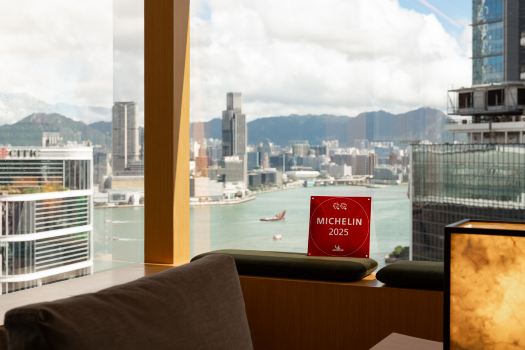
Best Hotels in Hong Kong
Best Time to Visit China Month-by-month Guide

China’s vast size means its weather varies dramatically across regions. From the snowy winters in the north to the tropical warmth of the south, the best time to visit China depends on what you want to experience. Here’s a detailed breakdown of China’s weather and travel insights by month:
Month | Temperature (°C/°F) | Rainfall (mm/inches) | Travel Highlights |
January | -10°C to 10°C (14°F to 50°F) | 5–50 mm (0.2–2 inches) | Cold and dry in the north, mild in the south. |
February | -8°C to 12°C (18°F to 54°F) | 10–60 mm (0.4–2.4 inches) | Similar to January but with rising temperatures. |
March | 0°C to 18°C (32°F to 64°F) | 20–90 mm (0.8–3.5 inches) | Cherry blossoms bloom in Beijing and Wuhan. |
April | 8°C to 22°C (46°F to 72°F) | 30–100 mm (1.2–4 inches) | Pleasant weather in most region and expect mild crowds. |
May | 12°C to 27°C (54°F to 81°F) | 50–120 mm (2–4.7 inches) | Warmer temperatures but still comfortable. |
June | 18°C to 30°C (64°F to 86°F) | 80–180 mm (3–7 inches) | The rainy season starts but it’s hot and humid in places like Hong Kong, but cooler in Tibet and Inner Mongolia. |
July | 22°C to 35°C (72°F to 95°F) | 100–250 mm (4–10 inches) | Hottest month of the year. |
August | 22°C to 34°C (72°F to 93°F) | 90–220 mm (3.5–8.7 inches) | Still hot and humid, but high-altitude regions are refreshing. Expect typhoons in the southeast. Pack light clothing and rain gear. |
September | 16°C to 28°C (61°F to 82°F) | 60–150 mm (2.4–6 inches) | The heat fades, and autumn begins and fewer crowds. |
October | 10°C to 24°C (50°F to 75°F) | 30–80 mm (1.2–3.1 inches) | The weather is perfect for outdoor adventures. A |
November | 3°C to 18°C (37°F to 64°F) | 10–60 mm (0.4–2.4 inches) | Cool and dry without extreme temperatures or crowds. |
December | -5°C to 12°C (23°F to 54°F) | 5–40 mm (0.2–1.6 inches) | A quieter month for travel, with lower prices in most places. |
Peak Season, Shoulder Season & Off-Peak Season to Visit China
Peak season to visit China: April to October

Spring and autumn are the most popular travel periods, thanks to mild temperatures and stunning landscapes. Summer is also busy, especially in major tourist areas like Beijing, Shanghai, and Xi’an.
- Crowds & Costs: Expect high prices for flights and hotels, especially during national holidays and school vacations.
- Pros: Best weather for sightseeing, outdoor adventures, and cultural experiences.
- Cons: Overcrowding at major attractions, expensive accommodations, and long queues.
✅Smart Travel Hack: Visit in late April or late October for great weather with slightly fewer tourists.
Shoulder season to visit China : November & March

These months offer a balance of manageable crowds, comfortable weather, and reasonable prices.
- Crowds & Costs: Fewer tourists and better deals on accommodations.
- Pros: Cooler temperatures make walking and sightseeing comfortable. Some regions, like Yunnan and Sichuan, are especially beautiful in autumn.
- Cons: Northern areas like Beijing can be chilly in March, and some scenic areas may not be in full bloom yet.
✅Smart Travel Hack: November is ideal for budget-conscious travelers who still want good weather. Avoid major Chinese festivals to keep costs down.
Off-peak season to visit China: December to February

Winter is the quietest time for travel in China, except for ski resorts and tropical destinations like Sanya.
- Crowds & Costs: The cheapest time to visit, with significant discounts on flights and hotels.
- Pros: Winter scenery in places like Harbin’s Ice Festival and the Great Wall covered in snow is breathtaking. Minimal crowds at major sites.
- Cons: Harsh winter temperatures in the north, potential travel disruptions, and some remote attractions may be closed.
✅Smart Travel Hack: If visiting in winter, dress warmly, and consider indoor attractions like museums and historical sites.
Best time to Visit China for Different Travellers
Budget travellers visiting China

For budget-conscious travelers, winter (December to February) and autumn (September to November) are the best times to visit China.
Why it’s ideal:
- Low Costs: These months offer the best prices on flights, accommodations, and tours. Fewer tourists mean discounts on many services, especially in major cities like Beijing and Shanghai.
- Fewer Crowds: With fewer tourists around, you can enjoy popular destinations like the Great Wall and Forbidden City without the usual crowds.
💰 Money-saving Tip: Book flights early, especially for Chinese New Year (late January to February) when prices can rise. Traveling in autumn provides mild weather and affordable prices. Be aware that some tourist sites might be busier during national holidays, so planning around them is key.
Luxury travellers visiting China

If you're looking for luxury, spring (March to May) and autumn (September to October) are the best months to experience China in style.
Why it’s ideal:
- Perfect Weather: These months offer mild temperatures and clear skies, perfect for exploring cities like Xi'an, Shanghai, and Beijing without the extreme heat of summer or the cold of winter.
- Exclusive Experiences: Treat yourself to a luxury cruise along the Yangtze River, stay in high-end hotels with breathtaking views, and enjoy Michelin-starred dining experiences in cities like Shanghai and Beijing.
✨Luxury Tip: Don’t miss out on special cultural events, like the Mid-Autumn Festival in Beijing, which offers exclusive performances and events.
Sightseeing & outdoor enthusiasts visiting China

For those who seek adventure, the spring (March to May) and autumn (September to November) months are the best times to explore China’s natural beauty.
Why it’s ideal:
- Perfect Conditions for Hiking: Enjoy great conditions for hiking on the Great Wall of China, exploring Zhangjiajie (the inspiration for Pandora in Avatar), and trekking through the Tibet Plateau or Jiuzhaigou.
- Outdoor Activities: This time of year is perfect for other activities, like rafting on the Yangtze River or exploring remote regions like Guilin and Karst Mountains.
🏞Adventure Tip: If you’re visiting Tibet, spring and autumn are the best times to avoid the extreme cold or summer monsoon rains. Always check the weather in advance, as altitude and weather conditions can impact your plans.
Families visiting China

For family-friendly trips, autumn (September to November) is the best time to visit China with kids.
Why it’s ideal:
- Comfortable Weather: The temperatures are mild, perfect for family-friendly activities in cities like Beijing and Shanghai, where you can visit theme parks, zoos, and historical sites without the intense heat of summer.
- Kid-Friendly Experiences: Enjoy visiting places like Shanghai Disneyland, Beijing Zoo, and the Beijing Aquarium, which offer a mix of fun and educational experiences for the whole family.
👨👩👧👦Family Tip: Plan your visit around school holidays, but avoid traveling during Chinese New Year (when prices surge) or Golden Week. Instead, consider visiting in September or early October for great weather and fewer crowds. Check out family-friendly hotels or resorts that offer kid-specific amenities and activities.
Cultural enthusiasts visiting China

For culture lovers, spring (March to May) and autumn (September to November) are the best months to visit China’s rich cultural heritage.
Why it’s ideal:
- Festivals & Traditions: Visit during the Chinese New Year (late January or February) for traditional festivities, or the Mid-Autumn Festival (September/October) for lantern displays and mooncakes. These events provide a unique opportunity to experience Chinese culture.
- Cultural Landmarks: Explore the Terracotta Warriors in Xi’an, the ancient Forbidden City in Beijing, and the Temple of Heaven, as well as many other UNESCO World Heritage Sites.
🔥Cultural Tip: To avoid the crowds, visit China just before or after Golden Week (October 1-7), when domestic tourism surges. Don’t miss out on special performances or museum exhibitions during festivals.
Travel Tips for your China Trip

Entry: Singapore passport holders can enter China visa free for up to 30 days. For longer stays, check the latest China entry and visa requirements in advance.
Booking: China is a large country, and travel peak seasons vary by region. Popular cities such as Beijing, Shanghai, and Xi’an can get very busy, so it’s best to book hotels in China early to secure better prices and availability.
Getting Around: China’s high-speed trains are the fastest and most convenient way to travel between major cities. Within cities, the metro system is affordable and easy to use. Didi is available for short trips, and taxis are common, though having your destination written in Chinese can be helpful.
Connectivity: Internet access in China is restricted, so using a China eSIM is recommended. A VPN may also be useful for accessing certain websites and apps.
Payments: WeChat Pay and Alipay are widely used across China and accepted almost everywhere, including small shops and street markets.
FAQs for Best Time to Visit China
Is summer a good time to travel to China?
Summer from June to August can be hot and humid, especially in cities like Beijing and Shanghai. It is also peak travel season due to school holidays, but it’s a good time to visit mountainous and northern regions.When should I avoid traveling to China due to crowds?
Avoid traveling during Chinese New Year in January or February and the National Day Golden Week in early October, as transportation and tourist sites can be extremely crowded.Is spring or autumn better for sightseeing in China?
Both seasons are excellent, but autumn is often preferred due to clearer skies, less rain, and beautiful fall scenery in many regions.Does the best time to visit China differ by region?
Yes. Northern China is best visited in spring and autumn, southern China can be visited year round except peak summer heat, and western regions like Tibet are best from May to October.

NO.1