

🔥Save More with Up to 5% OFF
Use our promo code to enjoy up to 5% OFF (up to S$3) on your attraction tickets, tours and eSIMs! Only for new users!
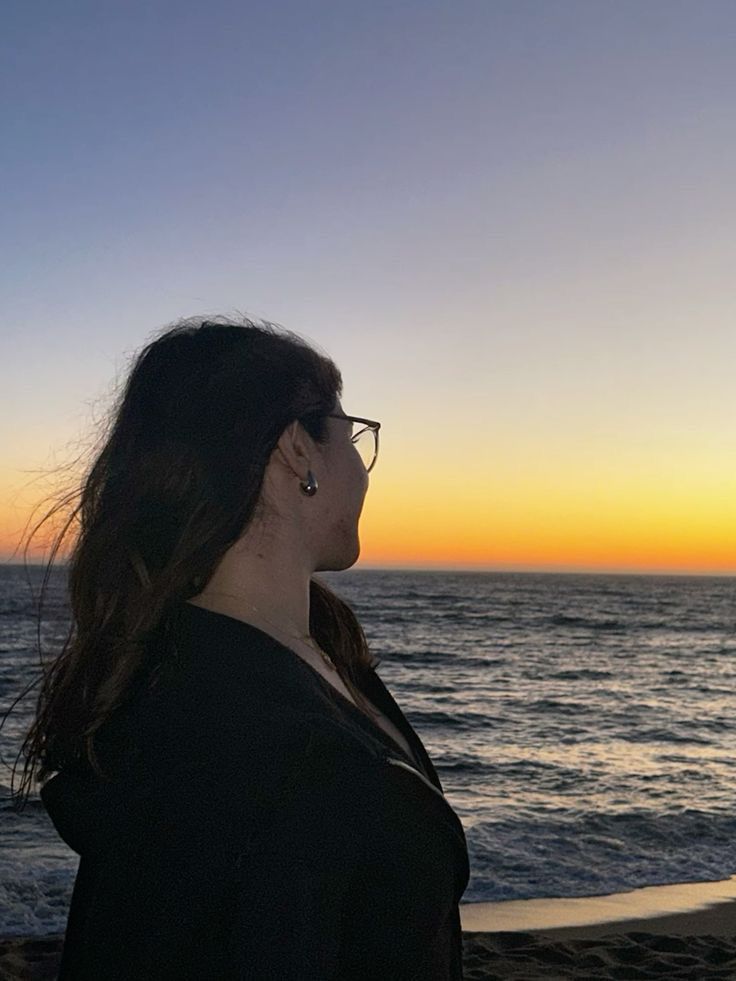

Melbourne is a city full of charm, with changing seasons that give it a completely different feel each time you visit. From cool winters to warm summers, the weather shapes the way you experience the cafes, laneways, and outdoor sights the city is known for.
Since Singapore has a tropical climate all year round, knowing the best time to explore Melbourne will help you enjoy the trip in comfort and make the most of what the city has to offer.
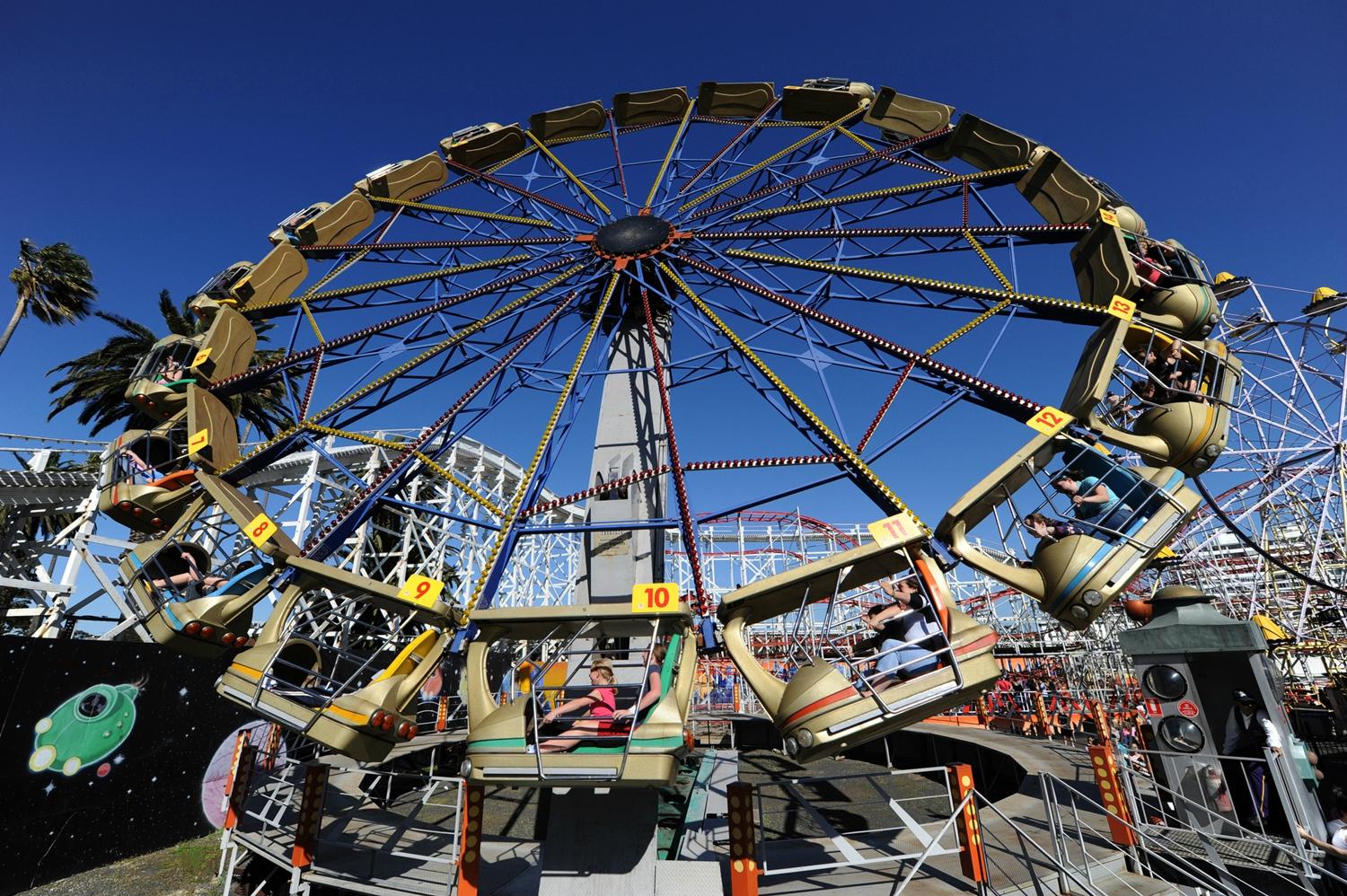
The best time to visit Melbourne is in spring (September to November) and autumn (March to May).
During these seasons, the weather is mild, usually between 15°C and 25°C, which makes it comfortable for walking around the city and exploring nearby attractions.
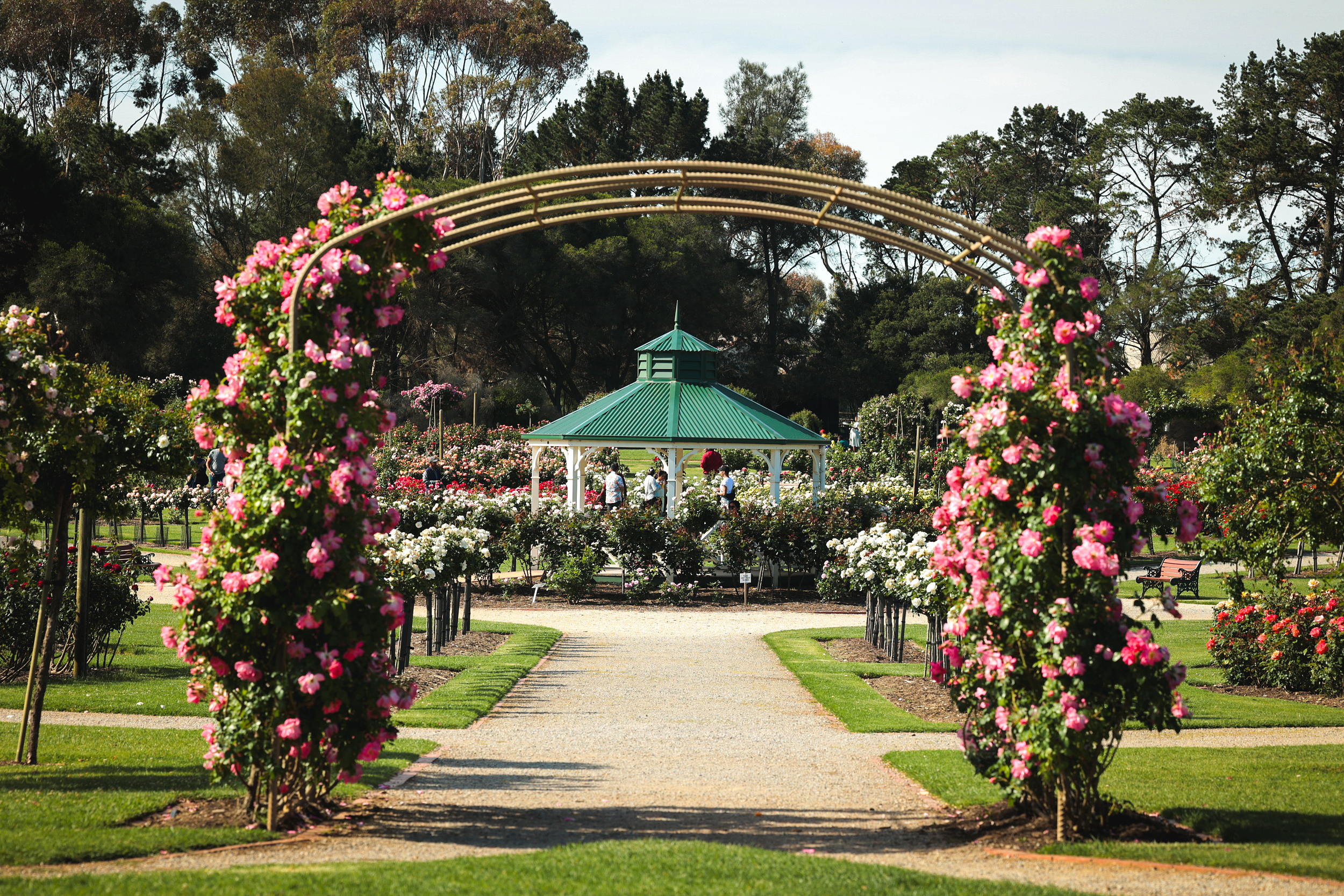
Spring is a lovely time with flowers blooming across the parks and gardens, while autumn gives you cool breezes and golden leaves along the streets.
Both are perfect for enjoying Melbourne’s cafés, markets, and outdoor sights without the extreme heat of summer or the chill of winter.
The weather in Melbourne changes clearly with the seasons, and each brings its own charm. Some travellers enjoy the crisp cool air, while others love the vibrant outdoor vibe when the sun is out. Knowing what to expect will help you plan a trip that suits your style.
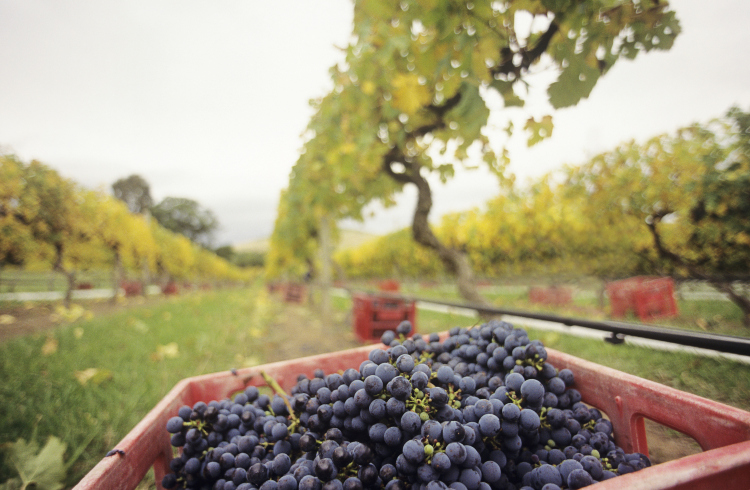
Spring in Melbourne is pleasant, with temperatures between 11°C and 20°C. The city’s gardens and parks come alive with flowers, making it one of the prettiest times to visit. Rain showers can happen, but they don’t usually last long.
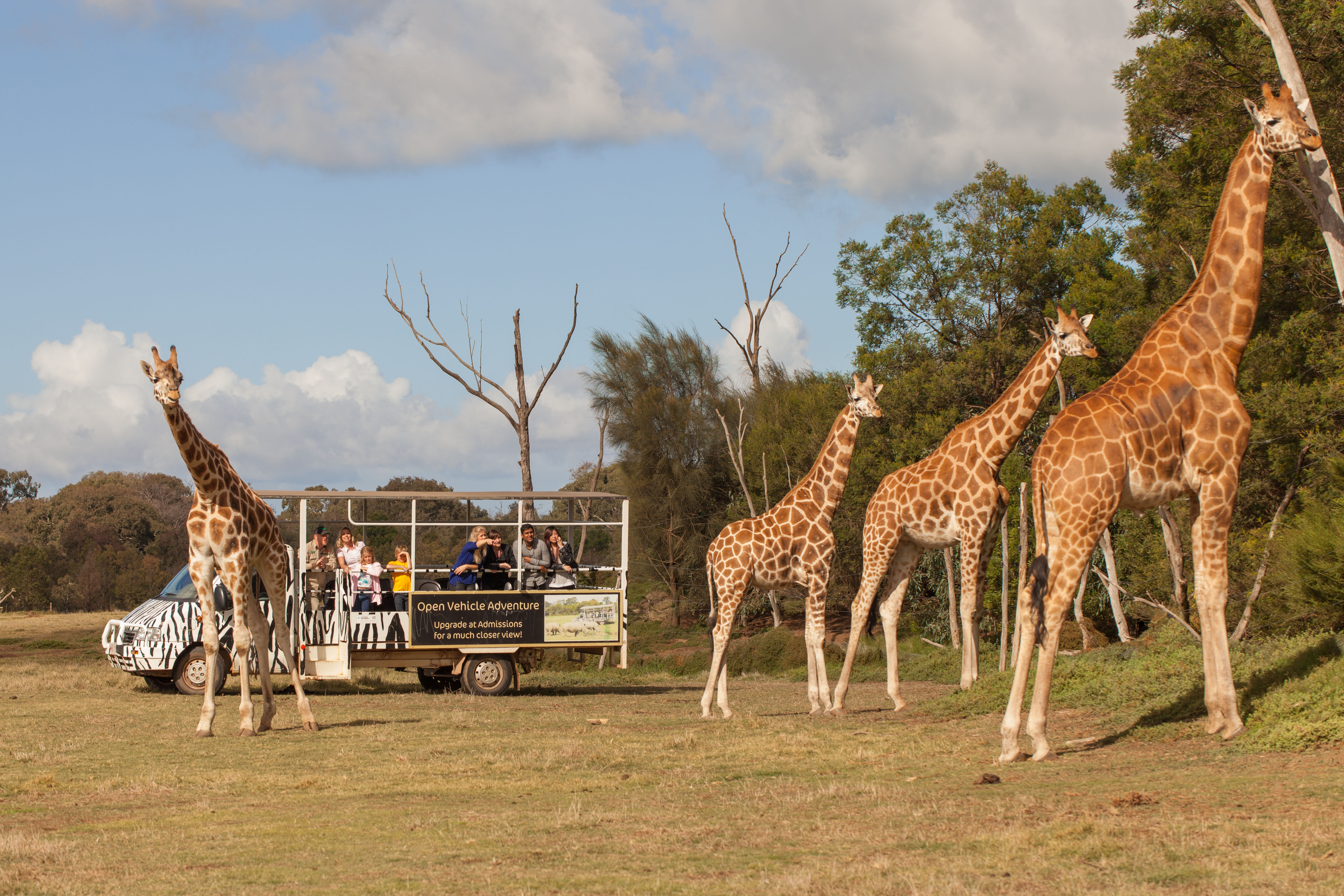
Summer can be warm to hot, with temperatures ranging from 14°C to 26°C, but sometimes climbing higher during heatwaves. The days are long and perfect for outdoor activities.
Autumn is one of the best times to visit, with temperatures between 11°C and 20°C and clear, comfortable weather. The city and surrounding regions are filled with golden and red leaves, creating a beautiful backdrop for photos.
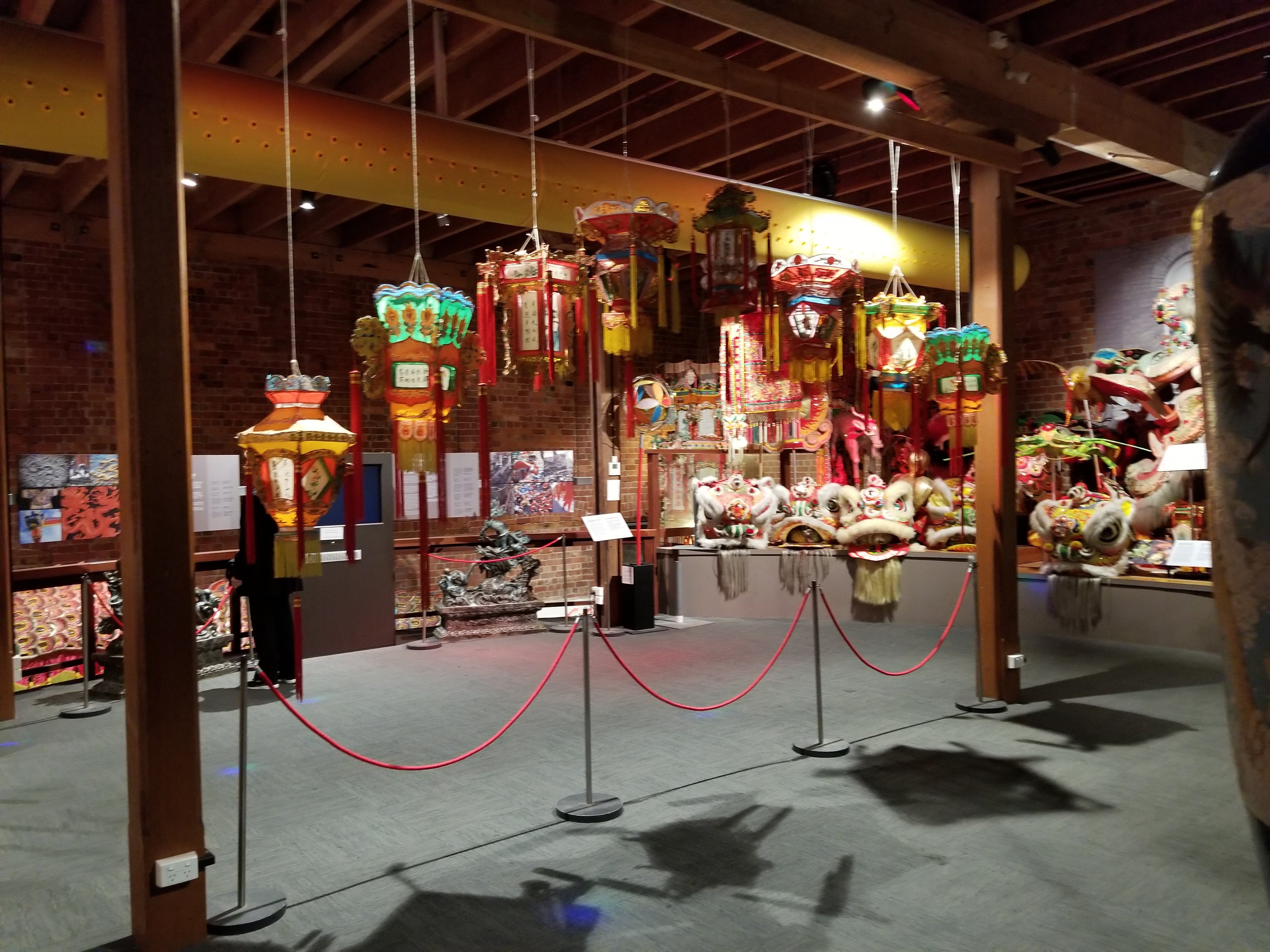
Winter in Melbourne is cool to cold, with temperatures between 6°C and 14°C. It is quieter compared to summer, making it a nice time for travellers who prefer fewer crowds.
FLIGHTS TO MELBOURNE
Here’s a month-by-month breakdown to help you plan the best time to visit Melbourne based on weather and events.
Month | Temperature (°C/°F) | Rainfall (mm/inches) | Travel Highlights |
January | 14°C to 26°C (57°F to 79°F) | 45 mm (1.8 inches) | Warm summer days are perfect for beaches like St Kilda or Brighton. The Australian Open tennis is held this month. Pack light clothes, sunscreen, and a hat. |
February | 14°C to 26°C (57°F to 79°F) | 45 mm (1.8 inches) | Still hot, with long sunny days. Great for outdoor dining, rooftop bars, and summer festivals. Be ready for the occasional heatwave. |
March | 13°C to 24°C (55°F to 75°F) | 50 mm (2.0 inches) | Start of autumn with cooler evenings. The city hosts the Melbourne Food and Wine Festival. Lovely time for day trips to the Great Ocean Road. |
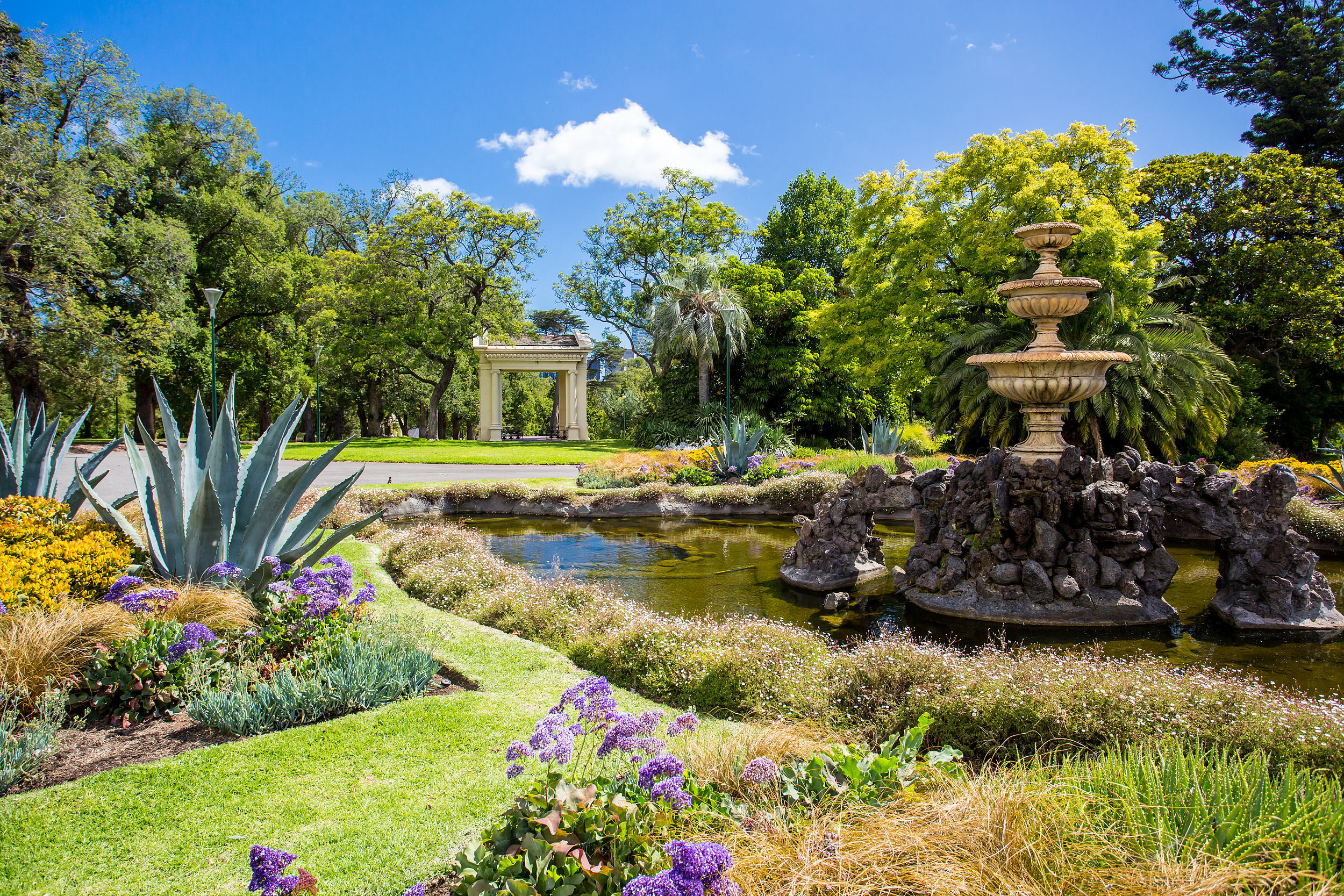
April | 11°C to 20°C (52°F to 68°F) | 55 mm (2.2 inches) | Comfortable weather with autumn leaves turning golden. A perfect time to stroll through the Botanic Gardens or explore wine regions like Yarra Valley. |
May | 9°C to 16°C (48°F to 61°F) | 60 mm (2.4 inches) | Cool and crisp. Autumn colours are at their peak. Great for café hopping, markets, and indoor attractions. Bring a jacket for chilly nights. |
June | 7°C to 14°C (45°F to 57°F) | 60 mm (2.4 inches) | Winter begins. Days are short and cold, but this is the time for truffle season and cosy cafés. Ski season starts at Mount Buller, only a few hours away. |
July | 6°C to 13°C (43°F to 55°F) | 55 mm (2.2 inches) | Coldest month of the year. Warm up with Melbourne’s famous coffee culture or explore museums and galleries. Snow lovers can head to nearby ski resorts. |
August | 7°C to 15°C (45°F to 59°F) | 55 mm (2.2 inches) | It's still winter, but the city gets lively with the Melbourne International Film Festival. Perfect for those who enjoy fewer crowds at attractions. |
September | 9°C to 17°C (48°F to 63°F) | 55 mm (2.2 inches) | Spring arrives with blooming flowers across the city. Days get longer and warmer. A nice time for picnics in the parks or visiting the Tulip Festival nearby. |
October | 10°C to 20°C (50°F to 68°F) | 65 mm (2.6 inches) | A popular month for travel. The weather is mild, and gardens are full of spring colour. The racing season kicks off with the Melbourne Cup Carnival. |
November | 12°C to 22°C (54°F to 72°F) | 60 mm (2.4 inches) | Spring continues with warmer weather. Outdoor dining, markets, and events are in full swing. Great for exploring laneways and the city vibe. |
December | 14°C to 24°C (57°F to 75°F) | 55 mm (2.2 inches) | Summer returns. Christmas markets and New Year celebrations bring the city to life. Perfect for enjoying the beaches and outdoor festivals. |
Use our promo code to enjoy up to 5% OFF (up to S$3) on your attraction tickets, tours and eSIMs! Only for new users!
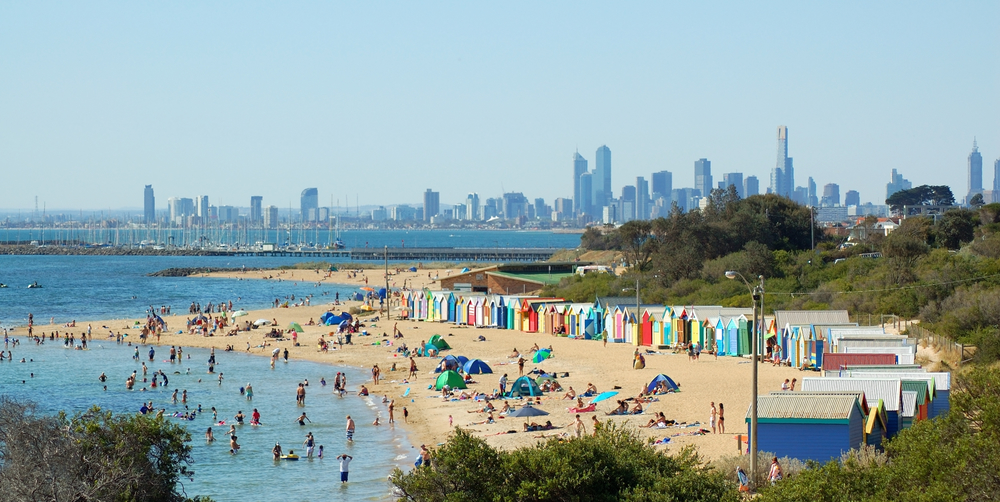
Summer is lively in Melbourne with warm temperatures between 14°C and 26°C. The city buzzes with outdoor festivals, rooftop dining, and events like the Australian Open tennis. Beaches such as St Kilda and Brighton are at their best.
Expect more tourists, busy attractions, and higher hotel prices. Popular restaurants and tours may need booking in advance.
Long daylight hours, beach days, plenty of festivals, and an energetic city atmosphere.
Hot days can be tiring, and prices for hotels and flights are higher.

These months are often seen as the best times for Singaporeans to visit. Temperatures range from 11°C to 20°C, making it comfortable to explore on foot. Autumn (March to May) brings golden leaves across the parks, while spring (September to November) fills the gardens with blooming flowers.
Moderate visitor numbers and fair hotel rates. Popular attractions are easier to enjoy without heavy crowds.
Mild and pleasant weather, beautiful seasonal scenery, and plenty of cultural festivals.
Weather can still change suddenly, so a light jacket or umbrella is handy.

Winter in Melbourne is cool and quieter, with temperatures between 6°C and 14°C. The city slows down, offering a cosy vibe with cafés, museums, and art galleries. Snow lovers can take a trip to Mount Buller for skiing, only a few hours away.
Fewer tourists mean shorter queues and better hotel deals. Airfares can also be cheaper.
Great time for food, wine, and indoor attractions, plus the chance to see snow nearby.
Shorter days, colder weather, and outdoor sightseeing is less comfortable.
Discover the world with Trip.com! Book the perfect hotel anywhere in the world and get an unbeatable 10% discount if you're a first-time user! Download our app now and start planning your next trip with ease.
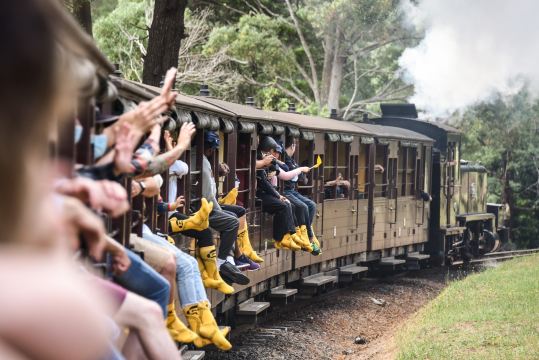
Flights from Singapore to Melbourne can vary a lot depending on school holidays, major events, and peak travel seasons.
If you book during the wrong period, you could end up paying significantly more for flights and hotels.
December to January is usually the priciest period.
January can be especially expensive because of the Australian Open, which attracts visitors from around the world.
Hotel prices near popular areas like Melbourne Central Business District and St Kilda Beach often rise quickly during this period.
If you are travelling during year end holidays, book flights early.
May, June, and August are often the most budget friendly months.
This period falls outside major holidays, and tourist crowds are much smaller.
The only exception is if you plan a snow trip to Mount Buller during peak ski weekends, where prices may rise.
Travel Period | Price Level | Crowd Level |
December to January | Highest | Very crowded |
March to April | Moderate | Moderate |
May to August | Lower | Less crowded |
October to November | Moderate | Moderate |
Want good weather without peak prices?
March, April, October, and November are often the best middle ground for Singapore travellers.
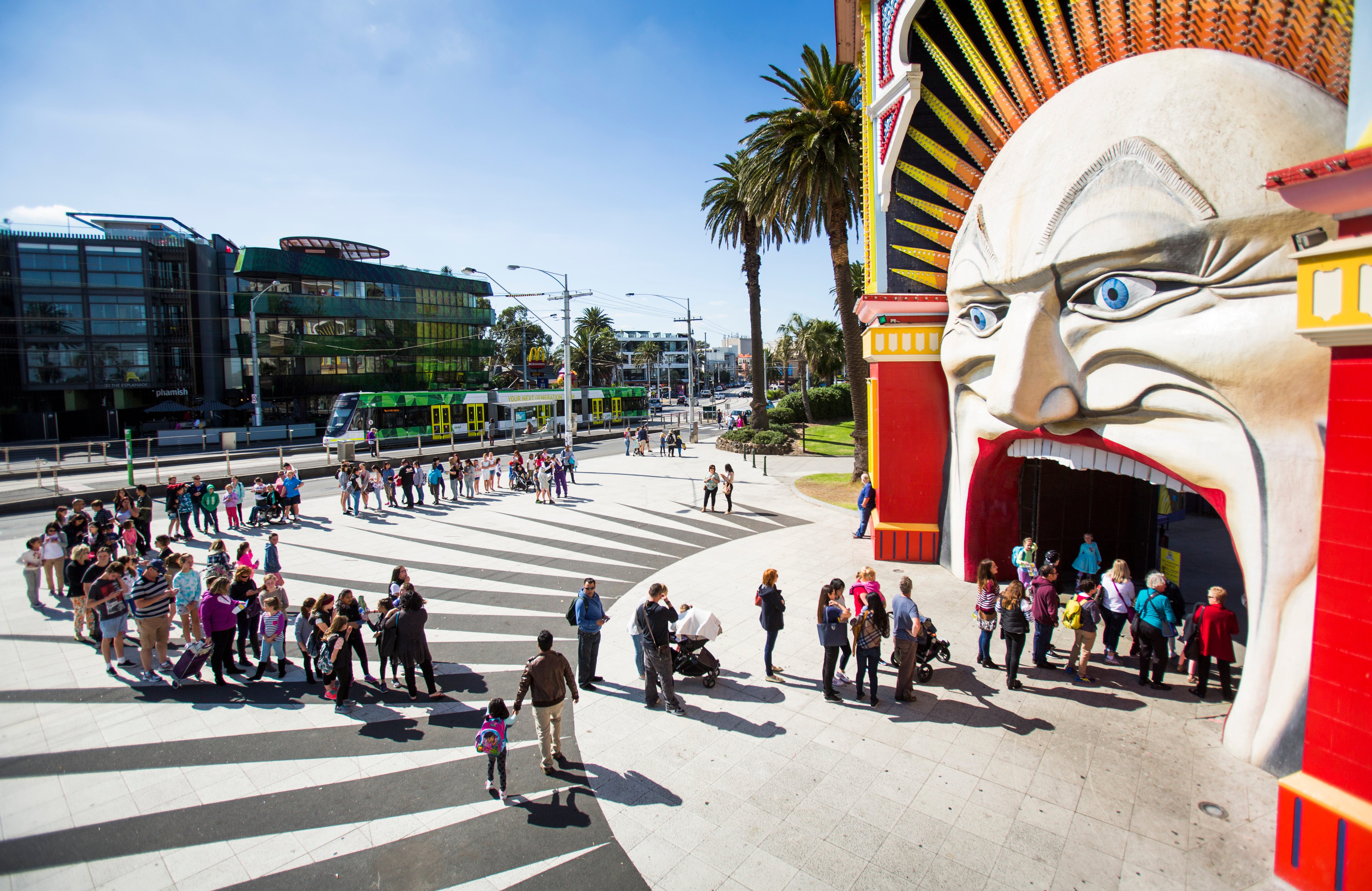
Hotels in Melbourne can get pricey during peak events like the Australian Open or the Formula 1 Grand Prix. If you want better rates, book early. For a quieter stay, look at areas just outside the CBD such as South Yarra or Carlton where you’ll still be close to good food and transport.
Pick up an Australian SIM card or an eSIM when you arrive. Data is useful for Google Maps, checking tram routes, or even making quick reservations on the go. Free Wi-Fi is common in the city but not everywhere, so it helps to stay connected.
Credit and debit cards are accepted almost everywhere in Melbourne, from big malls to small cafes. Most shops also accept contactless payments, so you can simply tap your card or phone. It’s good to carry a little cash for markets or smaller stalls, but you’ll rarely need it.
 NO.1
NO.1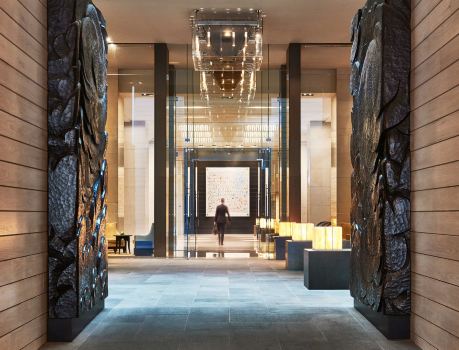

![[September Promotion] Melbourne Great Ocean Road Trail + Twelve Apostles Day Trip](https://ak-d.tripcdn.com/images/0353512000rhrsek011EF_C_568_320.png)
![[Affordable Price for Tomorrow] Melbourne Puffing Billy Steam Train + Phillip Island & Penguin Island Day Trip](https://ak-d.tripcdn.com/images/0353412000owxc2zf0430_C_568_320.jpg)

![Optional Mercedes 599] Melbourne Puffing Billy Railway + Phillip Island 1-day tour](https://ak-d.tripcdn.com/images/0357212000o1yn9qiBC78_C_568_320.png)
![12 apostles 90 minutes/no backlight] Melbourne Great Ocean Walk + Twelve Apostles 1-day tour](https://ak-d.tripcdn.com/images/0350j12000s9azdr660DC_C_568_320.jpg)

![Sovereign Hill one-day tour from Melbourne, Australia [Sovereign Hill Gold Mine, Mine Experience, and Botanical Gardens]](https://ak-d.tripcdn.com/images/0350g12000rpi8r4w6926_C_568_320.png)
![Great Ocean Road Classic Sunset Day-Tour [English & Chinese speaking driver/guide & popular spots & air-conditioned bus] in Melbourne](https://ak-d.tripcdn.com/images/0350d12000n9i366n638B_C_568_320.jpg)