The All Seasons Guide To The Weather In Melbourne

By Trip.com
April 10, 2023
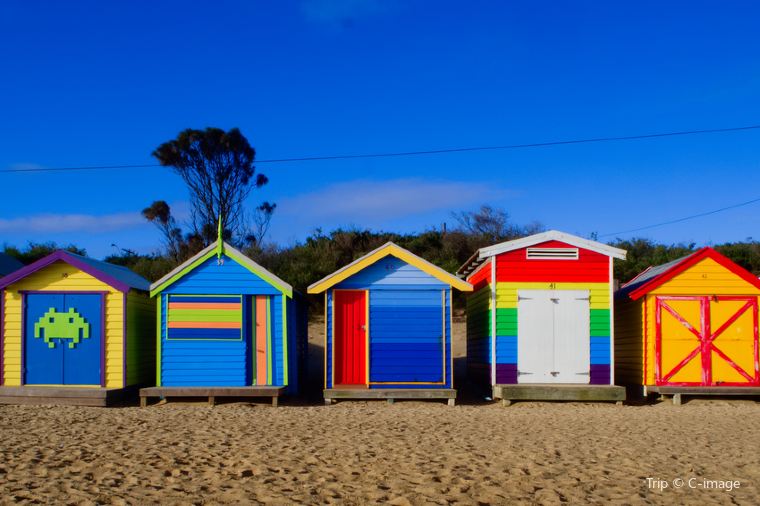
Planning a trip to Melbourne soon? Then you are at the right place!
Melbourne is located on the coast, and coupled with its varied topography and surroundings, the weather in Melbourne is ever-changing throughout the year. So, it's crucial to understand the patterns to have a fuss-free trip!
In this guide, we'll explore what you need to know about the weather in Melbourne to help plan your itinerary, prepare for extreme weather events, and dress appropriately for the day.
Let's dive in and uncover the secrets of Melbourne's weather together!
Seasons In Melbourne
Melbourne is a dynamic and exciting destination that offers unique experiences in every season.
There are four distinct seasons, each with its unique weather patterns and temperature range, making it a city that can be enjoyed year-round.
From exploring the city's outdoor attractions in the hot and dry summer months to taking in the colorful autumn foliage, there’s so many things to do in Melbourne regardless of the seasons.
Let’s find out more on the four seasons!
Summer (December - February)
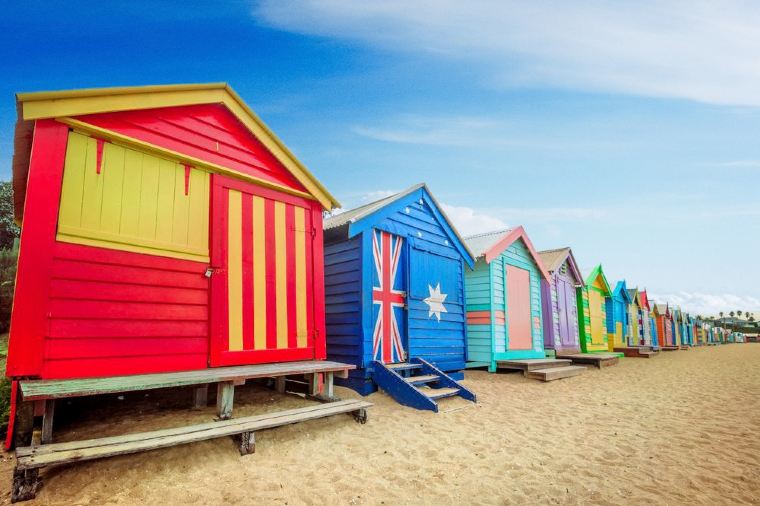
Brighton Beach
Expect warm temperatures ranging from 20-30°C during Melbourne's dry summer months. You may experience occasional hot spells that can last more than three days, with the hottest temperatures usually occurring in January and February, occasionally exceeding 30°C.
In the summer, you can enjoy the city's many beaches, including St Kilda Beach and Brighton Beach, where you can soak up the sun and enjoy the sparkling waters of Port Phillip Bay.
The summer is also the perfect time to explore the city's many outdoor festivals, including the Australian Open and the Melbourne International Arts Festival.
Autumn (March - May)
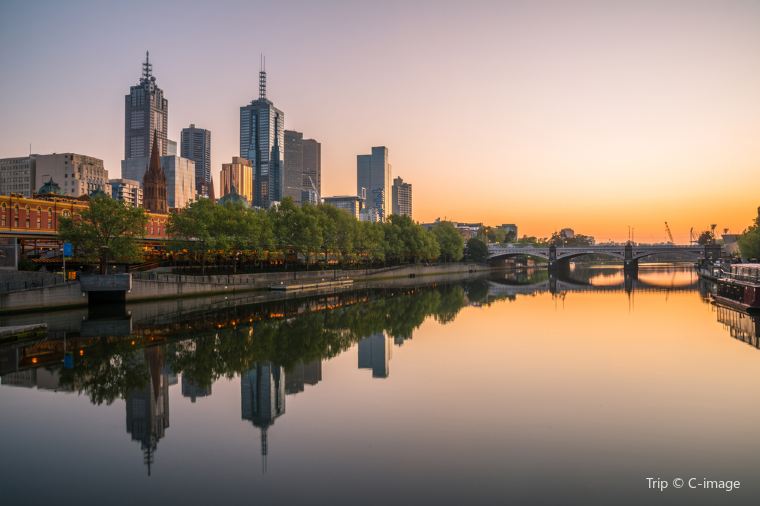
Scenic Yarra River
Cooler weather characterizes Melbourne's autumn season, with average temperatures ranging from 15-20°C. Expect foggy mornings that give way to fine, sunny days, though later in the season, there may be extended periods of light winds.
During this time, you can take a scenic drive to the nearby Yarra Valley, where you can witness the leaves change colors and indulge in local wines and cuisine.
You can also visit the Royal Botanic Gardens, where you can experience the beauty of the changing seasons and immerse yourself in nature.
Winter (June - August)
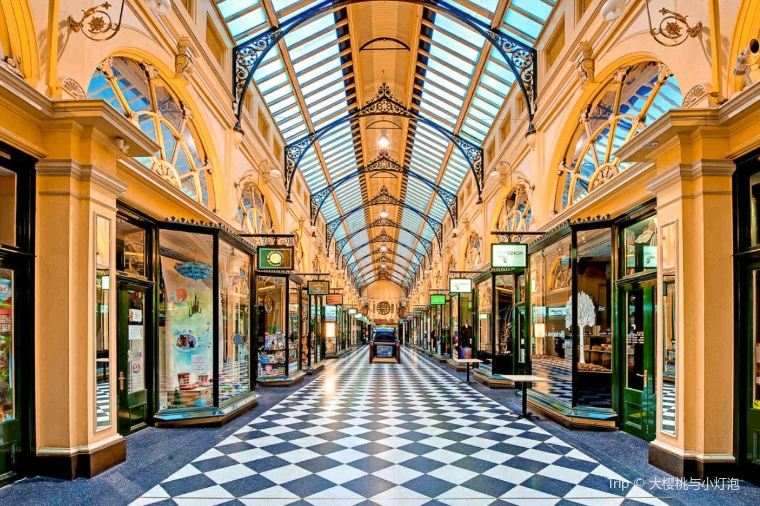
Shop at Royal Arcade
The average temperatures range from 10-15°C, with snowfall occurring in the north-eastern region of Victoria, known as High Country. Expect cold, cloudy weather, frosty nights, and rare heavy rain.
During the cool and damp winter months, you can cozy up in one of Melbourne's many cafes or explore the city's world-class museums, including the National Gallery of Victoria and the Melbourne Museum.
You can also take a day trip to the nearby ski resorts of Mount Buller or Falls Creek and enjoy the winter wonderland.
Spring (September - November)
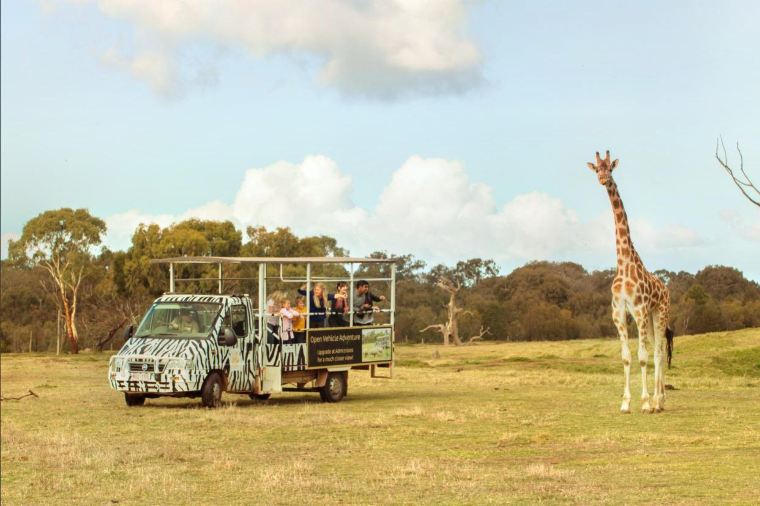
Visit Werribee Open Range Zoo
Melbourne's spring season brings average temperatures ranging from 15-20°C. This is the most variable season, with quick changes from calm and sunny to cold and windy weather. Be sure to pack an umbrella, as October tends to be the wettest month, with roughly 10 days of rainfall.
In the spring, you can witness the city come to life with the blooming of flowers and the return of wildlife. You can explore the city's many parks and gardens, including the Carlton Gardens and Fitzroy Gardens, or take a scenic drive along the Great Ocean Road and witness the breathtaking coastal views.
No matter what season you choose to visit Melbourne, you'll be sure to find plenty of attractions and activities that suit your interests and passions. With its diverse range of experiences, Melbourne truly is a city that can be enjoyed year-round.
| Season | Months | Temperature Range | Rainfall | Suggested Places of Attraction |
| Summer | December-February | 20-30°C | Low to Moderate | St Kilda Beach, Brighton Beach, Australian Open, Melbourne Festival |
| Autumn | March-May | 15-20°C | Moderate | Yarra Valley, Royal Botanic Gardens, Melbourne Food and Wine Festival |
| Winter | June-August | 10-15°C | High | Melbourne Museum, National Gallery of Victoria, Ski resorts |
| Spring | September-November | 15-20°C | Low to Moderate | Great Ocean Road, Carlton Gardens, Fitzroy Gardens, Melbourne Zoo |
Best Time To Visit

Take a ride at Luna Park
Wondering when the best time to visit is? Well, it all depends on your preferences and interests!
The great thing is that Melbourne offers something for everyone, any seasons.
If you're a summer lover, then the months of December to February might be the best time for you to visit. On the other hand, if you prefer mild temperatures and colorful foliage, then the fall months of March to May may be ideal.
Winter in Melbourne is cool and damp, but it provides the perfect atmosphere for exploring indoor attractions such as museums and galleries. You can even take a day trip to nearby ski resorts for a day of snowy fun!
Finally, the spring months of September to November offer blooming flowers and the return of wildlife. You can explore the city's many parks and gardens or take a scenic drive along the Great Ocean Road.
Ultimately, the best time to visit Melbourne depends on your interests and preferred weather conditions.
By understanding the weather in Melbourne and places of attraction, you can plan your trip accordingly and make the most of your time in this dynamic and exciting city. You can also check out our Melbourne travel guide for more ideas!
Essential Tips To Navigate Weather In Melbourne
Regardless of the seasons, the weather in Melbourne can be highly variable, so packing for your trip can be a bit of a challenge. However, with a few simple (yet essential) tips, you can make sure you're prepared for any weather conditions that come your way.
1. Layers are key
Melbourne's weather can change quickly, so it's essential to pack layers that you can easily put on or take off as needed. This way, you can adjust to the temperature changes throughout the day.
2. Bring a waterproof jacket
Melbourne is known for its high rainfall, especially during the winter months. Be sure to pack a waterproof jacket or coat to stay dry and comfortable during your outdoor activities.
3. Comfortable footwear
Whether you're exploring the city or hiking in nearby national parks, it's crucial to pack comfortable and waterproof footwear. Melbourne's terrain can be quite varied, so make sure you have appropriate shoes for all activities.
4. Sun protection
While Melbourne may be known for its rain, it can also get quite hot and sunny during the summer months. Be sure to pack sunscreen, a hat, and sunglasses to protect yourself from the sun's harmful rays.
5. Check the forecast
Before packing, check the weather forecast for the dates of your trip. This way, you can pack appropriately and avoid any unexpected weather surprises.
By following these simple tips, you can pack for any weather conditions in Melbourne and enjoy your trip to the fullest.
FAQs On Weather In Melbourne
-
What is the best month to visit Melbourne?
-
What month is Melbourne hottest?
-
When does daylight savings occur in Melbourne?
Weather In Melbourne Summary
In conclusion, Melbourne truly is a city that can be enjoyed year-round. With four distinct seasons and a diverse range of attractions, there's never a bad time to visit this dynamic city.
So, pack your bags, follow our essential tips, and get ready to experience all that this dynamic and exciting city has to offer.
And don't forget to check the weaher before you leave. Have a great trip!
Find Cheap Deals & Discover Destinations
-
Popular Content
-
Popular Flights
-
Popular Hotels
-
Popular Things to Do
-
Featured guides
-
Trip.com links
- Cheap flights from Sydney to Melbourne
- Cheap flights from Bali to Melbourne
- Cheap tickets from Christchurch to Melbourne
- Plane tickets from Singapore to Melbourne
- Cheap flights from Bangkok to Melbourne
- Cheap tickets from Kuala Lumpur to Melbourne
- Cheap flights from Brisbane to Melbourne
- Plane tickets from Gold Coast to Melbourne
- Plane tickets from Perth to Melbourne
- Plane tickets from Launceston to Melbourne
- Plane tickets from Jakarta to Melbourne
- Plane tickets from Hobart to Melbourne
- Cheap flights from Adelaide to Melbourne
- Cheap tickets from Manila to Melbourne
- Cheap flights from Queenstown to Melbourne
- Grand Hyatt Melbourne
- Brady Hotels Central Melbourne
- Rendezvous Hotel Melbourne
- Citadines on Bourke Melbourne
- Ibis Melbourne Central
- Pegasus Apart'Hotel
- Avani Melbourne Central Residences
- Holiday Inn Express MELBOURNE LITTLE COLLINS by IHG
- Holiday Inn Melbourne Bourke Street Mall by IHG
- Mercure Melbourne City Centre
- Hyatt Centric Melbourne
- Meriton Suites Melbourne
- Novotel Melbourne Central
- Dorsett Melbourne
- Rydges Melbourne
- Ibis Melbourne Hotel and Apartments
- The Canvas Apartment Hotel
- Collins House Apartments by CLLIX
- Yehs Hotel Melbourne CBD
- The Hotel Windsor
- Melbourne Yacht Charter
- Melbourne Travel Essentials
- Melbourne Connectivity Solutions
- Melbourne SIM Card
- Melbourne Day Tours
- Melbourne Bus Tickets
- Melbourne Activities
- Melbourne Spa & Massage
- Melbourne Restaurant Discounts
- Melbourne Skydiving
- Melbourne: City Highlights Guided Walking Crime Tour
- Discover the Great Ocean Road Coastal Spectacular - Full-Day Small Group Tour
- Melbourne: MCG & Sports Venue Sightseeing Tour
- Melbourne: Indoor Skydiving Experience
- Melbourne: Original Lanes & Arcades Walk
- China Power Bank Limit
- Trip.com Customer Service
- train to kl from singapore
- Shanghai Metro
- China Train Map
- China Entry Requirements
- Hong Kong Public Holidays 2027
- train from singapore to jb
- China Plug
- Thailand Plug
- universal studios singapore tickets
- Renew Autopass Singapore
- Taiwan Plug
- Vietnam Arrival Card
- Singapore Malaysia Cross Border Taxi
- Frankfurt Airport to City
- Osaka Station to Kyoto Station
- Bangkok to Pattaya
- Trip.com Promo Code
- Trip.com Flight Deals
- Trip.com Credit Card Promotions
- How to Book Cheap Hotels
- How to Book Cheap Flights
- Trip.com Member Rewards
- Trip Weekly Hotel Sales
- Online Hotel Booking
- Online Flight Booking
- Trip.com Travel Guide
- Book China Train Tickets
- Trip.com Seat Selection
- Singapore Public Holidays 2027
- Trip.com 优惠码
- Trip.com Travel Guides
- Trip.com 10.10 Mega Sale