









China is huge. You could spend months exploring and still feel like there’s more to see. A China map doesn’t just show you where places are; it helps you understand distances, cities and regions. In this guide, I’ll show you how to use a China map like a pro. We’ll cover everything from reading maps to using apps that make navigating China easier.
China's Location on the World Map

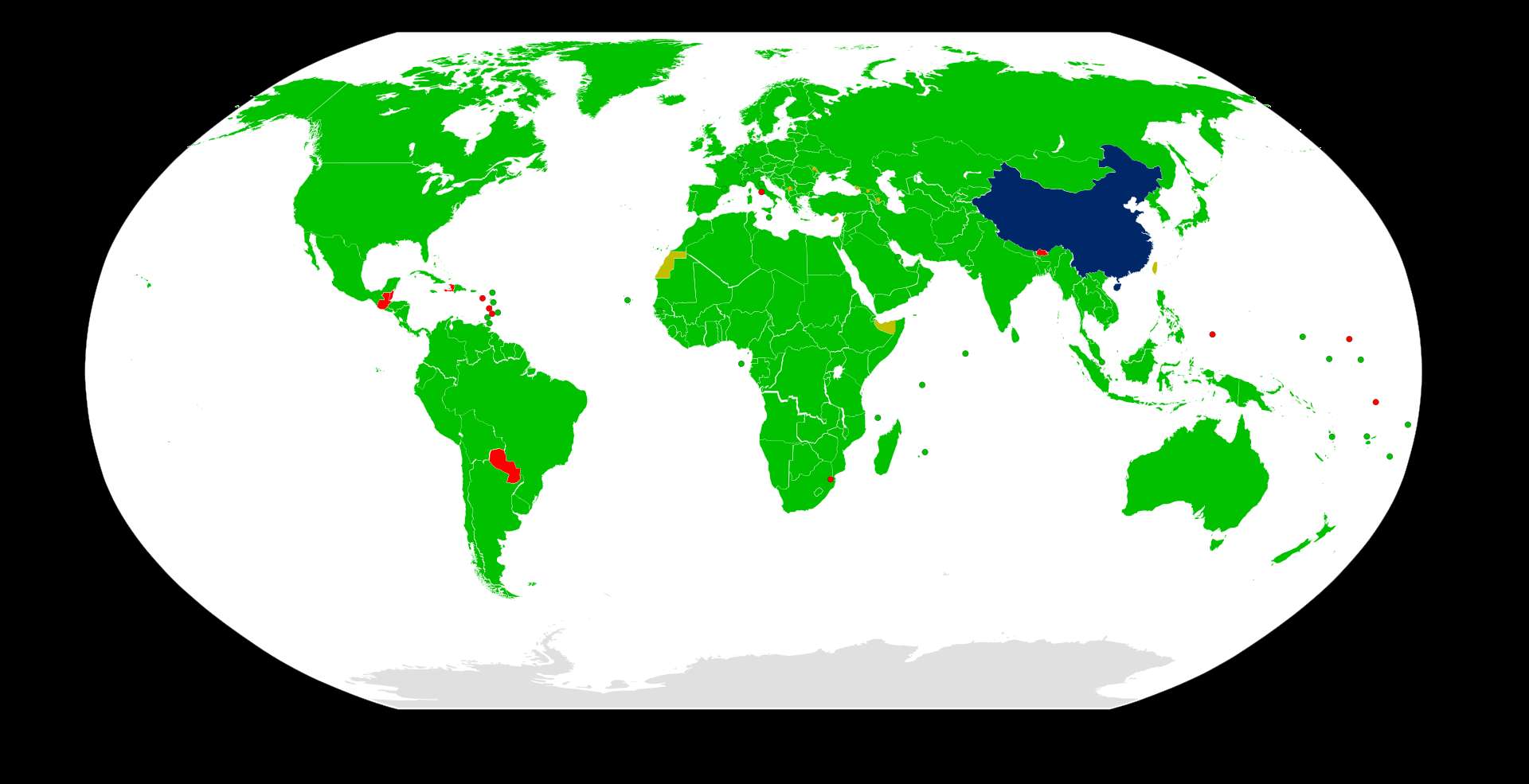
Source: Wikipedia
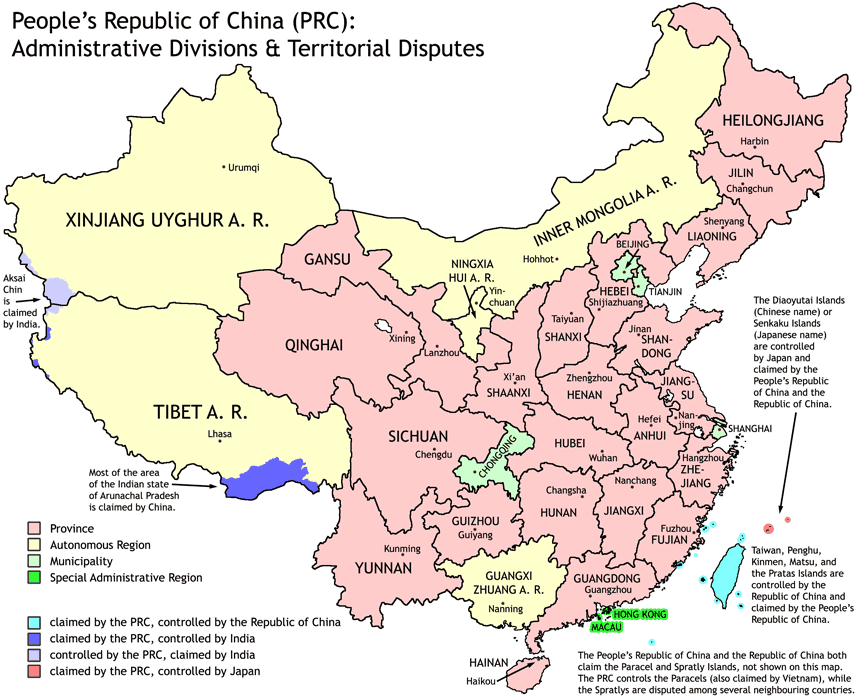
China is located in East Asia, occupying a vast portion of the continent. To the east, China is flanked by the Pacific Ocean, offering it a long coastline. To the north, it shares borders with Mongolia and Russia, while to the west, it meets countries like Kazakhstan, India, and Nepal. With an area of nearly 9.6 million square kilometres, China is the fourth-largest country by land area, and it spans five geographical time zones. Its central location in Asia makes it a key player in both regional and global affairs.
A Breakdown of China Map

Source: Wikipedia
Eastern China
Eastern China is a region that defines much of China’s identity. The region is home to the Yangtze River and stretches along China’s coast, offering a mix of fertile plains, coastal areas, and busy ports. The weather here is humid with hot summers and mild winters. Economically, it's the powerhouse of China, with Shanghai leading as the financial capital and the Yangtze River Delta driving much of the nation's industry.
Popular cities in eastern China to travel include Shanghai, Hangzhou, Suzhou, Nanjing and Qingdao.
Northern China
Northern China is a region steeped in history, culture, and natural beauty. It’s a land of wide plains, rugged mountains, and sprawling deserts. The weather here is harsh, with long, cold winters and hot, dry summers. The region plays a vital role in China’s history and politics, with cities like Beijing shaping the country’s future while holding onto its deep-rooted traditions. Economically, it’s an important industrial hub, but also home to agricultural areas that support much of the country’s grain production.
Popular cities in eastern China to travel include Beijing, Tianjin, Datong, Hohhot, and Shenyang.
Southern China
The landscape here is diverse, with lush mountains, fertile river valleys, and a long coastline. The weather is generally warmer and more humid, with tropical influences. It’s a key economic region, with cities like Guangzhou and Shenzhen driving China’s rapid growth Culturally, the south is full of influences from both the past and present. Southern China is all about fast-paced growth and deep-rooted customs coexisting.
Popular cities in eastern China to travel include Guangzhou, Shenzhen, Hong Kong, and Sanya.
Western China
Western China is a world apart. This region is dominated by vast deserts, towering mountains, and wide-open spaces. It’s where you’ll find some of the most remote parts of the country. The weather here can be extreme, with scorching summers in the deserts, freezing winters in the mountains. Economically, it’s not as developed as the coastal regions, but it’s a place of growing importance, especially with China’s Belt and Road Initiative linking this area to Central Asia and beyond. Culturally, Western China is incredibly diverse, home to various ethnic groups with rich traditions that have been preserved for centuries.
Popular cities in eastern China to travel include Lhasa, Urumqi, Xining, and Chengdu.
Popular Cities to Mark on Your China Map
1. Shanghai (Shanghai, Eastern China)

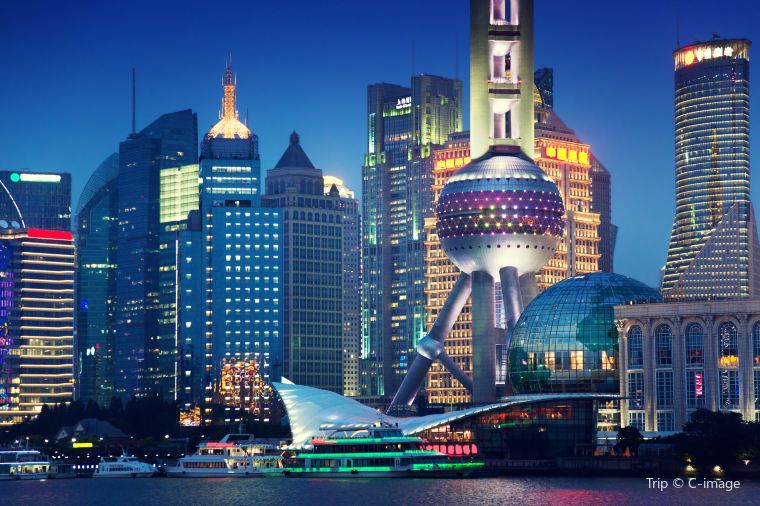
Shanghai is a fast-paced, modern metropolis full of energy. From its historic architecture to its cutting-edge skyline, it’s a city that blends the old with the new. Some popular attractions are:
- The Bund: A historic waterfront area with colonial-era buildings and views of Shanghai’s modern skyline.
- Yu Garden: A traditional Chinese garden that offers a peaceful escape from the hustle and bustle.
- Shanghai Tower: The second-tallest building in China, offering panoramic views from the observation deck.
Explore Shanghai Now
2. Beijing (Beijing, Northern China)

Beijing is a city where history meets modern life, and it’s home to some of China’s most important cultural and political landmarks. Some popular attractions are:
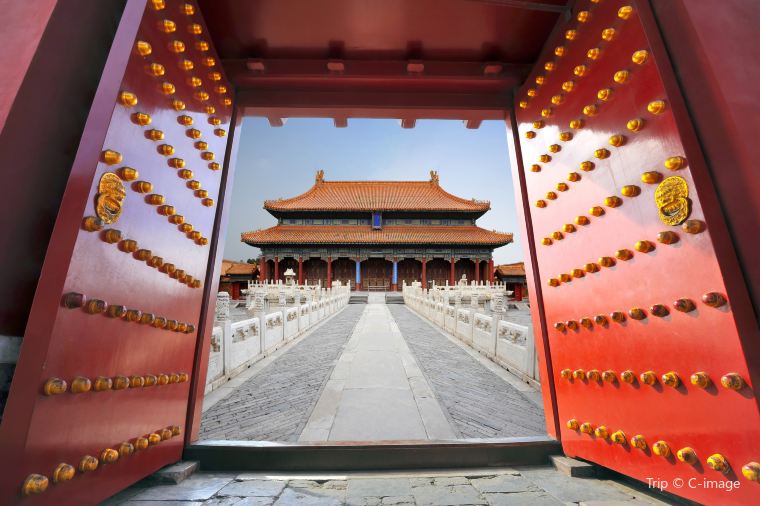
- Forbidden City: The former imperial palace, a massive complex that once housed Chinese emperors.
- The Great Wall of China: Stretching over 13,000 miles, this iconic wall is a must-see for visitors.
- Tiananmen Square: One of the world’s largest public squares, rich in history and political significance.
Explore Beijing Now
3. Xi’an (Shaanxi, Northwestern China)

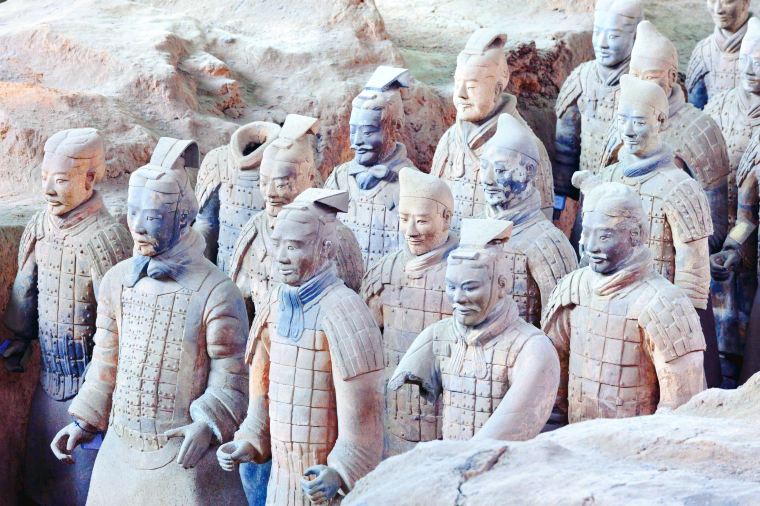
Xi’an is a city of immense historical significance, known as the starting point of the Silk Road and home to the famous Terracotta Army. Some popular attractions are:
- Terracotta Army: Thousands of life-sized clay soldiers buried with China’s first emperor, Qin Shi Huang.
- Xi’an City Wall: One of the best-preserved ancient city walls in China, offering great views and a sense of history.
- Big Wild Goose Pagoda: A Buddhist landmark and symbol of Xi’an’s cultural history.
Explore Xi'an Now
4. Chengdu (Sichuan, Southwestern China)

Chengdu is a city famous for its relaxed pace, spicy food, and giant pandas. It’s also a gateway to the beautiful landscapes of Sichuan province. Some popular attractions are:
- Chengdu Research Base of Giant Panda Breeding: A place to see the famous giant pandas up close.
- Wuhou Shrine: A historical site dedicated to the Three Kingdoms period, full of cultural significance.
- Jinli Ancient Street: A lively street with traditional buildings and local food stalls.
Explore Chengdu Now
5. Guilin (Guangxi, Southern China)

Guilin is renowned for its striking natural beauty, with limestone peaks and clear rivers creating a picturesque landscape that’s unlike anywhere else in China. Some popular attractions are:
- Li River Cruise: A scenic boat ride through towering karst peaks and rural villages, offering one of China’s most famous landscapes.
- Reed Flute Cave: A stunning cave full of unique stalactites and stalagmites, illuminated by colourful lights.
- Longji Rice Terraces: Terraced fields carved into the mountains, providing breathtaking views and a glimpse into rural life.
Explore Lijiang Now
6. Hong Kong (Hong Kong, Southern China)

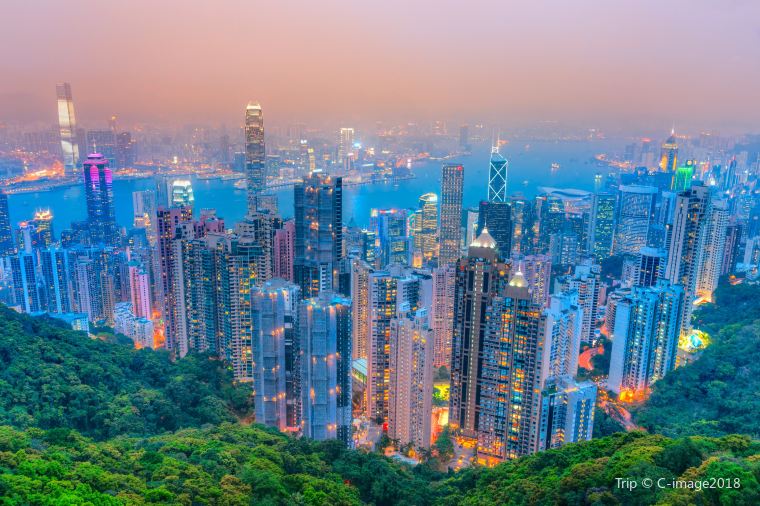
Hong Kong is a bustling city with a unique blend of Eastern and Western influences, known for its skyscrapers, shopping, and vibrant food scene. Some popular attractions are:
- Victoria Peak: The highest point in Hong Kong, offering incredible views of the city and harbour.
- Tsim Sha Tsui Promenade: A waterfront promenade with views of Hong Kong Island’s skyline.
- Hong Kong Disneyland: A family-friendly park with all your favourite Disney characters and attractions.
Explore Hong Kong Now
7. Hangzhou (Zhejiang, Eastern China)

Hangzhou is famous for its natural beauty, with West Lake being the main attraction. The city has a peaceful, almost spiritual atmosphere, perfect for a more relaxed visit. Some popular attractions are:
- West Lake: A serene lake surrounded by temples, gardens, and pagodas — ideal for a peaceful walk or boat ride.
- Lingyin Temple: A historic Buddhist temple set in lush greenery, offering a tranquil atmosphere.
- Leifeng Pagoda: An ancient pagoda with spectacular views over West Lake.
Explore Hangzhou Now
8. Lijiang (Yunnan, Southwestern China)

Lijiang is an ancient town surrounded by stunning mountains and valleys. Its well-preserved architecture and rich Naxi culture make it a unique destination in Yunnan. Some popular attractions are:
- Old Town of Lijiang: A UNESCO World Heritage site with narrow streets, ancient buildings, and a distinct Naxi culture.
- Jade Dragon Snow Mountain: A breathtaking mountain range, perfect for hiking and enjoying the natural beauty of the area.
- Black Dragon Pool: A peaceful park with clear water, gardens, and great views of the snow-capped mountains.
Explore Lijiang Now
Navigating China with Map Apps


Gaode Map | Baidu Maps | Maps.me
Getting around China is a lot easier today, thanks to the wide range of map apps in China. While Google Maps is blocked, there are several local apps that work just as well, if not better.
Baidu Maps is one of the most popular, providing detailed maps, real-time traffic updates, and walking directions. It’s especially useful in cities, helping you navigate public transport routes with ease.
Another great app is Amap (also known as Gaode Map), which offers precise GPS, detailed street maps, and public transit info.
For those travelling to more remote areas, Maps.me is a good option for offline maps, which can be downloaded before your trip and used without an internet connection.
Read More
Tips for Travelling Around China

Planning a trip to China can feel like a big task, but with the right approach, it’ll be an unforgettable experience. Here are a few tips to help you get started:
Pack for the Weather: China is huge, and the weather can vary greatly depending on where you’re going. In the north, winters can be freezing, while the south can get humid in the summer. Pack accordingly!
Plan Your Route: China’s cities are far apart, so think about how much time you’ll need to travel between them. Use China high-speed trains for quick and comfortable journeys, or opt for flights if you're covering larger distances.
Use an eSIM for Convenient Connectivity: If you’re planning to stay connected while in China without the hassle of swapping physical SIM cards, consider using a China eSIM.
Start Planning Your China Adventure
China is a country that will leave you with lasting memories, whether you're marvelling at the Great Wall, exploring different cities, or relaxing by serene lakes. With the right planning, tools, and a bit of curiosity, you’re sure to make the most of your adventure. So, start mapping out your trip, pack your bags, and get ready for a journey. China is waiting, and your adventure is just beginning!
FAQs About China Map
Can I use Google Maps in China?
Google Maps is not fully accessible in China due to internet restrictions. To get around, consider using local map apps like Baidu or Amap, or download offline maps from apps like Maps.me.Can I use a map to navigate public transport in China?
Absolutely! Apps like Baidu Maps and Amap provide detailed public transport routes, including buses, subways, and high-speed trains. They also offer real-time updates on train and bus schedules.Are English maps available in China?
Many map apps in China have an English interface, although the level of detail might vary. For the best experience, it’s a good idea to familiarise yourself with basic Chinese characters for locations or use translation apps when needed.