
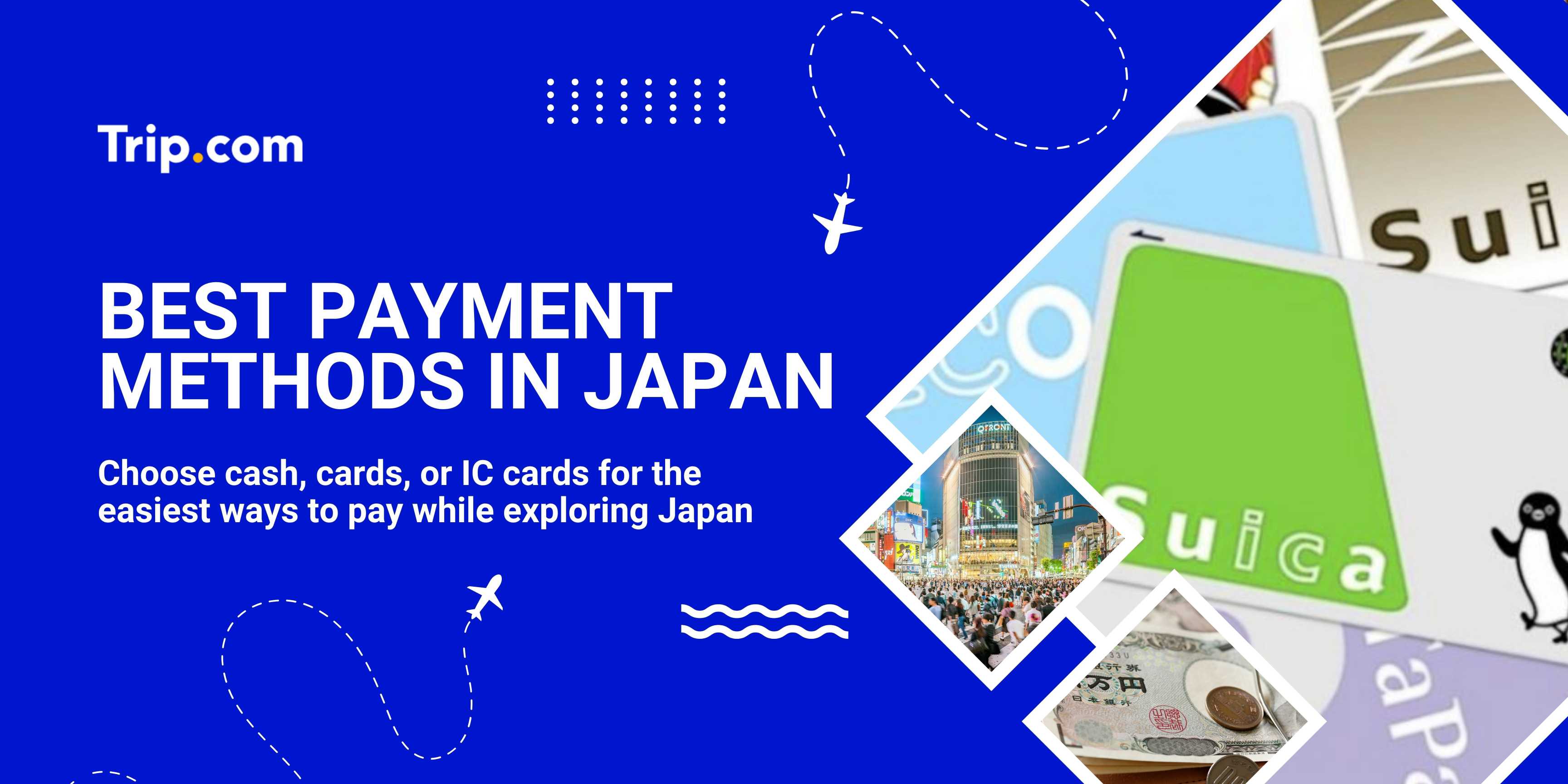
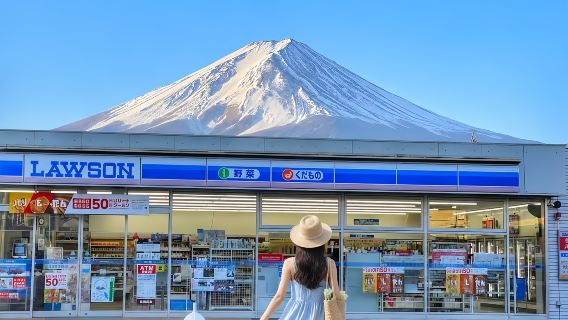
Travelling in Japan is seamless when you know how to pay. While credit cards and mobile payments are widely accepted in cities, cash remains essential for street food stalls, shrines, and rural towns. Conveniently, ATMs at 7-Eleven, Lawson, and Japan Post offices let tourists access yen anytime.
Understanding Japanese Yen And Currency Exchange
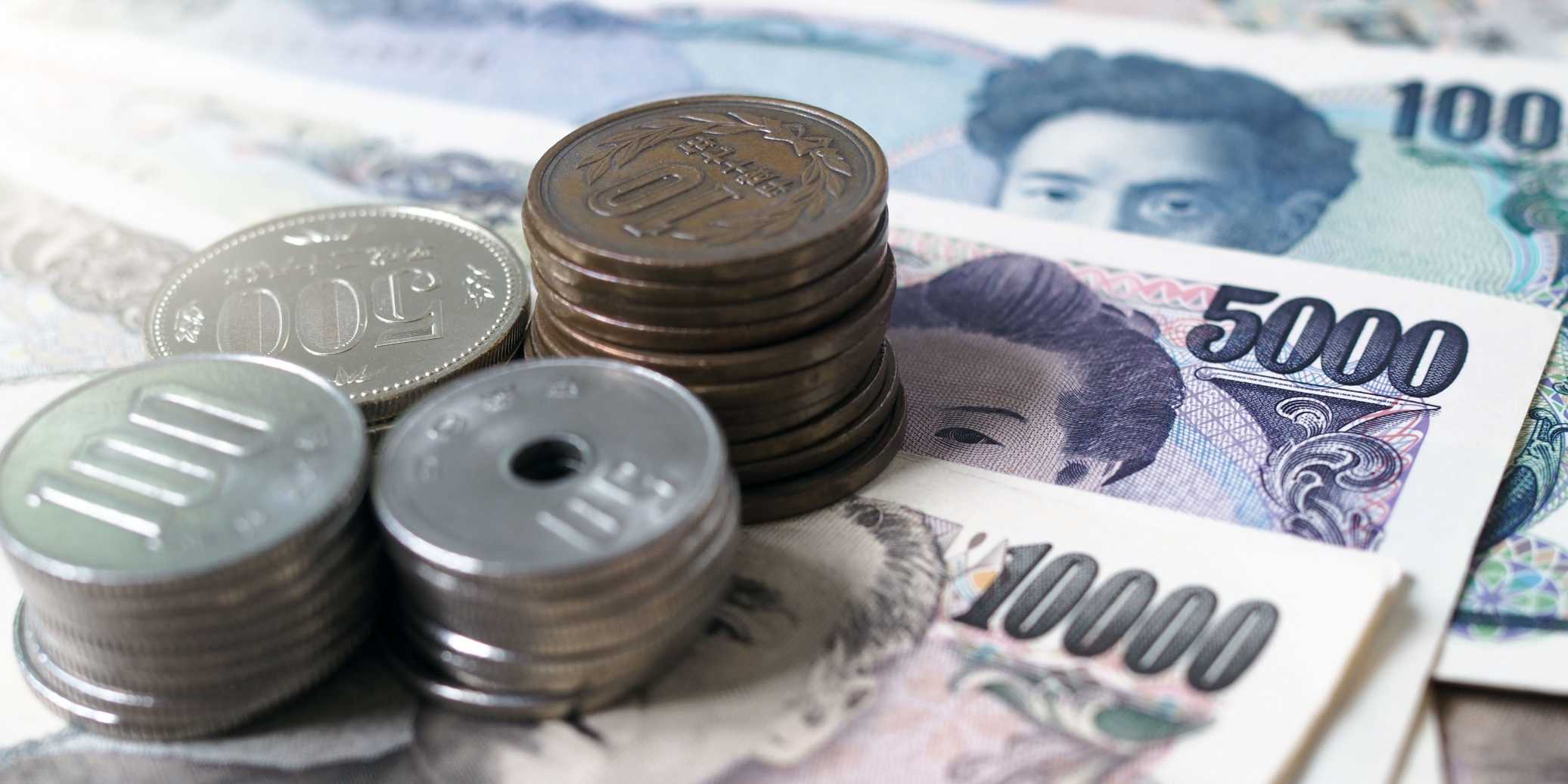
Japanese Yen Notes And Coins
Japan uses coins in 1, 5, 10, 50, 100, and 500 yen, and banknotes in 1,000, 2,000, 5,000, and 10,000 yen. Small coins are used frequently, so having change on hand is useful.
Currency Exchange Options
- Airport currency exchange counters for immediate cash
- Banks and post offices for better rates
- Some hotels in Japan offer exchange services, but rates may be lower
Tips For Tourists
- Avoid exchanging too much money at convenience stores
- Compare rates between airports and city banks
- Keep smaller bills for taxis, vending machines, and small shops
Best Hotel Deals in Japan
 NO.1
NO.1





Cash For Everyday Convenience
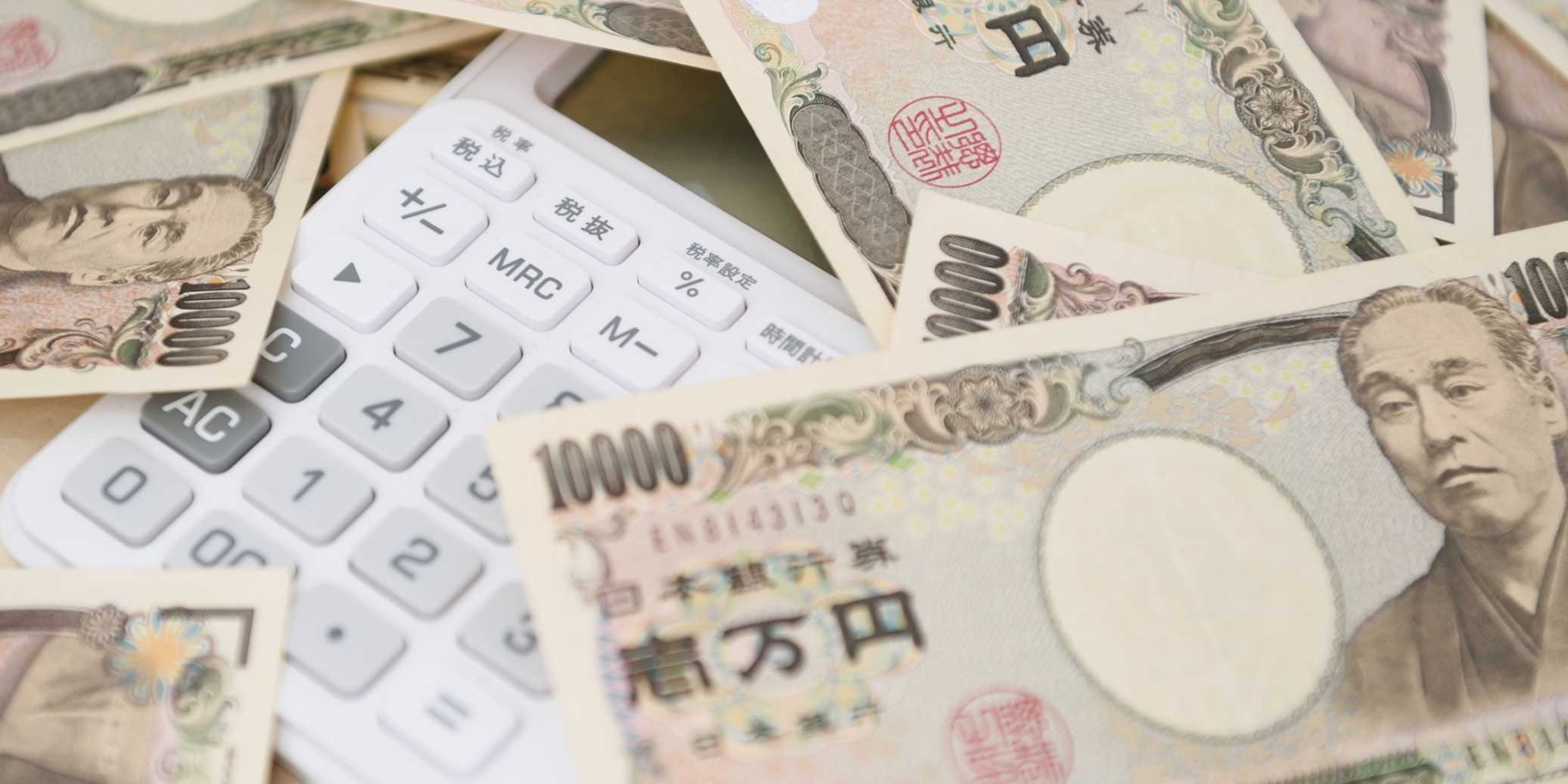
Most international debit and credit cards work at 7-Eleven, Lawson, and Japan Post ATMs. Using ATMs ensures you get the correct yen notes and avoids awkward situations at shops that don’t accept cards.
When cash is useful
- Buying from street food stalls
- Paying at small ramen shops or family run eateries
- Shopping at local markets or rural towns
- Temple and shrine donations
Tips for withdrawing cash safely:
- Use ATMs inside convenience stores or post offices
- Check your daily withdrawal limit before travelling
- Carry small denominations for street vendors and taxis
- Keep ATM receipts for tracking expenses
🔥Save More with Up to 5% OFF
Use our promo code to enjoy up to 5% OFF (up to S$3) on your attraction tickets, tours and eSIMs! Only for new users!
Using IC Cards For Smooth Travel
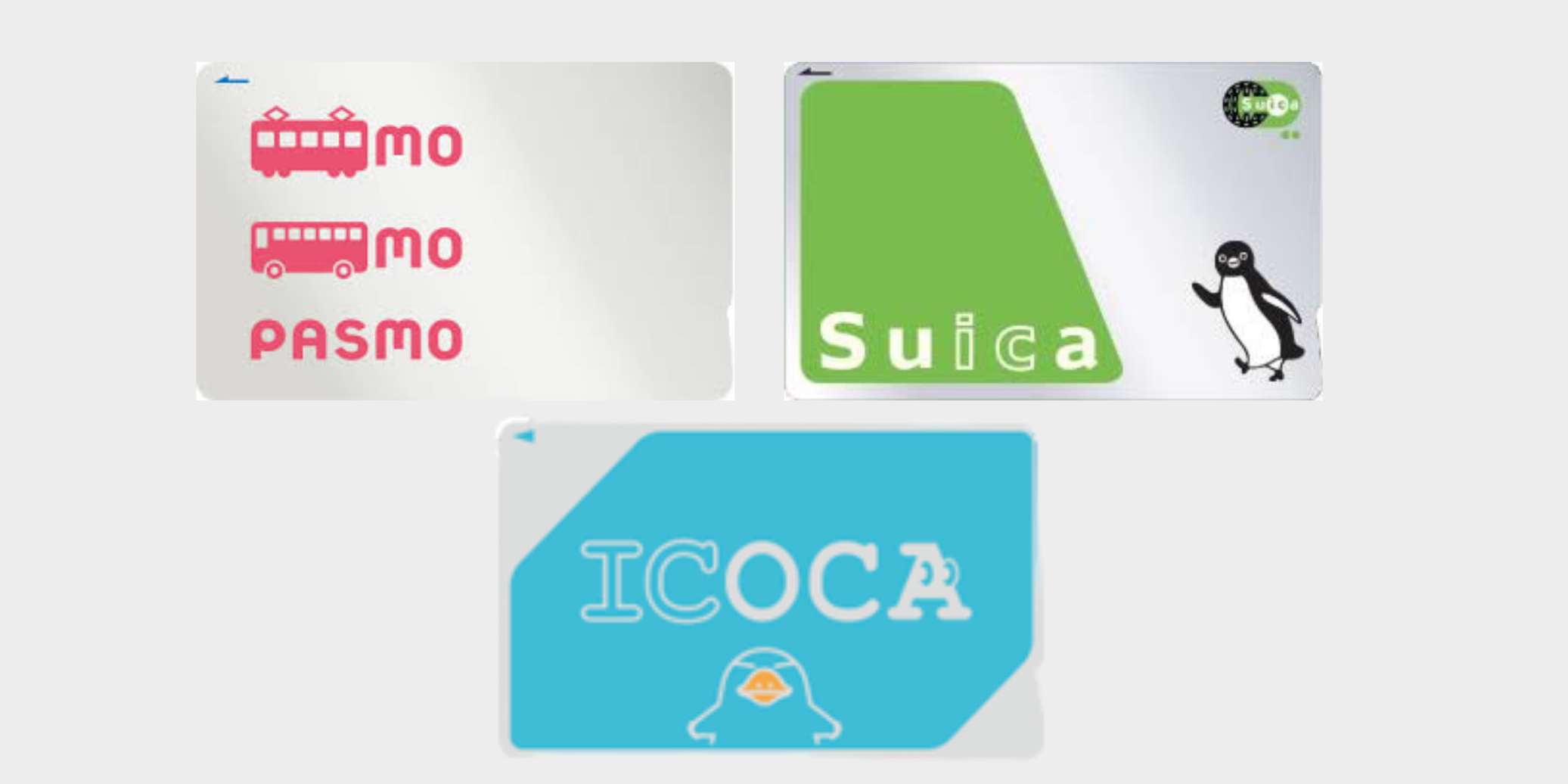
IC cards like Suica, Pasmo, and Icoca make daily travel effortless. Tap to ride trains, buses, or even pay for snacks and drinks at convenience stores.
Benefits of IC cards:
- Saves time at ticket counters
- Can be used at vending machines and convenience stores
- Rechargeable at stations and convenience stores
- Works across multiple cities with the same card
How To Reload
- Recharge at train stations or convenience stores
- Add balance through mobile apps for Suica or Pasmo
- Refund remaining balance at selected stations
🔥Exclusive Hotels Deal: Up to 10% OFF for New Users
Discover the world with Trip.com! Book the perfect hotel anywhere in the world and get an unbeatable 10% discount if you're a first-time user! Download our app now and start planning your next trip with ease.
Mobile And QR Payments For Tech Lovers
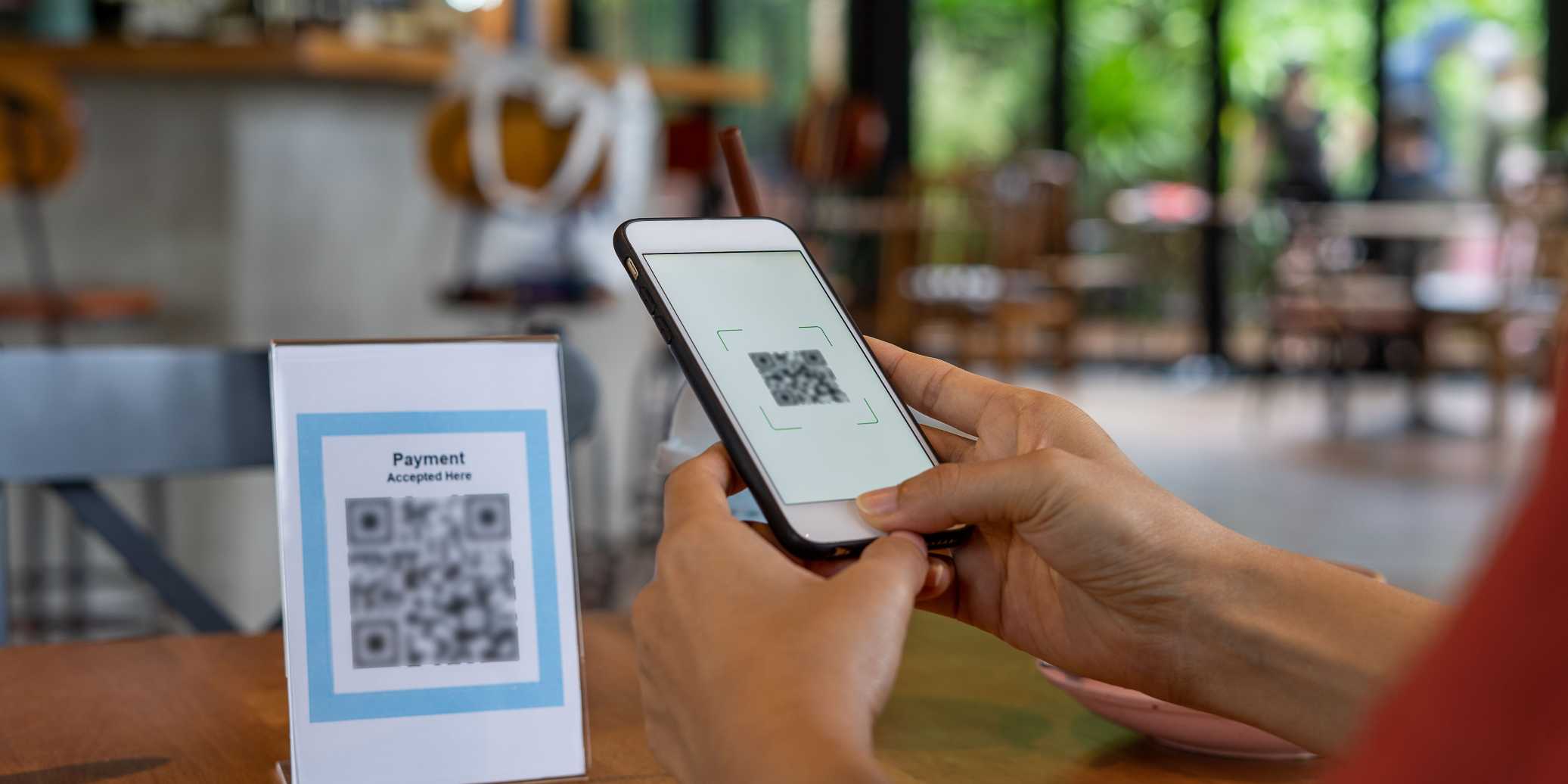
Mobile payments are convenient in Tokyo and other big cities but limited in rural areas. Apple Pay, Google Pay, and certain apps allow contactless payment when linked to a local IC card.
Practical advice:
- Keep a backup credit card as not all stores accept mobile payments
- Charge your phone fully before long sightseeing days
- Tourist-friendly stores may accept Alipay or WeChat Pay
- Useful for quick coffee, snacks, or small purchases
Why Use Mobile Payments in Japan?
- Speeds up daily transactions and reduces the need to handle coins
- Reduces the risk of losing cash while exploring busy streets
- Works seamlessly for multiple uses: transit, convenience stores, fast food, and select cafés
Limitations to Keep in Mind
- Not widely accepted in rural areas or small family-run shops
- Some mobile wallets require a Japanese bank card or app setup
- Internet connection or international eSIM may be needed for certain apps to process payments
Read More
Credit And Debit Cards For Big City Spending
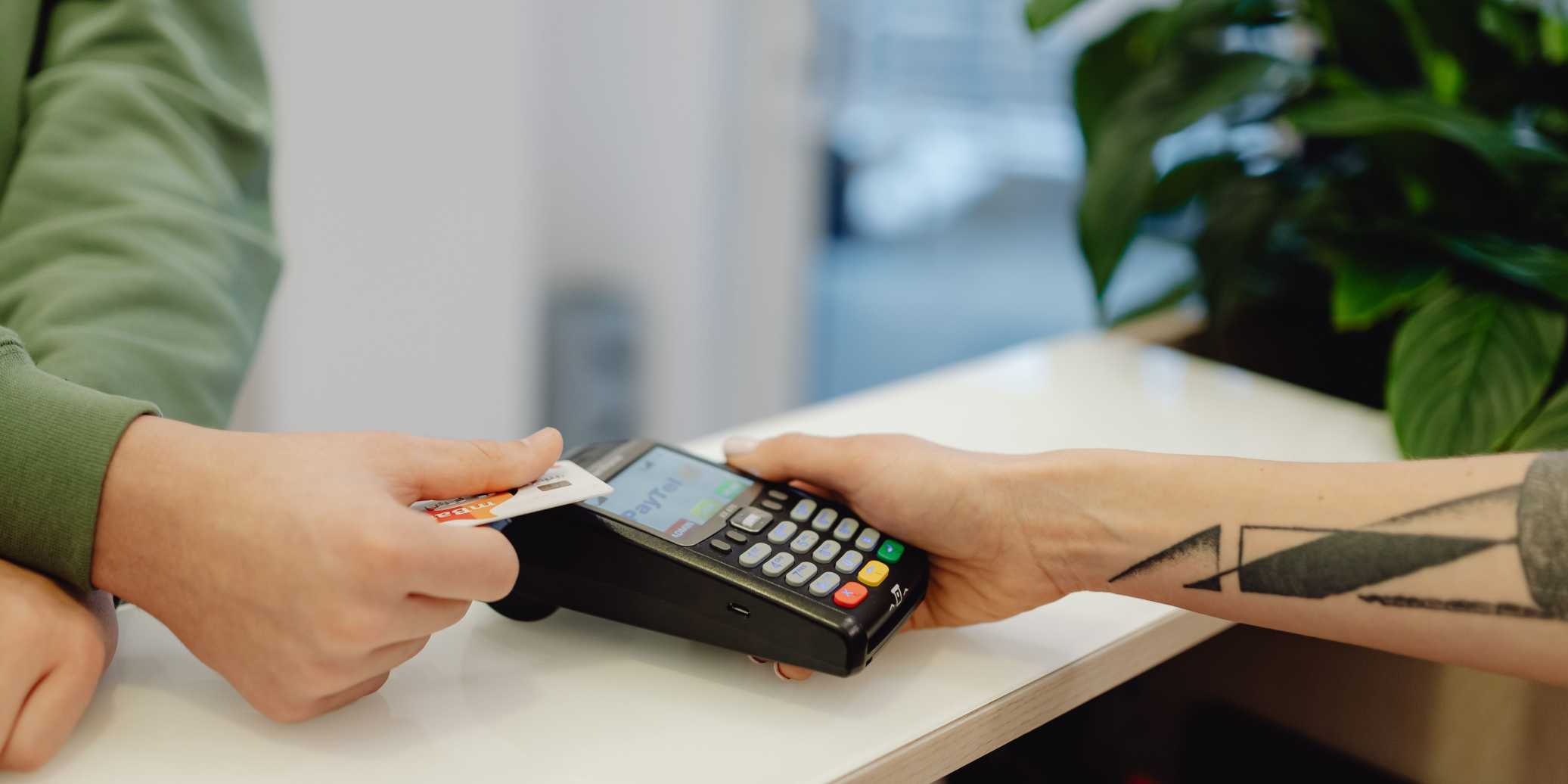
In Tokyo, Osaka, and other major cities, credit and debit cards work smoothly in most hotels, malls, and chain restaurants. Visa and Mastercard are the most widely accepted, followed by JCB and American Express.
Use cards for larger purchases like accommodation, transport passes, electronics, and dining at well known chains. Always activate overseas usage before your trip.
Tips for card users
- Let your bank know you are travelling to Japan
- Use cards with low foreign transaction fees
- Carry at least one backup card in case one fails
- Keep offline receipts to track spending
Comparison of Card Options In Japan
Card Type | Acceptance | Best For | Fees / Notes |
Visa / Mastercard | Very high | Hotels, shopping malls, chain restaurants | Usually low foreign transaction fees |
JCB | Medium | Japan-specific retailers and larger chains | Widely used in Japan but not globally |
American Express | Medium | Upscale hotels and international restaurants | Some smaller stores may not accept it |
Debit Cards | Medium | Cash withdrawals | Check international usage and bank fees |
Best Flights to Japan


Final Thoughts
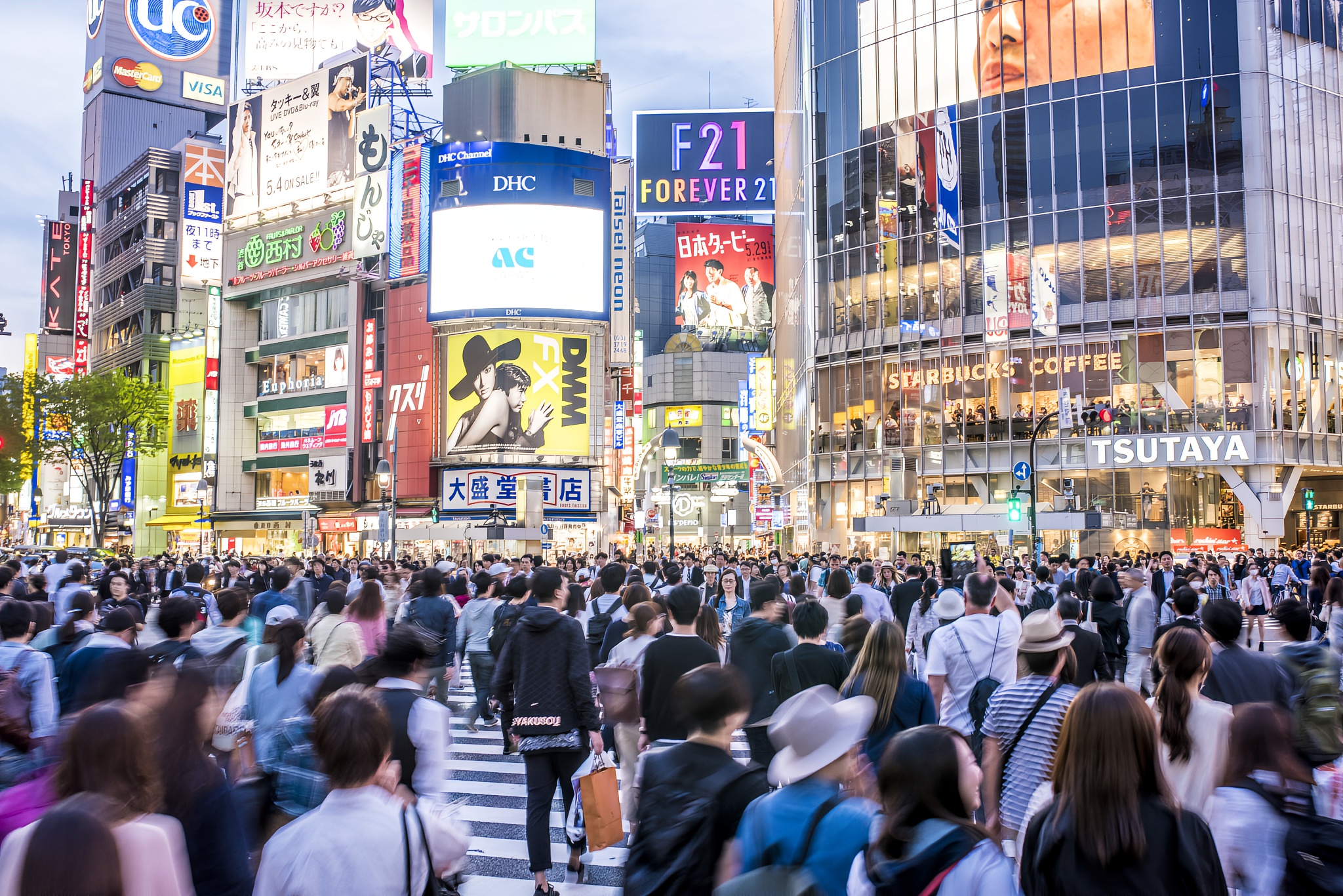
Travelling in Japan is easier when you understand how to pay. While cash remains essential for small shops and rural areas, credit cards, IC cards, and mobile payments make city travel smooth and convenient.
Carry a mix of payment methods, keep some cash handy, and use IC or mobile options for fast, hassle-free daily transactions. With the right preparation, you can enjoy shopping, dining, and exploring Japan without worrying about how to pay.

![[Official Ticket] JR Tokyo Wide Area Pass 3-Day (Electronic Redemption Voucher)](https://ak-d.tripcdn.com/images//0586012000rry1wiqCBE8_C_568_320.jpg)
![Skyliner Keisei railway ticket (Tokyo airport express: Narita International Airport-Ueno/Nippori) [optional+Tokyo subway discount package]](https://ak-d.tripcdn.com/images//0580f12000qjpzexo5F36_C_568_320.jpg)

FAQs for Best Payment Methods in Japan
-
Is cash necessary in Japan?
-
Can I use my credit card everywhere?
-
How do I reload an IC card?
-
Are there fees for using international ATMs?