Thailand Travel Tips


Hey there, fellow traveler! If you're thinking about visiting Thailand, you're in for an amazing experience. From the mouth-watering street food to the serene temples and bustling markets, Thailand has something for everyone. Whether you're a foodie craving Pad Thai or an adventurer seeking stunning landscapes, it's no wonder Thailand is a top destination for so many.
Now, while many of us are seasoned travelers, Thailand has its quirks. There’s the art of tipping, using local apps for convenience, and knowing the social norms when interacting in public. It’s all part of the charm, but it can be a bit different than what you’re used to, so it's great to be prepared!
This guide will cover all the little details you’ll want to know before you land: how to handle payment, what apps to use for navigating, cultural etiquette, and tips for staying connected while you’re out and about.
This guide is crafted with YOU in mind—no fluff, just the essential tips to make your trip smoother. Ready to dive in? Let's jump into the travel tips and get you all set for your Thailand adventure!
And if you're already dreaming about your trip, check out flights to Thailand ✈️ or hotels in Thailand to get started!
🌍 Language & Communication Tips in Thailand

Hey, fellow traveler! If you're heading to Thailand, don't worry if you don't speak Thai fluently. Most people in major cities like Bangkok and Chiang Mai can communicate in basic English, especially in tourist areas, hotels, and restaurants. However, once you venture outside the cities or into smaller towns, English may be less commonly spoken. Don’t let that stop you, though learning a few key phrases goes a long way in making connections!
For those moments when you're unsure, there are some fantastic translation apps like Google Translate (works offline too!) or Papago. Just be mindful that some apps may not work perfectly everywhere, especially if you're off the beaten path.
In Thailand, communication tends to be polite and indirect. People generally speak softly and avoid confrontation. When talking to locals, a smile can go a long way—it’s a universal sign of friendliness! Also, try not to point at people or use aggressive gestures. Respect is key, and a little patience can help break through the language barrier.
Here's a handy table of useful Thai phrases to help you navigate your travels with ease:
| English Phrase | Local Language (Thai) | Romanization | When to Use |
|---|---|---|---|
Hello | สวัสดี | S̄wạs̄dii | Greeting someone politely 🧑🤝🧑 |
Thank you | ขอบคุณ | Khàwp khun | After receiving help or service 🙏 |
Where is the toilet? | ห้องน้ำอยู่ที่ไหน? | Ĥxng nảa yù thī̀ nài? | Asking for restrooms 🚻 |
I don’t understand | ฉันไม่เข้าใจ | Chăn mị̂ k̄hāo jài | If someone speaks too fast or you’re confused 🧐 |
How much is this? | อันนี้ราคาเท่าไหร่? | Ạn nī̂ rāk̄hā thâo rài? | Asking for prices 💰 |
Excuse me / Sorry | ขอโทษ | Khàw thôt | To get someone’s attention or apologize 🙇♀️ |
Yes | ใช่ | Chı̀ | Simple affirmation ✅ |
✅Final Tip from One Singaporean to Another:
Take a screenshot of your hotel address written in Thai 🏨. It can be a lifesaver if you're ever lost or need to show a local where you're staying. Plus, a bilingual business card never hurts for smoother communication!
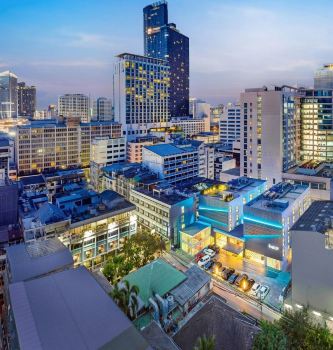
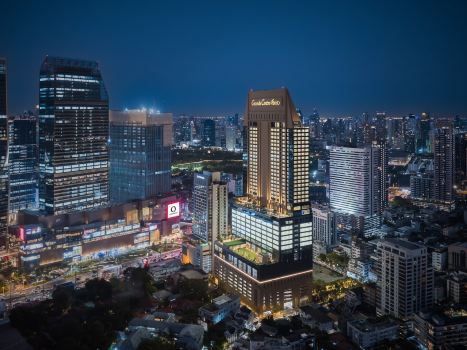
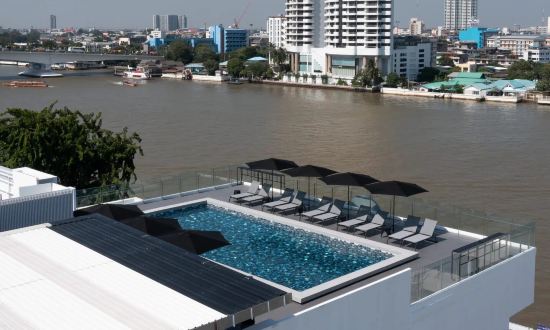
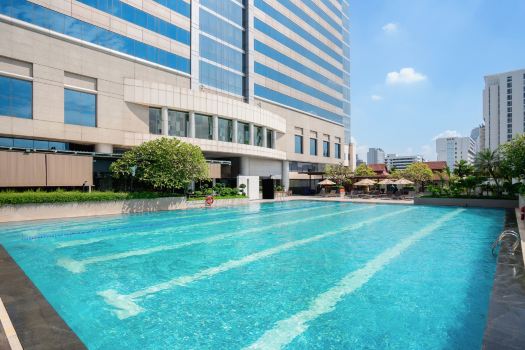
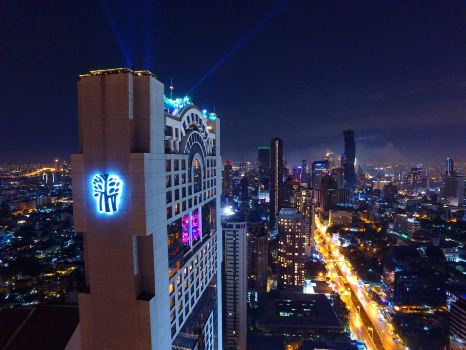
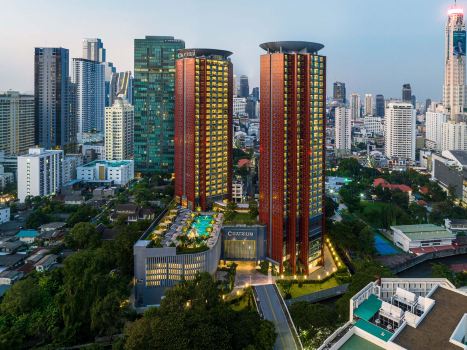
Recommended Hotels in Bangkok
 NO.1
NO.1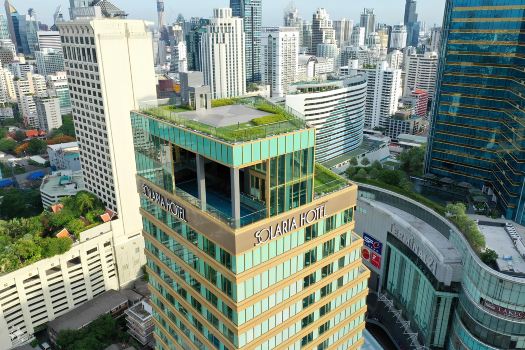


💳 Payment Methods & Popular Apps in Thailand
When you’re traveling in Thailand, it’s important to know how payments typically work. Let’s break it down:
Cash vs. Card vs. Mobile Payments 💸
While cash is still widely used, especially in markets and smaller shops, credit/debit cards are commonly accepted in larger establishments like malls, hotels, and restaurants. Contactless payments (Apple Pay, Google Pay, Samsung Pay) are available, but you might find that some local shops or street vendors still prefer cash. So, it's a good idea to carry some cash with you for the smaller purchases. 💵
Mobile Wallets & Local Apps 📱
E-wallets are gaining popularity in Thailand, especially for quick and easy transactions. Some of the most widely used local apps include:
- TrueMoney Wallet – Used frequently in markets and for mobile top-ups
- Rabbit Line Pay – Great for paying at various retailers, transit systems, and even for taxis
- GrabPay – For ride-hailing and food deliveries
Foreigners can generally register these apps, but be aware that some require a Thai bank account. For tourists, sticking with cash or international cards (Visa/Mastercard) might be simpler.
Bank ATMs & Currency Exchange 🏧
Withdrawing cash from ATMs is fairly easy, and you’ll find machines all over Thailand. However, be mindful of ATM fees, which can be around 200-220 THB per transaction. If you're changing money, airports and money changers generally offer better rates than banks, but keep an eye out for any service charges.
Pro Tip: Stick to ATMs at large banks (e.g., Siam Commercial Bank) for added security. Also, be sure to use credit cards with no foreign transaction fees to save on costs.
Popular Everyday Apps 🛵
Thailand has several apps that make daily life more convenient:
- Grab 🚗 – The most popular ride-hailing app in Thailand, ideal for getting around Bangkok or other cities.
- LINE 💬 – A must-have messaging app used by locals and businesses alike, great for making plans with friends.
- Foodpanda 🍱 – Perfect for getting food delivered straight to your door.
- Google Maps 🗺️ – Reliable for navigating the streets, especially in big cities.
Here’s a quick look at some essential apps for your trip:
| App Type | App Name | Notes / Use Case |
|---|---|---|
E-Wallet | TrueMoney Wallet | Used widely in Thailand, even in markets |
Ride-Hailing | Grab | Popular in cities like Bangkok |
Delivery | Foodpanda | Fast food delivery in urban areas 🍔 |
Messaging | LINE | Used by locals and businesses, essential for communication |
✅Pro Tip:
Before you arrive, download all the essential apps (like Grab and LINE) to save time on SIM registration delays. And remember, small cash notes are handy for local markets where PayWave might not be an option!
💵 Tipping & Service Etiquette in Thailand
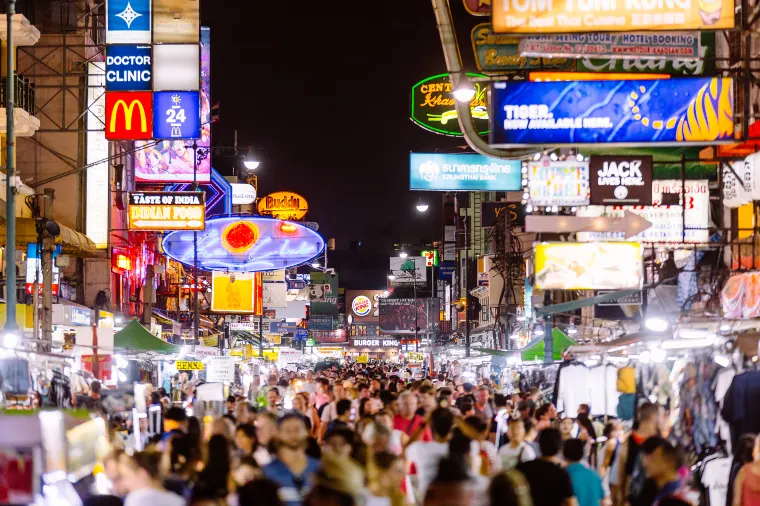
If you’re heading to Thailand, you might wonder about tipping—especially if you're used to places like Singapore where it’s not as common. Let’s clear it up! While tipping isn’t strictly required in Thailand, it is appreciated and often expected in certain situations, especially in tourist areas. Many times, a service charge is already included at restaurants, but leaving a little extra still goes a long way to show appreciation.
Where and How Much to Tip
Here’s a quick guide to help you navigate tipping expectations:
- 🏨 Hotels:
- Bellboys: 20–50 THB for assistance with your bags.
- Housekeeping: Around 20–50 THB per night, left on the bed or desk.
- 🍽️ Restaurants:
- Many restaurants already include a service charge (usually around 10%), but if you’re happy with the service, it’s common to leave a little extra. A round-up to the nearest 20–50 THB or 5–10% of the bill is fine.
- 🚕 Taxis or Grab:
- For taxis, rounding up to the nearest 10 or 20 THB is standard. For Grab, a small tip is appreciated but not mandatory.
- 💇♂️ Salons, Spas, Massage Parlours:
- 20–50 THB is a good range for tipping the masseuse or salon staff, depending on the length of the service and your satisfaction.
How to Tip ✨
In Thailand, cash tipping is the norm. You can hand the tip directly to the service provider or leave it on the table (in restaurants). It’s rare to use envelopes unless you’re giving a larger amount (like at hotels). Digital tipping via apps like Grab is becoming more common, but it's still good to have some cash on hand.
Cultural Nuance or Caution ⚖️
Here’s an important tip: Don’t tip with coins—it’s seen as disrespectful. Instead, use bills, and if you're ever unsure, a small gesture like rounding up is always appreciated. Also, some locals may refuse tips as a sign of polite humility, especially in more traditional settings. Don’t take it personally!
✅Pro Tips:
If you’re unsure, rounding up a little is always appreciated 🙏. No one expects big tips, but small gestures really go a long way.
🚨 Safety & Emergency Info in Thailand

When traveling to Thailand, you’ll find it to be a generally safe destination, especially in the more tourist-friendly areas. While minor issues like pickpocketing or scams can occasionally occur in crowded places, violent crime is rare, and the overall safety is comparable to places like Singapore. Most areas, even at night, feel safe if you take the usual precautions.
Top Local Safety Tips 🧳
Here are a few simple but effective safety practices to keep in mind during your trip:
- Be alert in crowded places 👜—markets and busy tourist areas are where you’re most likely to encounter petty theft.
- Use official taxis or ride-hailing apps 🚕—this helps you avoid unlicensed or unsafe transportation.
- Avoid certain areas late at night 🌙—like in any city, some neighborhoods may be less safe after dark, so stick to well-lit and populated areas.
- Don’t flash valuables in public 💍—keep your phone, camera, and jewelry discreet to avoid drawing unwanted attention.
Emergency Contacts Table 📋
| Emergency Type | Local Number | Notes |
|---|---|---|
Police 👮 | 110 | For theft or suspicious activity |
Ambulance 🚑 | 120 | Public hospitals may require upfront payment |
Fire 🚒 | 119 | Rarely needed but good to know |
Tourist Helpline ☎️ | 12301 | English-speaking line in some cities |
Medical Access & Pharmacies 💊
Thailand has no shortage of clinics and hospitals, and many healthcare professionals speak basic English. However, it's always a good idea to bring fever meds and motion sickness tablets, as pharmacy advice may be in Thai.
Cultural Notes
Locals are incredibly friendly and helpful, often going out of their way to assist if you ask for directions, even if there’s a language barrier. This warm hospitality adds to the welcoming atmosphere of the country.
Closing Reassurance
Thailand is generally a safe destination for travelers—just follow basic common sense and you’ll be fine 👍.
Flights to Bangkok


🙏 Cultural Etiquette & Local Customs in Thailand

Thailand is a land of rich traditions and welcoming hospitality, where respect, politeness, and a sense of harmony are deeply valued. People are generally warm and respectful, with a demeanor that is calm and reserved in public. The cultural vibe leans towards modesty and politeness, so knowing a few etiquette rules will help you navigate the country smoothly and avoid any awkward moments.
General Cultural Vibe 💬
In public, Thais are typically polite and soft-spoken. They value harmony and avoid confrontation. Public displays of emotion or loud arguments are uncommon, and people strive to maintain a sense of peace. A smile is often the best way to communicate, and showing respect for others is key.
Etiquette Do’s & Don’ts 👇
Here are some quick etiquette tips to help you blend in:
- Take off your shoes before entering a home 👟—It’s a sign of respect to remove your shoes when entering private homes, temples, and some businesses.
- Avoid touching someone’s head 🙅♀️—The head is considered the most sacred part of the body, so refrain from touching anyone’s head, including children.
- Don’t point with your feet 🦶—Feet are considered the lowest part of the body, so avoid pointing at people or objects with them.
- Use both hands to give/receive items 🤲—When giving or receiving something from an elder or someone of higher status, use both hands as a sign of respect.
- Avoid public displays of affection 💏—It’s considered inappropriate to kiss or embrace in public, especially in more traditional areas.
Dining Etiquette 🍽️
In Thailand, meals are often served family-style, with everyone sharing dishes. It’s polite to wait for the host to begin eating before you dig in. Slurping is generally not a part of the dining experience here, unlike in some other countries. As for chopsticks or cutlery, people typically use a fork and spoon—the spoon is held in the right hand, while the fork is used to push food onto the spoon. Chopsticks are mainly used for noodle dishes.
Dress Code & Body Language 👗
When visiting temples 🛕 or rural areas, it’s important to dress modestly. This means covering your shoulders and knees. Avoid wearing revealing clothing, especially when entering sacred places. As for body language, avoid pointing with your finger, and instead, use your whole hand if you need to gesture. Beckoning someone with the palm facing up is also considered rude; instead, gesture with your palm facing down.
Interaction Norms 👋
When greeting someone, a traditional Thai greeting called the wai is common. It involves pressing your palms together in a prayer-like gesture and bowing your head slightly. However, a handshake is also common in more modern settings, particularly in business or with foreigners. Small talk is appreciated, and locals often talk about family, food, or the weather, so don’t hesitate to engage in friendly conversation.
Cultural Curiosity Note 🌍
Thais really appreciate it when visitors make an effort to understand and follow their customs. Even small gestures, like saying “sawasdee” (hello) or “khop khun” (thank you) in Thai, go a long way and are always appreciated 😊. By embracing the local customs, you’ll not only avoid awkward moments but also gain the respect and admiration of the friendly locals you meet on your travels!
🎉 Public Holidays & Travel Seasons in Thailand
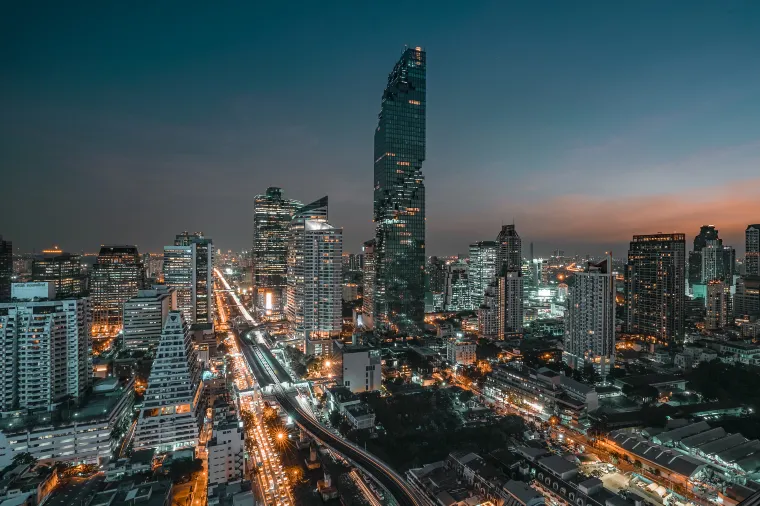
Thailand is a fantastic place to visit, but knowing the public holidays can help you avoid crowds and high prices. Here are a couple of key holidays to keep in mind:
Public Holiday Highlights 🗓️
- Songkran Festival (April) 💦: The Thai New Year is celebrated with water fights, street parties, and temple visits. Expect massive crowds, higher hotel prices, and transport hubs to be very busy. It’s a fun event if you want to join the celebrations, but if you prefer a quieter experience, avoid this time.
- Loy Krathong (November) 🕯️: A beautiful festival where people release lanterns into the sky and float small offerings on rivers. While not as disruptive as Songkran, it attracts large crowds to temples and riversides.
- King’s Birthday (December 5th) 👑: This national holiday celebrates the birthday of the King and includes grand ceremonies and celebrations, often causing a spike in local tourism and crowded public spaces.
Travel Impact & Local Customs 🚆🏨
Public holidays can lead to crowded transport hubs, with train stations and airports bustling with locals heading home. Hotel prices tend to spike, especially in tourist-heavy areas, and some attractions, including temples, may have adjusted hours or be busier than usual. If you’re looking for a quiet, relaxed trip, try to plan around these holidays.
Seasonal Advice Summary ☀️
- High season (November–February): Best for pleasant weather and festive celebrations, but expect higher prices and more tourists.
- Shoulder season (March–May): Still warm, but less crowded than peak season, though prices may start to rise for Songkran.
- Low season (June–October): The monsoon season, with fewer tourists and lower prices, though some attractions may close for maintenance.
📱 eSIM, Wi-Fi & Connectivity in Thailand
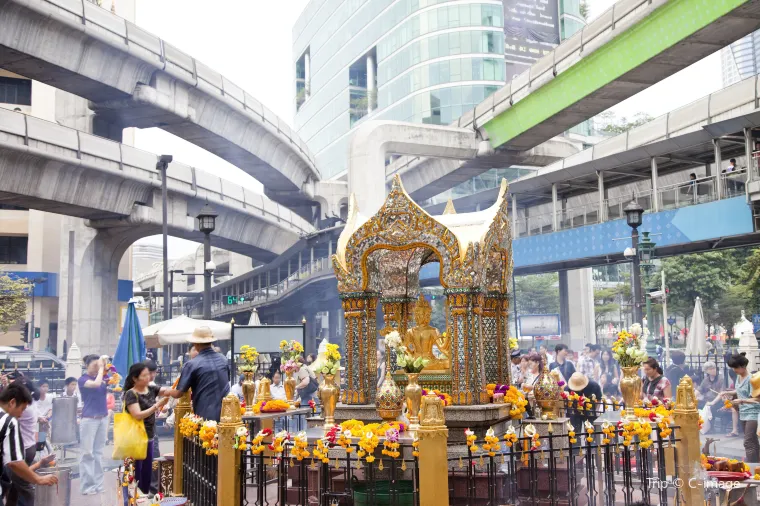
If staying connected is important to you while exploring Thailand, you have several reliable options for mobile data and Wi-Fi. Whether you’re staying in bustling cities or heading to more remote areas, getting online is simple—let’s break it down.
eSIM vs Local SIM 📶
For short trips, eSIM is the most convenient option, especially if you're looking to avoid the hassle of swapping SIM cards. Many local telecom providers in Thailand support eSIM, which can be activated easily via apps or online before you even land. If you prefer a traditional approach, you can opt for a local SIM at the airport or convenience stores, though eSIMs offer more flexibility and are great for frequent travelers.
Best SIM Providers 📶
- AIS: One of the largest mobile providers in Thailand with excellent coverage nationwide. They offer a variety of prepaid SIMs and tourist packages for easy data access.
- TrueMove: Known for its reliable service in both urban and rural areas. Offers affordable prepaid plans and tourist SIMs with great data packages.
- DTAC: Another popular choice with solid coverage and competitive prepaid tourist options.
Where to Get It 🛒
- Airport counters: All major airports in Thailand have kiosks where you can buy a SIM or activate an eSIM with help from staff.
- Convenience stores: 7-Eleven and other convenience stores sell SIM cards and can help activate them on the spot.
- Trip.com eSIM options: If you prefer skipping the hassle at the airport, Trip.com offers eSIM plans for Thailand—simple, fast, and reliable.
Wi-Fi & Internet Access 🌍
Wi-Fi is widely available in hotels, cafes, and public spaces like shopping malls and airports. You’ll rarely find yourself without an internet connection, especially in urban areas. Public transport 🚇, like trains and buses, also provides Wi-Fi on some routes. Be aware that some websites, like Google, WhatsApp, or Facebook, may need a VPN to work properly due to local regulations.
Useful Travel Tip 💡
Download maps or translation packs before your trip 🗺️ to save on data. And if you're venturing into more remote areas, consider keeping a backup option like pocket Wi-Fi for uninterrupted connectivity.
Get Thailand eSIM Now!

🌏 Final Travel Advice & Helpful Links for Thailand 🇹🇭

You're now all set for your adventure in Thailand! With the tips we've covered—whether it's knowing how to get around, the right tipping etiquette, or which apps to download—you’re well-prepared for a smooth, enjoyable trip. These small details can make all the difference in having a stress-free and memorable experience.
Every region in Thailand has its own unique charm. From the buzzing streets of Bangkok to the serene temples of Chiang Mai, there’s always something new to discover. So go ahead, embrace the local culture, and enjoy the little differences you’ll encounter along the way!
To make your planning even easier, check out:
✈️ Flights to Thailand
🏨 Hotels in Thailand
📍 Things to Do in Thailand
Have a great trip and enjoy every moment of your adventure in Thailand! 🌟
FAQs: Common Questions About Visiting Thailand
-
Do I need a visa to enter Thailand?
-
Is it safe to eat street food in Thailand?
-
Should I use cash or card in Thailand?
-
What’s the best way to get around Thailand?
Trending Researches
-
Featured guides
-
Trip.com links
- Grab Singapore
- Glamping JB
- UOB Visa Signature
- Singapore Airlines New Long-Haul Business Class
- HSBC Travel Credit Card
- Singapore Airlines Western Sydney Airport
- chinese new year getaway
- Johor Bahru Night Market
- Cheap Hotels in Shanghai
- JB Kids Activities
- Indonesia Public Holiday 2027
- penang night market
- Night Markets in Singapore
- Rabbit Card Bangkok
- Best Time to Visit Urumqi
- Hotels near Cairo International Airport
- Hotels near Badi jugauli Chauraha
- Hotels in Andheri West
- Trip.com Promo Code
- Trip.com Flight Deals
- Trip.com Credit Card Promotions
- How to Book Cheap Hotels
- How to Book Cheap Flights
- Trip.com Member Rewards
- Trip Weekly Hotel Sales
- Online Hotel Booking
- Online Flight Booking
- Trip.com Travel Guide
- Book China Train Tickets
- Trip.com Seat Selection
- Singapore Public Holidays 2027
- Trip.com 优惠码
- Trip.com Travel Guides
- Trip.com 10.10 Mega Sale