


🔥Save More with Up to 5% OFF
Use our promo code to enjoy up to 5% OFF (up to S$3) on your attraction tickets, tours and eSIMs! Only for new users!


New Zealand enforces some of the world’s strictest border and biosecurity rules.
Whether you’re visiting for a holiday, study, or work, understanding prohibited items in New Zealand is essential to avoid fines, delays, or confiscation at the airport.
Before arrival, all travelers must complete the New Zealand travel declaration (also known as the New Zealand entry declaration or New Zealand declaration form) as part of New Zealand entry requirements set by New Zealand immigration.
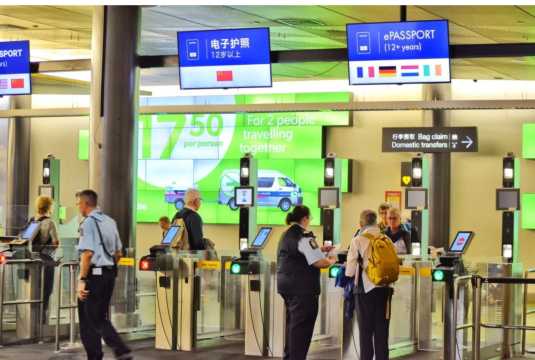
New Zealand’s isolated ecosystem is highly vulnerable to pests, diseases, and invasive species.
Even small amounts of food, soil, or animal products can cause serious harm to agriculture and wildlife.
That’s why New Zealand immigration and biosecurity officers carefully screen baggage and enforce declaration laws strictly.
All travelers entering the country must complete the New Zealand travel declaration, which includes:
Section | What You Need to Provide |
|---|---|
Personal & Travel Details | Full name, passport details, flight information, and arrival date |
Health & Immigration Information | Health declarations, visa or entry status, and travel history if required |
Biosecurity Declaration | Declare any food, plant products, animal items, outdoor gear, or items that may carry soil |
NZTD is an online declaration system launched by New Zealand Customs and Biosecurity Authority.
Travelers can fill it out through a web page or mobile application (App).
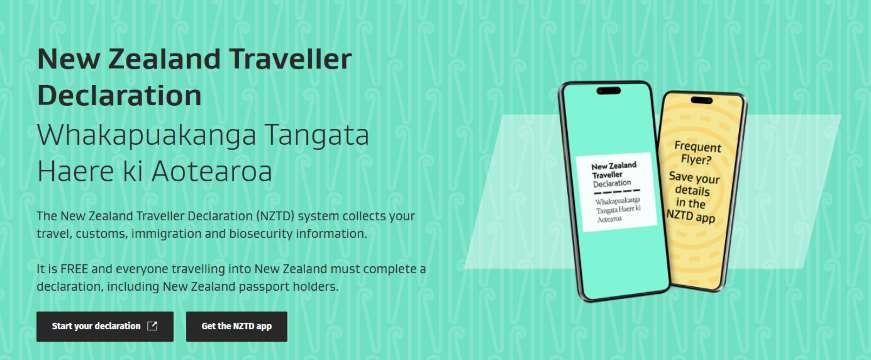
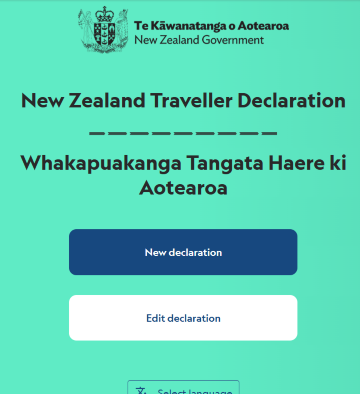
The system usually opens for submissions within 24 hours before your flight departure .
Although flight attendants may still distribute paper cards on airplanes, this is mainly as a backup plan (e.g., in case elderly people do not use smartphones, or in case of system malfunction).
For smooth clearance, it is recommended to use the electronic version first and present the generated QR code when clearing customs.
Fly to Aukland
Most fresh, homemade, and animal-based foods are not allowed.
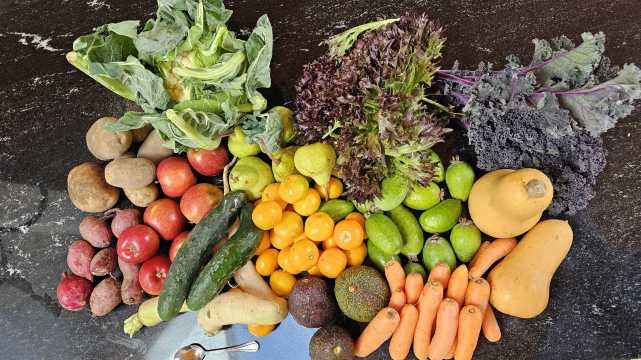
Prohibited Food Items | Examples |
|---|---|
Fresh fruits & vegetables | Apples, oranges, leafy greens |
Meat & meat products | Fresh, cooked, dried, or cured meat (including jerky) |
Dairy products | Milk, cheese, butter, yogurt |
Homemade food | Home-cooked meals, sauces, snacks |
Honey & bee products | Raw or processed honey |
Eggs & egg products | Fresh eggs, foods with raw eggs |
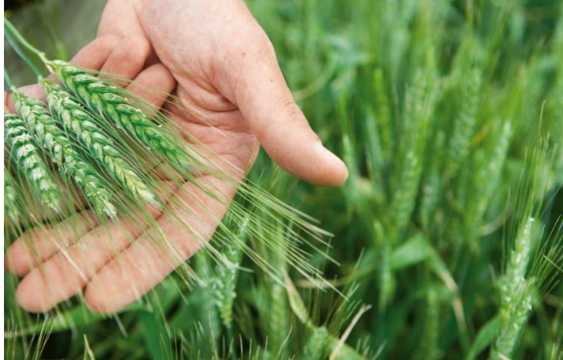
New Zealand has zero tolerance for undeclared plant materials.
Item | Status |
|---|---|
Live plants & cuttings | Prohibited |
Seeds & bulbs | Prohibited without permits |
Soil or soil-contaminated items | Prohibited |
Fresh flowers | Restricted |

Prescription medications must be in original packaging with a doctor’s letter or prescription.
Prohibited or Restricted Items | Notes |
|---|---|
Illegal drugs | Even if legal elsewhere |
Drug paraphernalia | Pipes, bongs, rolling papers |
Prescription medicines | Must be in original packaging |
Excess medication | More than personal use is restricted |
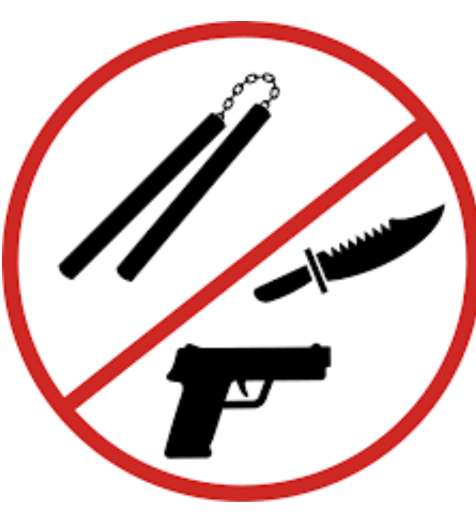
Items | Notes |
|---|---|
Firearms & ammunition | Require import permits |
Knives & weapons | Switchblades, batons, brass knuckles |
Pepper spray | Generally prohibited |
Fireworks & explosives | Not allowed |
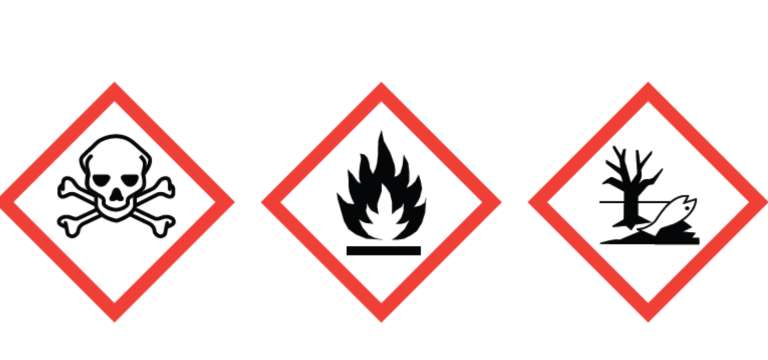
Category | Examples |
|---|---|
Flammable liquids | Fuel, lighter fluid |
Toxic substances | Pesticides, poisons |
Corrosive chemicals | Industrial cleaners |
Prohibited Items | Examples |
|---|---|
Live animals | Without special permits |
Animal trophies | Skins, bones, horns |
Endangered species products | Ivory, coral, tortoiseshell |
Feathers & fur | Certain animal products |

Items | Examples |
|---|---|
Counterfeit products | Fake designer bags and watches |
Pirated content | Movies, music, software |
Obscene materials | Banned publications |
Use our promo code to enjoy up to 5% OFF (up to S$3) on your attraction tickets, tours and eSIMs! Only for new users!
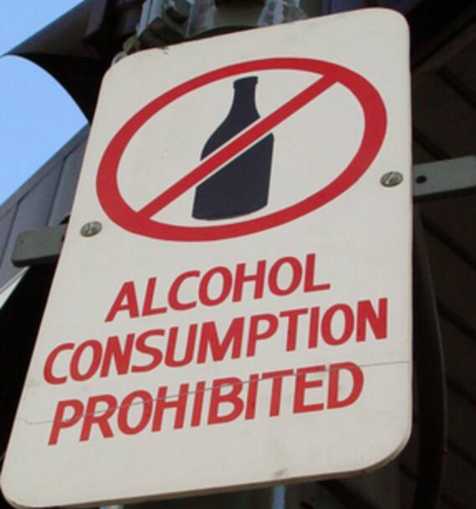
Amounts above these limits must be declared to New Zealand immigration.
Item | Duty-Free Allowance |
|---|---|
Alcohol | Up to 4.5 liters of wine or 3 bottles of spirits |
Tobacco | Up to 50 cigarettes or 50g tobacco |
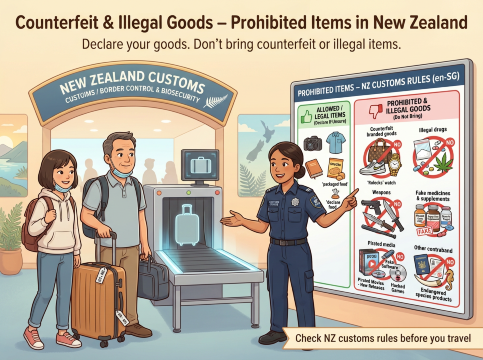
Failing to complete the New Zealand travel declaration accurately may result in:
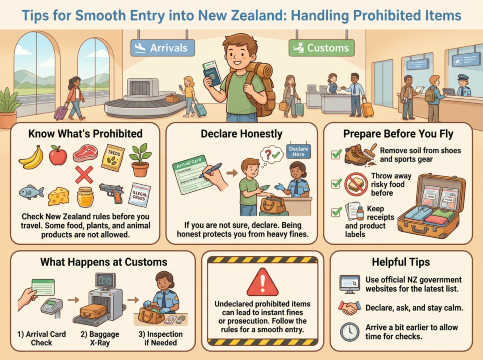

Understanding prohibited items in New Zealand is a vital part of meeting New Zealand entry requirements.
Completing the New Zealand travel declaration honestly and accurately helps ensure a smooth arrival and protects the country’s unique environment.
When entering New Zealand, transparency is key, declare first, explain later.