
Tibet, with its breathtaking snow-capped mountains, sacred lakes and unique cultural landscapes, is a dream travel destination for many. This guide will break down all types of transportation in Tibet, including flights, trains, long-distance buses, urban transport and scenic spot special transport.
Air Travel in Tibet
Air travel is the fastest and most convenient way to enter and travel around Tibet, especially for those who want to avoid long-distance land travel and altitude acclimatisation on the way.
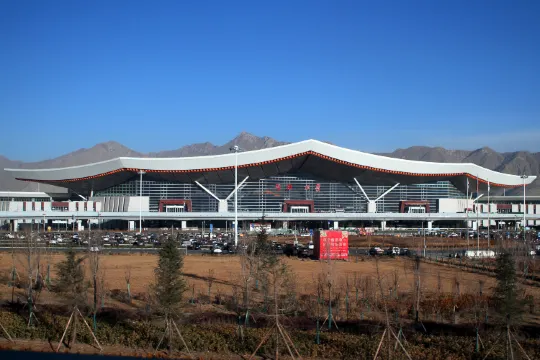
Major Airports in Tibet
- Lhasa Gonggar International Airport (LXA): The core air hub of Tibet, located about 60km from Lhasa city centre. Airport shuttles run every 30 minutes, taking about 1 hour to reach the city; taxis and private transfers take around 40-50 minutes.
- Nyingchi Milin Airport (LZY): The gateway to southeastern Tibet, with the lowest altitude among Tibet’s airports (about 2950m). It takes only 20 minutes by taxi to reach Nyingchi city centre.
- Shigatse Peace Airport (RKZ): Serves western Tibet, the closest airport to Mount Everest. Taxis take about 40 minutes to reach Shigatse city centre, and there are special shuttle buses to Everest Base Camp scenic area.
- Ngari Gunsa Airport (NGQ): Located in Ali Prefecture, the highest civil airport in the world, the only air access to Ali’s remote areas such as Kailash and Manasarovar Lake. Taxis take about 15 minutes to reach Gar County.
Domestic Routes
Frequent flights connect Lhasa with major Chinese cities
- Beijing (4.5 hours)
- Shanghai (5 hours)
- Guangzhou (4.5 hours)
- Chengdu (2 hours, the most frequent route with multiple flights daily)
- Xi’an (3.5 hours)
- Flights from Nyingchi and Shigatse to Chengdu, Chongqing and other cities take 2-3 hours, with 1-2 flights daily.
International Routes
At present, Tibet has limited international routes, mainly with charter flights to neighbouring countries such as Nepal (Kathmandu), with a flight time of about 2 hours, suitable for cross-border travel tourists.
🔥Up to S$20 off Flights for New Users
Train Travel in Tibet
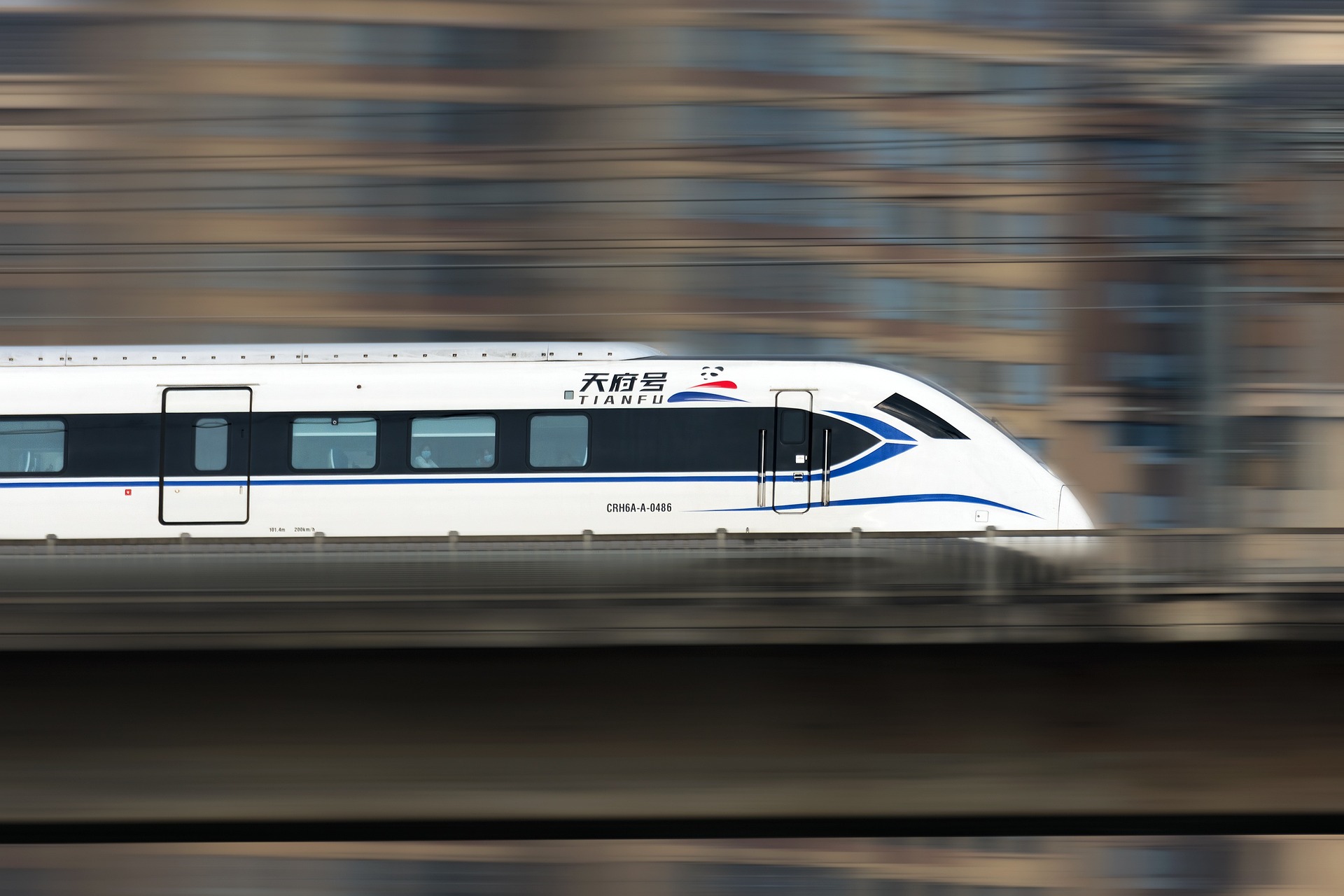
Train travel to Tibet is a unique experience. You can enjoy the changing natural scenery along the Qinghai-Tibet Railway, the world’s highest railway, and slowly adapt to the rising altitude, which is the first choice for many tourists to enter Tibet.
High-Speed and Conventional Railways in Tibet
- Qinghai-Tibet Railway (Xining-Lhasa): The main railway line from the mainland to Tibet, with a travel time of about 21-24 hours from Xining to Lhasa.
- Lhasa-Nyingchi Railway: The first electrified railway in Tibet, connecting Lhasa and Nyingchi with a travel time of about 3.5 hours. It passes through Yarlung Zangbo Grand Canyon and other scenic spots.
- Lhasa-Shigatse Railway: Extending westward from Lhasa to Shigatse, with a travel time of about 2 hours.
Train Facilities and Travel Tips
- All trains entering Tibet are equipped with continuous oxygen supply systems to relieve altitude sickness, and the carriages are clean and tidy with heating and air conditioning.
- Sleeper carriages are recommended for long-distance train travel, and it is best to book soft sleepers in advance during peak seasons for a more comfortable ride.
- The train has dining cars providing hot meals and various snacks, and you can also bring your own high-energy food such as chocolate and beef jerky to cope with altitude changes.
🔥Get 3% Off Your First Train Ticket Booking!
As a special treat, Trip.com is offering a 3% discount on your first train ticket booking. Simply claim your coupon and enjoy a seamless travel experience.
Road Transport in Tibet
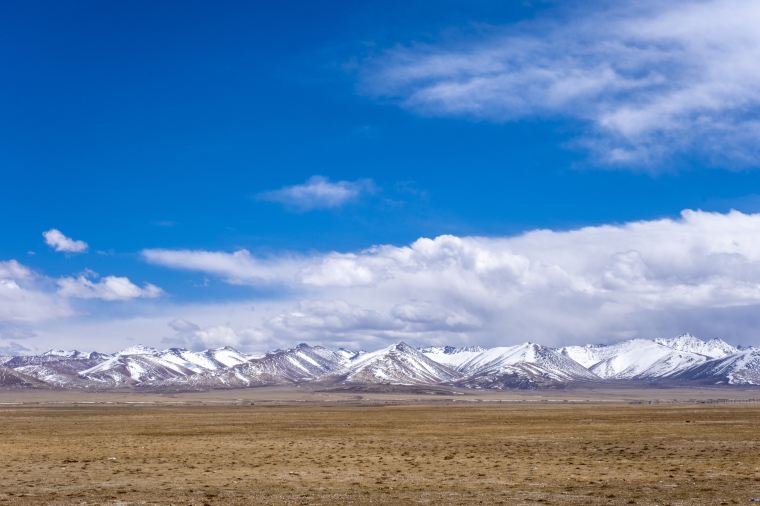
Road transport is the main way to travel between various scenic spots in Tibet, with a well-constructed highway network and various forms of transportation such as long-distance buses, car rentals and self-driving.
It should be noted that Tibet’s roads are mostly mountain roads with complex terrain, so safety must be the top priority when travelling.
Long-Distance Buses and Intercity Coaches
- Lhasa to Nam Co: About 4 hours by coach, with daily departures from Lhasa North Bus Station, suitable for tourists visiting Nam Co Lake.
- Lhasa to Yamdrok Lake: About 2 hours by coach, with shuttle buses departing from Lhasa West Bus Station every morning.
- Lhasa to Shigatse: About 3.5 hours by coach, with frequent departures, and the bus is equipped with air conditioning and comfortable seats.
- Special Passenger Lines: The passenger special line from Shannan urban area to Lhasa Gonggar International Airport was opened in 2025, with direct departures from Shannan Long-Distance Passenger Terminal to the airport T3 terminal, with multiple shifts daily.
Highways and National Roads
Tibet’s highway network is centred on G109 and G318 national roads, connecting all prefectures and cities:
- G318 National Road (Tibet Section): Known as the "China National Highway with the most beautiful scenery", it passes through Lhasa, Nyingchi, Shigatse and other places.
- G109 National Road (Qinghai-Tibet Highway): The main highway from Qinghai to Tibet, connecting Lhasa and Golmud, with flat roads and suitable for long-distance driving.
- S206 Provincial Road: Connects Lhasa and Nam Co, with mountain roads and beautiful lake scenery along the way.
Car Rentals and Self-Drive Tours
Self-driving tours are the most flexible way to explore Tibet’s remote scenic spots such as Ali, Everest and Nam Co, and car rental services are available in major cities such as Lhasa, Nyingchi and Shigatse.
Availability and Car Types
- Main car rental types: Hardcore off-road vehicles (such as Tank 300, Toyota Prado, about 450-800 CNY per day) are the best choice.
- Rental channels: Large car rental companies in Lhasa city centre and airport areas, or online booking through platforms such as Trip.com.
Advantages and Key Considerations
- Advantages: Flexible schedule, free to stop at hidden scenic spots along the way, suitable for travelling with family or friends, and able to reach remote scenic spots.
- Must-Prepare Documents: Border Pass is required to enter Ali, Shigatse, Nyingchi and other more than 20 counties and districts in Tibet. Singapore travellers need to apply in advance in their place of residence or through a travel agency in Lhasa.
- Travel Preparation: Equip with GPS and offline maps (Amap/Gaode have detailed Tibet road maps), prepare portable oxygen, glucose oral liquid and other anti-altitude sickness supplies.
- Altitude Note: Avoid strenuous driving in high-altitude areas, rest in time when feeling unwell, and do not drive after drinking alcohol.
Find Tibet Tour Package Here
City Transport in Tibet
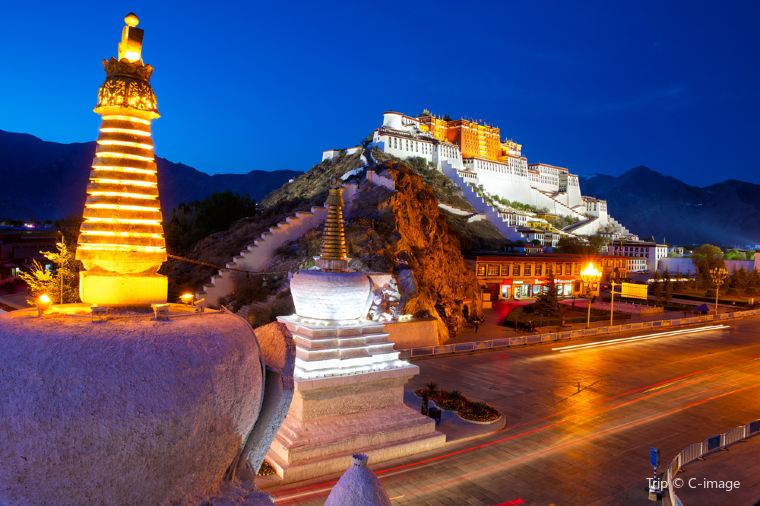
At present, Lhasa, the core city, has not yet opened a metro, and public transport is mainly based on buses and taxis.
Buses and Public Transport
- Lhasa: Has an extensive bus network covering all major urban districts and scenic spots such as the Potala Palace, Jokhang Temple and Barkhor Street. Bus fares are low (1-2 CNY per trip), and buses run from 6:30 to 21:00, which is the most cost-effective way for urban travel.
- Nyingchi/Shigatse: Smaller cities have relatively simple bus networks, with buses connecting main streets, railway stations and bus stations, and the operating time is basically the same as that of Lhasa.
Taxis and Ride-Hailing Apps
- Taxis: Widely available in major cities, with a starting fare of about 10 CNY in Lhasa (3km), and 2 CNY for each additional kilometre; the starting fare in Nyingchi and Shigatse is about 8 CNY, which is more affordable.
- Ride-Hailing Apps: Didi Chuxing is available in Lhasa, supporting online car-hailing and pre-booking.
Biking and Walking
- Shared Bikes: Lhasa has a certain number of shared bikes, with a rental price of about 1.5 CNY for half an hour, suitable for short trips.
- Walking: Walking is the best way to experience the local customs and culture, especially in Barkhor Street and the old town of Shigatse.
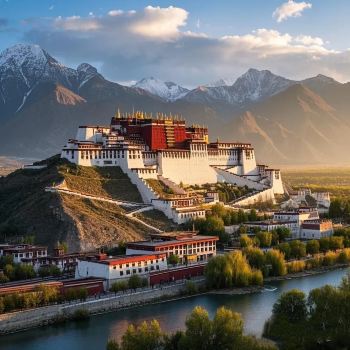
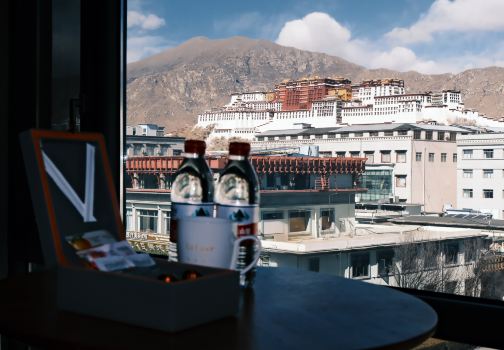
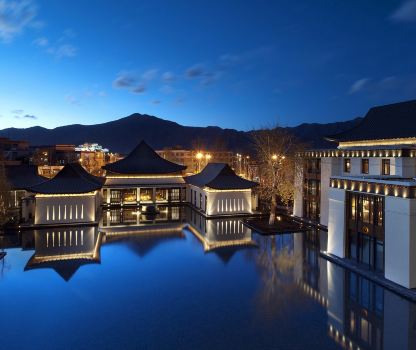
Find Popular Hotels in Tibet
 NO.1
NO.1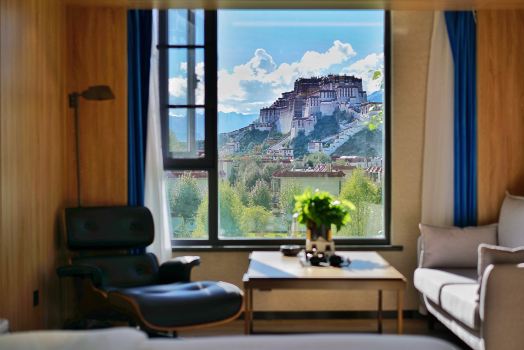

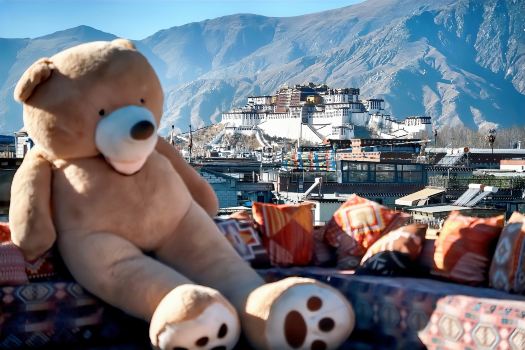
Tourist Transport in Tibet
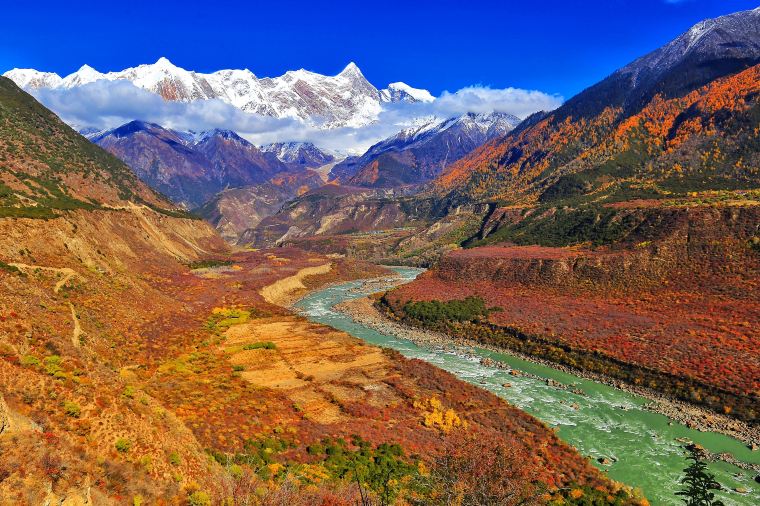
Special tourist transport such as scenic spot shuttle buses and sightseeing boats is the most convenient way to visit.
Scenic Shuttle Buses
Scenic shuttle buses are the only official means of transportation to enter most of Tibet’s scenic spots.
- Nam Co Lake: The scenic spot shuttle bus departs from the tourist distribution centre, with the first bus at 9:30 and the last bus at 18:00 (Zhashui Island line), and all vehicles return to the station at 19:00. The one-way ride takes about 30 minutes.
- Everest Base Camp: The shuttle bus departs from Shigatse Peace Airport or Shigatse city centre, with a one-way ride of about 3 hours.
- Yarlung Zangbo Grand Canyon: The scenic spot has a circular shuttle bus, with multiple stops along the way, with a total travel time of about 4 hours.
- Turbot Monastery and Grape Valley (Nyingchi): Tourist buses connect Nyingchi city centre with the scenic spots, with a one-way ride of about 20-40 minutes.
Sightseeing Boat and Ferry Services
- Nam Co Lake: Sightseeing boats sail on the lake, with a tour time of about 1 hour, allowing you to enjoy the snow-capped mountains around the lake and the blue lake water up close.
- Yamdrok Lake: There are small ferries at the lake shore, with a tour time of about 30 minutes, suitable for taking photos and viewing the lake scenery.
- Basong Co Lake (Nyingchi): The main sightseeing boat in the scenic spot, with a tour time of about 1.5 hours, passing through the island in the middle of the lake and the primitive forest by the lake.
Private Tours and Drivers
Many travel agencies and hotels in Tibet offer private car services or guided tours, which are the best choice for visiting remote areas such as Ali, Kailash and Manasarovar Lake.
Recommended Routes:
- Classic Lhasa Ring Line (3-5 days): Lhasa-Yamdrok Lake-Karuola Glacier-Shigatse-Tashilhunpo Monastery-Lhasa.
- Nyingchi Ecological Tour (4-6 days): Lhasa-Nyingchi-Basong Co Lake-Yarlung Zangbo Grand Canyon-Lulang Linhai-Lhasa.
- Ali Remote Tour (10-15 days): Lhasa-Shigatse-Everest Base Camp-Ali-Kailash-Manasarovar Lake-Lhasa.
Travel Tips for Getting Around Tibet
- Adapt to Altitude Gradually: Tibet has a high average altitude, so avoid strenuous exercise after arriving. Prepare portable oxygen, glucose oral liquid and other supplies, and do not take a bath on the first day of arrival.
- Book in Advance During Peak Seasons: The peak tourist season in Tibet is from May to October, and all means of transportation (flights, trains, buses, car rentals) need to be booked in advance.
- Prepare for Changeable Weather: It is necessary to bring warm clothes such as down jackets and fleece coats, as well as sunscreen, sun hats and sunglasses to resist strong ultraviolet rays on the plateau.
- Use Reliable Apps and Platforms: Book flights, trains and hotels through Trip.com; use Amap and Gaode for navigation; use Alipay and WeChat Pay for payment; use Didi for ride-hailing in Lhasa.
- Respect Local Customs and Culture: Tibet has unique religious and cultural customs, so respect the local taboos.
FAQs About Tibet Transport
Can Singapore travellers rent a car to self-drive in Tibet?
Yes, self-drive tours are a popular way to travel in Tibet, but you need to hold a valid international driving license and apply for a border pass in advance (required for entering remote areas such as Ali and Everest). It is recommended to rent a hardcore off-road vehicle and travel with a companion, and avoid driving alone in remote areas.What is the best way to explore Tibet’s remote scenic spots such as Ali and Kailash?
Private tours with drivers provided by travel agencies or hotels are the best choice. These tours are equipped with professional drivers and multilingual guides, complete vehicle equipment (oxygen supply, first-aid kits), and can customise the travel route. Self-driving is not recommended for inexperienced tourists, as Ali’s roads are long and the altitude is high, with harsh natural conditions.Do I need to book a ticket for the scenic spot shuttle bus in advance?
It is recommended to book in advance during the peak tourist season (May-October), especially the shuttle bus tickets for Nam Co, Everest Base Camp and other popular scenic spots.Is there a metro system in Lhasa?
No. Lhasa currently does not have a metro system. The main forms of urban transport are buses, taxis, and ride-hailing services.Which is better for avoiding altitude sickness: train or flight to Tibet?
Travelling by train is generally better, as altitude rises gradually, giving your body more time to adjust. Flying directly into Lhasa may cause more severe altitude sickness due to the sudden change in elevation.