
 NO.1
NO.1








🔥Save More with Up to 5% OFF
Use our promo code to enjoy up to 5% OFF (up to S$3) on your attraction tickets, tours and eSIMs! Only for new users!

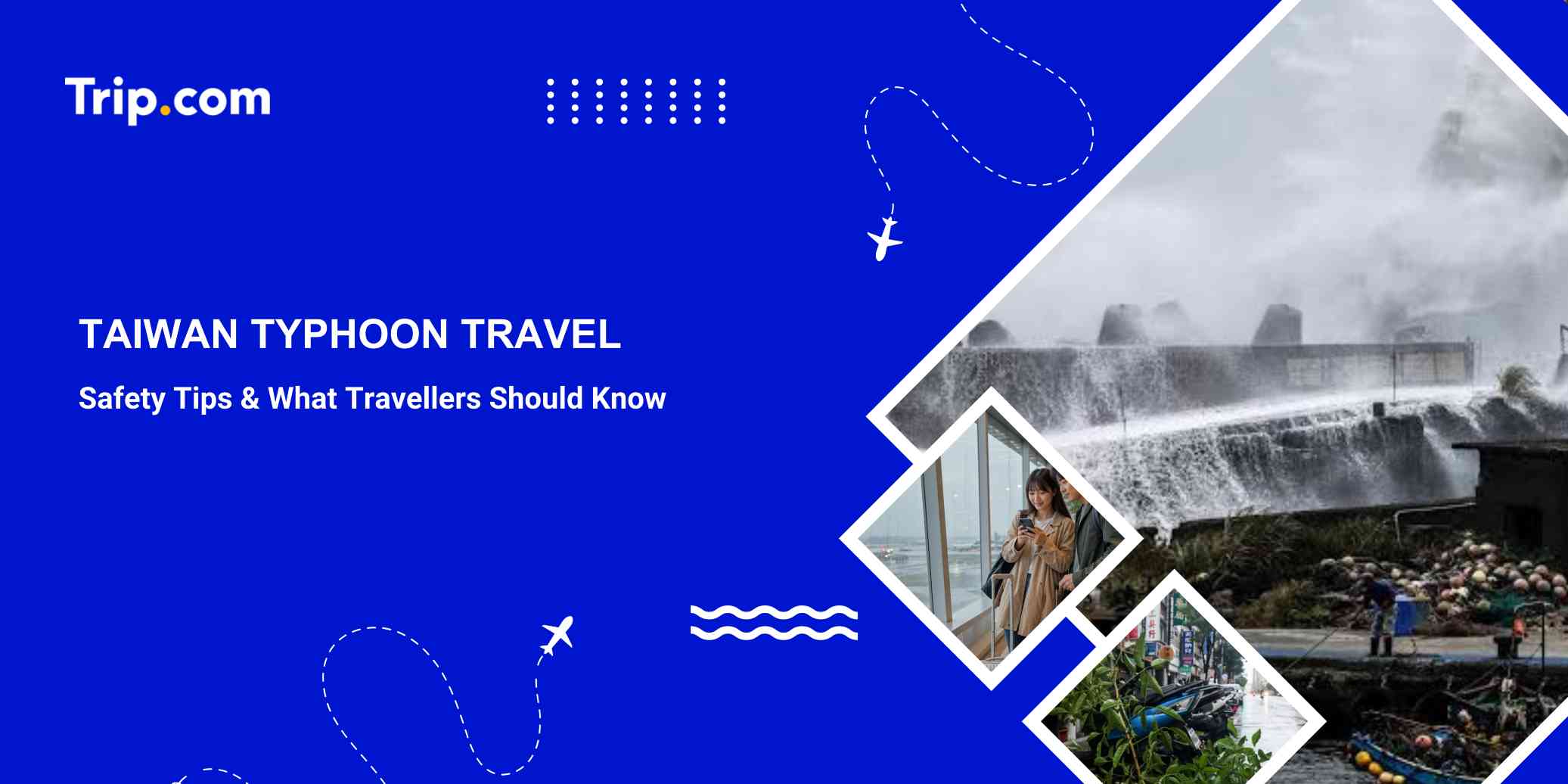
Taiwan is a popular destination for Singapore travellers that offers night markets, scenic mountain towns, onsen and beautiful coastal attractions.
However, typhoons can bring heavy rain, strong winds, transport disruptions and temporary closures that may affect your holiday so if you are planning a trip to Taiwan but worried about typhoons, here is the guide on what to do before departure, how to check flight and transport updates, and what to do if a typhoon disrupts your itinerary..
Fly from Singapore
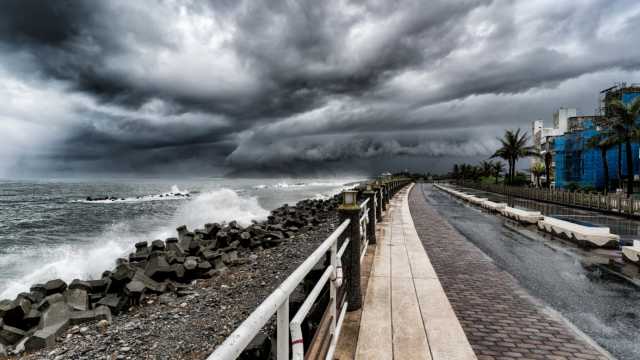
The season also can generally runs from summer to autumn, with the greatest risk typically falls between July and September.
So, July, August and September are particularly important months to monitor, so it is worth checking the weather forecast before your trip.
| Month | Travel Considerations |
|---|---|
May–June | The weather can become increasingly wet, and tropical storm activity may begin to affect travel plans. |
July–September | A key period for typhoon monitoring, with possible heavy rain, strong winds and transport disruptions. |
October | Typhoons can still affect Taiwan, particularly during the earlier part of the month. |
November–April | Generally outside the main typhoon season, although unsettled weather and other weather-related disruptions remain possible. |
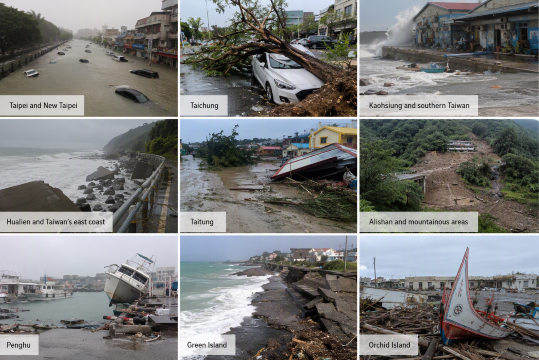
A typhoon's impact depends on its track, strength and rainfall.
It may affect one region more severely than another and its conditions can change quickly.
| Destination | Possible Travel Impact |
|---|---|
Taipei and New Taipei | Heavy rain, strong winds, flooded roads and temporary closures of outdoor attractions. |
Taichung | Wet and windy conditions, transport delays and disruption to mountain excursions. |
Kaohsiung and southern Taiwan | Heavy rainfall, strong winds and possible disruption to outdoor sightseeing and transport. |
Hualien and Taiwan's east coast | Coastal hazards, landslides, road closures and rail disruptions, depending on conditions. |
Taitung | Heavy rain, strong winds and possible disruption to local transport and coastal activities. |
Alishan and mountainous areas | Landslides, falling rocks, reduced visibility and temporary road or trail closures. |
Penghu, Green Island and Orchid Island | Ferry cancellations and possible domestic flight disruptions due to rough seas and strong winds. |
Hotels in Taiwan
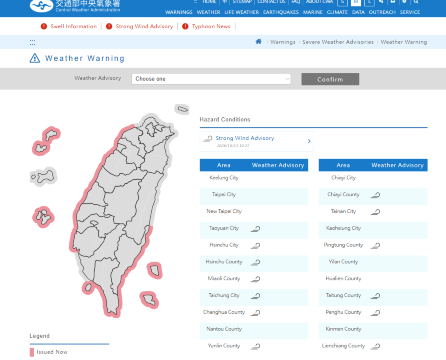
Before heading out for sightseeing in cities, you should check the official weather alerts and transport announcements.
Check these sources before leaving your hotel, especially if you're planning a day trip, visiting a national park or travelling to another city.
| Information Needed | Where to Check |
|---|---|
Typhoon warnings and weather forecasts | |
Singapore travel advice for Taiwan | |
Flight delays and cancellations | Your airline's official website or app and the relevant airport's flight information page |
Taiwan railway updates | Taiwan Railways' official website and service announcements |
High-speed rail updates | Taiwan High Speed Rail's official website |
Tourist attraction closures | The attraction's official website or social media accounts |
Travel information |

Typhoons can cause flight delays, cancellations, diversions and changes to dparture schedules where the impact is depends on the storm's location, airport conditions and airline operating decisions.
For Singaporeans, this may affect flights between Singapore Changi Airport and Taiwan's m,ajor airports, including Taoyuan International Airport, Taipei Songshan Airport and Kaohsiung International Airport.

If you are travelling from Taipei to Taichung, Kaohsiung or Hualien, please check the latest service announcements before departing.
If you can avoid non essential journeys during the severe weather warnings, it could be better.
Don't assume that a train or bus will operate simply because tickets were purchased in advance.
If services are suspended, follow the operator's instructions for changes, refunds or alternative arrangements.
| Transport | What Travellers Should Know |
|---|---|
Taiwan High Speed Rail (THSR) | Services may be delayed, adjusted or suspended if severe weather affects safe operations. |
Taiwan Railways | Train schedules and routes may change, particularly on routes exposed to heavy rain or landslides. |
Taipei MRT | Metro services may continue during some weather events, but follow official announcements for any changes. |
Buses | Routes may be diverted or suspended due to flooding, road closures or unsafe conditions. |
Taxis and ride-hailing | Availability may decrease during severe weather, while travel times and fares may increase. |
Ferries | Sailings to offshore islands may be cancelled because of rough seas. |
Domestic flights | Flights to destinations such as Hualien, Taitung and offshore islands may be disrupted by weather conditions. |
Use our promo code to enjoy up to 5% OFF (up to S$3) on your attraction tickets, tours and eSIMs! Only for new users!
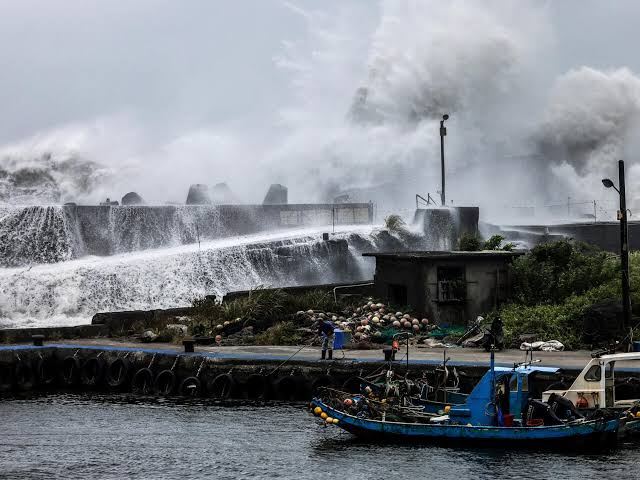
A typhoon does not always mean that your Taiwan holiday has to be cancelled, but it does not mean that you should be ready to adapt the concequences.
You must keep checking the weather, confirm that your transport before departure and leave room flexible in your itinerary for unexpected changes.
For the most reliable updates, refer to Taiwan's Central Weather Administration and Singapore's Ministry of Foreign Affairs. Your safety should always come before sightseeing.