Japan Plug Guide: Types, Adapters & More

When travelling to Japan, using a Japan power plug is important which can save you from the trouble of being unprepared. In this guide, we’ll explore everything you need to know about Japan plug, helping you stay charged and ready to go. Get the knowledge of the right Japan plug type now!
Japan Plug Type
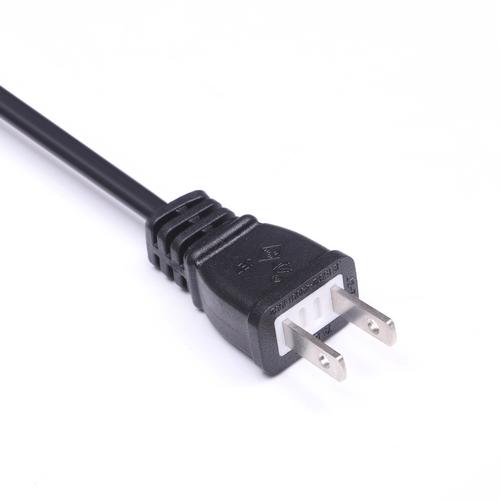
Japan uses Type A plugs with two flat parallel pins and a standard voltage of 100V. The frequency is 50Hz in Eastern Japan (e.g., Tokyo) and 60Hz in Western Japan (e.g., Osaka). Most US-style plugs will work, but devices from other regions may need a plug adapter. Many electronics like phone and laptop chargers are dual voltage and will work without a voltage converter.
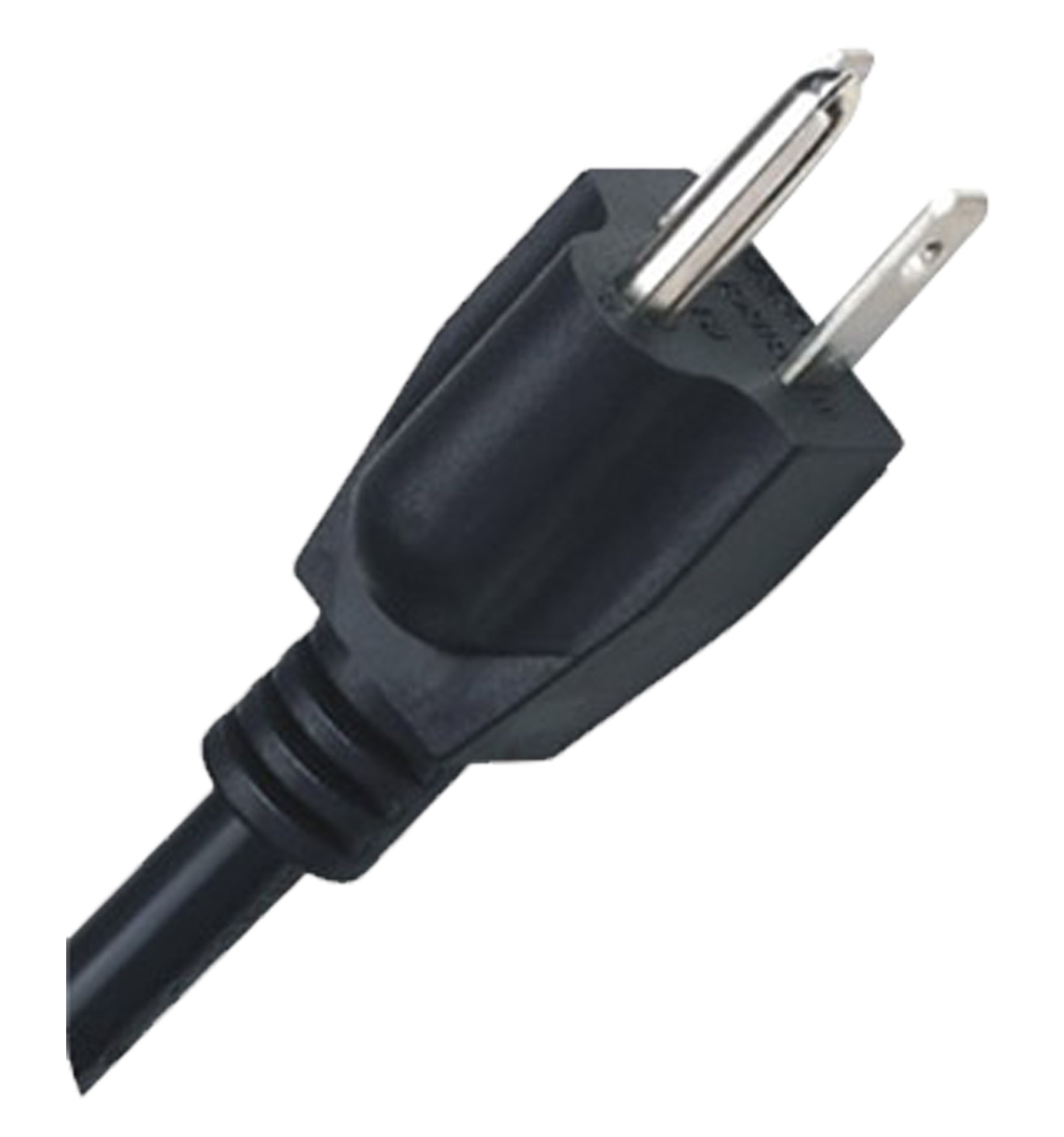
Type B plugs have two flat parallel pins like Type A, but with an additional round grounding pin. While Japan primarily uses Type A plugs, some outlets especially in newer buildings also support Type B. However, not all Japanese sockets are grounded, so Type B plugs may not always fit unless the outlet is specifically designed for grounding.
Japan power plug voltage and frequency
Plug Types:
- Mainly Type A (two flat parallel pins)
- Some outlets support Type B (two flat pins + grounding pin)
Voltage:
- Standard voltage is 100 volts, one of the lowest in the world
Frequency:
- 50 Hz in Eastern Japan (e.g., Tokyo, Hokkaido, Yokohama)
- 60 Hz in Western Japan (e.g., Osaka, Kyoto, Nagoya, Hiroshima)
Compatibility Notes:
- Many modern electronics (phones, laptops) are dual voltage (100V–240V) and will work without a voltage converter
- Visitors from regions using 220–240V or with different plug types (e.g., UK, EU, AU) will need a plug adapter
- Type B plugs (with a grounding pin) may not fit older Type A-only sockets
Japan plug: Adapters and converters for travelling to Japan
🧳 What’s an Adapter?
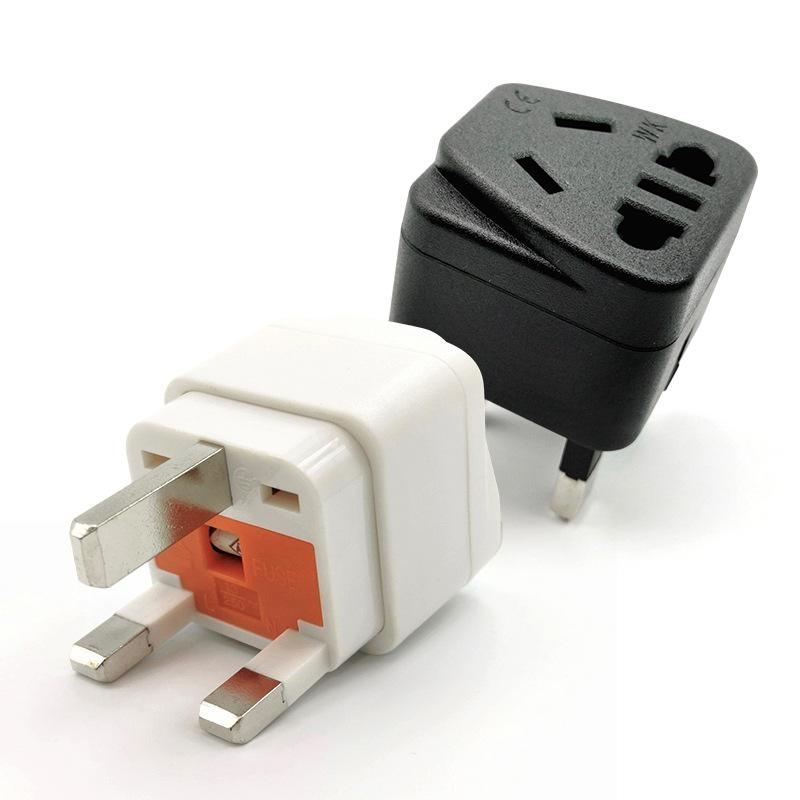
An adapter allows you to physically connect your plug to Japan’s Type A socket. If your device uses a different plug type (like Singapore’s Type G), you’ll need an adapter to fit Japanese outlets.
🔧 Types of Adapters
- Universal Travel Adapters:
These support multiple plug types and are ideal for international travellers visiting several countries, including Japan. - Single Plug Adapters:
Specifically designed to convert one plug type to another, such as Type G (Singapore) to Type A (Japan).
⚡ What’s a Converter?
A converter changes the voltage of electricity from the outlet to match what your device needs. Since Japan uses 100V, devices from countries with higher voltages (like Singapore’s 230V) may need a voltage converter.
⚙️ Types of Converters
- Step-down Converters:
Reduce voltage from 230V to 100V for low-power devices that are not dual voltage. - Transformers:
Better suited for high-powered appliances (e.g. hair dryers or kettles) and can handle continuous use. These are heavier but more reliable for voltage-sensitive equipment.
Where to buy adapters in Singapore?
- Challenger, Courts, Harvey Norman (electronics chains in most malls) — they typically stock travel adapters, including universal ones
- Sim Lim Square (1 Rochor Canal Rd) — a multi-storey electronics hub with shops offering adapters at competitive prices
- Mustafa Centre (Little India) — a 24/7 emporium with a broad range of travel accessories, including plug adapters
🔌 Where to Charge Devices Easily in Japan

🏪 1. Convenience Stores (Konbini)
- 7-Eleven, FamilyMart, and Lawson often have charging stations or USB charging ports near the entrance or seating areas.
- Some sell portable chargers and cables too.
- Open 24/7—great in emergencies!
🛤️ 2. Train Stations & Bullet Trains (Shinkansen)
- Major train stations (Tokyo, Osaka, Kyoto) have charging outlets in waiting areas or near benches.
- On Shinkansen (bullet trains), outlets are available at window seats and front-row seats—bring a charger and adapter.
🏨 3. Hotels & Accommodations
- Most hotels provide universal power outlets or USB ports.
- You can request a plug adapter at the front desk if you forgot yours.
- Capsule hotels and hostels often have charging lockers.
☕ 4. Cafés & Fast Food Chains
- Starbucks, Doutor, McDonald's, and some local cafés have power outlets for customers.
- Look for tables near walls or counters with outlet signs.
- Free Wi-Fi is common too.
🏯 5. Airports
- All major Japanese airports (e.g., Narita, Haneda, Kansai) have dedicated charging zones with outlets and USB ports.
- Ideal for top-ups before or after flights.
🧳 6. Department Stores & Malls
- Big names like Isetan, Takashimaya, or Yodobashi Camera often have charging corners or tech zones.
- Ask at information counters if unsure.
🔋 7. Rent or Buy a Power Bank
- You can rent power banks at train stations and malls via services like ChargeSPOT.
- Portable chargers are also available in convenience stores and electronics shops.
🌍 Global Electrical Standards Overview
🔌 1. Plug Types
There are 15 main plug types used worldwide, labeled A to O. Here are the most common:
Plug Type | Description | Common Countries |
|---|---|---|
A | 2 flat parallel pins | Japan, USA, Canada, Mexico |
B | Type A + grounding pin | USA, Canada, Mexico, Japan (sometimes) |
C | 2 round pins | |
G | 3 rectangular pins (triangular) | UK, Singapore, Malaysia, Hong Kong |
I | 2 flat angled pins + ground | |
F | 2 round pins + side grounding | Germany, Spain, Netherlands, Russia |
👉 Note: Plug types are not standardized globally—an adapter is often needed for international travel.
⚡ 2. Voltage Standards
Countries use either low or high voltage systems:
Voltage Range | Region Examples |
|---|---|
100–127V | Japan (100V), USA, Canada, Taiwan |
220–240V |
🔎 Check your device label for 100 to 240v. If supported, it’s dual voltage and safe to use worldwide with just a plug adapter.
🔁 3. Frequency Standards
Two frequencies are used globally:
Frequency | Common Regions |
|---|---|
50 Hz | Europe, Asia, Africa, Australia |
60 Hz | North America, parts of South America, Japan (West) |
✅ Quick Traveler Tips
- Use a universal adapter to handle multiple plug types.
- Voltage converter is only needed if your device is not dual voltage.
- Power banks, USB adapters, and surge-protected strips are handy travel accessories.
✈️ Travel Tips for Singaporeans Visiting Japan

Singaporeans travelling to Japan can enjoy a smooth and rewarding trip with a few key tips in mind. No visa is required for stays up to 90 days, and your passport only needs to be valid for the duration of your stay (Japan does not require six months of remaining validity). Japan is largely cash-based, so carry yen with you, although cards are accepted in cities. Ready to travel to Japan? Book you flight ticket to Tokyo now! And don't forget to book hotels in Tokyo too.
FAQ About the Japan Plug
-
What power plug does Japan use?
-
What is the voltage in Japan?
-
Do I need a plug adapter for Japan if I’m from Singapore?
-
What if my device has a different plug type?
-
Do I need a voltage converter for my devices?
Trending Researches
-
Featured guides
-
Trip.com links
- China Power Bank Limit
- Trip.com Customer Service
- train to kl from singapore
- Shanghai Metro
- China Train Map
- China Entry Requirements
- train from singapore to jb
- Thailand Plug
- Renew Autopass Singapore
- Vietnam Arrival Card
- China Plug
- Singapore Malaysia Cross Border Taxi
- universal studios singapore tickets
- 泰国插头
- Singapore Public Holiday 2027
- Big Transport from Tokyo to Fukuoka
- Osaka Station to Kyoto Station
- Bangkok to Pattaya
- Trip.com Promo Code
- Trip.com Flight Deals
- Trip.com Credit Card Promotions
- How to Book Cheap Hotels
- How to Book Cheap Flights
- Trip.com Member Rewards
- Trip Weekly Hotel Sales
- Online Hotel Booking
- Online Flight Booking
- Trip.com Travel Guide
- Book China Train Tickets
- Trip.com Seat Selection
- Singapore Public Holidays 2027
- Trip.com 优惠码
- Trip.com Travel Guides
- Trip.com 10.10 Mega Sale