China Currency Made Simple

Hey there! So you're planning a trip to China or maybe doing business there? Trust me, I've been there, done that and made quite a few currency exchange mistakes along the way!
As someone who's travelled extensively across China and dealt with countless SGD-CNY exchanges, let me share everything I wish I knew before my first trip.
China is literally our largest trading partner, and whether you're heading there for that awesome Great Wall adventure, closing a business deal in Shanghai, or visiting relatives during Chinese New Year, understanding their currency system will save you both money and headaches.
Let's dive in!
What Is the Currency in China?
Source: Wiki and Here I Pass
Okay, first things first – let's clear up the confusion that trips up so many of us Singaporeans. You've probably heard people say both "renminbi" and "yuan," right? Here's the deal:
Renminbi (RMB) literally means "people's currency" in Mandarin. It's the official name of China's currency, managed by the People's Bank of China. Think of it like how we officially call our money "Singapore Dollar."
Yuan (CNY) is actually just the basic unit of the renminbi currency. It's like how we say "dollar" when referring to our SGD. The symbol is ¥, which can be confusing since Japan uses the same symbol – that's why you'll sometimes see CN¥ to distinguish it.
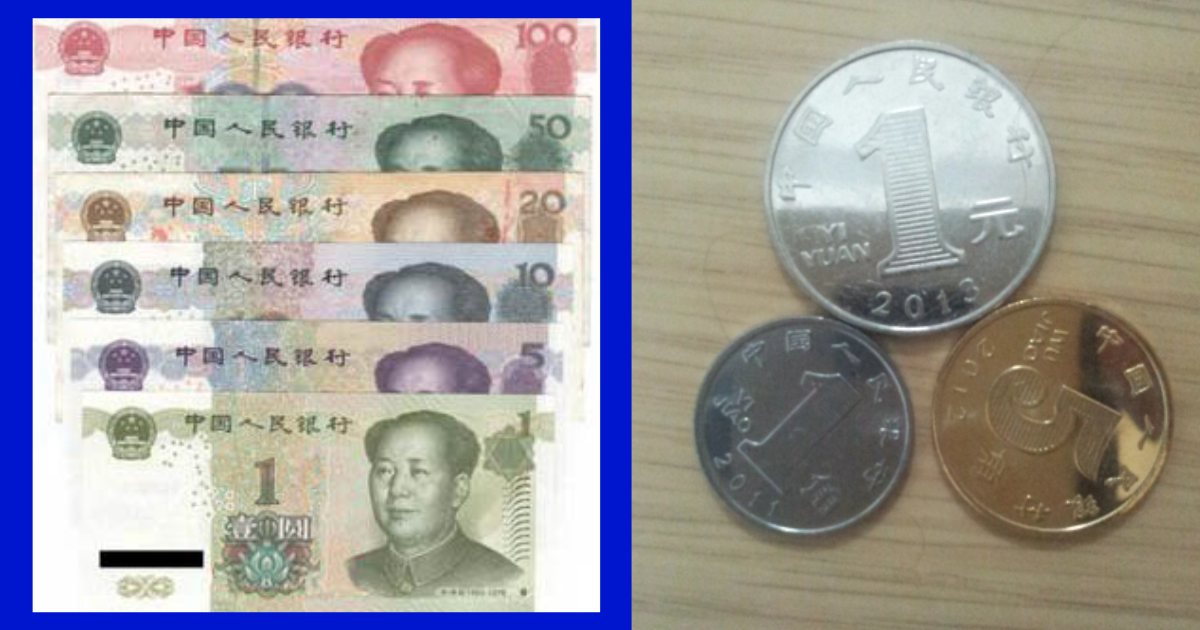
Here's how the money breaks down (and trust me, this confused me initially):
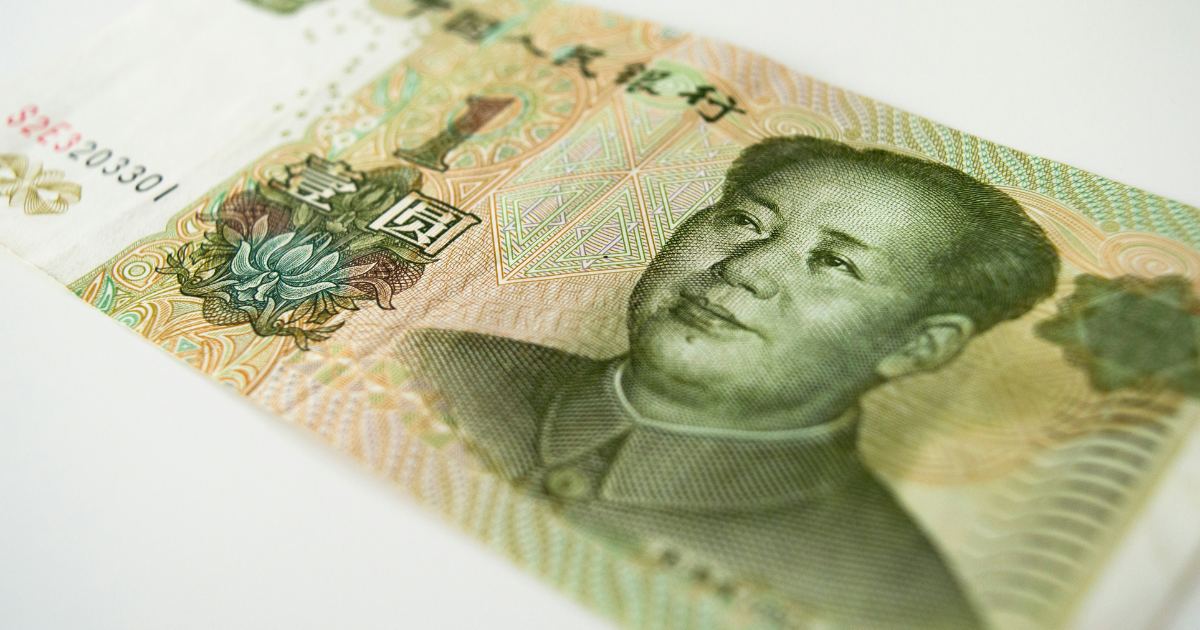
- Banknotes: ¥1, ¥2, ¥5, ¥10, ¥20, ¥50, and ¥100
- Coins: ¥0.1 (1 jiao), ¥0.5 (5 jiao), and ¥1
- The math: ¥1 = 10 jiao, and 1 jiao = 10 fen
✅ Pro tip from experience: Merchants will often examine your banknotes quite closely to check for authenticity – don't take it personally! Counterfeiting is a real concern there, so they're just being careful.
Quick note about Hong Kong
If you're planning to visit both Hong Kong and mainland China (like I did on my first trip), remember that Hong Kong uses the Hong Kong Dollar (HKD), not the yuan! Some shops in Hong Kong might accept yuan, but don't count on it. I learned this the hard way when I assumed my leftover yuan from Shenzhen would work in Tsim Sha Tsui!
History Of The Chinese Yuan
Source: China Daily
Alright, I know history might not be everyone's cup of teh, but this is actually pretty fascinating stuff! China basically invented money as we know it.
Way back in 1100 BCE, the Zhou Dynasty created what were probably the world's first metal coins made from bronze. Fast forward to the 13th century, and the Yuan dynasty (yes, that's where the name comes from!) created the world's first government-issued paper currency called the Jiaochao. Pretty cool, right?
The modern yuan that we deal with today was introduced by the People's Bank of China in 1948, just before the People's Republic of China was formed. But here's where it gets interesting for us as Singaporeans – from 1997 to 2005, China pegged their currency to the US dollar at about 8.3 CNY per USD. Since 2006, they've moved to a managed floating system against a basket of currencies.
Today, the yuan is the 8th most-traded currency globally and plays a huge role in our Singapore-China trade relationship. In fact, given how much business we do with China, understanding yuan trends can actually impact our local economy too!
10 Essential Tips For Currency Exchange
Source: Wiki
Okay, here's where I'm going to save you from the mistakes. These tips come from years of trial and error, plus some hard-learned lessons.
1. Monitor SGD-CNY exchange rate trends
Over the past few years, the Singapore dollar has generally traded between ¥4.8 to ¥5.4 per SGD. This gives you a ballpark idea of what’s “normal,” so you won’t panic if you see a rate slightly higher or lower than yesterday’s.
Download your bank's app (DBS, OCBC, UOB all have decent rate tracking) and keep an eye on the SGD-CNY rates. I use the DBS app myself – it's quite user-friendly. The rates can swing quite a bit around major Chinese economic announcements or during festival periods like Chinese New Year when demand spikes.
Set up rate alerts if you're planning a big exchange. I once saved about $200 SGD on a ¥10,000 exchange just by waiting two weeks for a better rate!
2. Time your exchanges strategically
Avoid exchanging during major Chinese holidays – Golden Week and Chinese New Year especially. The demand goes crazy during these periods. I once tried exchanging money right before CNY and the rates were terrible everywhere in Singapore.
Also, keep an eye on both Singapore's and China's economic calendars. Major policy announcements from the People's Bank of China can cause significant rate movements.
3. Compare Singapore money changer locations
Here's my go-to strategy: Peninsula Plaza and The Arcade usually have the most competitive rates. I personally like the money changers at Peninsula Plaza – they're used to dealing with yuan and the competition keeps rates sharp.
Don't overlook the ones in Chinatown either, especially if you're already in the area. Little India has some good options too. Just remember to factor in transport costs – no point saving $5 on exchange rates if you're spending $15 on Grab to get there!
4. Understand Singapore banking partnerships
This is where it pays to know your banks! DBS has DBS Bank (China) with branches in major Chinese cities. OCBC has Wing Hang which operates in Hong Kong and China. UOB has a strong presence in places like Beijing and Shanghai.
If you're a priority banking customer, call and ask about preferential exchange rates for China. Some banks offer better rates for larger amounts or regular travelers.
5. Leverage Singapore's fintech solutions
We're pretty advanced with digital payments here, and some of that tech works in China too. Check if your GrabPay or other digital wallets support yuan exchanges – though honestly, the rates usually aren't fantastic.
For larger amounts, look into peer-to-peer exchange platforms, but only use reputable, licensed ones. Some cryptocurrency exchanges also offer SGD-CNY pairs, but that's more complex and you need to understand the risks.
6. Avoid common Singapore traveller mistakes
Learn from my painful experiences! Never exchange at Changi Airport unless it's a tiny amount for immediate needs – the rates are terrible. I once exchanged $500 there and probably lost $30-40 compared to Peninsula Plaza rates.
In China, avoid hotel concierges like the plague – they'll give you tourist rates that are even worse than Changi. And whatever you do, don't use credit card cash advances. The fees and interest will kill you.
Source: Freepik
7. Optimize ATM usage in China
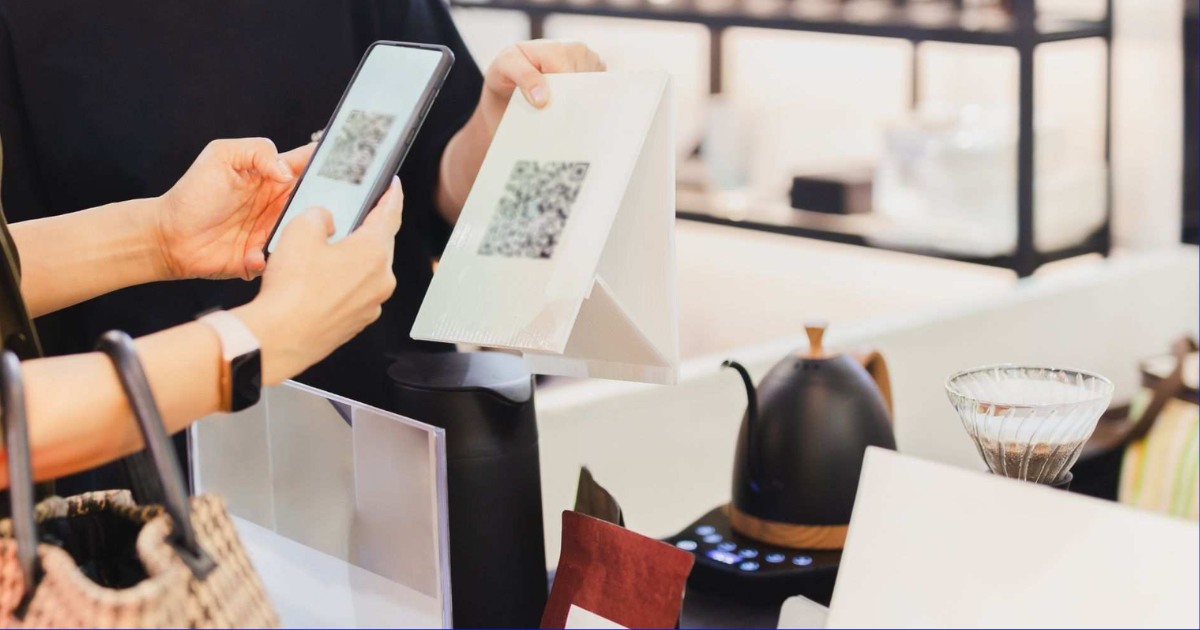
When you're there, look for UnionPay ATMs – they're everywhere and usually have English instructions. I prefer using ATMs inside bank branches for security.
Here's the golden rule: ALWAYS choose to be charged in yuan (CNY), not Singapore dollars. The dynamic currency conversion they offer is a scam with terrible rates. I learned this after getting burned once in Shanghai.
8. Plan for different China regions
Beijing, Shanghai, Shenzhen? Your cards will work almost everywhere. Heading to smaller cities or rural areas? Bring cash, lots of it. I once got stuck in a small town in Anhui province with just cards – not fun!
In Tier 1 cities, mobile payments (Alipay, WeChat Pay) dominate, but as a foreigner, you'll still need cash for many situations.
9. Consider business vs leisure exchange strategies
If you're traveling for business regularly, ask your company about corporate accounts with better exchange rates. For leisure travel, I find it better to exchange smaller amounts more frequently rather than big lump sums.
Students get special deals sometimes – check with your bank if you're studying in China. And if you're planning to stay long-term, definitely consider opening a Chinese bank account once you're there.
10. Build contingency plans
Always keep some Singapore dollars as backup – you never know when you might need them. I also keep a small stash of USD since it's more universally accepted in emergencies.
Store your Singapore bank's China hotline numbers in your phone before you go. Most major banks have 24/7 support for overseas customers, which is a lifesaver when your card gets blocked at 2 AM in Guangzhou (yes, this happened to me).
Using Money In China
Source: Freepik
Can you use Singapore dollars in China?
Short answer: No, don't even try. I've never found anywhere in mainland China that accepts SGD, except maybe some luxury hotels that will rob you blind with terrible conversion rates.
Some border areas might accept SGD, but you're always better off converting to yuan. Trust me on this one.
Digital payments in China
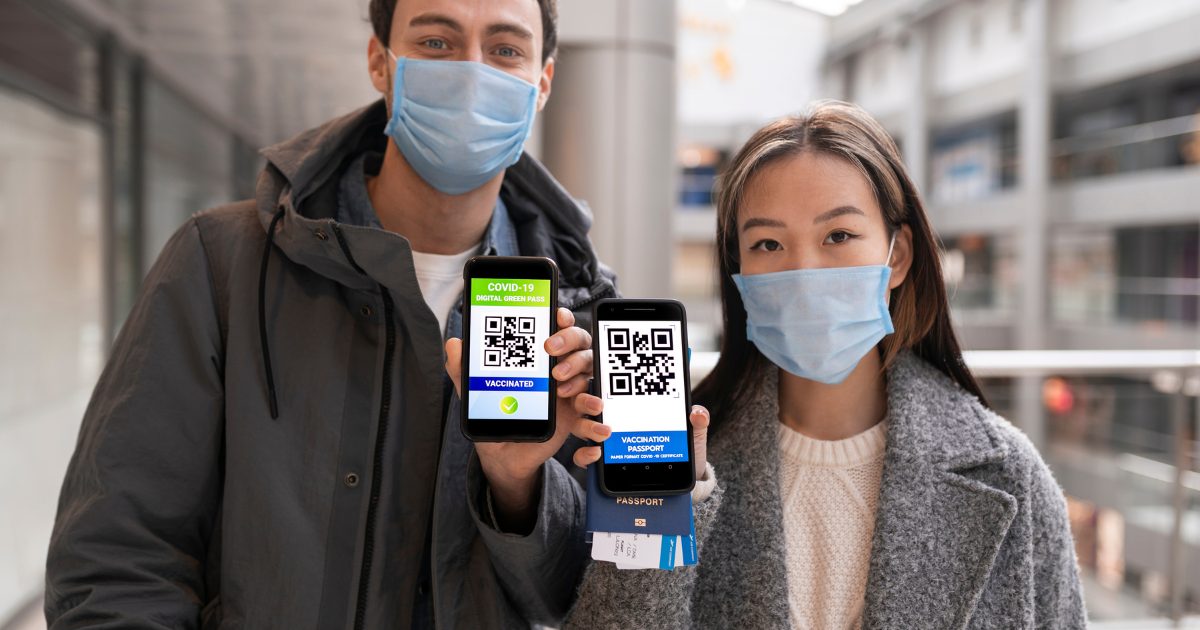
This is where China really shines – and where it can be frustrating for us foreigners! Alipay and WeChat Pay are everywhere. I mean EVERYWHERE. Street food vendors, taxis, even some temple donation boxes!
The good news is that both platforms now accept some international cards, though the setup process can be a bit tedious. Many Singapore-issued Visa and Mastercards work, but you'll need to verify your identity first.
For tourists, cash is still king. Don't worry about looking outdated – plenty of locals still use cash, especially older folks.
Tipping etiquette in China
Here's something that's different from Singapore – tipping is generally not expected and can even be refused! I tried to tip a taxi driver in Beijing once and he looked genuinely confused.
Upscale international hotels and restaurants might accept small tips, but don't feel obligated. Service charges are usually included in bills anyway.
❤️ Pro Tip: Do check out our curated guide on making payments in China!
Where To Get Chinese Yuan In Singapore
Source: Unsplash
Before traveling
Banks: All our major banks (DBS, OCBC, UOB) offer currency exchange, but call ahead for large amounts. They sometimes need to order yuan in advance.
Licensed money changers: My favorites are at Peninsula Plaza – shop around as rates can vary even within the same building. The Arcade is also good. Mustafa Centre is convenient if you're doing late-night shopping anyway.
Online: Most banks let you order currency online for pickup or delivery, which is convenient but usually not the best rates.
Changi Airport: Only for emergencies or small amounts. The convenience costs you!
In China options
Major banks (Bank of China, ICBC, China Construction Bank) are your safest bet. The rates are usually decent and you know you're getting authentic notes.
Licensed currency exchange counters are common in tourist areas and shopping malls. Just make sure they're properly licensed – look for official permits displayed.
😀 Pro Tip: To stay connected throughout your visit, consider getting a China eSIM. Just activate and go!
Buy Cheap China eSIM
 2036594 booked


China Currency Made Easy
So there you have it - all the yuan wisdom I've accumulated from countless trips, mistakes, and "aiyah!" moments at money changers. The main things? Don't be lazy with research, skip the tourist traps (seriously, Changi Airport rates are daylight robbery), and always have a Plan B ready.
Look, dealing with China's money isn't rocket science, but it's one of those things where a little homework saves you real cash. Whether you're there slurping xiaolongbao in Shanghai, closing deals in Shenzhen, or visiting the in-laws during CNY, getting your currency sorted early means less stress later.
One last thing - rates change faster than Singapore weather, so don't obsess over getting the "perfect" rate. Sometimes good enough is actually good enough. And hey, once you've got your yuan sorted, you can focus on the fun stuff like figuring out how to use chopsticks properly or navigating the Great Firewall!
Anyway, hope this helps for your China adventure!
❤️ Pro Tip: Do check out our comprehensive travel guide to China here! If you're planning to visit during China Golden Week, be prepared for larger crowds and book your tickets and accommodations well in advance to avoid the rush.
China Currency FAQs
-
Do I really need zero cash in China?
-
What's the difference between CNY and CNH?
-
Can I use my Singapore credit/debit cards in China?
-
How do I convert Chinese yuan back to SGD?
-
What about China's digital yuan?
Trending Researches
-
Featured guides
-
Trip.com links
- China Power Bank Limit
- Trip.com Customer Service
- train to kl from singapore
- Shanghai Metro
- China Train Map
- China Entry Requirements
- Hong Kong Public Holidays 2027
- train from singapore to jb
- China Plug
- Thailand Plug
- universal studios singapore tickets
- Renew Autopass Singapore
- Taiwan Plug
- Vietnam Arrival Card
- Singapore Malaysia Cross Border Taxi
- Big Transport from Tokyo to Fukuoka
- Osaka Station to Kyoto Station
- Bangkok to Pattaya
- Trip.com Promo Code
- Trip.com Flight Deals
- Trip.com Credit Card Promotions
- How to Book Cheap Hotels
- How to Book Cheap Flights
- Trip.com Member Rewards
- Trip Weekly Hotel Sales
- Online Hotel Booking
- Online Flight Booking
- Trip.com Travel Guide
- Book China Train Tickets
- Trip.com Seat Selection
- Singapore Public Holidays 2027
- Trip.com 优惠码
- Trip.com Travel Guides
- Trip.com 10.10 Mega Sale