







Cheapest Time to Visit Japan

Cheapest Time to Visit Japan: A Budget Guide for Singaporean Travellers

Author's Profile Picture
Cheapest Time to Visit Japan

Japan is a year-round destination, but the cost of visiting can vary quite a bit depending on when you travel.

If you are planning a holiday from Singapore and want to keep your spending low, choosing the right travel month can make a big difference.

Book Your Flight Now
TOKYO
FUKUOKA
OSAKA
See all flights

When is the Cheapest Time to Visit Japan?

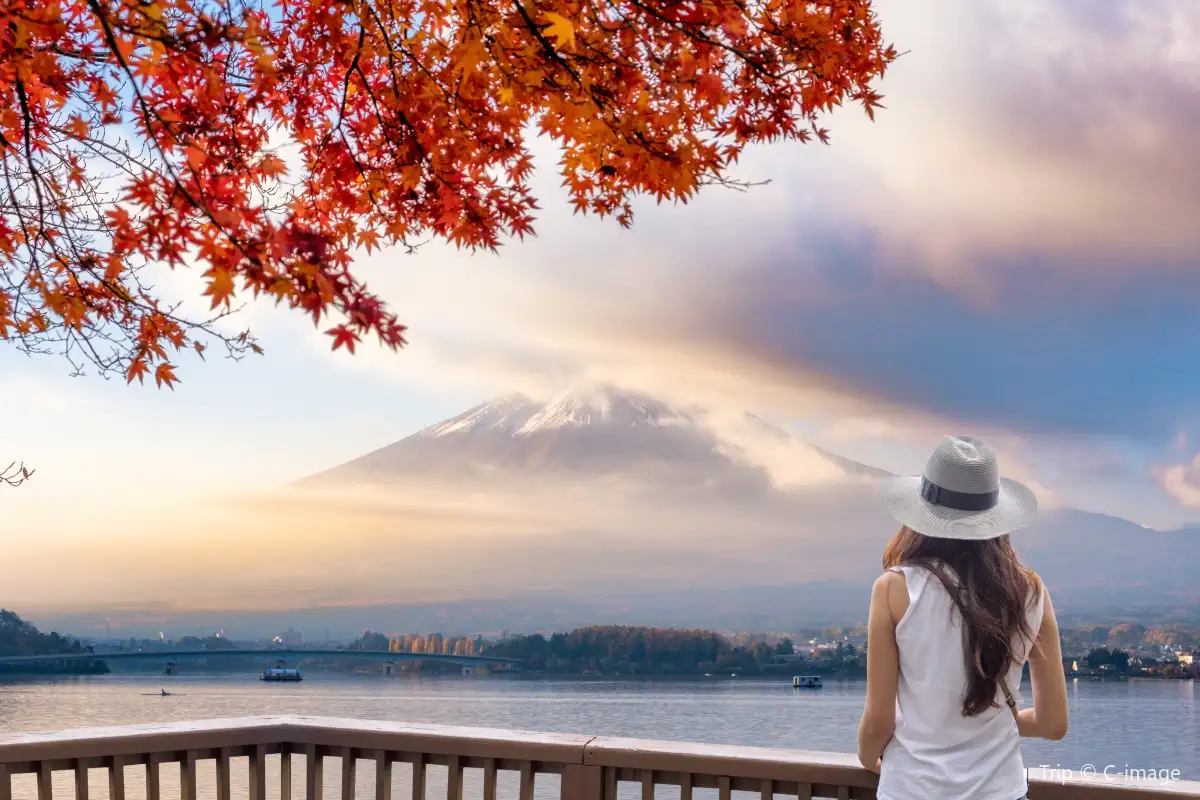
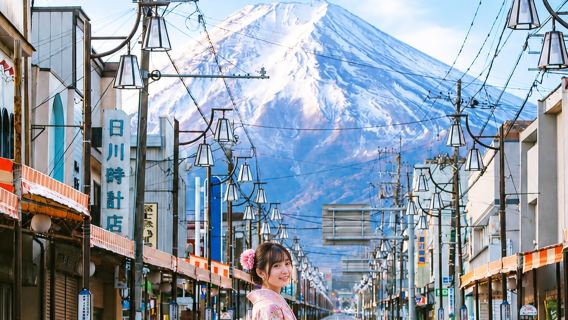
Mount Fuji

Generally, January, February, June and September are worth considering for a more affordable Japan holiday. These months tend to fall outside the busiest travel periods, which mean you may find better deals on flights and accommodation

For Singaporean travellers, here are some of the best periods to consider:

Month

Travel Season

Budget Potential

January

Winter, post-New Year

Good, especially after the first week

February

Winter, before spring

Very good

March

Early spring

Moderate, but expensive during cherry blossom season

April

Spring

Expensive

May

Spring, Golden Week

Expensive in early May

June

Rainy season

Very good

July

Summer

Moderate to expensive

August

Summer holidays and Obon

Expensive during peak periods

September

Late summer to early autumn

Good, especially in the second half

October

Autumn

Moderate to expensive

November

Autumn foliage

Expensive in popular destinations

December

Winter and year-end holidays

Expensive towards the end of the month

🎁Best month to consider: February and June are particularly good options if you want to balance lower travel costs with a comfortable sightseeing experience. Late September and early January are also worth checking.

Why Are These Months Cheaper?

These are a few reasons why travelling during the low season can help you save:

  • Lower flight demand: Fewer holidaymakers travelling during certain periods can mean more competitive airfares.
  • More affordable hotels: Accommodation rates may drop when there are fewer tourists, particularly in major cities.
  • Fewer crowds: You can explore popular attractions without dealing with the busiest travel periods.
  • More flexible bookings: You may have a wider choice of hotels and room types compared with peak travel seasons.

One important thing to remember is that cheaper does not always mean better weather. June is part of Japan's rainy season in many regions, while January and February can be quite cold. If you are comfortable with these conditions, however, they can be excellent months for a more budget-friendly holiday.

💡 Pro Tip: Visit the Trip.com Member Rewards page to explore loyalty benefits, track your membership progress and discover perks you can enjoy as you travel more.

Month-by-Month Cost Analysis for Singaporean Travellers

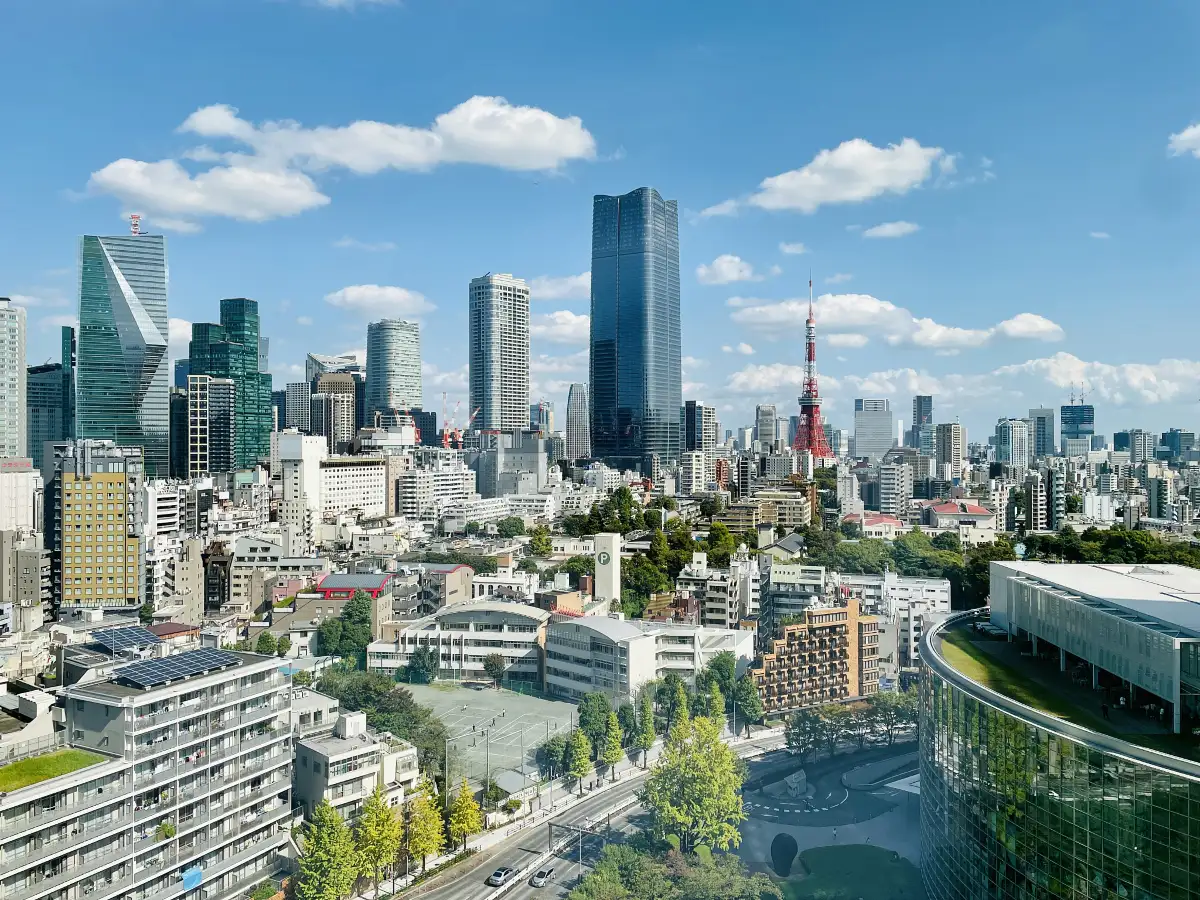
Roppongi

If you are travelling from Singapore, airfare and accommodation will usually take up a significant portion of your Japan holiday budget.

Flight prices depend on your destination, airline, baggage allowance, travel dates and how early you book. Hotel rates also vary between Tokyo, Osaka, Kyoto, Hokkaido and other destinations.

The following table provides a general guide to monthly travel costs.

Estimated Flight and Hotel Costs

Month

Return Flight from Singapore

Budget Hotel per Night

January

S$450–750

S$60–120

February

S$450–700

S$60–120

March

S$550–900

S$80–160

April

S$650–1,100

S$100–200

May

S$550–950

S$80–160

June

S$450–750

S$60–120

July

S$550–900

S$70–150

August

S$600–1,000

S$80–170

September

S$450–750

S$60–130

October

S$550–850

S$80–160

November

S$600–950

S$90–180

December

S$650–1,100

S$90–200

Actual prices can be higher or lower depending on the city, dates, airline and booking availability. Peak holiday periods may exceed these ranges.

Best Season to Visit Japan on a Budget

Season

Cheapest Period to Consider

Budget Suitability

Winter

Mid-January to February

Excellent

Spring

Early March and late May

Moderate

Summer

June

Excellent

Autumn

Late September

Good

📌My recommendation: If saving money is your priority, consider February or June. February is ideal if you enjoy winter experiences, while June is a good choice for affordable city sightseeing, shopping and food trips. Both can offer better value than travelling during Japan's famous cherry blossom and autumn foliage seasons.

Find the Best Things to Do in Japan
TOKYO
FUKUOKA
OSAKA
KYOTO
See all attractions

When to Avoid: Peak Seasons in Japan

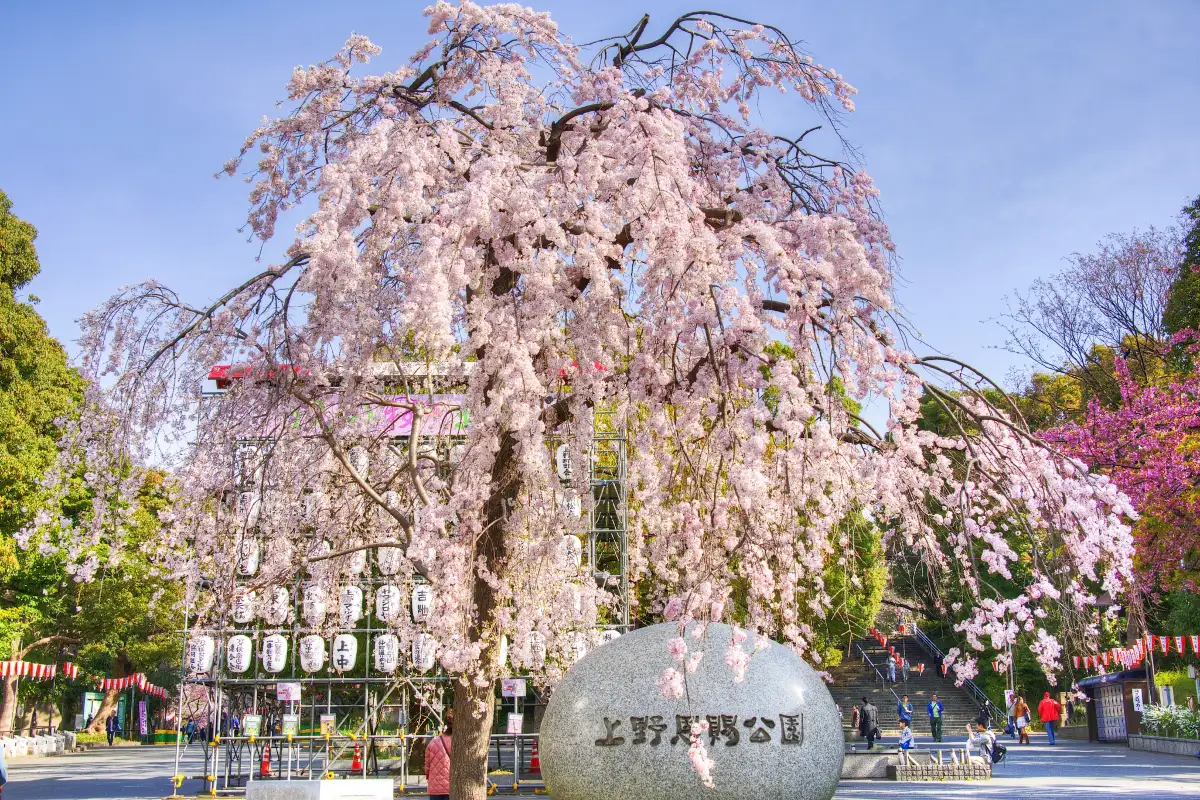
Ueno Park

If your main goal is to visit Japan on a budget, knowing which periods to avoid is just as important as choosing the cheapest month.

Japan has several busy travel periods throughout the year. During these times, flights, hotels and domestic transportation can become more expensive, particularly in popular destinations such as Tokyo, Kyoto and Osaka.

Here are the main periods to watch out for.

1. Cherry Blossoms Season (Late March to Early April)

Cherry blossom season is one of the most popular times to visit Japan. Visitors from around the world travel to see the sakura, especially in Tokyo, Kyoto and Osaka.

Hotels near famous cherry blossom viewing spots can sell out quickly, while flight prices may increase as demand grows.

💰Budget tip: Consider visiting in early March or after the main cherry blossom period if you want to enjoy spring without paying the highest prices.

2. Golden Week (Late April to Early May)

Golden Week is one of Japan's busiest domestic holiday periods. It consists of several public holidays around the end of April and beginning of May.

Many Japanese residents take advantage of this holiday period to travel, visit family or explore other parts of the country.

Expect:

  • Higher hotel prices in popular destinations.
  • Crowded Shinkansen trains and tourist attractions.
  • More competition for rental cars and popular accommodation.
  • Less flexibility when making last-minute bookings.

💰Budget tip: Travel in the second half of May instead, when Golden Week demand has passed.

3. Obon Holiday (Mid August)

Obon is a traditional Japanese holiday when many people return to their hometowns to honour their ancestors.

It is also a busy domestic travel period, with increased demand for flights, trains and hotels. Some businesses may also close for a few days.

💰Budget tip: If you are visiting in Japan in August, try to plan outside the main Obon travel period.

4. Autumn Foliage Season (October to November)

Autumn is another beautiful season in Japan, with colourful foliage attracting visitors to Kyoto, Nikko, Tokyo and other destinations.

November can be particularly expensive in popular autumn foliage areas because many travellers want to experience the seasonal scenery.

💰Budget tip: Consider visiting in late September or early October if you want cooler weather without the busiest autumn crowds.

5. Christmas and New Year (Late December to Early January)

The year-end holiday period can be expensive for Singaporean travellers because it overlaps with the school holidays.

New Year is also an important holiday in Japan, when many residents travel home or visit shrines and temples for their first prayers of the year.

💰Budget tip: Look at early December or the second week of January onwards for potentially better deals.

Budget Accommodation: Stretching Your SGD in Japan

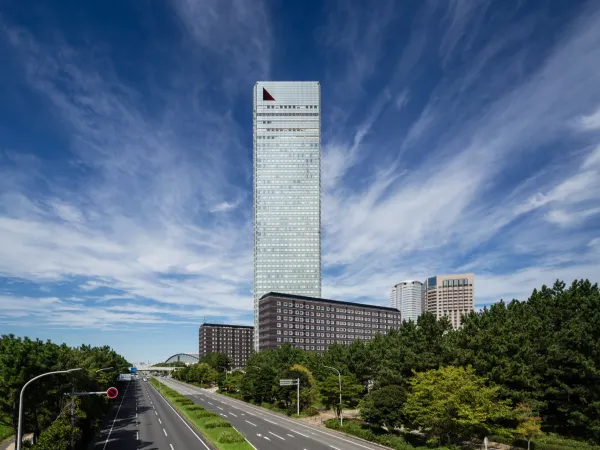
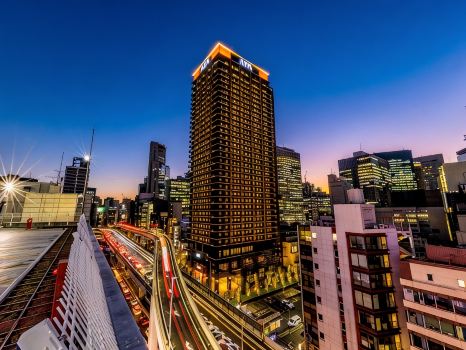
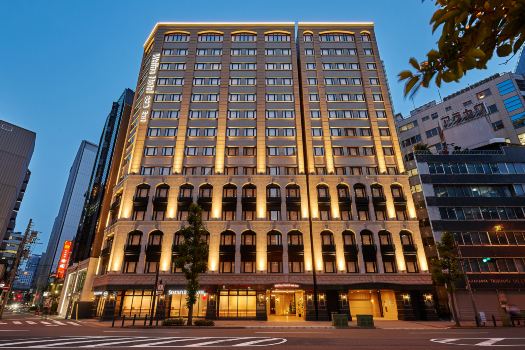
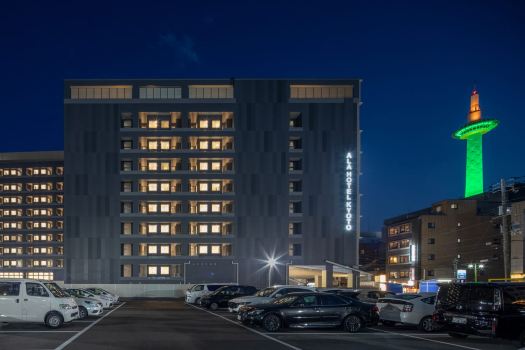
APA Hotel

Accommodation is another major part of your Japan travel budget. If you are travelling during the low season, you may have a better chance of finding affordable rooms in convenient locations.

The trick is to choose accommodation that offers a good transport access without paying extra for luxury facilities you may not use.

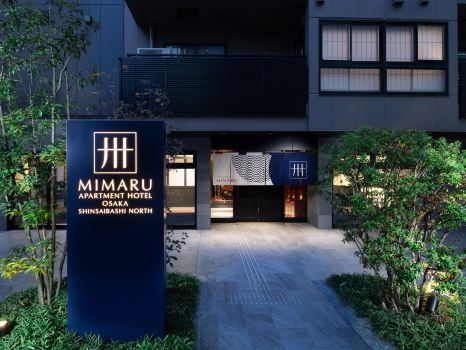
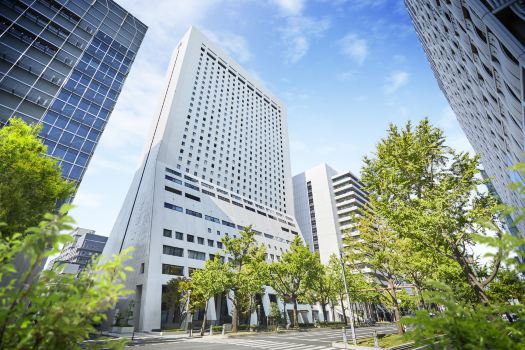
1. Stay at Business Hotels

Business hotels are a popular choice for budget-conscious travellers. They usually offer compact but comfortable rooms with private bathrooms, Wi-Fi and basic amenities.

These hotels are particularly useful for short city stays, especially if you plan to spend most of your day exploring. Look out for hotel chains such as:

  • Toyoko Inn
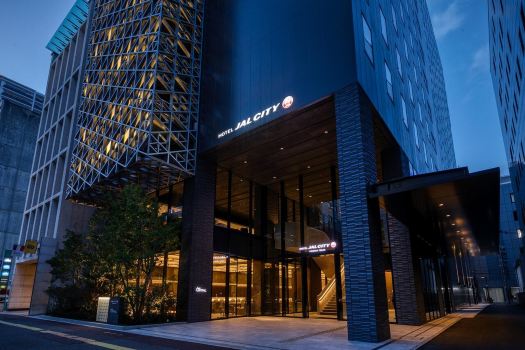
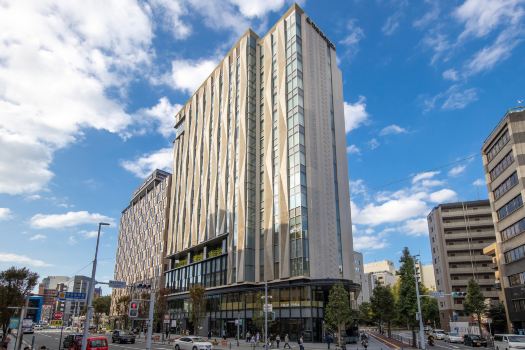
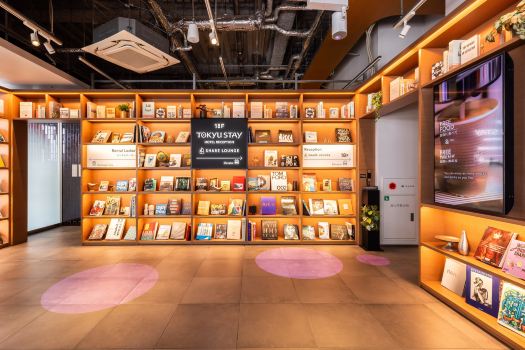
  • APA Hotel
  • Super Hotel
  • Sotetsu Fresa Inn
  • Hotel Mystays

2. Consider Hotels and Capsule Hotels

If you are travelling solo or do not mind sharing facilities, hostels and capsule hotels can help reduce accommodation costs.

Hostels offer dormitory beds and sometimes private rooms, while capsule hotels provide compact sleeping spaces with shared bathrooms and common areas.

They are particularly suitable for solo travellers, short overnight stays, backpackers and travellers who prioritise location over room size.

3. Stay Slightly Outside the City Centre

Hotels near major stations and famous tourist areas usually come with higher price tags. Instead, consider staying one or two train stops away from the busiest areas.

You may find better accommodation rates while enjoying convenient access to public transportation. For example:

City

Areas Worth Considering

Tokyo

Ueno, Asakusa, Otsuka and Ikebukuro

Osaka

Tennoji, Shin-Osaka and Kyobashi

Kyoto

Kyoto Station area and Gojo

Fukuoka

Hakata and Gion

4. Book Weekday Stays Where Possible

Hotel prices can change depending on the day of the week.

In popular leisure destinations, Friday and Saturday nights may cost more than weekdays. If your itinerary is flexible, consider spending the weekend in a less expensive city and visiting popular destinations during the week.

You can also compare different room types and refundable rates on Trip.com before confirming your booking.

Reserve Your Room Today
TOKYO
FUKUOKA
OSAKA
KYOTO
See All Hotels

🔥Exclusive Hotels Deal: Up to 10% OFF for New Users

Discover the world with Trip.com! Book the perfect hotel anywhere in the world and get an unbeatable 10% discount if you're a first-time user! Download our app now and start planning your next trip with ease.

Just click this link and download the Trip.com App, after successfully registering as a member, use it when you place an order!
How to Get Around Japan on a Budget

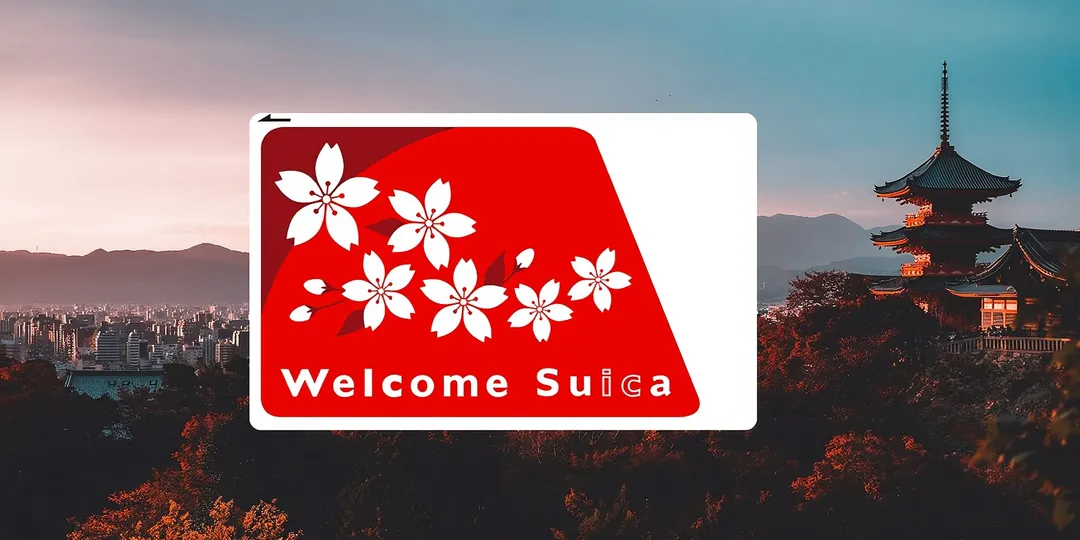
Suica Card

Japan has an excellent public transportation network, but travelling between multiple cities can become expensive if you do not plan your routes carefully.

Here are some ways to keep your transport spending under control.

1. Use IC Cards for Everyday Travel

IC cards such as Suica, PASMO and ICOCA make travelling around Japan much easier.

You can use them to pay for many train, subway and bus journeys without purchasing individual tickets every time.

They are particularly useful for city sightseeing in Tokyo, Osaka and other major destinations.

Do note that IC card coverage varies by transport operator and region, so check whether your intended routes accept the card.

2. Take Highway Buses for Long-Distance Journeys

If you are travelling between major cities, highway buses can be considerably cheaper than the Shinkansen.

For example, an overnight bus between Tokyo and Osaka allows you to travel while sleeping, potentially saving one night's accommodation as well.

However, the journey takes much longer than travelling by bullet train.

This option is worth considering if:

  • You have a flexible schedule.
  • You do not mind longer travel times.
  • You want to reduce transport costs.
  • You are comfortable with overnight journeys.

3. Check Regional Rail Passes Before Buying

Japan offers different regional railway passes for travellers visiting specific areas.

For example:

  • JR East passes for selected areas in eastern Japan.
  • JR West passes for selected areas in western Japan.
  • Kansai-area passes for selected journeys around Osaka, Kyoto and nearby destinations.

A regional pass may be useful if you plan to take several longer train journeys within its coverage area.

However, do not automatically buy a pass just because you are visiting Japan. Compare its price against individual tickets first.

4. Avoid Unnecessary Intercity Travel

One of the easiest ways to save money is to avoid moving between too many cities during a short holiday.

For a five-day trip, consider staying in Tokyo and exploring nearby attractions rather than travelling all the way to Osaka and Kyoto.

Similarly, if you are visiting Osaka, you can plan day trips to Kyoto, Nara or Kobe without changing hotels every night.

This saves money on train tickets and accommodation while giving you more time to explore.

5. Walk When Attractions Are Nearby

Japan's cities are generally pedestrian-friendly and walking is often a good way to explore neighbourhoods.

Instead of taking a train for every short journey, group nearby attractions together and explore them on foot.

For example, in Tokyo, you can combine visits to Asakusa, Senso-ji Temple and nearby shopping streets in one outing.

Just remember to wear comfortable shoes, especially if you plan to spend a full day sightseeing.

💡 Pro Tip: Activate your Japan eSIM before leaving the airport so you can access maps, hotel bookings, and transport apps right away.

🔥Save More with Up to 5% OFF

Use our promo code to enjoy up to 5% OFF (up to S$3) on your attraction tickets, tours and eSIMs! Only for new users!

Sample Itinerary: Japan on a Budget

Instead of visiting several cities in one trip, you can spend five days exploring Tokyo and nearby attractions. This helps reduce long-distance transportation costs while giving you plenty of opportunities to enjoy Japanese culture, food and shopping.

Here is a sample five-day itinerary for a budget-friendly Tokyo holiday.

Day 1: Explore Traditional Tokyo

Sensō-ji

Start your holiday in Asakusa, one of Tokyo's most popular traditional neighbourhoods.

Visit Senso-ji Temple, take a walk along Nakamise Shopping Street and try some affordable Japanese snacks.

In the afternoon, head to Ueno Park for a relaxing walk. You can also explore the nearby Ameyoko Shopping Street, which has plenty of food stalls and shops.

💫Quick tip: Many of Asakusa's main attractions are free to explore, making it a good starting point for budget travellers.

Day 2: Experience Modern Tokyo

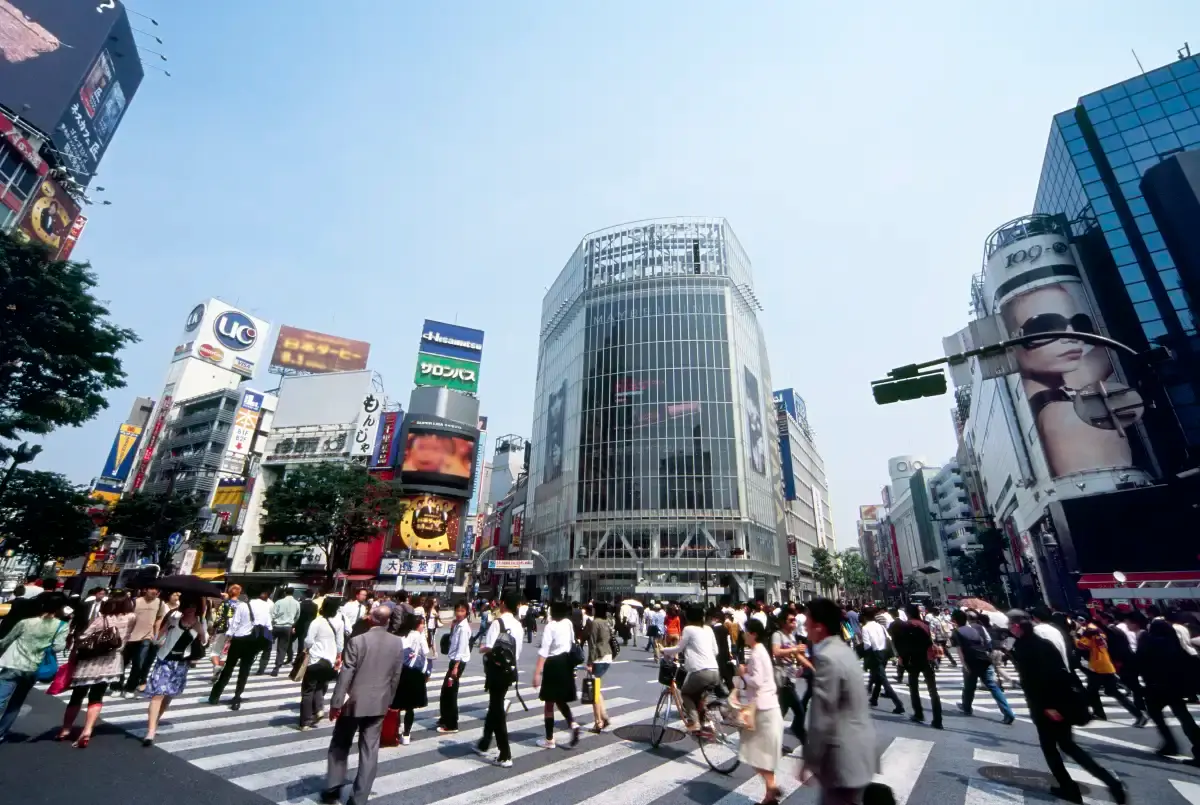
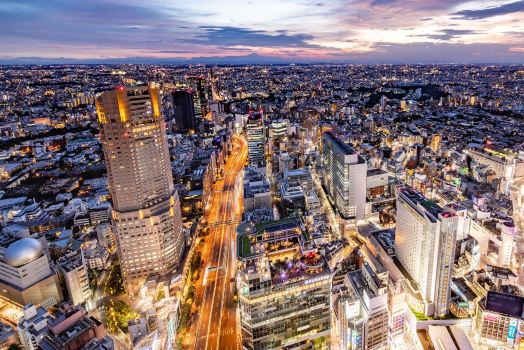
Shibuya

Spend your second day exploring Shibuya and Harajuku.

Take a photo at the famous Shibuya Crossing, browse the shops around Shibuya and visit Meiji Jingu for a quieter experience.

Afterwards, head to Harajuku to explore Takeshita Street, where you can find colourful shops, Japanese snacks and affordable street food.

💫Quick tip: Enjoy neighbourhoods on foot rather than taking multiple short train journeys.

Day 3: Discover Shinjuku

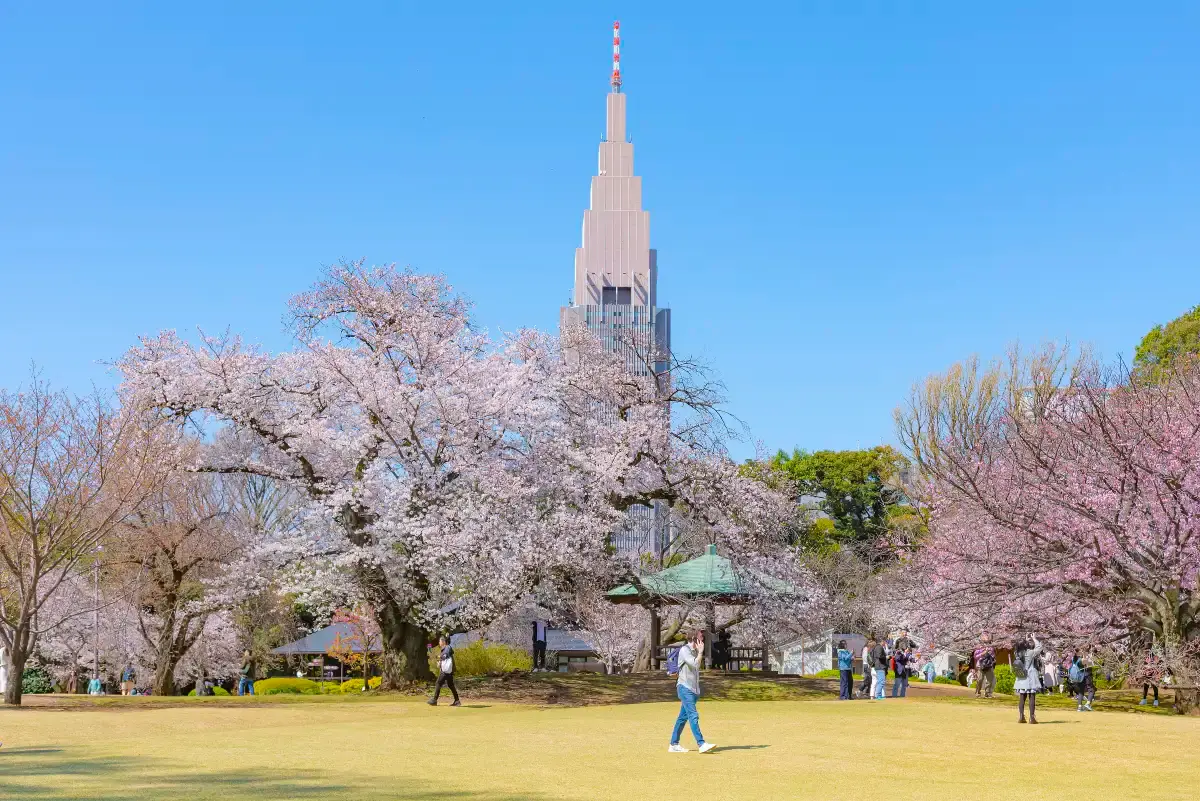
Shinjuku Gyoen National Garden

Start the day at the Shinjuku Gyoen National Garden. There is an entrance fee, but it is a lovely place to enjoy some greenery away from the busy city.

Spend the afternoon exploring Shinjuku's shopping streets and department stores.

For dinner, look for a local ramen shop or gyudon restaurant for a filling meal without spending too much.

💫Quick tip: Check the entrance fees before visiting paid attractions and choose only the ones you are most interested in.

Day 4: Enjoy Tokyo Bay

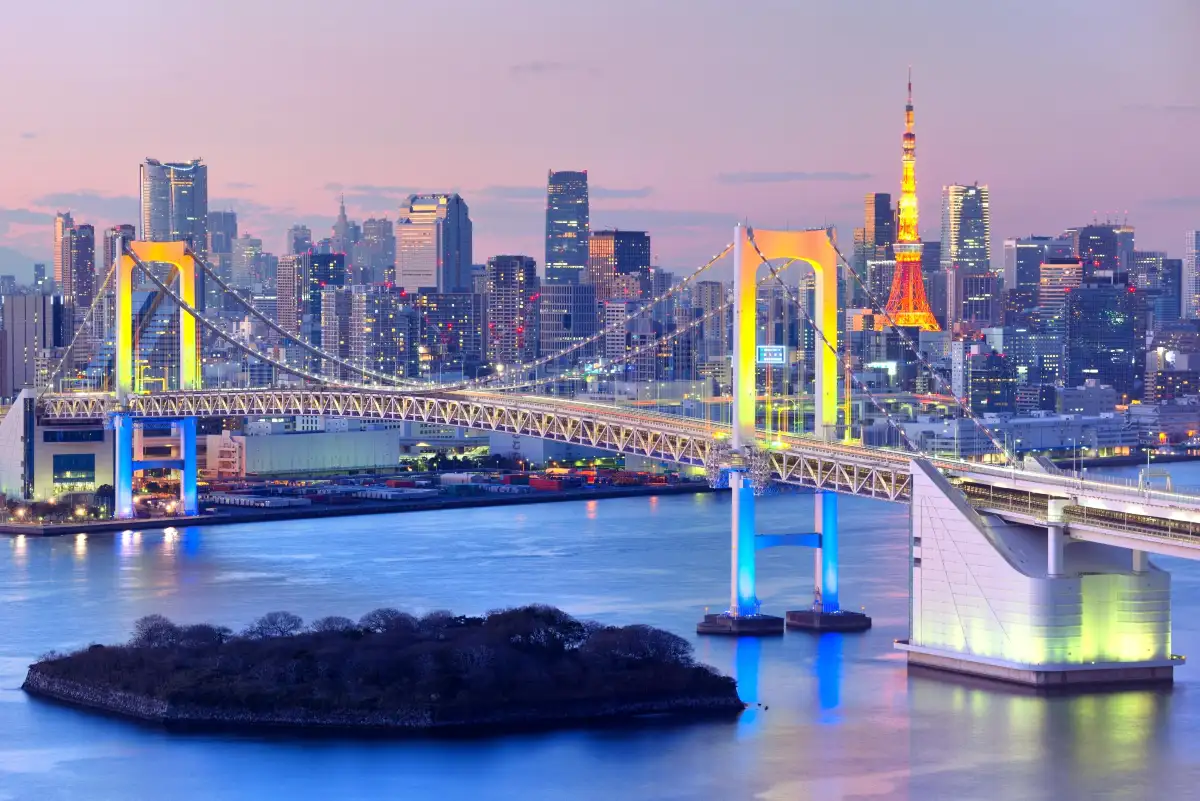
Rainbow Bridge

Head to Odaiba for a more relaxed day by the waterfront.

Explore the public areas, enjoy the views of Rainbow Bridge and browse the shopping malls if you want a break from outdoor sightseeing.

You can also visit other nearby attractions depending on your interests and budget.

💫Quick tip: Focus on the free waterfront areas and avoid spending too much on optional attractions.

Day 5: Shopping and Souvenir Hunting

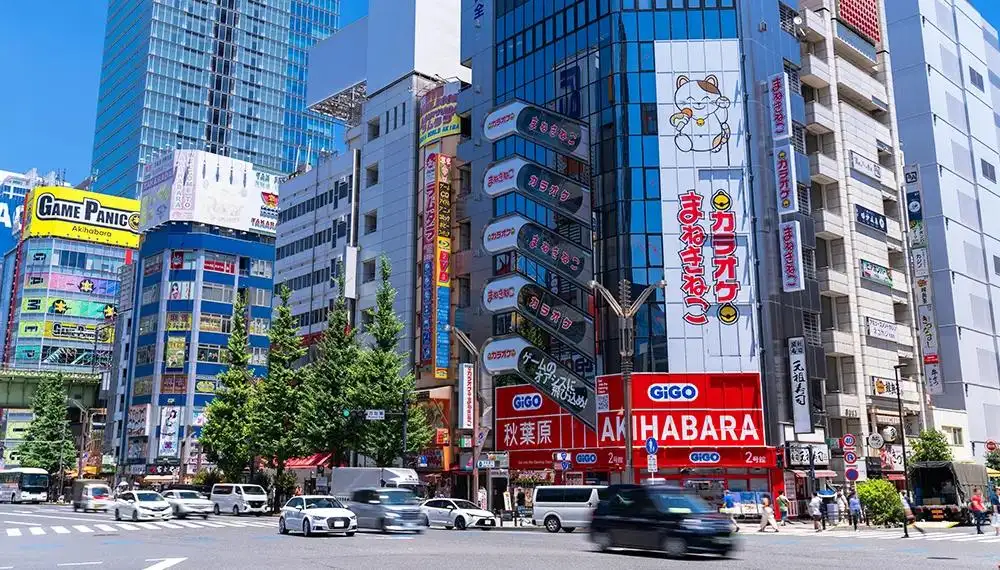
Akihabara

Spend your final day in Akihabara, especially if you enjoy anime, gaming and Japanese electronics.

Afterwards, visit Tokyo Station to browse its shopping areas and pick up some last-minute souvenirs.

You can also look for affordable snacks and packaged food to bring home, subject to Singapore's food import requirements.

💫Quick tip: Set a shopping budget before you start browsing. Small purchases can add up surprisingly quickly!

Estimated Budget for 5 Days in Tokyo

Here is an example of how much a Singaporean traveller might spend on a five-day, four-night trip to Tokyo.

Expense

Estimated Cost

Return flight

S$450–650

Accommodation (4 nights, shared room cost)

S$120–240

Food and drinks

S$100–150

Local transportation

S$40–60

Sightseeing and activities

S$30–70

Shopping and miscellaneous

S$50–100

Estimated Total

S$790–1,270

Estimated cost per person in SGD, assuming two travellers sharing a basic private hotel room. This is a planning budget rather than a live package price. It excludes major shopping, travel insurance and optional premium attractions.

With some careful planning, you can enjoy a five-day Tokyo holiday for around S$800–1,000 per person if you secure affordable flights and accommodation and keep your shopping expenses under control.

💡 Pro Tip: Review the Trip.com Member Rewards page regularly to stay updated on membership perks and benefits that can make your travels more rewarding.

Tips for Booking the Cheapest Time to Visit Japan

Shinsekai

Finding a cheap month is only the first step. To get the most value from your Japan holiday, you should also pay attention to booking dates, accommodation choices and everyday spending.

Here are some final tips to help you plan a more affordable trip.

1. Avoid Singapore School Holiday Periods

Japan is popular among Singaporean families, particularly during June, September and December school holidays.

If possible, consider travelling outside these periods. You may have more flexibility when comparing flight and hotel prices.

2. Check Japan's Public Holiday Calendar

Before confirming your travel dates, check Japan's public holidays, especially Golden Week and Obon.

These periods can affect domestic transport, accommodation availability and attraction crowds.

3. Travel During the Weekday

Weekday flights and hotel stays may offer better value than weekends, particularly in popular tourist destinations.

Try adjusting your departure and return dates by one or two days to see whether the total price changes.

4. Choose One Main City for Short Trips

If you are only visiting Japan for five to seven days, consider focusing on one main city. This reduces the need for expensive long-distance train journeys.

For example:

  • Tokyo for shopping, entertainment and city sightseeing.
  • Osaka for food, shopping and nearby Kyoto and Nara.
  • Fukuoka for local food and exploring Kyushu.
  • Sapporo for winter scenery and Hokkaido experiences.

5. Compare Hotel Locations, Not Just Prices

A cheaper hotel does not always mean better value.

Check how far it is from the nearest train station and how much you will spend commuting to major attractions. Sometimes paying slightly more for a centrally located hotel can save you money overall.

6. Set a Daily Spending Budget

Decide how much you want to spend each day before your trip. You do not need to follow this strictly, but having a daily budget makes it easier to manage your overall spending.

For example, you can allocate:

  • S$25–30 for food.
  • S$10–15 for local transport.
  • S$10–20 for sightseeing.
  • An additional amount for shopping and personal expenses.

7. Compare the Total Cost Before Booking

When comparing flights and hotels on Trip.com, look beyond the starting price.

For flights, check baggage allowance, seat selection and flight timings. For hotels, compare room types, breakfast options, cancellation policies and location.

Look out for available Trip.com promotions, member prices and Trip Coins to get more value from your bookings.

8. Keep Your Itinerary Flexible

Weather conditions can affect your sightseeing plans, particularly during the rainy season and typhoon season.

If you are travelling in June or September, prepare a few indoor alternatives such as shopping malls, museums, and food markets.

A flexible itinerary also makes it easier to adjust your plans if you find a better transport or accommodation deal.

💡 Pro Tip: Save time by booking attraction tickets in Japan online with Trip.com; it’s faster and often cheaper than buying at the gate.

Save More on Your Japan Holiday

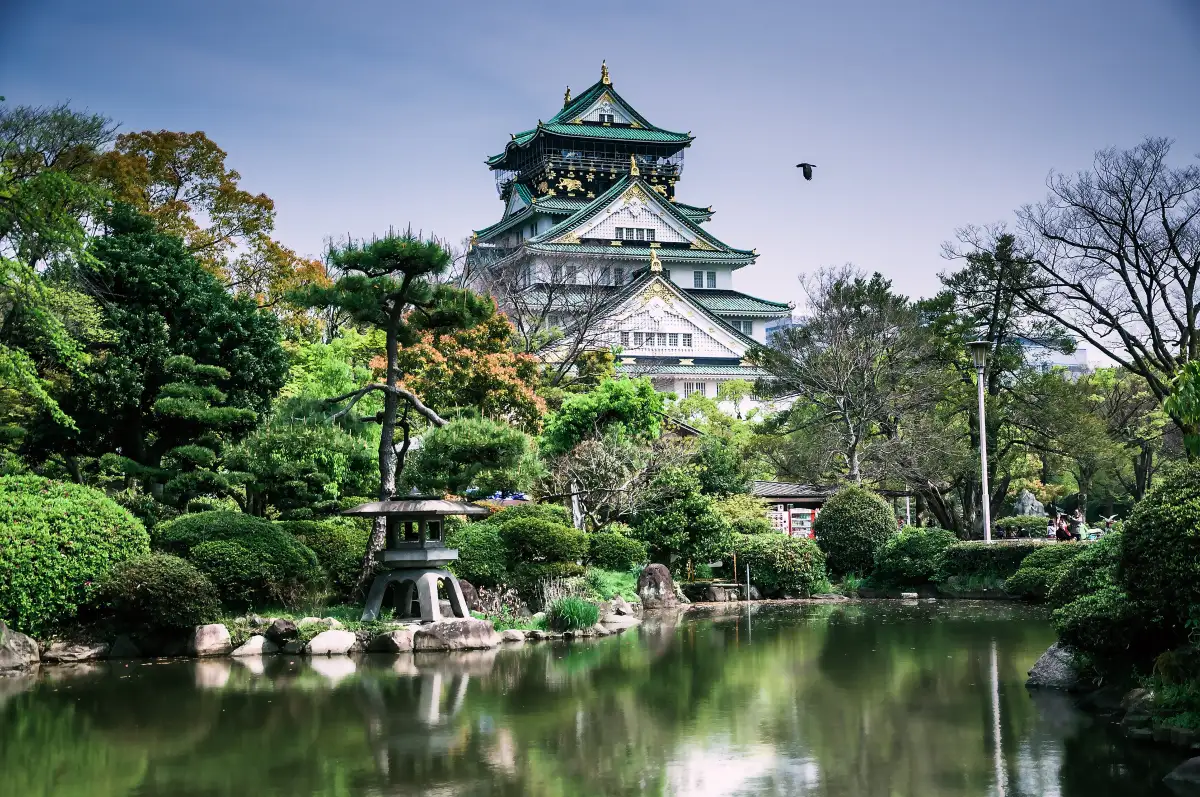
Osaka Castle Museum

Visiting Japan does not have to be expensive, especially if you are flexible with your travel dates. January, February, June and September are worth considering if you want to avoid the busiest travel periods and look for better flight and hotel deals.

For Singaporean travellers, February is a particularly attractive option for a winter holiday, while June is worth considering for a more affordable city break. If you prefer cooler weather, late September or early October may also be a good alternatives.

The key is to plan ahead, compare different travel dates and choose accommodation that suits your itinerary. With the right timing and a little preparation, you can enjoy Japan's food, culture and attractions without stretching your travel budget too far.

🎁 Book Cheapest Flights Worldwide | Search Best Hotels | Get fast & reliable eSIM.

FAQs: Cheapest Time to Visit Japan

Disclaimer: This article has been provided by an individual contributor or third party platform. If there is any discrepancy regarding the copyright, please contact us directly and we will delete the content immediately.
Daisy

Daisy

Travel Lover

View profile

I’m a travel lover who can never say no to good food, stunning beaches, and the beauty of nature. Sharing my adventures and travel tips, I hope to inspire you to explore, taste, and unwind wherever you go.

381 articles
Travel Enthusiast Foodie Nature Lover
> >
Cheapest Time to Visit Japan