Best Time to Visit Sapa (Weather, Crowds & Costs)

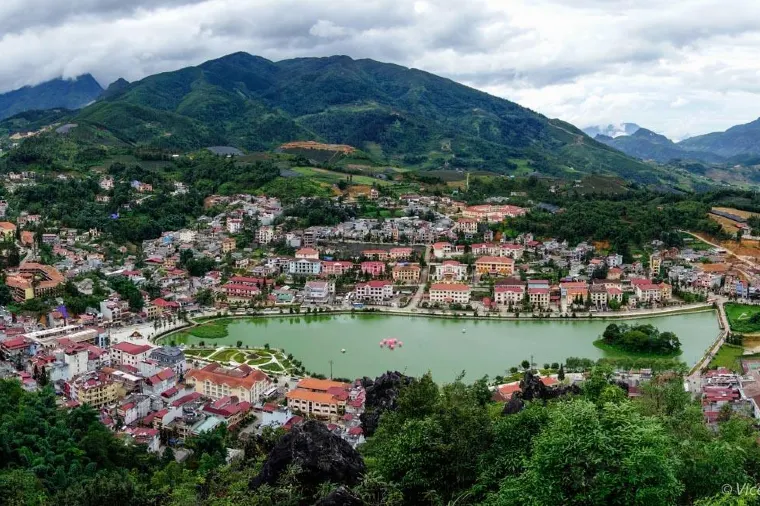
Sapa, nestled in the northern mountains of Vietnam, is a breathtaking destination known for its misty valleys, terraced rice fields, and rich cultural heritage. With a subtropical highland climate, Sapa experiences distinct seasons that can significantly impact your travel experience. Whether you're chasing golden rice fields, cool mountain breezes, or snowy peaks, here’s what you need to know about Sapa’s weather and the best time to visit.
When Is the Best Time to Visit Sapa
🌸 Spring (March – May)
🌡️ Weather: 10°C – 20°C (50°F – 68°F) | Moderate humidity | Occasional drizzle
👕 What to wear: Light layers for the day, a warm jacket for chilly mornings and evenings. 🎉 Best activities:
- Trekking through lush green valleys and blooming flowers in Hoàng Liên National Park.
- Visiting local markets where ethnic minorities trade fresh produce and handicrafts.
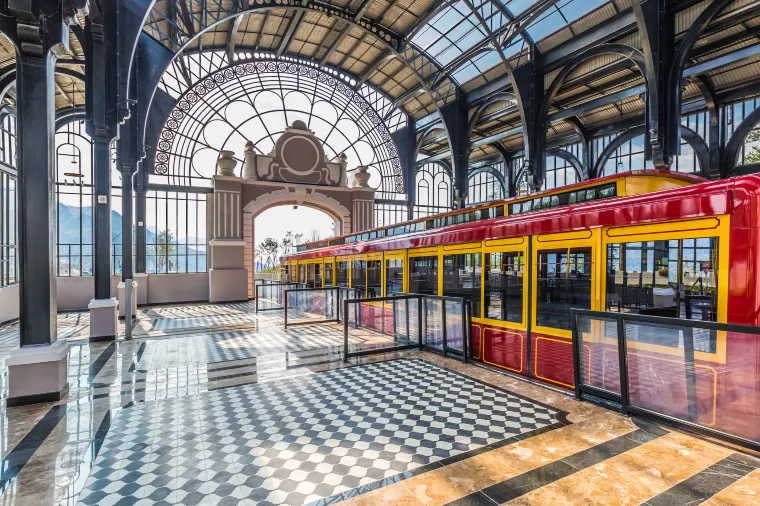
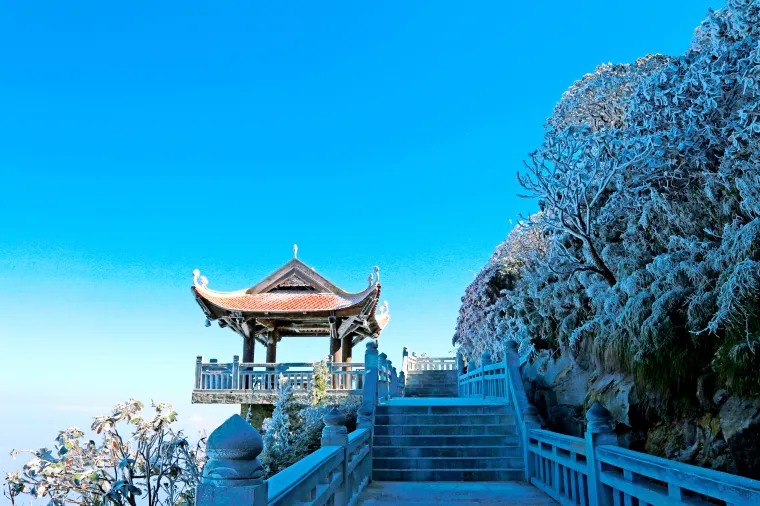
- Exploring Fansipan Mountain, the ‘Roof of Indochina,’ with stunning panoramic views.
- Festivals & events: Love Market Festival – A unique cultural event where young ethnic people gather to find potential partners.
💡 Travel Tip: Spring is one of the best times for trekking, with comfortable temperatures and clear skies. However, early mornings can still be foggy, so plan your hikes later in the day!
☀️ Summer (June – August)
🌡️ Weather: 17°C – 26°C (63°F – 79°F) | High humidity | Frequent rain showers
👕 What to wear: Breathable clothes, waterproof jacket, sturdy hiking shoes.
🎉 Best activities:
- Witnessing Sapa’s rice terraces at their greenest, creating a mesmerizing sea of emerald waves.
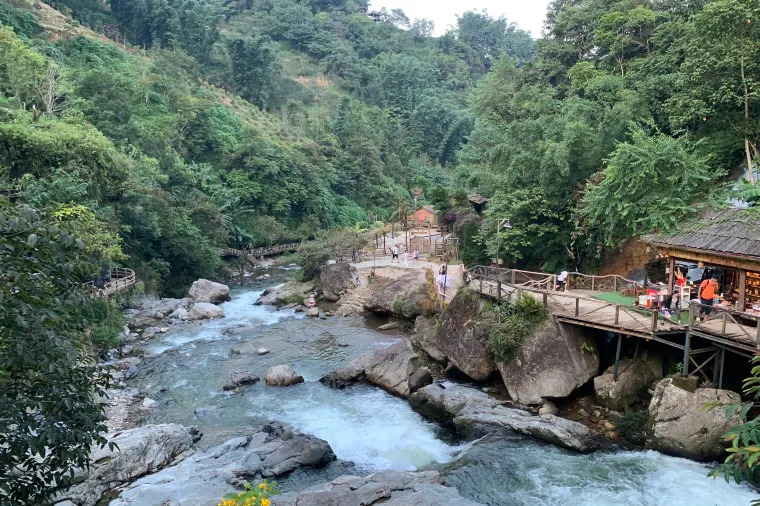
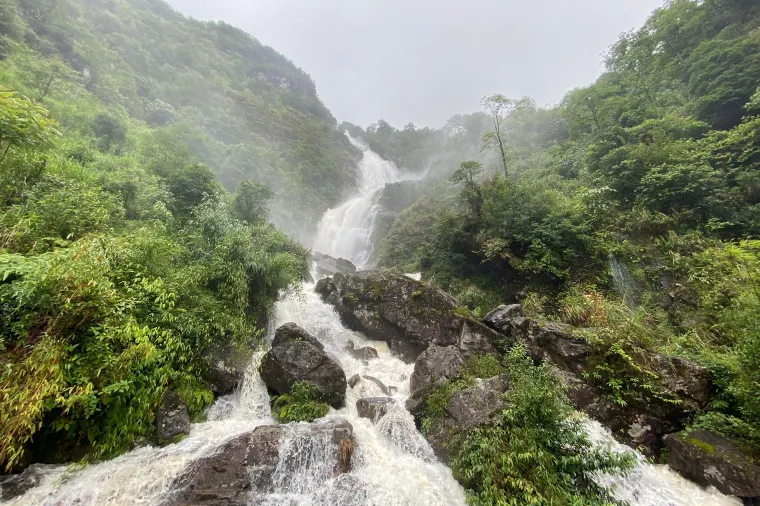
- Enjoying a refreshing dip in Love Waterfall or Silver Waterfall after a warm hike.
- Exploring Ta Phin Village for authentic cultural experiences with the Red Dao people.
🎊 Festivals & events:
- Vietnamese National Day (Sept 2) – Although at summer’s end, this holiday often brings lively celebrations and events in town.
💡 Travel Tip: Sapa’s summer is rainy, making trails slippery. If you're trekking, rent a pair of good rubber boots from local shops to avoid the mud!
🍂 Autumn (September – November)
🌡️ Weather: 10°C – 22°C (50°F – 72°F) | Dry & cool | Crisp air
👕 What to wear: Light jacket, long-sleeve tops, comfortable walking shoes.
🎉 Best activities:
- Marveling at the golden rice terraces in Mu Cang Chai and Lao Chai village.
- Taking the cable car up to Fansipan Peak for surreal views above the clouds.
- Experiencing ethnic minority cultures during harvest season as locals celebrate a bountiful yield.
🎊 Festivals & events:
- Mid-Autumn Festival – Colorful lanterns, mooncakes, and cultural performances make this a magical time to visit.
💡 Travel Tip: Autumn is peak season in Sapa. Book accommodations early to secure the best views and deals, especially if you're visiting in late September!
❄️ Winter (December – February)
🌡️ Weather: 0°C – 12°C (32°F – 54°F) | Dry & cold | Possible snowfall
👕 What to wear: Heavy coat, gloves, scarf, and warm socks.
🎉 Best activities:
- Experiencing rare snowfall (if you're lucky!) in Vietnam’s only snowy region.
- Trekking through misty landscapes with an eerie yet beautiful ambiance.
- Enjoying hotpot or grilled street food in the chilly mountain air.
🎊 Festivals & events:
- Lunar New Year (Tết Festival) – Sapa transforms into a festive wonderland with traditional performances and local delicacies.
💡 Travel Tip: Winter is magical but freezing, especially at night. Many budget hotels lack heating, so consider booking an upscale stay or bringing a personal heater!
Best Time to Visit Sapa – Month-by-Month Guide
Sapa experiences distinct seasons, each offering a unique and captivating experience. 🌸❄️🍂☀️ Spring (March to May) brings blooming flowers and ideal trekking weather, while summer (June to August) transforms the rice terraces into lush green landscapes despite occasional rain. Autumn (September to November) is a photographer’s dream, with golden fields and crisp air, while winter (December to February) introduces misty mornings and the rare chance of snowfall. Whether you're a trekking enthusiast, cultural explorer, or nature lover, Sapa has something magical to offer year-round.
📅 Sapa Weather & Travel Insights by Month
Month | Temperature Range (°C/°F) | Rainfall (mm/in) | Traveler Insights |
January | 2°C – 12°C (36°F – 54°F) | 40mm (1.6in) | Cold and misty with occasional frost. Ideal for experiencing rare snowfall. Pack warm layers and book accommodations with heating! |
February | 3°C – 14°C (37°F – 57°F) | 50mm (2.0in) | Still chilly but less foggy. Lunar New Year (Tết) brings vibrant celebrations but higher prices—book in advance! |
March | 7°C – 18°C (45°F – 64°F) | 80mm (3.1in) | Spring blooms begin, making it great for trekking. Expect clearer skies and comfortable hiking conditions. |
April | 10°C – 22°C (50°F – 72°F) | 110mm (4.3in) | Peak trekking season with blooming flowers and mild temperatures. Ideal for photographers! |
May | 15°C – 24°C (59°F – 75°F) | 180mm (7.1in) | Start of the rainy season. Terraced rice fields turn lush green. Pack waterproof gear for outdoor activities. |
June | 17°C – 26°C (63°F – 79°F) | 260mm (10.2in) | Warm and humid with frequent rain showers. Greenest rice fields but muddy trails—wear proper footwear! |
July | 18°C – 27°C (64°F – 81°F) | 300mm (11.8in) | Wettest month. Expect heavy downpours and landslides in some areas. Best for off-peak travelers who don’t mind the rain. |
August | 18°C – 26°C (64°F – 79°F) | 290mm (11.4in) | Still rainy but with fewer tourists. Good deals on hotels. Great for experiencing Sapa’s misty landscapes. |
September | 15°C – 24°C (59°F – 75°F) | 190mm (7.5in) | Golden rice terraces at their peak—one of the best months to visit. Book early, as it’s a popular time! |
October | 12°C – 22°C (54°F – 72°F) | 120mm (4.7in) | Cool and dry with crystal-clear views. Perfect for trekking and photography. |
November | 8°C – 18°C (46°F – 64°F) | 70mm (2.8in) | Chilly but dry—ideal for adventure travelers. Great time for cultural experiences in local villages. |
December | 4°C – 14°C (39°F – 57°F) | 50mm (2.0in) | Coldest month with chances of frost and misty mornings. Cozy up with a hotpot after a day of exploring! |
🎭 Crowds, Costs & Festivals: Choosing the Right Time to Visit Sapa
🔥 Peak Season (Busiest & Most Popular Months)
Months: March – May, September – November
- Why visit? Ideal trekking weather, blooming flowers in spring, and golden rice terraces in autumn.
- Crowds & Costs: Expect high hotel prices, busy trails, and full trains from Hanoi. Booking in advance is essential.
- Pros: Best scenery, comfortable temperatures, and cultural experiences in ethnic villages.
- Cons: Expensive accommodations, crowded main attractions, and higher transport costs.
- Smart Travel Hacks: Stay in nearby villages like Ta Van for a more peaceful experience. Start your hikes early to beat the crowds.
🌿 Shoulder Season (Balanced Months for Weather & Crowds)
Months: December, February
- Why visit? Chilly but dry weather with moderate crowds and reasonable prices.
- Best for: Budget-conscious travelers who want a peaceful trekking experience with misty, mystical landscapes.
- What to Expect: Crisp mornings, cozy village stays, and the chance to experience the ethnic minority lifestyle without the rush.
💧 Off-Peak Season (Least Crowded & Most Budget-Friendly Time)
Months: June – August (Rainy Season)
- Why visit? The lushest rice terraces and significantly cheaper hotels.
- Cost & Crowd Levels: Fewer tourists, meaning budget-friendly accommodations and great deals on tours.
- Advantages & Downsides: While the landscape is at its greenest, heavy rain can lead to muddy trekking trails and occasional landslides.
- Who Should Go? Travelers who don’t mind rain and want to experience a different, misty side of Sapa with fewer people.
🎉 Major Festivals & Events That Impact Travel
- Lunar New Year (Tết) – January/February: The most significant Vietnamese holiday, bringing vibrant celebrations and cultural performances. However, transportation and hotels fill up quickly.
- Love Market (Saturday Nights, Year-Round): A unique ethnic tradition where young locals gather to find a partner. The most vibrant sessions happen around major holidays.
- Mid-Autumn Festival (September): Celebrations in ethnic villages, including lantern parades and mooncake feasts.
- Sapa Snow Festival (December): A relatively new event celebrating the rare snowfall in the region with performances and local cuisine.
Best Time to Visit Sapa Based on Your Travel Style
🌍 Best Time for Budget Travelers
Best months: May, June, late September
For budget-conscious travelers, visiting Sapa during the shoulder seasons means lower prices on accommodations and transport. You’ll also avoid the peak-season crowds while still enjoying beautiful landscapes.
💡 Money-saving tips:
- Book your train or bus tickets from Hanoi in advance to score discounts.
- Stay at budget-friendly homestays or hostels instead of resorts.
- Visit on weekdays to get the best deals on tours and accommodations.
🏔️ Best Time for Adventure Seekers
Best months: October to April (trekking), December to February (snowfall)
Love the great outdoors? Sapa offers some of Vietnam’s best trekking, and the dry season from October to April is perfect for hiking. For those looking for something unique, winter (December–February) sometimes brings snowfall to the mountains!
🏕️ Adventure must-dos:
- Hike to hidden villages like Nam Cang and Ban Ho.
- Take a motorbike trip along O Quy Ho Pass.
- Ride the cable car up Fansipan, the highest peak in Indochina.
🏨 Best Time for Luxury Travelers
Best months: March to April, September to November
For a high-end Sapa experience, visit when the weather is cool and clear. This is the ideal time for five-star accommodations, fine dining, and exclusive experiences like private guided tours and scenic helicopter rides.
✨ Luxury travel highlights:
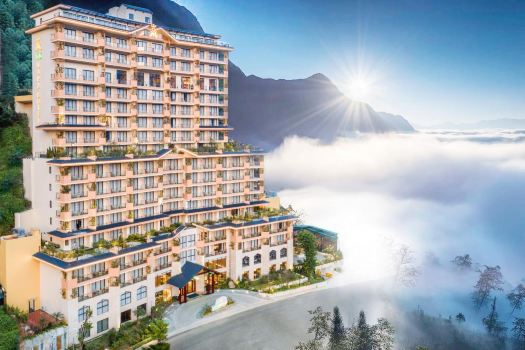
- Stay at Topas Ecolodge or Hotel de la Coupole – MGallery.
- Book a private helicopter ride over the terraced fields.
- Dine at fine restaurants offering gourmet takes on traditional Vietnamese dishes.
🎭 Best Time for Cultural Enthusiasts
Best months: March, April, September
Sapa is home to several ethnic minority groups, and visiting during festival seasons gives travelers a deeper appreciation of the region’s heritage. The months of March, April, and September feature vibrant celebrations and great conditions for cultural exploration.
🌏 Cultural experiences to try:
- Attend the Gau Tao Festival in April, celebrated by the H’Mong people.
- Explore Bac Ha Market on Sundays for a glimpse into local life.
- Visit ancient stone fields and ethnic minority villages to learn about traditional customs.
👨👩👧👦 Best Time for Family Travelers
Best months: March to May, September to November
If you’re traveling with kids, spring and autumn are ideal times. The weather is comfortable, making outdoor activities more enjoyable, and you’ll avoid the heavy rains of summer or the extreme cold of winter.
🏡 Family-friendly activities:
- Take the Muong Hoa Valley cable car to Fansipan for stunning views.
- Stay in family-friendly resorts with kid-friendly amenities like heated pools.
- Choose easy trekking routes that are fun and safe for children.
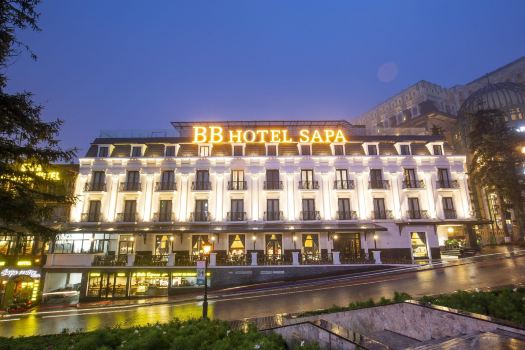
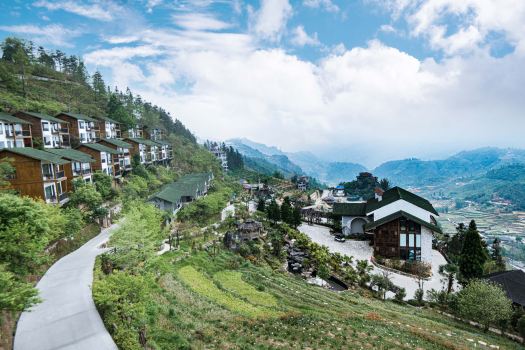
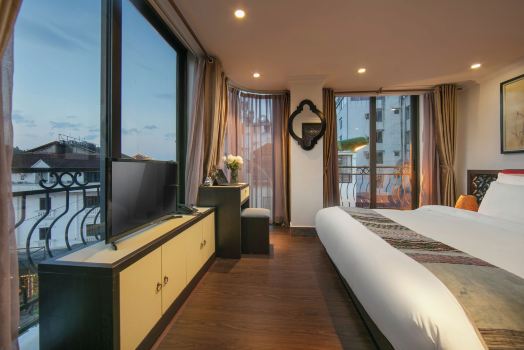
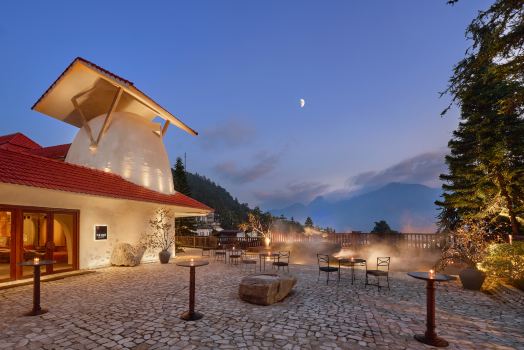
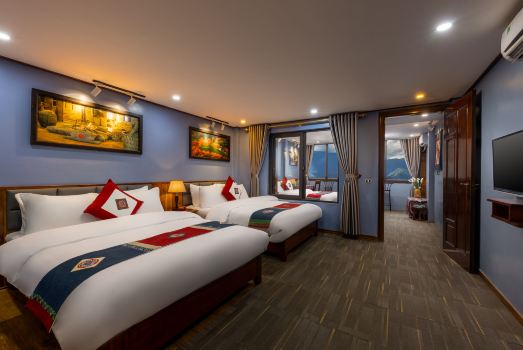
Recommended Hotels in Sapa
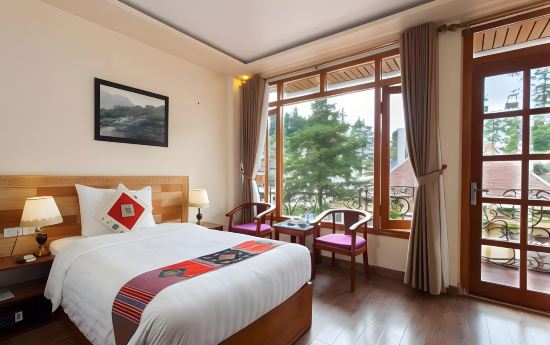
 NO.1
NO.1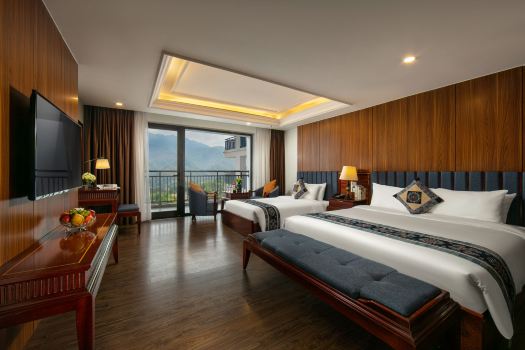

✈️ Final Tips for Planning Your Trip to Sapa.
No matter when you visit, Sapa’s breathtaking landscapes and rich cultural heritage promise an unforgettable adventure. For the best weather and lush terraced fields, plan your trip between March and May or September to November. Looking to witness the iconic golden rice harvest? Late September is pure magic!
Now that you know the best time to go, it's time to plan your perfect trip. Check out our guide on Where to Stay in Sapa to find the best accommodations, from cozy mountain lodges to luxury resorts. Need itinerary ideas? Explore our Top Things to Do in Sapa for must-visit spots and hidden gems.
With the ideal season in mind, all that's left is to pack your bags and embrace Sapa’s stunning scenery, vibrant culture, and warm hospitality. Happy travels!
Common Questions About Visiting Sapa
-
What is the best way to get around Sapa?
-
How much should I budget per day in Sapa?
-
Is Sapa safe for tourists?
-
What's the best neighborhood to stay in?
-
What is the best food to try?
-
What's a common tourist mistake in Sapa?
-
Do I need cash in Sapa?
Trending Researches
-
Popular Content
-
Popular Hotels
-
Popular Things to Do
-
Featured guides
-
Trip.com links
- Sapa Chill Retreat
- Azure Sapa Hotel
- KK Sapa Hotel
- Pistachio Hotel Sapa
- DeLaSol Sapa - Central Boutique Hotel
- DeLaMont Sapa Hotel - Hill Serenity Retreat
- Bamboo Sapa Hotel
- Azalea Sapa Hotel
- Sapa Centre Hotel
- Sapa Catcat Hills Resort & Spa
- Lestar Hotel Sapa
- Hotel Sapa Square Affiliated by Melia
- The Mong Village Resort & Spa
- Sapa Horizon Hotel & Skybar
- The Myst Sapa Resort
- Lady Hill Sapa Resort
- Silk Path Grand Sapa Resort & Spa
- Pao's Sapa Leisure Hotel
- Hotel de la Coupole Sapa - MGallery Collection
- Sapa Lumia Hotel
- Sapa Day Tours
- Sapa JR Pass
- Sapa Transportation
- Sapa Day Tour: Lao Chai & Ta Van Village Trekking with Batik Painting Experience
- Sapa No-Trek: Muong Hoa Valley, Ta Van Village, Foot Bath, Scenic Cafe Relaxing Tour
- Motorbike 1 Day Off The Beaten Track, Hidden Villages, rice field
- Sapa Half-Day O Quy Ho Pass, Heaven Gate & Waterfalls
- Sapa: O Quy Ho Pass, Heaven Gate, Love Waterfall & Silver Waterfall Half-Day Guided Tour
- China Power Bank Limit
- Trip.com Customer Service
- train to kl from singapore
- Shanghai Metro
- China Train Map
- China Entry Requirements
- Hong Kong Public Holidays 2027
- train from singapore to jb
- China Plug
- Thailand Plug
- universal studios singapore tickets
- Renew Autopass Singapore
- Taiwan Plug
- Vietnam Arrival Card
- Singapore Malaysia Cross Border Taxi
- Frankfurt Airport to City
- Osaka Station to Kyoto Station
- Bangkok to Pattaya
- Trip.com Promo Code
- Trip.com Flight Deals
- Trip.com Credit Card Promotions
- How to Book Cheap Hotels
- How to Book Cheap Flights
- Trip.com Member Rewards
- Trip Weekly Hotel Sales
- Online Hotel Booking
- Online Flight Booking
- Trip.com Travel Guide
- Book China Train Tickets
- Trip.com Seat Selection
- Singapore Public Holidays 2027
- Trip.com 优惠码
- Trip.com Travel Guides
- Trip.com 10.10 Mega Sale