South Korea Travel Tips: Complete Guide for First-Time Visitors


If you are travelling and exploring the South Korea, you can consider to take a trips from Seoul's shopping streets to enjoy Jeju's beaches and mountain scenery.
But knowing a few travel tips before you go can make your trip much easier.
Here are some useful South Korea travel tips to help you plan your trip.
Fly from Singapore
Singapore to Seoul
Singapore to Jeju
Singapore to Busan
Singapore to Daegu
Singapore to Cheongju
Singapore to Ulsan
See all flights


Check Your Passport and Entry Requirements
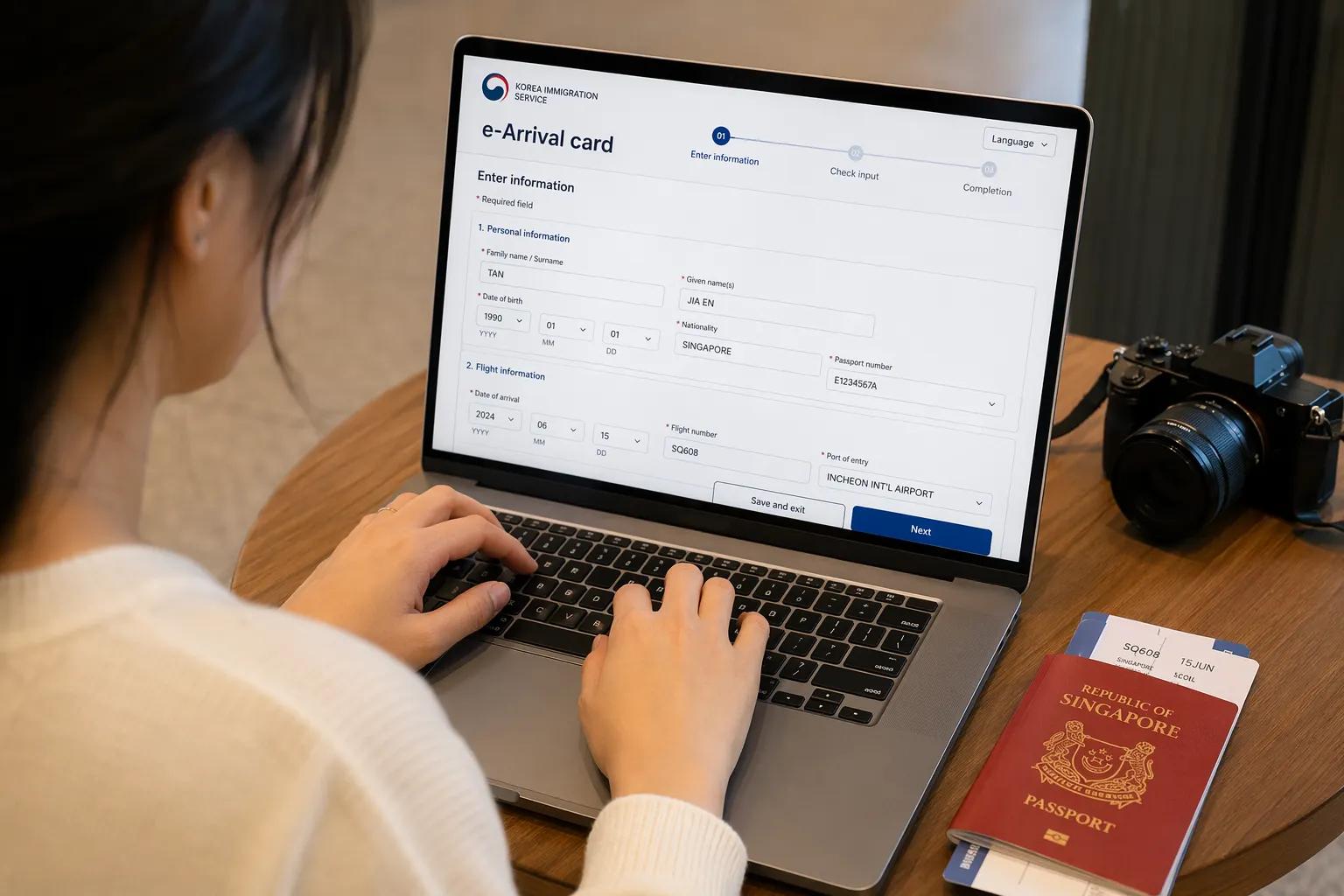
Before flying to South Korea, make sure to check whether your passport is still valid to go international and you should confirm the entry requirements for your nationality.
Depends on your travel date and nationality, you may need to complete an online travel authorization or arrival card before arrival to make the immigration process easier.
So, for Singaporean, if you are travelling from Singapore, you have to make sure that your passport has enough validality for your trip and keep your flight and accommodation details are easily accessible.
Choose the Best Time to Visit South Korea
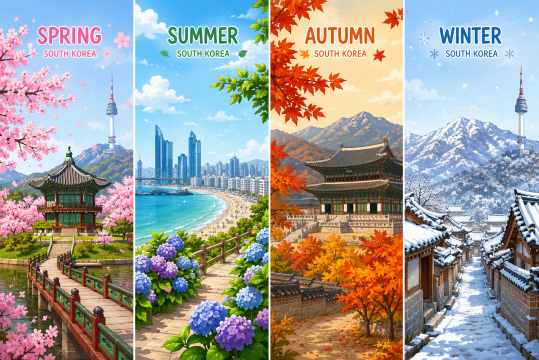
| Season | Months | What to Expect |
|---|---|---|
Spring | March–May | Mild weather and cherry blossoms |
Summer | June–August | Hot, humid weather and occasional heavy rain |
Autumn | September–November | Cool weather and colourful autumn leaves |
Winter | December–February | Cold temperatures and snow in some areas |
Spring and autumn are comfortable fo sightseeing in South Korea while summer can be very hot and humid.
Winter is a good choice if you want to experience snow and winter activities.
South Korea can be colder than Singapore especially between November and March so this is the best time to travel to Korea.
Language & Communication in South Korea

So here’s the thing: English isn’t that widely spoken in South Korea, especially once you step out of touristy areas. In Seoul, you’ll get by fine at cafes, shops, or hotels.
But in smaller towns or traditional markets? You’ll definitely need some backup.
You can used a translation apps called Papago. It’s a local translation app, and honestly, way better than Google Translate when it comes to Korean.
You can type, speak, or take a photo of a sign or menu, and it works like a charm.
If you’re taking taxis or asking for directions, it really helps to have your hotel name and address written in Korean.
Most locals are kind and even though they might not speak English, they’ll try their best to point you in the right direction.
Here are a few basic phrases that came in super handy:
English | Korean (Hangul) | Romanised | When to Use |
Hello | 안녕하세요 | annyeonghaseyo | Greeting someone politely |
Thank you | 감사합니다 | gamsahamnida | After receiving help or service |
Excuse me / Sorry | 죄송합니다 | joesonghamnida | When bumping into someone or getting attention |
How much is this? | 이거 얼마예요? | igeo eolmayeyo? | When shopping |
Where’s the toilet? | 화장실 어디예요? | hwajangsil eodiyeyo? | Asking for restrooms |
I don’t understand | 이해하지 못해요 | ihaehaji mothaeyo | If someone speaks too fast |
Honestly, you don’t need to be perfect. Just showing the effort makes a big difference. Locals really appreciate it when you try.
Download Useful Travel Apps
One thing that stood out is that South Korea really does not use so much cashas their locals tap their phones for almost everything, from café orders to late-night snacks at convenience stores.
Most of them use apps like KakaoPay or Naver Pay, but for us tourists, those are not the easiest to set up since they usually need a local number or ID.
For us, the easiest way is still credit or debit card. Visa and Mastercard work fine in most places like the malls, restaurants, even some street food stalls.
Just make sure your card has no foreign transaction blocks. That said, smaller markets or rural shops might still prefer cash, so it’s good to carry some notes around.
You can withdraw Korean won from ATMs at most convenience stores like GS25 or CU.
Try to use Global ATMs as they usually have an English option and accept international cards but some machines charge a small fee, some do not.
For a public transport used, you can get a T money card that also can be used at the subway and buses in many cities.
You can usually buy and top up the card at convenience stores and transport related locations.
As for useful apps? These helped me a lot:
App | What It’s For | Notes |
Navigation | More accurate than Google Maps in South Korea | |
Translation | Works better than Google for Korean | |
Messaging | Everyone in South Korea uses this | |
Food delivery (in English) | Good for ordering if you stay in Seoul | |
T-Money | Transport card | Works on buses and subways, can load with cash |
Taxi | Taxi bookings and transport | |
Navigation | Walking, driving and public transport directions |
Use the Subway During Busy Hours
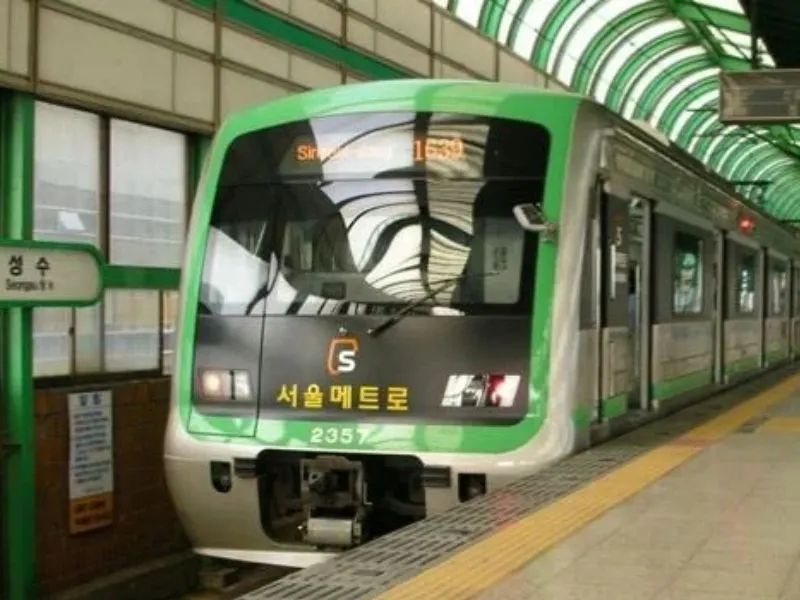
Seoul subway system is very extensive and covers many popular tourist areas such as Myeondong, Hongdae, Gangnam, Insadong, Dongdaemun, Itaewon and Jamsil.
However, trains can become very crowded and packed during weekdays morning and evening rush hours.
So, if you have luggage, avoid changing the trains so many times as some stations can be very large and walking between platforms and exits can take longer than expected.
But for other areas like Jeju, Busan and other places, the public bus and taxi will be available at the attractions area.
Top Things To do In South Korea
See all attractions
 1761 booked
![1-day tour to alpaca world + Nami Island + Garden of Morning Calm in Korea [family-friendly & couple date]](https://ak-d.tripcdn.com/images/0355h12000tpucq3bD8CF_C_568_320.png)
Try Korean Food
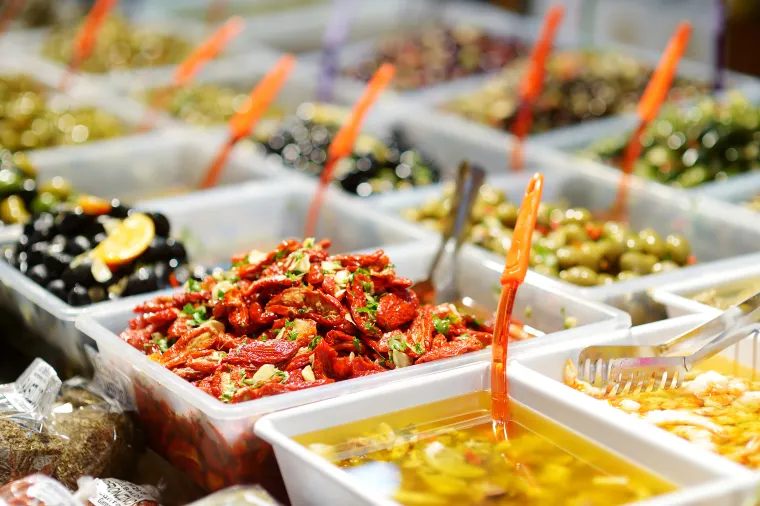
The most highlight when visiting the South Korea is trying the Korean food that is spicy and full of flavours.
Popular dishes to try on include Korean barbecue, bibimbap, tteokbooki, korean pancakes and many more.
Food markets are also a great places to try different of Korean snacks without spending too much.
Do not forget to bring wet tissues and some areas in South Korea do not have trash bins so please carry your rubbish for a while beore finding a rubbish bins.
SIM Cards, Wi-Fi & Connectivity in South Korea
If you're the type who needs Google Maps, translation apps, or food delivery on standby, having mobile data in South Korea is a must.
Luckily, staying connected there is pretty straightforward as long as you sort it out early.
If your phone supports eSIM, that’s the easiest option. You can buy one online before your trip, activate it with a QR code, and you’re instantly connected the moment you land.
No queues and no SIM-swapping, as easy as that.
Buy Cheap South Korea eSIM
See all attractions

![[South Korea] LG U+ Combo Card | 4G/5G SIM Card + T-money Transportation Card (from 3 days) | 1–90 Days | Pickup at Incheon, Gimpo, Gimhae Airports](https://ak-d.tripcdn.com/images/0354w12000ti6vb6xC6B8_C_568_320.png)

Final Notes for a Fuss-Free Trip
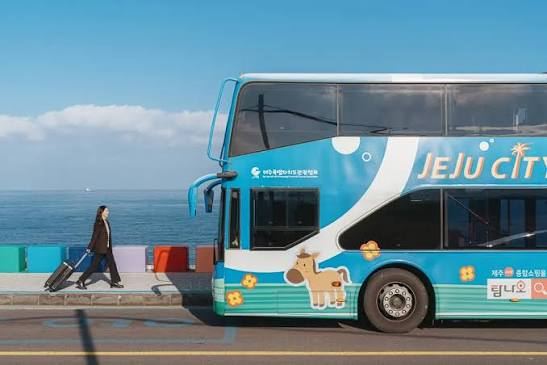
Once you’ve sorted the basics: data, transport, local quirks, South Korea gets really easy to enjoy. You won’t need to over-plan. Just be ready to adjust along the way.
If it’s your first time, you’ll probably spend most of your trip in Seoul. Makes sense. It’s convenient, packed with food and shopping, and you can get almost anywhere by train.
But if you’ve got a few extra days, think about squeezing in a side trip. Busan’s great for a change of pace. Jeonju has solid food. Gyeongju’s quiet but full of old-school charm.
No need to cram everything into one trip. Leave some room to wander, miss a train, or stumble into a random café that ends up being your favourite memory.
Enjoy your time there. You’ll come back with stories.
FAQ: South Korea Travel Tips
-
Is public transport easy to use in South Korea?
-
Is it better to visit Seoul, Busan or Jeju?
-
Is South Korea easy for first-time travellers?
-
What is the best month to visit South Korea?
-
Is South Korea expensive for Singapore travellers?
Disclaimer: This article has been provided by an individual contributor or third party platform. If there is any discrepancy regarding the copyright, please contact us directly and we will delete the content immediately.
Find Cheap Travel Deals & Explore Destinations on Trip.com
-
Featured guides
-
Trip.com links
- China Power Bank Limit
- Trip.com Customer Service
- train to kl from singapore
- Shanghai Metro
- China Train Map
- China Entry Requirements
- Hong Kong Public Holidays 2027
- train from singapore to jb
- China Plug
- Thailand Plug
- universal studios singapore tickets
- Renew Autopass Singapore
- Taiwan Plug
- Vietnam Arrival Card
- Singapore Malaysia Cross Border Taxi
- Frankfurt Airport to City
- Osaka Station to Kyoto Station
- Bangkok to Pattaya
- Trip.com Promo Code
- Trip.com Flight Deals
- Trip.com Credit Card Promotions
- How to Book Cheap Hotels
- How to Book Cheap Flights
- Trip.com Member Rewards
- Trip Weekly Hotel Sales
- Online Hotel Booking
- Online Flight Booking
- Trip.com Travel Guide
- Book China Train Tickets
- Trip.com Seat Selection
- Singapore Public Holidays 2027
- Trip.com 优惠码
- Trip.com Travel Guides
- Trip.com 10.10 Mega Sale