Air travel has become increasingly popular, especially among young travellers heading overseas for holidays or quick domestic getaways.
However, many passengers are still unsure about one common travel question: Are e-cigarettes allowed on airplanes?
In this guide, Trip.com explains whether you can bring e-cigarettes on a plane, how to pack them properly, and what rules you should check before travelling so your journey stays smooth and stress-free.
Can You Bring E-cigarettes on a Plane?

The short answer is yes but only under specific conditions.
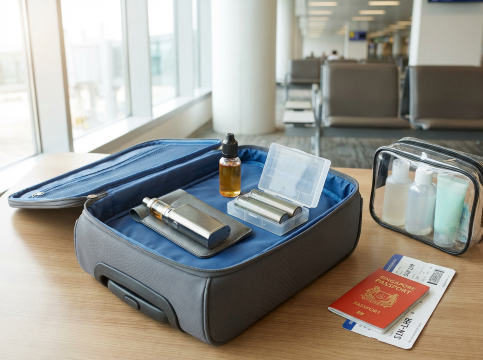
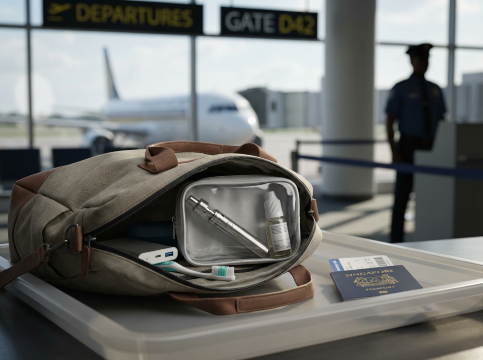
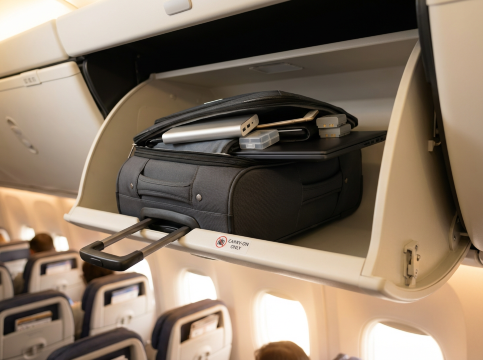
Most airlines allow passengers to bring e-cigarettes on board in carry-on baggage only. They are not permitted in checked baggage.
This rule exists because e-cigarettes contain lithium-ion batteries, which can pose a fire risk if damaged, overheated, or short-circuited. If such an incident occurs in the aircraft cargo hold, it may be difficult for crew members to detect or respond quickly.
In addition, e-liquids must follow standard aviation liquid rules:
- Each container must not exceed 100 ml
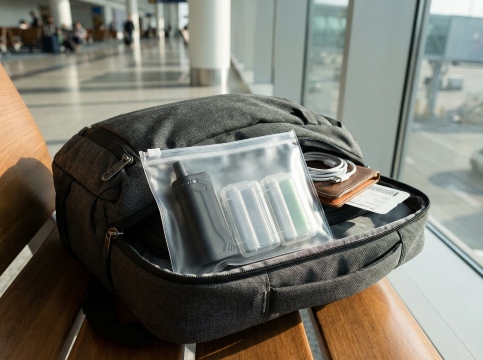
- All liquids must fit inside a 1-litre transparent resealable bag
- The bag must be presented separately during airport security screening
Why E-cigarettes Must Be Carried in Cabin Baggage

Many travellers wonder why e-cigarettes cannot be packed in checked luggage when other electronics can.
The reason comes down to safety monitoring.
E-cigarettes use lithium-ion batteries, which are efficient but can become dangerous if damaged or overheated. Potential risks include:
- Overheating
- Short circuits
- Battery damage from pressure or impact
If a battery fire occurs in the cargo hold, it is much harder for crew members to detect and control. However, if the device is in the cabin, flight attendants can respond quickly.
For this reason, international aviation authorities require passengers to carry lithium battery devices in the cabin rather than in checked luggage.
Understanding the Risks of Lithium-Ion Batteries

Although incidents are rare, there have been reported cases of power banks or e-cigarettes overheating or catching fire during flights.
Risk Factor | Description | Example Situation | Prevention |
High Temperature | Lithium batteries are sensitive to heat and may swell or ignite in extreme conditions. | Devices left in a hot car or exposed to extreme temperature changes. | Avoid storing devices in very hot environments. |
Short Circuit | Metal objects contacting battery terminals may cause sparks. | Batteries touching keys or coins inside a bag. | Use protective battery cases or cover terminals. |
Compression or Impact | Pressure or physical damage may affect internal battery components. | Suitcases thrown or crushed during baggage handling. | Carry devices in your cabin bag instead of checked luggage. |
Aviation Safety Rules | Lithium batteries are harder to extinguish if they catch fire in cargo holds. | Previous incidents involving overheating power banks or vapes. | Airlines require them to be kept in carry-on luggage. |
🔥Up to S$20 off Flights for New Users
How to Pack E-cigarettes Properly for Flights

Packing your vape devices correctly can help avoid delays at airport security and reduce safety risks during travel.
Item | What To Do | Why It Matters | Extra Tips |
E-cigarette Device | Turn the device off and remove the pod or tank if possible. Store it in a pouch or protective case. | Prevents accidental activation and reduces leakage from cabin pressure changes. | Bring only the devices you need to avoid extra scrutiny at security. |
Batteries | Remove removable batteries and store them in a battery case. | Prevents contact with metal objects that may cause a short circuit. | If no case is available, cover battery terminals with tape. |
E-liquid | Ensure each bottle is under 100 ml and place them in a clear zip-lock bag. | Required under international liquid restrictions for cabin baggage. | Use small plastic bottles and leave some space to allow liquid expansion. |
Power Banks & Accessories | Carry them in your hand luggage only. | The crew can respond quickly if a battery overheats. | Check your airline’s battery limits before flying. |
E-liquid Rules for Flights

E-liquids follow the same liquid restrictions as other items such as perfumes, gels, and cosmetics.
Requirement | Details | Reason |
Maximum per bottle | 100 ml | Prevents excessive liquid quantities in cabin baggage |
Total liquid allowance | 1 litre per passenger | Standard aviation security rule |
Containers | Must be in sealed bottles | Reduces risk of leakage |
Storage | Place in a transparent zip-lock bag (approx. 20 × 20 cm) | Allows quick airport security screening |
These rules apply to all liquids in your carry-on bag, not just vape liquids.
Read More
Can You Use E-cigarettes on a Plane or at the Airport?

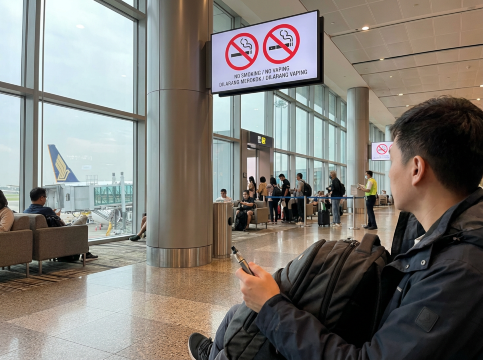
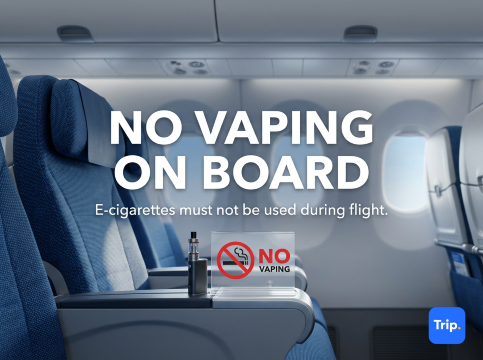
Even though you can bring an e-cigarette on board, using it during the flight is strictly prohibited.
Key rules include:
- No vaping or smoking on airplanes
- Violations may lead to fines or legal penalties
- Do not charge e-cigarette batteries during flights
- Use e-cigarettes only in designated smoking areas at airports, where permitted
- Always check the airport’s smoking policies before using your device.
Top Rated Hotels in Famous Cities
Countries with Strict E-cigarette Regulations

Some destinations have strict laws regarding vaping. Travellers should check local regulations before bringing e-cigarettes abroad.
Regulation Type | Country | Key Rules |
Permitted with regulations | United States | Legal but laws vary by state; public use may be restricted |
United Kingdom | Allowed but regulated, with age restrictions and advertising controls | |
France | Allowed but banned in many public places | |
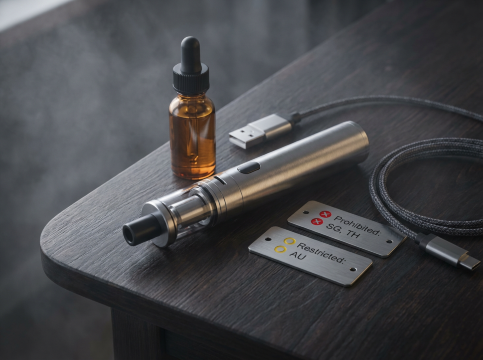
Strictly prohibited | Singapore | Importing, possessing, or using e-cigarettes is illegal and may lead to heavy fines or imprisonment |
Thailand | Importing is illegal and devices may be confiscated at the border | |
Restricted | Australia | Nicotine e-liquid imports require a medical prescription |
If you are travelling to countries with strict laws, especially Singapore or Thailand, it is safest not to bring e-cigarettes at all.
Final Thoughts

So, can you bring e-cigarettes on a plane?
Yes but only if you follow airline and aviation safety rules. E-cigarettes must be carried in hand luggage, packed safely, and accompanied by e-liquids that comply with standard liquid limits.
More importantly, travellers should always check the regulations of their destination country before flying, as vaping laws vary widely around the world.
Planning a trip soon? Browse the latest flight and hotel deals on Trip.com to make your journey smoother and more affordable. ✈️
FAQs about E-cigarettes on an Airplane
Can I bring e-cigarettes on a plane?
Yes, most airlines allow passengers to bring e-cigarettes on a plane, but they must be carried in hand luggage only. E-cigarettes are not permitted in checked baggage due to lithium-ion battery safety risks.Why are e-cigarettes not allowed in checked baggage?
E-cigarettes contain lithium-ion batteries, which may overheat or catch fire if damaged. Keeping them in the cabin allows flight crew to quickly respond to any potential safety issue.How much e-liquid can I bring on a flight?
E-liquid must follow the standard airline liquid rules. Each container must not exceed 100 ml, and all liquids must be placed in a 1-litre transparent resealable bag for security screening.Are e-cigarettes allowed in Singapore?
No. Singapore has strict laws prohibiting the import, possession, and use of e-cigarettes. Travellers bringing them into the country may face heavy fines or legal consequences.Can I charge my e-cigarette during a flight?
It is not recommended to charge e-cigarettes on a plane, as lithium batteries may overheat. Many airlines advise passengers to keep devices powered off during flights.

NO.1