
Romantic Hotels in Sabah, Malaysia
Enter your dates for the latest hotel rates and availability.
Swipe up to see more
Filter by:
Hotel star rating
≤2345
Guest Rating
Amazing 9+Great 8+Good 7+Pleasant 6+Top Romantic Hotels - Sabah
Choose your travel dates to see the latest prices
Recommended
Lowest price
Closest to downtown
Top reviewed
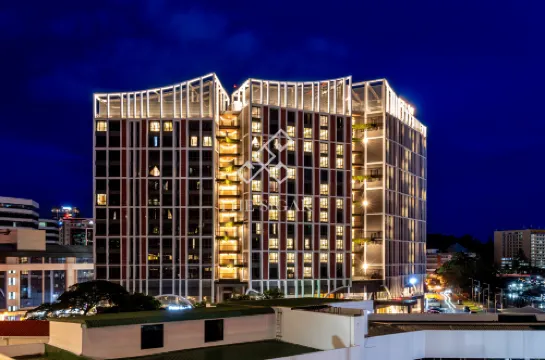






99+
Hotel near City Center,Kota Kinabalu
Featured facilities: Swimming Pool
Very Good
1056 reviews
8.5/10
1 night
From TRY 2,116
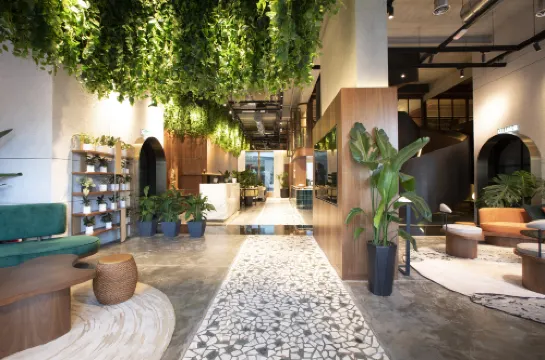




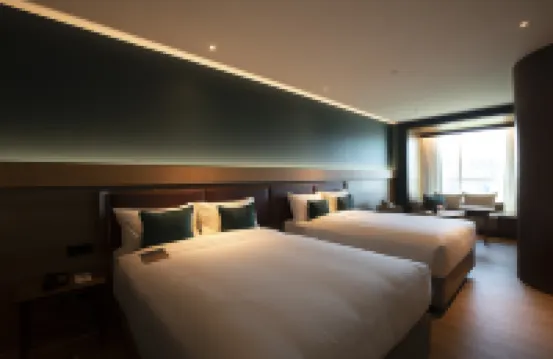
99+
Hotel near City Center,Kota Kinabalu
Featured facilities: Bar
Great
1087 reviews
9.1/10
1 night
From TRY 3,104
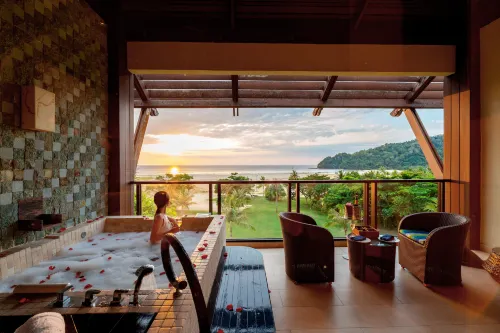






99+
Great
1371 reviews
9.2/10
1 night
From TRY 8,780
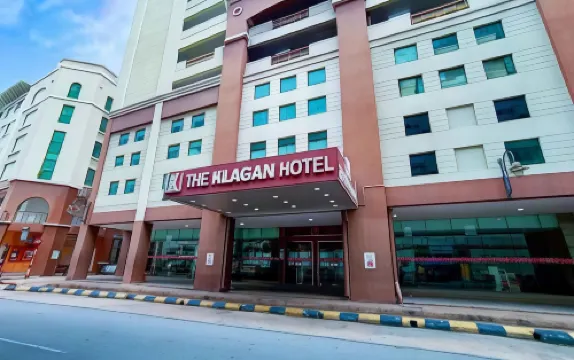


99+
Great
936 reviews
9.0/10
1 night
From TRY 1,865






54
Great
117 reviews
9.2/10
1 night
From TRY 3,303






59
Hotels in Kota Kinabalu
"Service: The staff's service was excellent, consistently attentive from before check-in all the way to check-out. We received orange juice popsicles upon arrival and even a small gift when we checked out.
Ambiance: Both the public areas and the rooms are designed with great taste. It's a newly opened hotel, but there was no strong new renovation smell.
Cleanliness: The room was spotlessly clean.
Facilities: The hotel's TV is great, with high resolution. Although it's near the airport, apart from the sound of planes taking off, you don't hear anything else. It's not very noisy at all, actually much quieter than some hotels in the city center.
I'll definitely stay here again!"
Amazing
85 reviews
9.6/10
1 night
From TRY 3,369
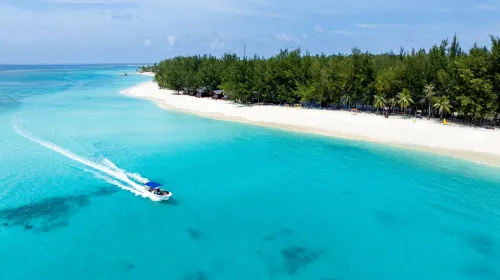



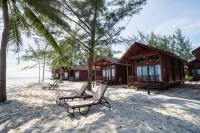

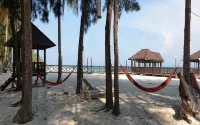
99+
Very Good
426 reviews
8.4/10
1 night
From TRY 5,853
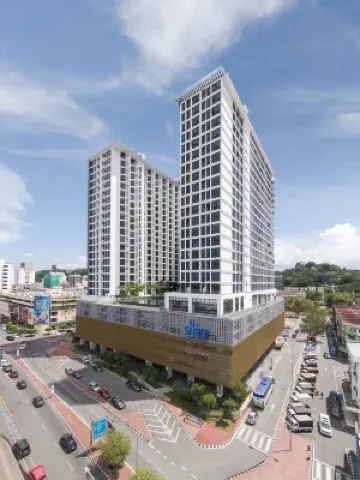




99+
Hotel near City Center,Kota Kinabalu
Featured facilities: Swimming Pool, Bar
Very Good
1044 reviews
8.7/10
1 night
From TRY 3,384




35
Very Good
533 reviews
8.3/10
1 night
From TRY 1,755


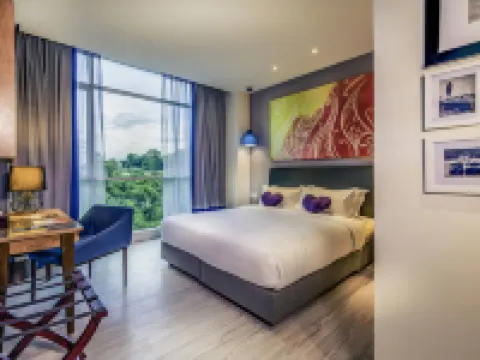
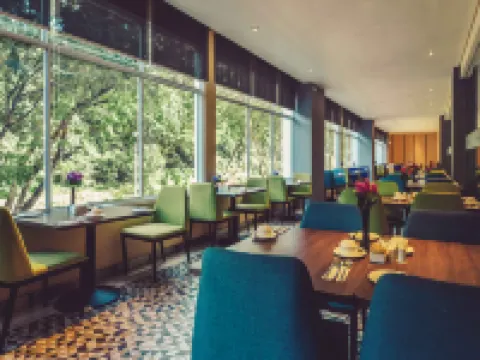
99+
Hotel near City Center,Kota Kinabalu
Featured facilities: Swimming Pool, Bar
Very Good
1409 reviews
8.1/10
1 night
From TRY 2,477
Latest Reviews for Sabah Hotels
See all
DBC Hotel Semporna
8,3/10
Very Good
Posted on Jul 7, 2026
 Guest User
The hotel was exceptionally clean and quiet at night. I've noticed that many hotels are located on busy streets with constant traffic noise, but here I slept wonderfully. The balcony was perfect for drying clothes, and there's an elevator. The staff were all very welcoming, the air conditioning was strong, and there was plenty of hot water. Both the room door and the balcony window could be securely locked, which made me feel very safe. The town isn't large, so it's convenient to walk everywhere. When checking out to go to the water bungalow, it was raining, so I took a taxi to Longmen Inn Jetty for 4 MYR, which was just the minimum fare. I was extremely satisfied with my choice of hotel this time.
Price per night fromTRY 2,337
Lanvin Hotel
8,9/10
Very Good
Posted on Oct 9, 2022
Guest User
Love the place ! Gara2 mau tguk bola sabah vs penang hari tu. actually book 2 bed separated tapi kena bagi 3 bed seprate . owner tda charge . Really appreciate it ! bersih selesa tidur situ . very recommended
Price per night fromTRY 1,238
Frequently Asked Questions
What are the popular Romantic hotels in Sabah?
Whether you are travelling to Sabah for business or tourism, DBC Hotel Semporna (from TRY 2,867) and Lanvin Hotel (from TRY 1,452) are all preferred hotels.
How much is the average rate for Romantic hotels in Sabah?
For Romantic hotels in Sabah, the average price on weekdays is TRY 2,871, and the average price on weekends (Friday–Saturday) is TRY 2,930.
Which Hot spring hotels in Sabah offer hot springs?
Sutera Sanctuary at Poring Hot Springs (from TRY 2,255) is a good choice for hotels with hot springs.
Which Romantic hotels in Sabah are suitable for couples?
Planning for a honeymoon or a travel for couples?DBC Hotel Semporna (from TRY 2,867) and Lanvin Hotel (from TRY 1,452) are very popular.
Which Family-friendly hotels in Sabah are popular with families?
Want to enjoy your holiday with family members? Happy Village Kundasang (from TRY 3,988) and JQ#03 City View Slide LoftBed 2R1B 5Pax Near Suria Mall, Gaya St, Sicc (from TRY 3,007) are very suitable.
What deals are available for Romantic hotels in Sabah?
Trip.com provides various promotions and discounts for Romantic hotels. You can check the promotions page to see available promotions on Trip.com.
Property Information for Tourists
| Total properties | 102 |
|---|---|
| Number of reviews | 51 |
| Weekday Avg. Price | TRY 2,871 |
| Weekend Avg. Price | TRY 2,930 |
Find More Stays
Find More Themes
Luxury Hotels in ChicagoBeach Hotels in BaliLuxury Hotels in DubaiLuxury Hotels in TokyoLuxury Hotels in ParisBeach Hotels in PhuketLuxury Hotels in San FranciscoLuxury Hotels in SingaporeLuxury Hotels in San DiegoBeach Hotels in CroatiaBeach Hotels in United StatesBeach Hotels in TürkiyeBeach Hotels in GreeceBeach Hotels in HungaryBeach Hotels in BrazilHot spring Hotels in GuatemalaHot spring Hotels in BeninHot spring Hotels in BangladeshHot spring Hotels in NigeriaPet friendly Hotels in VeracruzPet friendly Hotels in Santa CruzPet friendly Hotels in VictoriaPet friendly Hotels in Puebla StatePet friendly Hotels in QueretaroPet friendly Hotels in Santa Cruz DepartmentPet friendly Hotels in FloridaPet friendly Hotels in Saint-LouisPet friendly Hotels in DelhiPet friendly Hotels in Oaxaca
Trip.com Latest Trends
Luxury Hotels in ChicagoBeach Hotels in BaliLuxury Hotels in DubaiLuxury Hotels in TokyoLuxury Hotels in ParisBeach Hotels in PhuketLuxury Hotels in San FranciscoLuxury Hotels in SingaporeLuxury Hotels in San DiegoBeach Hotels in CroatiaBeach Hotels in United StatesBeach Hotels in TürkiyeBeach Hotels in GreeceBeach Hotels in HungaryBeach Hotels in BrazilHot spring Hotels in GuatemalaHot spring Hotels in BeninHot spring Hotels in BangladeshHot spring Hotels in NigeriaPet friendly Hotels in VeracruzPet friendly Hotels in Santa CruzPet friendly Hotels in VictoriaPet friendly Hotels in Puebla StatePet friendly Hotels in QueretaroPet friendly Hotels in Santa Cruz DepartmentPet friendly Hotels in FloridaPet friendly Hotels in Saint-LouisPet friendly Hotels in DelhiPet friendly Hotels in OaxacaCrystal Hotel Guangzhou BeijingRoad PedestrianStreet